Renewables account for 99% of Turkey’s net electricity capacity additions
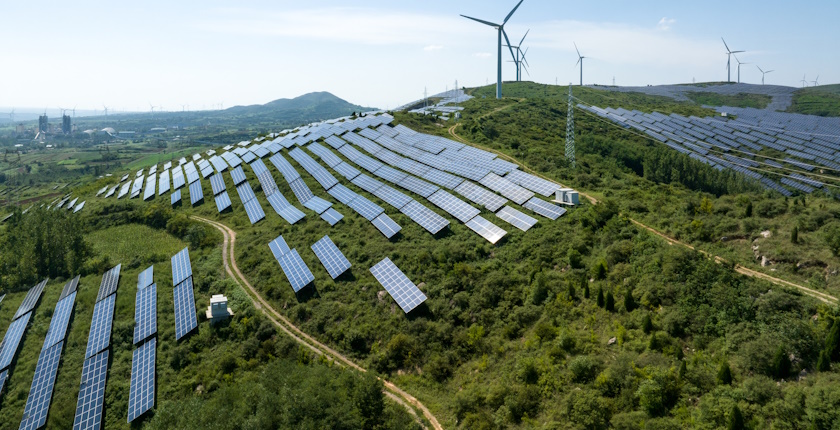
Electricity capacity in Turkey reached 122 GW in 2025, of which 62% was from renewable sources, according to the SHURA Energy Transition Center. Photovoltaics grew by 4.9 GW, compared to 1.7 GW in the wind power segment. Renewables made up 99% of the net additions, amounting to 6.3 GW, the think tank calculated. This year, however, the first unit of the Akkuyu nuclear power plant is scheduled to come online, adding 1.2 GW.
Gross electricity production in Turkey increased 2% last year, to 360 TWh, the SHURA Energy Transition Center estimated in a new report. The share of renewables dropped to 44.1% from 46%. Namely, hydropower output is on a downward trajectory, due to droughts. Wind, solar and geothermal power rallied to 24.6%, though. Photovoltaics and wind power together surpassed 20%.
Renewables continue to dominate the sector’s development, accounting for 99% of the overall 6.3 GW in net additions, the think tank calculated. The total reached 122 GW. Renewable sources made up 62%, compared to 59.7% in 2024.
Solar power surged by 4.9 GW and the wind power capacity jumped by 1.7 GW, while the natural gas item declined by 684 MW.
Importantly, the picture is about to change, as the first, 1.2 GW reactor in Akkuyu, Turkey’s first nuclear power plant, is scheduled to be commissioned this year. Coal plant projects remain dormant and uncertain.
Race to 2035 targets
Daily power consumption reached an all-time high of 1,244 GWh on July 29. SHURA attributed the record to cooling demand caused by rising temperatures.
To reach the 2035 targets, an average of 8 GW of combined solar and wind capacity must be commissioned each year. The high momentum is expected to continue in 2026, the report reads. The government aims to hit 120 GW altogether from the two technologies, against the current 40 GW.
However, grid constraints for self-consumption units (formally, unlicensed power plants) may slow solar energy growth, the authors warned. The plan is to resolve the issue through capacity allocations for the segment. The increasing prevalence of renewable and hybrid power plants with storage will enhance system flexibility, SHURA added.
Electricity decarbonization plan costs USD 15 billion per year
Just transition plans for coal regions are critical, the think tank said. It estimated that decarbonizing the electricity sector by 2053 would require an average annual investment of USD 15 billion.
Decisions regarding fossil fuels made for security of supply reasons must be more carefully balanced with the net zero target, SHURA stressed. Temporary solutions risk creating a permanent deadlock, it underscored.
Focus switching to grid, flexibility
Turkey has reached a critical juncture in its energy transformation, according to the update. The authors commended the rise in capacity and new tenders and investments. Nevertheless, they claim the pace cannot be sustained without strengthening the grid, flexibility and implementation capacity, while implying expansion in storage, electrification and financing.
In the view of SHURA’s Steering Committee Chair Selahattin Hakman, energy transition should no longer be considered solely as a topic of climate policy, but rather in conjunction with geopolitical developments, security and economic resilience. Clean energy investments, particularly in solar and wind power, continue to grow despite increasing global uncertainties, he noted.
“In this new era, energy transition is defined at the intersection of geopolitical independence, economic resilience and social justice. Energy policies have transcended the boundaries of the environment and have become central to foreign policy, industrial strategy and trade policies,” Hakman stated.