by in News

Albania’s Hydropower Surge Strengthens Its Position in Regional and EU Energy Markets

The first three months of 2026 marked a substantial increase in electricity generation in Albania, driven primarily by a sharp rise in hydropower output. Production from hydropower plants was 70% higher in January–March 2026 compared to the same period a year earlier.

According to data published in the report of the Energy Community on the Carbon Border Adjustment Mechanism (CBAM), Albania gained a clear advantage over other regional countries in exporting electricity generated from renewable sources.

Specifically, the first quarterly report on CBAM implementation highlights that Albania’s hydropower generation increased significantly, positioning the country as a far more aggressive net exporter of electricity to both the regional market and the European Union.

“Hydropower production in Albania increased by 1.34 TWh (+70%) in the first quarter of 2026 compared to the same period in 2025, rising from 1.93 TWh to 3.27 TWh,” the report states. This growth was concentrated in January and February, with increases of +72% and +84% respectively, reflecting exceptionally favorable hydrological conditions.

This surplus translated directly into higher exports. Albania increased scheduled electricity exports by approximately 4,100 MWh per day to Greece, 3,700 MWh per day to Kosovo, and 2,000 MWh per day to Montenegro.

The report estimates that “these shifts in trade flows represent a net movement of approximately 1.2 TWh of Albanian electricity exported in the first quarter of 2026,” a volume that closely matches the incremental increase in hydropower generation.

The economic impact is further amplified by how CBAM treats Albanian electricity. Unlike Serbia, Bosnia and Herzegovina, or Montenegro, Albania benefits from a zero emissions factor. This means its electricity exports to the European Union are not subject to additional carbon costs.

“Electricity imported into the European Union from Albania was not financially affected by CBAM,” the report notes, adding that this “created a commercial incentive to import Albanian electricity into EU markets.”

Such dynamics position Albania as a preferential energy corridor դեպի the European market, particularly through Greece and onward to Italy. The report observes that exports from Albania to Greece intensified, with Albanian electricity—combined with strong Greek domestic production—subsequently redirected toward Bulgaria and Italy.

The Energy Community further warns that hydropower-dominated systems like Albania’s “appear to be in a structurally more competitive position,” suggesting that CBAM is already creating long-term winners and losers in the region. In contrast, countries with higher coal-based generation face substantial financial penalties.

For example, Montenegro pays approximately €73.8 per MWh of electricity exported to the European Union, while Albania pays zero. “The contrast between Albania and Montenegro illustrates how country-level emission factors shape cross-border electricity trade,” the report concludes, placing Albania firmly on the side of Europe’s evolving energy transition.
by in News

Albania’s Green Finance Push: A Strategic Step Toward Energy Transition and Financial Stability

Albania is taking a structured step toward aligning its financial system with climate and energy transition goals. The initiative led by the Bank of Albania reflects a broader shift underway across emerging European economies: embedding sustainability into financial architecture rather than treating it as a parallel policy track.

At the core of this effort is the development of a national Green Taxonomy, a classification system designed to define which economic activities can be considered environmentally sustainable. This is not merely a technical exercise. In energy terms, such taxonomies directly influence capital allocation—determining whether investments flow into renewable energy, grid modernization, energy efficiency, or continue supporting carbon-intensive assets.

The article emphasizes that the central bank, in cooperation with the European Investment Bank, is working on a first draft of this taxonomy through an inclusive consultation process involving ministries, regulators, financial institutions, and private-sector stakeholders. This multi-layered approach is critical. Green finance frameworks fail when they are designed in isolation; success depends on alignment between policy, regulation, and market implementation.

From an energy expert perspective, one of the most important elements highlighted is the role of the taxonomy in building a climate information architecture. This is often underestimated. Reliable data on emissions, energy use, and climate risks is the backbone of any credible transition strategy. Without it, financial institutions cannot price risk properly, and investors cannot differentiate between genuinely green projects and “greenwashed” ones.

The initiative is also explicitly linked to financial stability, which is a notable shift in central banking priorities. Climate risks—whether physical (extreme weather affecting hydropower, for example) or transition-related (stranded fossil assets)—are increasingly seen as systemic financial risks. By promoting green financing, the central bank is not only supporting environmental goals but also preemptively managing future balance-sheet vulnerabilities in the banking sector.

Another key dimension is EU alignment. The taxonomy is being designed to approximate European Union standards, which is essential for Albania’s accession process. In practical terms, this alignment lowers barriers for international capital, particularly from EU-based investors who are already bound by sustainability disclosure regulations. It also creates a common language for cross-border energy investments, especially in renewable generation and regional interconnection projects.

The consultation process described in the article—bringing together institutions such as finance, energy, agriculture, and environmental ministries, alongside banks and corporations—signals recognition that the green transition is inherently cross-sectoral. For the energy sector specifically, this is crucial. Decarbonization pathways depend not only on energy policy but also on financing conditions, industrial policy, and infrastructure planning.

Importantly, the article notes that the next step will be the formalization of cooperation through a memorandum of understanding and the finalization of the taxonomy framework. This institutionalization phase will determine whether the initiative translates into real investment flows. Many countries develop green taxonomies, but only a subset manage to operationalize them effectively within lending practices and capital markets.

From a broader energy transition standpoint, Albania’s move reflects three structural realities:

First, finance is becoming the primary lever of the energy transition. Regulatory signals alone are insufficient; capital must be directed at scale toward low-carbon assets.

Second, emerging markets face a dual challenge—they must expand energy systems to support growth while simultaneously decarbonizing them. This makes efficient capital allocation even more critical.

Third, regional integration matters. Aligning with EU frameworks is not just about compliance; it is about accessing larger pools of capital and integrating into a wider low-carbon energy system.

In conclusion, the Bank of Albania’s initiative is more than a policy announcement—it is a foundational step toward reshaping how capital flows into the Albanian economy. If effectively implemented, the Green Taxonomy could accelerate investment in sustainable energy infrastructure, improve risk management in the financial sector, and strengthen Albania’s position within the European energy transition landscape.

by in News

Serbia needs EUR 27 billion to reach decarbonization goals

Serbia faces a substantial financial and structural challenge in its transition toward a low-carbon energy system. According to recent statements from senior management at the state-owned utility EPS, the country will need approximately EUR 27 billion in investment to meet its decarbonization objectives by 2050.

This estimate underscores both the scale of transformation required and the limits of the current energy model, which remains heavily reliant on fossil fuels—particularly coal—while moving toward alignment with European climate and energy policies.

Financing the Transition: Beyond Public Balance Sheets

A central conclusion emerging from the discussion is that Serbia’s decarbonization pathway cannot be financed through internal resources alone. EPS leadership emphasized that achieving a sustainable transition will require a diversified financing structure involving the state, international financial institutions, commercial banks, and capital markets.

In practical terms, this reflects a broader shift in energy policy: decarbonization is no longer only a technical or environmental issue, but fundamentally a question of financial architecture. Access to long-term, low-cost capital—combined with appropriate risk-sharing mechanisms—will be critical to mobilizing the required investment scale.

To that end, EPS is preparing to enter both domestic and international capital markets. A key milestone in this process is the expected acquisition of a credit rating, which would enable the company to issue green bonds and attract institutional investors.
Such instruments are increasingly central to energy transition financing across Europe, particularly in markets where public funding capacity is constrained.

Structural Transformation of the Power Sector

Beyond financing, the transition implies a deep restructuring of Serbia’s generation portfolio. The gradual decommissioning of aging thermal power plants is seen as inevitable, reflecting both environmental requirements and declining economic viability.

At the same time, the development of renewable energy capacity—primarily wind and solar—is expected to accelerate. EPS has indicated a willingness to engage more actively with private investors through joint ventures, power purchase agreements (PPAs), and even the acquisition of completed or late-stage renewable projects.

This signals a notable evolution in the role of the state utility, from a traditional vertically integrated operator toward a more market-oriented and partnership-driven entity.

Importantly, Serbia’s existing asset base—particularly land holdings and grid infrastructure—provides a strategic advantage for scaling renewable deployment. Leveraging these assets efficiently could reduce project development timelines and costs, improving overall investment attractiveness.

Market Integration and Investor Engagement

The transition strategy also highlights the need for stronger integration with private capital and market mechanisms. EPS leadership explicitly stressed the importance of becoming more agile and active in the market, including building relationships with investors and adapting to competitive dynamics.

This reflects a broader regional trend in the Western Balkans, where historically state-dominated energy sectors are gradually opening to private participation. However, this transition requires not only regulatory reform but also improvements in corporate governance, transparency, and financial performance.

Recent financial results from EPS indicate positive momentum, with a significant increase in annual profit, which could strengthen its credibility with investors and lenders.
Nevertheless, maintaining financial discipline while undertaking large-scale capital expenditure will remain a key challenge.

Strategic Implications: A Transition at Scale and Speed

From a policy perspective, the EUR 27 billion investment requirement highlights the magnitude of Serbia’s decarbonization challenge. The country’s energy system is still largely carbon-intensive, with fossil fuels accounting for a dominant share of electricity generation, making the transition both urgent and complex.

Decarbonization will therefore require a coordinated approach that integrates infrastructure investment, market reform, and financial innovation. It will also need to address social and economic implications, particularly in regions dependent on coal production and thermal generation.

Crucially, the success of this transition will depend on Serbia’s ability to align its energy policy framework with EU standards, improve investment conditions, and mobilize both domestic and international capital at scale.

Conclusion

Serbia’s pathway to decarbonization is now clearly defined in terms of scale, direction, and urgency. The estimated EUR 27 billion investment requirement is not merely a financial figure it represents a comprehensive transformation of the country’s energy system.

The coming years will be decisive. Progress will depend on the effectiveness of financing strategies, the pace of structural reform, and the ability of key institutions such as EPS to evolve into modern, market-oriented energy players. Without these elements, the transition risks delays; with them, Serbia has the potential to position itself as a credible participant in Europe’s low-carbon energy future.

by in News

Strengthening Europe’s Energy Sovereignty: The Imperative of a Clean Heat Transition

While often framed as a macroeconomic abstraction, Europe’s reliance on fossil fuel imports carries direct, tangible consequences for millions of households. Domestic energy security is fundamentally tied to the home; space and water heating account for 77.6% of the average EU household’s energy consumption, with approximately one-third of these homes relying on gas. By 2025, 90% of the EU’s gas supply was sourced from third countries, creating a strategic vulnerability to energy coercion that endangers the stability of millions of residences.

Diversification vs. Decarbonization: The REPowerEU Challenge

Historically, Russia served as the primary architect of Europe’s gas supply. In the wake of the full-scale invasion of Ukraine, the EU successfully pivoted, slashing Russian imports from 45% to 12%. This shift was codified through the REPowerEU Regulation, which aims to secure energy independence by permanently banning Russian fossil gas.

However, the broader imperative is not merely to swap suppliers, but to reduce gas demand entirely. This requires equal commitment to the other two pillars of the 2022 REPowerEU Plan: energy conservation and an accelerated clean energy transition. Current projections are sobering:

  • Heat Pump Shortfall: Europe is currently on track to meet only half of its deployment targets.

  • Demand Impact: This lag means fossil gas demand will likely only decrease by 60% of 2024 Russian import levels, rather than the intended 120%.

Bridging the €78 Billion Funding Gap

Achieving a clean heat transition requires significant capital. A study by LCP Delta for the Cool Heating Coalition identifies an annual investment gap of €78 billion through 2050. At present, combined public and private sector contributions cover only half of this requirement.

To close this disparity, Europe must look toward smarter fiscal reallocation:

  • Subsidy Realignment: The EU currently directs approximately €111 billion per year toward fossil fuel subsidies. Redirecting this capital toward renewable solutions would effectively bridge the clean heat funding gap.

  • Innovative Business Models: Policymakers should incentivize “social leasing” frameworks. This requires updating the Consumer Credit Directive to ensure these schemes are covered by robust consumer protection laws.

  • The Role of ETS2: The upcoming ETS2—which prices emissions from buildings and road transport—will be a pivotal market driver. When paired with the Social Climate Fund, it provides a mechanism to finance the transition while shielding the most vulnerable consumers.

The Path to Strategic Autonomy

The postponement of ETS2 for one year in December 2025 sent a confusing signal to the clean heat market. There is no longer room for delay. Member States must utilize this additional window to aggressively support the shift to decarbonized heating, remediate housing inadequacies, and reduce the energy load of the continent’s worst-performing buildings.

Since 2022, the EU has demonstrated remarkable resilience in reducing its dependence on Russian energy. However, as new geopolitical shocks emerge, Europe must prioritize the elimination of all strategic vulnerabilities. The legal framework exists; the transition now requires the political resolve to see it through.

by in News

The Green Backbone: Albania and Western Balkan Partners Unveil Strategic Energy Projects for 2026 EU Funding

The Energy Community has officially opened the public consultation for the 2026 list of Projects of Energy Community Interest (PECI), marking a pivotal moment for the Western Balkans’ energy infrastructure. Running from March 16 to April 17, 2026, the consultation evaluates eight critical projects designed to dismantle cross-border bottlenecks and pave the way for a massive influx of renewable energy.

For Albania and its neighbours, Kosovo, North Macedonia, Montenegro, and Bosnia and Herzegovina the selected projects represent a shift from traditional hydroelectric production to a sophisticated, integrated system of large-scale storage and high-voltage transmission corridors. These projects are now positioned to seek diverse financing, including EU grants, Western Balkans Investment Framework (WBIF) funds, and favourable loans from international financial institutions.

Below is a detailed technical and strategic breakdown of the flagship projects currently in the PECI selection pipeline.

1. Project E12: Moglice Pumped-Storage – The Balkans’ “Giant Battery”

At the heart of Albania’s green transition is the Moglice Extension Pumped-Storage Hydropower Plant (PSH). Developed by Devoll Hydropower Sh.A. (part of the Statkraft Group), this project is set to become one of the largest flexibility assets in the region.

  • Technical Parameters:

    • Maximum Power (Pmax): 1,620 MW (with a dynamic operational range of -1,620 MW to +1,620 MW).

    • Storage Capacity: 30,000 MWh (approx. 30 GWh).

    • Voltage: 400 kV.

    • Efficiency: 77% roundtrip efficiency.

  • Strategic Role: The plant will function as a “green battery,” utilizing the existing Moglice reservoir (380 million m³) and a new upper reservoir (25 million m³). It is designed to store surplus energy during periods of high production and release it during peak demand, providing critical balancing services to Albania and neighboring EU markets like Greece and Italy.

  • Timeline: Currently in the economic feasibility stage, with the earliest commissioning targeted for 2033.

2. Project E04: The 220 kV Balkan Triangle Rehabilitation

To ensure the reliability of the “Balkan Triangle” (Albania, Montenegro, and Bosnia & Herzegovina), the rehabilitation of the aging 220 kV Trebinje–Vau i Dejës corridor has been prioritized. This line is a vital artery that has recently struggled with congestion due to new solar and hydro capacities.

  • Technical Parameters:

    • Voltage: 220 kV.

    • Length: 162.92 km.

    • Transmission Power: Upgraded to carry 1,500 A using specialized high-capacity conductors.

    • Promoters: NOS BiH, Elektroprijenos-Elektroprenos BiH, and CGES (Montenegro).

  • Strategic Role: The project addresses severe climatic challenges and infrastructure depreciation. By replacing OPGW, insulation, and conductors on existing poles without increasing mechanical load, the project will increase Net Transfer Capacity (NTC) and resolve long-standing congestions between BA–ME, ME–AL, and AL–BA.

  • Timeline: Currently in the Detail Design Study phase, with an expected commissioning date of 2030.

3. Project E05 & Regional Corridors: Integrating Wind and Strengthening East-West Links

The expansion of the 400 kV network is a two-pronged strategy: strengthening regional East-West ties and unlocking wind potential in Northeast Albania.

A. The East-West Western Section (Project E05)

Connecting Kosovo and North Macedonia, this 103 km interconnector is a key link in the regional transmission “rings.”

  • Technical Parameters: 400 kV; 1330 MW Pmax.

  • Objective: Connecting the upgraded Prizren (XK) substation to a new substation in Tetovo (MK). This project enhances the security of supply and supports the large-scale integration of Renewable Energy Sources (RES) across the corridor.

  • Timeline: Expected commissioning by 2035.

B. The Albania–Kosovo Interconnection (Strategic Link)

As highlighted by recent strategic filings, Albania is pushing for a new 400 kV interconnection between Fierza (AL) and Prizren (XK).

  • Strategic Role: This link is deemed essential to facilitate the integration of over 1 GW of planned wind energy capacity in Northeast Albania. It will alleviate existing 220 kV grid overloads and significantly boost regional energy trading.

Financing the Future

These PECI projects are governed by the revised EU TEN-E Regulation, which streamlines the path toward final approval in December 2026. Because these projects provide cross-border benefits, they are eligible for a “blended” financing model. This includes state budget allocations, private investment from promoters like Statkraft and KOSTT, and significant support from European Union grants and loans.

As the Western Balkans move away from coal and toward a renewable-heavy mix, these projects—Moglice’s storage, the 220 kV rehabilitation, and the 400 kV corridors—form the essential hardware of a modernized, secure, and decarbonized European energy market.

by in News

Slovenia Bolsters Energy Transition with €174 Million Grid Investments

Slovenia has taken a decisive step toward a decarbonized future, announcing a €174 million investment package dedicated to the comprehensive modernization of its national power transmission and distribution networks. This strategic initiative aims to bolster grid capacity, enhance supply reliability, and—most critically—facilitate the rapid integration of renewable energy sources into the national mix.

The project is supported by €59 million in co-funding from the European Union’s Modernisation Fund, a financial instrument fueled by the EU Emissions Trading System (ETS) designed to assist member states in meeting climate targets.

A Foundation for the Green Transition

Minister of the Environment, Climate and Energy, Bojan Kumer, formalized the initiative by signing four contracts and two strategic decisions with the CEOs of Slovenia’s six state-owned energy entities. The group includes the transmission system operator (TSO) ELES and five distribution system operators (DSOs).

“The energy transition actually begins with the grid,” Minister Kumer noted during the signing ceremony. “A strong, resilient network is the bedrock upon which our future energy autonomy and sustainability are built.”

Key Projects and Financial Breakdown

The modernization efforts are distributed across the country’s regional operators, focusing on infrastructure upgrades, digitalization, and increased transformer capacity.

Operator Project Focus Total Investment EU Support
Elektro Ljubljana Urban network upgrades, cabling, and digitalization €53.2 Million €19.6 Million
Elektro Gorenjska Upgrading Trata and Brnik substations €32.9 Million €14.9 Million
Elektro Maribor New 110 kV line (Murska Sobota – Lendava) €32.3 Million €11.1 Million
ELES (TSO) Upgrading 110 kV line (Dravograd–Velenje) €12.9 Million €5.7 Million
Elektro Celje Switchgear refurbishment & transformer replacement €11.0 Million €5.5 Million
Elektro Primorska Reconstruction of Vrtojba substation switchgear €3.5 Million €1.7 Million

The 2030 Vision: Scaling Smart Infrastructure

This current wave of investment is only the beginning of a broader strategic roadmap. Slovenia has secured over €300 million from the Modernisation Fund to be utilized through 2030, specifically earmarked for grid refurbishment, energy efficiency, and renewable deployments.

The Ministry is already preparing a subsequent public call, expected in April, which will allocate €69 million for smart electricity grid investments between 2026 and 2030. These funds will prioritize three pillars:

  1. Renewables Development: Strengthening the grid to handle intermittent wind and solar inputs.

  2. Electrification of Heating: Supporting the transition away from fossil-fuel boilers to heat pumps.

  3. E-Mobility: Building the infrastructure necessary for the widespread adoption of electric vehicles.

By reinforcing its electrical backbone today, Slovenia is ensuring that its infrastructure can meet the demands of a more electrified and sustainable tomorrow.

by in News

The Great Atomic Pivot: EU Reclaims Nuclear Power as a Strategic Pillar for Energy Security

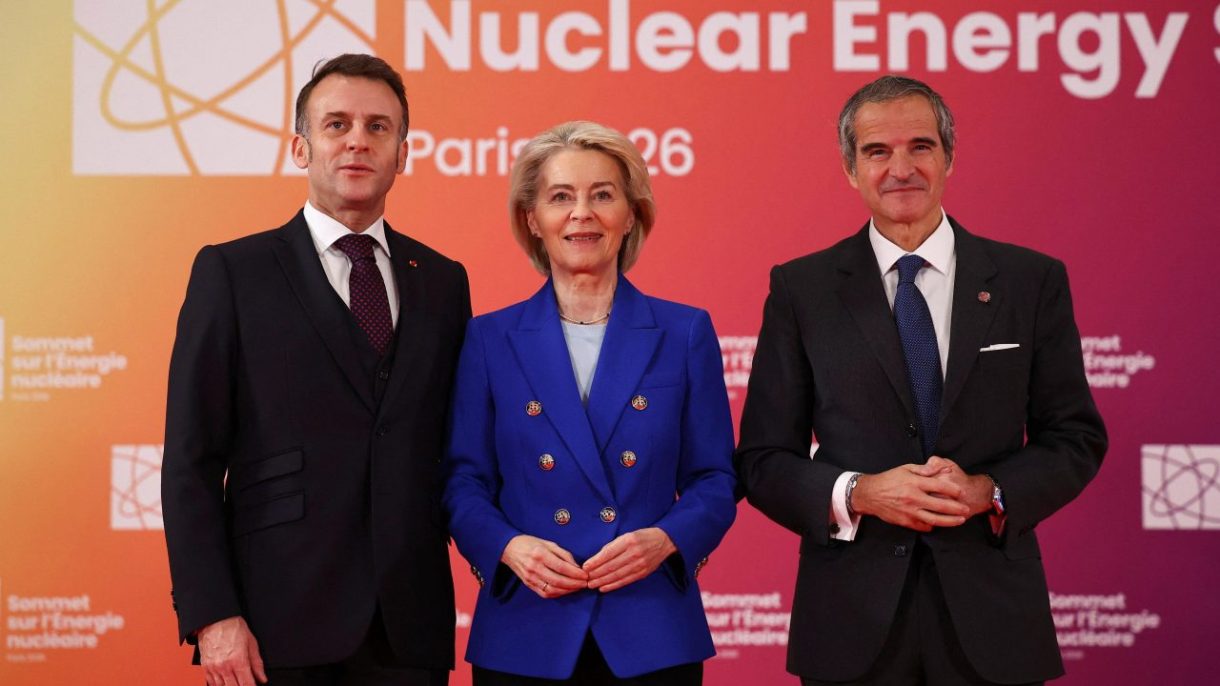
In a significant rhetorical shift for the European Union’s energy policy, Commission President Ursula von der Leyen characterized the continent’s historical move away from nuclear power as a “strategic mistake.” Speaking at the Nuclear Energy Summit in Paris, hosted by the International Atomic Energy Agency (IAEA), von der Leyen argued that turning away from the atom left Europe dangerously exposed to the volatility of global fossil fuel markets.

A Continent Re-evaluating its Baseload

The President noted a stark decline in nuclear’s contribution to the European grid, falling from one-third of total electricity generation in 1990 to approximately 15% today. This retreat, she argued, exacerbated Europe’s dependence on expensive, imported oil and gas—a vulnerability underscored by ongoing instability in the Middle East.

“I believe it was a strategic mistake for Europe to turn its back on a reliable, affordable source of low-emissions power,” von der Leyen stated.

She outlined a vision for a modernized energy system where nuclear works in tandem with renewables, supported by robust storage and smart grids.

The Rise of Small Modular Reactors (SMRs)

The EU’s strategy is increasingly focused on the next generation of nuclear technology. Key initiatives include:

  • Regulatory Reform: Recent changes to state aid rules now allow for expanded support for nuclear fission and fuel cycles.

  • Industrial Alliance: The launch of the world’s first industrial alliance dedicated to Small Modular Reactors (SMRs).

  • Financial Backing: Proposed investments of over €5 billion in fusion research and an additional €200 million in guarantees through 2028 to support the first commercial units of innovative nuclear technologies.

The goal is to have SMRs operational across Europe by the early 2030s to complement existing traditional plants.

Regional Expansion: Greece, Romania, and Serbia

The shift in sentiment at the Commission level is mirrored by renewed interest among member states and neighboring nations:

  • Greece: Prime Minister Kyriakos Mitsotakis echoed von der Leyen’s sentiments, noting that it is time for Greece to explore how SMRs could be integrated into the domestic grid. While Greece remains committed to renewables and gas as a bridge, a new committee will officially study nuclear integration.

  • Romania: Energy Minister Bogdan Ivan announced plans to triple the nation’s nuclear capacity over the next decade. This includes the modernization of the Cernavodă plant and the development of a pioneering SMR project in Doicești.

  • Serbia: Minister of Mining and Energy Dubravka Đedović Handanović signaled Serbia’s intent to join the “nuclear revival.” To support a growing economy and AI infrastructure, Serbia aims to select a technology by 2032, with the goal of bringing a plant online by approximately 2040.

As Europe seeks to reconcile its climate goals with energy security, the message from Paris was clear: the nuclear option is no longer on the sidelines—it is back at the center of the strategy.

by in News

MEPSO Advances Strategic 400 kV Interconnection Project for Energy Community Priority Status

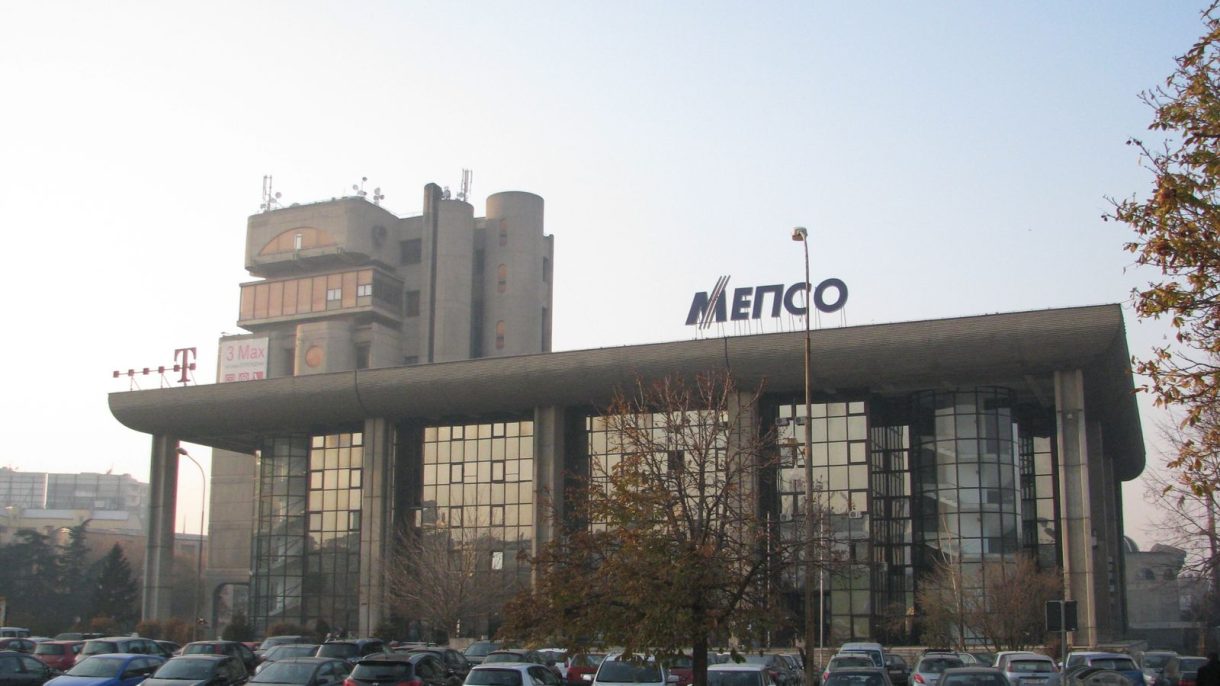
North Macedonia’s electricity transmission system operator, MEPSO, has officially nominated the “400 kV East–West Interconnection Corridor – Western Section” for inclusion in the prestigious list of Projects of Energy Community Interest (PECI). This strategic move aims to solidify the project’s status as a regional priority, facilitating cross-border energy cooperation and bolstering the stability of the Balkan power grid.

A Vital Link in the Regional Energy Spine

The nominated western section focuses on establishing a high-capacity link between Tetovo in North Macedonia and Prizren in Kosovo. This infrastructure is a critical component of a broader corridor designed to integrate the networks of Turkey, Bulgaria, Greece, North Macedonia, Kosovo*, Albania, and Montenegro.

Key specifications of the project include:

  • Total Length: Approximately 255 kilometers.

  • Primary Objective: Connecting the capital, Skopje, and the city of Ohrid via Tetovo, while providing a robust cross-border link to Kosovo*.

  • Capacity Upgrade: Replacing the current single 220 kV link between North Macedonia and Kosovo with a modern 400 kV interconnection.

Infrastructure and Operational Enhancements

The project involves a series of interrelated investments beyond simple transmission lines. MEPSO has outlined plans for significant substation developments to manage increased load and ensure operational flexibility:

  • Tetovo Substation: A new 400/110 kV facility will serve as a central hub for multiple high-voltage lines, significantly strengthening the transmission capacity in Western North Macedonia.

  • Oslomej Substation: Another 400/110 kV facility is planned for Oslomej. This location is particularly strategic as it transitions from a traditional coal-fired power site to a hub for new renewable energy projects.

Strategic Significance and Regional Synergy

MEPSO emphasizes that this investment is highly complementary to existing regional efforts, specifically the approved PECI project to upgrade the line between Prizren (Kosovo) and Fierza (Albania) to 400 kV. This synergy will create a seamless high-voltage path connecting North Macedonia, Kosovo*, and Albania.

This regional integration was further solidified last year (2025) through a Memorandum of Understanding signed between MEPSO and KOSTT (Kosovo’s Transmission, System and Market Operator).

“Achieving PECI status is a recognition of the project’s pronounced regional relevance. It directly contributes to the Energy Community’s objectives of secure, sustainable electricity supply and the efficient integration of renewable energy sources.” — MEPSO Statement

Timeline and Next Steps

The selection process for the second PECI list follows a rigorous biannual cycle. With the call for nominations having closed on January 19, the final list is expected to receive official approval by December 31, 2026.

Projects granted PECI status benefit from streamlined permitting processes and enhanced access to regulatory and financial support, accelerating the region’s progress toward decarbonization and a unified energy market.

by in News

North Macedonia Launches First-Ever Tender for 150 Electric Buses Worth EUR 51 Million

The Ministry of Transport of North Macedonia has launched a public tender for the procurement of electric buses for urban transport, marking the country’s first such purchase. The authorities expect the move to curb air pollution, enhance the quality of public transport services, and reduce long-term operating costs.

North Macedonia is joining regional peers Croatia and Bosnia and Herzegovina, which are also advancing electric bus procurement processes. Macedonian officials first announced the initiative in December 2024.

150 Electric Buses and 75 Charging Stations Planned

The ministry has issued a public call for the acquisition of 150 eco-friendly electric buses and 75 charging stations. Under the plan, 100 buses will be allocated to the Skopje, while the remaining 50 will serve other municipalities across the country.

Delivery is structured in three phases. The selected supplier will be required to deliver the first 30 buses and 15 charging stations within six months. An additional 60 buses and 30 stations must be supplied within one year, followed by the final 60 buses and 30 stations within 18 months.

The total value of the procurement is estimated at MKD 3.1 billion (EUR 51 million).

Technical Requirements and Warranty Conditions

According to the tender documentation, each bus must offer a minimum driving range of 325 kilometers on a single charge, in line with the SORT II standard. The required minimum battery capacity is 360 kWh.

The supplier must provide a four-year warranty covering both the buses and their batteries, as well as ensure the availability of spare parts for ten years. Each of the 75 charging stations is required to have a capacity of at least 120 kW per charger.

The deadline for bid submissions is March 30, 2026. The main selection criterion will be price, determined through an electronic auction process.

Strategic Investment in Cleaner and More Efficient Transport

The ministry described the procurement as a clear political commitment to environmental protection and to improving the efficiency of public transport in Skopje and other municipalities.

According to the authorities, the investment sends a strong signal in the fight against air pollution while raising the quality of public transport services. In addition to environmental gains, the ministry emphasized the long-term economic viability of the project, citing lower maintenance and energy costs associated with electric vehicles.

The procurement forms part of a broader strategic plan aimed at transforming the urban transport system and enhancing the overall efficiency of the national transport network.

Regionally, Croatia is in the process of purchasing 206 electric buses for its cities, while Bosnia and Herzegovina is acquiring electric vehicles for Sarajevo.

At the EU level, the shift toward cleaner public transport is accelerating. According to Transport & Environment, 60% of all new city buses registered in the European Union last year were powered by electricity or hydrogen, underlining the pace of decarbonization in the sector.

by in News

Electrica and Liberty Galați to Jointly Develop Up to 500 MW of Solar and Storage

Electrica — in which the Romanian Government holds a 49.8% stake — has signed a memorandum of understanding with Liberty Galați to develop up to 500 MW of combined solar generation and energy storage on land owned by the currently inactive steel works. The agreement, disclosed in a stock-exchange filing, sets out an operating model intended to maximise self-consumption, strengthen supply reliability and optimise long-term costs, the company said.

The proposed structure seeks to capitalise on the strategic complementarities between the two firms: Electrica brings experience as an electricity supplier, distributor and renewable investor, while Liberty Galați contributes the site footprint and industrial scale. The memorandum follows Electrica’s recent emergency move to assume the plant’s electricity supply contract — a step taken two weeks earlier to prevent disconnection over unpaid bills.

Electrica noted that cutting power to a blast furnace would effectively shut the facility down permanently. The steel works is the country’s largest, but is currently inactive, insolvent and carrying substantial debt.

Next steps include feasibility studies for the sites, which are located on land beside the Danube in eastern Romania, near the border with Moldova and Ukraine. According to Electrica’s update, the two parties would develop solar and storage assets with combined capacity of up to 500 MW, with detailed terms to be defined after the feasibility work is completed.

Electrica’s chief executive, Alexandru-Aurelian Chiriță, said the partnership is intended to leverage both companies’ technological and financial capabilities as a catalyst for change in Romania’s energy sector. “Final partnership terms are to be defined following feasibility studies and will be implemented once all corporate approvals are secured,” he said, adding that the initiative aims to create “a model of excellence adapted to current sustainability requirements” and to set a new performance benchmark for the national energy industry.

Earlier, Liberty Galați — part of the Liberty Steel Group — outlined a EUR 1 billion plan to reach carbon neutrality by 2030. When Electrica announced it would take over the plant’s power contract, Chiriță emphasised the strategic importance of preserving the works: “Not now, when Europe is rearming. Not now, when the reconstruction of Ukraine will require millions of tons of steel from our border. Not now, when European steel production can be a real competitive advantage for the first time in decades.”

Electrica supplies electricity to about four million end customers across 18 counties in Northern Transylvania, Southern Transylvania and Northern Muntenia. The group recently reported record preliminary results: consolidated net profit jumped 159% in 2025 to RON 1.22 billion (EUR 239 million), while EBITDA rose to RON 2.38 billion — 64.5% higher than the previous year.

On the renewables and storage front, Electrica currently operates 46.5 MW within a 307.5 MW renewables portfolio. The company also plans 19 energy storage facilities totalling 1.17 GWh and three modular, interoperable data centres as part of its broader transition strategy.