by in News

Energy Community calls for nominations of PECI energy infrastructure projects

Developers of cross-border energy infrastructure investments within the Energy Community or internal ones with significant cross-border dimensions can nominate them by January 19 within the selection process for projects of Energy Community Interest (PECI). In line with the Trans-European Networks for Energy (TEN-E) regulation, the mechanism is for electricity transmission and energy storage including protection, monitoring and control systems, together with smart power and gas grids, hydrogen and carbon dioxide.

The Energy Community Secretariat opened a call for promotors to submit their projects for evaluation within the 2026 PECI selection. EU regulation 2022/869 – revised TEN-E, which the Energy Community Ministerial Council adopted as 2023/02/MC-EnC, stipulates the approval of the second list of projects of Energy Community Interest (PECI) by December 31, 2026.

Nominations are received until January 19. The proposals concern the electricity and gas sectors.

In the first group are high- and extra-high-voltage overhead transmission lines and underground and submarine transmission cables. It includes equipment and installations for offshore renewable electricity.

Eligible electricity segment investments are also for energy storage, as well as protection, monitoring and control systems for all of the above and at all voltage levels.

Projects for smart power and gas grids are both in the scope of the PECI selection process. Hydrogen-based technologies, electrolyzers and CO2 projects are within the gas infrastructure list as well, the call reads.

PECIs are for cross-border energy infrastructure within the Energy Community or internal endeavors with significant cross-border dimensions.

Proposal forms are available at the call’s webpage.

Ministries, regulatory authorities and transmission system operators will be among the institutions evaluating nominated projects. The group also consists of the European Commission, Energy Community Secretariat, Energy Community Regulatory Board, the ECDSO-E entity of Energy Community distribution system operators, the European Network of Transmission System Operators for Electricity (ENTSO-E) and European Network of Transmission System Operators for Gas (ENTSOG).

The Energy Community comprises the Western Balkans, Moldova, Georgia and Ukraine.
by in News

Serbia’s Vinča Institute, EDF to cooperate in nuclear energy

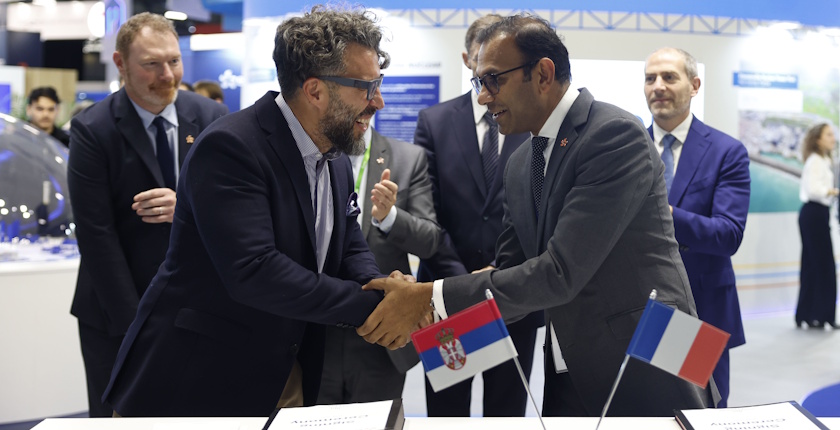
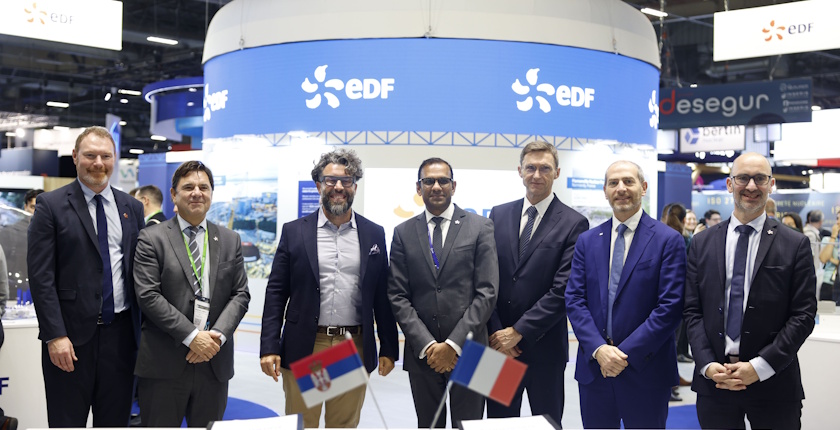
During the World Nuclear Exhibition in Paris 2025, the Vinča Institute of Nuclear Sciences signed a memorandum of cooperation with Électricité de France (EDF).

The Serbian Vinča Institute of Nuclear Sciences said its new memorandum of cooperation with French state-owned energy utility EDF establishes a framework for scientific, technological, and educational cooperation in the nuclear energy sector.

The document was signed by the Vinča Institute’s CEO Slavko Dimović and Vakisasai Ramany, EDF’s Senior Vice President for International Nuclear Development.

Four main sectors of cooperation

The deal envisages joint activities in the areas of scientific research cooperation, professional training and development of employees, international exchange, and public communication on nuclear topics, according to the institute.

The goal is to enhance knowledge, develop expertise, and promote informed public discussion about the potential role of nuclear energy in our country, the Vinča Institute revealed in a social network post.

serbia edf france nuclear energy memoradnum dimovic paris
Slavko Dimović and Vakisasai Ramany (photo: Vinča)

The International Institute of Nuclear Energy I2EN, founded by EDF, will play a key role in implementing the educational programs. It will organize joint academic projects, student exchanges, and research visits.

Dimović: The memorandum is a pledge that we are going to support the growth of young scientists and engineers

The Vinča Institute’s CEO Slavko Dimović stressed that the memorandum represents a continuation of the Serbian-French friendship and an important step toward strengthening the institute’s international cooperation and the exchange of knowledge with one of the world’s leaders in the nuclear energy sector.

The Vinča Institute has long stood as a pillar of scientific and nuclear excellence in Serbia and the region, in his view. EDF brings expertise, experience, knowledge and strong commitment to innovation and the future, Dimović added.

“This memorandum is not just a document, it’s a pledge that we are going to learn from each other, to support the growth of young scientists and engineers, and to promote and help public acceptance of nuclear energy in Serbia,” he underlined.

EDF is active in the region

The Government of Serbia and EDF signed a memorandum of cooperation in April 2024. A few months later, in September, EDF and Egis Industries were awarded a contract for a preliminary technical study for considering the peaceful use of nuclear energy.

France and EDF are very active in the energy sector in the region. The company has established cooperation with the Government of Montenegro, and with the country’s power utility Elektroprivreda Crne Gore (EPCG). France and Slovenia recently signed a declaration on cooperation in the nuclear energy sector, while EDF is in the race to build the new Krško 2 nuclear power plant.

On a bilateral level, Serbia has established contacts or started cooperation in the nuclear energy sphere with China, France, Russia, Slovenia, the United States, and South Korea.

by in News

Germany’s energy and climate cooperation with Serbia improves people’s lives

Projects implemented by Deutsche Gesellschaft für Internationale Zusammenarbeit (GIZ) GmbH and the KfW Development Bank in Serbia have introduced modern heating systems to many towns, improved insulation in public buildings and promoted renewable energy to benefit citizens and local communities. Anke Konrad, the German Ambassador to Serbia highlighted these achievements during the interview with the Balkan Green Energy News, commemorating the 25th anniversary of the German Development Cooperation in the country. She emphasized that these initiatives enhance people’s quality of life, reduce emissions and contribute to environmental protection.

Ambassador Konrad also pointed out that the long-term Regional Climate Partnership with the Western Balkans is based on shared values and goals, aimed at investing in more secure and climate-resilient future.

Ambitious reductions of harmful emissions go hand in hand with a strong economy, German Ambassador to Serbia Anke Konrad says. GIZ and KfW are supporting the country’s green transition, which includes a rising solar power capacity, she noted and called it an enormous success.

Climate action is not a cost, but a strategic investment, Ambassador Konrad pointed out.

This year marks the 25th anniversary of development cooperation between the Federal Republic of Germany and the Republic of Serbia. What are the cornerstones of this partnership, and what significant achievements have been realised over the years?

This year, we look back with pride on 25 years of successful development cooperation that has delivered tangible benefits to people all over Serbia, has brought our two countries closer together, and Serbia closer to the European Union. From the outset, Germany’s support has focused on strengthening institutions, supporting economic growth, and improving living standards. Together with our Serbian partners, we have achieved progress in training and vocational education, good governance, environmental protection, and infrastructure development.

For example, thousands of students and hundreds of companies participate in dual education programmes every year. In digitalization projects, more than 2,000 small and medium-sized companies improved their productivity and competitiveness through digitalizing internal procedures. Another great example are digital services for individuals, such as the seasonal worker portal or the Register of Administrative Procedures, an online register for all administrative services with over 2.2 million registered “e-citizens”.

We look forward to continuing to implement projects that will improve the lives for people in Serbia and support Serbia on its path towards the EU

In 2022, the installed capacity for solar energy generation was at 6 MW. Now it stands at 84.4 MW. This equals a reduction of 118,000 tons of CO2 emissions per year. Where there were 400 solar energy prosumers in 2022, now there are almost 4,000. This represents an enormous success toward combating climate change and creating a sustainable economy. We have supported this transition both through technical advice by GIZ and investments by KfW.

What makes our partnership special is its continuity, reliability and spirit of co-creation. We work together with Serbian partners and citizens, building on a strong foundation of dialogue, cooperation and shared responsibility. In this spirit, we look forward to continuing to implement projects that will improve the lives for people in Serbia and support Serbia on its path towards the EU.

Let us turn our attention to energy and climate-related matters. Germany plays a vital role as one of Serbia’s primary partners in supporting the country’s energy transition and climate efforts. Which specific areas of collaboration would you like to highlight?

Combatting climate change and the transition to green energy are some of the most pressing questions of our time. As we are following the 30th UN Climate Change Conference taking place in Brazil in November, it’s clear that international partnerships, innovation and practical initiatives to reduce emissions are key to preserving our environment and, with that, our prosperity and security. Reduction of CO2 emissions will lead to significant health benefits as a result of cleaner air.

That is one of the reasons why energy and climate cooperation has become one of the most visible parts of our partnership with Serbia. Together, we are enabling Serbian citizens to use more clean energy from wind, sun and water, and to make homes, schools and businesses more sustainable and more energy efficient.

Through our projects that are implemented by GIZ and KfW, many towns now have modern heating systems, better-insulated public buildings, and new renewable energy projects that benefit local communities.

This work is not only about technology – it is about improving people’s daily lives, lowering harmful emissions, and protecting the environment for future generations.

Germany energy climate cooperation Serbia improves people lives Ambassador Anke Konrad interview
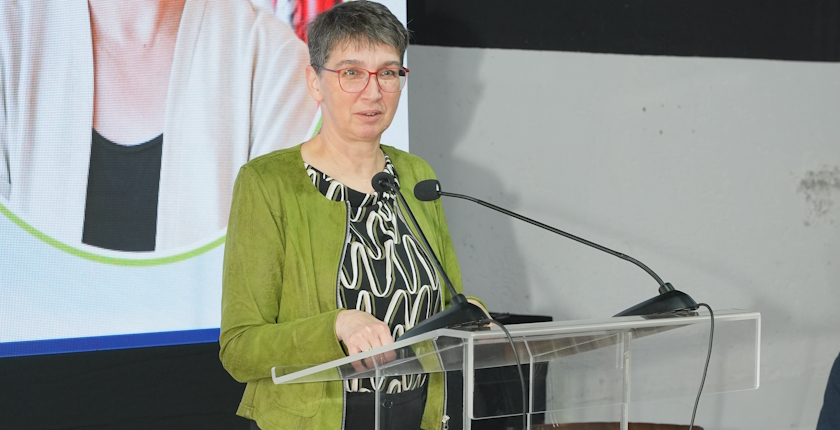
Anke Konrad, the German Ambassador to Serbia delivered a speech at the opening ceremony of the annual event of WISE Serbia network of women in sustainable energy, climate action and environmental protection (photo: Balkan Green Energy News)

What is the current landscape for German companies operating in Serbia’s energy sector? We have noticed a notable presence of technology firms compared to development companies, which raises questions about the level of interest from German investors in Serbia and the wider Western Balkan region. What factors might contribute to this observed reluctance among German investors?

German investors very much believe in Serbia, its business environment and its progress on the path towards the European Union. That is a major factor why over 900 companies with German capital are operating in Serbia.

Altogether, they account for 6% of Serbia’s GDP and provide employment to over 80,000 people. German companies in Serbia are here to stay.

Future investment decisions will depend on a wide variety of factors. Apart from global developments and trends, Serbia’s reform efforts, the efficiency of public institutions, transparency, rule of law and the fight against corruption are important factors when it comes to investment decisions. A predictable and fair investment environment and steady progress towards the EU offer the best prospects for growth and prosperity.

The ongoing efforts to decarbonise the energy sector and transform the economy towards greener and more climate-friendly solutions have been pivotal in the policies of both the European Union and the German government, which is an integral member of the EU. In light of the current economic stagnation and heightened security concerns that are impacting the budget, will Germany continue to uphold its commitment to this crucial agenda to the same extent?

The European Union aims to become climate-neutral by 2050. This binding goal is enshrined in the EU Climate Law and it is the basis for our commitment to reduce emissions and achieve climate targets. Germany will continue to lead by example. We want to demonstrate that ambitious emissions reductions go hand in hand with a strong economy. And we will continue to invest in climate action worldwide because decarbonization offers vast potential for innovation and economic development.

Here in the region, we have partnered with the Western Balkans to establish Germany’s first regional climate partnership in 2022. At the 2022 summit of the Berlin Process, Germany has pledged EUR 1.5 billion by 2030 to support the fight against climate change and the use of renewable energy in the region. Much of this support has already been commissioned.

Much of the EUR 1.5 billion in Germany’s support for climate action and renewable energy has been materialized

We see climate action not as a cost, but as a strategic investment in our future. It contributes to diversification of energy sources and helps with energy security and thus stability. It can have a positive impact on long-term economic competitiveness. Crucially, joint climate action protects our planet as a place where we can all continue to prosper.

Within the Regional Climate Partnership, we have a structured dialogue on carbon-pricing readiness, renewable energy deployment, power market integration and just transition. This long-term cooperation aims to help partners in the region to advance their energy and climate goals in line with EU standards, ensuring that the benefits of the energy transition reach citizens, communities, and businesses. For Germany, this is a long-term partnership grounded in shared values, shared goals, and an investment in a more secure and climate-resilient future considering the need for strong interconnectivity within Europe.

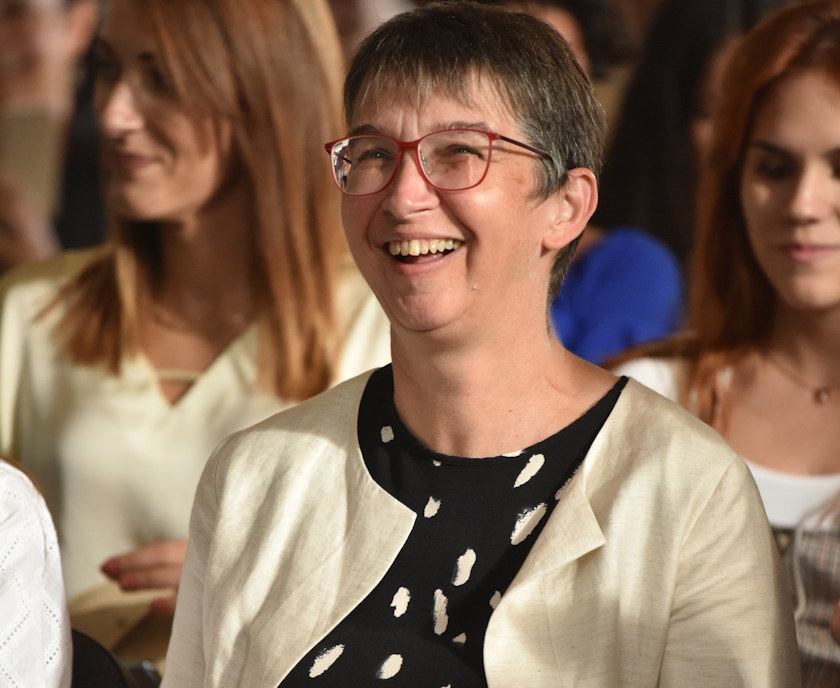
Anke Konrad, the German Ambassador to Serbia (photo: Balkan Green Energy News)

Germany is Europe’s solar and wind energy front-runner. What valuable insights can be gleaned from this experience that may be beneficial for Serbia in its pursuit of renewable energy advancements?

Germany’s experience shows that the energy transition is achievable when there is clear political will, a stable regulatory environment, and strong public participation. Success depends on combining large-scale renewable projects with opportunities for citizens and municipalities to invest and benefit directly.

Serbia has great potential to apply these insights, building on its natural resources, skilled engineers, and growing public interest in clean energy.

GIZ has been actively supporting WISE Serbia, a network dedicated to empowering women in the fields of sustainable energy, climate action, and environmental protection. In your opinion, does the energy sector provide equitable opportunities for both men and women in Serbia and globally? Also, would you advise girls and young women to pursue careers in those industries?

The energy sector is changing rapidly, and this transformation opens new doors for women to take leading roles in technology, management, and innovation. While there is still progress to be made, both in Serbia and globally, we already see many talented women engineers, researchers, and entrepreneurs shaping the transition to clean energy.

To give some perspective, change is already very visible at the university level, where around 40% of power engineering students at the University of Belgrade are women.

Initiatives such as WISE Serbia play a key role in giving visibility, confidence, and networks to women

We can look to role models in this field, such as this year’s recipient of the Female Leader in Sustainable Energy award, Ljiljana Velimirović. Initiatives such as WISE Serbia play a key role in giving visibility, confidence, and networks to women in this field, which still has great further potential.

My advice to girls and young women is clear: follow your curiosity and ambition, the energy transition needs your creativity and commitment just as much as it needs new technology.

by in News

Guarantees of origin: turning renewable ambition into action

Author: Naida Hausmann, Lead of the Renewable Energy Taskforce, Energy Community Secretariat

Far from being mere certificates, guarantees of origin (GOs) underpin the entire renewable energy value chain – building trust and accountability among producers, businesses and consumers. By ensuring transparent tracking of green electricity and enabling cross-border recognition, GOs can accelerate decarbonisation across the EU and the Energy Community, helping Europe achieve its climate targets. Mutual recognition between the EU and the Energy Community would open regional markets, attract investment, and give consumers and businesses a tangible role in the energy transition.

A guarantee of origin (GO) certifies that one megawatt-hour (MWh) of electricity was generated from renewable sources. It provides a transparent chain of information about where and how electricity was produced, allowing consumers and companies to claim the renewable origin of the electricity they use, even if they draw it from a mixed grid.

In the European Union, the national systems for guarantees of origin are well established. Cross-border transfer of certificates is enabled through the Association of Issuing Bodies (AIB), helping to build confidence among suppliers and buyers alike.

As part of the Energy Community regional project, nearly all issuing bodies have now established national electronic registries for issuing GOs

In the Energy Community, similar systems are advancing rapidly, laying the groundwork for a fully integrated regional market for renewable electricity. As part of the Energy Community regional project, nearly all issuing bodies have now established national electronic registries for issuing GOs.

Work is ongoing to finalise disclosure rules, with the goal of fully aligning these systems with EU legislation and requirements. Once fully aligned, these systems can enable seamless cross-border trade in renewable electricity – bringing the Energy Community a step closer to the EU’s internal energy market.

Empowering consumers and corporates

GOs transform energy consumers from passive users into active participants in the energy transition. When a household subscribes to a “100% renewable” tariff, or when a company purchases GOs to match its electricity use, it signals clear market demand for renewable generation. This demand translates into investment: it strengthens developers’ business cases, supports project financing, and helps accelerate the construction of new renewables capacity.

Moreover, when GOs are sold separately from electricity, they provide an additional revenue stream for developers, making projects more financially viable.

For corporates, GOs have become an essential tool to meet sustainability and reporting obligations and demonstrate that their electricity consumption is renewable. GOs therefore form the backbone of corporate energy procurement strategies and sustainability claims, particularly when coupled with long-term power purchase agreements (PPAs).

Naida Hausmann Guarantees of origin GOs turning renewable ambition into action features

Why mutual recognition matters

Under the EU’s Renewable Energy Directive, GOs can only be mutually recognised with third countries once a formal agreement is concluded – a requirement that carries significant implications. For the Energy Community contracting parties, such recognition would effectively link their systems with the EU market for renewable attributes, allowing renewable energy producers to access European buyers and investors.

Importantly, such recognition would also catalyse other mechanisms that drive the uptake of renewables, enabling regional PPAs, enhancing liquidity and sending stronger investment signals. For investors and utilities alike, a unified GO market reduces risk, increases price transparency and ensures that renewable attributes are valued consistently across borders.

For investors and utilities alike, a unified GO market reduces risk, increases price transparency and ensures that renewable attributes are valued consistently across borders

In the Energy Community region, where access to capital remains a barrier to the deployment of renewables, this is not a minor issue – it is a gateway to unlocking the private investment needed to meet regional and European decarbonisation goals.

The Energy Community Secretariat, together with the European Commission, has been advancing a decision for mutual recognition. Once in place, it will allow certificates issued in the Energy Community to be traded and recognised within the EU, provided they meet equivalent standards of reliability and verification.

Criteria for recognition

Beyond the technical criteria for establishing and maintaining a system of guarantees of origin by national competent authorities, including membership in the AIB, the draft decision on the mutual recognition of guarantees of origin, as presented by the European Commission, sets out additional requirements. These include criteria for the transposition and implementation of the acquis communautaire on electricity and renewable energy.

The Energy Community Secretariat is expected to support the assessment of compliance and monitor implementation. Together, these criteria aim to establish a credible and transparent framework for mutual recognition, ensuring that GOs issued across the region are reliable and can be confidently traded.

Way forward

With almost all issuing bodies in Energy Community contracting parties having operationalised electronic registries for GOs, the focus should now shift to implementing robust disclosure rules and meeting the remaining criteria for mutual recognition. Ensuring alignment with EU legislation and participating in the AIB will be essential to create a transparent and trusted system, unlocking cross-border trade, investment and market confidence in renewable electricity.

Issuing bodies in Albania, the Republic of Srpska (Bosnia and Herzegovina), Georgia, Kosovo*, North Macedonia, Montenegro, Serbia, and Ukraine have operationalised their registries. The issuing body in Moldova has signed an agreement with a service provider and is expected to operationalise its registry by the end of 2025, while the only issuing body without an electronic registry remains that of the Federation of BiH.

Conclusion

GOs translate environmental ambition into measurable progress toward decarbonisation. They give visibility to renewable electricity, credibility to corporate climate action and empower consumers with choice and the ability to participate in the clean energy transition. For the Energy Community and the European Union alike, mutual recognition of GOs would mark a practical and symbolic step toward a truly integrated European renewables market – one where clean electricity, investment and trust flow freely across borders.

By turning certificates into confidence and ambition into action, GOs can help bridge the remaining gap between policy objectives and market reality, ensuring that the path to decarbonisation is both transparent and inclusive.

* This designation is without prejudice to positions onstatus and is in line with UNSCR 1244/99 and the ICJ Opinion on the Kosovo declaration of independence.
by in News

Revolutionising retail: power of real-time energy visibility with SolarEdge ONE for C&I

As retail evolves, supermarkets are under pressure to boost efficiency and sustainability. The key enabler of this transformation is SolarEdge ONE for C&I – a comprehensive platform that delivers real-time energy visibility and management for commercial and industrial (C&I) environments.

SolarEdge ONE for C&I integrates advanced solar PV, storage, and energy analytics, providing retailers with a unified “single pane of glass” to monitor, control, and optimize energy flows across their entire estate. This platform enables supermarkets to harness solar energy during peak hours, store excess power, and intelligently manage consumption, reducing reliance on the grid and lowering operational costs.

With the rise of electric vehicles and increasing electrification, supermarkets face growing energy demands. SolarEdge ONE for C&I addresses this by combining real-time data from solar panels, refrigeration, lighting, HVAC, and EV chargers. The result is a holistic view of energy usage, allowing retailers to identify inefficiencies, prevent asset failures, and take targeted actions to reduce waste and costs.

CSS-OD WG Solar Germany

Millions of sensor readings in real time

A standout feature of SolarEdge ONE for C&I is its edge-based computing, capable of processing millions of sensor readings in real time. This empowers retailers to visualize and analyze data instantly, even across hundreds of stores, warehouses, and logistics centers. The platform’s scalability means that even large retail chains can centralize energy management, ensuring consistent performance and rapid response to anomalies.

The financial benefits are significant: retailers using SolarEdge ONE for C&I have reported substantial reductions in energy costs – such as a 4.5% drop in lighting expenses – translating to millions in annual savings. The system also supports flexible energy pricing strategies, enabling retailers to shift consumption based on tariff changes, avoid penalties, and even participate in energy trading or arbitrage.

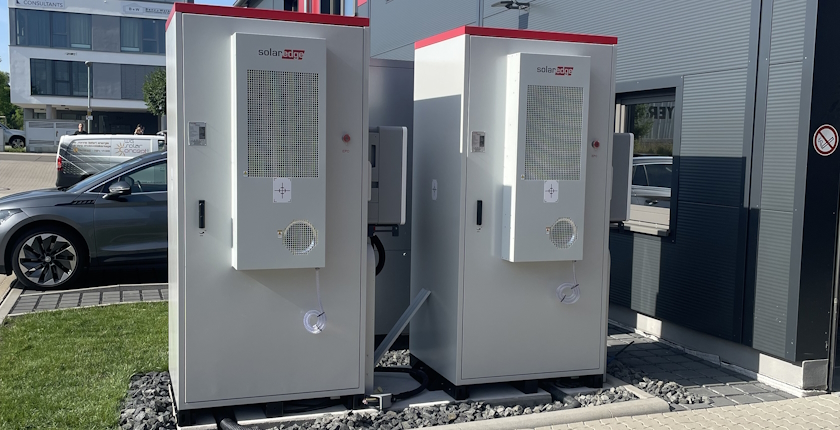
SolarEdge ONE Controller for C&I

SolarEdge ONE for C&I sets retailers on path to future

By leveraging SolarEdge ONE for C&I, supermarkets are not only meeting their sustainability goals but also gaining a competitive edge in a dynamic energy market. The platform’s advanced analytics and automation prepare retailers for the future, allowing them to optimize energy use, comply with carbon reduction targets, and unlock new revenue streams.

In summary, SolarEdge ONE for C&I is transforming retail energy management. Its real-time visibility, intelligent controls, and scalable architecture empower supermarkets to operate more efficiently, sustainably, and profitably – setting a new standard for the industry.

Find out more: SolarEdge ONE for C&I: optimizing all energy assets | SolarEdge

by in News

Energy communities reduce power bills for members, improve electricity market

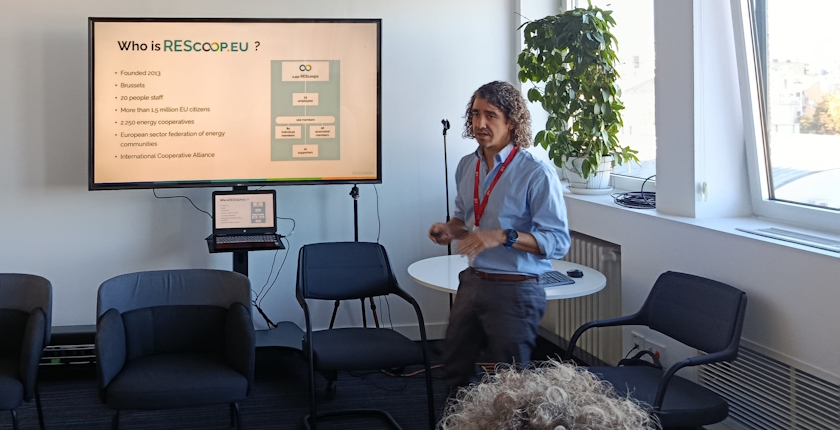
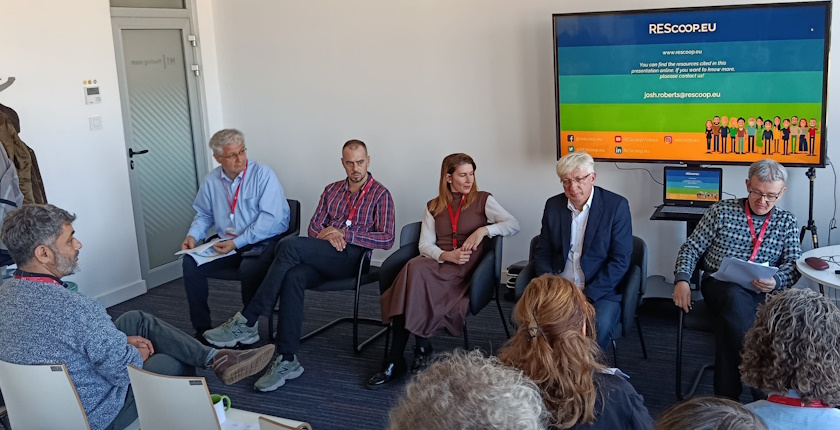
Citizen energy communities make the energy system greener and benefit society at a local level, Josh Roberts from European federation of energy communities REScoop said in his presentation, organized in Belgrade by Deutsche Gesellschaft für Internationale Zusammenarbeit (GIZ) GmbH. It is a form of association that also lowers costs for households, institutions and small firms and entrepreneurs, and contributes to the deployment of progressive technologies. Furthermore, it is a framework for democratic control.

The event included developers from the emerging segment of energy communities and cooperatives in Serbia. They outlined the current initiatives and pointed to challenges regarding market entry, financing and policies.

The establishment and operation of energy communities is arranged through the European Union’s latest legislation, as well as in Serbia and other Western Balkan countries, but they are not a new concept. For instance, such entities still accounted for almost half of wind power output in Denmark in late 1990s, according to Senior Policy Advisor Josh Roberts from REScoop, the European federation of energy communities and cooperatives.

Speaking at a gathering that GIZ organized in Belgrade he pointed to the benefits for citizens, small firms and entrepreneurs and for institutions from setting up or joining energy communities. Initiatives in Serbia were also presented, and their progress in the same field, and the event included dialogue on the necessary technical solutions for connecting to the distribution grid.

Brussels-based REScoop was founded in 2013. In its membership are organizations from 22 European countries. They include Serbian energy cooperative Elektropionir. It gained the most ground regarding association and the implementation of projects.

One coal town has put up signpost for energy communities in Slovenia

Among other examples, Roberts highlighted Slovenia’s first energy community with a rooftop solar power plant for joint use. The facility is on the roof of an elementary school. The project involves aid for people living in energy poverty and it is free to join the group.

It is in the town of Hrastnik in a former coal industry area. The participants already lowered their power bills by 30%, and the gains will be even greater when they pay off the loan, Roberts said.

There are more than 1,600 energy communities in Austria

The representative of the REScoop federation stressed that municipalities in the Belgian region of Wallonia have succeeded in obtaining the right for citizens to participate in investments in green energy projects. It resulted in the foundation of a range of energy communities.

Roberts especially commended Austria’s legal framework with regard to enabling citizens to participate. The country hosts more than 1,600 energy communities.

Udruzivanje energetske zajednice smanjuje troskove trziste elektricne energije Dzos Roberts Josh REScoop GIZ

Energy community eases grid operator’s job

Energy communities are envisaged to return the invested funds to society at the local level. Subsidies are especially favorable for that, Roberts explained. Income is directed to education, infrastructure and aid against energy poverty.

The essence is that the community controls the distribution of the proceeds. In addition, grid operators can communicate more easily with one entity than with a hundred prosumers, Roberts underscored. Prosumers – or buyers-consumers, as they are formally called in Serbia, generate electricity for their own needs.

Pooling together enables providing services in the market, where energy communities can supply and store energy as well as conduct energy efficiency services, among other activities.

It means an entity of such type can ease the evening grid load, in moments of the highest demand, using energy from its batteries. That way, price peak shaving is achieved.

Registration process must be separate from defining activity

As for the procedure, Roberts said registration needs to be only for acknowledgement, rather than for approving specific activities.

“It’s about acknowledging the legal form and it’s about checking about how that legal form ensures compliance with the eligibility criteria. We have found very complex registration procedures. This does not work. It needs to be simple,” he stressed.

There are many activities that energy communities can undertake and they need to be able to enter them gradually, without complex procedures for licenses and permits

Conversely, in some jurisdictions there are simplified ways to get a supplier license. It enables an energy community to enter the activity gradually, instead of having to fulfill the requirements for all segments, even without having a comprehensive business model, the members or a business case, Roberts said.

He mentioned at the same time that one of the basic ideas is promoting inclusiveness.

“It’s already hard to set up an energy community, but it’s even harder to involve members who may have a hard time paying their bills, or have a lot less disposable income. So we found that the best models at the moment are for energy communities either to front the membership fees or for local authorities to pay for this upfront. And in energy sharing, we’re seeing more and more of energy donated to vulnerable households,” he stated.

Energy cooperatives helping improve rural areas from which people are leaving

Energy communities are giving people an opportunity for climate action and to contribute to their community, Roberts said. He added that such projects improve the area where they are conducted, stressing that it is especially important for rural areas from which many people are leaving.

A key point is that they enable participants to control their costs, production, consumption and energy sharing.

 The main challenge in Serbia is how to obtain a grid connection, alongside the matter of accessibility of incentives and loans

Importantly, energy communities are linked to the tradition of cooperatives, for which Serbia used to be known, but there is still much left to do around the legal framework.

There was word at the said gathering with representatives of institutions about the complexity of adjusting the electricity network to the production’s decentralization, as well as about the possibility to streamline the procedure for the establishment of energy communities and their operation.

Serbia is yet to address the accessibility of subsidies and financing, while currently the main issue is how to get grid connection approvals.

Energetsko zadrugarstvo smanjuje troskove trziste elektricne energije GIZ

Enterprise, association or cooperative

The speakers and other participants in the event agreed that the electricity market isn’t complete without energy communities, while that they modernize and democratize it.

When it comes to Serbian regulations, such legal entities have the right to conduct aggregation, but they need a license for it. Notably, aggregators have balancing responsibility, so they need to cover the deviations from the forecasted output.

Energy communities were introduced in the latest version of the Law on Energy. When they become regular in practice, the framework will need to be adjusted gradually to the situation. Citizens, firms and municipal authorities establish energy communities as enterprises, associations or cooperatives.

The bottom line is to enable citizens to take part in the clean energy transition and achieve local environmental, economic and social benefits, as opposed to prioritizing profits. It implies collective ownership, democratic control and reinvestment into the community with the goal of reducing energy poverty and promote energy independence.

The basic technical requirement for members is to have a smart electricity meter.

Elektropionir pioneering agrisolar in Serbia

The event’s organizers gathered the people who achieved the first steps in Serbia – from the Sunčani krovovi (Sunny Roofs) energy cooperative, created in 2019, to Platform for Energy Transition, which participated in uniting three residential buildings in Niš, which have a joint solar power plant and electric vehicle chargers. It is one of the first six prosumers in Serbia in the category of homeowner associations.

The Elektropionir energy cooperative managed through crowdfunding to install two cooperative-owned rooftop solar power systems on the territory of the City of Pirot, on the buildings of a local community council and a cultural center. As part of the Solarna Stara project, on Mt. Stara planina, the two villages receive the income from the sale of surplus electricity.

Srem is set to become the main region in Serbia for community energy

Next, the same organization built the first agrisolar power plant in Serbia. The 20 kV facility is at an organic farm, Organela, near the city of Valjevo.

Another recent undertaking is a rooftop photovoltaic unit on a school in the town of Ruma, envisaged to be the basis for an energy community. In the same area, Elektropionir is working on the installation of several prosumer power plants on house roofs and on aggregating them, inspired by the enthusiasm and the solar system of its member Nenad Maričić.

Owners and neighbors can jointly invest and they will be able to become an energy community and share energy among themselves.

Center for Sustainable Development to integrate string of energy systems of various technologies

Near Ruma, which is in the Srem (Syrmia) region, the City of Sremska Mitrovica and Regional Development Agency Srem have launched a major project. It is for the establishment of renewable energy communities (RECs), which are essentially a subset of citizen energy communities (CECs).

The local authority provided land for research and development. It is next to the regional waste landfill and a wastewater treatment plant. The plan is that the Center for Sustainable Development builds and integrates a string of energy systems.

They would include combined heat and power (CHP) production – cogeneration – from biomass, small wind turbines and a PV plant. The project also involves heat pumps and a storage facility assembled from old batteries.

There would be a facility running on biogas from the landfill within the center, and a magnet electric generator. Residents of the adjacent village of Jarak would be able to join the energy community.

Belgrade Energy Community is focused on equity, solidarity

Another group emerging in community energy is Belgrade Energy Community. It intends to apply a model of collective self-consumption in an urban area, with a focus on trust, equity and solidarity.

Its idea is to enable people to generate, share and use green energy. The plan is to map roofs and consumption and set up the first pilot installations.

According to the Belgrade Energy Community, it will donate 5% of the output to households affected by energy poverty. It consists of a cooperative, a civil society organization, two small enterprises, several prosumers and citizens.

by in News

3rd Conference on Advancing Renewable Investments – guarantees of origin could drive Europe’s green energy integration

As CBAM nears implementation, the Ljubljana conference highlighted market tools and partnerships to accelerate clean energy integration with the European Union, the Energy Community Secretariat said. It pointed out that as more renewables capacity is connected to the grid, storage and flexibility solutions would become increasingly vital to enable the sector’s continued growth and integration.

The rollout of national electronic registries for guarantees of origin was recognized as essential to verifying the low-carbon value of regional electricity exports and advancing market-based integration with the EU.

Ministers, regulators, investors, and private sector representatives from across South East and Eastern Europe gathered in Ljubljana for the 3rd Conference on Advancing Renewable Investments, hosted by the Energy Community Secretariat and the Government of Slovenia, to boost renewable investment and advance the region’s shift toward clean, interconnected energy systems.

“Energy Community contracting parties are advancing accelerated integration with the EU’s electricity market – a process that, thanks to the Energy Community framework, with market coupling nearing completion, can be achieved even ahead of full EU membership. Expanding renewables is central to this effort, enabling countries to align with EU policy targets and speed up decarbonisation,” the update reads.

Integration with the EU’s electricity market can be achieved ahead of full membership

The results are tangible, according to the Energy Community Secretariat’s 2025 CBAM Readiness Tracker. Renewable energy excluding large hydropower has increased by more than 50% since 2020 – reaching 5.1 GW, fuelled largely by governmental support schemes.

While it is a notable success, continued progress will depend on the contracting parties’ ability to build on this momentum and mobilize efforts beyond government support to fully meet the ambitious 2030 targets set out in their national energy and climate plans (NECPs) and achieve carbon neutrality by 2050. As more renewables capacity is connected to the grid, storage and flexibility solutions will become increasingly vital to enable the sector’s continued growth and integration, the organizers said.

Uncertanties emerging ahead of CBAM charge introduction

At the same time, as the definitive phase of the EU’s Carbon Border Adjustment Mechanism (CBAM) begins on January 1, uncertainties are emerging for renewable energy investors, the secretariat stressed.

Discussions at the conference highlighted stakeholders’ expectations for the European Commission to clarify CBAM implementation rules, while continuing to rely on the secretariat to raise concerns about potential risks to renewable energy investments arising from unintended CBAM impacts.

As a no-regret pathway, participants discussed measures to accelerate the shift toward market-driven renewable investments, strengthening the sector’s credibility and long-term financial stability. A matchmaking dialogue brought together renewables producers and corporate buyers, reflecting growing private-sector interest in long-term power purchase agreements (PPAs) to boost investment and market confidence.

Lorkowski: GOs turn transparency into trust, trust into investment

Finally, the rollout of national electronic registries for guarantees of origin (GOs) was recognized as essential to verifying the low-carbon value of regional electricity exports and advancing market-based integration with the EU.

“Guarantees of origin are the compass guiding Energy Community markets toward the EU’s clean energy future. They turn transparency into trust, and trust into investment, enabling regional producers to access new markets, attract financing, and build confidence in the energy transition,” said Energy Community Secretariat Director Artur Lorkowski.

Ongoing efforts to establish a mutual recognition framework with the EU are underway, in close coordination with the European Commission and the Association of Issuing Bodies (AIB), to enable cross-border trade in renewable electricity.

by in News

Romania’s Hidroelectrica struck by worst hydrology so far

Romanian state-owned hydropower operator and electricity supplier Hidroelectrica is expecting record-low output this year amid a severe drought. However, it entered the winter season with much higher water reserves than in 2024. The company projected its annual profit at EUR 590 million.

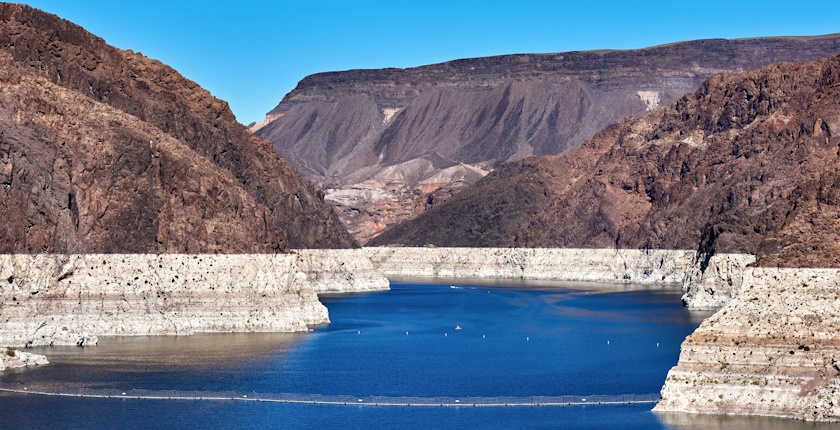
Chronic drought and heat in Southeastern Europe may require countries in the region to invest massively in desalination. Whether a result of climate change or what skeptics consider a cyclical phenomenon, it is heavily impacting the economy and nature.

There is a trend of decreasing water levels in rivers, lakes and reservoirs. It spells uncertainty for hydropower projects, especially for ones on small watercourses, very sensitive to drought. Following extreme declines in water levels in hydropower reservoirs in Bosnia and Herzegovina, Serbia and Greece, Romania’s Hidroelectrica also sounded the alarm.

The state-owned utility and electricity supplier expects record-low production in 2025, just above 11 TWh, President of the Board of Directors Bogdan Nicolae Badea said at the Focus Energetic conference, as quoted by Agerpres.

It is the driest year so far, he stressed. Output is seemingly weaker even than in 2012, when the company fell into insolvency.

Weather effect weakening, but it’s no time to relax

Conversely, Hidroelectrica expects its profit to reach RON 3 billion (EUR 590 million) this year, Badea revealed. Furthermore, he pointed out that water reserves are at around 73%, compared to 64% from the same period of 2024.

The chief executive said he has noticed a pattern change and estimated that the pressure has been reduced in terms of the impact of weather factors on the energy sector. “But I don’t think it’s time to relax. Because, from what I have observed statistically in previous years, even if there were situations in which we had milder winters, in which episodes of extreme cold lasted less, these issues can arise at any time,” he explained.

Free market is only way for correct electricity pricing

Badea said he was “extremely happy” because of the return to the free market, arguing it is the only way for correct pricing. Hidroelectrica recently announced that it has surpassed one million household and non-household customers in the end-consumer supply market.

The company has 188 hydroelectric plants with a total capacity of 6.4 GW, and the Crucea wind farm of 108 MW.

by in News

Slovenia and Italy to upgrade electricity interconnectors

Slovenian transmission and distribution system operator ELES and Italian transmission system operator Terna agreed to upgrade their cross-border electricity network in an investment of EUR 250 million. The project aims to increase the transmission capacity between the two countries by 600 MW, strengthening supply and trade.

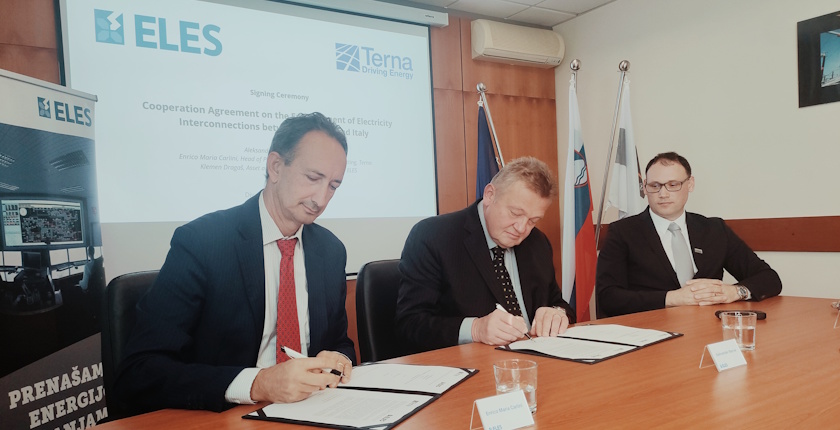
After a decade of coordination, ELES and Terna signed an agreement to raise the electricity transmission capacity between Slovenia and Italy by 600 MW or more than 50%. According to ELES, it is an important step in market integration and strengthening the reliability of the interconnected electricity system.

Interconnections between Slovenia and Italy are currently among the most heavily loaded ones in the Slovenian network, the country’s TSO pointed out.

As ELES further explained, with the growth of electricity imports and exports, there is an increasing need to strengthen transmission routes between the two countries. The company expects a rise in electricity imports in the countries gradually phasing out fossil fuel–based production to further increase the demand for cross-border transmission capacity.

The project consists of three upgrades

The project includes three main improvements. On the Slovenian side, the phase-shifting transformer at the Divača substation would be upgraded, alongside adding a third unit, which enables full utilization of the capacity of the 400 kV transmission line between Divača and Redipuglia (Sredipolje). The current transmission capacity, 1,200 megavolt-amperes (MVA), would be lifted to 1,800 MVA.

On the 220 kV transmission line between Divača and Padrice in Italy, low-sag conductors, capable of withstanding higher temperatures will be installed, ELES said. The transmission capacity would be doubled to 700 MVA.

On the Italian side, the existing 220 kV Padriče-Redipuglia connection and the Redipuglia substation are to be upgraded with a new phase-shifting transformer. It is crucial for managing internal power flows, the update reads.

“With an additional 600 MW of cross-border capacity, Slovenia is solidifying its role as a key electricity hub between Central and Southern Europe and as a reliable regional partner. This is a strategic investment in the future, ensuring reliability, resilience, and connectivity of our grid in the decades when electricity will become the main energy currency,” said ELES CEO Aleksander Mervar.

Slovenia’s share of the project is estimated at EUR 90 million

The total value of the project is EUR 250 million, with the Slovenian share estimated at EUR 90 million and the Italian side securing EUR 160 million. Pending all necessary permits and documentation, construction is planned to begin in 2029, and completion is expected by the end of 2031.

ELES announced it would seek European funds to finance the Slovenian side of the investment.

“The agreement not only strengthens the historic partnership between the two transmission system operators but also marks an important step toward developing and implementing innovative solutions that enhance the efficiency of transmission network investments. The agreement encourages system operators to introduce not only capital-intensive projects but also solutions with lower capital requirements that can increase net benefits and investment returns for all electricity system users,” said Enrico Maria Carlini, Head of Power System Planning and Permitting at Terna.

by in News

Trial phase starts for 134 MW solar power plant in Romania

One of the biggest photovoltaic plants in Romania is due to begin commercial operation by the end of the year. China Huadian Corp., which bought 49%, is reportedly acquiring the entire 134 MW facility.

Project firm Grup Blauer București has completed the construction of a solar park in southern Romania. The 134 MW facility in the Studina commune in Olt county is one of the biggest in the country. Profit.ro reported that it is entering trial production.

The deadline for starting commercial operation is the end of 2025. Grup Blauer București is one of four developers of photovoltaic projects that China Huadian Corp. is taking over, the article adds. The conglomerate has 178 GW in operation, generating more than 640 TWh per year.

Grup Blauer București was owned until late 2022 by a group of investors including Bogdan Stelea. The Romanian national soccer team’s former goalkeeper held 21.4%. They sold the firm to CWP Europe.

Founders of Grup Blauer București included Romanian goalkeeper Bogdan Stelea

Next, in the summer of 2023, a subsidiary of Renalfa IPP bought a 50% stake. The news website found that China Huadian Hong Kong Co. currently controls 49% of the solar park. Its parent, established in 2002, is among the five largest state-owned Chinese companies.

Of note, China Huadian was interested in building a coal power plant in Romania, until the country decided to phase out the solid fossil fuel. The company also participated in a tender in 2015 for the revived Tarnița-Lăpuștești pumped storage hydropower project.

Romania’s largest solar park, Rătești, has 155 MW in peak capacity, but there several projects for larger capacities, too.