by in News

Montenegro launches second BESS tender but for drastically smaller capacity

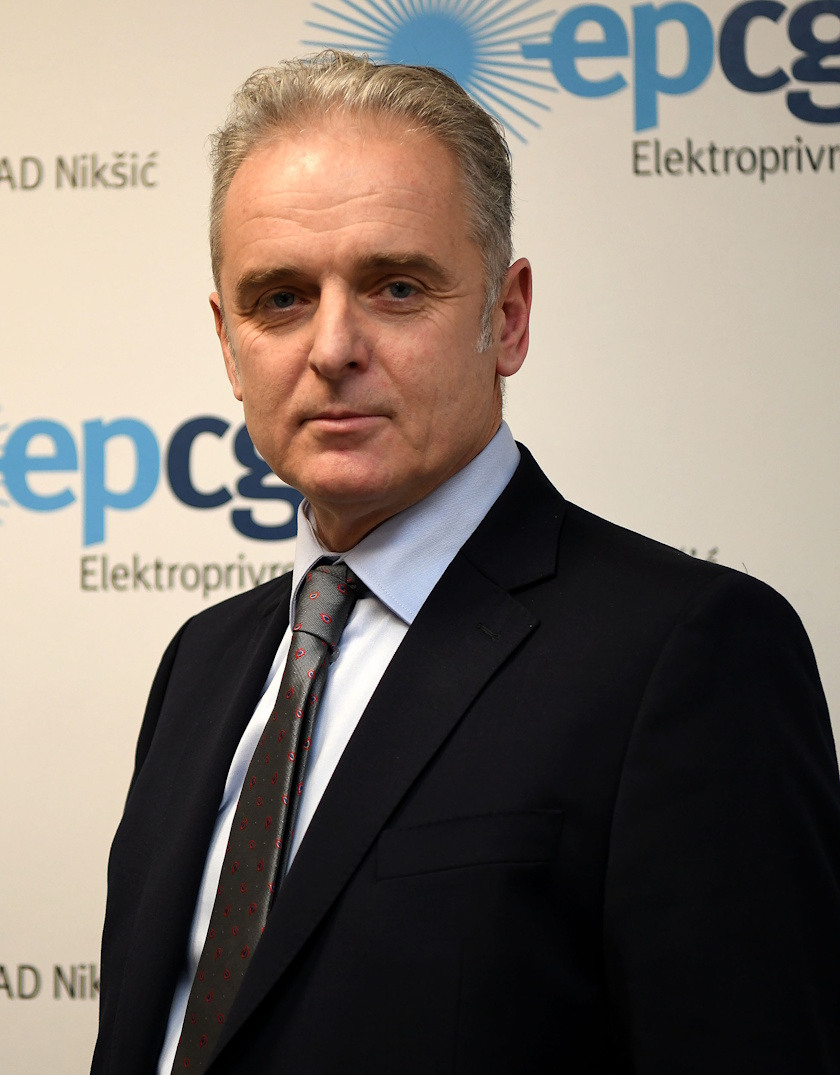
Power utility Elektroprivreda Crne Gore has launched its second battery energy storage system procurement tender. The required capacity is drastically lower than in the first call.

The initial public procurement was canceled because state-owned energy company Elektroprivreda Crne Gore (EPCG) didn’t obtain approval from the Government of Montenegro to take a loan for a EUR 58 million project.

The new tender envisages the procurement of a battery between 100 kW and 130 kW, with 200 kWh to 260 kWh in capacity. This is a pilot project, and the procurement is valued at EUR 75,000.

The canceled purchase was for two battery energy storage systems (BESS), at 30 MW and 120 MWh each.

The battery will be used on the distribution network

Potential locations include hydropower plant (HPP) Perućica, EPCG’s steel mill Željezara Nikšić, and the Pljevlja thermal power plant.

In the new call, the winning bidder will be obliged to secure a location for installing and testing the pilot BESS, according to the documentation.

EPCG explained that over the previous three years, its projects Solari 3000+, 500+, and 5000+ enabled a strong pace of the addition of prosumer solar power plants to the low-voltage, distribution network in Montenegro.

Although distributed generation has clear financial and ecological benefits, its rapid growth simultaneously brings a string of technical challenges for the distribution network, which was historically developed solely for supplying consumers and for unidirectional energy flow, according to the tender’s documentation.

EPCG sees the installation of batteries in substations as a solution to technical challenges caused by prosumers

The company sees the installation of BESS units within 10/0.4 kV substations as the solution for these challenges.

These batteries would be charged during the hours when photovoltaic facilities have high output in order to reduce and prevent reverse power flow. The idea is to discharge BESS units during hours of peak consumption and low voltage.

The main goal is to minimize voltage deviations in areas that the substations cover, during periods of production and consumption fluctuations. It would increase the hosting capacity for new prosumers, and enhance the stability of the distribution grid under an increased PV plant integration.

Scalability of the battery is one of the conditions for the bidders set by EPCG.

by in News

PPC receives funds for stalled Mesochora hydropower project 

Public Power Corporation has received funds to speed up its Mesochora hydropower project, stalled for 24 years.

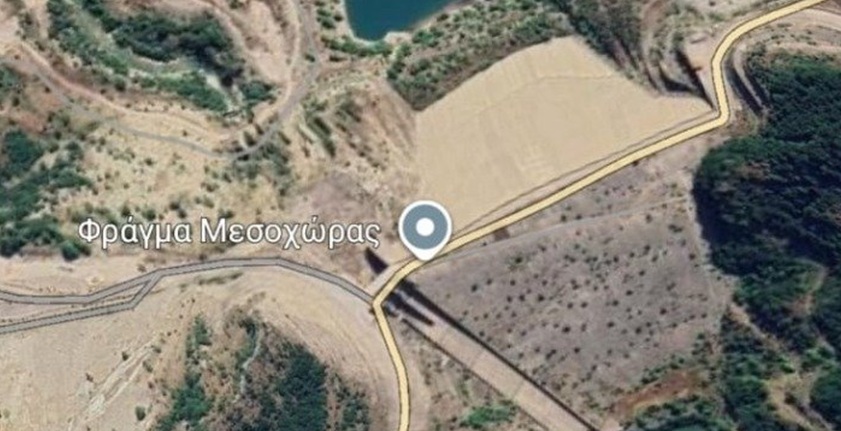
The Greek Ministry of Environment and Energy announced that the procedures to complete the Mesochora hydropower plant (HPP) in Trikala would be significantly accelerated, ending a 24-year period of judicial deadlock and construction suspension.

Of note, the project was revived in 2021–2022.

The ministry said it signed an agreement with government-controlled Public Power Corporation (PPC or DEI), the project’s developer and operator, on the necessary studies required to finalize the 161.6 MW facility.

PPC is now responsible for commissioning the necessary relocation studies

The deal directly addresses the most sensitive issue: the relocation of residents from the affected settlement of Mesochora, the announcement revealed.

PPC is now responsible for commissioning the necessary relocation studies, with a budget of EUR 1,313,160.00, the update reads.

The ministry claimed that the government is committed to ensuring the safe relocation of the population with full compensation for property owners.

It recalled that the construction of the Mesochora HPP, located on the upper Acheloos River, started in 1986 and that the dam structure was largely finished by 2001. However, its operation was halted due to repeated appeals and long-standing legal battles at the Council of State, the country’s supreme administrative court, initiated by environmental groups and affected local communities.

Over EUR 300 million has already been invested in the project

Now a task force has been established to push forward the project and start the final construction activities by the end of 2026. The expropriation process for all necessary areas will also begin to ensure the safe and efficient functioning of the dam, the ministry underlined.

Of note, over EUR 300 million has already been invested in the project or EUR 500 million in current value.

Once operational, the plant is expected to generate approximately 360 GWh of renewable energy annually, contributing substantially to the country’s energy mix and the targets set by the revised National Energy and Climate Plan (NECP), according to the ministry.

The HPP would also provide balancing for renewable energy generation.

The meeting was attended by Minister of Environment and Energy Stavros Papastavrou, Minister of Digital Governance Dimitris Papastergiou, Mayor of Pyli Konstantinos Maravas, members of Parliament representing Trikala – Konstantinos Skrekas, Thanasis Lioutas and Katerina Papakosta-Palioura, the ministry’s General Secretary of Spatial Planning and Urban Environment Efthimios Bakogiannis and the PPC’s President and CEO Georgios Stassis and Deputy CEO Alexios Paizis.

greece Mesochora hydropower ppc relocation study
Photo: Ministry of Environment and Energy
by in News

Šahmanović: Montenegro is facing its most challenging year for energy sector

Montenegro is facing its most challenging year for the energy sector, Minister of Energy and Mining Admir Šahmanović stressed.

State-owned power utility Elektroprivreda Crne Gore (EPCG) will suffer a loss of around EUR 80 million given that the Pljevlja coal power plant is offline, while electricity consumption is rising amid increases in prices of other energy sources, Admir Šahmanović told TV Vijesti.

He explained that development is focusing on the reconstruction of the thermal power plant, addressing delays in connecting solar power plants to the grid, and plans for projects including within cooperation with the UAE and an agreement with Italy on a second subsea cable.

Šahmanović: We entered this year quite wounded

The priority will be price stability and increasing the use of renewable sources, along with strengthening Montenegro’s position as an energy hub between the region and the European Union, he added.

“I can freely say that, regarding this year, it is perhaps the most challenging year in the modern history of Montenegro, exactly for the energy sector. We entered this year quite wounded given the fact that last year the hydrological conditions were the worst in the country’s history,” he asserted.

Šahmanović added the electricity demand in Montenegro has jumped 6%.

Climate change is playing its part

One of the reasons is the increase in the price of energy sources such as wood and coal, according to the minister.

He pointed to climate change as another factor. There is a growing need to install air conditioning units even in northern Montenegro, where there was previously no need for it, he added.

Therefore, in the minister’s words, the construction of other production facilities is inevitable.

Of note, EPCG’s executive manager of supply Jovan Kasalica said in April that electricity consumption in Montenegro has risen by 25% over the previous four years.

by in News

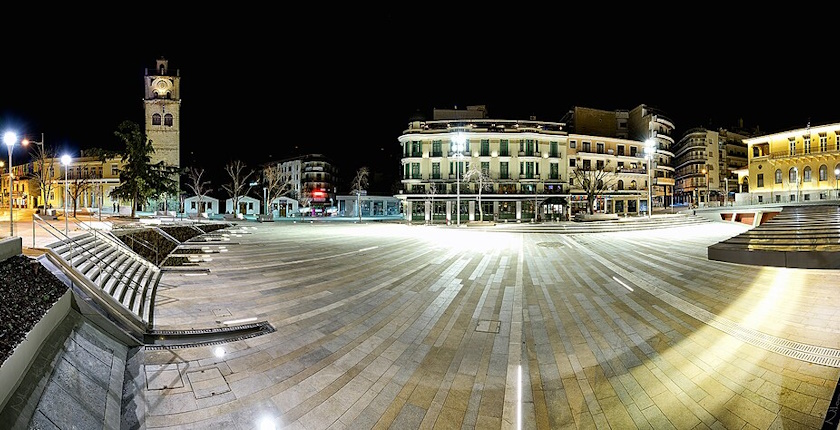
Greece’s first municipal energy community to be launched in its coal capital Kozani

The city of Kozani in northern Greece, home of the country’s dwindling lignite industry, is seeking a contractor for seven photovoltaic systems of 7 MW overall. The municipality said the power plants would supply its buildings, public lighting, pumps and drilling rigs as part of the country’s first energy community led by a local authority. Under a virtual net metering scheme, the facilities are also intended for combating energy poverty.

Energy communities are present all over Greece, but private capital is dominant – instead of individuals, local institutions and small firms. The concept can be especially beneficial for local authorities in coal regions, which are undergoing rapid decarbonization and turning toward cutting-edge technologies.

Job losses and a lack of skills jeopardize communities in such areas. The Municipality of Kozani, the capital of Greece’s coal land, the region of Western Macedonia, is one of them. It was among the first in the country that launched initiatives for energy communities led by local authorities.

Deadline for applications is January 12

Kozani has opened a tender for the selection of a contractor that would build seven photovoltaic plants. The municipal solar power units would operate under a virtual net metering scheme.

It would enable supplying municipal buildings, street lighting, schools, sports facilities, pumps and drilling rigs, but also the means to fight against energy poverty. The municipality received funding via the European Union for the project, under a just development and transition program.

The city claimed that it would be the country’s first energy community of its kind. Prospective candidates can apply by January 12, and the selection is scheduled for January 16. The budget amounts to EUR 6.25 million including value-added tax, and the local authority participates with 20%.

Kozani already invested EUR 650,000 in its energy community

The project is placing the Municipality of Kozani in the lead in energy self-sufficiency and autonomy in the country, Mayor Yiannis Kokkaliaris said.

He revealed that the local authority managed to secure grid connection terms in time not to lose the EUR 650,000 that it spent so far for the purpose.

The Kozani area is already hosting some of Greece’s largest photovoltaic plants and projects. It is envisaged for one of six waste incinerators in the country. Government-controlled Public Power Corp. (PPC Group) plans to build pumped storage hydropower plants on its depleted open pit coal mines in the region.

Of note, Greece recently lost EUR 100 million from the European Union’s Recovery and Resilience Facility (RRF) for the Apollo program. It was aimed for self-consumption for vulnerable households through forming an energy community.

by in News

Serbia rolls out taxes on greenhouse gas emissions, imported carbon-intensive products

The Serbian Law on Greenhouse Gas Emissions Tax and Law on Carbon-Intensive Product Imports Tax, both at EUR 4 per ton of CO2 equivalent, are coming into effect on January 1. It is the country’s answer to and equivalent of, respectively, the European Union’s Carbon Border Adjustment Mechanism (CBAM). Notably, several bylaws are still required for the new legislation to be enforced.

The National Assembly of Serbia passed the Law on Greenhouse Gas Emissions Tax and Law on Carbon-Intensive Product Imports Tax today, without accepting any of the opposition’s proposals for changes in the two bills.

On January 1, importers of electricity, cement, iron and steel, aluminum, hydrogen and fertilizers to the European Union will start paying the CBAM carbon dioxide tax. If the country of origin also has a CO2 pricing system and the EU recognizes it, the sum will be deducted from CBAM.

The domestic greenhouse gas emissions tax is Serbia’s answer to the cross-border levy, while with the new import tax it is establishing a corresponding mechanism. Both are EUR 4 per ton of CO2 equivalent, covering also nitrous oxide (N2O) and perfluorocarbons (PFCs).

They are intended to lower pollution, improve energy efficiency, incentivize the deployment of renewable energy and secure a more equal position for the Serbian industry in the domestic and international markets, according to the sidenotes.

Both laws to enter into force on January 1, when EU also starts charging CBAM

The first of the two taxes is for big industrial emitters in the sectors of cement, fertilizers, iron and steel, aluminum and electricity. Both laws are coming into effect on January 1, just like the CBAM charge. However, several bylaws are still required for Serbia to enforce the new legislation.

The CBAM tax is envisaged to rise every year until in 2034 it becomes equal as the prices of greenhouse gas emission certificates in the EU’s Emissions Trading System (EU ETS). Electricity is different, as the amount will from the start correspond to the carbon intensity of the country of origin’s entire production mix.

According to Special Advisor at Serbia’s Economics Institute Ljubo Maćić, charging CBAM will prevent power market coupling between Serbia, other Energy Community contracting parties and the European Union, and discourage investment in renewables.

Of note, the administration in Brussels plans to expand the mechanism to other segments that EU ETS covers.

No electricity in carbon imports tax

The Law on Carbon-Intensive Product Imports Tax doesn’t cover electricity because of technical limitations and a lack of a precise taxing methodology.

The tax on imported carbon-intensive products covers only the entities that import five or more tons of the designated products per year

Importers are taxed based on emissions embedded in the production of the goods from abroad, but they will be able to use tax credits if an emissions levy has already been paid in the country of origin, similar to the EU system. The obligation is only for companies importing five or more tons of designated products per year.

Serbia imports an estimated 3.5 million tons of carbon-intensive products per year.

CO2 tax scope limited to larger producers

The CO2 tax law will be applied to firms obligated to have a license for emissions from their plants. Mostly they are large and medium-sized companies. Fifty companies have obtained such licenses for 92 facilities. They measure emissions data, in line with the Law on Climate Change, and send them to the Ministry of Environmental Protection.

The production of synthetic fertilizers and nitrogen compounds, cement, pig iron, steel and ferroalloys, aluminum and electricity accounts for over 57% of emissions in Serbia and more than 90% within the national monitoring and reporting system.

Tax deductions for large electricity producers that invest in decarbonization

A payer of the greenhouse emissions tax that predominantly generates electricity, accounting for at least 80% of its income in the previous annual tax period, is eligible for a tax credit amounting to 20% of the sum that it invested in decarbonization measures, the law stipulated.

The deduction can’t exceed 80% of the due tax. The government determines the said measures.

The greenhouse gas emissions tax envisages incentives for the taxpayers to finance green projects, the just transition and protection of vulnerable households

In addition, entities that pay the tax are eligible for incentives, from the state budget, for financing climate and energy transformation through investing in renewables and energy efficiency, innovative low-carbon technologies, decarbonization of industrial production, green construction and support to the just transition and protection of vulnerable households.

Proceeds from the tax “can be invested in green transition projects,” the sidenote reads, while there is still no dedicated decarbonization fund.

by in News

Elektroprivreda Crne Gore appoints new CEO

Zdravko Dragaš is the new CEO of Montenegro’s state-owned power utility Elektroprivreda Crne Gore.

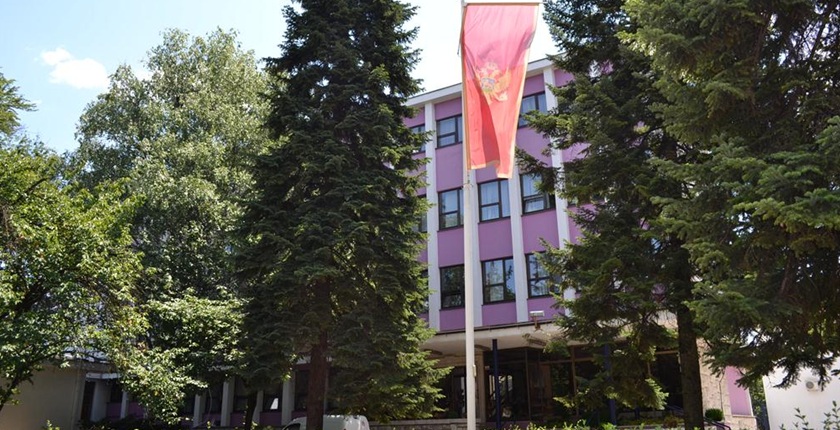
The Board of Directors of Elektroprivreda Crne Gore (EPCG) appointed Zdravko Dragaš today as the company’s CEO, at its 41st regular session.

A month and a half ago, the Board of Directors relieved the previous CEO Ivan Bulatović of his duties and appointed Bojan Đordan as the acting chief executive.

Dragaš was selected through a contest, in a procedure that included a professional commission reviewing and processing applications, as well as interviews conducted by the appointment commission, EPCG said.

Dragaš is a graduate electrical engineer

According to the company, the process prioritized the development and business improvement plans set forth for the upcoming term.

EPCG published the new CEO’s biography.

Zdravko Dragaš was born in 1972 in Podgorica. A graduate electrical engineer and member of the Engineering Chamber of Montenegro, he has more than twenty years of experience in the energy sector.

He began his professional career in 2000 as a project manager and executive director at several companies.montenegro epcg zdravko dragas ceo board

He is the founder and owner of Cema, a company based in Podgorica, Montenegro’s capital. The firm provides design, execution, and supervision services for construction and installation projects.

Board: Dragaš fully meets the high standards required to lead one of the most important state-owned companies

According to the Board of Directors, Dragaš’s expert knowledge, many years of experience in the private sector, and managerial competencies, fully meet the high standards required to lead one of the most important state-owned companies.

Upon taking office, the new CEO, together with his team, will work dedicatedly to achieve the strategic goals, including the stability of the power system, the development of new energy projects, and the continuous improvement of operational efficiency, EPCG underlined.

by in News

Quota surpassed at Romania’s bonus wind power auction

Romania apparently achieved moderately lower prices at its additional wind power auction for contracts for difference (CfDs) than in the regular round. According to a media report, nine bids were approved, for seven proposed facilities, and the winners include OX2, Qair and Zen Energy Group.

All wind farm projects in Romania that obtained the right to state support at the latest renewable electricity auction need to be completed by 2028. The Ministry of Energy and transmission system operator Transelectrica have approved 315.8 MW, compared to the targeted minimum of 290 MW, Economica.net learned.

The bonus round was organized because of a weak turnout in the regular, second wind power auction. Winners are eligible for 15-year CfDs, in a EUR 3 billion scheme covered via the European Union’s Modernisation Fund.

According to the report, the prices were also more favorable for the government than in the previous auction: between EUR 59.95 per MWh and EUR 74.9 per MWh, against EUR 65.17 per MWh to EUR 79.5 per MWh. The ceiling was the same, EUR 80 per MWh.

Cheapest two lots are part of same project

Naxxar Wind Energy Project Zenon won two lots, at 64.8 MW each, for the same project – Tudor Vladimirescu in Brăila county, northeast of Bucharest. The strike prices are EUR 59.95 per MWh and EUR 61.05 per MWh.

Owners of the special purpose vehicle are Renewable Investors and Kaizer Gerhard, an individual, both from Germany.

Aukera Project Company Beta has won a CfD contract for 27.2 MW in the proposed Făurei wind farm. The price is EUR 67.12 per MWh. It is owned by AtlasInvest, headquartered in Belgium.

In Romania, it is working on the projects for the Delesti wind farm in Vaslui county and the Gura Ialomiței storage facility in Ialomița. The battery would have 250 MW in operating power and a capacity of 500 MWh.

The first phase, of 300 MWh, is under construction. The company obtained a EUR 9.9 million grant last year through the National Recovery and Resilience Plan (NRRP or, in Romanian, PNRR) and signed a loan facility of EUR 60 million with Kommunalkredit Austria for the storage system.

OX2 wins CfDs for additional capacity for its future wind farms

Brăila Green Energy qualified for 12.4 MW of its Urleasca wind power project, at EUR 69.86 per MWh. The firm is controlled by OX2, which already won a CfD for a part of the same future facility.

The Sweden-based company also snatched 25.6 MW for its Cerchezu project. It is another winner from the previous round. This time, the South Wind subsidiary secured a contract at EUR 74.49 per MWh.

Clever Power has obtained 21 MW and 14 MW by bidding EUR 69.88 per MWh and EUR 72.92 per MWh, respectively. Both lots are for the same project: Falciu wind farm, envisaged to include storage. The company is controlled by Romanian investor Barbu Cristian, the article adds, citing a businesses registry.

AZ Market Construction won just 8 MW for its Bordei Verde wind project. It is eligible for EUR 74.74 per MWh. The firm is owned by France-based Qair.

Traian Energy, a subsidiary of Zen Energy Group from Luxembourg, is getting the highest price from the bonus round. The wind park would receive EUR 74.9 per MWh for the entire 78 MW.

by in News

Wpd obtains wind power approvals in Greece for 225 MW

Wpd has won environmental approvals for a wind power project of 147.6 MW in Central Greece and one for 77 MW in Thrace, in the country’s northeast.

Some of Germany-based wpd’s wind power investments in Southeastern Europe are struggling with delays and controversies – like in Montenegro and Bulgaria, but it is gaining speed in Greece. Right after its subsidiary WPD Wind Energy 2 obtained environmental terms (AEPO) from the Ministry of Environment and Energy in Athens for a 77 MW facility in Boeotia (Viotia), WPD Wind Energy 1 reached the same milestone for a future 147.6 MW wind park near Alexandroupolis, Newmoney reported.

The latter project didn’t go smoothly. It went through numerous changes due to fire and bird protection issues. Nevertheless, the Natural Environment and Climate Change Agency issued a negative opinion a month ago.

Wpd is planning to install 26 wind turbines in Fera in the municipality of Alexandroupolis and in Soufli in neighboring Tychero. The sites, Kato Limnes, Makrylofos, Voskotopos and Kounia, are in the region of Eastern Macedonia and Thrace.

The German renewables developer has more than halved the planned number of turbines in Thrace while the capacity would be virtually the same

The initial design was for 59 units of 2.5 MW each. The developer eventually switched to 21 turbines of 6 MW, two of 4.5 MW and three of 4.2 MW, of which one would be limited to 4.1 MW. They would all be of the Vestas V150 type.

Road construction works would cover 45 kilometers, but including improvements to existing roads in the length of 42 kilometers. The project involves the construction of two 150/33 kV substations and underground cables of 40.5 kilometers for 33 kV and 7.7 kilometers for 150 kV power lines.

The 77 MW wind power project is for the locations of Megali Rachi, Kroniza and Kanavari in the Aliartos-Thespies municipality, in the central part of Greece. The facility would consist of 11 Siemens Gamesa turbines.

Wpd entered the Greek renewable energy market in 2020 and has since been developing wind and photovoltaic projects. It is also active in Croatia, Romania, North Macedonia and Bosnia and Herzegovina.

by in News

Croatia initiates project to harness solar energy along highways

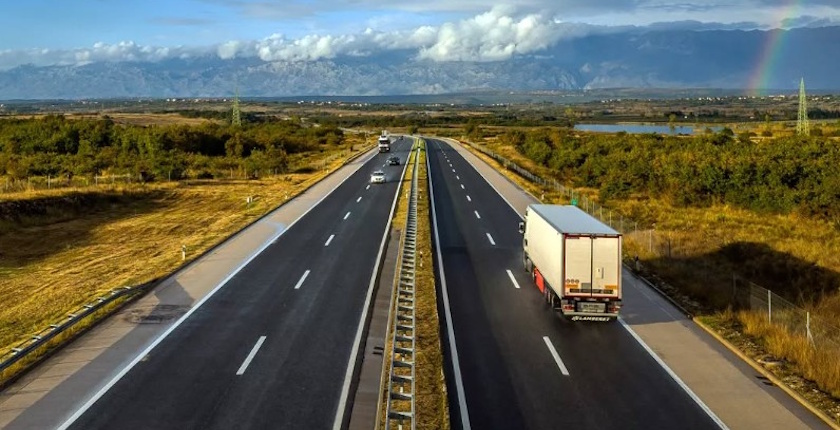
Croatia’s highway management enterprise, Hrvatske Autoceste, is implementing a project for solar power plants along its highways. The company plans to use the electricity for self-consumption and for electric vehicle chargers. It would reduce costs and increase its energy independence.

After a tender procedure, Hrvatske Autoceste (HAC) selected ETS Farago to produce project designs for photovoltaic plants at four locations on the A3 highway. It heads east from the capital Zagreb to the border with Serbia.

The job, covering 36 hectares, should be finished by March 2026. Along with the documentation, the selected company is required to submit an assessment of its advantages and disadvantages.

It would be followed by a techno-economic analysis and, if it is favorable, a tender for the installation of solar panels. It is the final step, expected not before 2027.

Slovenia and BiH have initiated similar projects

Of note, Slovenia and Bosnia and Herzegovina have initiated similar projects. Roadside locations could be a good solution for solar panels, given that such land is unused and alternatives are limited.

ETS Farago is tasked with preparing three versions for each of the four locations: Zagreb Plitvice (2.5 hectares), Rastovica (3.1 hectares), Sredanci (11 hectares), and Ivanja Reka (18 hectares). The first two are next to rest areas, while the other two are at interchanges.

HAC intends to install 259 electric vehicle chargers

The first model is for the production of electricity for self-consumption, with the surplus fed into the grid. Another option is self-consumption including battery energy storage systems (BESS). The third model is the complete sale of all electricity produced in the PV facilities.

The contract is estimated at EUR 11,400 excluding VAT.

HAC previously said that in addition to supplying its own facilities, such as toll booths, traffic maintenance and control centers, and street lighting, its project called solar highways is key to plans for expanding electric vehicle infrastructure.

The company intends to install 259 chargers on roads within five years.

by in News

GGF’s new partnership powering sustainability of SMEs in Turkey

The Green for Growth Fund (GGF) has partnered with ING Leasing Türkiye, a subsidiary of ING Türkiye, through a EUR 20 million financing agreement to help small and medium-sized enterprises (SMEs) invest in cleaner, smarter, and more efficient technologies, from energy-efficient equipment and machinery upgrades to self-consumption photovoltaic systems and other low-carbon solutions.

GGF’s first collaboration with ING Leasing Türkiye is marking the start of a new strategic relationship. In addition, it is ING Leasing’s first direct access to international development financing supported by funding from international financial institutions and development finance institutions through the Green for Growth Fund, the update adds.

The deal is expected to deliver around 21,000 MWh of primary energy savings and avoid approximately 5,800 tonnes of CO₂ emissions each year, according to GGF.

The signing was attended by Onur Gul, General Manager of ING Leasing Türkiye, and Pınar Cumalı, Treasury and Financial Institutions Manager at ING Leasing Türkiye, alongside, representing GGF through its advisor Finance in Motion, the company’s Regional Director Burcu Karpuz and Investment Associate Mehmet Sena Bakar.

Luxembourg-based GGF has become one of the largest green blended-finance funds. It ended last year with EUR 1.09 billion in assets under management and an outstanding investment portfolio of EUR 1.03 billion.