by in News

INOVA Launches €25m Green Grants for SMEs in North Macedonia

North Macedonia’s Agency for Innovation, Scientific and Technological Development and Entrepreneurship has launched a grant program to support small and medium-sized businesses investing in environmental protection and sustainability.

The green business support program for 2026–2030 is valued at €25 million, with €22 million earmarked for direct subsidies, according to the agency (INOVA). Eligible companies can receive between €5,000 and €300,000, provided they co-finance 20% to 50% of the investment, depending on the project type.

The European Union is providing €18 million, while the remaining funding will come from the Government of North Macedonia.

At least 300 companies expected to benefit

INOVA said it expects to support at least 300 companies, focusing primarily on micro, small, and medium-sized enterprises, particularly in manufacturing, while remaining open to applicants from other sectors. The program is designed to back projects that reduce CO₂ emissions and waste and increase the use of renewable energy, with a particular emphasis on solar power, the agency noted.

Through public calls, businesses will be able to apply for technical and advisory assistance, standardization support, and financial backing for the purchase of equipment, deployment of new technologies, and development of new products.

INOVA expects the first public call around mid-year.

Previously, the agency said the initiative would be implemented through three instruments: green startups (grants up to €40,000), green modernization (up to €150,000 per beneficiary), and transformation of industrial systems (subsidies of €300,000 per beneficiary).

Officials frame program as competitiveness and climate action measure

INOVA CEO Daniela Dimovska said the initiative offers both financial and expert support to companies investing in sustainable, environmentally friendly, and innovative solutions, describing it as a step toward an economy guided by long-term thinking and responsible action.

Daniela Dimovska, Hristijan Mickoski, and Michalis Rokas (photo: INOVA/Facebook)

Prime Minister Hristijan Mickoski said the program aims to help the country advance toward the climate neutrality goals set out in the Green Agenda for the Western Balkans, by strengthening the private sector and promoting sustainable business practices. He added that green transformation should be viewed not as a cost, but as an investment in economic resilience, environmental quality, and citizens’ well-being.

EU Ambassador to North Macedonia Michalis Rokas said the program is expected to stimulate innovation and the adoption of green technologies among SMEs, supporting a new stage of development that improves competitiveness and strengthens integration into EU value chains.

by in News

Saudi Arabia to build 2 GW of solar power in Turkey within 5 GW deal

After extended negotiations, Saudi Arabia has signed an agreement enabling its companies to develop solar power plants totaling 2 GW across two provinces in Turkey. The move forms part of a broader bilateral framework covering 5 GW of photovoltaic and wind capacity.

Turkey’s Minister of Energy and Natural Resources, Alparslan Bayraktar, and Saudi Arabia’s Minister of Energy, Abdulaziz bin Salman Al Saud, signed an intergovernmental agreement focused on renewable electricity generation. Bayraktar said the objective is to deliver a combined 5 GW of solar and wind power plants in Turkey with Saudi Arabian companies.

In the first phase, two 1 GW solar projects are planned: one in Taşeli in Karaman province and another in Sivas province, Bayraktar said.

Bilateral agreements positioned as a new model for large-scale projects

Bayraktar noted that tenders under Turkey’s state-backed Renewable Energy Zones mechanism (REZ/YEKA) are continuing, alongside investments in self-consumption power plants and energy storage projects. He described intergovernmental and bilateral agreements as a new model for delivering large-scale electricity generation projects, adding that such structures can secure electricity at significantly lower prices over long periods. He made the remarks in Riyadh, where the negotiations were concluded.

Bayraktar reiterated Turkey’s target to triple its combined wind and solar PV capacity to 120 GW by 2035.

He also said the investments—described as a major example of foreign direct investment in Turkey’s energy sector—would be financed externally, with loans expected from international financial institutions.

25-year offtake terms and pricing

Bayraktar stated that electricity from the Karaman solar plant would be purchased for 25 years at 1.995 euro cents per kilowatt-hour (EUR 19.95 per MWh), while power from the Sivas project would be priced at 2.3415 euro cents per kilowatt-hour. He said both levels are the lowest among Turkey’s renewable electricity plants.

He added that the projects are expected to support Turkey’s electrical equipment and services sectors through a 50% locality rate. Bayraktar estimated the first two solar power plants will require around USD 2 billion in investment and will cover the electricity needs of 2.1 million households.

According to Bayraktar, foundations are scheduled to be laid in 2027, with overall completion targeted across 2028 and 2029.

Bayraktar previously said Turkey had been in talks with Saudi partly state-owned utility ACWA.

Turkey had 25.1 GW of solar capacity and 14.8 GW of wind capacity at the end of last year, within a total installed power capacity of 122.5 GW. Bayraktar also said last week that 3.5 GW of self-consumption capacity would be allocated this year, prioritising local authorities, public institutions, and strategic and export-oriented sectors.

by in News

From bystanders to partners: How to ensure the new Citizens Energy Package effectively engages EU citizens in a clean energy future?

Authors:  Niklavs Tamanis, Veronica Saletti, Marco Costa, Marina Fernández-Campoamor – EUSEW  Young Energy Ambassadors

Citizens still struggle to join Europe’s clean energy transition. This article tests two practical approaches that turn hosts into partners: energy communities, where citizens co-own and share power, and community-benefit clauses, which distribute value locally. We, Young Energy Ambassadors, show how targeted One-Stop Shops (OSS), Renewable Energy Sources (RES)-ID, and interoperability among other solutions could make these mechanisms work more effectively, fairly, and at scale.

Across the EU, households still struggle to engage in energy markets. Awareness of tangible gains is low, and trust in safeguards from extractive corporations is limited. Although credible mechanisms exist, their implementation remains complex, uneven, and inaccessible.

From left to right, Niklavs Tamanis, Veronica Saletti, Marco Costa, Marina Fernández-Campoamor, EUSEW Young Energy Ambassadors
Photo: From left to right: Niklavs Tamanis, Veronica Saletti, Marco Costa, Marina Fernández-Campoamor, EUSEW Young Energy Ambassadors. Illustration created using AI tools, based on original photographs.

EU momentum, Citizens Energy Package, & Our YEA inputs

The Citizens Energy Package, building on the Clean Energy Package and the 2025 Action Plan for Affordable Energy, aims to empower consumers and enable energy sharing. Our contribution to the public consultation as Young Energy Ambassadors (YEA) focused on practical delivery, through such solutions as development of targeted OSS, recognition of youth/renters as a vulnerable group, creation of audience-specific outreach, and improvements to two key levers for citizen participation in energy markets: energy communities and community-benefit clauses. In this article, we focus on the latter two.

Two practical levers

Energy Communities (EComms)

Despite clear EU direction for energy community initiatives, barriers persist: REC definition and implementation differs widely across Member States; low awareness; perceived high effort from practitioners involved in the REC creation process; complex bureaucratic set-up and operations; limited benefits for students, young workers, and low-income renters; costly, non-interoperable metering/platforms; and risks of capture by large market actors.

Our EComms Solutions

To make Energy Communities (EComms) easier to start, join, and manage, we propose a set of complementary solutions that address both organisational and technical barriers.

Primarily, energy community-focused One-Stop Shops (OSS) would act as single-entry hubs where citizens, small and medium-sized enterprises (SMEs), and local authorities can access ready-to-use documentation (statutes, by-laws, and communication templates), energy-sharing evaluations, and clear guidance on data management and regulatory steps, as well as information on how to make their homes more energy efficient.

Young people should receive formal recognition as a vulnerable group within national social frameworks

Moreover, young people, especially those renting apartments as students or early-career professionals, should receive formal recognition as a vulnerable group within national social frameworks. This would enable them to access dedicated benefits and support schemes, like other vulnerable groups, helping to remove structural barriers to their participation and ensuring that energy communities become an inclusive, rather than niche, option.

Then, a dedicated civil-service track for energy communities would also enable young professionals to gain first-hand experience while supporting communities with day-to-day management and citizen engagement activities that are otherwise costly if fully outsourced to external experts. Building on emerging examples from France and Italy, these hubs would also connect communities to grants, soft loans, and local financial partners, making investment more accessible and de-risking early-stage initiatives.

Finally, to simplify participation from a technical and bureaucratic point of view, we propose a Renewable Energy System Identifier (RES-ID): a standardised and recognized technical and administrative data set that citizens and SMEs can fill in once and then reuse across different national portals procedures, such as permit applications, grid-connection requests, EComms affiliation, and incentive schemes requests. Such a tool would store all the renewable energy systems technical data required by different national authorities and retrieve it, when necessary, at each access point, similarly to the Italian SPID or dutch DigID, personal digital identity systems.

EComms Case Studies

1) In Alto Vicentino (Italy), 16 municipalities set up an energy community, added 650 kW of photovoltaics on public buildings, made accessible national grants (up to 40% of the initial investment) for residents and small firms, and a youth team is taking it forward, organizing a buying club for building energy retrofit.

Policy takeaway: back clusters of neighbouring municipalities building from existing energy info points, keep supporting public-building solar installation as “lead by example” lever, and encourage young professionals to actively engage with local communities via dedicated support grants, civil service specific paths, and learning opportunities.

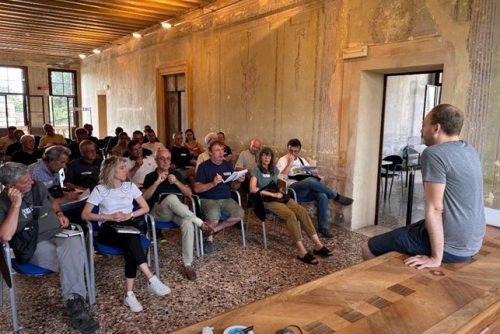
Alto Vicentino REC example, Marco Costa, Young Energy Ambassador
Photo: Marco Costa, Young Energy Ambassador, co-author of this article

2) The Hyperion Energy Community in Athens (Greece), founded in 2020 and mainly composed of families and NGOs, aims to evolve into an ESCO to support the renovation of apartments in multi-unit residential buildings. The project operates in several neighbourhoods of the capital, aiming to ensure gender balance and representation of diverse social groups among its 123 members.

Policy takeaway: Use the Citizen Energy Community (CEC) regulatory framework to create new, citizen-led business structures (ESCOs) to accelerate urban energy renovation in multi-unit buildings, ensuring broad social representation.

3) Energie Samen Rivierenland (The Netherlands): The neighbourhood association in Rivierenland, founded in 1936 and citizen-led, is revitalizing its dated housing stock (60% built before 1950) through a co-design process for interventions. The project covers 133 dwellings, with a specific focus on energy poverty and elderly residents.

Policy takeaway: Leverage existing neighbourhood associations with a long history of community trust to promote the co-design of renovation interventions, focusing specifically on the most vulnerable groups.

4) Renoss (Italy): it is the network of One Stop Shops dedicated to Renewable Energy Communities, run by public local energy agencies backed by the Environmental Ministry. It covers the whole national territory with at least one OSS per region, aligned with the Energy Performance in Building Directive. Each agency supports energy communities via dedicated services which spans from information to grant applications, feasibility studies, and member engagement campaigns.

Policy takeaway: support cluster organizations of public-led OSS to offer a structured and homogeneous technical assistance approach across Europe

Community-benefit clauses

While energy communities are a promising and innovative concept with clear environmental benefits, they don’t always address the social equity concerns from renewable energy projects, such as externalised siting costs. This is why the introduction of benefit-sharing mechanisms, such as community funds and shared equity ownership, is also building momentum among Member States.

Still, progress is uneven: many schemes are complex, opaque, and engage residents too late; youth, renters, and other underrepresented groups are barely reached; participation stays low, and legitimacy suffers. As Young Energy Ambassadors, we thus argue that just transition must go beyond compensation to create shared community value, especially where skills and alternative jobs are scarce.

Our community-benefit Solutions

To make renewable energy projects fairer and more inclusive, national governments can set out simple rules to ensure that local communities share in the benefits.

For example, benefit criteria can be built directly into auction schemes, with clear guidance on eligible uses such as local energy relief or community facilities. A “one-stop shop” (OSS) can then help communities check who qualifies, access funds or compensation, and connect to training or re-skilling opportunities.

Furthermore, governments could develop risk-sharing models that make it easier for low-income households to take part in projects without bearing financial losses.

Finally, targeted communication through youth groups, schools, community centres, and local media can raise awareness, using an EU-adapted model that considers both income and housing conditions.

Community-benefit case studies

We once again explored two national models in detail to see what fair community value-sharing can look like.

1) In Ireland’s RESS auctions, every supported project pays EUR 2/MWh into a local Community Benefit Fund and appears on a national SEAI register with guidance on eligible uses – from energy-poverty relief to community facilities. There’s also a community-led auction lane for locally developed projects.

Policy takeaway: set a fixed €/MWh payment into a local fund, keep a public register and simple annual reporting, and retain a community-led track so locals can lead and access the value.

2) Denmark’s VE-loven goes further by pairing money with ownership and protection. Developers of new onshore wind must offer 20% local shares (within 4.5 km) on equal terms, compensate any loss of property value, and pay into a Green Scheme for local amenities.

Policy takeaway: make it a package – local shares, property compensation, and a community fund – to align incentives and build durable acceptance.

Why does all of this matters

Coupling Ecomms and Community-Benefit mechanisms with functional OSS, RES-ID, interoperability, and guardrails, among other improvements, builds trust, accelerates their deployment, improves affordability, and broadens participation – especially for youth, renters, and other vulnerable groups.

As the EU’s modern citizen energy participation transitions from a consultation phase, equitable codification of mechanisms must follow: targeted OSS must be scaled, trusted tools must be standardised across the MS, mainstream risk-sharing principles must be integrated, and community-benefits must provide tangible value beyond mere compensation.

The European Commission already provides a foundation for this through tools such as the Energy Communities Facility and the Citizen-led Renovation Initiative, which help local actors access guidance, finance, and capacity-building. In parallel, EU-wide networks like REScoop.eu support renewable energy cooperatives and peer learning across Member States.

Building on and scaling these efforts will be essential to ensure our future citizens become genuine partners in Europe’s renewable energy build-out.

This opinion editorial is produced in co-operation with the European Sustainable Energy Week 2026. See ec.europa.eu/eusew for open calls.

Disclaimer: This article is a contribution from a partner. All rights reserved.

Neither the European Commission nor any person acting on behalf of the Commission is responsible for the use that might be made of the information in the article. The opinions expressed are those of the author(s) only and should not be considered as representative of the European Commission’s official position.

by in News

EU presents European Grids Package: faster permitting, stronger interconnections, lower energy bills

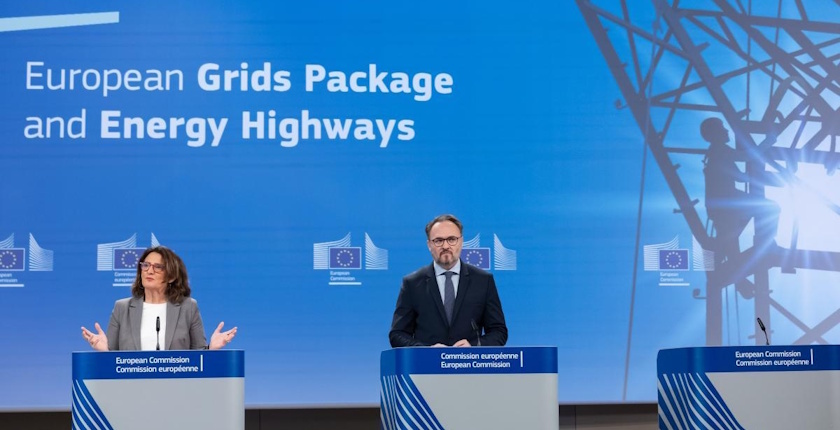
The European Commission presented the European Grids Package, a comprehensive plan to modernise transmission infrastructure, accelerate permitting procedures, and overcome bottlenecks in Europe’s electricity networks. It also unveiled the Energy Highways initiative, which consists of eight major infrastructure projects critical for energy security, renewable energy integration, and cross-border electricity market connectivity.

Energy infrastructure is the backbone of the energy system. Yet the EU’s energy network remains insufficiently integrated, and investment levels fall short of what is needed, a situation that directly affects household energy bills.

Ageing infrastructure and limited interconnection capacity are creating bottlenecks that slow the energy transition. Although some progress has been made within the existing EU legislative framework, the level of interconnection among member states remains inadequate. Several countries are not on track to meet the 15% interconnection target by 2030.

To address these challenges, the European Commission has presented the European Grids Package and Energy Highways initiative. The aim is to enable a more efficient flow of energy across the EU, integrate greater volumes of renewable energy into the system, and accelerate electrification.

Jørgensen: A truly interconnected energy system is the foundation of a strong and independent Europe

The Grids Package is designed to speed up permitting and ensure a fairer distribution of costs for cross-border infrastructure. It should also improve the use of existing infrastructure and accelerate the development of networks and other physical energy assets across the EU.

Among the measures is a new mechanism that allows the commission to initiate the search for additional infrastructure projects when existing initiatives do not cover identified cross-border needs.

“A truly interconnected and integrated energy system is the foundation of a strong and independent Europe. To achieve it, we need an energy infrastructure network of cables, pipes and grids that is up to date, fully interconnected, and that enables clean, affordable, homegrown energy to flow freely and securely to every corner of our union. This is exactly what we are proposing today: a common European energy project that supports affordable living, economic competitiveness, security, and decarbonisation,” said Dan Jørgensen, European Commissioner for Energy and Housing.

Permitting reform

Slow permitting remains one of the biggest bottlenecks for energy infrastructure and renewable energy projects in the EU.
Obtaining permits for transmission infrastructure currently takes more than five years on average, while renewable energy projects may face delays of up to nine years.

The Grids Package introduces simplified and accelerated permitting procedures. The commissioners have proposed setting time limits within which decisions must be taken for all types of projects. If the competent authority fails to respond within the deadline, the permit would be considered granted.

Permits for smaller projects would be issued through faster and more streamlined procedures

Permits for smaller projects would be issued through faster and more streamlined procedures. All processes would have to be fully digitalised, and national administrations would be required to have adequate staffing and technical capacity to process applications.

The commission is proposing to move away from the current first-come, first-served model and introduce a system that ensures timely and non-discriminatory access to the grid, one that balances social acceptance and industrial competitiveness.

Public and private financing

According to the commission’s estimates, EUR 1.2 trillion in investment will be needed for Europe’s electricity grid by 2040. Distribution networks account for EUR 730 billion within the sum, compared to EUR 240 billion for hydrogen infrastructure.

The commission said additional financing tools are required, including cost-sharing arrangements, arguing that cross-border infrastructure generates benefits that extend beyond the territory in which a project is located.

Another suggested solution is the formation of project firms (special purpose vehicles – SPVs) to attract additional private investment.

Given that grid infrastructure is largely financed through network tariffs, part of the burden falls on consumers. To ease this pressure, the commission announced it would boost financial support through the Multiannual Financial Framework (MFF), the EU’s regular seven-year budget, including a significant expansion of the Connecting Europe Facility (CEF). The tool is designed to support investments in new cross-border energy infrastructure and upgrades or rehabilitation of existing assets.

The current 2021–2027 EU budget contained EUR 5.8 billion for cross-border projects under CEF. For the 2028–2034 period, the commission said the amount would be raised almost fivefold, to EUR 29.91 billion.

On the private side, the EU is working on its Clean Energy Investment Strategy, to launch it in 2026 by outlining measures for private sector participation including institutional investors, as well as additional support from the European Investment Bank (EIB).

Energy Highways

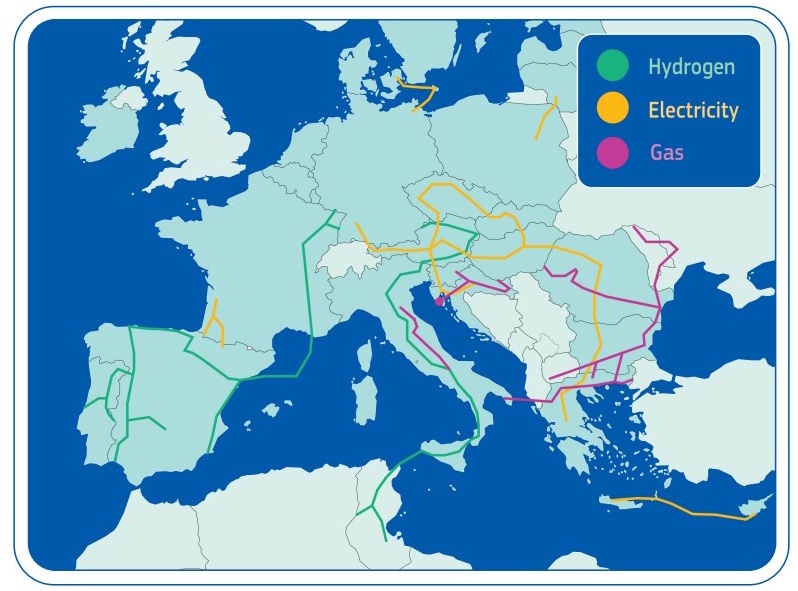
The Energy Highways initiative comprises eight of the EU’s largest and most critical infrastructure projects, essential for energy security, renewable energy integration, and cross-border electricity market connectivity.

They have already been already listed as Projects of Common Interest (PCI) or Projects of Mutual Interest (PMI), but under the new initiative, they would receive elevated political priority, accelerated financing, and faster permitting.

Energy Highways
Photo: European Commission

Among the projects are the reinforcement of interconnections across the Pyrenees to improve the integration of the Iberian Peninsula, the connection of Cyprus with continental Europe through the Great Sea Interconnector, as well as an upgrade of electricity links between the Baltic states, including the Harmony Link to Poland, which is essential for the full synchronisation of the region with the European grid.

The commission has also endorsed the establishment of Denmark’s hub on the island of Bornholm, which could, in the coming years, be connected to additional locations in the Baltic Sea.

Among the priorities are strengthening energy storage capacity in South-Eastern Europe

Among the priorities are strengthening energy storage capacity in South-Eastern Europe, as well as the modernisation of the Trans-Balkan Pipeline (TBP) for gas.

The list includes two hydrogen corridors. The southern one would connect Tunisia, Italy, Austria, and Germany, and the south-western corridor is a planned link between Portugal, Spain, France, and Germany. The commission has announced strong coordination and political support for the latter.

The commission views these projects as pillars of Europe’s future energy network, essential for lower electricity prices, greater system stability, and reduced dependence on fossil fuels.

In a regular legislative procedure, the proposals now move to the European Parliament and the Council of the EU for further deliberation.

by in News

From bystanders to partners: How to ensure the new Citizens Energy Package effectively engages EU citizens in a clean energy future?

Authors:  Niklavs Tamanis, Veronica Saletti, Marco Costa, Marina Fernández-Campoamor – EUSEW  Young Energy Ambassadors

Citizens still struggle to join Europe’s clean energy transition. This article tests two practical approaches that turn hosts into partners: energy communities, where citizens co-own and share power, and community-benefit clauses, which distribute value locally. We, Young Energy Ambassadors, show how targeted One-Stop Shops (OSS), Renewable Energy Sources (RES)-ID, and interoperability among other solutions could make these mechanisms work more effectively, fairly, and at scale.

Across the EU, households still struggle to engage in energy markets. Awareness of tangible gains is low, and trust in safeguards from extractive corporations is limited. Although credible mechanisms exist, their implementation remains complex, uneven, and inaccessible.

From left to right, Niklavs Tamanis, Veronica Saletti, Marco Costa, Marina Fernández-Campoamor, EUSEW Young Energy Ambassadors
Photo: From left to right: Niklavs Tamanis, Veronica Saletti, Marco Costa, Marina Fernández-Campoamor, EUSEW Young Energy Ambassadors. Illustration created using AI tools, based on original photographs.

EU momentum, Citizens Energy Package, & Our YEA inputs

The Citizens Energy Package, building on the Clean Energy Package and the 2025 Action Plan for Affordable Energy, aims to empower consumers and enable energy sharing. Our contribution to the public consultation as Young Energy Ambassadors (YEA) focused on practical delivery, through such solutions as development of targeted OSS, recognition of youth/renters as a vulnerable group, creation of audience-specific outreach, and improvements to two key levers for citizen participation in energy markets: energy communities and community-benefit clauses. In this article, we focus on the latter two.

Two practical levers

Energy Communities (EComms)

Despite clear EU direction for energy community initiatives, barriers persist: REC definition and implementation differs widely across Member States; low awareness; perceived high effort from practitioners involved in the REC creation process; complex bureaucratic set-up and operations; limited benefits for students, young workers, and low-income renters; costly, non-interoperable metering/platforms; and risks of capture by large market actors.

Our EComms Solutions

To make Energy Communities (EComms) easier to start, join, and manage, we propose a set of complementary solutions that address both organisational and technical barriers.

Primarily, energy community-focused One-Stop Shops (OSS) would act as single-entry hubs where citizens, small and medium-sized enterprises (SMEs), and local authorities can access ready-to-use documentation (statutes, by-laws, and communication templates), energy-sharing evaluations, and clear guidance on data management and regulatory steps, as well as information on how to make their homes more energy efficient.

Young people should receive formal recognition as a vulnerable group within national social frameworks

Moreover, young people, especially those renting apartments as students or early-career professionals, should receive formal recognition as a vulnerable group within national social frameworks. This would enable them to access dedicated benefits and support schemes, like other vulnerable groups, helping to remove structural barriers to their participation and ensuring that energy communities become an inclusive, rather than niche, option.

Then, a dedicated civil-service track for energy communities would also enable young professionals to gain first-hand experience while supporting communities with day-to-day management and citizen engagement activities that are otherwise costly if fully outsourced to external experts. Building on emerging examples from France and Italy, these hubs would also connect communities to grants, soft loans, and local financial partners, making investment more accessible and de-risking early-stage initiatives.

Finally, to simplify participation from a technical and bureaucratic point of view, we propose a Renewable Energy System Identifier (RES-ID): a standardised and recognized technical and administrative data set that citizens and SMEs can fill in once and then reuse across different national portals procedures, such as permit applications, grid-connection requests, EComms affiliation, and incentive schemes requests. Such a tool would store all the renewable energy systems technical data required by different national authorities and retrieve it, when necessary, at each access point, similarly to the Italian SPID or dutch DigID, personal digital identity systems.

EComms Case Studies

1) In Alto Vicentino (Italy), 16 municipalities set up an energy community, added 650 kW of photovoltaics on public buildings, made accessible national grants (up to 40% of the initial investment) for residents and small firms, and a youth team is taking it forward, organizing a buying club for building energy retrofit.

Policy takeaway: back clusters of neighbouring municipalities building from existing energy info points, keep supporting public-building solar installation as “lead by example” lever, and encourage young professionals to actively engage with local communities via dedicated support grants, civil service specific paths, and learning opportunities.

Alto Vicentino REC example, Marco Costa, Young Energy Ambassador
Photo: Marco Costa, Young Energy Ambassador, co-author of this article

2) The Hyperion Energy Community in Athens (Greece), founded in 2020 and mainly composed of families and NGOs, aims to evolve into an ESCO to support the renovation of apartments in multi-unit residential buildings. The project operates in several neighbourhoods of the capital, aiming to ensure gender balance and representation of diverse social groups among its 123 members.

Policy takeaway: Use the Citizen Energy Community (CEC) regulatory framework to create new, citizen-led business structures (ESCOs) to accelerate urban energy renovation in multi-unit buildings, ensuring broad social representation.

3) Energie Samen Rivierenland (The Netherlands): The neighbourhood association in Rivierenland, founded in 1936 and citizen-led, is revitalizing its dated housing stock (60% built before 1950) through a co-design process for interventions. The project covers 133 dwellings, with a specific focus on energy poverty and elderly residents.

Policy takeaway: Leverage existing neighbourhood associations with a long history of community trust to promote the co-design of renovation interventions, focusing specifically on the most vulnerable groups.

4) Renoss (Italy): it is the network of One Stop Shops dedicated to Renewable Energy Communities, run by public local energy agencies backed by the Environmental Ministry. It covers the whole national territory with at least one OSS per region, aligned with the Energy Performance in Building Directive. Each agency supports energy communities via dedicated services which spans from information to grant applications, feasibility studies, and member engagement campaigns.

Policy takeaway: support cluster organizations of public-led OSS to offer a structured and homogeneous technical assistance approach across Europe

Community-benefit clauses

While energy communities are a promising and innovative concept with clear environmental benefits, they don’t always address the social equity concerns from renewable energy projects, such as externalised siting costs. This is why the introduction of benefit-sharing mechanisms, such as community funds and shared equity ownership, is also building momentum among Member States.

Still, progress is uneven: many schemes are complex, opaque, and engage residents too late; youth, renters, and other underrepresented groups are barely reached; participation stays low, and legitimacy suffers. As Young Energy Ambassadors, we thus argue that just transition must go beyond compensation to create shared community value, especially where skills and alternative jobs are scarce.

Our community-benefit Solutions

To make renewable energy projects fairer and more inclusive, national governments can set out simple rules to ensure that local communities share in the benefits.

For example, benefit criteria can be built directly into auction schemes, with clear guidance on eligible uses such as local energy relief or community facilities. A “one-stop shop” (OSS) can then help communities check who qualifies, access funds or compensation, and connect to training or re-skilling opportunities.

Furthermore, governments could develop risk-sharing models that make it easier for low-income households to take part in projects without bearing financial losses.

Finally, targeted communication through youth groups, schools, community centres, and local media can raise awareness, using an EU-adapted model that considers both income and housing conditions.

Community-benefit case studies

We once again explored two national models in detail to see what fair community value-sharing can look like.

1) In Ireland’s RESS auctions, every supported project pays EUR 2/MWh into a local Community Benefit Fund and appears on a national SEAI register with guidance on eligible uses – from energy-poverty relief to community facilities. There’s also a community-led auction lane for locally developed projects.

Policy takeaway: set a fixed €/MWh payment into a local fund, keep a public register and simple annual reporting, and retain a community-led track so locals can lead and access the value.

2) Denmark’s VE-loven goes further by pairing money with ownership and protection. Developers of new onshore wind must offer 20% local shares (within 4.5 km) on equal terms, compensate any loss of property value, and pay into a Green Scheme for local amenities.

Policy takeaway: make it a package – local shares, property compensation, and a community fund – to align incentives and build durable acceptance.

Why does all of this matters

Coupling Ecomms and Community-Benefit mechanisms with functional OSS, RES-ID, interoperability, and guardrails, among other improvements, builds trust, accelerates their deployment, improves affordability, and broadens participation – especially for youth, renters, and other vulnerable groups.

As the EU’s modern citizen energy participation transitions from a consultation phase, equitable codification of mechanisms must follow: targeted OSS must be scaled, trusted tools must be standardised across the MS, mainstream risk-sharing principles must be integrated, and community-benefits must provide tangible value beyond mere compensation.

The European Commission already provides a foundation for this through tools such as the Energy Communities Facility and the Citizen-led Renovation Initiative, which help local actors access guidance, finance, and capacity-building. In parallel, EU-wide networks like REScoop.eu support renewable energy cooperatives and peer learning across Member States.

Building on and scaling these efforts will be essential to ensure our future citizens become genuine partners in Europe’s renewable energy build-out.

This opinion editorial is produced in co-operation with the European Sustainable Energy Week 2026. See ec.europa.eu/eusew for open calls.

Disclaimer: This article is a contribution from a partner. All rights reserved.

Neither the European Commission nor any person acting on behalf of the Commission is responsible for the use that might be made of the information in the article. The opinions expressed are those of the author(s) only and should not be considered as representative of the European Commission’s official position.

by in News

Romania plans to lease unproductive land for renewable energy projects

Romania is drafting legislation that would enable granting concessions for the construction of renewable energy plants on unproductive and degraded state-owned agricultural land. The initiative aims to establish fast-track areas for renewable energy projects, with all necessary permitting procedures limited to 12 months.

The legislation would allow the State Domains Agency (ADS), which manages state-owned agricultural land, to grant concessions on areas of land that are not suitable for agriculture, but can be used for green energy production, according to a report by Profit.ro. The initiative is part of the RePowerEU component of Romania’s National Recovery and Resilience Plan (NRRP).

These areas should be officially designated following a mapping process to identify available land, subsurface, marine, or inland water areas needed for developing renewable energy power plants, as well as related grids and energy storage facilities, including thermal storage, to support achieving the 2030 renewable energy target.

The areas for renewable energy projects will be designated after a mapping process

The deadline to designate these areas is February 21, but it is unlikely to be met, given that a contract to procure the necessary geospatial data management software has been partially cancelled. The ADS has now launched a new tender for the geospatial data system, valuing the job at RON 7.7 million (around EUR 1.51 million), according to Profit.ro.

In the so-called “areas suitable for accelerating renewable energy projects,” the procedures for granting all necessary legal authorizations would not take more than 12 months in total, according to the report.

The Romanian Government has long planned to amend the law on the ADS to give it the authority to award concessions to public and private entities for the purpose of producing energy from renewable sources such as hydro, solar, wind, biomass, and geothermal, the news portal recalled.

State-owned power utility Hidroelectrica, the largest electricity producer in Romania, intended to build a photovoltaic park of 1.5 GW on thousands of hectares of land managed by the ADS. It would be the largest in Europe.

by in News

Romania plans to lease unproductive land for renewable energy projects

Romania is drafting legislation that would enable granting concessions for the construction of renewable energy plants on unproductive and degraded state-owned agricultural land. The initiative aims to establish fast-track areas for renewable energy projects, with all necessary permitting procedures limited to 12 months.

The legislation would allow the State Domains Agency (ADS), which manages state-owned agricultural land, to grant concessions on areas of land that are not suitable for agriculture, but can be used for green energy production, according to a report by Profit.ro. The initiative is part of the RePowerEU component of Romania’s National Recovery and Resilience Plan (NRRP).

These areas should be officially designated following a mapping process to identify available land, subsurface, marine, or inland water areas needed for developing renewable energy power plants, as well as related grids and energy storage facilities, including thermal storage, to support achieving the 2030 renewable energy target.

The areas for renewable energy projects will be designated after a mapping process

The deadline to designate these areas is February 21, but it is unlikely to be met, given that a contract to procure the necessary geospatial data management software has been partially cancelled. The ADS has now launched a new tender for the geospatial data system, valuing the job at RON 7.7 million (around EUR 1.51 million), according to Profit.ro.

In the so-called “areas suitable for accelerating renewable energy projects,” the procedures for granting all necessary legal authorizations would not take more than 12 months in total, according to the report.

The Romanian Government has long planned to amend the law on the ADS to give it the authority to award concessions to public and private entities for the purpose of producing energy from renewable sources such as hydro, solar, wind, biomass, and geothermal, the news portal recalled.

State-owned power utility Hidroelectrica, the largest electricity producer in Romania, intended to build a photovoltaic park of 1.5 GW on thousands of hectares of land managed by the ADS. It would be the largest in Europe.

by in News

Workplace Safety Under Scrutiny After Years of Fatal Accidents in Albania’s Energy Sector

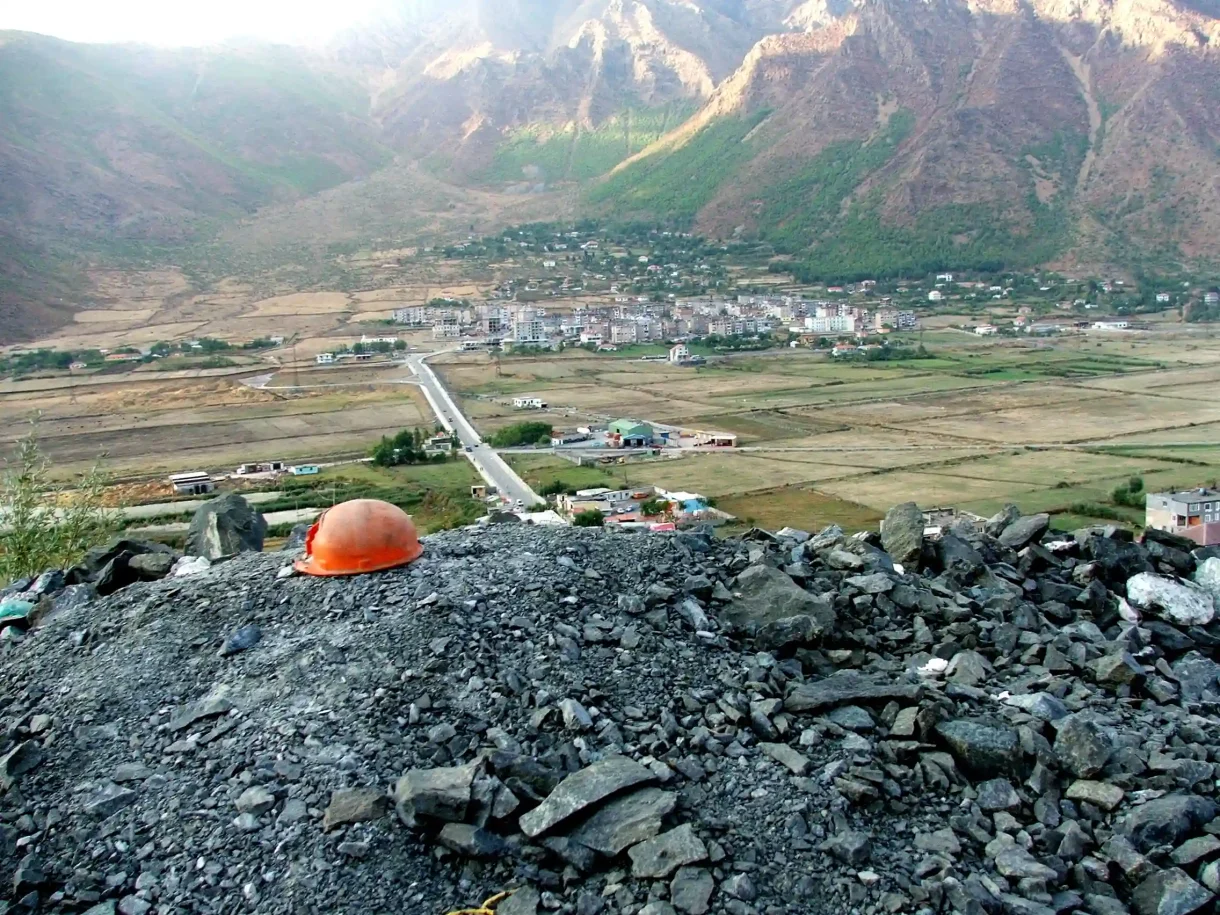
A spate of workplace accidents over the past decade has claimed dozens of lives in Albania’s energy and natural resources industries, highlighting persistent safety shortcomings. From high-voltage electrical lines to deep chrome mines, workers have faced deadly hazards with distressing regularity. Recent incidents – including a landslide that killed two hydropower construction workers in May 2025 and a string of mining accidents in Bulqizë – underscore the ongoing risks and have prompted calls for stronger safety enforcement.

In the chrome mining hub of Bulqizë, northeastern Albania, fatal accidents have become tragically routine. Miners working in unstable underground galleries have been victims of rock falls and gas explosions. In one concession alone, six miners died within a seven-month period (2017–2018) due to collapsing rock or asphyxiating blast. More recently, in September 2025, a 38-year-old miner was killed in Bulqizë’s Zone D galleries while working for a private chrome company. Such incidents illustrate what union leaders call chronic neglect of safety standards in the mining sector. Although police often arrest lower-level supervisors after deadly incidents, higher-level accountability is rare – no mine owners were prosecuted in the last three years despite numerous deaths.

The energy sector has seen its own share of tragedy. HV line workers with Albania’s public power company (OSHEE) regularly perform perilous maintenance on the country’s aging electrical grid. In one case, a 23-year-old electrician fell to his death from a power pole in 2016. During 2024 another foreign Egyptian worker, working for DOKO shpk died during construction of 400kV transmission line Fier-Elbasan-Qafe Thane.  During half of 2021 six electrical workers died during their work where two OST workers died in Roskovec HV tower demolition, and in April–May 2025, two OSHEE technicians were fatally electrocuted in separate incidents (in Mirditë and Divjakë) while attempting to restore electricity. Two other crew members were injured in the Mirditë accident, which occurred as they worked on a high-voltage line to supply a voting center. Investigations blamed lapses in safety protocols and protective equipment, pointing to the need for better training and oversight for electrical workers. OSHEE currently tops the list for workplace accidents among Albanian companies, according to official data.

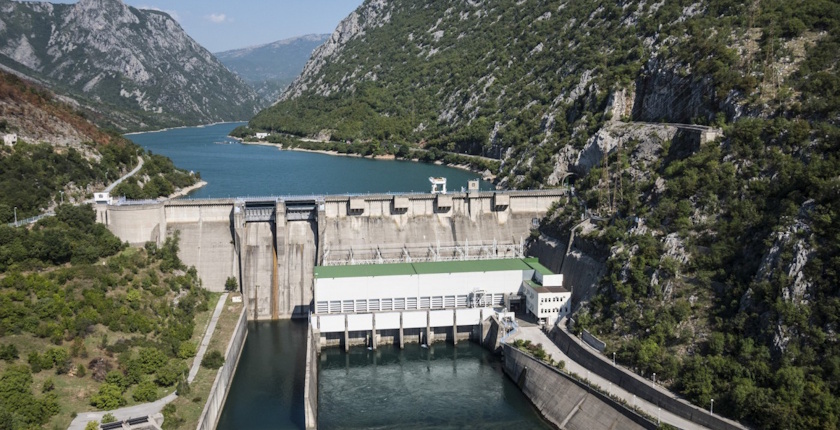
Industrial projects backed by foreign investors have not been immune either. In 2014, three workers (two Albanians and an Italian) died when a rockslide struck the Moglicë hydropower project site in southern Albania. The project’s Norwegian developer, Statkraft, halted work to review safety after the incidents. Likewise, at the Ballsh oil refinery  a major energy installation a massive explosion in November 2016 killed one operator and badly burned five others.  Authorities suspect that inadequate maintenance and a failure to observe safety rules led to the blast in a fuel processing unit. These disasters highlight that even large-scale energy operations, which are expected to follow international standards, can falter on safety measures in Albania.

Despite each tragedy, systemic improvements have lagged. Over the five years alone (2016–2021), 133 people lost their lives to workplace accidents in Albania,  roughly half of them in construction, mining, or energy jobs. Government inspectors have handed out fines to companies for more than 600 penalties in that period and in some cases police have detained site managers after fatal accidents. Yet enforcement is widely seen as ineffective. Observers point to political connections and economic pressures that lead to corners being cut. For example, a 2019 accident in which an 18-year-old off-the-books worker was electrocuted at a small hydropower plant in Tamara was initially covered up as a “natural death”, allegedly to protect the concession owner. Such cases fuel public skepticism about regulators’ commitment to worker safety.

An electrical lineman in Albania working on power lines. OSHEE and OST field workers face high risks from falls and electrocution if safety protocols are not strictly followed.

Officials acknowledge the problem: The State Labour Inspectorate cites poor safety culture and lack of training as major issues, and only specific high-risk professions (miners, oil drillers) are required by law to carry life insurance. In response to recent accidents, the Ministry of Energy and infrastructure companies have promised new measures ranging from better protective gear for workers at height, to stricter monitoring of mining operations. There are some signs of progress: major foreign-led projects like the Trans-Adriatic Gas Pipeline were completed in 2020 without publicized fatalities, and Albania’s onshore oilfields have ramped up safety drills after the 2016 refinery blast.

However, critics say these efforts remain piecemeal.

Worker advocates and unions are urging a comprehensive overhaul of workplace safety enforcement. They want more surprise inspections, tougher fines and legal consequences for negligent executives, and greater empowerment of workers to refuse unsafe work. “Every Albanian who leaves for work in the morning deserves to come home safely,” one miners’ representative said at a recent vigil in Bulqizë. As Albania continues to develop its energy and mining resources  building roads, dams, power lines, and extracting minerals  the stakes are high. The country’s ambitious economic plans depend on these sectors, but each incident erodes public trust and devastates families.

For now, the rash of accidents has cast a spotlight on an uncomfortable reality: economic growth in Albania has been built on risky, sometimes deadly labor. The challenge ahead is translating the lessons of each tragedy into preventive action. Observers note that 2025, marked by multiple high-profile accidents, could be a turning point. The government has pledged to bolster the Work Inspectorate and update safety regulations in line with EU standards. Albania’s workforce, meanwhile, is watching closely to see if those promises result in safer conditions on the ground  in the mines, on the power lines, and at all hazardous job sites  so that such workplace tragedies become a thing of the past.

by in News

H-Bridges team from Belgrade returns to IFEC: students developing bidirectional EV charger

The H-Bridges student team from the School of Electrical Engineering (ETF) of the University of Belgrade, Serbia, is once again taking part in one of the world’s most prestigious university competitions in energy innovation – the International Future Energy Challenge (IFEC). This year’s challenge focuses on the design of a bidirectional onboard charger for electric vehicles, a solution that enables not only battery charging but also energy feedback to the power grid.

The IFEC competition is organized under the patronage of the Institute of Electrical and Electronics Engineers (IEEE). Each year, the organizers define a new task aligned with the latest technological trends, allowing participating students to work on state-of-the-art solutions in electrical engineering and computer science.

The competition is held in three phases. In the first stage, teams submit conceptual design proposals to the organizers and judges. Up to 20 teams from around the world are then invited to present preliminary experimental results at the IEEE Applied Power Electronics Conference (APEC) in the United States, one of the largest global conferences in applied electrical engineering.

In July, the top ten teams advance to the final round, where their solutions are tested in laboratory and real-world conditions. The final venue changes each year depending on the competition theme and the host university.

At the beginning of each season, new students join the H-Bridges team

At the beginning of each season, new students join the H-Bridges team, motivated to go beyond traditional education and gain hands-on experience. Team members independently handle all aspects of the project, from conceptual design to prototype development and testing, as well as securing the necessary components and funding for participation in the semifinal and final stages of the competition.

The H-Bridges team is supported by the University of Belgrade’s School of Electrical Engineering (ETF). In addition, numerous companies in Belgrade and abroad recognize the value of the competition and the team’s projects, providing sponsorships and donations in the form of materials, equipment, and financial support. This assistance enables the team to attend the semifinal and final rounds of IFEC and contributes to its continued success.

Those interested in supporting the H-Bridges team can find additional information on the team’s official website. Support from partners and donors plays an important role in the team’s ongoing activities.

The team also regularly participates in other international and national competitions.

H-Bridges preparing for IFEC 2026

The H-Bridges team is led by Aleksandar Milić from the Department of Power Converters and Drives at the School of Electrical Engineering. The team is organized into several subteams focusing on hardware and PCB design, software and control, and public relations and corporate cooperation. Members come from all study programs at the School of Electrical Engineering, as well as from other faculties.

H-Bridges has achieved notable results at IFEC over the years. In 2019, the team won first place with an electric bicycle drive system and an accompanying Android application for cyclist-vehicle communication. The team also secured second place in the 2020, 2022, and 2023 editions of the competition.

This year’s IFEC task focuses on the design of a bidirectional onboard charger for electric vehicles

This year’s IFEC task focuses on the design of a bidirectional onboard charger for electric vehicles. The project addresses the growing need for innovative solutions in renewable energy integration, electric mobility and energy storage systems.

Bidirectional chargers allow vehicles not only to draw energy from the grid but also to feed it back, offering potential benefits for vehicle efficiency and grid stability without the need for additional charging infrastructure. The system is designed to feature a compact form factor, reliable control, and high power quality at the point of connection.

The team is currently working on the conceptual design of the charger and plans to present its first results at the IEEE APEC conference in March 2026 in the United States. The final stage of the competition will take place in Belgium at KU Leuven, where student-developed chargers from around the world will be tested under both laboratory and real-world conditions.

by in News

Elektroprivreda BiH to invest EUR 885 million over next three years

Government-controlled power company Elektroprivreda BiH plans to invest BAM 1.73 billion (EUR 884.6 million) over the next three years, according to its 2026-2028 business plan.

The investments would be financed through loans, and BAM 538 million (EUR 275 million) from own funds of Elektroprivreda BiH (EPBiH), which operates in the Federation of BiH. Of note, it is one of the two entities making up Bosnia and Herzegovina. The other one is the Republic of Srpska.

In line with available funds and restructuring plans, the company intends to continue investing in coal mines within the EPBiH group over the three-year period.

The goal is a stable and sustainable coal production at the volume needed for the planned operation of the thermal power plants, the utility said.

The previous business plan, for the 2025-2027 period, provided for investments of BAM 2.1 billion (EUR 1.074 billion).

The three-year period should be marked by the construction of a large number of PV plants

EPBiH has highlighted the construction of new renewable energy power plants as a long-term strategic and priority goal. The construction of several solar power plants at already identified locations are particularly significant, the plan reads.

The upcoming three-year period should be marked by the construction of a large number of PV facilities at multiple locations on mining sites, company-owned land, on the roofs of its own facilities and those of its customers, EPBiH explained.

EPBiH also plans to acquire operational renewable energy facilities as well as projects in development. The plan envisages the purchase or lease of land suitable for the construction of solar power plants.

Positive business performance and maintaining the position as the dominant electricity supplier in BiH are also outlined in the business plan, adopted by the company’s assembly.

Desulfurization and denitrification of flue gases projects are planned for two thermal power plants

EPBiH has launched flue gas desulfurization and denitrification projects for its Tuzla and Kakanj coal-fired power plants. It would also upgrade unit 7 in Kakanj, unit 4 in Tuzla, and the Salakovac hydropower plant.

The document envisages the establishment of the distribution system operator (DSO), based on the provisions of the Law on Electricity of the Federation of BiH. It came into force in August 2023.

The law stipulates unbundling the distribution activity from EPBiH and establishing the DSO as a separate legal entity, a 100%-owned subsidiary, the company underlined.