by in News

Federation of BiH secures EUR 83 million for just transition of coal regions

Bosnia and Herzegovina has secured EUR 83 million for a just transition project, which includes installing renewable power plants, social protection measures, and skills development in coal regions.

The funds are for the Federation of BiH, one of the two entities constituting Bosnia and Herzegovina.

The Board of Executive Directors of the World Bank has approved a EUR 79.90 million loan and a EUR 2.89 million grant to support Bosnia and Herzegovina’s National Energy and Climate Plan, enhance energy independence, foster job opportunities, and strengthen local economies in former coal regions.

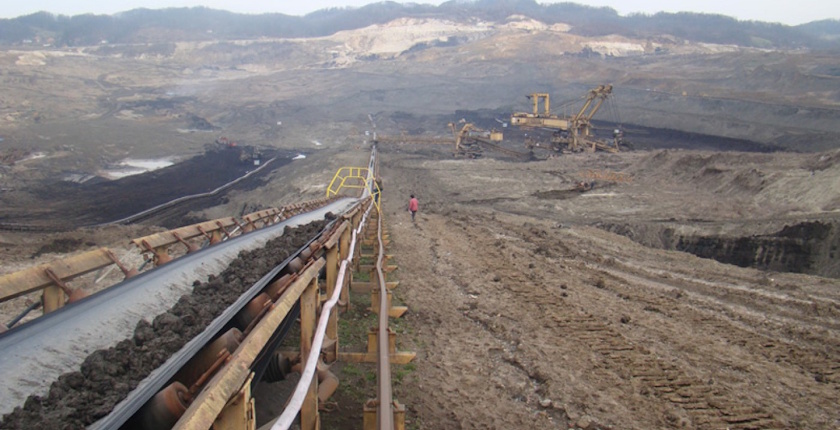
It explained that the Just Transition in Select Coal Regions of Bosnia and Herzegovina Project would help repurpose post-mining lands in Banovići, Zenica, and Kreka, and facilitate the closure of underground works in Zenica. The project entails support for the installation of renewable energy systems at Banovići and Kreka mines.

The project has four components

The measures also involve social protection and skills development for workers and communities seeking opportunities outside the coal sector, the international financing institution noted.

The project will be implemented by the Federal Ministry of Energy, Mining and Industry and the state-owned RMU Banovići coal mine operator and power utility Elektroprivreda Bosne i Hercegovine (EPBiH). It has four components.

The first focuses on enhancing the capacity of coal regions, their entities, and the state-level government to manage a just transition. It will support the Committee on Just Transition at the State Level, a state-level knowledge platform, and capacity building of the Interministerial Committee on Just Transition in the Federation of BiH.

The project includes the land repurposing master plans in Banovići, Zenica, and Kreka

Technical assistance to relevant FBiH ministries to enhance the existing regulatory laws on labor transitions will be provided.

Component 2 supports the repurposing of select post-mining lands in Banovići, Zenica, and Kreka, and closure of specific underground works in the Zenica mine. The segment includes implementing the land repurposing master plans in all three areas

The third part envisages the construction of new power plants. A photovoltaic system of 27 MW in peak capacity will be installed at two identified sites at the Banovići and Kreka mines. Annual power production is projected at over 30 GWh.

Sheldon: To make sure no one is left behind

Component 4 aims to mitigate the social and labor impacts of coal transition on workers and communities by covering the financial obligations toward the miners in Zenica, reskilling and retraining eligible workers in Banovići and Zenica, and supporting affected communities through community investment, the project reads.

According to the World Bank, BiH is developing a National Energy and Climate Plan (NECP). The lender intends to ensure that mine closure is environmentally and socially responsible, supporting new job opportunities and strengthening local economies in former coal regions.

“This new project is an opportunity to boost BiH’s energy security while supporting communities, making sure no one is left behind,” said Christopher Sheldon, World Bank Country Manager for BiH and Montenegro.
by in News

Croatia discusses installation of small modular reactors with US

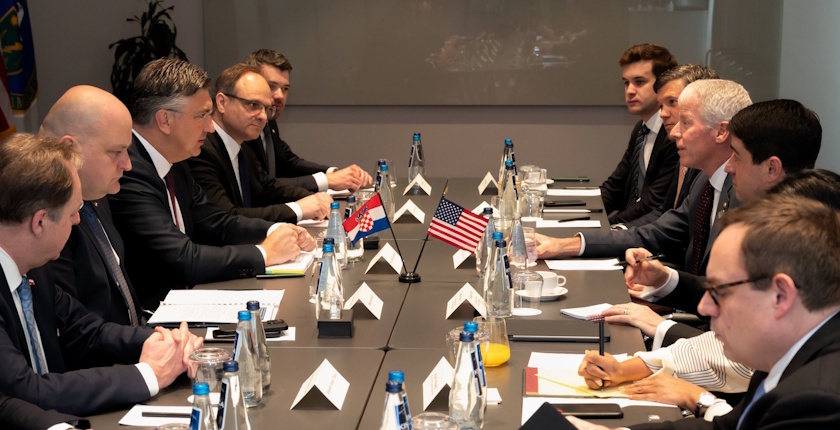
Croatian and United States officials have discussed the possibilities for energy cooperation to diversify the energy supply in Central and Southeastern Europe. Croatia has expressed particular interest in joint work in the nuclear energy sector.

On the sidelines of the 10th summit meeting of the Three Seas Initiative, held in Warsaw, Croatian Prime Minister Andrej Plenković met with United States Secretary of Energy Chris Wright. Minister of Economy Ante Šušnjar attended the discussion as well and separately sat with a delegation from the Nuclear Energy Institute, based in Washington.

Of note, at the same event, Wright invited Central European countries to abandon the European Union’s energy and climate policy and join his country on “team energy freedom.”

Talks between the two delegations covered various topics, including the expansion of the liquefied natural gas (LNG) terminal on the island of Krk, development of gas infrastructure toward Hungary and Slovenia, and strengthening the security of energy supply in Central and Southeastern Europe.

The two sides have discussed the enhancement of energy independence for Croatia and Southeastern Europe

According to Croatia’s Ministry of Economy, representatives of the two countries exchanged views on further opportunities for US involvement in projects focused on diversifying energy sources and strengthening the region’s energy resilience.

Croatian officials highlighted the importance of ongoing cooperation with the US, particularly regarding the diversification of energy supply and the enhancement of energy independence for Croatia and Southeastern Europe, the ministry underlined.

Maria Korsnick and Ante Šušnjar (photo: Government of Croatia)

Minister Šušnjar and Maria Korsnick, CEO of the Nuclear Energy Institute, discussed potential cooperation in the development of nuclear energy, particularly the application of small modular reactor (SMR) technology.

Šušnjar: SMRs is an alternative to existing fossil fuel sources

Šušnjar noted that nuclear energy is increasingly vital for achieving decarbonization and ensuring a stable electricity supply. Croatia has established a workgroup to analyze the potential use of nuclear energy including SMRs as an alternative to existing fossil fuel sources, he added.

“We are interested in partnering with companies that offer advanced, safe, and cost-effective solutions. The Nuclear Energy Institute is a key partner in that process,” Šušnjar said.

Croatia has been expressing interest for the past several years in the Krško 2 nuclear power project in neighbouring Slovenia.

However, Minister Šušnjar recently said his country would focus on developing its own nuclear power capabilities including SMRs.

by in News

Nordex Group – from a sketch on the wall to a leading Western wind turbines developer

Nordex Group, one of the largest wind turbine manufacturers in the world, is celebrating its 40th anniversary. The company’s portfolio in Croatia, Serbia and Montenegro recently reached a total of 1 GW in installed capacity and projects under development, underscoring Nordex’s strong commitment to supporting Southeastern Europe’s energy transition goals.

Nordex will participate in the leading regional conference, the Belgrade Energy Forum, and take this opportunity to mark this milestone. At the event, Anne-Catherine de Tourtier, Vice-President Mediterranean, will contribute to discussions as a panelist, and the company will host an anniversary celebration.

It was back in the early eighties, in Denmark, that Flemming Pedersen and his two sons, Carsten and Jens, had a vision: develop innovative products that could generate electricity in a cost-effective way while protecting environment. To put this idea into practice, they devised a wind turbine which they first sketched on a wall.

They built the first 65 kW turbine, installed on the family property and made it work.

This was the starting signal ; in 1985, Carsten and Jens Pedersen founded Nordex A/S in Give, laying the foundations for Nordex as a company.

The founders had a vision to generate cost-effective power with no impact on the environment

A lot has changed in 40 years. Nordex Group has become one of the world’s leading Western manufacturers of wind turbines, successful around the globe and the market leader in Europe. Technology and the industry have been developed at an impressive pace.

Electricity from wind power has become cost competitive. A strong focus on innovation and cost of energy (COE) has significantly reduced the cost per kilowatt-hour, turning wind into the cheapest source of electricity in many regions.

A crucial role in protecting the planet from climate change

One thing has not changed in the four decades of the Nordex story: Developing and delivering clean power plants that make 100% renewable energy a reality for the world, is still the shared mission and driver of today’s more than 10,900 Nordex Group employees, and its valued partners and clients around the globe.

The company kicked off the 40th anniversary series by thanking its customers, suppliers, colleagues and friends who have made its journey of innovation and growth possible.

“A special thank you to the Pedersen family for following a vision and believing in a technology that was once perceived by many as an utopian dream, and today recognized as playing a crucial role in protecting our planet from climate change, safeguarding it for generations to come!” said Vice-President Mediterranean Anne-Catherine de Tourtier, who will participate at Belgrade Energy Forum next month.

The first Nordex-branded wind turbine

In 1986, just one year after the company was founded, the first Nordex-branded wind turbine started to produce energy. Developed by the visionary Pedersen brothers and Nordex’s inaugural employee, Knud Buhl Nielsen, the N27 marked the beginning of a groundbreaking journey towards sustainable energy production.

The firm rented the tallest crane in Denmark to lift the first N27 turbine in 1986

Looking back on this milestone, Carsten Pedersen fondly recalls“The first real Nordex turbine was the N27 with a rotor diameter of 27 meters, on a 30-meter tubular tower which we erected at our factory in 1986. At that time, it was one of the biggest turbines on the market and we thought that it was really big. We had to rent the tallest crane in Denmark to erect it.”

From today’s perspective, the whole development process in the early stages of Nordex seems truly adventurous. In the absence of a computer, the design was done by hand, and the loads were calculated using a pocket calculator.

However, it’s safe to say that both processes were conducted thoroughly and expertly. “The turbine actually kept running for 30 years, as we did not dismantle it until 2016,” remembers Jens Pedersen.

Three decades since the company’s first 1 MW wind turbine

Looking back, based on the first steps with the N27, it seems that “thinking big” was the beginning of the Nordex Group natural approach. A further humble milestone was accomplished today: 30 years of producing turbines of the megawatt class. In 1995, Nordex introduced the worldwide first series-produced megawatt turbine, the N52, with 1 MW.

Today, Nordex’s Delta4000 series boasts a rated power more than 45 times that of the N27, showcasing the remarkable advancements in technology and engineering expertise. Over the past 40 years, the rotor diameter has increased 6.5-fold, reaching an impressive 175 meters, with its swept area increasing accordingly by a factor of 42. Today, Nordex wind turbines are manufactured with capacities ranging from 4 MW to 7 MW.

Anniversary celebration at BEF 2025 is affirming Nordex’s commitment to the Balkans

The global company is marking its 40th anniversary at the upcoming Belgrade Energy Forum, affirming its commitment to the Balkans.

Vice-President Mediterranean Anne-Catherine de Tourtier is one of the speakers in the panel discussion ‘Energy revolution underway – uniting efforts to deliver green, intelligent and sustainable energy solutions’.

Organized by Balkan Green Energy News, BEF 2025 will be held on May 14 and 15 in Serbia’s capital city.

Belgrade Energy Forum is a central meeting point for representatives of regional and international institutions, organizations and the business community from the region, Europe, and beyond.

Make sure you register on time via this link.

In the evening on May 14, Nordex is organizing its anniversary celebration party for all the participants at the conference.

The group is actively focusing on the Balkan market, with a robust presence across the region, currently involved in six projects in Croatia, three in Serbia, and one in Montenegro.

“We have successfully contracted 1 GW in Serbia, Croatia, and Montenegro, encompassing 222 wind turbines across 16 wind farms. Our team in the Balkans region has grown to over 30 employees, reflecting our significant investment in local talent and development,” said Managing Director for Serbia Vladimir Kolarević.

Nordex highlighted the Balkans as one of its key growth areas, with several ongoing projects in other countries within the region as well. As a crucial partner in the energy transition, the wind turbine manufacturer leverages its footprint and network in Croatia, Serbia, and Montenegro to enter new markets and drive sustainable development, according to the update.

The company is listed on the Frankfurt Stock Exchange, and has installed so far 57 GW of wind power capacity in over 40 markets.

In Turkey, one of its manufacturing hubs, Nordex received orders for more than 1 GW in 2024. And then 750 MW was booked in the country just in the first quarter of this year.

As for the other markets tracked by Balkan Green Energy News, a notable example is Greece, where Nordex surpassed 1 GW.

by in News

Hungary’s MVM inks deal with Çalık Holding, Ansaldo Energia for combined cycle gas turbine power plant

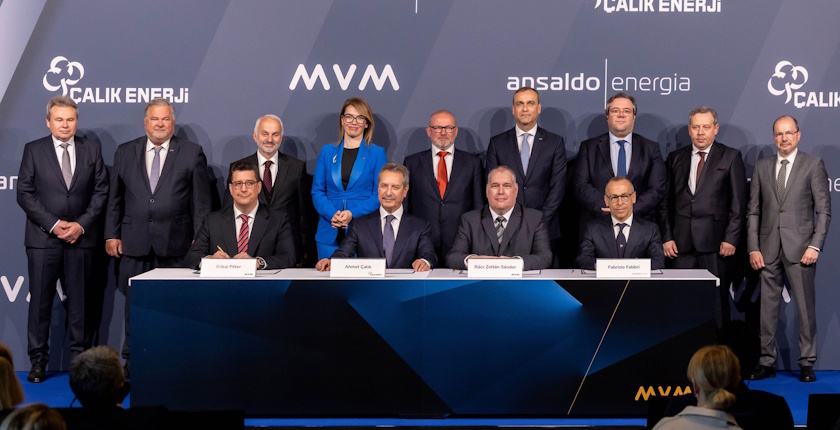
Hungarian power utility MVM signed an agreement with a consortium of Turkey-based conglomerate Çalık Holding and Italian company Ansaldo Energia, which are tasked with building a 1,000 MW combined cycle gas turbine power plant at the Tiszaújváros site in northeast Hungary.

It is the second time this year that MVM contracted the construction of gas-fueled and hydrogen-ready facilities at sites of former power plants running on fossil fuels. Two months ago, the company signed a deal with domestic firms Status KPRIA and West Hungária Bau, and Egypt-based Elsewedy Electric for a 650 MW power combined cycle gas turbine (CCGT) at the Mátra Power Plant.

Now the contract for the development of a modern CCGT power plant was signed by MVM Tisza Power Plant Ltd. of the MVM Group, Çalık Holding, the consortium lead, and Ansaldo Energia.

The agreement marks the beginning of turnkey execution planning, procurement, and construction of what is expected to be Hungary’s most efficient large-scale power plant, the companies said.

Lantos: No new baseload power plant has been built in Hungary in more than 15 years.

The power plant is expected to supply an average of 7,500 GWh of electricity annually. It will also be prepared to use hydrogen.

The two-member consortium was awarded the construction and long-term maintenance of the gas turbines at the public procurement tender.

After the signing, Hungarian Minister of Energy Csaba Lantos lauded the deal as historic, noting that no new baseload power plant has been built in Hungary in more than 15 years.

“The new facility will play an important role in balancing renewable electricity production, thereby supporting the successful energy transition,” he added.

Mátrai: A modern, flexible generation capacity

Károly Mátrai, MVM Group CEO, said a modern, flexible generation capacity would replace the previously decommissioned traditional power plant. Of note, it was a gas power plant.

The facility to be built at the Tiszaújváros site will leverage existing electricity grid connections, a cooling water system, and access to natural gas at a nearby point, Mátrai underscored.

According to Fabrizio Fabbri, Ansaldo Energia CEO, the MVM Tisza power plant will be the country’s most efficient, ready to meet Hungary’s growth and increasing energy needs. He said his company would bring its most advanced gas turbine technology, suitable for hydrogen use.

Ahmet Çalik, President of Calik Enerji Swiss, said the company is honored to contribute to Hungary’s energy supply and enhance its energy security.

by in News

OMV opens Austria’s largest green hydrogen plant

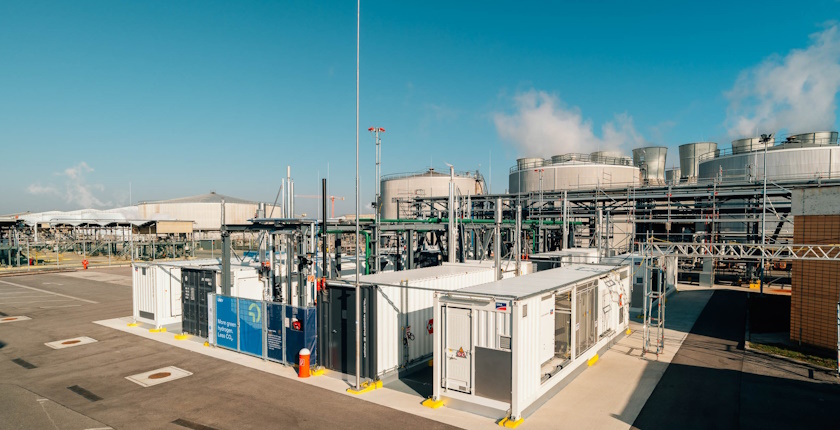
OMV put into operation its green hydrogen plant in Schwechat near Vienna. The facility can produce 1,500 tons per year.

OMV is producing green hydrogen on a commercial scale for the first time. The Vienna-based fossil fuel and petrochemicals producer started up a 10 MW plant at its Schwechat refinery near Austria’s capital. It is the largest in the country.

The investment amounts to EUR 25 million. The electrolyzer system can produce up to 1,500 tons per annum. OMV said the green hydrogen would be used to make more sustainable fuels and chemicals including sustainable aviation fuel (SAF) and renewable diesel (HVO).

PEM electrolyzer uses wind power, hydropower, photovoltaics

The new 10 MW polymer electrolyte membrane (PEM, also called proton exchange membrane) electrolyzer is powered entirely by renewable electricity. It is generated by wind power, hydropower plants and photovoltaics.

The innovation enables annual savings of up to 15,000 metric tons of carbon dioxide emissions, according to the comparator from the European Union’s Renewable Energy Directive. It is equivalent to 2,000 persons per year, based on the EU’s 2024 average of 7.5 tons of CO2 equivalent per capita.

“With the start-up of Austria’s largest electrolysis plant, we are re-inventing how essentials we use in everyday life are produced sustainably. Green hydrogen is at the heart of this transformation, serving as a critical component in producing fuels and chemicals while advancing the decarbonization of our Schwechat site,” said board member Martijn van Koten, responsible for fuels, feedstock and chemicals.

Green hydrogen project is step toward making OMV carbon neutral

The majority owner of Romanian OMV Petrom aims to cut its net emissions to zero by 2050. Its transformation is based on projects including for geothermal energy and chemical recycling. Green hydrogen can be utilized in the production process in refineries.

The green hydrogen plant is certified for producing renewable fuels of non-biological origin (RFNBOs).

Making green hydrogen through PEM electrolysis involves splitting water into hydrogen and oxygen using renewable electricity. At the anode, oxygen and positively charged hydrogen protons are generated. The protons pass through the PEM, and at the cathode, they combine with electrons to form hydrogen gas.

by in News

US wants Central Europe to join ‘team energy freedom’, ditch EU’s energy transition goals

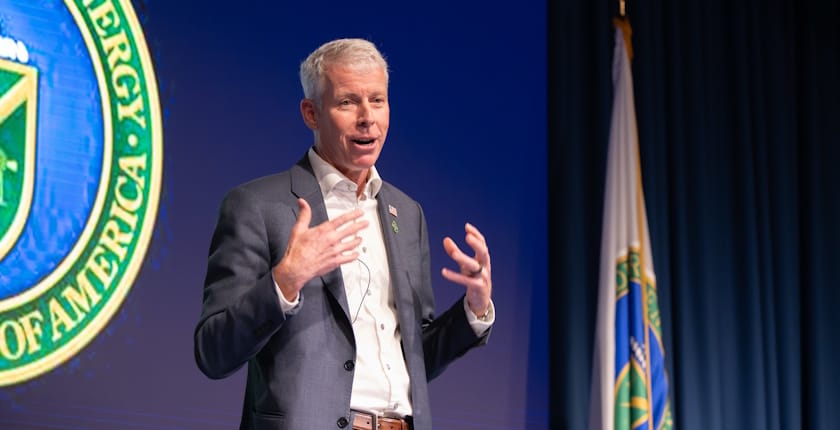
United States Secretary of Energy Chris Wright invited Central European countries to abandon the official European Union’s energy and climate policy and join his country on “team energy freedom.”

US Energy Secretary Chris Wright has delivered a keynote speech at the inaugural session of the Three Seas Business Forum, held in Warsaw, Poland.

“This is a time for choosing,” he said. Wright, who called himself a “lifelong energy entrepreneur,” claimed that after the global financial crisis 15 years ago, “the major nations of Western Europe — not Central Europe — chose one side of a fork in the road” and that his country took the other one.

In his words, the US path represents “energy for the sake of human flourishing,” one that is” abundant, secure, affordable and reliable” and “comes from innovation and choice.” In Wright’s view, it leads to economic growth.

Wright: Climate alarmism has clearly reduced energy freedom, prosperity and national security

“The other side of the fork deprives citizens, consumers of choice. It is a top-down imposition of mandates for the energy system. This top-down imposition of enforced ‘climate policies’ is justified as necessary to save the world from climate change,” the energy secretary stated in the written remarks, published by the Department of Energy.

Wright stressed in the speech that “climate alarmism” has “reduced energy freedom” alongside prosperity and national security across Western Europe.

Criticizing what he called “top-down diktats,” the US official argued they have produced an expensive and unreliable energy system that drives industry and economic activity out of national borders and made energy more expensive for citizens.

The previous US administration worked hard to move the US onto that same fork, he added. The American people re-elected President Donald Trump to bring back freedom and prosperity, according to Wright.

Wright: We warmly welcome you to join us on team energy freedom

Of note, Trump has substantially reversed the previous administration’s energy and climate policy. Launching a slogan “Drill, baby, drill” at the beginning of his current mandate, he withdrew the US from the Paris Agreement and suspended offshore wind power leases, among other measures.

Now Wright conveyed a message: “Central Europe faces a time for choosing. You all have a long history of choosing freedom and sovereignty for your citizens. We warmly welcome you to join us on team energy freedom and prosperity for citizens. President Trump’s agenda of prosperity at home and peace abroad is a team sport!”

He said decarbonization would “likely take generations.” The energy secretary claimed natural gas and nuclear energy are the two biggest climate solutions for the coming decades, “as they were in the last two decades… for the simple reason that they work.”

They supply affordable, reliable, secure energy, Wright underscored.

by in News

Public voting open for EUSEW Awards

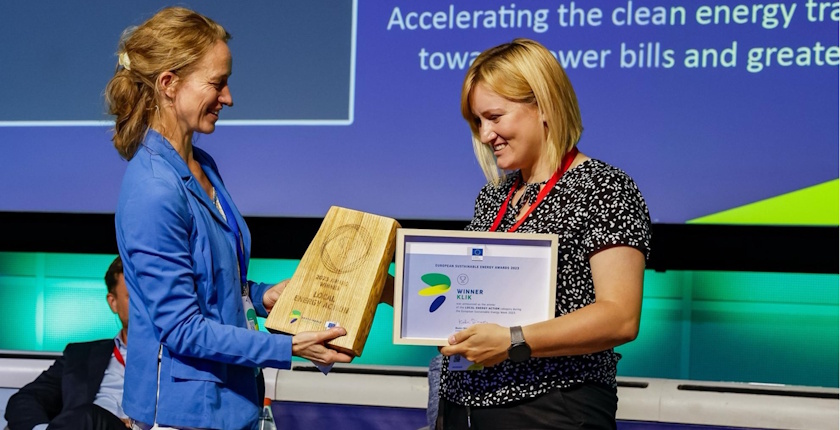
EUSEW Awards will be presented on June 10, within the European Sustainable Energy Week (EUSEW), to outstanding individuals and organisations driving Europe’s energy transition. A jury has selected nine finalists across three categories: Innovation, Local Energy Action, and Woman in Energy. The public now gets to decide the winners.

Online public voting for EUSEW Awards is open until June 1. Voters can support one finalist in each category.

The winners will be announced during the official awards ceremony in Brussels on June 10.

Innovation category

The Innovation Award recognises outstanding projects funded by the European Union that are ongoing or recently completed, demonstrating original and innovative approaches to the energy transition and delivering tangible results.

Dutch company AquaBattery has launched a pilot project in Delft for a long-duration energy storage (LDES) battery system that uses only salt and water as storage medium.

During charging, renewable electricity converts saltwater into acid and base, which are stored in separate tanks, effectively storing the electricity. During discharge, the acid and base are recombined into saltwater, generating electricity. This enables a stable power supply even when there is no sun or wind, without relying on critical raw materials like lithium.

[wpcc-iframe title=”EUSEW2025 Finalist | Dutch saltwater battery commercialises groundbreaking energy storage solution” width=”500″ height=”281″ src=”https://www.youtube.com/embed/1xs2khpQB2k?list=PLMKHMvnaraHMd4y5rZuvjnnW1veToA8qm” frameborder=”0″ allow=”accelerometer; autoplay; clipboard-write; encrypted-media; gyroscope; picture-in-picture; web-share” referrerpolicy=”strict-origin-when-cross-origin” allowfullscreen=””]

The LIFE4GreenBroadband project in Croatia, led by telecom operator A1 Hrvatska, is the second finalist in the Innovation category. It aims to reduce emissions in the telecommunications sector by introducing solar panels and passive cooling systems to mobile base stations.

[wpcc-iframe title=”EUSEW2025 Finalist | Project cutting emissions in Croatian telecoms sector” width=”500″ height=”281″ src=”https://www.youtube.com/embed/UHkQHJ4e9ls?start=7&feature=oembed” frameborder=”0″ allow=”accelerometer; autoplay; clipboard-write; encrypted-media; gyroscope; picture-in-picture; web-share” referrerpolicy=”strict-origin-when-cross-origin” allowfullscreen=””]

The third finalist is the Spanish-Italian project LIFE Turbines, focused on developing smart cities and generating green electricity by using surplus pressure in water pipelines. By integrating microturbines directly into existing infrastructure, the project demonstrates how to harness urban hydropower without affecting water quality or supply.

[wpcc-iframe title=”EUSEW2025 Finalist | Spanish-Italian project harnessing hydropower from urban water systems” width=”500″ height=”281″ src=”https://www.youtube.com/embed/E2VLw49_WCs?list=PLMKHMvnaraHMd4y5rZuvjnnW1veToA8qm” frameborder=”0″ allow=”accelerometer; autoplay; clipboard-write; encrypted-media; gyroscope; picture-in-picture; web-share” referrerpolicy=”strict-origin-when-cross-origin” allowfullscreen=””]

Local Energy Action

The Local Energy Action Award celebrates implemented sustainable energy initiatives carried out by citizens or consumers at the local level, contributing to their community’s energy transition. It also aims to inspire similar efforts across the EU by showcasing economic and environmental benefits. This year’s finalists are: Amiestas, proKlima, and Shared Energy for Social Housing in Otterbeek.

Amiestas is a public, non-profit organisation managing a centre for energy-efficient renovation of residential buildings in Vilnius, Lithuania. It streamlines processes for residents and provides technical and financial support to improve building energy efficiency by 50% to 60%.

[wpcc-iframe title=”EUSEW2025 Finalist | non-profit supporting multi-apartment renovations in Vilnius” width=”500″ height=”281″ src=”https://www.youtube.com/embed/nTZG3NTDI_E?list=PLMKHMvnaraHMd4y5rZuvjnnW1veToA8qm” frameborder=”0″ allow=”accelerometer; autoplay; clipboard-write; encrypted-media; gyroscope; picture-in-picture; web-share” referrerpolicy=”strict-origin-when-cross-origin” allowfullscreen=””]

ProKlima is a public-private partnership funding clean energy projects in and around Hanover. It brings together municipal utility enercity, local authorities, and NGOs. Nearly 40,000 clean energy projects were funded so far within the endeavor.

The partners created a fundraising instrument independent of municipal budgets. The money, sourced from gas sales, profit sharing from the said energy supplier and from concession fees, is distributed to local projects addressing climate change and raising awareness about global warming.

[wpcc-iframe title=”EUSEW2025 Finalist | German clean energy fund” width=”500″ height=”281″ src=”https://www.youtube.com/embed/RsKK4HZ4w1I?list=PLMKHMvnaraHMd4y5rZuvjnnW1veToA8qm” frameborder=”0″ allow=”accelerometer; autoplay; clipboard-write; encrypted-media; gyroscope; picture-in-picture; web-share” referrerpolicy=”strict-origin-when-cross-origin” allowfullscreen=””]

Shared Energy for Social Housing in Otterbeek, Belgium, gives access to renewable energy to residents in vulnerable groups. Two hundred social housing units have been equipped with solar panels, allowing residents to receive green electricity at a fixed, lower-than-market rate.

[wpcc-iframe title=”EUSEW2025 Finalist | Belgian social housing energy initiative” width=”500″ height=”281″ src=”https://www.youtube.com/embed/Q30AOi-58ck?list=PLMKHMvnaraHMd4y5rZuvjnnW1veToA8qm” frameborder=”0″ allow=”accelerometer; autoplay; clipboard-write; encrypted-media; gyroscope; picture-in-picture; web-share” referrerpolicy=”strict-origin-when-cross-origin” allowfullscreen=””]

Woman in Energy

The Woman in Energy Award recognises the efforts of women whose actions, if replicated, can accelerate the transition to clean energy in Europe. Special attention is given to promoting gender equality and equal opportunities in the energy sector.

This year’s finalists are Carmen Sánchez-Guevara, Sofie Loots, and Stella Tsani.

Spanish architect and professor Carmen Sánchez-Guevara is a leading voice in the fight against summer energy poverty, which affects vulnerable households exposed to extreme heat. Through projects like Cooltorise, she has helped people in five countries protect themselves through education, greening initiatives, and improved public spaces.

[wpcc-iframe title=”EUSEW2025 Finalist | Spanish architect tackling summer energy poverty” width=”500″ height=”281″ src=”https://www.youtube.com/embed/LqwFIljOk1c?list=PLMKHMvnaraHMd4y5rZuvjnnW1veToA8qm” frameborder=”0″ allow=”accelerometer; autoplay; clipboard-write; encrypted-media; gyroscope; picture-in-picture; web-share” referrerpolicy=”strict-origin-when-cross-origin” allowfullscreen=””]

Sofie Loots advocates for local energy cooperatives in Belgium. For 16 years, she worked as a sustainability advisor in the Municipality of Edegem near Antwerp, focusing on climate action through energy efficiency and building renovation.

In 2016, Sophie co-founded the energy cooperative ZuidtrAnt with a group of other volunteers. Their goal was to prioritise citizens’ interests in the energy transition and to make renewable energy more affordable.

[wpcc-iframe title=”EUSEW2025 Finalist | Pioneer of Flemish energy cooperatives” width=”500″ height=”281″ src=”https://www.youtube.com/embed/x-uyBKLxXPU?list=PLMKHMvnaraHMd4y5rZuvjnnW1veToA8qm” frameborder=”0″ allow=”accelerometer; autoplay; clipboard-write; encrypted-media; gyroscope; picture-in-picture; web-share” referrerpolicy=”strict-origin-when-cross-origin” allowfullscreen=””]

Stella Tsani, an associate professor at the University of Athens, links academic research with real-world energy policy, focusing on economic incentives for a sustainable energy transition.

Through work with organisations such as the United Nations Environment Programme (UNEP) and the Intergovernmental Panel on Climate Change (IPCC), her research informs policies that balance economic growth with environmental protection. She is also dedicated to empowering young women in the energy sector through mentorship and education, believing that future female leaders are key to achieving the EU’s climate goals.

[wpcc-iframe title=”EUSEW2025 Finalist | Greek academic driving country’s energy transition” width=”500″ height=”281″ src=”https://www.youtube.com/embed/YIizBrFETqc?feature=oembed” frameborder=”0″ allow=”accelerometer; autoplay; clipboard-write; encrypted-media; gyroscope; picture-in-picture; web-share” referrerpolicy=”strict-origin-when-cross-origin” allowfullscreen=””]

by in News

European Commission launches call for investment in green transition, critical raw materials in Western Balkans

As part of its Growth Plan for the Western Balkans, the European Commission has invited private businesses from the EU, the European Economic Area (EEA), and the region itself to express interest in investing in sectors including the green transition, critical raw materials, sustainable transportation, and digitalization.

The objective is to open a dialogue on concrete investment opportunities and identify ways to overcome related constraints in the Western Balkans region, according to the call for expressions of interest.

Although financial support is not guaranteed, the European Commission could potentially back some projects with its available policy, technical, and financial instruments. It may also facilitate contact with partner financial institutions for potential financial cooperation on eligible projects.

Financial support is not guaranteed, but some projects could be backed by the European Commission or referred to financial institutions

Proposed investments must take place in one or more of the following economies: Albania, Bosnia and Herzegovina, Kosovo*, North Macedonia, Montenegro, and Serbia. The minimum investment threshold is EUR 10 million, and the required participation by the project promoter is at least 15% of the total value of the investment project.

The deadline to submit expressions of interest is May 21

The first phase of the call is open for submissions until May 21, but it may be reopened for subsequent phases, depending on the number and scope of submissions received.

Investment in green transition, critical raw materials, sustainable transportation

The priority areas are based on the strategic priorities of the Growth Plan for the Western Balkans and the Western Balkans Investment Framework (WBIF), focusing on key economic sectors where foreign investment is needed.

In the area of the green transition, investments are required in renewable energy, energy efficiency, and innovative energy technologies in order to reduce dependence on fossil fuels, foster a circular economy, mitigate climate change, and modernize energy, water, wastewater treatment, and waste management infrastructure, according to the call.

Ensuring environmentally responsible access to critical raw materials

When it comes to critical raw materials, investments are needed to ensure reliable and environmentally responsible access to such materials, in order to support the development of key industries across all supply chain stages, according to the European Commission.

The other areas envisaged by the call are sustainable transportation, including urban mobility; the digital transition, including the roll-out of 5G; integration into the EU industrial supply chains; sustainable tourism; human capital development; and impact finance, including setting up private funds to invest in projects with a strong green and/or social impact.

by in News

Turkey to manufacture green hydrogen, nuclear, CCS equipment

The 2030 Industry and Technology Strategy includes setting up industrial facilities in Turkey for nuclear energy, green hydrogen, battery storage and carbon capture and storage (CCS). The country is planning to establish a value chain for critical raw materials. The government vowed to support the development of semiconductor technology, autonomous and flying vehicles and cybersecurity solutions, alongside innovations for electric vehicles and solar and wind power.

With its recently unveiled 2030 Industry and Technology Strategy, Turkey announced the ambition to upgrade its industrial production to one of the most advanced in the world. As Russia’s Rosatom is completing the country’s first nuclear reactor in Akkuyu, the government is planning to develop its own technology in the segment.

The strategy involves setting up industrial clusters for equipment and infrastructure. Among the possible technologies are molten salt reactors. The Scientific and Technological Research Council of Türkiye (TÜBİTAK), Turkish Energy, Nuclear and Mineral Research Agency (TENMAK) and Istanbul Technical University (İTÜ) are tasked with establishing a nuclear tech park.

Green hydrogen mostly needed for decarbonizing hard-to-abate industrial production

TÜBİTAK is responsible for developing domestic electrolyzers as well. The national hydrogen program is set to bring support for integrating the production of green hydrogen, storage, transportation and consumption. The last of the four is especially focused on energy-intensive industries such as steel, petrochemicals and fertilizers.

Another segment that would get incentives is the use of hydrogen in fuel cell vehicles including heavy vehicles. The strategy envisages setting up pilot zones for green hydrogen production, with electrolyzers powered by wind and solar energy.

Turkey has high ambitions for high-tech exports

Turkey has revealed the goal of tripling its high-tech exports to USD 30 billion by the end of the decade. It is part of an ambition to lift industrial exports to USD 400 billion from last year’s USD 247 billion. At the same time, the government’s target for the overall valuation of domestic tech startups is USD 100 billion.

The 2030 Industry and Technology Strategy has other chapters, too, like carbon capture, utilization and storage (CCUS or just CCS), access to critical raw materials, semiconductor and battery manufacturing and cybersecurity. Officials vowed to continue prioritizing domestic electric vehicles, but with investments in autonomous operation systems and even flying cars.

Cybersecurity solar and wind turbine technologies. Turkey apparently remains dedicated to expanding the industrial base for solar panels and wind turbines as well.

by in News

Terna Energy to make pumped storage, wind power hybrid in Amari in Crete

Greek renewable energy company Terna Energy, recently acquired by Masdar, made a step forward in its Amari hybrid power plant project in Crete.

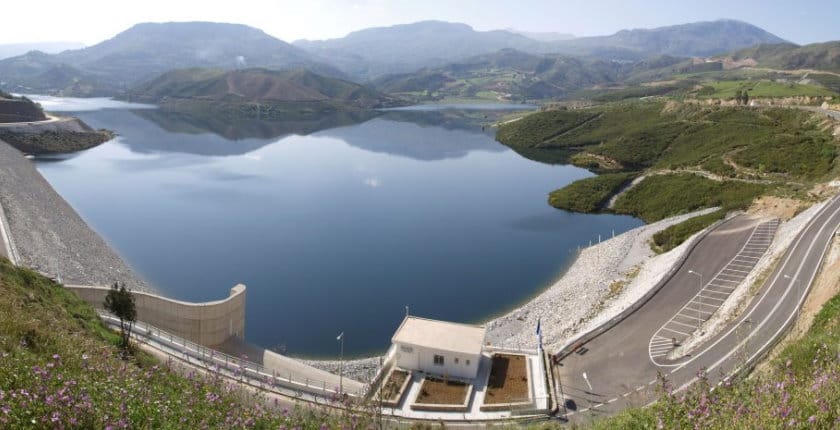
The facility in the country’s largest island would comprise two wind farms with a total capacity of 81.6 MW and a pumped storage hydropower station, at the Amari dam reservoir, of 50 MW. The Ministry of Environment and Energy approved a construction site study, advancing the investment.

It should be noted that the project has been plagued by delays. The initial environmental license was published back in 2019. The total planned capacity has been reduced from 161.1 MW to 131.6 MW.

The pumped storage system would consist of two turbines and four pumps, the update shows. The sites for the wind farms are in the municipality of Sitia.

Terna Energy has said it would be the largest hybrid power plant in Europe, valuing the investment at EUR 280 million. Masdar’s subsidiary is also building its Amfilochia pumped storage hydropower plant in mainland Greece, which will have a capacity of 680 MW.

Investors mainly interested in standalone storage, not hybrids

Interest in hybrid power plants has been low in Greece, as there are only a few small investment proposals per licensing cycle.

But companies are keen on building standalone pumped hydropower units. In the April round, Freenergy submitted seven proposals of 80 MW apiece. It follows 14 applications in March by various groups, each for more than 100 MW.

Greek authorities are eager to facilitate the first standalone storage projects, including batteries. The country faced a grid overload issue during the Easter holiday, as electricity from photovoltaics far exceeded demand and it had to be heavily curtailed. The first storage installations are expected this year. The technology is seen gradually easing the curtailments and allowing further renewable energy penetration.