by in News

Consortium completing spatial plan for solar-BESS strategic partnership in Serbia

Representatives of Hyundai Engineering and UGT Renewables, the companies developing a solar power project in Serbia of 1.2 GW in total, and with batteries, said the strategic partnership is a step toward expansion in the surrounding region. Spatial planning is nearly complete.

Following the signing of grid connection contracts last week, the Hyundai Engineering – UGT Renewables consortium is advancing the design and permitting procedures within its strategic partnership in Serbia.

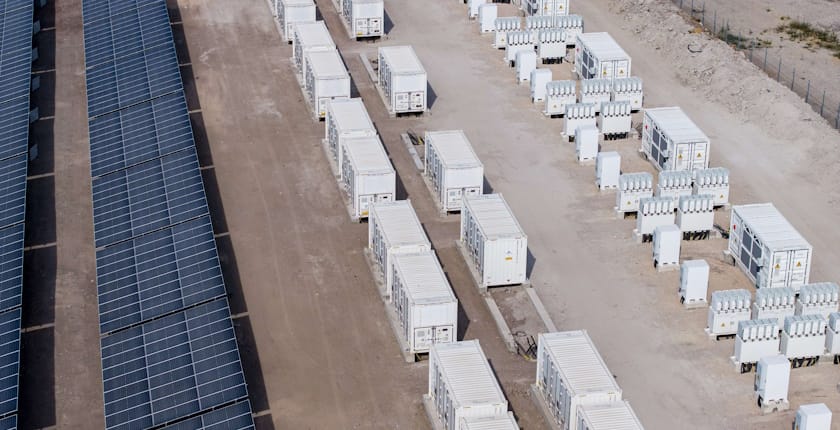
The two companies are tasked with building a group of photovoltaic plants of 1.2 GW in total peak capacity and connections of 1 GW overall, alongside battery energy storage systems (BESS) with a combined 200 MW in operational power and a maximum 400 MWh in capacity.

Group of hybrid power plants to be transferred to EPS

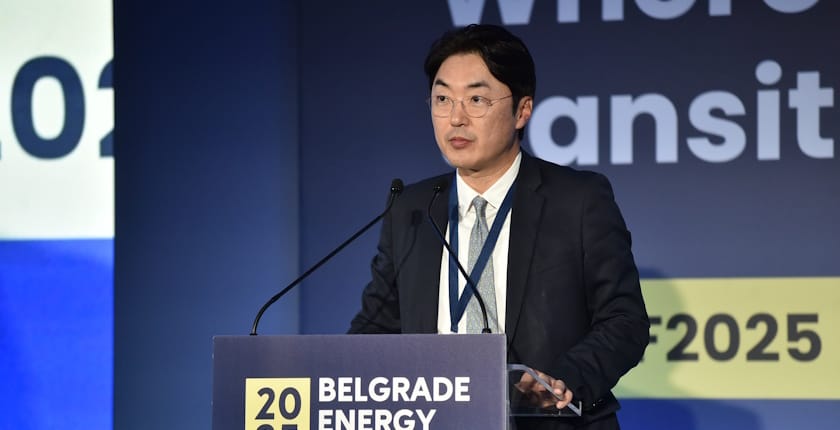
In a keynote speech at Belgrade Energy Forum – BEF 2025, Vice President of Hyundai Engineering Seung-Won Lee revealed that the consortium is finalizing the special plans for special purpose areas. The facilities will be handed over to Serbia’s state-owned power utility Elektroprivreda Srbije (EPS), he noted.

The representative of the South Korea–based company added that the PV plants would generate 1.5 TWh per year and offset more than one million tons of carbon dioxide emissions. It is one of the largest renewable energy projects in Europe and a cornerstone for Hyundai Engineering, Lee pointed out.

UGT Renewables has project pipeline of 20 GW

Global Executive Advisor of UGT Renewables Chan-Woo Park said it is the largest renewable energy developer, internationally, in the United States. Its portfolio of companies is operating on four continents, he added. The regions include Southern Africa, the Middle East and Latin America, Park underscored.

The solar power and energy infrastructure projects under development account for 20 GW, UGT’s representative asserted.


It has established partnerships worth over USD 30 billion altogether, with Hyundai Engineering and other companies including Nextracker, Shoals Technologies, Hitachi Energy and Tesla Energy, Park stressed.

According to the update, the strategic partnership in Serbia is the beginning of the consortium’s regional expansion in the surrounding region.
by in News

Belgrade Energy Forum 2025 – energy market reforms accelerate integration into EU

Electricity market coupling with neighbors in the European Union is a major factor in the EU integration of Energy Community contracting parties and the Western Balkans, alongside deeper coordination within the region, the establishment of energy interconnections, investments in renewables and progress in carbon pricing, top officials pointed out at the opening of Belgrade Energy Forum – BEF 2025.

Founder and Editor of Balkan Green Energy News Branislava Jovičić said the current changes in the energy sector can already be called an energy revolution.

The third Belgrade Energy Forum, BEF 2025, started today in Serbia’s capital city, welcoming four hundred participants from more than 30 countries from the region, Europe and beyond. The two-day conference, organized by Balkan Green Energy News, features eight panels with over 50 officials, executives and prominent energy experts.

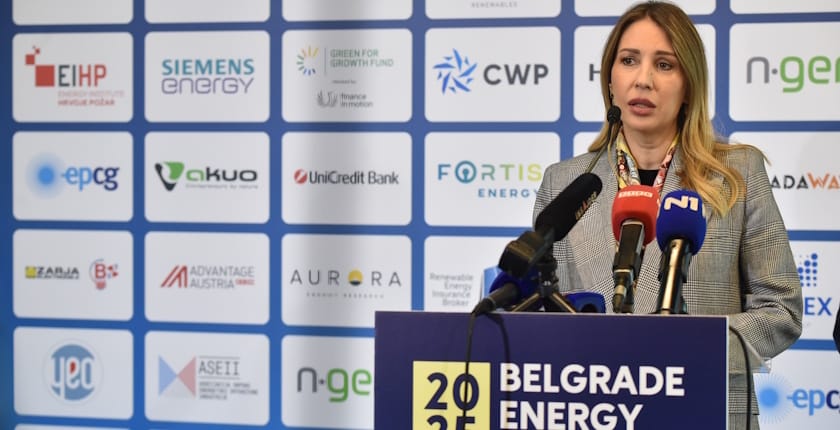
Serbia was the first in the region to meet the preconditions for electricity market coupling with neighboring countries in the European Union and Energy Community, said Minister of Mining and Energy Dubravka Đedović Handanović. She added that the technical process would be completed within 18 months after the EU Agency for the Cooperation of Energy Regulators (ACER) and European Network of Transmission System Operators for Electricity (ENTSO-E) conduct the necessary steps.

Electricity market coupling will be completed within 18 months when the technical process starts

“It will be a historic event for our country for its benefits for citizens and companies, as it will ensure a more stable electricity supply and access to more affordable energy prices. It will turn us into an equal member within the region but also the EU as concerns the energy sector,” Đedović Handanović stated.

The SEEPEX power exchange has already prepared implementation projects with its counterparts in Hungary and Bulgaria for market coupling on their borders, the minister stressed.

Up to EUR 15 billion needs to be invested in energy

Đedović Handanović also pointed out that domestic and European regulators certified Serbia’s gas transmission system operator Transportgas for the first time. The start of construction of the Serbia-Hungary oil pipeline is expected to begin early next year at the latest, the minister said.

The baseline for the development plan for energy infrastructure and energy efficiency should be completed by the end of May, she revealed. It identifies the need for EUR 14 billion to EUR 15 billion in investments in the next ten years, according to Đedović Handanović. Renewables and new hydropower potential account for EUR 7 billion, she said.

Serbia will double the electricity transmission capacity with Hungary and increase it with Bulgaria, the minister asserted.

Serbia is frontrunner in region with its progress toward market coupling

As the Western Balkan region confronts the trailing trilemma of decarbonization, affordability, and energy security, the need for an accelerated integration with the European Union has never been more urgent, Energy Community Secretariat Director Artur Lorkowski said.

The organization provides a platform for the process, a strategic window of opportunity to inspire market confidence now, not in years or months to come, he explained. Lorkowski said it implies deeper coordination among Energy Community contracting parties in removing cross-border bottlenecks and harmonizing market operations.

Above all, there is an urgent need to move forward on electricity market integration with the EU, so the region can fully benefit from it in 2027, he noted, underscoring that Serbia is the frontrunner.

Exporters of electricity to the EU can attend a technical consultative meeting in Brussels on July 1

The Carbon Border Adjustment Mechanism (CBAM) is another urgent priority, Lorkowski said. He announced that the Energy Community Secretariat and European Commission would organize a technical consultative meeting in Brussels on July 1 for electricity exporters to the EU.

The establishment of domestic carbon pricing mechanisms is inevitable, Lorkowski warned. The question is how to introduce domestic carbon pricing and keep energy prices affordable for households and competitive for businesses, he told the audience at BEF 2025.

“The way forward is clearly defined, and the conditions linked to energy market reform and decarbonization are well known. And I’m, frankly speaking, very optimistic that progress on these issues can be substantive in months and years to come,” the secretariat’s head stressed.

Jovičić: Energy revolution underway

Energy and climate issues are among the most important ones in the world today, as well as in Southeastern Europe, Founder and Editor of Balkan Green Energy News Branislava Jovičić said. All stakeholders, aware of the necessity of rapid changes and prudent solutions, are working toward a secure energy supply and decarbonization, she added.

“Last year we spoke about the energy transition. This year we can freely call the changes in the energy sector an energy revolution,” Jovičić stated. The five pillars of the energy revolution are solar and wind power, battery storage, digitalization, nuclear energy and decentralized generation and consumption, she stressed.

Balkan Green Energy News is a leading energy media website in the region and one of the top 50 in the world, Branislava Jovičič said.

by in News

Electrohold Trade partners with TMH to optimize 2.5 GWh of battery storage in Bulgaria

Early next year, The Mobility House (TMH) is set to ramp up the aggregation of Electrohold’s energy assets in Bulgaria under a newly signed deal. It focuses on the planned 2.5 GWh in battery energy storage systems (BESS).

Electricity trading firm Electrohold Trade selected The Mobility House (TMH) to provide advanced aggregation and trading software. The solution will optimize the Bulgarian firm’s portfolio, enhance returns from its energy assets, and support the electricity system’s balance and stability, according to the announcement.

The subsidiary of Eurohold Bulgaria’s or Eurohold Group (Evrohold) manages a pool of photovoltaic assets and battery energy storage systems. The assets are expected to reach 1 GW and 2.5 GWh, respectively. The full commercial rollout is targeted to begin in the last quarter of 2025, with further rampup expected into early 2026, the company said.

TMH GOING Far beyond traditional feed-in models

Germany-based TMH is active since 2016. Electrohold Trade said it is leveraging the aggregator’s technology to commercialize energy storage systems and maximize returns on its solar power assets through advanced flexibility and intermittence trading – going far beyond traditional feed-in models.

TMH stressed that Electrohold’s energy storage initiative is the largest in Europe.

Colocation project with signaling impact

A defining feature of the initiative is its colocation concept, where battery storage systems are installed directly adjacent to solar parks. It enables optimal utilization of both assets, the companies said. By directly linking them, the fluctuating output of renewable energy can be more effectively managed – enhancing grid stability while minimizing the need for expensive grid expansions.

It not only results in improved grid flexibility, but also contributes to the grid’s better balancing, the update reads. The project positions battery storage systems as a central element in Bulgaria’s future energy landscape, leveraging advanced algo trading software and innovative incentive structures to unlock the full potential of renewable integration, the partners added.

“By strategically employing colocation solutions and the latest technology, we are creating a platform that is not only economically attractive but also significantly enhances the technical resilience of the Bulgarian power grid at lower costs,” said Eurohold Bulgaria’s Chair of the Supervisory Board Assen Christov.

by in News

Romania launches renewables auction for 3.5 GW

Following a successful first round, in which developers won government support for projects of 1.53 GW altogether, the Romanian Ministry of Energy issued another call, for 3.47 GW of wind and solar power capacity. The deadline for submissions is July 11.

The Ministry of Energy of Romania issued a public call for the second round of auctions under a mechanism for awarding contracts for difference (CfDs). With EUR 3 billion at hand, via the European Union’s Modernisation Fund, the country is supporting an overall 5 GW of wind and solar power capacity.

Developers can apply by July 11 for the remaining quotas of 2 GW for wind parks and 1.47 GW for photovoltaic facilities. In the first round, 21 participants won the subsidies for 1.1 GW and 432 MW, respectively.

Romania cuts ceiling prices

Ceiling prices for government support are lower this time. Wind power is at EUR 80 per MWh or EUR 2 per MWh under the previous maximum possible bid. The authorities slashed the cap for solar power to EUR 73 per MWh from EUR 78 per MWh.

The contracts for difference would last 15 years. The burden of administrative and electricity transmission expenses is passed on to consumers.

More leeway for large players as they are no longer limited to 25% of quota

Another difference is that the 25% cap on the maximum capacity awarded per applicant was scrapped, the documentation shows. In addition, there is a possibility to award up to 20% more capacity than in the nominal quota. Minister of Energy Sebastian Burduja explained that the idea is to avoid the risk of losing a large project with a marginal bid.

He noted that Radramo Power is developing the largest wind power project from the first auction, 245 MW. The Heliowin project, for 125 MW, is the biggest one in the PV segment. It belongs to Israeli company Econergy. Both proposed facilities will launch production by January 28, according to the schedule.

In the first phase, applicants will qualify with their technical offers. The plan is to open financial bids from eligible entities on August 13, and the winners would have until September 9 to sign the contracts. Romania’s transmission system operator Transelectrica has the task to evaluate the applications.

by in News

Second HVDC link from mainland Greece to Crete coming online

Greece’s Independent Power Transmission Operator (IPTO) is completing the last elements of the Ariadne Interconnection project, one of the deepest subsea links in the world. The company plans to switch on the double high-voltage direct current (HVDC) cable between Attica and Crete by the end of the month. In addition, IPTO and its Italian counterpart Terna are developing a project for a second interconnector between them.

Final tests and equipment checks are being completed at the Damasta Converter Station in Heraklion ahead of the start of the trial operation of the Crete-Attica electricity link. The management of IPTO, also known by its Greek acronym Admie, and the HDVC Ariadne Interconnection project firm inspected the site.

The transmission system operator said it plans to energize it this week by injecting reactive power into the electricity system in the country’s biggest island.

The transmission of active power from Attica to Crete is set to begin in late May, the update adds. Ariadne consists of two 500 kV cables of  500 MW each. One end is in Pachi in the city of Megara, between Athens and Corinth, and the other one in Korakia in Crete. The submarine and underground cables were tested earlier.

Line on mainland is under trial electrification

At the same time, on the Attica side, a trial electrification of a 400 kV cable system is taking place between the Koumoundouros Converter Station and the adjacent Extra High Voltage Center. Ariadne Interconnection is the largest and most complex electricity transmission project in Greece so far, IPTO underscored.

Furthermore, a 150 kV transmission line between Chania and Damasta recently received the decision on the approval of environmental conditions (AEPO), the company added. It is considered necessary for an optimal combined use of Crete’s two interconnections with the mainland, the announcement reads. The first one, from Peloponnese, was established in 2021.

Ariadne, worth more than EUR 1.1 billion, is one of the three deepest interconnections in the world. The HVDC line’s capacity matches the interconnector to Sardinia, the strongest power link so far with an island.

The project is co-financed through the National Strategic Reference Framework (NSRF 2014-2020 and NSRF 2021-2027), via the European Union, with up to EUR 535.5 million. The idea for the endeavor dates back to the 1990s.

The contractors are Nexans and Prysmian. Each was responsible for one of the two cables while the latter also laid two submarine telecommunication lines.

Erdoğan again taunts Great Sea Interconnector by promising alternative cable

Ariadne is part of a proposed corridor with the Great Sea Interconnector project, formerly EuroAsia Interconnector, envisaged going to Cyprus and Israel. The Crete-Cyprus investment has been suffering heavy delays amid financing issues, ownership disputes and Turkey’s threats.

In early May, President Recep Tayyip Erdoğan visited the Cypriot Turkish breakaway republic, recognized only by Turkey, and promised an interconnection with his country. He compared it to an existing water pipeline.

“Did we bring water from under the sea to Northern Cyprus from Turkey? Now we are in the second stage. God willing, we will bring electricity and with that we will cover the needs of Northern Cyprus in water and electricity,” Erdoğan stated.

Notably, IPTO denied yesterday a press report that it is considering the possibility, together with Nexans, the contractor, to alter the route and connect Crete with the Dodecanese Islands instead of with Cyprus. The archipelago includes Rhodes, Astypalaia (Astypalea), Kos and Tilos.

EBRD is providing a grant for the first studies for an interconnection between Greece and Egypt

In other news, the European Bank for Reconstruction and Development (EBRD) and Elica Interconnector, a member of the Copelouzos Group, signed a grant agreement for the first studies for the planned Egypt-Greece (GREGY) electricity interconnection.

IPTO and its Italian counterpart Terna signed today a memorandum of understanding to install a second undersea HDVC power line. The GR.ITA 2 project is for a double cable, two times 500 MW, scheduled for completion in 2031. The two sides earmarked a total of EUR 1.9 billion.

The existing 500 MW interconnector, in operation since 2002, is temporarily down due to a malfunction.

by in News

Everything is ready for Belgrade Energy Forum 2025 – welcome!

Everything is ready for the third Belgrade Energy Forum – BEF 2025. On May 14 and 15, the conference will gather four hundred participants from more then 30 countries from the region, Europe, and beyond.

Participants of the Belgrade Energy Forum 2025 (BEF 2025) will have the opportunity to hear from speakers from the European Union and five countries in the region and exchange views. Eight panels featuring more than 50 officials, executives and prominent energy experts will try to untangle the currently most important issues in the energy sector.

Representatives of governments, regulatory agencies, regional and international institutions and organizations as well as the business community will outline their future moves, which is invaluable information given the new reality of a turbulent geopolitical landscape.

Latest information on the largest project for the installation of solar power plants in the region and beyond

Energy Community Secretariat Director Artur Lorkowski and Serbian Minister of Mining and Energy Dubravka Đedović Handanović will open the event. One of the key speakers is Christian Zinglersen, director of the EU Agency for the Cooperation of Energy Regulators (ACER).

The ministerial panel consists of ministers and other officials from Montenegro, Croatia, Hungary, Serbia, and the Republic of Srpska, which is one of the two entities making up Bosnia and Herzegovina.

Representatives of the Hyundai Engineering – UGT Renewables consortium will summarize the next steps in the largest solar power project in the region and beyond. The consortium is the diamond sponsor of the event this year as well.

It entails solar power plants with a total connected power of 1,000 MW, and battery energy storage systems (BESS) of 200 MW in overall capability and 400 MWh in capacity.

It is a joint project with Serbian state-owned power utility Elektroprivreda Srbije. The partners took another important step this week by signing a grid connection contract with the country’s transmission system operator Elektromreža Srbije.

Hitachi’s cutting-edge technological solutions are indispensable in Southeast Europe

Keynote speakers Seung-Won Lee, Vice President of Hyundai Engineering, and Chan Wo Park, Global Executive Advisor at UGT Renewables, will present the project.

Hitachi Energy‘s cutting-edge technological solutions are indispensable in Southeast Europe. Some examples of its contribution to the energy transition of the region are the largest solar power plant in the Balkans – Apriltsi in Bulgaria, of 250 MW, as well as the second wind farm in North Macedonia – Bogoslovec, with a capacity of 36 MW.

Together with the Association of Serbian Energy Intensive Industry, Hitachi Energy is in the group of silver sponsors of BEF 2025.

The association was founded by Metalfer Group, Elixir Group, Lafarge Serbia, Moravacem (part of CRH) and TITAN Cementara Kosjerić. They are producers of steel, fertilizers and cement driven by a vision of sustainable development, industrial innovation and regulatory clarity.

Zečević: Decarbonization must be shaped by strategy, not imposed by circumstance

BEF 2025 will be attended by the association’s manager Stanislava Simić, Metalfer Group president, Branko Zečević and Lafarge Serbia CEO Dimitrije Knjeginjić.

“As Europe enforces carbon accountability through CBAM, Serbia and the Western Balkans must not remain a regulatory blind spot. Without our own regionally adapted carbon border policy, we risk being overwhelmed by carbon-intensive imports, eroding both our industry and climate goals,” Zečević stressed.

The association calls for a regional, synchronized approach – one that levels the playing field, accelerates innovation, and positions the Western Balkans as a credible partner in Europe’s green transition, he added. Decarbonization must be shaped by strategy, not imposed by circumstance, according to Zečević.

Batteries are the stars of BEF 2025

The panel ‘Energy storage system market in SEE: trends and forecasts’ has attracted great interest.

One of the panelists is Ioanna Barouni, Research Associate in Aurora Energy Research, a reliable energy market analyst and a knowledge partner of the forum. The company’s analysis unveils answers to questions that everybody asks – politicians, investors and regulators alike. For instance, one burning issue is the effect of cannibalization in solar power on wholesale power prices.

Aurora recently presented its first forecast for the Western Balkans, based on investment activity. The firm now provides forecasting services for Albania, Kosovo*, North Macedonia, Montenegro, and Bosnia and Herzegovina.

Cerović: BEF is a key event bringing together industry experts

Financing battery energy storage systems is a job banks such as UniCredit Bank Serbia, a bronze sponsor of the conference.

“I’m delighted to once again represent UniCredit Bank Serbia, in BEF, a key event that brings together industry experts and leaders in the energy transition in Southeast Europe. As the global market moves towards decarbonization and greater use of renewable sources, the role of energy storage systems becomes increasingly important,” said Svetlana Cerović, Head of Specialized Lending at UniCredit Bank Serbia.

She is also last year’s winner of the Female Leader in Sustainable Energy award.

Fortis brings its vast experience in investments in energy storage

Fortis is bringing its vast experience in investments in energy storage. In February, the firm inked a deal for batteries for North Macedonia’s largest PV plant, Oslomej, while a 36 MWh battery in Serbia is in the pipeline. Fortis has also signed a framework agreement with PowerChina on joint investments in renewable energy projects.

Nikola Oklobdžija, CEO of Fortis Energy for Eastern Europe, will present the company’s vision.

Renewable Energy Insurance Broker, a bronze sponsor, was one of the key factors for the largest photovoltaic plant in Romania. It provided insurance packages for every phase of development of the 155 MW Rătești facility. REIB is a specialized insurance intermediary focused exclusively on the renewable energy sector.

Tailored insurance solutions improve project bankability and long-term security, according to the firm.

Four companies are exhibitors

BEF 2025 has an exhibition segment, too. One of the companies showcasing its activities is ScadaWatt, which develops smart and reliable solutions for power plants. The company provides remote monitoring, real-time control, and AI-powered analytics to improve efficiency and reduce losses.

SciEngineer and Zarja Elektronika will also present their services and solutions. SciEngineer is the exclusive representative of MathWorks, COMSOL, and Speedgoat in Central and Eastern Europe. Their solutions reduce development time, cut costs, improve reliability, and accelerate time-to-market.

Zarja Elektronika is a leading Slovenian company specializing in advanced fire detection and alarm systems. With over 40 years of experience, it provides innovative, reliable, and tailor-made safety solutions for industrial, commercial, and residential environments.

DRI and YEO are friends of the conference

The Chinese company SANY Renewable Energy, which owns the Alibunar 1 and Alibunar 2 wind farms, will also have an exhibition stand.

DRI and YEO are joining the group of the friends of the conference. DRI is an Amsterdam-headquartered renewables developer and a subsidiary of the DTEK Group, one of the biggest private investors in Ukraine’s energy sector.

Joffroy Beckers, Head of PPA, will speak at a panel dedicated to the topic.

In January, DRI said it planned to start building the 120 MW Ljubovo wind power plant in Croatia in 2027. It revealed it right after it completed a 60 MW solar power plant in Romania.

Turkey-based YEO is active in more than 30 countries, delivering turnkey solutions in energy and industrial systems. In the Balkans, in addition to its energy expertise role, the company invests in renewable energy projects.

* This designation is without prejudice to positions onstatus and is in line with UNSCR 1244/99 and the ICJ Opinion on the Kosovo declaration of independence.
by in News

Europe has record battery storage capacity growth in 2024 but expansion slows

New battery storage installations last year in Europe came in at an all-time high 21.9 GWh in capacity, though the leap wasn’t as impressive as in the previous years. The total reached 61.1 GWh. “If Europe has already entered the solar age, the battery storage age is just beginning,” said Walburga Hemetsberger, CEO of SolarPower Europe, which issued the annual report.

Europe marked the eleventh consecutive year of record-breaking battery storage installations – in capacity terms, the addition was 21.9 GWh. According to SolarPower Europe’s update, the new capacity was 15% bigger than in 2023, after effectively doubling for several years in a row.

The battery fleet ended December at 61.1 GWh. The growth rate in 2024 was 56%, compared to the 94% registered one year before.

The region that was tracked consists of the European Union, United Kingdom and Switzerland. The EU alone closed 2024 with 18.5 GWh in newly installed battery storage capacity.

“If Europe has already entered the solar age, the battery storage age is just beginning. With solar energy mainstreaming across the continent, now is the time for European decision makers to put batteries at the centre of a flexible, electrified energy system,” the organization’s Chief Executive Officer Walburga Hemetsberger stated.

She urged the European Commission to double down on its efforts and adopt an action plan as part of a broader energy system flexibility package. “The recent electricity outage in the Iberian Peninsula is a stark reminder of why this is important,” Hemetsberger pointed out.

BESS projection puts EU likely below 2030 target

In the most likely scenario, 29.7 GWh of battery storage will be installed this year, translating to a 36% annual growth in new capacity and 49% in total. The report anticipates a sixfold increase to 118 GWh added in 2029. It would bring the entirety of battery energy storage systems (BESS) to 399 GWh, of which 334 GWh in the EU.

However, it is far below the levels required to meet flexibility needs in a renewables-driven energy system, the annual report’s authors warned. A study showed that the EU needs 780 GWh by 2030 to fully support the transition.

This year the share of the new front-of-meter BESS, in the utility scale segment, is seen at 55%, against last year’s 40%. The absolute level would nearly double. As for behind the meter, commercial and industrial (C&I) systems grow to 12% from 10% of the new fleet while residential installations decline from 50% to 33% in 2025.

Drop in power prices from crisis levels faded appeal of battery storage capacity

Residential battery deployment declined by 11% in 2024 after years of rapid growth. The report attributes it to the drop in electricity prices when the energy crisis subsided, the removal or reduction of subsidies in key markets and a parallel decline in the deployment of residential solar power units.

Home batteries account for 57% of the whole cumulative level.

New large-scale grid batteries surged 79% against 2023, marking a turning point for utility-scale storage.

Last year new C&I installations were 17% bigger, remain below their potential and holding at one tenth of the whole capacity for several years now, the document shows. Companies in the segment generally invest in battery storage to maximize self-consumption from on-site photovoltaics, avoid peak demand charges and reduce reliance on backup diesel generators.

Additionally, solar and storage allow businesses to meet corporate sustainability targets by reducing carbon footprint of operations. Lastly, the electrification of production processes, heating, and transport fleets is driving unique use cases and a need for storage.

Spain lags but seen rebounding, reaching top five in 2025

The top growers and their positions in the chart were the same as in 2023: Germany (6.2 GWh), Italy (6 GWh), the United Kingdom (2.9 GWh), Austria (1.1 GWh) and Sweden (1 GWh). Together they had a 78% share in both new and cumulative installations.

Germany added slightly less on an annual scale than in 2023 amid a drop in newly installed residential units. Italy’s home battery segment also decreased, but the large-scale segment’s capacity surge brought the market to new heights. The UK experienced a temporary slump due to project delays at the large-scale level.

Last year Spain added less than 250 MWh in battery storage capacity, making it the 14th-biggest market in Europe. Overall it reached 1.7 GWh, of which 90% were small-scale systems.

The country’s new battery installations were 41% lower than in 2023. The Spanish market has been declining since 2022, but it is expected to enter the top five this year, with 1.3 GWh, amid a utility-scale segment’s revival.

BESS market requires level playing field

SolarPower Europe said the authorities need to encourage the participation of hybrid projects of solar and BESS in renewable energy auctions.

“Contracts for difference must be settled based on energy production rather than energy injection. This will allow the asset operator to receive the CfD for the PV asset while generating additional market-based revenues from the BESS. These extra revenues will eventually lead to lower bids from developers and reduce the support costs for society,” the document reads.

The EU must ensure transmission system operators (TSOs) procure balancing services in market-based procedures in which batteries can compete on a level playing field, the organization added. Some EU markets still rely on bilateral contracts that limit fair competition and exclude smaller storage assets, it underscored.

by in News

EU outlines measures to end Russian gas, oil imports by end-2027

The European Commission set out a plan to phase out by the end of 2027 the purchases of Russian natural gas, including in the form of LNG, and oil. The package includes proposals aiming to replace Russian nuclear fuel and materials as well.

The European Union will end its dependency on Russian energy by stopping the import of Russian gas and oil and phasing out Russian nuclear energy, while ensuring stable energy supplies and prices, the European Commission said. Its new REPowerEU Roadmap targets full energy independence from Russia.

Since Russia’s invasion of Ukraine in 2022, the EU was lowering the share of Russian fossil fuels under the REPowerEU plan and via sanctions. However, Russian gas imports rebounded last year by 18%, led by Italy, Czechia and France. The commissioners argued that the “overdependency on Russian energy imports is a security threat” and called for new coordinated actions.

Von der Leyen: It is now time for Europe to completely cut off its energy ties with an unreliable supplier

“The war in Ukraine has brutally exposed the risks of blackmail, economic coercion and price shocks. With REPowerEU, we have diversified our energy supply and drastically reduced Europe’s former dependency on Russian fossil fuels. It is now time for Europe to completely cut off its energy ties with an unreliable supplier. And energy that comes to our continent should not pay for a war of aggression against Ukraine. We owe this to our citizens, to our companies and to our brave Ukrainian friends,” European Commission President Ursula von der Leyen stated.

The volumes of imported Russian gas fell to last year’s 52 billion cubic meters from 150 billion in 2021. The share of Russian gas imports dropped from 45% to 19%. All imports of the country’s coal have been banned by sanctions. Russian oil imports have shrunk from 27% at the beginning of 2022 to the current 3%.

Member states need to roll out national plans by end-2025

The new measures have been designed to preserve the security of energy supply while limiting any impact on prices and markets. They would be applied in parallel to advancing the energy transition.

“Last year we in the EU paid EUR 23 billion to Russia for our energy imports. That is EUR 1.8 billion per month. This needs to stop,” European Commissioner for Energy Dan Jørgensen stressed.

The administration in Brussels expects to replace up to 100 billion cubic meters of natural gas by 2030, which means a decrease in demand by 40-50 billion by 2027. It sees an increase in liquefied natural gas (LNG) capacities by 200 billion cubic meters by 2028, which is five times more than current EU imports of Russian gas. The EU still hasn’t imposed sanctions on Russian LNG.

Member states will be asked to prepare national plans by the end of this year, the announcement reveals. All the measures will be accompanied by continuous efforts to accelerate the energy transition and diversify energy supplies, including via the aggregation of gas demand and a better use of infrastructure, according to the document.

Administration in Brussels intends to tackle Russian shadow tanker fleet carrying oil

The European Commission said the proposed measures would improve the transparency, monitoring and traceability of Russian gas.

“Crucially, new contracts with suppliers of Russian gas (pipeline and LNG) will be prevented, and existing spot contracts will be stopped by the end of 2025. This measure will ensure that already by the end of this year, the EU will have slashed by one third remaining supplies of Russian gas. The commission will further propose to stop all remaining imports of Russian gas by the end of 2027,” the plan reads.

Under the roadmap, the commission will put forward new actions to address Russia’s shadow fleet transporting oil. It said the vessels are circumventing sanctions and the international oil price cap.

EU depends on Russia for quarter of its uranium conversion, enrichment needs

As regards nuclear, the proposals coming next month cover enriched uranium and supply contracts co-signed by the Euratom Supply Agency (ESA) for uranium, enriched uranium and other nuclear materials. The EU intends to increase its production of medical radioisotopes.

“While diversification efforts might create uranium and fuel price volatility over access to uranium supply on global markets, major impacts on electricity prices are unlikely as the price of nuclear fuel and related services represent only a small portion of the final cost of electricity from nuclear power plants,” the plan adds.

The EU intends to increase its production of medical radioisotopes

More than 14% of uranium was sourced in the EU from Russia in 2024. The commissioners highlighted the concentration of uranium conversion and enrichment services – needed to transform processed uranium into the material for nuclear fuel manufacturing – in a limited number of companies.

In 2024, around 23% of the whole EU demand for uranium conversion services and almost 24% of enrichment was covered by Russia.

While more than 85% of uranium is produced in Kazakhstan, Canada, Australia, Namibia, Niger and Russia, uranium mines currently operate in many countries and unmined deposits exist in some EU member states.

It will take years to make use of domestic, other Western resources

European enrichment companies have expansion plans but the first new enrichment installation is not expected earlier than 2027.

“Moreover, the global uranium conversion industry is facing obstacles in ramping up production due to technological complexity and market uncertainties, and new conversion capacities are currently announced only for early 2030s. The EU’s nuclear sector also continues to rely on Russia for some spare parts and maintenance services,” the European Commission said.

EEB: Replacing Russian gas with US gas is senselless

The European Environmental Bureau (EEB) noted that imports of Russian gas including LNG rose 18% in 2024 despite no growth in demand.

Numbers of shadow LNG tankers from Russia have also increased, as have indirect imports of Russian energy via third countries, it added. Plans to tackle the shadow fleet are vague, the organization claimed. It went on to label the United States a clearly unreliable trade partner.

“Phasing out Russian coal and gas only to replace it with a dependence on US fracking gas is not in the EU’s security or financial interests. EU countries should instead focus on accelerating their deployment of wind and solar energies. The technologies to move to 100% renewable energy are available,” EEB’s Policy Manager for Climate and Energy Luke Haywood underscored.

by in News

Belgrade Energy Forum 2025 – top delegations coming from EU, Southeast European countries

Final preparations are underway for the third Belgrade Energy Forum, BEF 2025. Energy Community Secretariat Director Artur Lorkowski and Serbian Minister of Mining and Energy Dubravka Đedović Handanović will open the event. One of the key speakers is Director Christian Zinglersen of the EU Agency for the Cooperation of Energy Regulators (ACER). The ministerial panel consists of ministers and representatives of the governments of Montenegro, Croatia, Hungary, Serbia and the Republic of Srpska, which is one of the two entities making up Bosnia and Herzegovina.

Senior delegations from the European Union and five countries in the region, eight panel discussions and more than 50 distinguished speakers – energy experts and representatives of energy companies – all prove that the third Belgrade Energy Forum (BEF 2025) will host key stakeholders in Southeast Europe’s energy transition on May 14 and 15.

The conference, organized by the region’s leading energy portal Balkan Green Energy News, will be the meeting point of the representatives of regional and international institutions and organizations as well as the representatives of the business community from the region, Europe and the world. Register in time via this link.

The participants in the first panel at BEF 2025, called ‘High-ministerial panel on SEE regional cooperation and energy transition strategies’, are:

  • Petar Đokić, Minister of Energy and Mining, Government of Republic of Srpska
  • Admir Šahmanović, Minister of Energy and Mining, Government of Montenegro
  • Dr. Illés Boglárka, State Secretary for Bilateral Relations, Ministry of Foreign Affairs and Trade, Government of Hungary
  • Jovana Joksimović, Assistant Minister, Ministry of Mining and Energy, Republic of Serbia
  • Marija Pujo Tadić, Special Envoy for Climate Action, Government of the Republic of Croatia
  • Dario Liguti, Director, Sustainable Energy, UNECE

Director of EU Agency for the Cooperation of Energy Regulators (ACER) Christian Zinglersen will deliver one of the keynote speeches. It is one of the European Union’s most important institutions in the energy sector. He is coming to BEF 2025 at a very important moment for the Energy Community contracting parties and the transposition of the EU’s energy regulations into national law.

Đedović Handanović: The energy transition knows no borders

Ahead of her participation at BEF 2025, Minister Dubravka Đedović Handanović stressed that the energy transition knows no borders and that it is why regional cooperation is of key importance.

“I am glad that energy experts from the entire region will convene in Belgrade, as only through a coordinated approach we can secure a more stable energy market, faster decarbonization and greater investments in renewable energy sources,” Đedović Handanović stated.

In addition to participating in the high-ministerial panel, Montenegrin Minister of Energy and Mining Admir Šahmanović will hold several bilateral meetings in Belgrade.

Šahmanović: The goal is not only clean energy, but just transition as well

“The energy transition is not just a technical challenge – it is a development opportunity and a civilizational leap. For the Western Balkans it is a chance for us to build an economy based on sustainability, connectivity and responsibility toward future generations. Montenegro believes that a successful transition depends on our capability to act together – through the planning of joint capacities, exchanging green energy surpluses and a coordinated approach toward partners and investors”, he said.

Šahmanović underscored that the goal is not only clean energy, but also a just transition – one that creates jobs, lowers poverty and brings growth to every part of the region. “We are ready to be a reliable partner in that joint future,” he added.

Đokić: Through joint efforts to an energy future that is economically stable, environmentally acceptable and socially responsible

The Ministry of Energy and Mining of the Republic of Srpska is again an institutional partner of BEF 2025, which, in the words of Minister Petar Đokić, represents proof of the ministry’s dedication to promoting energy sustainability, improvement of regional cooperation and attracting investments in the energy sector.

“The ministry and I have been actively contributing from the start to the work and discussions of this significant event, which gathers the most important players in the energy sector – institutions, investors, experts and other stakeholders. The forum stands out as a platform bolstering the exchange of ideas and experiences, and the results of these discussions contribute to identifying concrete solutions for challenges in energy,” Đokić pointed out.

He expressed confidence that joint efforts can result in the creation of an energy future that is economically stable, environmentally acceptable and socially responsible.

by in News

Global solar power capacity hits 2.2 TW in 2024, with Turkey among top growers

The world added 597 GW of photovoltaic capacity last year, achieving an astounding 36% rate of growth, SolarPower Europe found. China accounted for 55.1% of all new installations. Turkey is in the global top ten with its 1.42% annual share, while Greece is sixth in the world in the category of solar capacity per person.

SolarPower Europe calculated a much higher global total, 2.2 TW, for photovoltaic facilities at the end of 2024, than the International Renewable Energy Agency (IRENA) – 1.87 TW. The Global Market Outlook for Solar Power 2025-2029 showed annual growth of 36%, by a record 597 GW. The increase itself was 33% higher than in 2023, the update reads.

Photovoltaics accounted for 81% of all new renewable electricity capacity added worldwide. While remaining a modest contributor to overall electricity generation for now, its share reached 6.9%, nearly doubling in just three years. It took nearly 70 years to reach the first terawatt, but only two to more than double it.

Total global capacity is projected at 7.1 TW by 2030

Other renewables accounted for 25% of electricity output in 2024.

In its “most realistic,” moderate scenario, the report’s authors anticipate a 10% increase in new installations to 655 GW this year. Annual growth rates remain in the low double digits through 2029, reaching 930 GW. Total capacity is projected at 7.1 TW by 2030, compared to the 11 TW renewable energy target from the United Nations Climate Change Conference COP28.

China hosted 44% of global solar fleet at end-2024

A key issue is the uneven distribution of solar market growth, SolarPower Europe pointed out. China grew by 329 GW, which is 30% more than in 2023 and more than the combined total of the other top 10 markets! Of note, IRENA measured just 278 GW.

China’s increase was 55.1% of the global total last year. It hit 985 GW overall, the report reads. It is 44% of the global photovoltaics fleet, after 40% in 2023 and 34% in 2022. In IRENA’s statistics, China topped 50% of all solar power installations in the world.

Turkey spikes 76% to 19.7 GW

Turkey, the largest country in the region that Balkan Green Energy News covers, delivered 8.5 GW, catapulting its capacity by 76% to complete 2024 at 19.7 GW.

Its addition made up 1.42% of the world’s annual increase, earning it the seventh position. Turkey’s absolute increase was five times higher than in 2023. Rooftop photovoltaics attributed a stunning 90%.

There are nearly 70 companies in the country actively engaged in PV module manufacturing, with a total capacity exceeding 40 GW. Several investments in solar cell production increased the segment to 2 GW altogether in annual terms.

The number of countries with expansion greater than 1 GW per year is 35, after 31 in 2023. The group, which includes Greece, Romania and Bulgaria, is seen getting ten more members in 2025.

EU within reach of 2030 target

At the end of last year, Europe had a total installed capacity of 407 GW, which is 25.2% more than in 2023. The European Union accounted for 338 GW, growing 23.9%.

The medium scenario suggests the EU would climb to 797 GW altogether by 2030, exceeding the REPowerEU target of 750 GW. But it is 11% lower than in last year’s outlook.

In 2024, solar power generation in the European Union surpassed coal for the first time. Its share in the electricity mix exceeded 10% and reached 20% or more in markets such as Cyprus, Greece, Hungary and Spain. The last two even touched 25%.

Germany is Europe’s largest solar market for 13 years in a row. Overall capacity surged 21% to 101 GW.

Romania is advancing in 2025 by an estimated 67% to 2.9 GW. The government provided strong backing for the rally, advancing large-scale solar projects.

Greece is sixth in world in watts per capita

The report reveals that Germany became the third country hosting more than 1 kW of solar power per capita. It spiked 20.5% to 1,187 W.

The first is Australia, which leaped 10.9% to 1,521 W per person. The Netherlands advanced 13.4% to 1,491 W.

All other countries in the top 10 chart are in Europe. Greece is in the global vanguard, in the sixth place, after spiking 40.3% to 964 W for every inhabitant.