by in News

Building resilient cities: how to align competitiveness and sustainability in Europe’s energy transition?

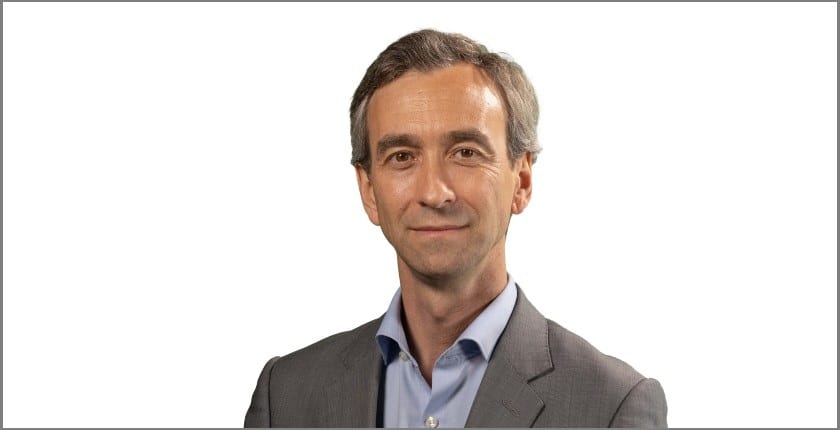
By Filipe Araùjo, Deputy Mayor of Porto, Portugal and Vice President of Energy Cities,one of EUSEW partner organisations

With the new EU Institutions taking office, it seems that the main discourse has shifted from the EU Green Deal to competitiveness. This new narrative presents both a challenge and an opportunity for European cities. We want our territories to prosper, but this can’t happen at the expenses of our health and safety.

Resilient local economies for a competitive Europe

A city that is thriving is a place where there is community wealth: the needs of its inhabitants are met, preferably by local economic actors. This contributes to reinforcing the local economic system, the social bonds and overall help withstand crisis situations. Resilient local economies are a precondition to EU’s competitiveness.

This community wealth approach applies to many sectors, but I believe it’s quite effective when it comes to energy. Nowadays, very few are questioning the need to have more renewable energy fed into the grid, not only to fight climate change, but also to ensure everyone (businesses and citizens alike) has access to energy at a relatively stable and affordable price, no matter the geopolitical context. But if we want to speed up RES deployments, we need to ensure everyone is on board. Not in my backyard behaviours (NIMBY) are still a reality many local leaders are confronted with. According to our experience in Porto, local ownership of renewable energy is a way for cities to address NIMBY, but also to help tackling energy poverty and contribute to thriving local economies.

Community energy addressing energy poverty in Porto

That is why Porto is planning to include all municipal social housing, around 12% of buildings in the municipality, in community energy projects. 6MW of solar power is going to be installed, providing clean electricity to vulnerable families at a lower price.

While some of the projects are still being tendered, some are already in the implementation phase. For example, the energy community in the Agra do Amial district, active since May 2024, is already providing its members with renewable energy, with around 50% of the energy generated consumed by vulnerable families

While our ambition is high, we can’t ignore the many challenges we are confronted with – some are common to many European municipalities. Cities frequently lack staff and financial resources to lead highly participatory process, often involving citizens who are very difficult to engage (such as vulnerable households) or even to provide information to their community on energy related issues. This, combined with the complexity of such topics, makes our work even more difficult.

In addition, burdensome administrative processes and challenging legal frameworks at national level can halt innovative projects and discourage citizens and small businesses from participating. When setting up Porto’s first energy community, it took us 2 years to get social housing units connected to the solar panels we installed.

Leveraging on local ecosystems for a more resilient Europe

Luckily, solutions do exist to ensure local communities can play their part to contribute to a more resilient and democratic Europe. Aside from ensuring legislation is properly transposed so that everyone across Europe can benefit from the same energy rights, we need capacity building programmes, develop local One Stop Shops to inform/engage citizens on the opportunities available to them and energy literacy programs.

For this to happen, cities will have to access finance, and the integration among the different initiatives at all levels that aim at increasing renewable energy deployment (and energy security) is fundamental. Another important aspect will be to ensure multilevel governance, so that cities can participate in the decision making around what concerns them, and not just been asked to implement.

In the coming period, the new European Commission is set to work on a new Citizens Energy Package, but also to develop a Clean Industrial Deal and reform the EU Cohesion Policy. This presents as a unique opportunity to align the EU approach to competitiveness with its energy and environmental targets, by establishing proper governance mechanisms and funnelling the necessary resources accordingly.

This opinion editorial is produced in co-operation with the European Sustainable Energy Week (EUSEW) 2025. See ec.europa.eu/eusew for open calls.
by in News

Renewables equipment factory to contribute to just transition of coal region in Romania

Monsson Group is preparing to build a manufacturing facility in Petrila for renewable energy equipment, including robots that clean solar panels. The project received funding to contribute to the just transition of Romania’s coal region Jiu valley – Hunedoara.

An investment of nearly EUR 10 million in the first phase is underway in Transylvania, in the town of Petrila, economically devastated after the closure of a coal mine. The project is aimed at reviving the area with a factory for renewable energy equipment such as enclosures for battery energy storage systems, wiring and robots that clean photovoltaic panels.

Monsson Group revealed its facility would also manufacture gear for monitoring environmental parameters and tracking fauna in the area. The Sweden-based company has said 70% of the investment would be covered from Romania’s Just Transition Program which is in turn part of the European Union’s Just Transition Facility.

Romania is planning to prolong the operation of its coal power plants and mines for a smoother switch to renewable sources, in terms of electricity supply. However, such facilities are becoming less financially viable by the day all across the EU. Coal regions are facing economic blows from early shutdowns of power plants and mines.

First major private investment in Petrila

According to Monsson, the new factory would employ more than fifty people in the first phase. It expects to begin construction mid-year.

It is the first major private investment in Petrila, Mayor Vasile Jurca said. He said the project enables reskilling and sustainable development. The local authority provided the land for the factory. Romania has earmarked substantial funding for the construction of renewable energy equipment plants.

The second part of the plan is to install a 20 MWh battery energy storage system to provide system services to the national grid, followed by a 50 MWh unit.

Reskilling program underway

The group, which includes Wind Power Energy and its RenewAcad network of renewable energy training centers, established cooperation with the University of Petroșani in getting skilled workers. Monsson is one of the biggest renewable energy investors in the country.

Petrila is part of the Jiu Valley in Hunedoara county, Romania’s main coal region. It is located near Oltenia, the other coal complex, in the counties of Gorj and Dolj.

Notably, the Maritsa East 3 coal power plant in neighboring Bulgaria ceased operations yesterday again after it was briefly brought back online to maintain energy security.

by in Events, News

Energy transition and future challenges for a liberalised and integrated electrical market: the case of Albania

On February 20th 2019, the second phase of the KEP / CEI technical assistance program “Central European Initiative Support for Strengthening Energy Regulatory Authorities in the Western Balkans” will be formally launched, benefiting from the financial support of the CEI fund, totally financed by the Italian government, through the European Bank for Reconstruction and Development (EBRD). The initiative, led by the Regulation Authority for Energy, Networks and Environment (ARERA) with the support of TERNA and GME, is focused on the transfer of knowledge to the regulatory Authorities of Albania (ERE), Montenegro (RAE) and Serbia (AERS) in relation to market coupling mechanisms. The aim is to promote the harmonization and integration of Regional energy markets in order to establish a safe, efficient and integrated European electricity market starting from a correct implementation of the new regulatory framework of the European electricity and gas markets in line with the so-called. Third, Package (European network codes).

The Italian Embassy in Albania – in collaboration with the Italian Trade Agency, the Italian Chamber of Commerce in Albania and Confindustria Albania will take this opportunity to restart, five years after the last edition, the “Energy Table”.

The aim is to establish a permanent forum of dialogue with Italian private companies active in the various energy sectors in Albania, with the dual aim of addressing both the issues of the current Albanian business and regulatory context, and an evaluation of the main opportunities for future investments.

In this framework, on February 21st we will organize, in cooperation with the Development and Cooperation Institute the workshop ” Energy transition and future challenges for a liberalized and integrated electrical market: the case of Albania” so to present the main outcomes of the Energy Table and to foster a constructive dialogue between Italian, Albanian and International Authorities and stakeholders. The workshop will be focused on the upcoming challenges and opportunities of Albania to strengthen regional energy connectivity, in line with the guidelines set by the European Union and the conclusions of the Trieste Summit of July 2017, in the context of the Western Balkans process.

FEBRUARY 21ST 2019 – ROGNER HOTEL, SALA ANTIGONEA II

Më datë 20 shkurt 2019 do të nis zyrtarisht faza e dytë e programit të asistencës teknike të KEP/CEI “Përkrahje e Nismës së Evropës Qendrore për Fuqizimin e Autoriteteve Rregullatore të Energjisë në Ballkanin Perëndimor”, në kuadër të fondit CEI, të financuar plotësisht nga Qeveria italiane, nëpërmjet Bankës Evropiane për Rindërtim dhe Zhvillim (BERZH). Iniciativa, e udhëhequr nga Autoriteti Rregullator për Energjinë, Rrjetin dhe Mjedisin (ARERA) në bashkëpunim me shoqëritë TERNA dhe GME, është përqendruar në transferimin e njohurive tek Autoritetet Rregullatore të Shqipërisë (ERE), Malit të Zi (RAE) dhe Serbisë (AERS) në lidhje me mekanizmat e integrimit drejt një tregu të përbashkët. Qëllimi është të promovohet harmonizimi dhe fuqizimi i tregjeve rajonale të energjisë në mënyrë që të krijohet një treg i sigurtë, efikas dhe i integruar evropian i energjisë elektrike duke filluar nga zbatimi korrekt i kuadrit të ri rregullator të tregjeve evropiane të energjisë dhe gazit në përputhje me të ashtuquajturën “Paketa e Tretë” (Rrjeti i Kodeve Europiane).


Ambasada e Italiasë në Shqipëri – në bashkëpunim me Agjencinë Italiane të Tregtisë, Dhomën Italiane të Tregtisë në Shqipëri dhe Confindustria Albania – do të shfrytëzojnë këtë mundësi për të rifilluar, pesë vjet pas edicionit të fundit, “Tryezën e Energjisë”. Qëllimi është krijimi i një forumi të përhershëm të dialogut mes kompanive private italiane, aktive në sektorët e ndryshëm të energjisë në Shqipëri, me synimin e dyfishtë të adresimit të çështjeve të kontekstit aktual të biznesit dhe kornizës rregullatore shqiptare, si dhe vlerësimit mbi oportunitetet kryesore për investime në të ardhmen.


Në këtë kuader, më datë 21 shkurt ne do të organizojmë në bashkëpunim me institutin Cooperation Develeopment Institute workshopin “Tranzicioni energjetik dhe sfidat e ardhshme për një treg të liberalizuar dhe të integruar elektrik: rasti i Shqipërisë”, për të paraqitur rezultatet kryesore të Tryezës së Energjisë dhe për të nxitur një dialog konstruktiv mes autoriteteve italiane, shqiptare dhe ndërkombëtare si dhe grupeve të interesit. Seminari do të fokusohet në sfidat dhe mundësitë e ardhshme të Shqipërisë për të forcuar ndërlidhjen rajonale të energjisë, në përputhje me udhëzimet e vendosura nga Bashkimi Evropian dhe përfundimet e Samitit të Triestes, në korrik 2017, në kontekstin e Procesit të Berlinit mbi Ballkanin Perëndimor.

– Workshop –

21 Shkurt 2019 – HOTEL ROGNER, SALLA ANTIGONEA II
“Tranzicioni energjetik dhe sfidat e ardhshme për një treg të liberalizuar dhe të integruar elektrik: rasti i Shqipërisë”