AEA-Albania Energy Association
  • Main
  • About Us
  • Services
  • Sectors
  • News
  • EventsEvents
  • PublicationPublication
  • Contact Us
AEA-Albania Energy Association
  • Main
  • About Us
  • Services
  • Sectors
  • News
  • EventsEvents
  • PublicationPublication
  • Contact Us
AEA-Albania Energy Association
  • Home Page
  • About Us
  • Sectors
  • Our Services
  • News
  • Contact Us
December 19, 2025
by AEA in News

Applications open for first wind power auction in Kosovo*

The Ministry of Economy of Kosovo* invited the three prequalified entities to submit bids for a wind power auction for a targeted capacity of up to 100 MW. The authorities didn’t declare any deadline.

Eight months after the prequalifications process was completed, when Minister of Economy Artane Rizvanolli said the next phase would start soon, eligible bidders can now submit proposals within the first wind power auction in Kosovo*. They are France-based Akuo Energy, consortium of Notus Energy from Germany and domestic firm Stublla Energy, and a consortium led by Güri̇ş, headquartered in Turkey.

The prequalifications call was launched one whole year ago. The Ministry of Economy said it intends to award up to 100 MW. According to earlier updates, the plan is to support 150 MW in total in two rounds. Participants will bid for 15-year power purchase agreements (PPAs) and contracts for difference (CfDs).

Maximum bidding price is EUR 80.2 per MWh

Interestingly, no deadline was published in the announcement. Rizvanolli earlier said the request for proposals would last half a year.

The lowest price per megawatt-hour wins and the upper limit is EUR 80.2 per MWh.

Investments envisaged as public-private partnerships

Wind projects would be run by special purpose vehicles (SPVs), firms where the government would have a share of up to 49%, as per initial documentation. The Ministry of Economy intended to use the funds from the International Monetary Fund’s Resilience and Sustainability Facility (RSF) in the development of the 150 MW.

The purpose of the public-private partnership scheme is to reduce risk for the private investors. They will be obligated to design, build, operate, maintain and decommission wind parks.

Balancing responsibility is limited to imbalance volumes greater than 10%. Curtailment is subject to financial compensation.

Funded by Germany, International Finance Corp. – IFC, which is part of World Bank Group, has provided support for organizing the first wind power auction in Kosovo*, alongside the now defunct United States Agency for International Development (USAID), Luxembourg Development Cooperation Agency – LuxDev, and the European Bank for Reconstruction and Development (EBRD).

Kosovo* hosts just three wind power facilities: Selac, also known as Bajgora (104.1 MW), Kitka (32.4 MW) and Golesh (1.35 MW).

The first solar power auction was held last year.

Post Views:19
* This designation is without prejudice to positions onstatus and is in line with UNSCR 1244/99 and the ICJ Opinion on the Kosovo declaration of independence.
December 19, 2025
by AEA in News

Fearful about oil sanctions, Serbia’s Vučić seeks support from EU leaders

Facing an imminent halt of the Gazprom-owned Serbian oil company NIS due to US sanctions, President Aleksandar Vučić met with EU leaders António Costa and Ursula von der Leyen in Brussels. “I don’t have such a strong fear regarding gas as I do about oil,” he revealed and said they spoke about the possibilities for importing derivatives from Romania, Bulgaria and other countries in the region. Costa and Von der Leyen urged Serbia to further align with the EU’s foreign and security policy.

Serbia hasn’t received a single drop of crude oil for two months, President Aleksandar Vučić noted as he addressed the press in Brussels after meeting European Council President António Costa and European Commission President Ursula von der Leyen. The country’s only refinery is run by NIS (Naftna industrija Srbije), which Russian state-owned Gazprom controls through its subsidiaries. Entirely stripped of oil supply since United States sanctions against the Serbian company kicked in, the facility recently ground to a halt.

There is apparently no progress in talks about the sale of Gazprom’s share. The authorities expect that Serbia will have to freeze NIS completely in the next few days, for its financial system to avoid secondary sanctions.

NIS and Lukoil together hold over one quarter of fuel stations in Serbia

The company, which is also present in some neighboring countries, supplied 80% of derivatives in the domestic market. Moreover, one in five fuel stations in Serbia is branded NIS or Gazprom. They account for more than a quarter together with Russia-based Lukoil. It is also under US sanctions, though able to operate almost until the end of April.

Vučić: It will only get harder each coming day

Vučić said he and Costa and Von der Leyen spoke about the key energy concerns that Serbia is facing. “It’s not easy for us already today, and it will only get harder each coming day… I don’t have such a strong fear regarding gas as I do about oil. Of course I am fearful, as a responsible man. I am always fearful, but we sought solutions and worked on it and I hope we will have EU’s support in these very important matters,” he stated.

Namely, Serbia is dependent on Russian gas and its transit through Bulgaria. The fuel comes via the Balkan Stream pipeline, an extension of TurkStream. If NIS is nationalized, the Kremlin could slash or even end the supply in case. Serbia is buying gas under short-term arrangements since May. The EU has launched measures to end most of the remaining supply from Russia next year.

According to the president, possibilities were discussed at the meeting of importing oil derivatives from Romania, Bulgaria and other countries in the region.

There was also word about where Serbia would build gas and oil pipelines, Vučić added and hinted at projects for liquid fuel pipelines as well. He mentioned the possibility of transporting diesel that way from Constanța, Romania’s Black Sea port city. Near it is the Petromidia refinery, owned by Rompetrol, a 100% subsidiary of Kazakhstan’s state-owned KazMunayGas (KMG).

Vučić said he spoke with the two top officials about the plan for a gas interconnector with North Macedonia.

Europe has consistently shown solidarity with Serbia, according to both top officials

Costa and Von der Leyen issued short and essentially identical messages after the meeting with the Serbian president. They highlighted the importance of accelerating reforms in the country, particularly with regard to the rule of law and media freedom.

“We stressed that enlargement is a geostrategic imperative and the need for Serbia to further align with the EU’s foreign and security policy. We also welcomed Serbia’s steps to diversify its energy sources and routes and to reduce dependency on Russia, whose unreliability has been repeatedly demonstrated. Europe has consistently shown solidarity with Serbia through major investments in energy infrastructure and support to vulnerable households,” they wrote on social media.

Two months ago, Von der Leyen said the EU is a guarantee that Serbian families would be safe and warm in winter and that the country can enter its joint gas procurement mechanism.

Post Views:107
December 19, 2025
by AEA in News

Applications open for EUSEW2026 Awards

Applications are now open for the European Sustainable Energy Awards (EUSEW) 2026. They recognise individuals, initiatives, and projects that promote best practices and raise awareness of the importance of sustainable energy solutions across Europe.

EUSEW is Europe’s largest event dedicated to renewable energy and energy efficiency. It features a wide range of activities, including the European Sustainable Energy Awards ceremony.

The EUSEW Awards recognise and celebrate people, projects, and initiatives that contribute to Europe’s transition to clean energy. They highlight achievements that support the goals of the EU’s Clean Industrial Deal and encourage others to adopt best practices in building a sustainable energy future.

The awards are presented in three categories: Local Energy Action, Women in Energy, and, for the first time, Small and Medium-Sized Enterprises (SMEs) as Energy Efficiency Leaders.

The competition showcases innovative approaches to shaping Europe’s energy future and culminates in an awards ceremony held during the EUSEW conference, which will take place from June 9 to 11 next year in a hybrid format. Participants and speakers will be able to attend both online and in person in Brussels. The slogan of this year’s edition, 20th EUSEW, is ‘A clean, secure and competitive Energy Union’.

Finalists will be selected by an expert jury, which will assess applications based on three criteria: concept, implementation, and impact. Each criterion carries a maximum of ten points. The winners will be chosen through a public vote.

Interested applicants may apply directly by January 29 or nominate someone who has made an outstanding contribution to the energy transition.

SMEs as energy efficiency leaders

This year, a new award category has been introduced to recognise the creativity and impact of small and medium-sized enterprises developing innovative business or financing models to improve energy efficiency.

Eligible applicants include SMEs operating in at least one EU member state that have a pilot or commercial project representing an innovation in energy efficiency or financing.

The European Commission and the European Investment Bank have announced a EUR 17.5 billion financing initiative aimed at improving energy efficiency among SMEs, which is expected to benefit around 350,000 businesses across the EU.

Local Energy Action Award

This category recognises clean energy initiatives that demonstrate the strength of community action. It includes associations, organisations, and groups of citizens delivering long-term, real-scale sustainable energy solutions through local and regional projects, with wider social, economic, and environmental benefits.

Last year’s winner was the Community Energy for Social Housing in Otterbeek. The project provides vulnerable residents with access to renewable energy in the Belgian city of Mechelen. Around 200 households in the Otterbeek social housing district have been equipped with solar panels and receive green electricity at a fixed price below market rates.

Women in Energy: leadership that transforms

The Women in Energy Award celebrates women who are shaping Europe’s clean energy transition and redefining leadership in the energy sector, with a particular focus on gender equality and equal opportunities.

Last year’s winner in this category was Stella Tsani, a scientist and associate professor at the University of Athens.

She was recognised for her work linking economics, sustainability, and social wellbeing to help shape fair and effective energy policies across Europe and the Mediterranean. In addition to her influential research, Tsani is a dedicated mentor to young women in the energy sector, contributing to an inclusive and future-oriented clean energy transition.

Post Views:50
December 19, 2025
by AEA in News

CBAM tests market integration and green investments

Author: Zoran Gjorgjievski, CEO of North Macedonia’s National Electricity Market Operator MEMO

This text reflects a personal viewpoint and represents an attempt to present the Macedonian position in an argument-based manner — with respect for European objectives, but also with a clear message that the implementation of CBAM must be just, proportionate, and based on clearly defined implementation phases.

The Carbon Border Adjustment Mechanism (CBAM), which is scheduled to enter into force on 1 January 2026, represents one of the most ambitious instruments within the European climate package. Its objective – to create a level playing field between industries within the European Union and those outside the Union – is, at a theoretical level, justified and logical. However, the application of CBAM to electricity in regions such as ours, where market and regulatory conditions are still transforming, raises serious risks and challenges that deserve careful assessment. This is particularly relevant given the increased volume of investments in renewable energy sources (RES) recorded in recent years, accompanied by ambitious plans for their further expansion through active institutional support.

For Macedonia, which has invested significant efforts in the development of an organized electricity market – currently operating at the day-ahead level and, as of next year, also at the intraday level – as well as in its gradual integration with the single European market, the application of CBAM may create structural imbalances.

Changes in the structure of electricity generation and price formation on European markets in recent years indicate high volatility, which is even more pronounced in markets of a similar size to ours, primarily due to limited liquidity and the specific characteristics of the generation mix. The introduction of an additional carbon component, based on indirect verification methodologies, may introduce further unpredictability and reduce the competitiveness of domestic RES producers.

At the same time, subjecting exports to CBAM could create pressure during hours of low consumption and increased RES production – periods in which the majority of electricity exports from our country are concentrated. This could lead to a paradoxical situation in which RES producers are forced to curtail or suspend production in order to avoid imbalance costs.

Risks for the organized electricity market

Although initial analyses suggest that an increase in trading volumes on the day-ahead market may be expected in the short term, the inability to place total production through the organized market will encourage market participants to seek alternative channels. This carries the potential to undermine the development of a transparent and competitive market and to reduce trading liquidity.

For a young market like ours, which has recorded significant liquidity growth of over 40% and a record number of active participants in just the past year, this could represent a real slowdown of its development momentum.

The energy crisis of the 2021–2023 period clearly demonstrated that security of supply and price stability cannot be ensured without functional, liquid, and investment-attractive electricity markets. Under such conditions, the application of CBAM to electricity, without taking into account the specific characteristics of organized markets in non-EU countries, may produce the opposite effect: reduced liquidity, increased uncertainty, and delayed investments in renewable energy.

Differing speeds of two interrelated mechanisms – market coupling and CBAM – call into question the integration of electricity markets

This is particularly important given that regional integration into the single European market has been slowed by a number of objective and subjective factors, both in the Energy Community Contracting Parties and within the EU itself, and cannot proceed at the same pace as the implementation of CBAM. These differing speeds of two interrelated mechanisms – market coupling and CBAM – call into question the very rationale of the Energy Community, namely the integration of electricity markets.

It thus becomes evident that introducing CBAM without adequate progress in market integration with the EU creates a structural imbalance, whereby Energy Community countries incur additional costs without fully benefiting from an integrated market. Therefore, accelerating market coupling and aligning the start of CBAM implementation accordingly is a key prerequisite for mitigating the economic and investment impacts of CBAM.

Potential slowdown of renewable energy investments

Although CBAM is theoretically intended to stimulate green investments, in practice, there is a risk that it could have the opposite effect on already implemented projects, primarily due to the seasonal and daily characteristics of RES generation and the limited capacities for electricity storage.

A premature and insufficiently calibrated introduction of CBAM for electricity may create a perception of increased regulatory risk

This situation may place serious pressure on the financing sources of RES projects, exposing them to increased credit risk, especially in cases where expected returns on investment (ROI) are brought into question due to CBAM-related effects. This analysis does not even address the distorted investment expectations created during the energy crisis, when extreme electricity price growth further skewed investment projections.

Furthermore, Macedonia’s energy transition largely depends on private capital and strategic investors, who expect a stable, predictable, and competitive market environment. A premature and insufficiently calibrated introduction of CBAM for electricity exports by the EU may create a perception of increased regulatory risk, which could result in the postponement or redirection of investments to other markets.

Need for a transitional period and regional coordination

Despite the challenges outlined above, it is important to emphasize that Macedonia supports the objectives of European decarbonization and is already making substantial efforts to align with EU policies. What is essential is the provision of an appropriate transitional period, aligned with the pace of integration into the single European market.

Such a transitional period would allow the domestic industry and the energy sector to adapt gradually, without compromising already established market instruments and ongoing investments.

The regional context is equally important. The electricity systems of the Western Balkans are highly interconnected, and the risk of destabilization in one country can easily spill over into others. Therefore, it is necessary for the European Commission to consider a model that rewards reforms, supports the gradual phase-out of coal, and enables the integration of electricity markets without creating new barriers.

Where is the market headed?

Although CBAM has a clear climate and economic rationale, the question remains whether its application at this point in time is aligned with the realities in the countries of the Energy Community.

Macedonia demonstrates a clear commitment: market liquidity is increasing, renewable energy sources are developing dynamically, and concrete steps are being taken toward market coupling with the EU. Excessive rigidity in the application of CBAM could undermine this positive trajectory.

Post Views:52
December 19, 2025
by AEA in News

Romania’s biggest battery system put into operation

Nova Power & Gas has commissioned the largest battery energy storage system in Romania, doubling the country’s total capacity. The installation in Florești, Cluj County, has an operating power of 200 MW and a capacity of 400 MWh.

Before the new facility was commissioned, Romania’s overall battery energy storage capacity was 398.8 MWh, according to data from the country’s transmission system operator, Transelectrica. Nova Power & Gas earlier said its own capacity was 240 MWh.

The company was already operating 240 MWh in batteries

The new battery energy storage system (BESS) became operational after Mayor of Florești Bogdan Pivariu signed a certificate of occupancy, Profit.ro reported.

In addition, Nova Power & Gas is building a 150 MW gas-fired power plant in Câmpia Turzii, with the first phase set to come online by December 2026.

Nova Power & Gas is developing further battery systems totaling 1,200 MWh

By 2028, the company plans to install one more gas power plant, of 200 MW, and energy storage systems of another 600 MW / 1,200 MWh overall.

“Through these investments, we aim to maintain and strengthen our leadership in energy storage, while making substantial investments in gas-fired electricity generation to support balance and flexibility in the national energy system,” Septimiu Costea, CTO of Nova Power & Gas, stated in July.

Nova Power & Gas, part of Romania-based E-Infra Group, is active across the Southeast Europe region, with subsidiaries in Bulgaria, Serbia, Hungary, and Moldova.

The company is also a major power and natural gas supplier, with over 4.6 TWh of electricity and gas delivered in 2024 and a turnover of almost RON 3 billion (EUR 589.4 million), according to Profit.ro.

Post Views:60
December 19, 2025
by AEA in News

AI and Energy: the dynamic duo shaping the power grid

Author: Mbuwir Brida, EUSEW  Young Energy Ambassador

Have you tried asking ChatGPT what the world’s most pressing challenge is? It ranks climate change as the first challenge. So, how about we use the technology behind ChatGPT to solve that challenge?

The most significant way to mitigate climate change is to move from fossil fuels to renewable energy: the energy transition. This entails bolstering the integration of variable renewable energy sources into the power grid. Thus, more powerful and innovative tools are required to plan and operate the grid to ensure a secure and reliable grid as the energy transition progresses.

This need comes at a time when ground-breaking advancements are being made in artificial intelligence (AI), mimicking several aspects of human intelligence via large scale data analysis and relevant domain knowledge to generate outcomes. The digitalisation of the grid (e.g., via smart meters, sensors, and digital twins) provides massive amounts of data, making AI uniquely placed to support the energy transition. But will AI fix all grid challenges?

Forecasting for a more reliable power grid

Photo: Mbuwir Brida, EUSEW Young Energy Ambassador

The predictive capability of AI models is a game-changer for the energy sector, from energy generation to consumption and energy markets. One major application has been to predict and optimise energy generation of solar and wind installations: e.g., AI models use weather data together with historical measurements to predict energy production and consumption required for grid planning.

For example, the transmission network operator in Belgium, Elia, has developed an AI-based tool that reduces the system imbalance forecast error by 41% in their effort to keep the grid frequency stable with increasing renewable energy integration. This predictive capacity of AI models has also been used for predictive maintenance of wind farms and power lines. Thus, AI-based algorithms facilitate real-time monitoring and control of electricity transmission and distribution, allowing for dynamic adjustments in response to fluctuating energy supply and demand.

Moreover, AI algorithms automatically detecting faults, generating real-time power restoration strategies, and switching to backup power sources can reduce system downtime, enhancing power system reliability. Hence, AI not only facilitates grid management and renewable energy integration but also fosters a more efficient, reliable, and secure power grid.

On the energy consumption side, AI-driven energy management systems have seen significant progress. These energy management systems optimise energy usage by learning user preferences, adapting to weather conditions, and other external events such as electricity prices. For example, Belgian tech startup Pleevi has developed machine learning based algorithms to control electric vehicle charging, reducing electricity cost up to 30% while promoting the use of forecasted local energy generation. Swedish-Swiss electrification and automation company, ABB, on the other hand has developed AI-based tools for predicting and managing energy consumption peaks in commercial and industrial buildings, helping these large consumers to avoid peak demand charges.

Advanced technology comes with risks and roadblocks

While notable advancements have been made, the complexity of regulatory frameworks, ethical considerations, and the multifaceted nature of energy systems still challenge the integration of AI in the energy sector. Security concerns and data privacy issues raise important questions on the safe use of AI in the energy sector and, therefore, compliance with the European Artificial Intelligence Act. Additionally, the environmental impact of manufacturing AI hardware and the high energy and water consumption of data centres highlight some roadblocks that must be addressed for the sustainable use of AI. Moreover, the decision-making process of AI algorithms often remains unexplainable and unaccountable. All these aspects make the adoption of AI-based solutions challenging for users due to the significant energy security and financial implications.

Will AI fix all grid challenges related to the energy transition?

As the synergy between AI and the energy sector continues to unfold, interdisciplinary collaboration and a commitment to ethical and responsible AI deployment remain essential to fully unlock the potential of this intersection. However, the promise of fully autonomous systems, where AI orchestrates every aspect of the grid, is still a long way from becoming reality, considering the aforementioned hurdles. In reality, the integration is an ongoing process marked by incremental achievements and new challenges.

In 2026, the European Commission will adopt a Strategic Roadmap for digitalisation and AI in the energy sector, aiming to leverage the potential of digital and AI technologies while mitigating the associated risks.

This opinion editorial is produced in co-operation with the European Sustainable Energy Week 2026. See ec.europa.eu/eusew for open calls.

Disclaimer: This article is a contribution from a partner. All rights reserved.

Neither the European Commission nor any person acting on behalf of the Commission is responsible for the use that might be made of the information in the article. The opinions expressed are those of the author(s) only and should not be considered as representative of the European Commission’s official position.

Post Views:63
December 19, 2025
by AEA in News

Solar power has become dispatchable anytime at low cost

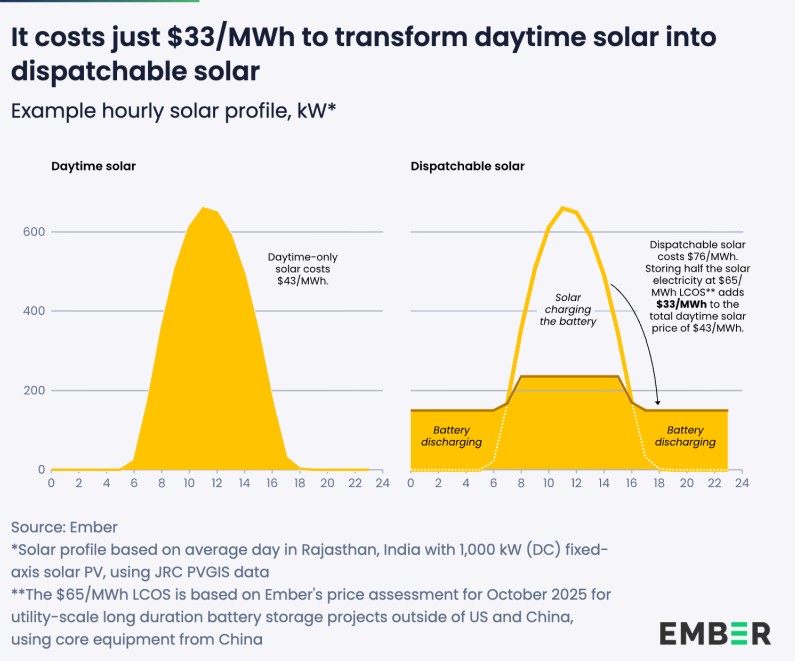
Turning cheap daytime solar electricity into a dispatchable profile results in a total electricity cost of USD 76/MWh, according to the latest analysis by Ember.

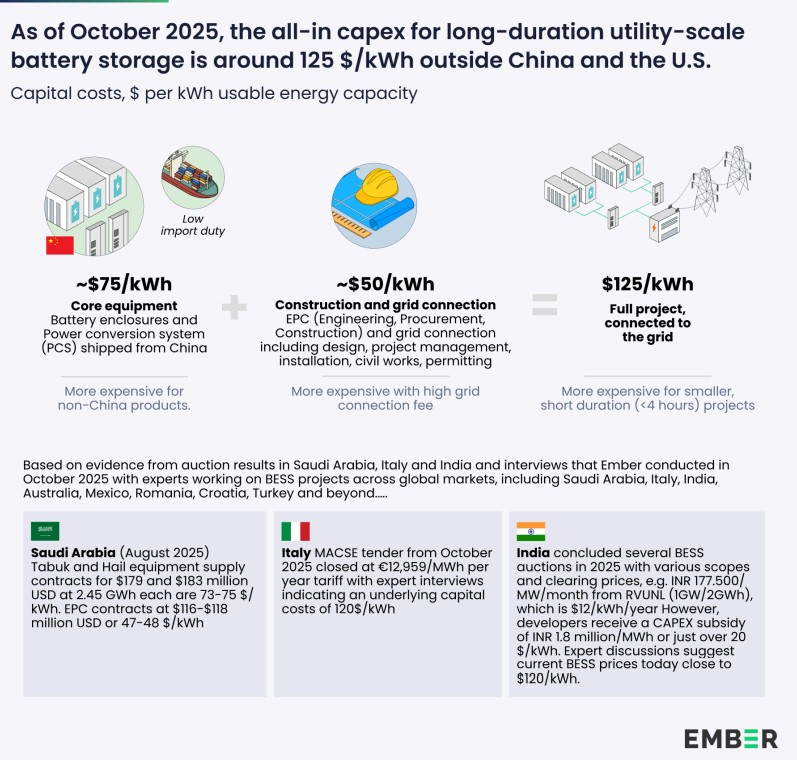
Ember’s assessment of storage costs is based on recent auctions in Italy, Saudi Arabia and India and on expert interviews.

Across global markets outside China and the United States, the total capex to build a long-duration (four hours or more) utility-scale battery energy storage system (BESS) project is around USD 125/kWh, the study reads.

The price combines USD 75/kWh for the core equipment shipped from China and USD 50/kWh to install and connect the battery.

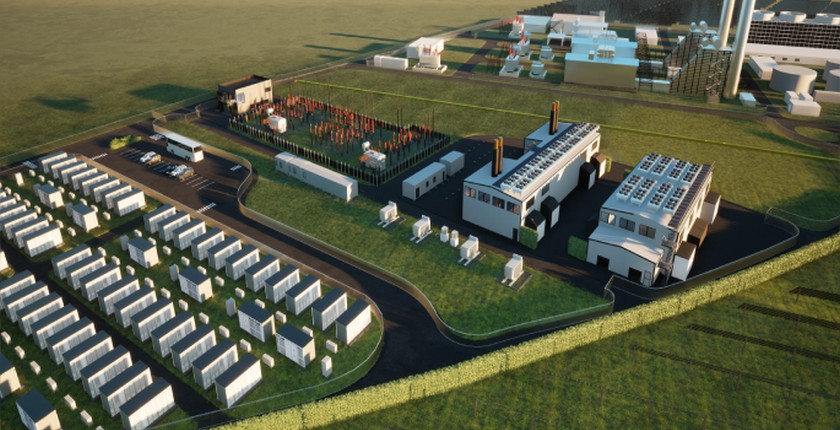
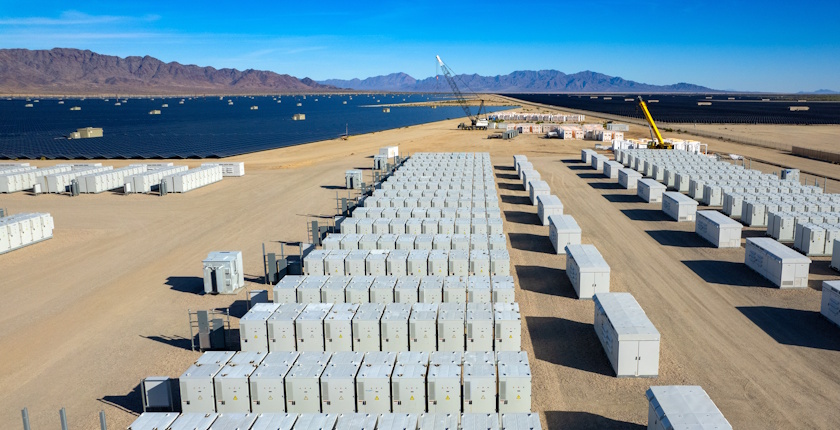
world ember bess energy storage cost capex

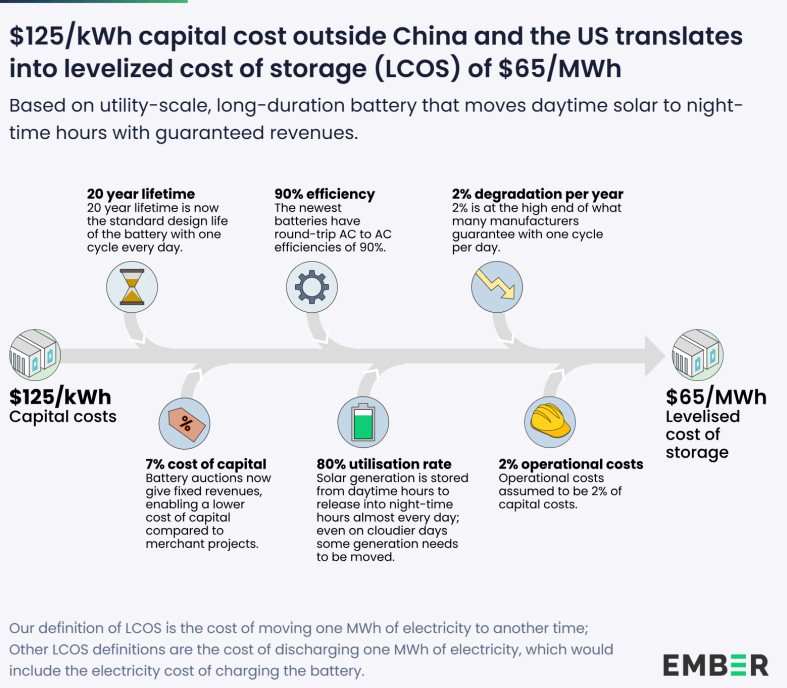
The authors of the analysis calculated a levelized cost of storage (LCOS) to be USD 65/MWh.

The metric reflects the cost of shifting one megawatt-hour to another time, such as moving daytime solar to nighttime. It doesn’t include the cost of electricity to charge the battery.

This low LCOS is not only the result of cheaper batteries, given that longer lifetimes, higher efficiencies and lower financing costs thanks to clearer revenue models like auctions have all helped to push the indicator down sharply, according to the analysis.

With the cost of storing electricity at USD 65/MWh, storing 50% of a day’s solar generation for consumption in nighttime hours adds USD 33/MWh to the total cost of solar. The authors used IRENA’s global average price of solar in 2024 of USD 43/MWh.

Delivering constant power every hour of the year requires solar overbuild and more battery storage

Turning this cheap daytime electricity into a dispatchable profile that is closer to an actual demand profile, would therefore result in a total electricity cost of USD 76/MWh, the analysis reads.

The authors stressed that this isn’t the same as baseload solar. Delivering constant power every hour of the year, including cloudy weeks and seasonal lows, requires solar overbuild and more battery storage, they added.

However, shifting half of daytime solar is a major step that aligns solar generation more closely with a typical demand profile, meaning solar can meet a much larger share of the evening and nighttime demand, the authors explained.

world ember bess energy storage cost lcos

Kostantsa Rangelova, ‍Global Electricity Analyst at Ember, pointed out that after a 40% fall in 2024 in battery equipment costs, another major drop is clearly on track in 2025.

“The economics for batteries are unrecognizable, and the industry is only just getting to grips with this new paradigm. Solar is no longer just cheap daytime electricity, solar is now anytime dispatchable electricity. This is a game-changer for countries with fast-growing demand and strong solar resources,” she is convinced.

Cheap batteries will enable solar to meet the majority of global energy growth

world ember bess energy storage cost lcos dispatchable solar

The analysis cited a projection from the IEA’s latest World Energy Outlook that in the next decade, 80% of global energy demand growth would come from regions with high-quality solar irradiation.

For these countries, combining solar with storage is now the most affordable path to meet soaring demand, improve energy security and reduce dependence on fossil fuel imports, according to the analysis.

It is an opportunity to develop clean industries

Dispatchable solar with a price of USD 76/MWh is cheaper and quicker than building a new gas power plant, especially if the country relies on more expensive LNG imports, they stressed.

The authors also pointed out that the installation of BESS could help the development of clean industries.

Even when core BESS equipment is imported, roughly 40% of total project value (about USD 50/kWh out of USD 125/kWh) remains local through engineering, civil works, grid connection and other EPC activities, the analysis reads.

Post Views:50
December 19, 2025
by AEA in News

EPCG Solar Gradnja installs 36 MW of solar power in 2025

So far this year, EPCG Solar Gradnja has installed solar power plants with an overall capacity of 36 MW.

EPCG Solar Gradnja, a subsidiary of state-owned power utility Elektroprivreda Crne Gore (EPCG), specializes in the procurement, design, installation, and maintenance of photovoltaic systems.

Its main role is the installation of solar panels within the programs Solari 3,000+, Solari 500+, and Solari 5,000+.

The programs were launched by EPCG to enable households and businesses to install solar panels under favorable conditions and become prosumers.

EPCG Solar Gradnja pointed out that the results it achieved by December 1 have exceeded the plan for 2025.

The plan for 2025 was 30 MW

“Instead of the planned 30 MW, a total of 36 MW of photovoltaic systems was installed in the first 11 months,” the Board of Directors said after its sixth regular meeting.

The management added that it expects to end the year with a positive financial result.

Of note, EPCG said that since the establishment of EPCG Solar Gradnja in late 2021, the firm installed a total of 75 MW of solar power capacity by August this year. Montenegro currently doesn’t have any large PV plants, so the vast majority of the capacity is in very small PV systems.

The Board of Directors has reappointed Sanja Žugić as acting CEO for a period of six months, or until a competition or the selection of a CEO. The management highlighted good results as the main reason for its decision.

The priority is the implementation of large ground-mounted solar power plants

Due to the increased volume of work and further project development, the board adopted a new rulebook on the organization and the classification of jobs. It brings adjustments to the organization and redistribution of work tasks, EPCG Solar Gradnja said.

In the coming months, the firm’s priority will be the implementation of ground-mounted solar power plants. Two units of 40 MW each are in the pipeline, together with the installation of rooftop solar on an even larger scale, it added.

So far, EPCG Solar Gradnja has installed PV plants on nearly 9,000 roofs.

The board’s meeting was attended by the representatives of the unions. Procedures recommended by the Montenegro State Audit Institution were adopted at the meeting.

Post Views:48
December 19, 2025
by AEA in News

KEK seeks contractor for 100 MW solar power project near Prishtina

Government-controlled Kosovo Energy Corp. (KEK) launched the prequalifications call for its Solar4Kosovo photovoltaic project. The area is in the municipalities of Obiliq (Obilić) and Fushë Kosovë (Kosovo Polje), northwest of Prishtina.

After more than four years of planning the project, KEK is receiving applications for the design and construction of its first solar power plant, on a former coal ash dump. The government-owned power utility operates coal plants Kosovo A and Kosovo B, which account for some 90% of domestic electricity.

The location for the first part of the Solar4Kosovo project is in the municipalities of Obiliq (Obilić) and Fushë Kosovë (Kosovo Polje). The area, northwest of Prishtina, is in the Sitnica river valley, near Kosovo A.

The facility is planned for a grid connection of at least 100 MW. It translates to 120 MW in peak capacity, according to earlier updates. It would be the biggest PV plant in Kosovo*.

KEK is receiving prequalification bids until January 22, within the process of selecting contractors for the project. Companies apply through the exficon (exfitender) platform. Three months ago, the utility said agricultural activities on the designated land weren’t allowed anymore.

KEK obtained EUR 32 million EU grant

The financing for the Solar4Kosovo facility is part of the European Union’s Economic and Investment Plan for the Western Balkans of EUR 9 billion in grants. The package is aimed at mobilizing a total of EUR 30 billion.

The European Investment Bank is providing a EUR 33 million loan. The EU has approved a EUR 32 million grant via its Western Balkans Investment Framework (WBIF), while Germany’s KfW Development Bank is lending EUR 29 million to KEK. The investment was earlier estimated at EUR 107 million overall.

Annual output estimated at 169 GWh

The proposed solar power plant is expected to produce 169 GWh per year. It would have an underground connection to the existing substation at the Kosovo A thermal power plant.

The other part of the Solar4Kosovo project is for a solar thermal facility of 30 MW for the capital city’s district heating system. The site is in the village of Shkabaj (Orlović) in Obiliq municipality. Another segment of the investment is for a further network extension of 20 MW with supply from Kosovo B.

Post Views:39
* This designation is without prejudice to positions onstatus and is in line with UNSCR 1244/99 and the ICJ Opinion on the Kosovo declaration of independence.
December 19, 2025
by AEA in News

New round of talks between Montenegro and Masdar on strategic partnership

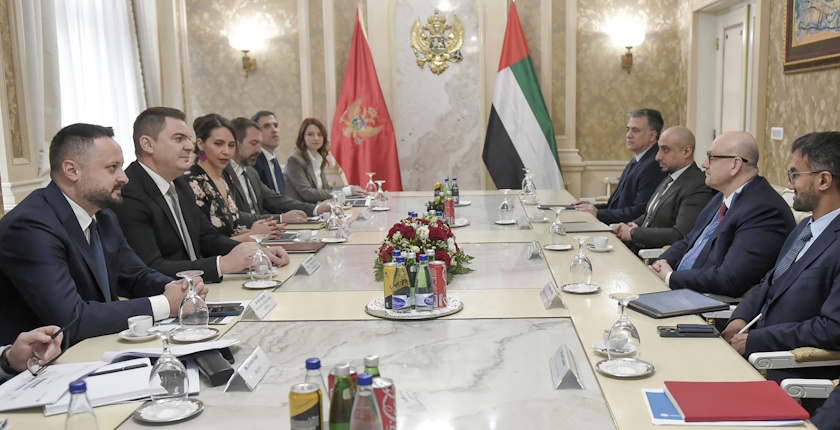
Representatives of the Government of Montenegro and Masdar discussed potential joint projects in the energy sector. The focus of the meeting was on solar energy, energy storage, and hydropower.

Minister of Energy and Mining of Montenegro Admir Šahmanović and the Minister of Public Works Majda Adžović met today at Villa Gorica in Montenegro’s capital Podgorica with Masdar CEO Mohamed Jameel Al Ramahi and his team.

It was the second meeting between Al Ramahi and Šahmanović in a short period. They met in early September.

The discussions now continued on top priority projects for the Government of Montenegro, ones that could be of mutual interest, according to the Ministry of Energy and Mining.

Priority should be given to projects that are the most technically advanced

Discussions will be intensified to define collaboration models, potential investments, and the selection of first projects to be implemented, the update reads.

Solar projects, including for floating solar power plants, alongside battery energy storage systems (BESS) and hydropower plants, have been identified as segments of special interest. These are also the areas where Masdar has significant engineering and technical experience, the ministry said.

montenegro masdar sahmanovic
Al Ramahi and Šahmanović (photo: Government of Montenegro/Saša Matić)

The two sides agreed to focus on projects that are the most technically advanced, environmentally sustainable, and aligned with the development of the power grid, to ensure their sustainable and efficient implementation.

Šahmanović: Montenegro’s strategic and long-term goal is to establish itself as a reliable and competitive player in the European energy market

Minister Šahmanović pointed out that the country’s strategic and long-term goal is to establish itself as a reliable and competitive player in the European energy market. He underscored that the development of energy infrastructure and renewable energy sources are among the government’s key priorities.

Officials participating in the meeting praised the planned construction of a second submarine cable line with Italy. It is an extremely wise and strategic investment that ensures Montenegro a stronger and more stable position in the European electricity market, they added.
Montenegro’s vision as an energy hub is fully aligned with the government’s development plans, Šahmanović stressed.

Minister of Public Works Majda Adžović highlighted the extensive experience of the United Arab Emirates in energy and infrastructure development in the public sector. It is of great importance for Montenegro’s activities in increasing renewable energy capacities, she added.

Masdar’s expert teams will continue technical talks with the management of EPCG and CGES

Masdar’s representatives have expressed readiness to continue technical discussions with the management of power utility Elektroprivreda Crne Gore (EPCG) and transmission system operator (TSO) Crnogorski Elektroprenosni Sistem (CGES).

The company’s expert teams will aim to identify priority and mature projects for joint implementation, the ministry said.

EPCG’s CEO Zdravko Dragaš and Ivan Mrvaljević, Executive Officer of EPCG’s Directorate for Development and Engineering, pointed out that the development of green energy is the company’s top priority.

A total of 200 MW in renewable energy projects are currently in development, they added.

Ivan Asanović, CEO of CGES, presented projects that are in the final stages of implementation.

Post Views:52
  • 1
  • …
  • 29
  • 30
  • 31
  • 32
  • 33
  • …
  • 140

AEA – Albania Energy Association is a industry association dedicated to representing the interests of Albanian and West Balkan for energy producers and consumers. AEA works to advance the development and adoption of sustainable energy solutions in Albania and the Western Balkans, supporting the region’s transition toward a cleaner, more secure, and more competitive energy future. AEA is registered by decision of the Court of Tirana, DECISION NO. 3032, (VAT:L11827451K).

[email protected]

Address
Blv Zogu 1
Tirana
1057
ALBANIA

LinkedIn  |  Facebook
Events
May 25, 2022 Connecting Green Hydrogen Europe 2022
May 25, 2022 Energy Week Western Balkans 2022
Copyright © Albania Energy Association