by in News

Germany’s energy and climate cooperation with Serbia improves people’s lives

Projects implemented by Deutsche Gesellschaft für Internationale Zusammenarbeit (GIZ) GmbH and the KfW Development Bank in Serbia have introduced modern heating systems to many towns, improved insulation in public buildings and promoted renewable energy to benefit citizens and local communities. Anke Konrad, the German Ambassador to Serbia highlighted these achievements during the interview with the Balkan Green Energy News, commemorating the 25th anniversary of the German Development Cooperation in the country. She emphasized that these initiatives enhance people’s quality of life, reduce emissions and contribute to environmental protection.

Ambassador Konrad also pointed out that the long-term Regional Climate Partnership with the Western Balkans is based on shared values and goals, aimed at investing in more secure and climate-resilient future.

Ambitious reductions of harmful emissions go hand in hand with a strong economy, German Ambassador to Serbia Anke Konrad says. GIZ and KfW are supporting the country’s green transition, which includes a rising solar power capacity, she noted and called it an enormous success.

Climate action is not a cost, but a strategic investment, Ambassador Konrad pointed out.

This year marks the 25th anniversary of development cooperation between the Federal Republic of Germany and the Republic of Serbia. What are the cornerstones of this partnership, and what significant achievements have been realised over the years?

This year, we look back with pride on 25 years of successful development cooperation that has delivered tangible benefits to people all over Serbia, has brought our two countries closer together, and Serbia closer to the European Union. From the outset, Germany’s support has focused on strengthening institutions, supporting economic growth, and improving living standards. Together with our Serbian partners, we have achieved progress in training and vocational education, good governance, environmental protection, and infrastructure development.

For example, thousands of students and hundreds of companies participate in dual education programmes every year. In digitalization projects, more than 2,000 small and medium-sized companies improved their productivity and competitiveness through digitalizing internal procedures. Another great example are digital services for individuals, such as the seasonal worker portal or the Register of Administrative Procedures, an online register for all administrative services with over 2.2 million registered “e-citizens”.

We look forward to continuing to implement projects that will improve the lives for people in Serbia and support Serbia on its path towards the EU

In 2022, the installed capacity for solar energy generation was at 6 MW. Now it stands at 84.4 MW. This equals a reduction of 118,000 tons of CO2 emissions per year. Where there were 400 solar energy prosumers in 2022, now there are almost 4,000. This represents an enormous success toward combating climate change and creating a sustainable economy. We have supported this transition both through technical advice by GIZ and investments by KfW.

What makes our partnership special is its continuity, reliability and spirit of co-creation. We work together with Serbian partners and citizens, building on a strong foundation of dialogue, cooperation and shared responsibility. In this spirit, we look forward to continuing to implement projects that will improve the lives for people in Serbia and support Serbia on its path towards the EU.

Let us turn our attention to energy and climate-related matters. Germany plays a vital role as one of Serbia’s primary partners in supporting the country’s energy transition and climate efforts. Which specific areas of collaboration would you like to highlight?

Combatting climate change and the transition to green energy are some of the most pressing questions of our time. As we are following the 30th UN Climate Change Conference taking place in Brazil in November, it’s clear that international partnerships, innovation and practical initiatives to reduce emissions are key to preserving our environment and, with that, our prosperity and security. Reduction of CO2 emissions will lead to significant health benefits as a result of cleaner air.

That is one of the reasons why energy and climate cooperation has become one of the most visible parts of our partnership with Serbia. Together, we are enabling Serbian citizens to use more clean energy from wind, sun and water, and to make homes, schools and businesses more sustainable and more energy efficient.

Through our projects that are implemented by GIZ and KfW, many towns now have modern heating systems, better-insulated public buildings, and new renewable energy projects that benefit local communities.

This work is not only about technology – it is about improving people’s daily lives, lowering harmful emissions, and protecting the environment for future generations.
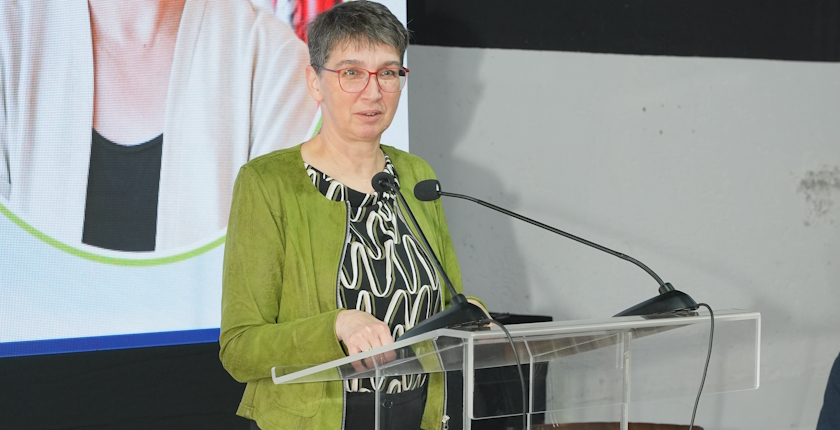
Germany energy climate cooperation Serbia improves people lives Ambassador Anke Konrad interview
Anke Konrad, the German Ambassador to Serbia delivered a speech at the opening ceremony of the annual event of WISE Serbia network of women in sustainable energy, climate action and environmental protection (photo: Balkan Green Energy News)

What is the current landscape for German companies operating in Serbia’s energy sector? We have noticed a notable presence of technology firms compared to development companies, which raises questions about the level of interest from German investors in Serbia and the wider Western Balkan region. What factors might contribute to this observed reluctance among German investors?

German investors very much believe in Serbia, its business environment and its progress on the path towards the European Union. That is a major factor why over 900 companies with German capital are operating in Serbia.

Altogether, they account for 6% of Serbia’s GDP and provide employment to over 80,000 people. German companies in Serbia are here to stay.

Future investment decisions will depend on a wide variety of factors. Apart from global developments and trends, Serbia’s reform efforts, the efficiency of public institutions, transparency, rule of law and the fight against corruption are important factors when it comes to investment decisions. A predictable and fair investment environment and steady progress towards the EU offer the best prospects for growth and prosperity.

The ongoing efforts to decarbonise the energy sector and transform the economy towards greener and more climate-friendly solutions have been pivotal in the policies of both the European Union and the German government, which is an integral member of the EU. In light of the current economic stagnation and heightened security concerns that are impacting the budget, will Germany continue to uphold its commitment to this crucial agenda to the same extent?

The European Union aims to become climate-neutral by 2050. This binding goal is enshrined in the EU Climate Law and it is the basis for our commitment to reduce emissions and achieve climate targets. Germany will continue to lead by example. We want to demonstrate that ambitious emissions reductions go hand in hand with a strong economy. And we will continue to invest in climate action worldwide because decarbonization offers vast potential for innovation and economic development.

Here in the region, we have partnered with the Western Balkans to establish Germany’s first regional climate partnership in 2022. At the 2022 summit of the Berlin Process, Germany has pledged EUR 1.5 billion by 2030 to support the fight against climate change and the use of renewable energy in the region. Much of this support has already been commissioned.

Much of the EUR 1.5 billion in Germany’s support for climate action and renewable energy has been materialized

We see climate action not as a cost, but as a strategic investment in our future. It contributes to diversification of energy sources and helps with energy security and thus stability. It can have a positive impact on long-term economic competitiveness. Crucially, joint climate action protects our planet as a place where we can all continue to prosper.

Within the Regional Climate Partnership, we have a structured dialogue on carbon-pricing readiness, renewable energy deployment, power market integration and just transition. This long-term cooperation aims to help partners in the region to advance their energy and climate goals in line with EU standards, ensuring that the benefits of the energy transition reach citizens, communities, and businesses. For Germany, this is a long-term partnership grounded in shared values, shared goals, and an investment in a more secure and climate-resilient future considering the need for strong interconnectivity within Europe.
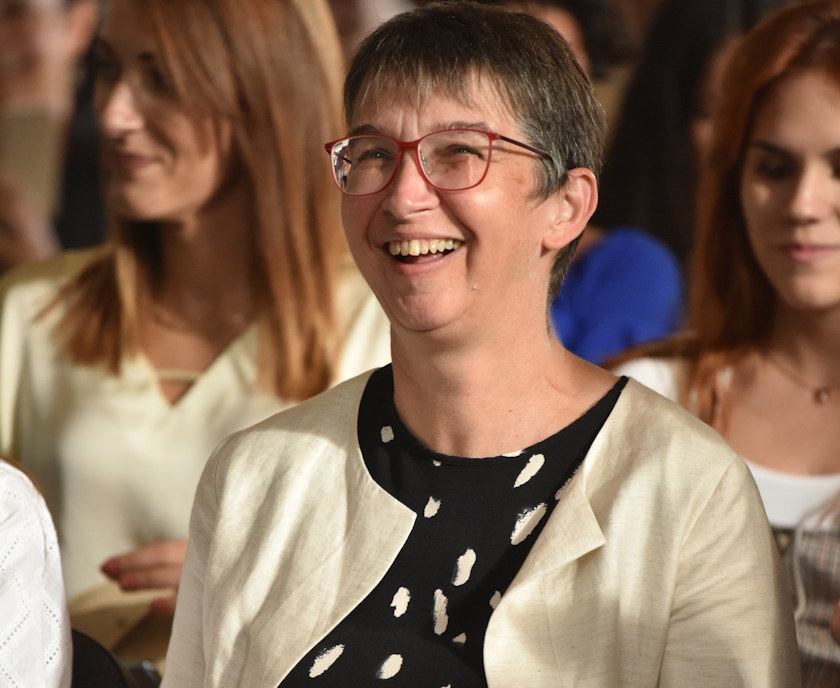
Anke Konrad, the German Ambassador to Serbia (photo: Balkan Green Energy News)

Germany is Europe’s solar and wind energy front-runner. What valuable insights can be gleaned from this experience that may be beneficial for Serbia in its pursuit of renewable energy advancements?

Germany’s experience shows that the energy transition is achievable when there is clear political will, a stable regulatory environment, and strong public participation. Success depends on combining large-scale renewable projects with opportunities for citizens and municipalities to invest and benefit directly.

Serbia has great potential to apply these insights, building on its natural resources, skilled engineers, and growing public interest in clean energy.

GIZ has been actively supporting WISE Serbia, a network dedicated to empowering women in the fields of sustainable energy, climate action, and environmental protection. In your opinion, does the energy sector provide equitable opportunities for both men and women in Serbia and globally? Also, would you advise girls and young women to pursue careers in those industries?

The energy sector is changing rapidly, and this transformation opens new doors for women to take leading roles in technology, management, and innovation. While there is still progress to be made, both in Serbia and globally, we already see many talented women engineers, researchers, and entrepreneurs shaping the transition to clean energy.

To give some perspective, change is already very visible at the university level, where around 40% of power engineering students at the University of Belgrade are women.

Initiatives such as WISE Serbia play a key role in giving visibility, confidence, and networks to women

We can look to role models in this field, such as this year’s recipient of the Female Leader in Sustainable Energy award, Ljiljana Velimirović. Initiatives such as WISE Serbia play a key role in giving visibility, confidence, and networks to women in this field, which still has great further potential.

My advice to girls and young women is clear: follow your curiosity and ambition, the energy transition needs your creativity and commitment just as much as it needs new technology.

by in News

Serbia plans to stop using coal, fuel oil in district heating by 2040

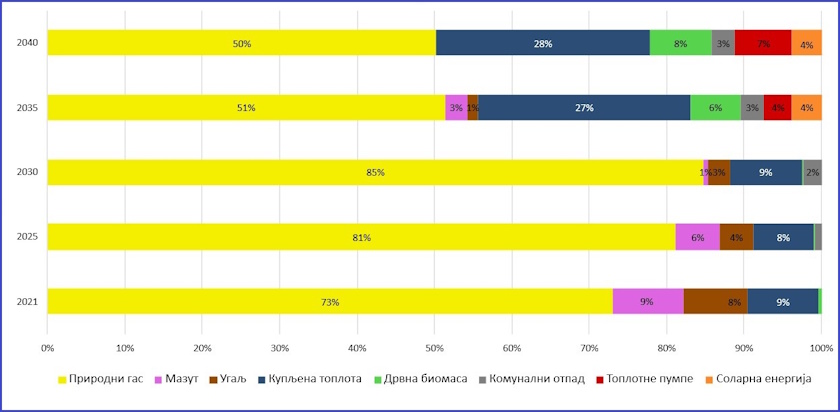
By 2040, Serbia intends to replace fuel oil and coal in district heating plants with solar, wood biomass, heat pumps, municipal waste and geothermal energy.

Maja Vukadinović, acting Assistant Minister of Mining and Energy for Energy Efficiency and Climate Change, has said that the goal for the district heating sector is to phase out fuel oil and coal by 2040.

She explained that the idea is to replace fossil fuels with solar energy, wood biomass, heat pumps, municipal waste and geothermal energy.

“The list of programs and projects until 2028 is defined in the draft Program for the Implementation of the Energy Development Strategy of the Republic of Serbia until 2040 with projections to 2050, for the period from 2026 to 2028,” Vukadinović told Balkan Green Energy News.

The share of renewables should increase from 2.4% to 5.5%

According to the draft, implementation of decarbonization projects in district heating systems by 2028 should lift the share of renewable energy sources in heat production from 2.4% to 5.5%.

The fuel mix in 2023 was 75% natural gas, 8% petroleum products, 2% coal, 2% wood biomass, and 13% purchased heat. The structure of purchased heat production is 46.8% natural gas, 48.8% coal, 3.3% wood biomass, and 1.1% fuel oil.

serbia decarbonization district heating mix 2040

Natural gas will remain the dominant source of thermal energy, as it is today, although its share is expected to decrease from 73% to 50% by 2040, according to Vukadinović.

The decarbonization of the district heating system would reduce air pollution in cities, especially where coal or fuel oil is currently used, the ministry added.

A strategic plan for the district heating decarbonization policy is being prepared

“It’s very important that the fuels conversion is carried out in parallel with energy renovation of buildings and a reduction of the energy consumption for heating. It would significantly improve living conditions,” Vukadinović underlined.

Decarbonization would also have to lead to the improvement of the overall operation of the heating plants, as well as a reduction in network losses, the modernization of substations, and the introduction of daily and seasonal thermal energy storage, in her opinion. The operation of the district heating systems should depend less on the price volatility of imported fuels, Vukadinović stressed.

Serbia is preparing a strategic plan for the district heating decarbonization policy. The document is under development in cooperation with the European Bank for Reconstruction and Development (EBRD) and the business association of Serbian heating plants, Toplane Srbije.

The document, she explained, will outline steps to improve the district heating system, including the rollout of thermal energy storage, heat pumps, and heat production from waste, as well as the development of the country’s first district cooling systems.

by in News

Guarantees of origin: turning renewable ambition into action

Author: Naida Hausmann, Lead of the Renewable Energy Taskforce, Energy Community Secretariat

Far from being mere certificates, guarantees of origin (GOs) underpin the entire renewable energy value chain – building trust and accountability among producers, businesses and consumers. By ensuring transparent tracking of green electricity and enabling cross-border recognition, GOs can accelerate decarbonisation across the EU and the Energy Community, helping Europe achieve its climate targets. Mutual recognition between the EU and the Energy Community would open regional markets, attract investment, and give consumers and businesses a tangible role in the energy transition.

A guarantee of origin (GO) certifies that one megawatt-hour (MWh) of electricity was generated from renewable sources. It provides a transparent chain of information about where and how electricity was produced, allowing consumers and companies to claim the renewable origin of the electricity they use, even if they draw it from a mixed grid.

In the European Union, the national systems for guarantees of origin are well established. Cross-border transfer of certificates is enabled through the Association of Issuing Bodies (AIB), helping to build confidence among suppliers and buyers alike.

As part of the Energy Community regional project, nearly all issuing bodies have now established national electronic registries for issuing GOs

In the Energy Community, similar systems are advancing rapidly, laying the groundwork for a fully integrated regional market for renewable electricity. As part of the Energy Community regional project, nearly all issuing bodies have now established national electronic registries for issuing GOs.

Work is ongoing to finalise disclosure rules, with the goal of fully aligning these systems with EU legislation and requirements. Once fully aligned, these systems can enable seamless cross-border trade in renewable electricity – bringing the Energy Community a step closer to the EU’s internal energy market.

Empowering consumers and corporates

GOs transform energy consumers from passive users into active participants in the energy transition. When a household subscribes to a “100% renewable” tariff, or when a company purchases GOs to match its electricity use, it signals clear market demand for renewable generation. This demand translates into investment: it strengthens developers’ business cases, supports project financing, and helps accelerate the construction of new renewables capacity.

Moreover, when GOs are sold separately from electricity, they provide an additional revenue stream for developers, making projects more financially viable.

For corporates, GOs have become an essential tool to meet sustainability and reporting obligations and demonstrate that their electricity consumption is renewable. GOs therefore form the backbone of corporate energy procurement strategies and sustainability claims, particularly when coupled with long-term power purchase agreements (PPAs).

Naida Hausmann Guarantees of origin GOs turning renewable ambition into action features

Why mutual recognition matters

Under the EU’s Renewable Energy Directive, GOs can only be mutually recognised with third countries once a formal agreement is concluded – a requirement that carries significant implications. For the Energy Community contracting parties, such recognition would effectively link their systems with the EU market for renewable attributes, allowing renewable energy producers to access European buyers and investors.

Importantly, such recognition would also catalyse other mechanisms that drive the uptake of renewables, enabling regional PPAs, enhancing liquidity and sending stronger investment signals. For investors and utilities alike, a unified GO market reduces risk, increases price transparency and ensures that renewable attributes are valued consistently across borders.

For investors and utilities alike, a unified GO market reduces risk, increases price transparency and ensures that renewable attributes are valued consistently across borders

In the Energy Community region, where access to capital remains a barrier to the deployment of renewables, this is not a minor issue – it is a gateway to unlocking the private investment needed to meet regional and European decarbonisation goals.

The Energy Community Secretariat, together with the European Commission, has been advancing a decision for mutual recognition. Once in place, it will allow certificates issued in the Energy Community to be traded and recognised within the EU, provided they meet equivalent standards of reliability and verification.

Criteria for recognition

Beyond the technical criteria for establishing and maintaining a system of guarantees of origin by national competent authorities, including membership in the AIB, the draft decision on the mutual recognition of guarantees of origin, as presented by the European Commission, sets out additional requirements. These include criteria for the transposition and implementation of the acquis communautaire on electricity and renewable energy.

The Energy Community Secretariat is expected to support the assessment of compliance and monitor implementation. Together, these criteria aim to establish a credible and transparent framework for mutual recognition, ensuring that GOs issued across the region are reliable and can be confidently traded.

Way forward

With almost all issuing bodies in Energy Community contracting parties having operationalised electronic registries for GOs, the focus should now shift to implementing robust disclosure rules and meeting the remaining criteria for mutual recognition. Ensuring alignment with EU legislation and participating in the AIB will be essential to create a transparent and trusted system, unlocking cross-border trade, investment and market confidence in renewable electricity.

Issuing bodies in Albania, the Republic of Srpska (Bosnia and Herzegovina), Georgia, Kosovo*, North Macedonia, Montenegro, Serbia, and Ukraine have operationalised their registries. The issuing body in Moldova has signed an agreement with a service provider and is expected to operationalise its registry by the end of 2025, while the only issuing body without an electronic registry remains that of the Federation of BiH.

Conclusion

GOs translate environmental ambition into measurable progress toward decarbonisation. They give visibility to renewable electricity, credibility to corporate climate action and empower consumers with choice and the ability to participate in the clean energy transition. For the Energy Community and the European Union alike, mutual recognition of GOs would mark a practical and symbolic step toward a truly integrated European renewables market – one where clean electricity, investment and trust flow freely across borders.

By turning certificates into confidence and ambition into action, GOs can help bridge the remaining gap between policy objectives and market reality, ensuring that the path to decarbonisation is both transparent and inclusive.

* This designation is without prejudice to positions onstatus and is in line with UNSCR 1244/99 and the ICJ Opinion on the Kosovo declaration of independence.
by in News

3rd Conference on Advancing Renewable Investments – guarantees of origin could drive Europe’s green energy integration

As CBAM nears implementation, the Ljubljana conference highlighted market tools and partnerships to accelerate clean energy integration with the European Union, the Energy Community Secretariat said. It pointed out that as more renewables capacity is connected to the grid, storage and flexibility solutions would become increasingly vital to enable the sector’s continued growth and integration.

The rollout of national electronic registries for guarantees of origin was recognized as essential to verifying the low-carbon value of regional electricity exports and advancing market-based integration with the EU.

Ministers, regulators, investors, and private sector representatives from across South East and Eastern Europe gathered in Ljubljana for the 3rd Conference on Advancing Renewable Investments, hosted by the Energy Community Secretariat and the Government of Slovenia, to boost renewable investment and advance the region’s shift toward clean, interconnected energy systems.

“Energy Community contracting parties are advancing accelerated integration with the EU’s electricity market – a process that, thanks to the Energy Community framework, with market coupling nearing completion, can be achieved even ahead of full EU membership. Expanding renewables is central to this effort, enabling countries to align with EU policy targets and speed up decarbonisation,” the update reads.

Integration with the EU’s electricity market can be achieved ahead of full membership

The results are tangible, according to the Energy Community Secretariat’s 2025 CBAM Readiness Tracker. Renewable energy excluding large hydropower has increased by more than 50% since 2020 – reaching 5.1 GW, fuelled largely by governmental support schemes.

While it is a notable success, continued progress will depend on the contracting parties’ ability to build on this momentum and mobilize efforts beyond government support to fully meet the ambitious 2030 targets set out in their national energy and climate plans (NECPs) and achieve carbon neutrality by 2050. As more renewables capacity is connected to the grid, storage and flexibility solutions will become increasingly vital to enable the sector’s continued growth and integration, the organizers said.

Uncertanties emerging ahead of CBAM charge introduction

At the same time, as the definitive phase of the EU’s Carbon Border Adjustment Mechanism (CBAM) begins on January 1, uncertainties are emerging for renewable energy investors, the secretariat stressed.

Discussions at the conference highlighted stakeholders’ expectations for the European Commission to clarify CBAM implementation rules, while continuing to rely on the secretariat to raise concerns about potential risks to renewable energy investments arising from unintended CBAM impacts.

As a no-regret pathway, participants discussed measures to accelerate the shift toward market-driven renewable investments, strengthening the sector’s credibility and long-term financial stability. A matchmaking dialogue brought together renewables producers and corporate buyers, reflecting growing private-sector interest in long-term power purchase agreements (PPAs) to boost investment and market confidence.

Lorkowski: GOs turn transparency into trust, trust into investment

Finally, the rollout of national electronic registries for guarantees of origin (GOs) was recognized as essential to verifying the low-carbon value of regional electricity exports and advancing market-based integration with the EU.

“Guarantees of origin are the compass guiding Energy Community markets toward the EU’s clean energy future. They turn transparency into trust, and trust into investment, enabling regional producers to access new markets, attract financing, and build confidence in the energy transition,” said Energy Community Secretariat Director Artur Lorkowski.

Ongoing efforts to establish a mutual recognition framework with the EU are underway, in close coordination with the European Commission and the Association of Issuing Bodies (AIB), to enable cross-border trade in renewable electricity.

by in News

Maćić: Exempting Serbia from CBAM for electricity would mean disastrously fast decarbonization; carbon tax will also block market coupling with EU

Obtaining an exemption from the European Union’s Carbon Border Adjustment Mechanism (CBAM) for electricity would mean a rapid and unfeasible decarbonization of Serbia’s energy sector, which would be unacceptable for households and businesses alike, according to Ljubo Maćić, special advisor at Serbia’s Economics Institute. This is why Serbia never sought an exemption. He added that the implementation of the carbon border tax will prevent the coupling of electricity markets between Serbia, other Energy Community contracting parties, and the European Union, and discourage investment in renewable energy in the region.

CBAM will apply from January 1, 2026. Although the tax was announced at least five years ago and is set to take effect in less than two months, there are still many unknowns about its implementation and impact, particularly in the electricity sector.

In preparation for its implementation, Serbia has drafted bills to tax greenhouse gas emissions and imports of carbon-intensive products, Ljubo Maćić noted at the Power Plants 2025 conference, organized by the Serbian Society of Thermal Engineers.

The law would allow electricity producers – primarily state-owned power utility Elektroprivreda Srbije (EPS), which will account for about 90% total GHG tax revenues and has the largest decarbonization needs – to receive a tax credit equal to 20% of investment in renewables.

The tax is set at EUR 4 per ton of CO2, which translates to about EUR 100 million annually in EPS’ case, not including the tax credit. The proposed rate is low compared to those in the EU, but many countries outside the bloc began with similar rates to protect the competitiveness of their industries, he said. Serbia’s tax would certainly increase in the coming years, Maćić warned.

The implementation of CBAM should not significantly affect EPS

The bill on the GHG emissions tax has two key shortcomings. First, the tax rate is set only for 2026, rather than for several years ahead. The second is that the tax revenues would not be allocated to a decarbonization fund but to the state budget. Maćić noted that tax revenues would go into the budget, but that the bill envisages the funds to be used for decarbonization. The solution is consistent with the revenue allocation model under the EU Emissions Trading System (EU ETS).

The bill is prudently designed, tailored to the circumstances and context, he said, adding that it would encourage changes in the right direction without jeopardizing energy security and energy prices.

“The implementation of CBAM should not significantly affect EPS, as the company doesn’t have the capacity for larger electricity exports and will likely seek to trade within this region, where the CBAM cost doesn’t apply. However, Serbia’s steel production will be particularly affected by CBAM, and this will be the hardest to address in terms of technology,” said Maćić.

Exemption for electricity

CBAM would reach its full effect over a transitional period from 2026 to 2034, aligned with the gradual rise in the CO2 price under the EU ETS. However, this will apply to all CBAM-covered goods except electricity, which will be subject to a full CBAM rate immediately.

This is why the Energy Community contracting parties were given the option to obtain an exemption for electricity until 2030, but only if they meet six conditions. A critical condition is that a country agrees to charge an emissions price equivalent to that under the EU ETS from 2030, according to Maćić. There is no indication that this doesn’t mean ‘the same price,’ he added.

Maćić explained how that would affect Serbia: The current CO2 price in the EU is EUR 80, but is expected to rise to above EUR 100, or even reach EUR 150, by 2030.

“Assuming that carbon emissions from power plants in Serbia decrease to about 22 million tons in 2030, the annual additional cost for EPS would be EUR 2.2 billion at a carbon price of EUR 100 per ton of CO2 and EUR 3.3 billion at EUR 150 per ton. If these costs were passed on to EPS’ consumers, the price would increase by about EUR 75 per MWh and EUR 110, respectively,” the expert stressed.

Of note, the market power price is currently around EUR 105.

However, not all of these costs can be passed on to end consumers, Maćić added. Households will likely be affected first if, by 2030, their electricity prices do not reach market levels. EPS cannot raise its electricity prices due to emissions costs above the market prices, because customers would switch to other, more competitive suppliers with lower emissions.

The European Commission is not willing to provide financial support for the region’s decarbonization

That is good for consumers, but it has its limits, because the production capacities of these suppliers are still far from sufficient, Maćić explained.

If other power companies in the region with a high coal share were to begin reducing their power generation, energy prices on the power exchanges would rise compared to the rest of the EU. This would result in faster price growth and volatility, in Maćić’s view.

These higher prices would affect power prices for businesses, further eroding their competitiveness, similar to what is already happening in the EU, he added.

Since the country must ensure enough electricity for all consumers, EPS would quickly incur huge financial losses, threatening the company’s operations and, more importantly, the security of the supply in Serbia.

“Such a rapid and costly decarbonization, even if it had begun earlier, would not be possible in Serbia without the ability to replace coal with other stable sources of supply. This is far from realistic, and the very idea of anyone undertaking such a fast and uncertain process is highly questionable,” Maćić stressed.

He underlined that the communication between the Ministry of Mining and Energy and European Commission institutions, the conclusions of the Energy Community Ministerial Council, and the documents within the Berlin Process for the Western Balkans six do not inidcate that the commission is ready to provide financial support for the region’s decarbonization above the level it has promised under the IPA and the Growth Plan, which is insufficient.

Three problems created by CBAM: market coupling will be blocked

According to Maćić, the European Commission has acknowledged that problems with applying CBAM to electricity exist, but has not yet offered solutions. There are three main problems, he added.

First, the existing solutions do not allow for the parallel functioning of CBAM and the coupled electricity markets of the Energy Community’s contracting parties and the EU, the expert claims.

“We have been talking about, preparing, and working on this integration for almost two decades. This, among other things, is one of the most important reasons why the Energy Community was established. CBAM will practically suspend the coupling,” Maćić insisted.

A second issue is that the costs of CBAM on electricity imports into the EU are based on the emissions factor of fossil fuel power plants, regardless of their share in the country’s power generation mix.

Maćić recalled that Serbia and other contracting parties have proposed that the emissions factor be equal to the national emissions factor, which corresponds to the electricity production mix. For Serbia, this factor is currently 1.04, but if the national power mix were taken into account, it would go down to 0.7, making the cost of CBAM about 40% lower, he explained.

All this will certainly affect trade and renewable energy investments in the region

Also, electricity producers in countries that export electricity to the EU cannot use either guarantees of origin or power purchase agreements (PPAs) to reduce the CBAM cost.

The third problem is that it is still unclear how electricity transit costs would be calculated, for example, from Bulgaria to Hungary via Serbia, and who would be required to cover them.

All this will certainly affect trade and renewable energy investments in the region, according to Maćić. This is already happening, and regardless of any potential solutions, the damage will remain, he warned.

Maćić also recalled that in June, similar issues were highlighted by the European Network of Transmission System Operators for Electricity (ENTSO-E), the European Federation of European Traders (EFET), and EUROPEX – Association of European Energy Exchanges.

They also proposed that the application of CBAM to electricity be postponed for at least a year, until solutions are found, he added.

Are there solutions?

A solution exists, according to Maćić, and it could be described as trivial: abolish CBAM for electricity.

He believes it is a legitimate question whether it was justified to introduce CBAM for electricity. The main reason for introducing CBAM is carbon leakage, which is not at all relevant in the case of electricity.

Second, total electricity imports from all Energy Community contracting parties are less than 1% of the EU’s production, and are declining. Ukraine was the only significant exporter, while imports from other countries are negligible.

“Applying CBAM to electricity would bring the EU modest climate and financial effects, while generating unsolvable problems, thwarting good intentions in market integration, and producing financial damage to the contracting parties and even larger damage to EU member states,” the expert asserted.

A less radical solution would be to postpone the implementation of CBAM, not by one but by ten years, to provide the power sector with additional long-term regulatory certainty and a stable business environment, in Maćić’s view.

Not everyone from the region can claim they have done everything they could

However, these issues do not concern the implementation acts, whose final versions are still pending, but for the CBAM regulation itself, whose amendments, as he understands, have already been implemented.

Maćić acknowledges that not everyone in the region can claim to have done everything in their power, but emphasizes that decarbonization ambitions and timelines must be realistic and supported by all necessary resources.

Maćić said he hopes the EU will show more understanding, a sense of reality, and a willingness to support the changes through solidarity. Such support could change the conditions and capacity for implementation, as well as the pace of decarbonization and changes to the energy mix, the expert underlined.

“The Energy Community Secretariat should also, when it comes to climate change, be more enthusiastic than it has been. It should be an advocate for the interests of the contracting parties in Brussels and more independent in its approach to the European Commission’s initiatives toward the contracting parties,” Maćić concluded.

by in News

Project pipeline in Greece for CO2 capture, storage nearing EUR 4 billion

Carbon capture and storage projects worth as much as EUR 3.6 billion are under development in Greece. Energean’s subsidiary EnEarth has launched a tender for drilling two wells for the Prinos site under the Aegean Sea, while DESFA won a EUR 169 million EU grant for a carbon dioxide liquefaction unit.

Investors in Greece are counting on demand from the domestic industry for carbon capture and storage (CCS), so that it can remain competitive with regard to carbon dioxide emission costs. Euro2day calculated that the project pipeline is worth up to EUR 3.6 billion as the endeavors are clearing major milestones.

The time for drilling in Prinos is approaching. EnEarth, a subsidiary of Energean, is working on the establishment of the storage facility offshore Kavala. Earlier this month it launched a tender for drilling two wells.

The Prinos project is valued at EUR 1.2 billion

Works are scheduled to begin in the first half of next year. The project is worth EUR 1.2 billion, of which the firm secured EUR 270 million in funding from the European Union. It is waiting for environmental terms (AEPO) from the Ministry of Environment and Energy, as well as for the storage permit.

Notably, a draft law covering the sector is reportedly complete.

DESFA seeks contractor to drill two wells in Prinos

Another step ahead was achieved with a project for a pipeline that would transport CO2 from energy-intensive industrial facilities to a liquefaction system in Revithoussa. The endeavor is called ApolloCO2. Greece’s National Natural Gas System Operator (DESFA) won EUR 169.3 million through the European Union’s Innovation Fund for the terminal.

The system would include temporary storage and transport by ships to permanent storage. The budget amounts to EUR 700 million in the first phase, with another EUR 60 million envisaged for an expansion.

ApolloCO2 is in a group of 61 projects in the Innovation Fund’s latest round for net zero technology, worth EUR 2.9 billion in total.

DESFA is working on the investment with Ecolog, a subsidiary of GasLog.

EU funding three major carbon capture projects that would be connected with Prinos storage site

AppoloCO2 would bring CO2 from three capture facilities also funded by the EU. There is a possibility to involve overseas customers as well.

Cement maker Heracles, part of Holcim Group, is developing the Olympus project worth EUR 400 million in Milaki, Aliveri. Its competitor Titan has a EUR 584 million endeavor underway in Kamari, Boeotia (Viotia). It is called Ifestos.

DESFA has applied for EUR 30 million from Connecting Europe Facility for the CO2 pipeline

Motor Oil Hellas aims to install a unit in its Agioi Theodoroi oil refinery costing EUR 300 million to EUR 400 million. The project is called IRIS – Innovative low caRbon hydrogen and methanol productIon by large Scale carbon capture. It is for the construction and operation of a CCUS and e-methanol production system that would cut the refinery’s CO2 emissions by a quarter. CCUS stands for carbon capture, utilization and storage.

DESFA is seeking EUR 30 million from the EU’s Connecting Europe Facility (CEF) for a 35-kilometer CO2 pipeline. The first part would go from Ifestos and branch out to HELLENiQ Energy’s oil refinery in Elefsina (Eleusis). In subsequent phases, pipelines would reach Heracles’ Olympus, Metlen’s aluminum complex in Aspra Spitia, Thisvi in Boeotia (for GEK Terna’s Heron and HELLENiQ’s subsidiary Elpedison), and eventually Motor Oil’s IRIS.

As capacities grow, larger ships would be required to lower transportation costs. According to the article, three such vessels would cost EUR 240 million overall.

by in News

OMV, Masdar to build 140 MW green hydrogen plant in Austria

OMV and Masdar are setting up a joint venture for the development and operation of the fifth-largest electrolyzer plant in Europe. The facility is already under construction in Austria. The UAE-based company would be a minority shareholder, with 49%.

Austrian integrated energy, fuels and chemicals company OMV and Masdar – Abu Dhabi Future Energy Co. signed a binding agreement to establish a joint venture for the financing, construction and operation of the 140 MW green hydrogen electrolyzer plant in Bruck an der Leitha, Austria.

It would be one of Europe’s largest green hydrogen production facilities, marking a major step in OMV’s commitment to decarbonizing its Schwechat refinery, the update adds. Construction of the facility began in September. The companies expect it to become operational in 2027.

OMV to procure electricity, own green hydrogen produced in Bruck an der Leitha

The JV will be majority-owned by OMV, with the clean energy giant from the United Arab Emirates holding 49%. The partnership combines the Austrian company’s integrated fuels and chemicals business and Masdar’s commercial, financial and technical expertise.

The two companies said they would explore opportunities for green hydrogen, e-SAF and synthetic chemicals

OMV, which is already running a 10 MW electrolyzer plant for green hydrogen in Schwechat, will procure the renewable electricity for production and own the green hydrogen produced in the new facility, the announcement reads. Bruck an der Leitha is near the borders with Hungary and Slovakia.

The partnership lays the foundation for strategic collaboration to explore green hydrogen, synthetic sustainable aviation fuels (e-SAF) and synthetic chemicals production in both the UAE and Central and Northern Europe, following the signing of a letter of intent in April. The joint venture would be set up early 2026, conditional on completion of final documentation, shareholders’ approvals and regulatory approvals.

Photo: OMV, Masdar

Hattmannsdorfer: Austria aims to become Europe’s leading hydrogen hub

The binding agreement was signed at the ADIPEC conference and exhibition in Abu Dhabi. The ceremony was held in the presence of UAE’s Minister of Industry and Advanced Technology and Chairman of Masdar Sultan Ahmed Al Jaber, Austria’s Federal Minister of Economy, Energy and Tourism Wolfgang Hattmannsdorfer, Chairman of the Executive Board and Chief Executive Officer of OMV Alfred Stern and CEO of Masdar Mohamed Jameel Al Ramahi.

“We can only secure jobs and prosperity in Austria if we stand firmly for open trade and build successful international partnerships. Together with strategic partnership between OMV and Masdar, we have brought one of the largest direct investments of recent years to Austria. OMV and Masdar are jointly constructing the fifth-largest hydrogen plant in Europe – right here in Austria. This project further strengthens Austria’s leading role in a key technology of the future. Our goal is clear: Austria aims to become Europe’s leading hydrogen hub,” Minister Wolfgang Hattmannsdorfer stated.

By combining Masdar’s global expertise in developing and scaling clean energy projects with OMV’s industrial and technological capabilities, the joint venture will accelerate the decarbonization of hard-to-abate industries, according to Masdar’s CEO Al Ramahi.

by in News

Cement maker Holcim gets EU grant for carbon capture project in Romania

A carbon capture and storage (CCS) project developed by cement maker Holcim Romania has been awarded financing under the European Union’s Innovation Fund. The European Commission has selected 61 cutting-edge net-zero technology projects across the EU to receive a total of EUR 2.9 billion in funding, covering sectors such as oil refining, hydrogen, transportation, chemicals, iron and steel, and the manufacture of components for renewable energy plants and batteries.

Holcim’s project at its plant in Câmpulung, Argeș county, involves capturing CO2 from cement and lime production and storing it underground. The first large-scale onshore CCS project of its kind in Eastern Europe is expected to produce an estimated two million tons of near-zero cement annually from 2032, according to a press release from Holcim.

The project will enable Holcim Romania to produce two million tons of near-zero cement annually

Carbon Hub CPT 01 will use proven carbon capture technology to separate CO2 from flue gases, which will then be compressed and transported for permanent, safe storage underground, the company said.

The Switzerland-based cement producer now has eight large-scale EU-supported carbon capture projects – in Germany, Poland, Belgium, France, Croatia, Greece, and Romania, according to the press release.

Decarbonizing energy-intensive industries across the EU

The European Commission said that the EUR 2.9 billion in grants follow its first call for net-zero technologies (IF24 Call), launched in December 2024, aiming to strengthen the EU’s technological leadership and accelerate the deployment of innovative decarbonization solutions.

The selected projects span 19 industrial sectors in 18 countries, focusing on energy-intensive industries, renewable energy and energy storage, net-zero mobility and buildings, cleantech manufacturing, and industrial carbon management.

The largest number of selected projects is in the cement and oil refining sectors

The largest number of awarded projects is in the refineries sector, with 11, followed by 10 in the cement and lime sector, 6 in the manufacturing of components for renewable energy, and 4 in the manufacturing of components for energy storage.

Other sectors on the list include chemicals, solar, maritime, road transportation, aviation, non-ferrous metals, hydrogen, buildings, construction materials, geothermal energy, and the manufacturing of components for energy-intensive industries.

The 61 selected projects have the potential to cut some 221 million tons of CO2 equivalent over their first decade of operation, supporting the EU’s objective of achieving climate neutrality by 2050, according to a press release from the European Commission.

by in News

Serbia’s power utility EPS adopts Decarbonization Action Plan

Power utility Elektroprivreda Srbije has developed its Decarbonization Action Plan, said Executive Director for Investments and Development Aleksandar Jakovljević.

The Decarbonization Action Plan of Elektroprivreda Srbije (EPS) involves the gradual reduction of electricity production from coal, the construction of pumped storage hydropower plants, and over 20 GW of new capacity from renewable energy sources, Aleksandar Jakovljević explained.

For EPS, the energy transition is not only a challenge but also a great opportunity to improve the company in the process of Serbia’s industrial and technological transformation, in Jakovljević’s view.

The energy transition isn’t just a matter of adaptation and transformation of one company, but the entire energy sector, the economy, as well as society, he said at the Power Plants 2025 conference, organized by the Society of Thermal Engineers of Serbia.

Jakovljević: It is important to analyze the experiences of other countries that started the energy transition before us

Jakovljević noted that it is important to analyze the experiences of countries that started the energy transition before Serbia, to apply proven solutions and avoid mistakes. However, in his words, it is also necessary to consider the characteristics of Serbia’s power sector.

Photo: EPS/Danilo Mijatović

​The decarbonization of EPS is already underway with various projects, he asserted and added that by the end of the year, the company’s green portfolio would increase by 76 MW.

The 10 MW Petka solar power plant has been completed, and soon the trial operation of EPS’s first wind farm – Kostolac, with a capacity of 66 MW, will kick off.

Jakovljević recalled that the company is preparing to build pumped storage hydropower plant Bistrica, with a capacity of 650 MW, saying it is a key facility for the integration of renewable sources and for energy stability. He added it is also developing photovoltaic projects, including one for 1 GW and a 200 MW battery energy storage system (BESS).

From 2026, every ton of CO2 produced in EPS’s plants will be priced

EPS is developing renewable energy projects at locations near mines and coal power plants, where existing infrastructure can be utilized, and connections to transmission and distribution networks are available, Jakovljević explained.

He noted that Europe has set the climate neutrality goal for 2050, and that Serbia has committed to reducing carbon dioxide emissions by at least 33% and to produce 45% of its electricity from renewable sources by 2030.

From 2026, every ton of CO2 produced in EPS plants will be priced, exposing coal production to additional challenges, Jakovljević stressed.

However, in his words, EPS’s goal remains clear – reliable and sustainable energy for Serbia and a profitable EPS as a secure support for consumers, and energy independence in the future.

by in News

ESM secures EUR 1.5 million grant to accelerate North Macedonia’s energy transition

North Macedonia’s power utility Elektrani na Severna Makedonija has secured a EUR 1.5 million grant to strengthen its capacity and accelerate the energy transition.

Elektrani na Severna Makedonija (ESM) made a major step toward a market-driven green transformation with a grant implementing agreement with Germany’s KfW Development Bank.

The agreement formalizes a EUR 1.5 million technical assistance grant to boost the state-owned utility’s corporate and green transition processes.

The support will strengthen ESM’s institutional and commercial capacities, enable further investments in renewable energy, and prepare the company for integration into the European energy market, according to a social media post by Steffen Hudolin, Head of Cooperation at the European Union’s Delegation to North Macedonia.

Uzunčev: The grant represents a strategic cornerstone for the company’s institutional transformation

The grant is part of a wider EUR 13 million EU programme supporting the market-oriented green transformation of state-owned energy utilities across the Western Balkans and Eastern Neighbourhood, the post reads.

Lazo Uzunčev, EMS General Manager, said that the grant represents a strategic cornerstone for the company’s institutional transformation to a comprehensive, green, and market-oriented enterprise.

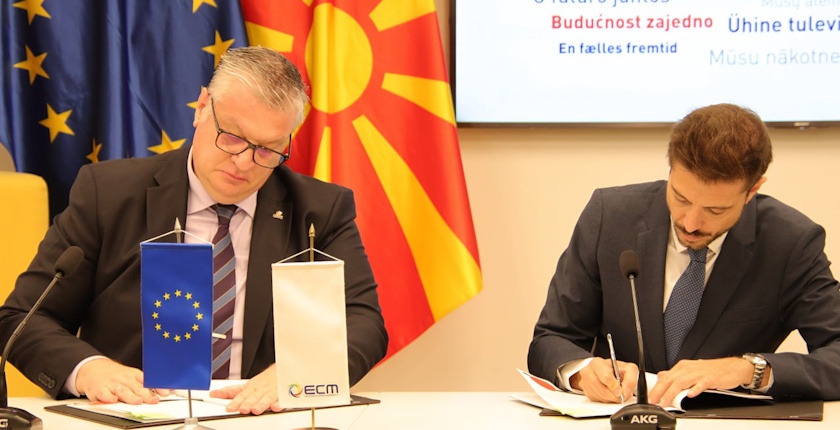
Hudolin, Uzunčev, Obrador (photo: ESM)

For ESM, it is a profound commitment to becoming a modern and commercially competitive force within the European energy market, he underlined.

“The funding will be instrumental in bolstering our internal capacities and corporate governance through the financing of critical modeling and strategic planning initiatives,” Uzunčev asserted.

​Hudolin: Accelerating the green transition has never been so close and so possible

According to Steffen Hudolin, accelerating the green transition has never been so close and so possible.

“With the support of the EU and the European Fund for Sustainable Development Plus (EFSD+) guarantees, the country will receive financial means and technical guidance by our partners in KfW to accelerate the transformation and decarbonisation of the energy sector,” he stated.

Pablo Obrador Alvarez, KfW Head of Division Energy and Transport for Southeast Europe and Türkiye, said the energy transition requires fit energy utilities able to cope with challenging conditions.

“With this project, KfW will support ESM’s transformation that will position and help them improve their performance and market readiness,” he added.