by in News

Works beginning on North Macedonian side of gas interconnector with Greece

The North Macedonian section of the gas interconnector with Greece is expected to be completed by early 2027. The construction contract was signed by the Ministry of Energy, Mining and Mineral Resources, domestic contractor Rapid Build and the country’s gas transmission system operator Nomagas.

The construction of the gas pipeline connecting North Macedonia with Greece is set to begin in a month, according to officials. Land expropriation is 90% complete. The initial capacity of the interconnector would be 1.5 billion cubic meters per year, with a potential to double it. The works are expected to be completed within 22 months.

„With the signing of the contract for the construction of the Macedonian section of the gas interconnector with Greece, we are marking the beginning of the largest energy investment in North Macedonia in the last ten years. The interconnector is proof that when there is political will, regional trust, and professional dedication – the results are real and tangible,” said Minister of Energy, Mining and Mineral Resources Sanja Božinovska.

The contract was signed by the ministry, contractor Rapid bild, based in Kumanovo in North Macedonia, and the country’s gas transmission system operator Nomagas. The future pipeline would be able to carry both natural gas and hydrogen.

Repeated tender slashes price by EUR 12 million

The winning bid was EUR 59.9 million or EUR 12 million less than in the initial tender, which was annulled.

The project is worth over MKD 5.1 billion (EUR 82.9 million). It is financed by the European Investment Bank (EIB) and the European Bank for Reconstruction and Development (EBRD). It includes grants of EUR 2.5 million for technical assistance and another EUR 9.9 million via the Western Balkans Investment Framework (WBIF).

The project is financed by the EIB and EBRD

„This contract ensures diversification and access to a greater number of natural gas sources, enables economic development, progress and environmental protection, and contributes to the security of energy supply,” said Executive Director of Nomagas Muhamet Elmazi.

Gasification would significantly improve air quality, especially in areas where wood and fuel oil are currently used for heating.

Greek section of interconnector under construction since February

On the North Macedonian side, the interconnector route is 68 kilometers long, out of a total of 123 kilometers. It will run from Nea Mesimvria in Greece through Evzoni (Mačukovo) and Gevgelija at the border, to Negotino. The next phase involves building gas links from Gostivar to Kičevo (34 kilometers) and from Sveti Nikole to Veles (28 kilometers).

Greek company Terna began constructing its country’s section of the pipeline in February.

Nomagas and Greece’s National Natural Gas System Operator (DESFA) made their final investment decision a year and a half ago.

The companies leaned the investment on the project for the Alexandroupolis LNG Terminal. The liquefied natural gas facility in northeastern Greece was opened on October 1. However, due to a malfunction, it has been out of operation for more than three months. According to the latest update, gradual reactivation is expected to begin by the end of May.
by in News

Weakness in Serbian energy system is no option

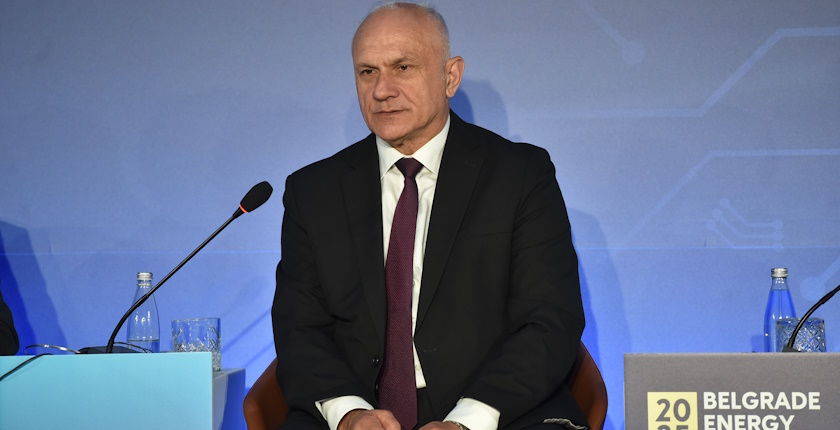
Serbia’s state-owned power utility Elektroprivreda Srbije (EPS) is committed to its own and the country’s goals for green energy and emission cuts, but it is sustainable only if it doesn’t jeopardize energy security, Chief Executive Officer Dušan Živković said. Weakness in the energy system is not an option, he underscored.

The recent blackout in entire Spain and Portugal and the one last year in the Balkans have imposed the topic of large energy storage facilities which would support the integration of renewables, CEO of EPS Dušan Živković said at Belgrade Energy Forum (BEF 2025). The company is committed to its own and the country’s goals for green energy and emission cuts, he asserted.

“We will work on that, of course, believing in these objectives, but without compromising energy security and the energy sovereignty of the state of Serbia. It was proven to be the only sustainable path and that if we don’t follow it, it can result in situations that are not a good message toward consumers, and they are not a good message toward investors either. Weakness in the energy system is certainly not an option”, Živković stated.

In its Integrated National Energy and Climate Plan (INECP or NECP), Serbia is targeting for 2030 a 45.2% share of renewable energy sources in electricity production and a decrease of greenhouse gases by 40.3% from the 1990 level.

Decarbonization is not easy without serious storage

Among its other activities, EPS is working on its small green energy projects on open cast coal mines, while the strategic partner, a consortium of UGT Renewables (UGTR) and Hyundai Engineering, is tasked with building a group of solar power plants of 1 GW in combined connection capacity alongside 200 MW of battery energy storage, and transfer them to Serbia’s government-controlled power utility, Živković noted. But the process of decarbonization with necessary renewable energy capacity won’t be easy “without serious storage,” he stressed.

Serbia hosts fossil fuel power plants of 4 GW in total

Big energy storage projects are financially challenging, only marginally cost effective, and they are not easy to build, EPS’s head claims. They are necessary to be able to draw enough baseload energy, and in Serbia they need to contribute replacing a large fossil fuel capacity – currently it amounts to 4 GW, Živković said.

Pumped storage hydropower project Bistrica, existing facility Bajina Bašta enable comfort for signing PPAs

EPS primarily focuses on the Bistrica pumped storage hydropower project and the possibility to develop the one for Đerdap 3, he added. That way conditions would be created for the facilities to provide new services in the market, so “the region feels safer, too,” Živković underscored.

Counting on Bistrica and the existing pumped storage hydropower plant, Bajina Bašta, EPS is in “a comfortable zone” for signing power purchase agreements (PPA) with companies for their green power plants, Živković explained. Bajina Bašta is undergoing the second half of reconstruction works.

Turning back to the April 28 collapse of the Iberian electricity system, Živković pointed to the adverse interest of private investors – get profit in the short term – and companies responsible for energy security. In his view, it is necessary to act “more intergenerationally responsibly” and very important to find balance in relation to profits.

by in News

Consortium completing spatial plan for solar-BESS strategic partnership in Serbia

Representatives of Hyundai Engineering and UGT Renewables, the companies developing a solar power project in Serbia of 1.2 GW in total, and with batteries, said the strategic partnership is a step toward expansion in the surrounding region. Spatial planning is nearly complete.

Following the signing of grid connection contracts last week, the Hyundai Engineering – UGT Renewables consortium is advancing the design and permitting procedures within its strategic partnership in Serbia.

The two companies are tasked with building a group of photovoltaic plants of 1.2 GW in total peak capacity and connections of 1 GW overall, alongside battery energy storage systems (BESS) with a combined 200 MW in operational power and a maximum 400 MWh in capacity.

Group of hybrid power plants to be transferred to EPS

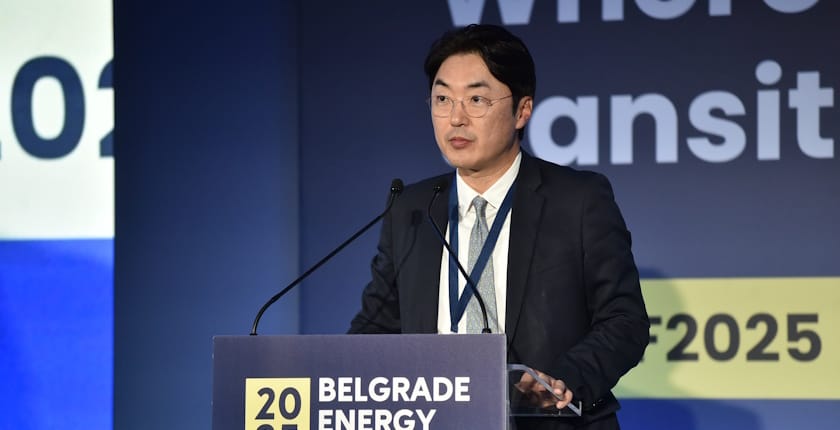
In a keynote speech at Belgrade Energy Forum – BEF 2025, Vice President of Hyundai Engineering Seung-Won Lee revealed that the consortium is finalizing the special plans for special purpose areas. The facilities will be handed over to Serbia’s state-owned power utility Elektroprivreda Srbije (EPS), he noted.

The representative of the South Korea–based company added that the PV plants would generate 1.5 TWh per year and offset more than one million tons of carbon dioxide emissions. It is one of the largest renewable energy projects in Europe and a cornerstone for Hyundai Engineering, Lee pointed out.

UGT Renewables has project pipeline of 20 GW

Global Executive Advisor of UGT Renewables Chan-Woo Park said it is the largest renewable energy developer, internationally, in the United States. Its portfolio of companies is operating on four continents, he added. The regions include Southern Africa, the Middle East and Latin America, Park underscored.

The solar power and energy infrastructure projects under development account for 20 GW, UGT’s representative asserted.


It has established partnerships worth over USD 30 billion altogether, with Hyundai Engineering and other companies including Nextracker, Shoals Technologies, Hitachi Energy and Tesla Energy, Park stressed.

According to the update, the strategic partnership in Serbia is the beginning of the consortium’s regional expansion in the surrounding region.

by in News

Belgrade Energy Forum 2025 – energy market reforms accelerate integration into EU

Electricity market coupling with neighbors in the European Union is a major factor in the EU integration of Energy Community contracting parties and the Western Balkans, alongside deeper coordination within the region, the establishment of energy interconnections, investments in renewables and progress in carbon pricing, top officials pointed out at the opening of Belgrade Energy Forum – BEF 2025.

Founder and Editor of Balkan Green Energy News Branislava Jovičić said the current changes in the energy sector can already be called an energy revolution.

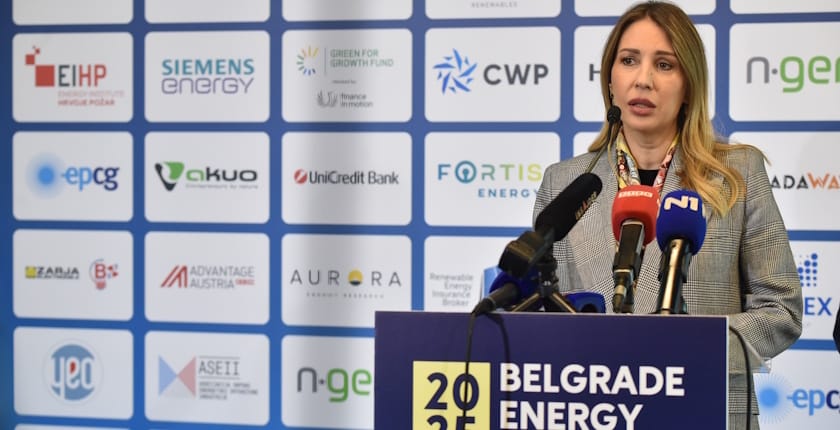
The third Belgrade Energy Forum, BEF 2025, started today in Serbia’s capital city, welcoming four hundred participants from more than 30 countries from the region, Europe and beyond. The two-day conference, organized by Balkan Green Energy News, features eight panels with over 50 officials, executives and prominent energy experts.

Serbia was the first in the region to meet the preconditions for electricity market coupling with neighboring countries in the European Union and Energy Community, said Minister of Mining and Energy Dubravka Đedović Handanović. She added that the technical process would be completed within 18 months after the EU Agency for the Cooperation of Energy Regulators (ACER) and European Network of Transmission System Operators for Electricity (ENTSO-E) conduct the necessary steps.

Electricity market coupling will be completed within 18 months when the technical process starts

“It will be a historic event for our country for its benefits for citizens and companies, as it will ensure a more stable electricity supply and access to more affordable energy prices. It will turn us into an equal member within the region but also the EU as concerns the energy sector,” Đedović Handanović stated.

The SEEPEX power exchange has already prepared implementation projects with its counterparts in Hungary and Bulgaria for market coupling on their borders, the minister stressed.

Up to EUR 15 billion needs to be invested in energy

Đedović Handanović also pointed out that domestic and European regulators certified Serbia’s gas transmission system operator Transportgas for the first time. The start of construction of the Serbia-Hungary oil pipeline is expected to begin early next year at the latest, the minister said.

The baseline for the development plan for energy infrastructure and energy efficiency should be completed by the end of May, she revealed. It identifies the need for EUR 14 billion to EUR 15 billion in investments in the next ten years, according to Đedović Handanović. Renewables and new hydropower potential account for EUR 7 billion, she said.

Serbia will double the electricity transmission capacity with Hungary and increase it with Bulgaria, the minister asserted.

Serbia is frontrunner in region with its progress toward market coupling

As the Western Balkan region confronts the trailing trilemma of decarbonization, affordability, and energy security, the need for an accelerated integration with the European Union has never been more urgent, Energy Community Secretariat Director Artur Lorkowski said.

The organization provides a platform for the process, a strategic window of opportunity to inspire market confidence now, not in years or months to come, he explained. Lorkowski said it implies deeper coordination among Energy Community contracting parties in removing cross-border bottlenecks and harmonizing market operations.

Above all, there is an urgent need to move forward on electricity market integration with the EU, so the region can fully benefit from it in 2027, he noted, underscoring that Serbia is the frontrunner.

Exporters of electricity to the EU can attend a technical consultative meeting in Brussels on July 1

The Carbon Border Adjustment Mechanism (CBAM) is another urgent priority, Lorkowski said. He announced that the Energy Community Secretariat and European Commission would organize a technical consultative meeting in Brussels on July 1 for electricity exporters to the EU.

The establishment of domestic carbon pricing mechanisms is inevitable, Lorkowski warned. The question is how to introduce domestic carbon pricing and keep energy prices affordable for households and competitive for businesses, he told the audience at BEF 2025.

“The way forward is clearly defined, and the conditions linked to energy market reform and decarbonization are well known. And I’m, frankly speaking, very optimistic that progress on these issues can be substantive in months and years to come,” the secretariat’s head stressed.

Jovičić: Energy revolution underway

Energy and climate issues are among the most important ones in the world today, as well as in Southeastern Europe, Founder and Editor of Balkan Green Energy News Branislava Jovičić said. All stakeholders, aware of the necessity of rapid changes and prudent solutions, are working toward a secure energy supply and decarbonization, she added.

“Last year we spoke about the energy transition. This year we can freely call the changes in the energy sector an energy revolution,” Jovičić stated. The five pillars of the energy revolution are solar and wind power, battery storage, digitalization, nuclear energy and decentralized generation and consumption, she stressed.

Balkan Green Energy News is a leading energy media website in the region and one of the top 50 in the world, Branislava Jovičič said.

by in News

Construction starting in second phase of giant PV plant in Peloponnese coal land

Terna won the contract for the construction of the second of the three parts of a 490 MW solar park in Megalopolis, on former lignite mines. Public Power Corp. – PPC Group said the third phase would begin next year.

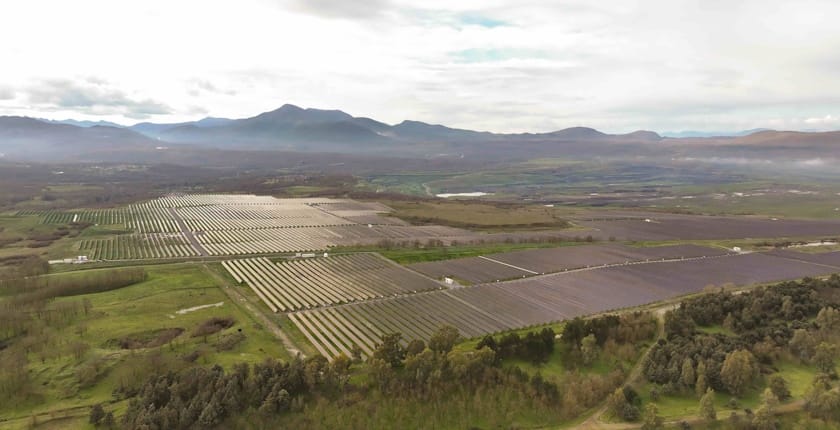
The second phase of the construction of a 490 MW photovoltaic plant in Megalopolis is beginning, transforming former lignite sites in the Peloponnese peninsula into a green energy hub. PPC Group’s subsidiary PPC Renewables signed an engineering, procurement and construction (EPC) contract for 125 MW on 49.4 hectares with Terna, part of the GEK Terna conglomerate.

The first phase, 125 MW, is under construction. PPC intends to complete it by the end of the year. It expects to begin building the third phase, 240 MW, in 2026.

Bifacial panels to be on fixed structures

The second part entails 215,000 bifacial solar panels on fixed structures. The facility would be connected to the Megalopoli Ultra High Voltage Substation via a new high voltage substation at the Neo Choremi site.

The entire 490 MW would generate an estimate 860 GWh per year, the announcement reads. It is equivalent to the electricity needs of 215,000 households. The projected output would prevent carbon dioxide emissions of 430,000 tons per year.

PPC already has a 50 MW photovoltaic plant in Megalopolis, the smaller of the two coal regions in Greece.

Replicating solar makeover from Western Macedonia

Deputy Chief Executive Officer of PPC Group and CEO of PPC Renewables Konstantinos Mavros compared the project in the Peloponnese to the ones in coal land in Western Macedonia in the country’s north. Just like in Ptolemaida, the Megalopoli photovoltaic plant is going to replace the the production of electricity from coal and ensure the historic continuity of the area’s role in energy supply, he pointed out.

The utility’s three-year strategic plan for the period through 2027 is to install 5.6 GW more from renewables in Greece and Southeastern Europe, reaching 11.8 GW in the segment. PPC said it is also looking to expand its portfolio with new technologies such as offshore wind power and floating photovoltaics, also known as floatovoltaics.

by in News

Significant step for citizen energy in BiH – Republic of Srpska enables establishment of first renewable energy communities in region

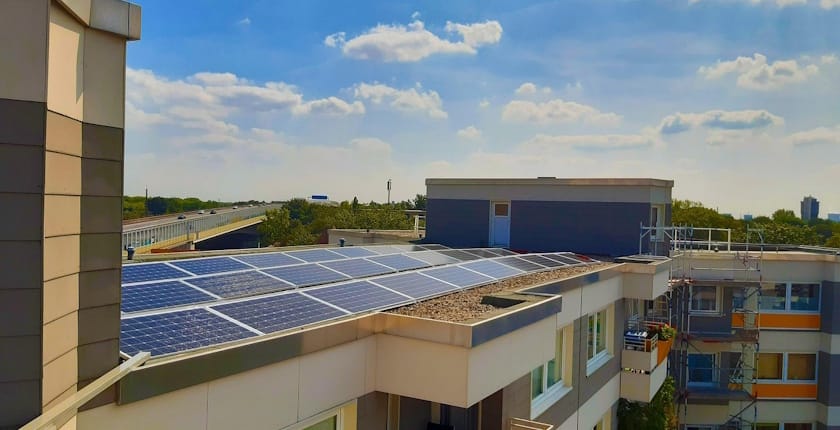
The recent adoption of the rulebook on renewable energy communities in the Republic of Srpska is a big step in enabling citizens, local authorities, and businesspeople in Bosnia and Herzegovina to join forces and produce electricity for their own needs. It was a key step in introducing citizen energy. The concept is a great opportunity for the Balkans, because it can provide many benefits like lowering bills for consumers, and a sustainable energy transition, according to Damir Miljević, a member of the Regional Center for Sustainable Energy Transition (RESET) from BiH.

The new rulebook on renewable energy communities in the Republic of Srpska, one of the two entities making up Bosnia and Herzegovina, defines the activities of renewable energy communities (REC).

Energy transition consultant Damir Miljević explained to Balkan Green Energy News that REC refers to the production of electricity from renewables, while citizen energy communities (CEC) include all types of energy. The rulebook adopted by the Republic of Srpska, in his words, is the first in the region. It is focused on enabling the production of electricity for self-consumption (prosumers) primarily from renewable energy sources such as solar, wind, and hydro energy.

Energy communities are an opportunity for citizens and businesspeople lacking suitable roofs for photovoltaics

He says the rulebook finally created the conditions at the local level – where the energy transition is supposed to be conducted in the first place – for citizens, local authorities, and businesspeople to join forces and produce electricity by installing a facility together. They can use some of the produced electricity for their own needs and inject the rest into the grid.

Citizens and small entrepreneurs who don’t have suitable roofs for solar power plants and municipal authorities with many roofs at their disposal as well as their own land can jointly finance and use such facilities. They will benefit both on the individual and collective level, Miljević pointed out. Without the communities framework, it wouldn’t be possible, in his opinion.

“In addition, conditions are created through RES communities to cede a part of the energy that the community’s facility generates, if the members of the community agree, to vulnerable categories of the population, contributing to the fight against energy poverty that way,” said Miljević, who is among the speakers at the upcoming Belgrade Energy Forum 2025 (BEF 2025).

Miljević: Elektroprivreda Republike Srpske needs to do its part

The rulebook’s entry into force enabled citizens, local firms and local communities to establish renewable energy communities, Miljević said and added that the only serious remaining obstacle is the refusal of government-owned power utility Elektroprivreda Republike Srpske (ERS) to sign new supply contracts.

Prosumers in the entity can’t fully exercise their rights, despite an order from the Regulatory Commission for Energy of the Republic of Srpska, as they haven’t yet received the new supply contracts from ERS, he pointed out.

Citizen energy is a great opportunity for Balkan states

Damir Miljević (photo: Balkan Green Energy News)

Miljević stressed that rulebooks are among the steps in introducing citizen energy. Miljević noted that the other parts of BiH haven’t established regulatory frameworks. The Brčko District has no bylaws, while the Federation of BiH has adopted the rules for renewable energy communities, but hasn’t simplified its rules for connecting prosumers and the communities to the grid.

Production onsite for consumption should become priority in energy policies and for decarbonization efforts in the Western Balkans

In Miljević’s opinion, the resistance is enormous and partly caused by the lack of recognition of the importance and role of citizen energy in countries such as the Balkans.

In contrast to developed countries – for instance, household consumption in the European Union has a 25% share in total final electricity consumption – in BiH and Serbia it is 42%, and in Montenegro it amounts to around 50%, he noted.

It means the concept of producing for consumption onsite should be a priority in energy policy and for decarbonization efforts in the Western Balkans, Miljević stressed. It implies putting solar panels on roofs on a significant scale, which is the essence of citizen energy, he added.

Citizen energy isn’t a priority in domestic and international policies implemented in the region

In addition to reducing electricity bills for customers, the concept contributes to reducing distribution and transmission losses and required investments in new grid capacities and new large power plants, and improves the security of supply and energy independence of a country, according to Miljević.

Citizen energy, in his words, is the only solution for a safe and sustainable energy transition and decarbonization of domestic power consumption, but unfortunately it isn’t a priority in domestic and international policies implemented in the region.

The lobbying effect of investors in the market shouldn’t be underestimated either, nor the fear and resistance within the politics and state-owned power utilities to the decentralization, democratization, and demonopolization of power generation that citizen energy brings, Miljević concluded.

by in News

Second HVDC link from mainland Greece to Crete coming online

Greece’s Independent Power Transmission Operator (IPTO) is completing the last elements of the Ariadne Interconnection project, one of the deepest subsea links in the world. The company plans to switch on the double high-voltage direct current (HVDC) cable between Attica and Crete by the end of the month. In addition, IPTO and its Italian counterpart Terna are developing a project for a second interconnector between them.

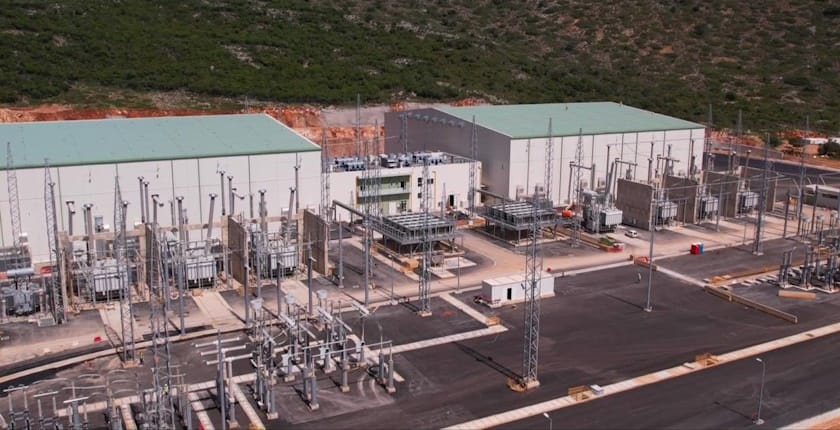
Final tests and equipment checks are being completed at the Damasta Converter Station in Heraklion ahead of the start of the trial operation of the Crete-Attica electricity link. The management of IPTO, also known by its Greek acronym Admie, and the HDVC Ariadne Interconnection project firm inspected the site.

The transmission system operator said it plans to energize it this week by injecting reactive power into the electricity system in the country’s biggest island.

The transmission of active power from Attica to Crete is set to begin in late May, the update adds. Ariadne consists of two 500 kV cables of  500 MW each. One end is in Pachi in the city of Megara, between Athens and Corinth, and the other one in Korakia in Crete. The submarine and underground cables were tested earlier.

Line on mainland is under trial electrification

At the same time, on the Attica side, a trial electrification of a 400 kV cable system is taking place between the Koumoundouros Converter Station and the adjacent Extra High Voltage Center. Ariadne Interconnection is the largest and most complex electricity transmission project in Greece so far, IPTO underscored.

Furthermore, a 150 kV transmission line between Chania and Damasta recently received the decision on the approval of environmental conditions (AEPO), the company added. It is considered necessary for an optimal combined use of Crete’s two interconnections with the mainland, the announcement reads. The first one, from Peloponnese, was established in 2021.

Ariadne, worth more than EUR 1.1 billion, is one of the three deepest interconnections in the world. The HVDC line’s capacity matches the interconnector to Sardinia, the strongest power link so far with an island.

The project is co-financed through the National Strategic Reference Framework (NSRF 2014-2020 and NSRF 2021-2027), via the European Union, with up to EUR 535.5 million. The idea for the endeavor dates back to the 1990s.

The contractors are Nexans and Prysmian. Each was responsible for one of the two cables while the latter also laid two submarine telecommunication lines.

Erdoğan again taunts Great Sea Interconnector by promising alternative cable

Ariadne is part of a proposed corridor with the Great Sea Interconnector project, formerly EuroAsia Interconnector, envisaged going to Cyprus and Israel. The Crete-Cyprus investment has been suffering heavy delays amid financing issues, ownership disputes and Turkey’s threats.

In early May, President Recep Tayyip Erdoğan visited the Cypriot Turkish breakaway republic, recognized only by Turkey, and promised an interconnection with his country. He compared it to an existing water pipeline.

“Did we bring water from under the sea to Northern Cyprus from Turkey? Now we are in the second stage. God willing, we will bring electricity and with that we will cover the needs of Northern Cyprus in water and electricity,” Erdoğan stated.

Notably, IPTO denied yesterday a press report that it is considering the possibility, together with Nexans, the contractor, to alter the route and connect Crete with the Dodecanese Islands instead of with Cyprus. The archipelago includes Rhodes, Astypalaia (Astypalea), Kos and Tilos.

EBRD is providing a grant for the first studies for an interconnection between Greece and Egypt

In other news, the European Bank for Reconstruction and Development (EBRD) and Elica Interconnector, a member of the Copelouzos Group, signed a grant agreement for the first studies for the planned Egypt-Greece (GREGY) electricity interconnection.

IPTO and its Italian counterpart Terna signed today a memorandum of understanding to install a second undersea HDVC power line. The GR.ITA 2 project is for a double cable, two times 500 MW, scheduled for completion in 2031. The two sides earmarked a total of EUR 1.9 billion.

The existing 500 MW interconnector, in operation since 2002, is temporarily down due to a malfunction.

by in News

Everything is ready for Belgrade Energy Forum 2025 – welcome!

Everything is ready for the third Belgrade Energy Forum – BEF 2025. On May 14 and 15, the conference will gather four hundred participants from more then 30 countries from the region, Europe, and beyond.

Participants of the Belgrade Energy Forum 2025 (BEF 2025) will have the opportunity to hear from speakers from the European Union and five countries in the region and exchange views. Eight panels featuring more than 50 officials, executives and prominent energy experts will try to untangle the currently most important issues in the energy sector.

Representatives of governments, regulatory agencies, regional and international institutions and organizations as well as the business community will outline their future moves, which is invaluable information given the new reality of a turbulent geopolitical landscape.

Latest information on the largest project for the installation of solar power plants in the region and beyond

Energy Community Secretariat Director Artur Lorkowski and Serbian Minister of Mining and Energy Dubravka Đedović Handanović will open the event. One of the key speakers is Christian Zinglersen, director of the EU Agency for the Cooperation of Energy Regulators (ACER).

The ministerial panel consists of ministers and other officials from Montenegro, Croatia, Hungary, Serbia, and the Republic of Srpska, which is one of the two entities making up Bosnia and Herzegovina.

Representatives of the Hyundai Engineering – UGT Renewables consortium will summarize the next steps in the largest solar power project in the region and beyond. The consortium is the diamond sponsor of the event this year as well.

It entails solar power plants with a total connected power of 1,000 MW, and battery energy storage systems (BESS) of 200 MW in overall capability and 400 MWh in capacity.

It is a joint project with Serbian state-owned power utility Elektroprivreda Srbije. The partners took another important step this week by signing a grid connection contract with the country’s transmission system operator Elektromreža Srbije.

Hitachi’s cutting-edge technological solutions are indispensable in Southeast Europe

Keynote speakers Seung-Won Lee, Vice President of Hyundai Engineering, and Chan Wo Park, Global Executive Advisor at UGT Renewables, will present the project.

Hitachi Energy‘s cutting-edge technological solutions are indispensable in Southeast Europe. Some examples of its contribution to the energy transition of the region are the largest solar power plant in the Balkans – Apriltsi in Bulgaria, of 250 MW, as well as the second wind farm in North Macedonia – Bogoslovec, with a capacity of 36 MW.

Together with the Association of Serbian Energy Intensive Industry, Hitachi Energy is in the group of silver sponsors of BEF 2025.

The association was founded by Metalfer Group, Elixir Group, Lafarge Serbia, Moravacem (part of CRH) and TITAN Cementara Kosjerić. They are producers of steel, fertilizers and cement driven by a vision of sustainable development, industrial innovation and regulatory clarity.

Zečević: Decarbonization must be shaped by strategy, not imposed by circumstance

BEF 2025 will be attended by the association’s manager Stanislava Simić, Metalfer Group president, Branko Zečević and Lafarge Serbia CEO Dimitrije Knjeginjić.

“As Europe enforces carbon accountability through CBAM, Serbia and the Western Balkans must not remain a regulatory blind spot. Without our own regionally adapted carbon border policy, we risk being overwhelmed by carbon-intensive imports, eroding both our industry and climate goals,” Zečević stressed.

The association calls for a regional, synchronized approach – one that levels the playing field, accelerates innovation, and positions the Western Balkans as a credible partner in Europe’s green transition, he added. Decarbonization must be shaped by strategy, not imposed by circumstance, according to Zečević.

Batteries are the stars of BEF 2025

The panel ‘Energy storage system market in SEE: trends and forecasts’ has attracted great interest.

One of the panelists is Ioanna Barouni, Research Associate in Aurora Energy Research, a reliable energy market analyst and a knowledge partner of the forum. The company’s analysis unveils answers to questions that everybody asks – politicians, investors and regulators alike. For instance, one burning issue is the effect of cannibalization in solar power on wholesale power prices.

Aurora recently presented its first forecast for the Western Balkans, based on investment activity. The firm now provides forecasting services for Albania, Kosovo*, North Macedonia, Montenegro, and Bosnia and Herzegovina.

Cerović: BEF is a key event bringing together industry experts

Financing battery energy storage systems is a job banks such as UniCredit Bank Serbia, a bronze sponsor of the conference.

“I’m delighted to once again represent UniCredit Bank Serbia, in BEF, a key event that brings together industry experts and leaders in the energy transition in Southeast Europe. As the global market moves towards decarbonization and greater use of renewable sources, the role of energy storage systems becomes increasingly important,” said Svetlana Cerović, Head of Specialized Lending at UniCredit Bank Serbia.

She is also last year’s winner of the Female Leader in Sustainable Energy award.

Fortis brings its vast experience in investments in energy storage

Fortis is bringing its vast experience in investments in energy storage. In February, the firm inked a deal for batteries for North Macedonia’s largest PV plant, Oslomej, while a 36 MWh battery in Serbia is in the pipeline. Fortis has also signed a framework agreement with PowerChina on joint investments in renewable energy projects.

Nikola Oklobdžija, CEO of Fortis Energy for Eastern Europe, will present the company’s vision.

Renewable Energy Insurance Broker, a bronze sponsor, was one of the key factors for the largest photovoltaic plant in Romania. It provided insurance packages for every phase of development of the 155 MW Rătești facility. REIB is a specialized insurance intermediary focused exclusively on the renewable energy sector.

Tailored insurance solutions improve project bankability and long-term security, according to the firm.

Four companies are exhibitors

BEF 2025 has an exhibition segment, too. One of the companies showcasing its activities is ScadaWatt, which develops smart and reliable solutions for power plants. The company provides remote monitoring, real-time control, and AI-powered analytics to improve efficiency and reduce losses.

SciEngineer and Zarja Elektronika will also present their services and solutions. SciEngineer is the exclusive representative of MathWorks, COMSOL, and Speedgoat in Central and Eastern Europe. Their solutions reduce development time, cut costs, improve reliability, and accelerate time-to-market.

Zarja Elektronika is a leading Slovenian company specializing in advanced fire detection and alarm systems. With over 40 years of experience, it provides innovative, reliable, and tailor-made safety solutions for industrial, commercial, and residential environments.

DRI and YEO are friends of the conference

The Chinese company SANY Renewable Energy, which owns the Alibunar 1 and Alibunar 2 wind farms, will also have an exhibition stand.

DRI and YEO are joining the group of the friends of the conference. DRI is an Amsterdam-headquartered renewables developer and a subsidiary of the DTEK Group, one of the biggest private investors in Ukraine’s energy sector.

Joffroy Beckers, Head of PPA, will speak at a panel dedicated to the topic.

In January, DRI said it planned to start building the 120 MW Ljubovo wind power plant in Croatia in 2027. It revealed it right after it completed a 60 MW solar power plant in Romania.

Turkey-based YEO is active in more than 30 countries, delivering turnkey solutions in energy and industrial systems. In the Balkans, in addition to its energy expertise role, the company invests in renewable energy projects.

* This designation is without prejudice to positions onstatus and is in line with UNSCR 1244/99 and the ICJ Opinion on the Kosovo declaration of independence.
by in News

EU outlines measures to end Russian gas, oil imports by end-2027

The European Commission set out a plan to phase out by the end of 2027 the purchases of Russian natural gas, including in the form of LNG, and oil. The package includes proposals aiming to replace Russian nuclear fuel and materials as well.

The European Union will end its dependency on Russian energy by stopping the import of Russian gas and oil and phasing out Russian nuclear energy, while ensuring stable energy supplies and prices, the European Commission said. Its new REPowerEU Roadmap targets full energy independence from Russia.

Since Russia’s invasion of Ukraine in 2022, the EU was lowering the share of Russian fossil fuels under the REPowerEU plan and via sanctions. However, Russian gas imports rebounded last year by 18%, led by Italy, Czechia and France. The commissioners argued that the “overdependency on Russian energy imports is a security threat” and called for new coordinated actions.

Von der Leyen: It is now time for Europe to completely cut off its energy ties with an unreliable supplier

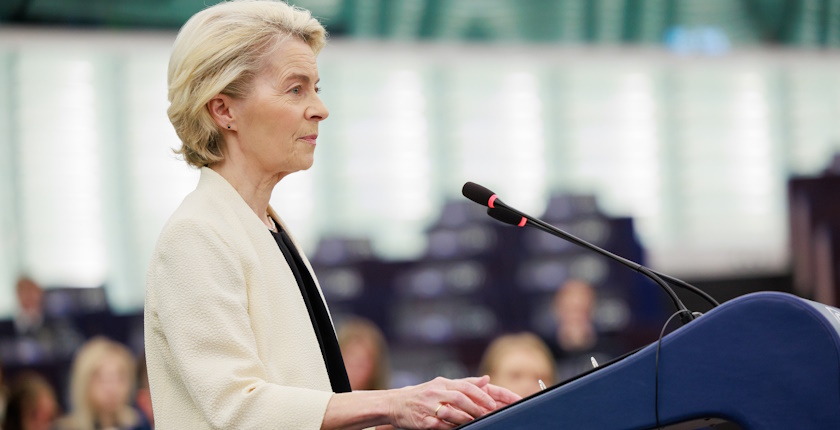
“The war in Ukraine has brutally exposed the risks of blackmail, economic coercion and price shocks. With REPowerEU, we have diversified our energy supply and drastically reduced Europe’s former dependency on Russian fossil fuels. It is now time for Europe to completely cut off its energy ties with an unreliable supplier. And energy that comes to our continent should not pay for a war of aggression against Ukraine. We owe this to our citizens, to our companies and to our brave Ukrainian friends,” European Commission President Ursula von der Leyen stated.

The volumes of imported Russian gas fell to last year’s 52 billion cubic meters from 150 billion in 2021. The share of Russian gas imports dropped from 45% to 19%. All imports of the country’s coal have been banned by sanctions. Russian oil imports have shrunk from 27% at the beginning of 2022 to the current 3%.

Member states need to roll out national plans by end-2025

The new measures have been designed to preserve the security of energy supply while limiting any impact on prices and markets. They would be applied in parallel to advancing the energy transition.

“Last year we in the EU paid EUR 23 billion to Russia for our energy imports. That is EUR 1.8 billion per month. This needs to stop,” European Commissioner for Energy Dan Jørgensen stressed.

The administration in Brussels expects to replace up to 100 billion cubic meters of natural gas by 2030, which means a decrease in demand by 40-50 billion by 2027. It sees an increase in liquefied natural gas (LNG) capacities by 200 billion cubic meters by 2028, which is five times more than current EU imports of Russian gas. The EU still hasn’t imposed sanctions on Russian LNG.

Member states will be asked to prepare national plans by the end of this year, the announcement reveals. All the measures will be accompanied by continuous efforts to accelerate the energy transition and diversify energy supplies, including via the aggregation of gas demand and a better use of infrastructure, according to the document.

Administration in Brussels intends to tackle Russian shadow tanker fleet carrying oil

The European Commission said the proposed measures would improve the transparency, monitoring and traceability of Russian gas.

“Crucially, new contracts with suppliers of Russian gas (pipeline and LNG) will be prevented, and existing spot contracts will be stopped by the end of 2025. This measure will ensure that already by the end of this year, the EU will have slashed by one third remaining supplies of Russian gas. The commission will further propose to stop all remaining imports of Russian gas by the end of 2027,” the plan reads.

Under the roadmap, the commission will put forward new actions to address Russia’s shadow fleet transporting oil. It said the vessels are circumventing sanctions and the international oil price cap.

EU depends on Russia for quarter of its uranium conversion, enrichment needs

As regards nuclear, the proposals coming next month cover enriched uranium and supply contracts co-signed by the Euratom Supply Agency (ESA) for uranium, enriched uranium and other nuclear materials. The EU intends to increase its production of medical radioisotopes.

“While diversification efforts might create uranium and fuel price volatility over access to uranium supply on global markets, major impacts on electricity prices are unlikely as the price of nuclear fuel and related services represent only a small portion of the final cost of electricity from nuclear power plants,” the plan adds.

The EU intends to increase its production of medical radioisotopes

More than 14% of uranium was sourced in the EU from Russia in 2024. The commissioners highlighted the concentration of uranium conversion and enrichment services – needed to transform processed uranium into the material for nuclear fuel manufacturing – in a limited number of companies.

In 2024, around 23% of the whole EU demand for uranium conversion services and almost 24% of enrichment was covered by Russia.

While more than 85% of uranium is produced in Kazakhstan, Canada, Australia, Namibia, Niger and Russia, uranium mines currently operate in many countries and unmined deposits exist in some EU member states.

It will take years to make use of domestic, other Western resources

European enrichment companies have expansion plans but the first new enrichment installation is not expected earlier than 2027.

“Moreover, the global uranium conversion industry is facing obstacles in ramping up production due to technological complexity and market uncertainties, and new conversion capacities are currently announced only for early 2030s. The EU’s nuclear sector also continues to rely on Russia for some spare parts and maintenance services,” the European Commission said.

EEB: Replacing Russian gas with US gas is senselless

The European Environmental Bureau (EEB) noted that imports of Russian gas including LNG rose 18% in 2024 despite no growth in demand.

Numbers of shadow LNG tankers from Russia have also increased, as have indirect imports of Russian energy via third countries, it added. Plans to tackle the shadow fleet are vague, the organization claimed. It went on to label the United States a clearly unreliable trade partner.

“Phasing out Russian coal and gas only to replace it with a dependence on US fracking gas is not in the EU’s security or financial interests. EU countries should instead focus on accelerating their deployment of wind and solar energies. The technologies to move to 100% renewable energy are available,” EEB’s Policy Manager for Climate and Energy Luke Haywood underscored.

by in News

OMV opens Austria’s largest green hydrogen plant

OMV put into operation its green hydrogen plant in Schwechat near Vienna. The facility can produce 1,500 tons per year.

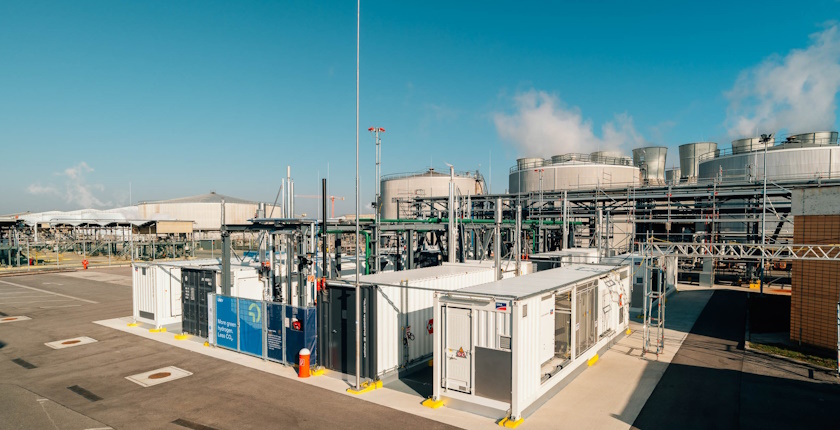
OMV is producing green hydrogen on a commercial scale for the first time. The Vienna-based fossil fuel and petrochemicals producer started up a 10 MW plant at its Schwechat refinery near Austria’s capital. It is the largest in the country.

The investment amounts to EUR 25 million. The electrolyzer system can produce up to 1,500 tons per annum. OMV said the green hydrogen would be used to make more sustainable fuels and chemicals including sustainable aviation fuel (SAF) and renewable diesel (HVO).

PEM electrolyzer uses wind power, hydropower, photovoltaics

The new 10 MW polymer electrolyte membrane (PEM, also called proton exchange membrane) electrolyzer is powered entirely by renewable electricity. It is generated by wind power, hydropower plants and photovoltaics.

The innovation enables annual savings of up to 15,000 metric tons of carbon dioxide emissions, according to the comparator from the European Union’s Renewable Energy Directive. It is equivalent to 2,000 persons per year, based on the EU’s 2024 average of 7.5 tons of CO2 equivalent per capita.

“With the start-up of Austria’s largest electrolysis plant, we are re-inventing how essentials we use in everyday life are produced sustainably. Green hydrogen is at the heart of this transformation, serving as a critical component in producing fuels and chemicals while advancing the decarbonization of our Schwechat site,” said board member Martijn van Koten, responsible for fuels, feedstock and chemicals.

Green hydrogen project is step toward making OMV carbon neutral

The majority owner of Romanian OMV Petrom aims to cut its net emissions to zero by 2050. Its transformation is based on projects including for geothermal energy and chemical recycling. Green hydrogen can be utilized in the production process in refineries.

The green hydrogen plant is certified for producing renewable fuels of non-biological origin (RFNBOs).

Making green hydrogen through PEM electrolysis involves splitting water into hydrogen and oxygen using renewable electricity. At the anode, oxygen and positively charged hydrogen protons are generated. The protons pass through the PEM, and at the cathode, they combine with electrons to form hydrogen gas.