AEA-Albania Energy Association
  • Main
  • About Us
  • Services
  • Sectors
  • News
  • EventsEvents
  • PublicationPublication
  • Contact Us
AEA-Albania Energy Association
  • Main
  • About Us
  • Services
  • Sectors
  • News
  • EventsEvents
  • PublicationPublication
  • Contact Us
AEA-Albania Energy Association
  • Home Page
  • About Us
  • Sectors
  • Our Services
  • News
  • Contact Us
June 19, 2025
by AEA in News

Just Transition Young Voices Award: Empowering youth champions in the clean energy transition

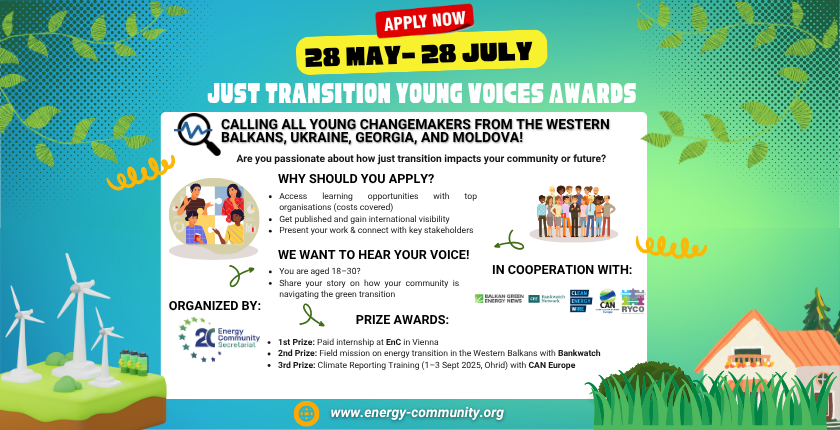
In a celebration of youth-led climate action, the Energy Community Secretariat, together with Bankwatch, CAN Europe, RYCO, and CLEW, has launched the Just Transition Young Voices Award, spotlighting the importance of young people’s voices in shaping a just, equitable, and sustainable energy future. Balkan Green Energy News is an official media partner of the initiative.

Young people aged 18 to 30 from the Western Balkans (Albania, Bosnia and Herzegovina, Kosovo*, Montenegro, North Macedonia, Serbia), Ukraine, Georgia, and Moldova are invited to submit original, fact-based articles that explore how their communities are navigating the shift away from fossil fuels. Recognizing that youth are essential agents of change, the award provides a platform for creative and solution-oriented journalism addressing the challenges and opportunities of a just transition.

Applications are open until 28 July 2025. The competition aims to showcase innovative thinking and concrete solutions developed by young people who are actively engaging in climate and energy issues.

Foto: Energy Community Secretariat

The award framework

The Just Transition Young Voices Award aims to inspire and support young people with an interest in energy and climate journalism to explore and report on just transition topics. Submissions should be original, fact-based articles in English, between 700 and 1,100 words. Stories may highlight real people, places, or initiatives that reflect the challenges, opportunities, and solutions involved in just transition, particularly in sectors or regions impacted by the green shift.

Three prizes will be awarded:

  • A one-month paid internship at the Energy Community Secretariat in Vienna;
  • A field mission on energy transition in the Western Balkans with Bankwatch;
  • Participation in the Climate Reporting Training with CAN Europe in Ohrid (1–3 September 2025).

Winning pieces will be published on Balkan Green Energy News and other partner platforms, as well as presented at the Energy Community Just Transition Forum. Applications will be evaluated by a jury comprising representatives from Bankwatch, CLEW Network, RYCO, and the Energy Community Secretariat.

The Just Transition Young Voices Award reaffirms a simple truth: meaningful system change requires the leadership of those who will live with its consequences.
Post Views:40
* This designation is without prejudice to positions onstatus and is in line with UNSCR 1244/99 and the ICJ Opinion on the Kosovo declaration of independence.
June 18, 2025
by AEA in News

World’s largest sand battery commissioned in Finland

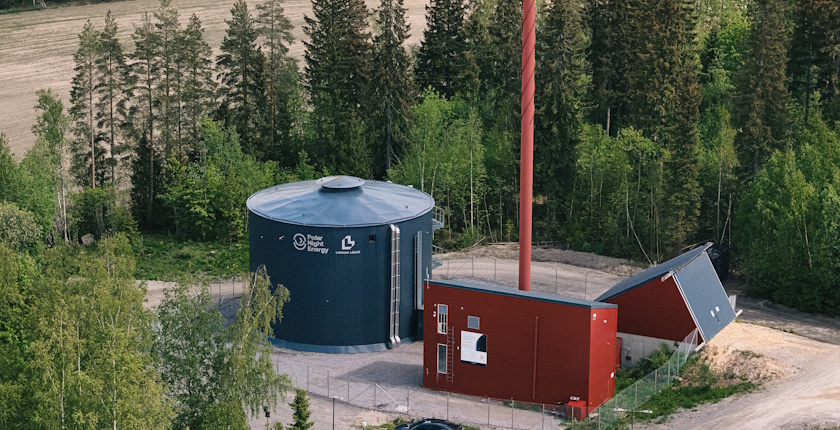
The world’s first industrial-scale sand battery has been commissioned in Pornainen, Finland. It will use surplus renewable energy to generate heat, which will then be supplied to the local district heating network.

The sand battery, which delivers one megawatt of thermal energy and has a storage capacity of 100 megawatt-hours, was installed for the district heating system in the municipality of Pornainen, operated by Loviisan Lämpö.

A sand battery is a high-temperature thermal energy storage system, first developed by the start-up Polar Night Energy.

Finding ways to store energy from variable renewable sources is one of the biggest challenges of the energy transition. In the case of the battery developed by Polar Night Energy, the storage medium is sand or alternative sand-like materials.

The battery uses renewable electricity to power a heater, which then blows hot air into the sand. The sand is heated to between 500 and 600 degrees Celsius and retains that heat. The stored energy can be used for district heating, but also for industrial processes.

A prototype of the battery was installed in 2022 at the Valkeakoski power plant in the town of Kankaanpää, Finland. The new battery in Pornainen is ten times larger than the prototype and represents the first industrial-scale implementation of this technology.

It is 13 meters high and 15 meters wide, filled with 2,000 tons of crushed soapstone, a by-product from the production of fireplaces by Finnish company Tulikivi. During winter, the battery can cover heating needs for about a week.

Emissions in the district heating sector will be reduced by 70% thanks to the battery

“The Sand Battery means a lot to Loviisan Lämpö. It allows us to drastically reduce our emissions and improve the reliability of heat production,” says Mikko Paajanen, CEO of Loviisan Lämpö.

The company aims to become climate-neutral by 2035, and the battery will help it cut emissions by 160 tons of CO₂ equivalent – a reduction of nearly 70% in the district heating sector.

Thanks to the battery, the company will stop using oil for district heating completely, while the consumption of wood chips will be reduced by about 60%. A biomass boiler will be used as a backup during periods of peak demand, the company said.

“This project is a powerful example that effective solutions for mitigating climate change do exist. Loviisan Lämpö is a great example of a company bold enough to invest in new technologies,” says Liisa Naskali, Chief Operating Officer of Polar Night Energy.

Sand battery stabilizes the power grid and contributes to the circular economy

Advancing the circular economy and energy transition requires cross-sectoral cooperation, which the sand battery clearly demonstrates. It is not just a heat storage system – it’s a tool for grid balancing, emissions reduction, smart energy management, and better resource use.

A key factor in the sand battery’s cost-effectiveness lies in optimizing its operation according to electricity prices set by Finnish grid operator Fingrid. In this way, the battery also contributes to the stability of the power grid, which is essential for the further development of wind and solar power.

Thanks to its large storage capacity, the system enables optimization of electricity use over several days, or even weeks.

The thermal storage material in sand batteries can include by-products from industrial or mining processes, avoiding the exploitation of natural resources.

Polar Night Energy is currently in talks with partners in Finland and abroad about new projects. Earlier this year, it announced a pilot project in Valkeakoski to explore the possibility of converting stored heat back into electricity.

Post Views:65
June 18, 2025
by AEA in News

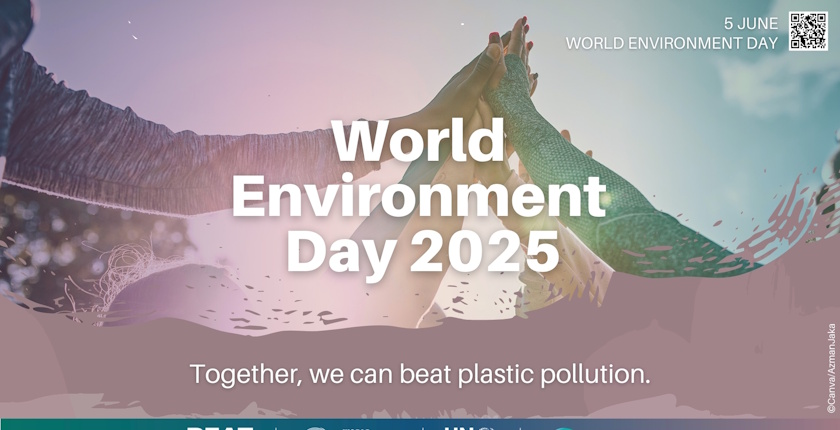
World Environment Day 2025: Beat Plastic Pollution

World Environment Day, celebrated on June 5, was established by the United Nations in 1973. This year’s host country is South Korea and the main messages are focused on fighting plastic pollution.

The theme of this year’s World Environment Day calls for action to address plastic pollution. The hashtag #BeatPlasticPollution is part of the global campaign, led by the United Nations Environment Programme (UNEP), aiming to mobilize communities worldwide to implement solutions. It builds on growing scientific evidence of the impact of plastic pollution and calls for reducing plastic use, reusing it, recycling it, and rethinking our consumption habits.

Plastics are part of everyday life, used in everything from kitchenware to medical devices. It’s estimated that humanity has produced about 9.2 billion tonnes of plastic since the mid-20th century, of which seven billion tonnes have become waste. In addition, plastic production is a major contributor to the climate crisis. It is among the most energy-intensive industrial processes, accounting for approximately 6% of global oil consumption.

Each year, some 11 million tonnes of plastic waste end up in rivers, lakes, seas, and finally, oceans. Plastic breaks down into microplastics—tiny fragments measuring between one nanometer and five millimeters. Such particles have been found in the deepest part of the ocean, the Mariana Trench, as well as on the highest point on Earth – Mount Everest.

An individual consumes over 50,000 plastic particles per year on average

Plastic enters the bodies of humans and animals through breathing and ingestion. It is estimated that each person on the planet consumes more than 50,000 plastic particles annually, and much more when inhalation is taken into account. Some studies suggest that nanoplastics smaller than one micrometer can even pass through the skin.

Microplastics also accumulate in soil through sewage, landfills, and the use of plastic in agriculture. One study found that microplastics disrupt photosynthesis, which may threaten food production.

The annual social and environmental cost of plastic pollution is estimated to be between USD 300 billion and USD 600 billion.

[wpcc-iframe title=”Together, we can #beatplasticpollution” width=”500″ height=”281″ src=”https://www.youtube.com/embed/eqapZ8obCGs?feature=oembed” frameborder=”0″ allow=”accelerometer; autoplay; clipboard-write; encrypted-media; gyroscope; picture-in-picture; web-share” referrerpolicy=”strict-origin-when-cross-origin” allowfullscreen=””]

Circular economy as a solution

The key to reducing plastic waste lies in shifting to the principles of a circular economy. It involves rethinking how plastic products are designed, produced, and used. Current estimates show that only 21% of plastic is economically recyclable, meaning the value of the recycled material is high enough to cover the cost of collection, sorting, and processing. In reality, only around 9% of the plastic produced is recycled.

Plastic products should be designed to be reusable, and recyclable at the end of their life cycle. Additionally, companies should stop adding unnecessary microplastics to their products.

Strengthening waste collection and recycling systems would help prevent plastic products from entering the environment, where they break down into microplastics.

South Korea is among the trailblazers in tackling plastic waste

This year’s host of World Environment Day is the Jeju province in South Korea, which is among the countries leading the efforts to tackle plastic waste. It relies on decades of its experience engaging businesses through extended producer responsibility.

South Korea’s plastics strategy addresses the entire life cycle – from production and design to use, reuse, and recycling. Through collaboration between the government, industry, and citizens, the country is building a circular economy and reducing waste at the source.

In 2022, Jeju, an island and archipelago, set the goal to become free of plastic pollution by 2040. It is the only province in South Korea where residents are required to dispose of waste at specialized recycling centers, encouraging better waste separation and higher recycling rates. Jeju was also the first to introduce a deposit-refund system for single-use cups.

Post Views:120
June 18, 2025
by AEA in News

EU nuclear ambitions: EUR 241 billion in investment needed by 2050

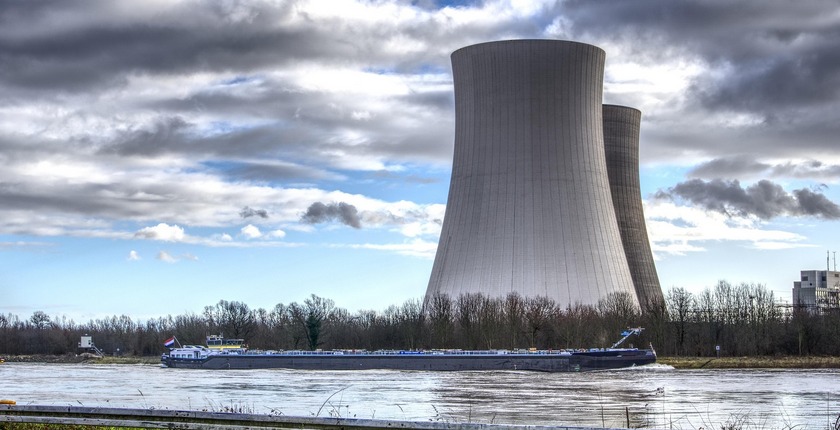
The European Commission has estimated that EUR 241 billion in investment is needed for the implementation of member states’ plans for nuclear energy until 2050. It includes extending the lifetime of existing power plants and building new large-scale reactors.

Additional investment is needed for small modular reactors (SMRs), advanced modular reactors (AMRs), and microreactors, as well as for fusion for the longer-term future, according to the European Commission’s eighth Nuclear Illustrative Programme (Programme Illustrative Nucleaire – PINC).

A few days ago, the World Bank decided to lift its 2013 moratorium on financing nuclear energy projects amid growing global electricity demand.

The commission has now underlined that for some EU countries, nuclear energy is an important component of decarbonization, industrial competitiveness, and security of supply strategies. The commission estimates that over 90% of electricity in the EU in 2040 will be produced from decarbonized sources, primarily renewables, complemented by nuclear energy.

Jørgensen: To truly deliver the clean energy transition, we need all zero- and low-carbon energy solutions

Nuclear installed capacity across the EU is projected to grow from 98 GWe in 2025 to 109 GWe by 2050.

The commission recognizes that all zero- and low-carbon energy solutions are needed to decarbonize the EU’s energy system. Accordingly, the Nuclear Illustrative Programme is intended to help drive member states’ actions towards priority areas.

“To truly deliver the clean energy transition, we need all zero- and low-carbon energy solutions. Nuclear energy has a role to play in building a resilient and cleaner energy system. Ensuring the necessary framework conditions will allow the EU to keep its industrial leadership in this sector while also upholding the highest safety standards and responsible management of radioactive waste,” said Dan Jørgensen, Commissioner for Energy and Housing.

The highest standards of nuclear safety are among the EU’s top priorities

The commission highlighted the highest nuclear safety standards and a responsible management of radioactive waste as a top priority for the EU.

The commercialization and market uptake of cutting-edge nuclear technologies, including SMRs, AMRs, microreactors, and fusion for the longer term, will also be central for the sector’s future in Europe and beyond, according to the EU’s executive arm.

A requirement under Article 40 of the Euratom Treaty, PINC provides a comprehensive, fact-based overview of nuclear development trends, as well as the scope of investment needs across the EU.

The commission will publish the final version of PINC after receiving the Opinion of the European Economic and Social Committee.

Post Views:43
June 18, 2025
by AEA in News

Joksimović: Serbia preparing to introduce carbon pricing

Serbia is preparing to introduce carbon pricing, Jovana Joksimović, Assistant Minister of Mining and Energy for International Cooperation and European Integration, has announced.

The authorities are preparing a comprehensive analysis of carbon pricing for all products that will be affected by the European Union’s (EU) Carbon Border Adjustment Mechanism (CBAM), Jovana Joksimović said at a conference on the introduction of the EU’s carbon border tax.

The Ministry of Mining and Energy has carried out an assessment of the impact of the EU regulation on Serbia’s electricity sector, she said, without providing further details.

A few days ago, the National Alliance for Local Economic Development (NALED) called on state institutions to protect Serbia’s energy-intensive industries from the impacts of CBAM, warning the EU’s carbon border tax would threaten jobs and businesses in that sector.

Serbia is the only Energy Community contracting party prepared to implement emissions monitoring, reporting, and verification

“When it comes to reporting, Serbia is the only contracting party of the Energy Community that is prepared to implement the monitoring, reporting, and verification (MRV) system by transposing the relevant EU legislation. MRV is a prerequisite for introducing a carbon pricing mechanism and can facilitate the implementation of CBAM,” said Joksimović.

She recalled that the European Commission has accepted alternative options for carbon pricing for the Energy Community contracting parties, including carbon taxes and a fixed-price emissions trading system until EU accession.

CO2 emission factors are the biggest concern

According to her, Serbia’s main concern is the discrepancy between the two CO2 emission factors set by the European Commission – one for electricity and another for electricity used in the production of other CBAM products, which is used for calculating indirect emissions.

She recalled that the European Network of Electricity Transmission System Operators (ENTSO-E) recently proposed to the European Commission to consider revising the CBAM methodology during the transition period to ensure a fair and consistent approach.

A unified methodology would encourage investments in renewable energy, support common climate goals, and promote a fair transition to a decarbonized economy.

The EU’s carbon border tax could disrupt electricity market coupling

“The economic implications of CBAM implementation require careful consideration, particularly with regard to its potentially disproportionate impact on the Western Balkans. We expect the European Commission to accept the national electricity mix emission factor in the application of CBAM for electricity, meaning that the cost of the levy decreases as the share of renewable energy increases,” she said.

Jovanović stressed that CBAM could disrupt ongoing efforts in electricity market coupling.

“The European Commission is expected to propose a constructive solution, given that market coupling and the implementation of CBAM are supposed to be compatible,” she pointed out.

Post Views:38
June 18, 2025
by AEA in News

64 MW Stolac Solarni Park PV plant in BiH begins power generation

The 64 MW solar power plant Stolac Solarni Park, located near the city of Stolac in the Herzegovina region of Bosnia and Herzegovina, has been connected to the grid and has begun generating electricity. No further details have been disclosed, but the facility appears to be an extension of Hodovo, the largest photovoltaic plant in the country.

“We are proud to announce the successful grid connection of the Stolac Solarni Park photovoltaic plant in Bosnia and Herzegovina,” China-based solar technology company AIKO said in a statement. Developed by Tibra Pacific, the project has entered full operation and is now supplying clean solar power to the regional grid, according to the statement.

The company hailed Stolac Solarni Park as a major milestone, as AIKO and Tibra Pacific completed the grid connection of Europe’s first utility-scale solar project based on Back Contact technology. AIKO claims to have invented N-Type ABC (All Back Contact) technology.

AIKO disclosed few additional details about the project.

Stolac Solarni Park forms a key part of the largest grid-connected ground-mounted PV installation in BiH to date

With an installed capacity of 64 MW using AIKO modules, Stolac Solarni Park forms a key part of the largest grid-connected ground-mounted PV installation in BiH to date, AIKO noted. Originally launched in 2024, the project adopted AIKO’s innovative Stellar 1N+ ABC modules. The system is built on a fixed-tilt structure with an optimized layout to maximize land use.

According to Robert Brajković, Chairman of Tibra Pacific, the project marks a milestone for renewable energy in BiH.

Brajković: We needed technology that performs not just in labs, but on-site as well

“As the country’s largest operational ground-mounted PV plant, we needed technology that performs not just in labs, but on-site as well. AIKO’s modules delivered 12% more energy output and helped reduce electricity costs by 3% in the first phase, compared to the TOPCon setup. As a result, we transitioned the entire second phase to ABC. Their No.1 efficiency and consistency in real-world conditions set a new benchmark for us,” he said.

AIKO noted that Stolac Solarni Park represents more than a utility-scale project – it is a symbol of regional commitment to clean energy. “By deploying advanced PV technology at scale, the project supports BiH’s energy diversification goals,” the company said.

The two firms did not provide any additional information on the projects.

The largest photovoltaic plant in BiH is Hodovo, with a capacity of 92.5 MW, according to the Independent System Operator in Bosnia and Herzegovina. It is operated by Eco-Wat, a local firm owned by Tibra-Pacific. In December 2021, Eco-Wat said it intended to install a 150 MW solar park near Stolac. It appears the project has now reached its planned capacity.

In the same municipality in May, construction was launched on another solar project, with a capacity of 125 MW.

Post Views:35
June 18, 2025
by AEA in News

Global Wind Day 2025: Wind energy creates new jobs

Global Wind Day, celebrated every year on June 15, was first marked in 2007 as a joint initiative of WindEurope and the Global Wind Energy Council (GWEC). The European Union will need more than 200,000 trained workers in the wind energy sector in the future, which is why this year’s focus of Global Wind Day is on the people who work in the industry.

Global Wind Day aims to raise awareness of the importance of wind as a renewable energy source and its role in reshaping energy systems, decarbonizing the economy, and tackling climate change. The event is celebrated through various activities around the world, organized by international organizations, national associations, and companies operating in the wind energy sector.

Wind energy is now one of the most affordable forms of power generation in large parts of the world. In 2023, global wind energy capacity exceeded one terawatt. Last year alone, a record-breaking 127 gigawatts were added. According to the Global Wind Report published by GWEC, the countries with the most newly installed capacity last year were China, the United States, Brazil, India, and Germany.

The use of wind energy dates back to ancient Egypt. The first modern wind turbines were installed around four decades ago, standing 120 metres tall and placed on land. Today, the tallest wind turbine is fixed to the seabed and is 260 metres tall. Innovations in turbine technology have advanced to the point where we now have floating wind turbines, and soon, offshore wind catchers may become a reality.

Wind industry employs 370,000 people in Europe

This year, Global Wind Day shines a light on the people working in the wind industry. Around the world, children and adults alike are exploring how wind energy works, its potential to change the world, and the job opportunities it offers.

Today, wind farms produce around 20% of Europe’s electricity. The EU aims to increase this to 35% by 2030 and over 50% by 2050.

Currently, the wind industry in Europe employs 370,000 people – a number that could reach 600,000 by 2050. However, a major challenge lies ahead: Europe will need to train more than 200,000 workers to meet the growing demand in this field.

Share your experience in wind industry on Instagram and TikTok

Last year, the #WorkingInWind campaign was launched to raise awareness about the wide range of jobs available in the wind sector. This year, the goal is to inspire younger generations to pursue careers in wind energy.

An impressive 91% of Gen Z use Instagram, and 86% are on TikTok. Many turn to these platforms not only for news but also for inspiration and discovery.

WindEurope and GWEC have invited all current professionals in the wind industry to join the campaign by sharing stories about their career paths – how they got started, what they do, why their work matters, and what a typical day on the job looks like.

According to the campaign guidelines, the story should be shared on the mentioned social media platforms in the form of a photo with text or a short video, using the hashtags #GlobalWindDay and #WorkingInWind.

Post Views:73
June 18, 2025
by AEA in News

Đukanović: EPCG is implementing three key strategic policies

State-owned power company Elektroprivreda Crne Gore is currently implementing three key strategic policies: producing energy at the point of consumption, utilizing existing hydropower infrastructure to connect solar power plants, and developing battery energy storage systems, the President of EPCG’s Board of Directors, Milutin Đukanović, said at the EPCG NET conference.

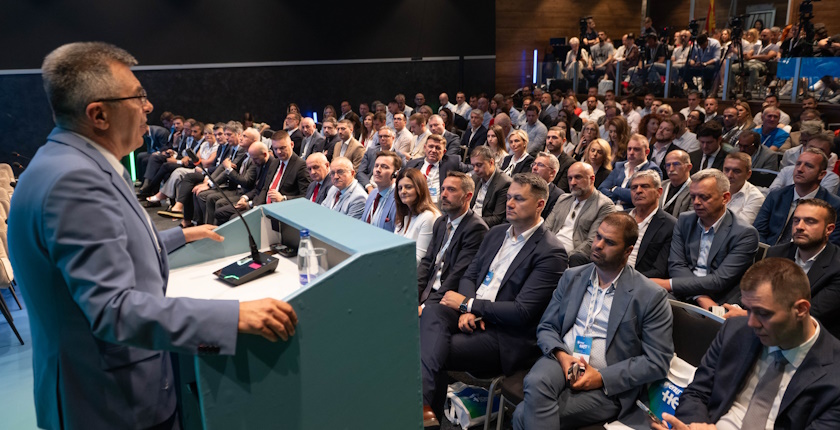
EPCG NET is organized by Elektroprivreda Crne Gore (EPCG) and its partners. At the event’s opening in Budva, Milutin Đukanović announced the start of trial operations at the Gvozd wind farm and the launch of tendering to install battery energy storage systems (BESS).

“Our ‘produce where you consume’ policy is, in our view, the winner of the energy transition. At the same time, hydropower infrastructure provides technical and meteorological compatibility for connecting solar power plants. However, these activities will have their full impact only with the development of BESS,” Đukanović noted.

The 10,000+ solar project is expected to begin in mid-2026

He also said that numerous investments are underway. By the end of the year, the 55 MW Gvozd wind farm, an EUR 82 million investment backed by KfW, will enter trial operation. Early next year, the company expects to start construction on the second phase of the project – Gvozd 2, with a capacity of 21–22 MW.

A few days ago, tendering was completed for the installation of the eighth unit at the Perućica hydropower plant, with a capacity of 58 MW. The new unit is expected to be online in 2027.

Đukanović recalled that the 3000+ project, featuring 35 MW of solar capacity across 3,500 facilities, has been completed, while the 5000+ project is halfway through, with 40 MW and over 4,000 consumers involved. The 10,000+ project is expected to start in mid-2026, he added.

Preparations are ongoing for the construction of several solar power plants: Krupac (50 MW), Štedim (150 MW), four plants at Kapino Polje (totaling 50 MW), as well as facilities in the Željezara Nikšić industrial complex, where 10 MW of the planned 30 MW has already been installed.

The first tendering for procuring BESS will be launched soon, covering two systems with a capacity of 30 MW each (120 MWh). By the end of 2027, EPCG plans five such systems, with a combined capacity of 600 MWh.

The energy transition is a great opportunity for progress

Đukanović also announced an upcoming call for bids for the construction of a tunnel that will connect the Krupac and Slano reservoirs, valued at EUR 12 million, as part of a broader plan to enhance the utilization of the water resources of Nikšićko polje, Montenegro’s largest karst field. Additionally, plans are underway to develop Lake Liverovići and underground waters in the Nikšićko polje, with total investments potentially exceeding EUR 1 billion and a projected capacity reaching 700 MW, he added.

“The energy transition is a great opportunity for progress, but also a serious threat if risks are overlooked. Time is of the essence – we must act immediately,” Đukanović urged, calling on forum participants to focus their discussions on concrete solutions and offer ideas for improving existing policies.

The two-day forum has brought together numerous experts, investors, and representatives of institutions from the energy sector across the region and Europe.

Post Views:39
June 17, 2025
by AEA in News

NALED urges action to protect jobs at energy-intensive industries threatened by CBAM

The National Alliance for Local Economic Development (NALED) has called on the authorities to establish a regulatory framework that would shield Serbia’s energy-intensive industries from the impact of the European Union’s (EU) Carbon Border Adjustment Mechanism (CBAM), which threatens jobs and businesses employing about 7% of the country’s workforce and accounting for 11% of its GDP.

Once the EU starts taxing the import of high-emission products on January 1, 2026, exporters from Serbia will face an increase in the prices of their products on the EU market. Simultaneously, they will face unfair competition on the domestic market from third countries that have not introduced a national carbon pricing system, according to the National Alliance for Local Economic Development (NALED).

The entry into force of the Carbon Border Adjustment Mechanism (CBAM) means that a levy will be charged on imports of cement, iron, steel, aluminum, fertilizers, hydrogen, and electricity into the EU from countries that do not tax CO2 emissions. Although there is more and more talk about delaying the implementation of the tax, it would not make the problem of CO2 taxation disappear – it would only give the affected countries more time to prepare for the change.

NALED has completed an analysis of CBAM’s potential impacts

NALED warns that the introduction of CBAM could have a severely adverse and destabilizing impact on the competitiveness of Serbia’s energy-intensive industries, which requires an urgent and appropriate response from state institutions. NALED’s recently completed analysis of potential impacts of CBAM suggests a high risk of financial pressures and loss of competitiveness of Serbia’s energy-intensive industries, which employ about 7% of the country’s workforce and account for 11% of its GDP.

“To maintain the competitiveness of domestic industry in the initial stage of its green transition, it is necessary to provide mechanisms for reducing CO2 emissions as soon as possible through a set of national regulatory measures. After that, a national mechanism should be established that would include levying a carbon tax on domestic industry, along with a national CBAM mechanism, modeled after the EU’s, to tax goods from third countries where climate policies are less ambitious than Serbia’s,” says Slobodan Krstović, director of NALED’s Sustainable Development Department.

Revenues from CO2 taxation would be used to decarbonize Serbia’s energy-intensive industries

This would ensure a level playing field, in terms of costs related to CO2 emissions, for the sale of energy-intensive products on the Serbian market, as is the case in the EU.

Additional budget revenues that would be secured in this way would primarily be used for supporting the decarbonization of energy-intensive industries, Krstović added.

The analysis further shows that introducing a national CO2 tax at the carbon price projected for 2034 in the National Energy and Climate Plan (NECP) –about EUR 40 per ton – would cost the economy up to EUR 539 million a year, not including the electricity sector.

A domestic CBAM would bring an additional EUR 13 million in state budget revenues in 2027 and as much as EUR 128.6 million in 2034.

Serbia needs mechanisms to decarbonize energy-intensive industries

NALED believes that such a measure, which would channel revenues into Serbia’s budget instead of the EU coffers, would be sustainably justified if the state first introduced regulatory mechanisms to help industry reduce its CO2 emissions.

Given that CBAM and the Green Agenda are new regulatory factors, which have not been taken into account before when defining state aid rules, it is necessary to thoroughly review the existing regulations for granting state aid to companies, according to NALED.

Adapting the national regulatory framework to ensure mechanisms for the decarbonization of energy-intensive industries primarily involves liberalizing the import of alternative fuels and raw materials, banning the export of waste that can be processed in Serbia, and incentivizing the construction of new renewable energy capacities.

If the state fails to react, the domestic industry will face a serious threat

In the absence of state action, NALED warns, the projected decline in the cost efficiency of domestic industry would irreversibly jeopardize Serbia’s exports to the EU market, as well as its competitiveness on the domestic market due to a sharp increase in imports of CBAM goods from non-EU countries.

This would inevitably lead to the loss of a large number of jobs and the financial sustainability of the entire energy-intensive industry operating in Serbia, NALED concludes.

The authorities in Bosnia and Herzegovina recently estimated the economy’s potential loss due to CBAM at between BAM 722 million and BAM 3.17 billion (EUR 369 million to EUR 1.62 billion).

Post Views:50
June 16, 2025
by AEA in News

French power prices jump as EDF looks into possible nuclear reactor defect

France’s state-owned power utility Électricité de France (EDF) is investigating apparent corrosion cracks found at a 1.5 GW nuclear reactor in the country’s west, which has been offline for annual maintenance since early April. The potential defect has pushed up electricity prices and raised concerns about energy security.

EDF, which manages France’s nuclear fleet of more than 50 reactors, has said further analysis is needed, while admitting there are indications of a possible defect. The Civaux 2 reactor was shut down for maintenance on April 4 and will now stay offline at least until the end of July, according to Montel.

The Civaux nuclear power plant will remain offline at least until the end of July

The cracks were initially reported as “microcracks,” but Montel’s sources have confirmed that they measure 2–3 mm. The reactor cannot be restarted until EDF replaces the damaged sections.

Front-year contracts rose to a four-month high

The issue prompted a jump in electricity prices in France, with front-year contracts rising EUR 5.20 per MWh to a four-month high of EUR 67.50/MWh, Montel reported. At the same time, Q4 and Q1 2026 contracts rose by over EUR 6. According to Reuters, front-year contracts fell back to EUR 65.80 per MWh in the afternoon.

Reuters also reported that benchmark European front-month gas contracts were 2.3% higher, at EUR 35.58/MWh.

Stress corrosion cracks were the cause of an earlier nuclear power crisis, in 2022-2023, when they were discovered on multiple plants in France. The country’s nuclear power output was at a record low in 2022, Montel recalled.

The shutdown could jeopardize France’s energy security

Some experts have warned that the latest defect could threaten the energy security of France, as well as the European Union (EU) as a whole. France relies heavily on nuclear power, which accounted for over 70% of its electricity output in 2018, the highest percentage in the world.

The news comes amid a global nuclear energy revival, triggered by rising electricity demand. Germany, which shut down its last remaining nuclear power plants in 2023, recently agreed with France not to block new nuclear power technologies within the EU, while the World Bank lifted its 20-year ban on financing nuclear projects.

Post Views:101
  • 1
  • …
  • 84
  • 85
  • 86
  • 87
  • 88
  • …
  • 140

AEA – Albania Energy Association is a industry association dedicated to representing the interests of Albanian and West Balkan for energy producers and consumers. AEA works to advance the development and adoption of sustainable energy solutions in Albania and the Western Balkans, supporting the region’s transition toward a cleaner, more secure, and more competitive energy future. AEA is registered by decision of the Court of Tirana, DECISION NO. 3032, (VAT:L11827451K).

[email protected]

Address
Blv Zogu 1
Tirana
1057
ALBANIA

LinkedIn  |  Facebook
Events
May 25, 2022 Connecting Green Hydrogen Europe 2022
May 25, 2022 Energy Week Western Balkans 2022
Copyright © Albania Energy Association