AEA-Albania Energy Association
  • Main
  • About Us
  • Services
  • Sectors
  • News
  • EventsEvents
  • PublicationPublication
  • Contact Us
AEA-Albania Energy Association
  • Main
  • About Us
  • Services
  • Sectors
  • News
  • EventsEvents
  • PublicationPublication
  • Contact Us
AEA-Albania Energy Association
  • Home Page
  • About Us
  • Sectors
  • Our Services
  • News
  • Contact Us
June 27, 2025
by AEA in News

Hidroelectrica to begin construction of its pilot floating photovoltaic plant

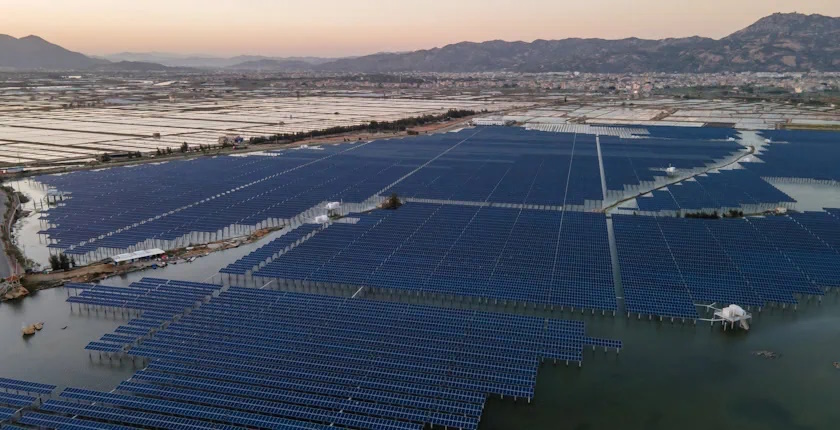
Romanian state-owned hydropower plant operator Hidroelectrica picked the contractor for a 10 MW floating solar power plant, its first, on the reservoir of the Ipotești hydroelectric plant.

Hidroelectrica awarded the contract for the construction of the Proiect Pilot Nufărul floating photovoltaic system.

The pilot project could open the way for the installation of a group of such facilities, also on the Olt river and in a joint venture with Abu Dhabi Future Energy Co. (Masdar).

Pilot floating plant is part of wider push for synergy of photovoltaic technology with hydropower

Notably, Hidroelectrica picked the contractor last month for setting up solar panels on the roofs of its 20 hydroelectric plants. They are on the middle and downstream parts of the Olt river as well.

The site for the 10 MW pilot project is the reservoir of the 57 MW Ipotești hydropower plant. Hidroelectrica conducted the procurement through a tender, which it valued at EUR 9.3 million excluding value-added tax. The utility awarded the deal to Waldevar Energy, which won with a bid of EUR 7.7 million excluding VAT.

The firm’s subcontractors are Marine Research, S.C. DHI-SW Project, and Makor Energy Solutions.

Project implementation is limited to 14 months, of which the works would last ten months.

Hidroelectrica to learn from new investment to replicate it

The floating power plant will consist of bifacial photovoltaic panels of 620 W, inverters of 100 kW, energy optimizers and four transformer stations, the documentation reveals. Annual output is estimated at 13.4 GWh. The floaters would be made of high-density polyethylene (HDPE).

The facility would be connected to the grid via the Ipotești hydropower plant.

Hidroelectrica pointed out that it aims to diversify the production portfolio and capitalize on synergy between solar and hydropower. The state-owned hydropower operator intends to obtain know-how from the construction and exploitation of the pilot system and replicate the concept elsewhere.

The turnkey contract includes design, purchases, assembly, installation, testing and commissioning.

Hidroelectrica operates 188 plants with a capacity of 6.4 GW overall. It has one wind farm, Crucea Nord, of 108 MW.
Post Views:22
June 27, 2025
by AEA in News

Satellite dishes get new life, hosting solar panels for data center

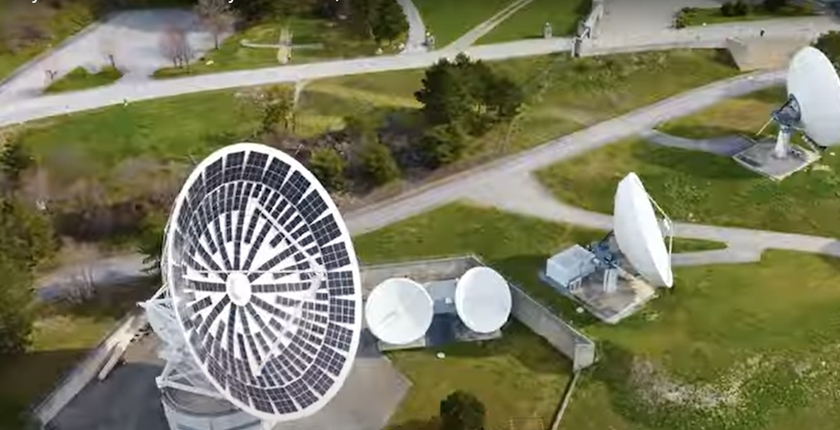
A Swiss telecom service provider converted unused satellite dishes into solar dishes, powering its data center’s rising energy needs. Smart energy tech firm SolarEdge provided its DC-optimized inverter solution, overcoming the challenge of shading.

CKW, a Swiss provider of integrated energy and building technology solutions, has transformed disused satellite dishes located on the premises of telecom service provider Leuk TDC. The project was developed in collaboration with smart energy technology company SolarEdge, highlighting the potential of repurposing infrastructure for solar.

Instead of disposing of the parabolic antennas, they now host photovoltaic systems. Axpo’s subsidiary CKW fitted two satellite dishes in Leuk, Switzerland, with 307 solar panels each.

The new design for the complex, constructed in 1972, enables meeting the energy requirements of Leuk TDC’s power-hungry data centre. Each dish generates an estimated 110 MWh of clean energy per year. The telecommunications firm has also installed a rooftop solar system on the main building of the computing and data centre, for a further 555 MWh.

The data centre is powered by hydroelectric plants as well, so its electricity demand is covered with 100% renewable energy.

[wpcc-iframe title=”Case study: Satellite Dish to PV System – Leuk, Switzerland” width=”500″ height=”281″ src=”https://www.youtube.com/embed/dR2ETrx3aJ0?feature=oembed” frameborder=”0″ allow=”accelerometer; autoplay; clipboard-write; encrypted-media; gyroscope; picture-in-picture; web-share” referrerpolicy=”strict-origin-when-cross-origin” allowfullscreen=””]

SolarEdge systems maximizing output of each pair of PV panels in satellite dishes

Given the complex orientation and inclination of the solar panels on the satellite dishes, shadows threatened to reduce the efficiency of the solar system. With traditional string solar inverters, they reduce the overall performance of the solar array to match the weakest-performing panel on the string, meaning one shaded panel could reduce energy yield considerably.

In a string structure, a photovoltaic unit in a satellite dish wouldn’t be cost-effective

SolarEdge’s DC-optimized inverter solution was used with Power Optimizers, attached to the underside of every pair of solar panels. It enables the solar system to mitigate the impact of module mismatch on the satellite dishes. Inverters turn the direct current (DC) from PV panels into alternating current (AC).

“Having design flexibility with a solar installation is a huge benefit for installers. In complex cases such as these, with uneven surfaces, without the use of power optimizers we simply would not have been able to achieve anywhere close to the level of energy being produced today. I recommend that others planning similar solar installations allocate sufficient time for planning and collaborate with trusted personnel to overcome any technical challenges,” said CKW’s Deputy Head of Solar Technology for Central Switzerland Manuel Jossi.

Making use of existing ability to track sun’s movement

The combination of PV and hydropower provides Leuk TDC with more financial stability by reducing its dependency on variable grid electricity costs. “The satellite dishes were becoming obsolete, so we always knew we wanted to make use of them in some way or another,” the company’s Chief Executive Officer John Harris explained.

One other advantage is that the parabolic antennas follow the sun’s path throughout the day, maximizing the solar power output.

Post Views:31
June 27, 2025
by AEA in News

Solar power exceeds Bulgaria’s entire electricity demand for first time

For the first time, photovoltaic production alone surpassed power consumption in Bulgaria – for two hours. Interestingly, even more electricity was exported at the same time.

On Friday, June 20, the active photovoltaic capacity in Bulgaria between 10:00 and 11:00 before noon was 2,935 MW, and in the following hour it grew to 3,230 MW, state news agency BTA reported. According to data from the Electricity System Operator (ESO) and the European Network of Transmission System Operators for Electricity (ENTSO-E), it exceeded the country’s entire consumption for the first time ever, by 17 MW and 313 MW, respectively.

Even more electricity was exported at the same time, as total domestic production amounted to 6,567 MW and 6,736 MW.

Of note, not all solar power went to Bulgarian consumers, given that some traders and customers have long-term contracts with other suppliers, like the National Electricity Co. (NEK) and nuclear power plant Kozloduy, the article adds.

“This is a significant event and a great success for Bulgaria and the Bulgarian energy sector. Positioning us this way – as a leading country in the production of photovoltaic energy – not only supports the implementation and fulfillment of the commitments that Bulgaria has made for decarbonization, but it also has a positive effect on the country’s investment climate. Thanks to the solar energy that we transform into electricity, we are modernizing the entire Bulgarian energy sector,” Chairwoman of the Bulgarian Photovoltaic Association Meglena Rusenova commented.

Photovoltaics are perhaps the fastest-growing private investment sector in Bulgaria, she said.

Photovoltaics are biggest factor lowering prices at the electricity exchange

Over the past two years, over EUR 2 billion have been invested in electricity production, according to Rusenova. On top of that there are capital investments in energy storage and infrastructure, she pointed out.

Solar energy contributes to reducing prices for end users, and in practice, photovoltaics are the most significant factor for lower prices on the Independent Bulgarian Energy Exchange (IBEX), Rusenova underscored.

According to ESO, a total of 3.5 GW of photovoltaic capacity has been connected in the last three years, bringing the total to 4.7 GW.

Post Views:45
June 27, 2025
by AEA in News

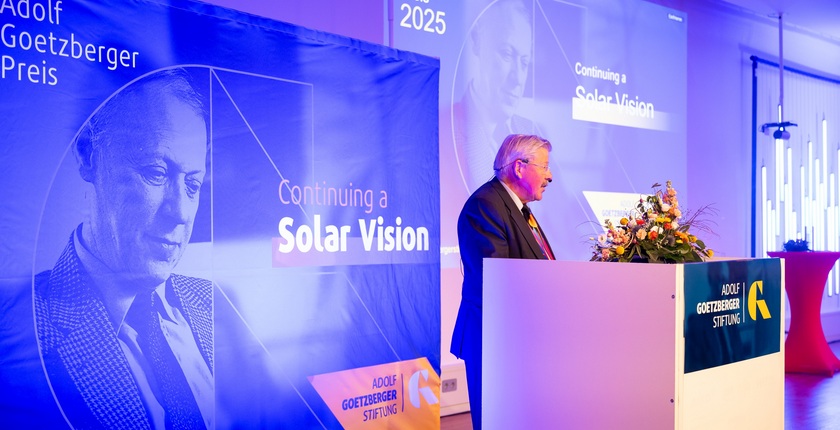
Adolf Goetzberger Award 2026: Apply with innovative solar solutions and win EUR 25,000

The Adolf Goetzberger Award, which recognizes innovation in solar, energy storage, smart grids, and power system efficiency, has invited applications for 2026, following a successful debut in 2025. The award once again spotlights developments that combine technological excellence with practical value and societal impact, according to the organizers.

The EUR 25,000 Adolf Goetzberger Award, named after German physicist and solar energy pioneer Adolf Goetzberger, honors individual contributions to forward-looking concepts, prototypes, or processes in photovoltaics, solar thermal energy, energy storage, smart grid integration, and system efficiency. Systemic and cross-disciplinary solutions are expressly welcome, the Adolf Goetzberger Foundation said.

The innovations should make a tangible contribution to sustainable energy system transformation

What matters is that the innovations address real-world technical and economic challenges and make a tangible contribution to the sustainable transformation of the energy system, reads a press release from the foundation, which is dedicated to promoting science and research, environmental protection, and climate action, with a particular focus on solar energy.

The inaugural Adolf Goetzberger Award was handed out in March 2025 to Heribert Schmidt for developing the HERIC® (highly efficient and reliable inverter concept) topology. The 2026 award ceremony will be held next spring.

Awarding innovation that makes the world a better place

“Innovation starts with a clear goal: making the world a better place. That’s the mission behind the Adolf Goetzberger Award. We aim to spotlight solutions that truly move the needle – technologically sound and socially relevant,” said Thomas Nordmann, Chair of the Adolf Goetzberger Foundation Board of Trustees.

This year’s award has an expanded scope

In addition to traditional entries from photovoltaics and solar thermal energy, the award now also invites cross-sectoral approaches, such as the smart combination of multiple technologies, advanced control and automation systems, innovative storage solutions (including power-to-X), the integration of heat pumps, or efficiency improvements in hybrid systems.

The award primarily targets applicants from Europe but is open to international individuals as well. In addition to the EUR 25,000 cash prize, recipients will receive a certificate recognizing their contribution to the energy transition. Applications can be submitted online at Goetzbergerstiftung.de.

Post Views:30
June 27, 2025
by AEA in News

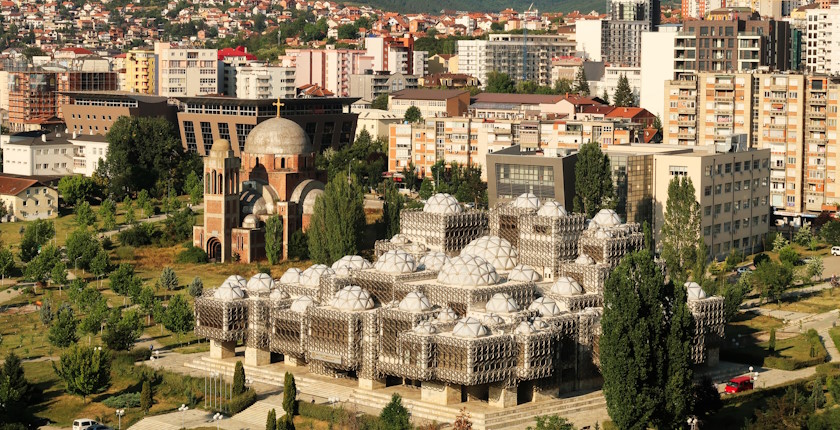
Court ruling brings risk of reversal of power market liberalization in Kosovo*

The Commercial Court in Kosovo* supported the claims filed by one company in a complaint, suspending its obligation to purchase electricity in the free market. The ruling follows protests against the controversial liberalization of the power market for larger firms, which came into force on June 1.

Two old coal-fired power plants in Kosovo* account for 92% of domestic production, which is the highest level in the world. Outages often prompt expensive emergency imports of electricity. Just last week, all operational coal units malfunctioned, while one in Kosovo B has been under reconstruction since last month.

Nevertheless, the authorities pushed through a controversial liberalization of the market for companies with more than 50 employees or an annual turnover of more than EUR 10 million. The measure, which came into force on June 1, led to two large protests. Almost 1,300 firms must purchase electricity in the free market.

However, the Commercial Court in Kosovo* suspended the obligation for REKS in a recent first-degree ruling. The company filed a complaint after it wasn’t allowed to use universal supply. It argued that it faced irreversible financial damage.

KEK signs few commercial power purchase contracts

The designated supplier of last resort is government-controlled Kosovo Energy Corp. (KEK). It is the operator of the Kosovo A and Kosovo B coal plants. Corporate consumers can opt for contracts of up to six months with the supplier of last resort.

KEK said a week ago that 360 such deals have been signed and that another 540 were coming. It only had 16 commercial contracts until that point.

Kosovo Chamber of Commerce claims KESCO is favored in liberalization

In the interpretation of the Kosovo Chamber of Commerce (KCC or OEK), the new court ruling means the entire power market liberalization needs to be suspended.

Conversely, the Energy Regulatory Office (ERO) said that last week the Basic Court of Prishtina rejected the motion that the chamber filed challenging the regulator’s public notice on the matter, which it issued in March.

KCC suggested that KESCO was favored in the switch, citing the lack of offers to consumers from other power suppliers. Dozens of other companies have also filed complaints, it added. The chamber called for a fair and feasible transitional phase and the creation of a clear plan that would ensure the stability for businesses and citizens.

Also of note, the Commercial Court said REKS’s gross income last year amounted to just EUR 6.5 million.

In other news, the opposition Democratic Party of Kosovo (PDK) said it would challenge ERO’s decision at the Basic Court because of the potential increase in electricity prices due to the liberalization.

Post Views:46
* This designation is without prejudice to positions onstatus and is in line with UNSCR 1244/99 and the ICJ Opinion on the Kosovo declaration of independence.
June 27, 2025
by AEA in News

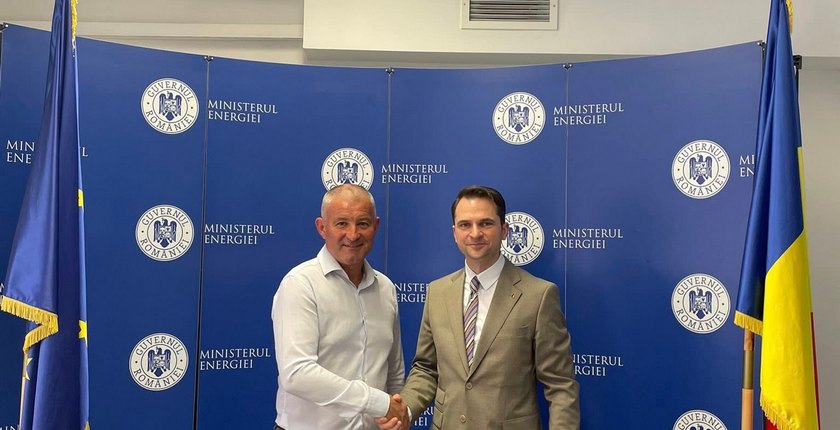
Grants for public institutions’ solar projects in Romania top EUR 500 million

The Romanian Ministry of Energy has signed 29 more grants to public entities for investments in solar power plants for self-consumption, bringing the total number of projects under the program to 1,046. The latest round of grants is worth EUR 11.3 million, putting the total sum approved so far at EUR 502 million.

The 29 grants, financed from the European Union’s Modernisation Fund, will help build solar power plants with a total installed capacity of 9.13 MW at schools, hospitals, city halls, and other institutions across Romania. It brings the total installed capacity supported under the program to over 403 MW, according to a press release from the Ministry of Energy.

The latest batch of projects puts the total planned capacity at over 403 MW

In many cases, installed renewable capacities cover up to 70% of the energy needs of public institutions, the ministry noted.

Romania’s outgoing Minister of Energy Sebastian Burduja hailed the program as a “paradigm shift,” noting that Romania was already in a new energy era, with local communities no longer just consumers, but active participants.

“Over the past two years, the Ministry of Energy has consistently provided support to local public authorities that understood the importance of investing in energy production for their own consumption. We have made funds available, simplified procedures, and worked side by side with beneficiaries so that the projects move forward quickly,” Burduja stated in a Facebook post.

The latest round of contracts covers public entities in 18 counties across the country: Arad, Argeș, Bacău, Brăila, Călărași, Constanța, Dâmbovița, Galați, Brașov, Gorj, Hunedoara, Maramureș, Mehedinți, Olt, Sibiu, Suceava, Teleorman, and Timiș.

The number of contracts has increased from 633 in March

In March, the ministry said it had signed 633 contracts, worth a combined EUR 339 million, of which EUR 294 million was from the Modernisation Fund. Total planned capacity at the time was 237.4 MW.

Post Views:44
June 26, 2025
by AEA in News

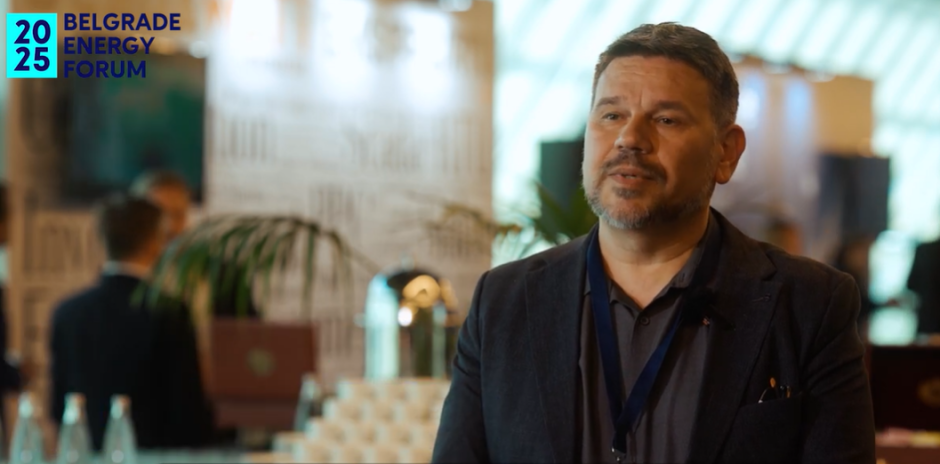
Hitachi Energy: Game-changing solutions for a sustainable energy future

Hitachi Energy, a global leader in energy technology, develops system solutions and offers products and services that actively contribute to sustainable energy and a better future, Igor Anđelković, the company’s Country Marketing and Sales Leader in Serbia, said at Belgrade Energy Forum 2025. Game-changing technologies for high-voltage grids and transportation, along with solutions for renewables integration, support decarbonization efforts and deliver added value to both clients and local communities.

Multinational company Hitachi Energy, a silver sponsor of the BEF 2025 conference, is present in the Southeast Europe region through its Balkan Cluster, which covers seven markets – Albania, Bosnia and Herzegovina, Montenegro, Croatia, Kosovo*, North Macedonia, and Serbia.

[wpcc-iframe title=”Igor Andjelkovic, Country Lead Serbia, Hitachi Energy at the Belgrade Energy Forum 2025″ width=”500″ height=”281″ src=”https://www.youtube.com/embed/KVbO8HI5oLk?feature=oembed” frameborder=”0″ allow=”accelerometer; autoplay; clipboard-write; encrypted-media; gyroscope; picture-in-picture; web-share” referrerpolicy=”strict-origin-when-cross-origin” allowfullscreen=””]

Inspiring the next era of sustainable energy

Since 2010, Hitachi Energy has implemented eco-efficient solutions for high-voltage grids of up to 550kV. The company’s innovative and eco-efficient EconiQ® high-voltage portfolio applies revolutionary technology free of sulfur hexafluoride (SF6) and proven to significantly reduce carbon footprint throughout the life cycle.

The high-voltage EconiQ® roadmap demonstrates the scalability of this technology, which allows customers and industry to quickly transition to eco-efficient solutions.

Photo (Hitachi Energy): Hitachi Energy has implemented eco-efficient solutions for high-voltage grids of up to 550kV

Now more than ever, pioneering technologies like EconiQ are needed to advance a sustainable energy future, says Anđelkovic.

Efficient renewables integration

In the renewable energy segment, Hitachi Energy offers a range of substation solutions that help to efficiently integrate renewable energy into the transmission grid and distribution network. This includes grid connection solutions for all types of renewables power plants.

Hitachi solutions are used in a large number of wind projects in Southeast Europe

The major projects in Southeast Europe, completed or in the implementation phase, which use Hitachi Energy’s technology are wind farms Pupin and Crni Vrh in Serbia, Gvozd in Montenegro, Komanje Brdo and Ivan Sedlo in Bosnia and Herzegovina, and Pometeno Brdo and Korlat in Croatia.

Photo (Hitachi Energy): Hitachi Energy offers a range of substation solutions that help to efficiently integrate renewable energy into the transmission grid and distribution network

Driving transportation and energy towards carbon neutrality

Hitachi Energy is also committed to decarbonizing the transportation sector. Its revolutionary ‘grid-to-plug’ electric vehicle charging system, called Grid-eMotion® Fleet, is a smart mobility solution that enables operators to efficiently scale up their operations and is expected to contribute to sustainable society for millions living in urban areas.

Grid-eMotion® Fleet marks a game-changing shift from a charger-product based approach to a charging-system based approach, which helps to accelerate the future of smart mobility.

Hitachi Energy has been pioneering EV charging solutions since 2013, when it first introduced innovative flash-charging eBus solutions in Geneva and Nantes.

Advanced technologies for smart airports

With its innovative solutions, Hitachi Energy has made significant advancements in air traffic as well, with the development of smart airports being one of its key innovations. This includes advanced technologies such as artificial intelligence (AI), video analytics, and 3D LiDAR to improve the passenger experience and improve airport operational efficiency.

Hitachi Energy also helps airport to decarbonize and become more sustainable with its electrification and digitization solutions.

Post Views:37
* This designation is without prejudice to positions onstatus and is in line with UNSCR 1244/99 and the ICJ Opinion on the Kosovo declaration of independence.
June 26, 2025
by AEA in News

Greece to rely on carbon price, renewables potential in green hydrogen development

Despite early efforts to develop green hydrogen and its first regulatory framework, Greece finds itself on a steep curve.

The government has presented the first law on hydrogen and renewable gases in parliament. At the same time, refineries and other industries are working on projects that will determine green hydrogen’s cost-effectiveness.

However, a significant obstacle is the government’s unwillingness to support the new technology, either through subsidies or other financial instruments. The Ministry of Environment and Energy has specified that no upcoming technology would benefit from public funds. The goal is to maintain a low cost for the consumer during the energy transition.

According to Professor Pantelis Kapros from the National Technical University of Athens (NTUA), it means hydrogen will have to rely almost exclusively on the price of carbon. As the European Union’s European Trading System (EU ETS) is about to enter its second phase in 2026, the price of carbon allowances is projected to rise steeply.

Even so, market participants estimate that a ton of carbon dioxide equivalent would need to cost EUR 140, two times more than today, to make green hydrogen competitive against grey hydrogen, which is produced from natural gas.

Exports and power prices added to the equation

Regardless, Greece sees an opportunity to produce and export green hydrogen. The reason is its high renewables potential and production. The ever-increasing photovoltaic capacity has caused an overabundance of energy during the day. More demand is needed to balance the system and hydrogen can provide a way out.

Tsafos: We want to become a supplier

The hope is that the low renewable energy cost, combined with potential interest in shipping hydrogen abroad, will justify long-term investments.

“Our view is that as long as the market is interested, we want to become a supplier,” Deputy Minister of Environment and Energy Nikos Tsafos said at the Hydrogen & Green Gases Forum in Athens.

A potential problem is that green hydrogen plants are not expected to be viable if they only produce during the day, when renewable energy prices are usually lower. “Ten hours of operation are not enough to support producers and there are also technical issues to solve,” said Dimitris Kardomateas, head of the Center for Renewable Energy Sources and Saving (CRES).

He also pointed to the average daily wholesale power price, as it is higher in Greece than in most other European markets. It should be noted that electricity makes up about 70% of the total operating cost of electrolyzers.

Biomethane considered more mature

On the other hand, biomethane is considered much easier to develop.  The technology depends less on power prices and also faces fewer technical hurdles. “Biomethane has a clear role, especially through its ability to enter the gas network, and we want to utilize it”, said Tsafos.

Gas distribution company Enaon EDA emphasized its readiness to include biomethane in its network. Its CEO Barbara Morgante noted that a study is underway to pinpoint the various existing and planned biomethane production plants around the country, as well as their proximity to Enaon’s network.

Biomethane is usually obtained by processing biogas to get methane of the same purity as in fossil gas. The renewable fuel can also be produced from clean hydrogen and CO2.

Post Views:30
June 25, 2025
by AEA in News

WISE Serbia mentorship program successfully completed: trust, support, and personal growth

The first mentorship program of the WISE Serbia women’s network, focusing on sustainable energy, the green economy, and climate action, and implemented with the support of German development cooperation GIZ, was successfully concluded with an event held in Belgrade. Over six months of intensive collaboration, seven mentor-mentee pairs built mutual trust, exchanged knowledge, and developed leadership potential, demonstrating the vital role of support in career development.

The WISE Serbia mentorship program brought together 14 remarkable women. Seven experienced leaders from the energy and environmental sectors shared their extensive knowledge with seven young network members in the early stages of their careers.

The mentorship pairs included:

  1. Maja Adamović, Director of the Transmission System Maintenance Division at Serbia’s electricity transmission system operator Elektromreža Srbije (EMS), and Jelena Perović, ESG Consultant at Deloitte Advisory d.o.o.;
  2. Ivona Milić, Senior ESG Specialist for Corporate Clients at Raiffeisen Bank, and Marija Rošulj, Credit and Environmental Risk Officer at ProCredit Bank;
  3. Maja Turković, Executive Vice President at CWP Europe, and Marina Arsenijević, Project Manager at Voltiza Inc.;
  4. Aleksandra Lukić, Chief Engineer in the thermal energy production department at municipal heating utility JKP Novosadska toplana in Novi Sad, and Bojana Petrović Raičević, Senior Specialist for Energy and Environmental Law at NIS a.d. Novi Sad;
  5. Svetlana Cerović, Head of Specialized Financing at UniCredit Bank, and Ana Minić, Technical Consultant for Renewable Energy and Energy Efficiency at MACS Energy & Water;
  6. Ankica Barbulov, Director of Negawatt Solutions, and Milica Vujošević, Energy Efficiency Manager at Delta Holding;
  7. Nataša Zdravković, Investment Manager at Ezpada Group, and Sara Ostojić, Lawyer at SOG a.o.d. in cooperation with Kinstellar.

The closing event was held in partnership with and under the patronage of Kinstellar, one of the leading law firms in Belgrade, operating across Central and Eastern Europe, Southeastern Europe, and Central Asia.

Founded in 2008, Kinstellar now operates in 12 countries and employs more than 300 lawyers. In Serbia, it is particularly recognized for its work in the energy and infrastructure sectors, advising on some of the region’s largest energy investments, including wind farms, mining projects, and renewable energy transactions.

Photo (Balkan Green Energy News): Radovan Grbović, Partner at Kinstellar, welcomes program participants

One of the mentees, Sara Ostojić, is an attorney at Kinstellar and Head of the Energy Sector in Serbia. She expressed great satisfaction that her firm was hosting the closing event.

Radovan Grbović, partner and attorney with over 20 years of experience, addressed the participants, emphasizing the importance of mutual support and a stronger role for women in sustainable energy and the green transition.

Mentorship is about sharing life experience

The program’s outcomes were presented by Nataša Vukmirović, professional mentorship coach from the International Institute for Coaching and Mentoring, who highlighted that the program’s goals had been fully achieved. She noted that strong relationships of trust had been built and that most participants had expressed a desire to continue engaging in similar initiatives.

“Through evaluation and facilitation of joint sessions, I had the opportunity to witness meaningful knowledge exchange and feel the power of support, trust, and shared learning. The program demonstrated that developmental mentoring is a valuable approach in the sustainable energy and green economy sectors and can significantly impact participants’ career development,” said Vukmirović.

According to her, the program goes beyond education—it is based on values that empower individuals and protect the common good. This is echoed in the positive experiences of participants.

Marija Rošulj emphasized that her positive experience with Ivona Milić inspired her to become a mentor herself. “Mentorship is not just about work, but about a person’s character and sharing life experience, not just professional experience.”

The pair plans to continue working together and develop a joint project beyond the formal program.

Photo: (Balkan Green Energy News) mentorship pair Marija Rošulj, ProCredit Bank, and Ivona Milić, Raiffeisen Bank

“One of the things I appreciated most was that my mentor helped me achieve a deeper reflection on my career path and supported the development of my emotional intelligence and effective communication,” said Ana Minić, whose mentor was Svetlana Cerović, last year’s recipient of the Female Leader in Sustainable Energy 2024 award.

Photo (Balkan Green Energy News): Ana Minić, MACS Energy & Water

Mutual learning – the heart of the program

Mentors noted the process was reciprocal, and that through working with young women, they carried out a kind of introspection of their career paths. “It was especially interesting to identify what made me successful, which I could share with Milica, who also works in renewables and energy efficiency. I tried, by talking about my career, my development path, my ups and downs, to identify the golden thread that has kept me afloat and thanks to which I can say that I am doing well in business today,” said Ankica Barbulov, co-founder and director of Negawatt Solutions and the first to introduce the ESCO financing model in Serbia.

Mentee Milica Vujošević said that her mentor was an inspiration and that working with her was a great honor.

Photo (Balkan Green Energy News): Mentorship pair Milica Vujošević, Delta Holding, and Ankica Barbulov, Negawatt Solutions

Aleksandra Lukić, Chief Engineer and one of the first women in the thermal energy production department at heating utility JKP Novosadska Toplana, emphasized that she and her mentee, Bojana Petrović Raičević, are very different and that this was a strength in their relationship.

“At first, I wondered how I could help someone from a completely different profession. I’m a mechanical engineer, and Bojana is a lawyer. But our differences allowed for deeper exchange, not only about careers but also life values, work-life balance, and personal development. In the end, I think we both gained more than we expected.”

Bojana added: “Aleksandra helped me clarify my goals and map out a plan for my career, both short-term and long-term steps. I’m grateful she was my mentor.”

Photo (Balkan Green Energy News): Mentorship pair Aleksandra Lukić, JKP Novosadska Toplana, and Bojana Petrović Raičević, NIS

Maja Adamović, Director at Elektromreža Srbije, saw the program as an opportunity to learn and improve future programs. She highlighted progress in strengthening women’s networks in the energy sector, citing the launch of the Women in Energy section within CIGRE Serbia as a great example of women’s growing interest in connection, empowerment, and collective impact.

Photo (Balkan Green Energy News): Maja Adamović, Elektromreža Srbije

Maja Turković, Executive Vice President of CWP Europe and co-founder of WISE Serbia, also served as a mentor. “Marina and I worked on identifying her potential in line with her education, interests, and labor market trends, as well as on shaping her career profile. I think we have defined a direction for her professional development and competencies she can further build on,” said Turković, adding she would gladly be a mentor again.

Marina Arsenijević, her mentee, said the program came at the right time: “After this program, I’m more aware of who I am and what I want to do in the next five or ten years.”

Photo (Balkan Green Energy News): Mentorship pair Maja Turković, CWP Europe, and Marina Arsenijević, UGT Renewables

Throughout the program, mentors generously shared knowledge, experiences, and insights, while mentees showed openness to learning and a willingness to build their leadership capacities. All mentors expressed great satisfaction with participation in the program, highlighting mutual learning as one of its most valuable aspects.

The WISE Serbia program demonstrated how important mentorship is for women’s professional and personal development in green industries. Through experience-sharing, knowledge transfer, and mutual support, participants not only strengthened their capacities but also contributed to creating a strong community of women working on a more sustainable and equitable future.

Post Views:38
June 25, 2025
by AEA in News

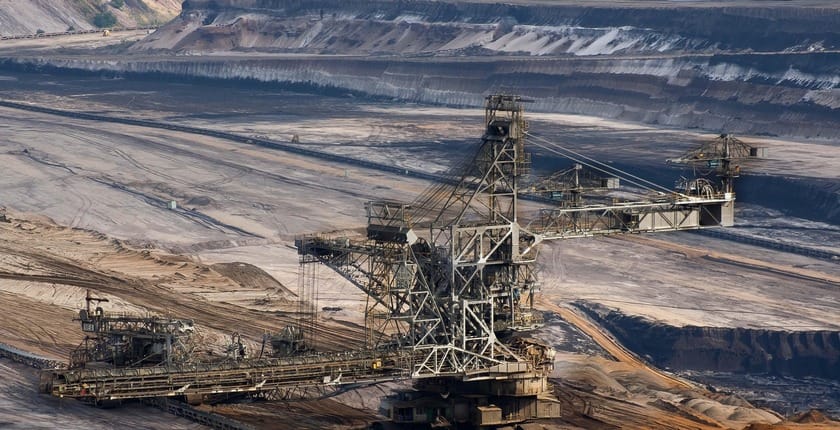
Turning abandoned coal mines into PV plants could boost global solar capacity by 15%

Building photovoltaic plants on abandoned open-pit coal mines could add nearly 300 GW of new solar worldwide, equivalent to 15% of the current global capacity, according to a survey by Global Energy Monitor (GEM). Greece and three Western Balkan countries are among the global leaders in projects to build solar at abandoned coal mines.

It shows that over 300 open-pit coal mines recently out of commission could house around 103 GW of photovoltaic capacity, while upcoming closures of 127 large operations could host an additional 185 GW of solar. Nearly all abandoned coal mines and upcoming closures covered by the survey are in close proximity to existing grid infrastructure, including substations and transmission lines.

The 15% increase in solar capacity could cover the electricity needs of Germany

GEM estimates that this 15% increase in the global solar capacity would be roughly enough to meet the annual electricity consumption of a country like Germany. The report also notes that coal mine to solar conversion is a practice that aligns land reclamation with clean energy goals and local job creation.

GEM recalls that in 2024, total solar capacity additions in the world reached a record 599 GW, with more than 2 TW of utility-scale projects currently under development.

GEM: China is the global leader in coal-to-solar transition

China is the global leader in coal-to-solar conversion, with 90 projects already operational, totaling 14 GW, and 46 more in the pipeline, with a combined capacity of 9 GW, according to GEM’s survey. Australia has 2.7 GW of announced projects, followed by the United States, with about 1.3 GW of announced projects and as much in the pre-construction phase.

In Europe, Greece leads the way, with 1.44 GW of announced projects and 550 MW in the pre-construction phase, while Germany has a total of 868 MW, of which 20% are already operating and 75% are in the pre-construction phase, according to GEM’s data.

In the Western Balkans, North Macedonia has 100 MW of projects under construction and another 100 MW announced, followed by Bosnia and Herzegovina, with 115 MW in the pre-construction phase, and Serbia, with 97 MW of announced projects.

GEM’s survey covered only open-pit coal mines decommissioned in the last five years and those whose closure is expected by the end of 2030.

However, according to announcements from developers and grid operators, several large-scale PV projects on coal land have already been completed in the region tracked by Balkan Green Energy News.

In Greece, the capacity in operation is nearing 1 GW. In North Macedonia, a part of the REK Oslomej coal power complex is now home to three solar power plants, with a total capacity of 140 MW, while in Serbia, the 9.75 MW Petka PV plant is about to go online.

Post Views:38
  • 1
  • …
  • 81
  • 82
  • 83
  • 84
  • 85
  • …
  • 140

AEA – Albania Energy Association is a industry association dedicated to representing the interests of Albanian and West Balkan for energy producers and consumers. AEA works to advance the development and adoption of sustainable energy solutions in Albania and the Western Balkans, supporting the region’s transition toward a cleaner, more secure, and more competitive energy future. AEA is registered by decision of the Court of Tirana, DECISION NO. 3032, (VAT:L11827451K).

[email protected]

Address
Blv Zogu 1
Tirana
1057
ALBANIA

LinkedIn  |  Facebook
Events
May 25, 2022 Connecting Green Hydrogen Europe 2022
May 25, 2022 Energy Week Western Balkans 2022
Copyright © Albania Energy Association