AEA-Albania Energy Association
  • Main
  • About Us
  • Services
  • Sectors
  • News
  • EventsEvents
  • PublicationPublication
  • Contact Us
AEA-Albania Energy Association
  • Main
  • About Us
  • Services
  • Sectors
  • News
  • EventsEvents
  • PublicationPublication
  • Contact Us
AEA-Albania Energy Association
  • Home Page
  • About Us
  • Sectors
  • Our Services
  • News
  • Contact Us
January 27, 2026
by AEA in News

Slovenia opens its first highway solar power plant

Slovenia’s road management firm Družba za Avtoceste v Republiki Sloveniji has installed a solar power plant on a noise barrier alongside a highway. It is the first such photovoltaic system in the country.

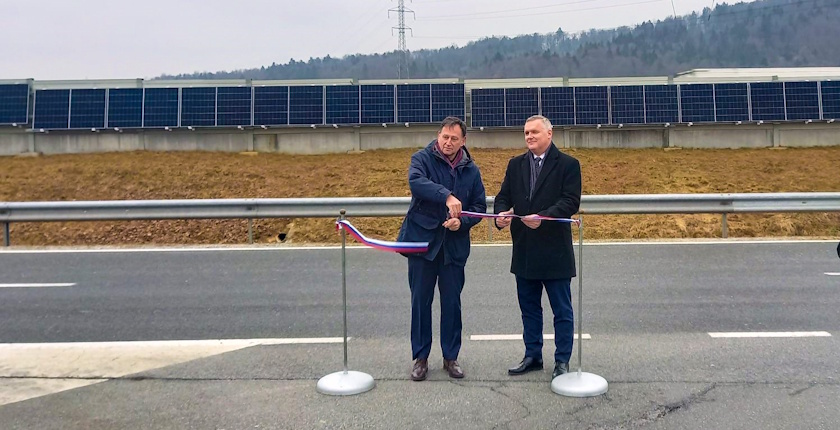
Družba za avtoceste v Republiki Sloveniji (DARS) has officially opened its first photovoltaic plant on a noise barrier at the Šmarje Sap West rest area. It is about ten kilometers from Ljubljana on the motorway connecting the Slovenian capital and Zagreb.

According to DARS, the project is part of a series of activities to achieve the company’s strategic goals in sustainable development, decarbonization, and efficient energy use.

The firm announced the development of such projects in July 2023. A pioneering idea in the region, it was later followed by Bosnia and Herzegovina, Montenegro, and Croatia.

Ribič: An example of thoughtful siting of renewable power plants

The opening ceremony was attended by the Chairman of the Management Board of DARS Andrej Ribič, Minister of the Environment, Climate and Energy Bojan Kumer, representatives of the contractor – Solvera Lynx, and representatives of distribution system operator Elektro Ljubljana.

Andrej Ribič stressed that the project is significant for electricity production but also as an example of thoughtful siting of renewable energy power plants without impacting traffic safety or routine highway maintenance.

The electricity generated by the PV system will be used for DARS’s own consumption, including public lighting and tunnel systems, he explained. This will ensure greater energy independence and more rational management of the energy system, Ribič added.

DARS plans to continue building PV plants

In line with its strategy, DARS aims to gradually reduce energy consumption from the grid and lower CO2 emissions in scopes 1 and 2. By 2030, the goal is to reduce energy consumption and carbon emissions by 30% from the 2024 levels, according to the firm.

Based on its revised strategy, DARS adopted several energy measures in 2024. They included the establishment of an energy department and the implementation of the first phase of solar installations across its five facilities, with a total capacity of 420 kW.

These plants can cover approximately 2% of the company’s annual electricity consumption.

DARS intends to further expand its solar energy projects. The plan includes building bigger plants in degraded areas and more PV systems on buildings and along highway tunnels.

The electricity produced would primarily power lighting and other road systems to ensure the safe and smooth operation of the motorway network, the company added.

Careful site selection for solar plants is crucial

In July 2023, DARS and state-owned hydropower operator Soške Elektrarne Nova Gorica (SENG) announced plans to build solar power plants along highways.

The first one was planned in the Slovenian Littoral and Coastal-Karst area. However, the new solar power plant is not located there.

The two firms later established similar cooperation with the Ministry of Defense and the Municipality of Vipava.

Solar energy use is expanding all over the planet. Experts warn that the optimal siting of PV panels is crucial to avoid occupying large areas of arable land or harming the environment. Therefore, the best solution is to install solar panels in locations that cannot be used for other purposes, such as alongside railways and roads, or on rooftops.
Post Views:61
January 27, 2026
by AEA in News

Montenegro’s EPCG signs contract for Otilovići small hydropower plant

Montenegro’s Elektroprivreda Crne Gore signed a contract today with Vigoris Ecotech for the construction of the Otilovići small hydropower plant near Pljevlja, in the northern part of the country.

The agreement between state-owned power utility Elektroprivreda Crne Gore (EPCG) and Vigoris Ecotech is for project design, construction, the delivery and installation of electro-mechanical equipment, testing, and commissioning, on a turnkey basis.

The contract, worth EUR 6.8 million excluding VAT, was concluded following an open tender, according to the update. The project involves the installation of two units with horizontal Francis turbines, with a total installed capacity of 3.2 MW. The planned annual production is 11 GWh.

The Otilovići SHPP is a priority in hydropower development

In July 2023, EPCG obtained urban planning and technical requirements for the project. At the time, the company said it worked two years on the documentation and announced that it would soon launch a tender.

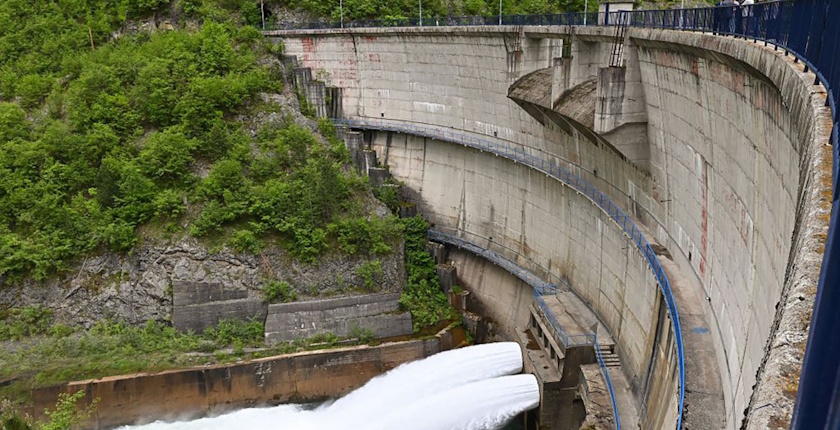
montenegro epcg vigoris shpp otilovici dragas visnjic dam
Photo: EPCG

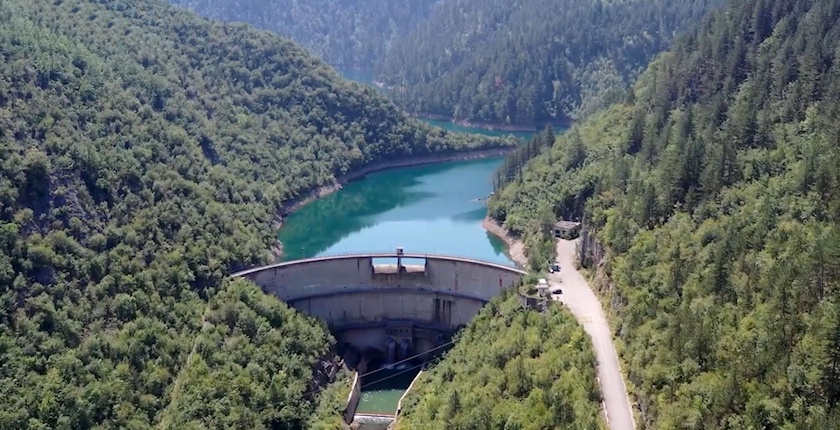
The small hydropower plant (SHPP) will utilize surplus water from an existing reservoir on the Ćehotina river. The facility is used for the needs of the Pljevlja thermal power plant and to supply drinking water to Pljevlja.

EPCG said Otilovići has been recognized as a priority hydropower project within the strategic plans of both the company and Montenegro.

Dragaš: Strengthening production stability and flexibility

EPCG CEO Zdravko Dragaš stressed that SHPP Otilovići represents another step in the company’s investment plan and the strengthening of domestic production capacities.

The contract confirms EPCG’s development orientation toward investing in reliable, sustainable, and domestic energy sources, with the full application of modern standards and procedures, he added.

“The Otilovići SHPP is a project that adds new value to Montenegro’s energy system and strengthens our overall production stability and flexibility,” Dragaš underscored.

Višnjić: We aim to deliver a solution that justifies trust

According to Vigoris Ecotech CEO Siniša Višnjić, the project’s implementation will be guided by high standards of quality and safety, with strictly defined deadlines and obligations.

“Our goal is to deliver a solution that justifies EPCG’s trust, from the main design to the final testing and commissioning,” Višnjić stressed.

Post Views:50
January 27, 2026
by AEA in News

Concession agreement signed for 50 MW Vlašić wind farm in BiH

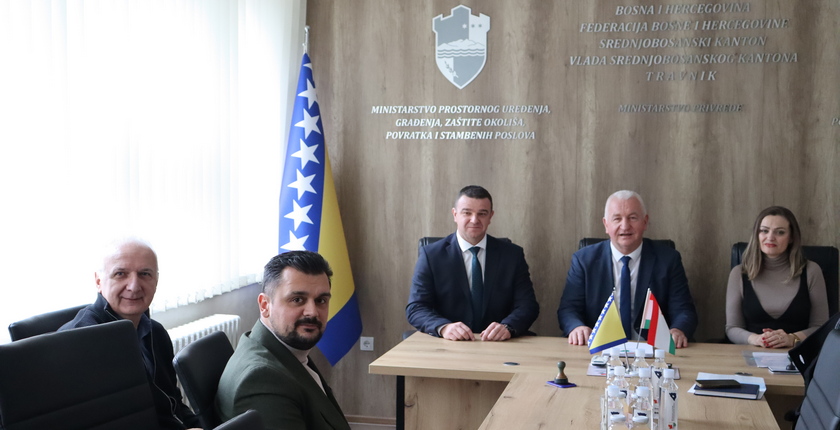
State-owned power utility Elektroprivreda Bosne i Hercegovine (EPBiH) and the Central Bosnia Canton have signed a concession agreement for the Vlašić wind farm near Travnik, along with annexes to the concession agreements for solar power plants Gračanica 1 and Gračanica 2 in the municipality of Bugojno.

The Vlašić wind farm will have up to nine wind turbines with a total capacity of 50 MW, installed at an elevation of 1,850 meters. The projected annual electricity output is between 112 GWh and 116 GWh, and the investment is estimated at EUR 90 million, according to a statement by EPBiH.

Wind farm Vlašić is expected to generate up to 116 GWh of electricity annually

Germany’s KfW Development Bank is providing a loan and grants for the project totaling EUR 38.43 million, and the Council of Ministers of Bosnia and Herzegovina, the country’s central government, adopted draft agreements for the arrangement in late December 2025.

The concession agreement, signed by EPBiH General Manager Sanel Buljubašić and Minister of Economy of the Central Bosnia Canton Sedžad Milanović, covers the construction, operation, and maintenance of the Vlašić wind power plant, reads the statement.

The first wind farm in Bosnia and Herzegovina, Mesihovina, was inaugurated in 2018, followed by Jelovača in 2019 and Podveležje in 2021.

Last year, wind farms Ivovik and Ivan Sedlo were put into operation. In addition, EPBiH plans to build a 90 MW wind park called Bitovnja, while Elektroprivreda Republike Srpske (ERS), the state-owned power utility of the Republic of Srpska, has reactivated the 60 MW Hrgud wind farm project.

Bosnia and Herzegovina consists of two entities: the Republic of Srpska and the Federation of BiH, which controls EPBiH.

Solar plants Gračanica 1 and Gračanica 2 will have a total capacity of 45 MW

The statement recalls that the Gračanica 1 and Gračanica 2 solar power plants would have a combined capacity of 45 MW and notes that a building rights agreement was concluded in December 2025. It also states that activities related to grid connection are currently underway, alongside procedures concerning land expropriation and repurposing.

EPBiH has secured loans for the project from the European Bank for Reconstruction and Development (EBRD) and UniCredit Bank’s subsidiary in BiH. The sites are at a rehabilitated tailings dump of the Gračanica coal mine.

As part of the EPBiH Solar Transition Programme, implemented in cooperation with the EBRD, the state-owned power utility plans to build 13 solar power plants with a total capacity of around 195 MW.

Post Views:46
January 27, 2026
by AEA in News

Montenegro’s landfill gas power plant entering electricity market

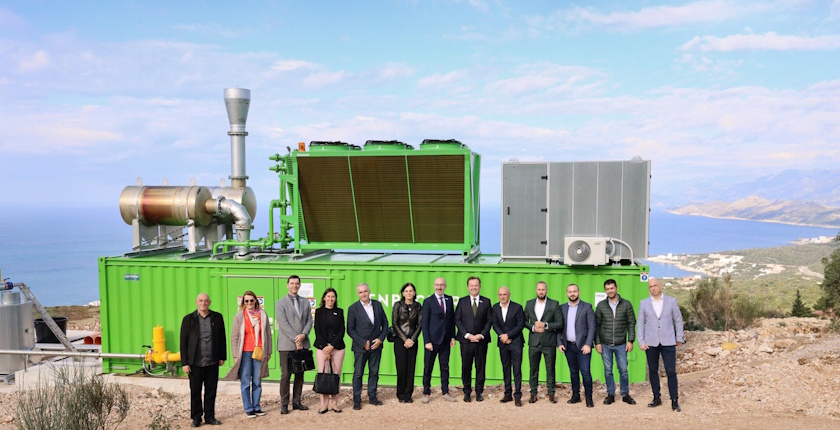
The first landfill gas power plant in the Western Balkans is in test operation, at the Možura landfill in Montenegro. The eponymous, municipally-owned operator has issued calls for maintenance and the selection of an intermediary for the sale of electricity.

The project in the Možura regional landfill for the power plant utilizing biogas from waste is worth EUR 1.8 million. Montenegro is conducting the investment in cooperation with the Centre for International Cooperation and Development (CMSR) of Slovenia. The 0.99 MW facility was built last year and put into trial operation in December. It is the first in the Western Balkans.

Municipal utility Možura has issued public calls for the maintenance of the power plant and the selection of an intermediary for the sale of electricity. The firm estimates annual output of 7.5 GWh and envisages a 95% uptime. The landfill is near the Adriatic coast in the country’s far south.

Deadline for maintenance tender expires on February 6

The maintenance tender is open until February 6. The public enterprise intends to sign a four-year framework agreement with the selected bidder. The first contract, lasting one year, is valued at EUR 149,900, with another EUR 31,479 for value-added tax. The entire allocated sum then translates to EUR 599,600 alongside EUR 125,916 in VAT.

The eligible applicant has built and commissioned at least one system for the production of electricity from landfill gas of at least 500 kW.

As for the entry into the market, the selected company will be an intermediary in the placement of the produced electricity at the organized market – the power exchange. The contract will last until the end of the year.

Every bidder must be a member of the exchange and have at least three active contracts of the same kind with renewable energy producers, according to the documentation. The conditions include a minimum income of EUR 800,000 in the previous business year. The intermediary assumes the balancing responsibility.

Bids will be received by January 26 at noon, when they will be opened, Možura said.

Slovenia covered third of expenses

The Slovenian Environmental Public Fund (Eco Fund or Eko sklad) has donated EUR 681,800 for the landfill gas power plant. The Environmental Protection Fund (Eco Fund) of Montenegro has paid EUR 50,000 for the project design and its revision.

Landfill gas is extracted from waste in so-called sanitary tubs. An earlier study showed that methane accounts for 50%. Austrian company Jenbacher supplied the equipment.

The power plant is connected to the power distribution system. Možura is the destination for municipal waste from Montenegro’s entire coastal area except for the city of Herceg Novi. Next to the landfill is an eponymous wind power plant.

Montenegrin Prime Minister Milojko Spajić said two weeks ago that Itochu from Japan was interested in the project for a municipal waste incinerator in the capital Podgorica, of up to 50 MW.

In the territory of Belgrade, the capital city of neighboring Serbia, concessionaire Beo čista energija is building a landfill gas power plant. According to the project, the facility in the Vinča complex will consist of two equal units totaling 3.2 MW in electricity capacity and 5.8 MW for thermal energy.

Post Views:67
January 27, 2026
by AEA in News

Croatia prepares first bioeconomy strategy

The Government of Croatia has adopted the Draft Bioeconomy Strategy until 2035, which foresees investments of EUR 200 million.

The draft bioeconomy strategy until 2035 will provide a strategic planning framework for intensive sector development and contribute to the economic and social development of the country, according to the Government of Croatia.

The strategy defines the bioeconomy as all sectors and systems that rely on biological resources – animals, plants, microorganisms, and biomass from these sources, including organic waste.

The sectors of agriculture, forestry, fisheries, aquaculture, and the production of food, beverages, and tobacco are fully included in the bioeconomy, the document reads.

Of note, back in 2018 the European Commission has put forward an action plan to develop a sustainable and circular bioeconomy.

The strategy has two goals

Deputy Prime Minister and Minister of Agriculture, Forestry, and Fisheries David Vlajčić pointed out that the strategy defines the vision for the development of the bioeconomy. It will be achieved by 2035 through interventions, strategic projects, and activities, he explained.

The strategy has two strategic goals – the development of sustainable production and raw material markets and the increase of added value in the bioeconomy, the government said.

The achievement of the strategic goals will be financed by funds from European financial programs, co-financed by the state budget, Vlajčić added.

According to the minister, EUR 199 million is envisaged for the implementation of the strategy for the period from 2025 to 2027. For the period from 2028 to 2035, the financial framework would be defined later.

The draft envisages the construction of biomass distribution centers

To achieve the strategic goals, various mechanisms would be used, Vlajčić stressed.

These include the construction of biomass distribution centers, regulating the use of waste sludge, encouraging the construction and modernization of capacities in bioeconomy sectors, promoting the production of packaging from recycled materials, bio-based and biodegradable plastics, and conducting research and innovation related to the bioeconomy.

The strategy should also increase the utilization of by-products, residues, and waste from production and processing in the agriculture, forestry, and fisheries sectors and stimulate the biomass market.

The government adopted a decision on October 13 to initiate the development of the bioeconomy strategy by 2035. The Ministry of Agriculture, the Ministry of Economy and Sustainable Development, the Ministry of Science and Education, and the Ministry of Regional Development and European Union Funds have cooperated in the production of the draft.

Post Views:200
January 27, 2026
by AEA in News

Guarantees of origin: turning renewable ambition into action

Author: Naida Hausmann, Lead of the Renewable Energy Taskforce, Energy Community Secretariat

Far from being mere certificates, guarantees of origin (GOs) underpin the entire renewable energy value chain – building trust and accountability among producers, businesses and consumers. By ensuring transparent tracking of green electricity and enabling cross-border recognition, GOs can accelerate decarbonisation across the EU and the Energy Community, helping Europe achieve its climate targets. Mutual recognition between the EU and the Energy Community would open regional markets, attract investment, and give consumers and businesses a tangible role in the energy transition.

A guarantee of origin (GO) certifies that one megawatt-hour (MWh) of electricity was generated from renewable sources. It provides a transparent chain of information about where and how electricity was produced, allowing consumers and companies to claim the renewable origin of the electricity they use, even if they draw it from a mixed grid.

In the European Union, the national systems for guarantees of origin are well established. Cross-border transfer of certificates is enabled through the Association of Issuing Bodies (AIB), helping to build confidence among suppliers and buyers alike.

As part of the Energy Community regional project, nearly all issuing bodies have now established national electronic registries for issuing GOs

In the Energy Community, similar systems are advancing rapidly, laying the groundwork for a fully integrated regional market for renewable electricity. As part of the Energy Community regional project, nearly all issuing bodies have now established national electronic registries for issuing GOs.

Work is ongoing to finalise disclosure rules, with the goal of fully aligning these systems with EU legislation and requirements. Once fully aligned, these systems can enable seamless cross-border trade in renewable electricity – bringing the Energy Community a step closer to the EU’s internal energy market.

Empowering consumers and corporates

GOs transform energy consumers from passive users into active participants in the energy transition. When a household subscribes to a “100% renewable” tariff, or when a company purchases GOs to match its electricity use, it signals clear market demand for renewable generation. This demand translates into investment: it strengthens developers’ business cases, supports project financing, and helps accelerate the construction of new renewables capacity.

Moreover, when GOs are sold separately from electricity, they provide an additional revenue stream for developers, making projects more financially viable.

For corporates, GOs have become an essential tool to meet sustainability and reporting obligations and demonstrate that their electricity consumption is renewable. GOs therefore form the backbone of corporate energy procurement strategies and sustainability claims, particularly when coupled with long-term power purchase agreements (PPAs).

Naida Hausmann Guarantees of origin GOs turning renewable ambition into action features

Why mutual recognition matters

Under the EU’s Renewable Energy Directive, GOs can only be mutually recognised with third countries once a formal agreement is concluded – a requirement that carries significant implications. For the Energy Community contracting parties, such recognition would effectively link their systems with the EU market for renewable attributes, allowing renewable energy producers to access European buyers and investors.

Importantly, such recognition would also catalyse other mechanisms that drive the uptake of renewables, enabling regional PPAs, enhancing liquidity and sending stronger investment signals. For investors and utilities alike, a unified GO market reduces risk, increases price transparency and ensures that renewable attributes are valued consistently across borders.

For investors and utilities alike, a unified GO market reduces risk, increases price transparency and ensures that renewable attributes are valued consistently across borders

In the Energy Community region, where access to capital remains a barrier to the deployment of renewables, this is not a minor issue – it is a gateway to unlocking the private investment needed to meet regional and European decarbonisation goals.

The Energy Community Secretariat, together with the European Commission, has been advancing a decision for mutual recognition. Once in place, it will allow certificates issued in the Energy Community to be traded and recognised within the EU, provided they meet equivalent standards of reliability and verification.

Criteria for recognition

Beyond the technical criteria for establishing and maintaining a system of guarantees of origin by national competent authorities, including membership in the AIB, the draft decision on the mutual recognition of guarantees of origin, as presented by the European Commission, sets out additional requirements. These include criteria for the transposition and implementation of the acquis communautaire on electricity and renewable energy.

The Energy Community Secretariat is expected to support the assessment of compliance and monitor implementation. Together, these criteria aim to establish a credible and transparent framework for mutual recognition, ensuring that GOs issued across the region are reliable and can be confidently traded.

Way forward

With almost all issuing bodies in Energy Community contracting parties having operationalised electronic registries for GOs, the focus should now shift to implementing robust disclosure rules and meeting the remaining criteria for mutual recognition. Ensuring alignment with EU legislation and participating in the AIB will be essential to create a transparent and trusted system, unlocking cross-border trade, investment and market confidence in renewable electricity.

Issuing bodies in Albania, the Republic of Srpska (Bosnia and Herzegovina), Georgia, Kosovo*, North Macedonia, Montenegro, Serbia, and Ukraine have operationalised their registries. The issuing body in Moldova has signed an agreement with a service provider and is expected to operationalise its registry by the end of 2025, while the only issuing body without an electronic registry remains that of the Federation of BiH.

Conclusion

GOs translate environmental ambition into measurable progress toward decarbonisation. They give visibility to renewable electricity, credibility to corporate climate action and empower consumers with choice and the ability to participate in the clean energy transition. For the Energy Community and the European Union alike, mutual recognition of GOs would mark a practical and symbolic step toward a truly integrated European renewables market – one where clean electricity, investment and trust flow freely across borders.

By turning certificates into confidence and ambition into action, GOs can help bridge the remaining gap between policy objectives and market reality, ensuring that the path to decarbonisation is both transparent and inclusive.

January 23, 2026
by AEA in News

US firm eyes construction of three gas-fired power plants in BiH

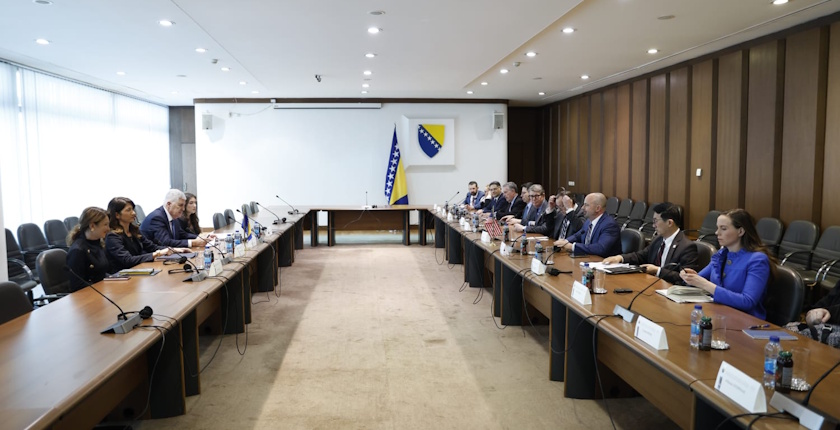
A US company is interested in building three gas-fired power plants in Bosnia and Herzegovina, according to Dragan Čović, First Deputy Speaker of the House of Peoples of the Parliamentary Assembly of BiH.

The natural gas power plants would be connected to the planned Southern Gas Interconnection and the liquefied natural gas (LNG) terminal in Krk, Croatia, Dragan Čović explained in an interview with Avaz.

The Southern Gas Interconnection is a project designed to provide BiH with an alternative natural gas supply. The country currently relies on Russian gas delivered via Serbia, while the new pipeline would secure imports from the Croatian LNG terminal. The interconnection has been in development for many years, but construction has yet to begin.

Čović revealed that the power plants would be built in the Mostar area, central Bosnia, and in Tuzla. He expressed the belief that the interconnection is crucial for BiH, arguing it would ensure the country’s long-term energy and political stability.

Čović spoke with Bechtel’s representatives

Because the pipeline passes through areas with a majority Croat population, the project is also of strategic interest to the Croat people in BiH, added Čović, who is also the president of the Croatian Democratic Union of Bosnia and Herzegovina (HDZ BiH).

Čović recently met with representatives of US construction company Bechtel and the United States Trade and Development Agency (USTDA), which provides financing and technical support for international projects. Bechtel is currently being considered as a potential contractor for the pipeline’s construction.

He met with Justin Siberell, Bechtel’s President for Regions and Corporate Relations, and Sam Kwon, the USTDA’s General Counsel.

AAFS Infrastructure and Energy also visited BiH

The guests from the US also met with Acting President of the Republic of Srpska Ana Trišić-Babić and Minister of Energy, Mining and Industry of the Federation of BiH Vedran Lakić. FBiH and the Republic of Srpska are the two entities making up BiH.

Earlier, representatives of US-based AAFS Infrastructure and Energy also visited the country. According to Čović, the company is expected to receive a 30-year concession to manage the gas pipeline through BiH.

He explained that the three proposed power plants were included in the letter of intent that the firm sent to BiH authorities. The US partners’ plans extend far beyond the construction of the pipeline, he added.

A broader geopolitical dimension

Čović expressed the belief that these investments would carry a significant geopolitical dimension, claiming that if the US invests somewhere, that region is protected. This is demonstrated by the policy of President Donald Trump around the world, he added.

Čović dismissed claims that HDZ BiH is hindering the construction of the gas pipeline due to disagreements with Bosniak officials about project details. It is in the strategic interest of the Croat people to implement it, he stressed.

Of note, the Republic of Srpska has also announced plans to build gas-fired power plants and a new gas interconnection with Serbia.

Post Views:59
January 23, 2026
by AEA in News

North Macedonia’s MEMO power exchange starts work with BSP on intraday segment launch

North Macedonia’s National Electricity Market Operator – MEMO signed an agreement with the Slovenian BSP Energy Exchange for the provision of trading platforms and a clearing platform. The deal marked the start of work on the introduction of the intraday electricity market by mid-year. It is part of efforts toward North Macedonia’s integration into the single European electricity market.

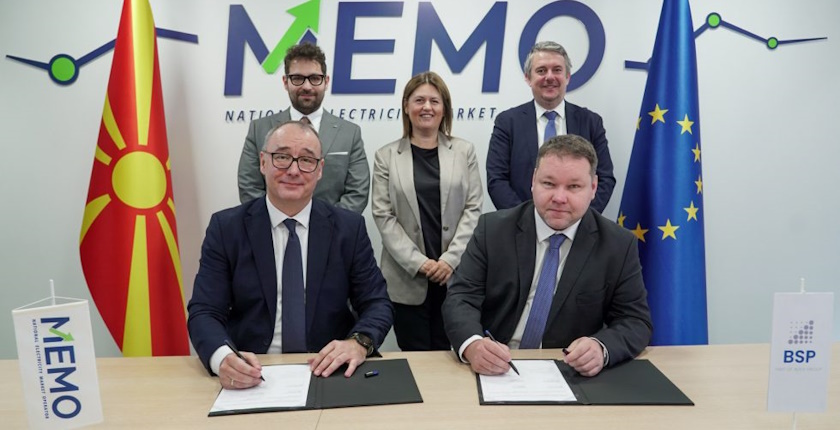
North Macedonia’s National Electricity Market Operator – MEMO has selected Slovenia’s BSP Energy Exchange to provide trading platforms and a clearing platform for the day-ahead and intraday segments. Chief Executive Officer of MEMO Zoran Gjorgjievski signed the agreement today with Chairman of the Management Board of ADEX and CEO of BSP Anže Predovnik.

Their cooperation has been expanding since the launch of North Macedonia’s day-ahead power market on May 10, 2023. Through partnership, the intraday segment is expected to be established by mid-year, the officials noted.

Commitment to transparent, reliable, efficient market

MEMO pointed out that the deal is aimed at enhancing the functionality of the organized electricity market and preparing it for integration with the single European market.

“This agreement represents a continuation of the cooperation with BSP and EPEX SPOT, and an important step in the development of the Macedonian power exchange, as well as in strengthening its technical and institutional readiness for market integration with the European Union. Partnering with a renowned exchange such as BSP and EPEX SPOT, with whom we have already established cooperation based on trust and proven results, confirms our commitment to a transparent, reliable and efficient market,” Gjorgjievski stated.

The representatives of MEMO and BSP kicked off the preparations for the launch of the intraday segment

He added that following the signing, activities to establish the intraday market officially began at a kickoff meeting with BSP’s representatives. It is expected to become operational by the end of the second quarter of 2026, the CEO recalled.

“The establishment of the intraday market is of crucial importance for greater flexibility and efficiency in electricity trading, particularly in conditions of increased participation of renewable energy sources. It enables market participants to timely adjust their positions and significantly contributes to the reduction of imbalances,” Gjorgjievski said.

Predovnik: Strategically important step

MEMO and North Macedonia took a strategically important step, Predovnik underscored.

“The signing of the contract for the establishment of the intraday electricity market and the implementation of the project to be completed in Q2 2026 mark an important milestone in the country’s integration into the European electricity market. With clear and ambitious guidance, and the strong support of the responsible minister and the ministry, North Macedonia continues to make convincing progress on its path towards full integration into the European electricity market – recognized both in the region and across the EU. The high-performing MEMO and BSP / EPEX SPOT teams, together with the minister and the ministry’s support, provide a powerful and clear guarantee that North Macedonia will be among the first countries in the region to join the single European electricity market,” he said.

Direct benefit for market participants as well as energy stability

North Macedonian Minister of Energy, Mining and Mineral Resources Sanja Božinovska attended the signing of the agreement.

Božinovska stressed the role of the intraday market in flexibility, use of renewables and risk reduction.

“With such concrete projects, we are building market stability, transparency and competitiveness. The ministry actively and continuously supports the institutional and technical readiness of market operators. Our goal is clear – a functional, secure, and European-aligned electricity market. The intraday market brings greater flexibility, improved management of renewable energy sources, and a reduction of systemic risks. This represents a direct benefit both for market participants and for the country’s overall energy stability,” Božinovska stated.

BSP Energy Exchange (BSP Southpool) is wholly owned by ADEX Group, created in a merger with its Serbian counterpart SEEPEX. In December 2024, ADEX completed a merger with the Hungarian Power Exchange (HUPX).

Post Views:42
January 23, 2026
by AEA in News

Greece adds 340 MW of wind farms in 2025, acceleration seen for this year

New wind capacity came in at 340 MW in Greece last year, with 76 onshore turbines installed, according to the Hellenic Wind Energy Association (HWEA or ELETAEN).

Installations increased by 6.4% on an annual scale and represented EUR 420 million in investment. Total wind capacity reached 5,695 MW in the country, with HWEA expecting a 900 MW rise in 2026.

Papastamatiou: 2 GW await connection

Based on these numbers, the wind sector appears to be going through rebirth, after several years of low to average installations. Currently, 1.1 GW of new projects are under construction or contracted and the majority is expected to come online within the next 18 months.

Added on top are 200 MW from previous auctions, which took place during the period 2018-2022. HWEA said that even though 1,592 MW was awarded, only 852.4 MW managed to connect to the grid by the end of 2025.

“Right now, about 2 GW of wind farms have an installation license, but have not been completed. Half of those are under construction or contracted. There are also 3 GW who have completed environmental licensing and await grid connection terms. Naturally, there are even more projects that go through the licensing jumble. All of them – especially the most efficient – constitute national wealth and can reduce energy costs for consumers,” said HWEA’s General Director, Panagiotis Papastamatiou.

Terna Energy and Vestas top the charts

The top 5 operators by capacity in Greece are Terna Energy (18.2%), MORE (13.6%), Iberdrola Rokas (7.2%), Principia (6.5%) and PPC Renewables (5.6%).

Vestas has the highest share among manufacturers, 44%. Enercon accounts for 25%, followed by Siemens Gamesa with 15.8% and Nordex, which is at 9.2%.

Notably, the day with the highest hourly wind share in power production was April 28, 2025, when wind farms supplied 97.2%. In total, these units covered more than 50% of the demand for 616 hours of the year.

Post Views:58
January 23, 2026
by AEA in News

Energy Community Secretariat seeks expert for its Centre for Renewables Acceleration

The Energy Community Secretariat, with support from the Open Society Foundations Western Balkans, is seeking a senior-level delegated expert with a thorough understanding of renewable energy planning processes and permitting workflows to support the operation of the secretariat’s Centre for Renewables Acceleration.

The role will establish effective communication and partnerships with institutions, stakeholders, businesses, and municipalities across the Western Balkan contracting parties, according to the announcement.

It will include drafting key policy documents, supporting contracting parties to identify priorities and support needs, and developing a scaleup plan for the center’s activities, including pilot projects and framework improvements.

Experts interested in participation can write to the Energy Community Secretariat and request the tender documentation.

The deadline for submission is February 14 at 10:00 CET.

In its LinkedIn post about the tender, the secretariat asked readers to tag someone who they think would be a great fit, or to leave a comment for a bigger reach. “Help us support renewables acceleration in the Western Balkans!” it added.

Post Views:43
  • 1
  • …
  • 11
  • 12
  • 13
  • 14
  • 15
  • …
  • 140

AEA – Albania Energy Association is a industry association dedicated to representing the interests of Albanian and West Balkan for energy producers and consumers. AEA works to advance the development and adoption of sustainable energy solutions in Albania and the Western Balkans, supporting the region’s transition toward a cleaner, more secure, and more competitive energy future. AEA is registered by decision of the Court of Tirana, DECISION NO. 3032, (VAT:L11827451K).

[email protected]

Address
Blv Zogu 1
Tirana
1057
ALBANIA

LinkedIn  |  Facebook
Events
May 25, 2022 Connecting Green Hydrogen Europe 2022
May 25, 2022 Energy Week Western Balkans 2022
Copyright © Albania Energy Association