by in News

Davos: China reaffirms green agenda as US slams EU’s net-zero goal

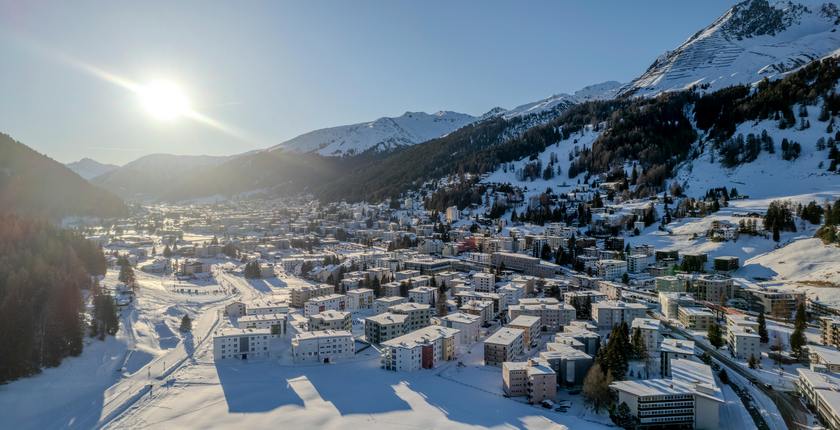
At the World Economic Forum (WEF) in Davos, China reiterated its commitment to green development, in contrast to the United States, whose secretary of commerce said America should rely on oil and gas instead of pursuing a green transition and criticized the European Union’s (EU) net-zero target. US President Donald Trump, for his part, described the energy transition as a “scam” that caused an energy collapse in Europe.

Speaking at the WEF Annual Meeting 2026 in Davos, Switzerland, Chinese Vice Premier He Lifeng emphasized China’s resolve to reduce its greenhouse gas emissions, adding that the country’s upcoming five-year plan would keep the focus on green growth fueled by solar, batteries, and electric vehicles (EVs).

China’s Vice Premier urged other countries to help combat emissions

He also urged other nations and foreign companies to collaborate with China on creating “a green and prosperous future.”

“We invite enterprises from all over the world to embrace the opportunities from the green and low-carbon transition, and work closely with China in such areas as green infrastructure, green energy, green minerals, and green finance,” He said in a speech at Davos.

In contrast, US Commerce Secretary Howard Lutnick criticized the EU’s solar and wind development, as well as its net-zero goal, adding that the green transition is not something the US should pursue. Lutnick also said that the world should focus on coal as an energy source rather than renewables, according to reports.

In January 2025, President Donald Trump signed executive orders reversing much of the previous administration’s climate policy and withdrawing the US from the Paris Agreement once again.

US Commerce Secretary claims seeking net zero without battery production would make the EU subservient to China

“Why are you going to do solar and wind? Why would Europe agree to be net zero in 2030 when they don’t make a battery? So, if they go 2030, they are deciding to be subservient to China, who makes the batteries,” Lutnick said.

“Why would the US, which has oil and natural gas, try to convert to all-electricity? China does not have oil and natural gas – electricity and electric cars make perfect sense to them,” Lutnick said at a WEF panel.

According to news agencies, Lutnick’s harsh criticism of Europe at a VIP dinner on Tuesday made European Central Bank President Christine Lagarde walk out of the event.

Trump slams “the green new scam” and claims China sells wind turbines to others, but does not build its own wind farms

For his part, Trump also criticized the EU’s transition to renewables, claiming that the US had avoided “the catastrophic energy collapse which befell every European nation that pursued the green new scam.” He also described the green transition as “perhaps the greatest hoax in history.”

In his speech in Davos, the US president claimed that wind farms “lose money” and that China only sells wind turbines without building any wind farms itself.

“They sell them to the stupid people that buy them. They don’t use them themselves,” Trump said, adding that China has only built a “couple of wind farms” in order to “show people what they could look like.”

According to available data, China has the largest wind power capacity in the world, at around 600 GW.
by in News

Davos: China reaffirms green agenda as US slams EU’s net-zero goal

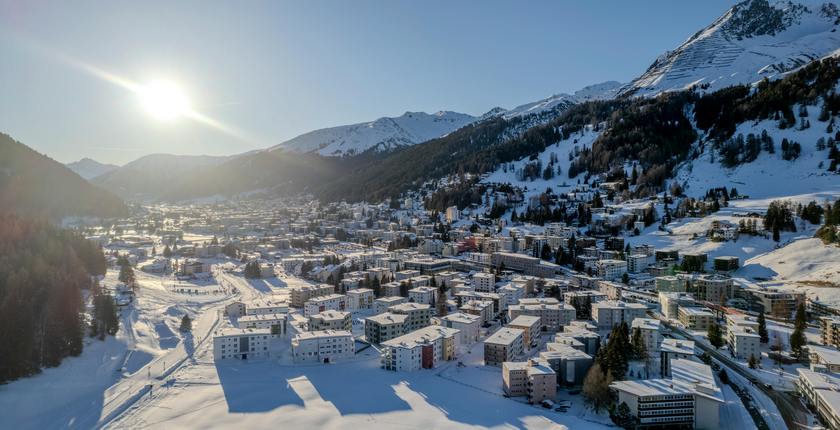
At the World Economic Forum (WEF) in Davos, China reiterated its commitment to green development, in contrast to the United States, whose secretary of commerce said America should rely on oil and gas instead of pursuing a green transition and criticized the European Union’s (EU) net-zero target. US President Donald Trump, for his part, described the energy transition as a “scam” that caused an energy collapse in Europe.

Speaking at the WEF Annual Meeting 2026 in Davos, Switzerland, Chinese Vice Premier He Lifeng emphasized China’s resolve to reduce its greenhouse gas emissions, adding that the country’s upcoming five-year plan would keep the focus on green growth fueled by solar, batteries, and electric vehicles (EVs).

China’s Vice Premier urged other countries to help combat emissions

He also urged other nations and foreign companies to collaborate with China on creating “a green and prosperous future.”

“We invite enterprises from all over the world to embrace the opportunities from the green and low-carbon transition, and work closely with China in such areas as green infrastructure, green energy, green minerals, and green finance,” He said in a speech at Davos.

In contrast, US Commerce Secretary Howard Lutnick criticized the EU’s solar and wind development, as well as its net-zero goal, adding that the green transition is not something the US should pursue. Lutnick also said that the world should focus on coal as an energy source rather than renewables, according to reports.

In January 2025, President Donald Trump signed executive orders reversing much of the previous administration’s climate policy and withdrawing the US from the Paris Agreement once again.

US Commerce Secretary claims seeking net zero without battery production would make the EU subservient to China

“Why are you going to do solar and wind? Why would Europe agree to be net zero in 2030 when they don’t make a battery? So, if they go 2030, they are deciding to be subservient to China, who makes the batteries,” Lutnick said.

“Why would the US, which has oil and natural gas, try to convert to all-electricity? China does not have oil and natural gas – electricity and electric cars make perfect sense to them,” Lutnick said at a WEF panel.

According to news agencies, Lutnick’s harsh criticism of Europe at a VIP dinner on Tuesday made European Central Bank President Christine Lagarde walk out of the event.

Trump slams “the green new scam” and claims China sells wind turbines to others, but does not build its own wind farms

For his part, Trump also criticized the EU’s transition to renewables, claiming that the US had avoided “the catastrophic energy collapse which befell every European nation that pursued the green new scam.” He also described the green transition as “perhaps the greatest hoax in history.”

In his speech in Davos, the US president claimed that wind farms “lose money” and that China only sells wind turbines without building any wind farms itself.

“They sell them to the stupid people that buy them. They don’t use them themselves,” Trump said, adding that China has only built a “couple of wind farms” in order to “show people what they could look like.”

According to available data, China has the largest wind power capacity in the world, at around 600 GW.
by in News

EPCG, Masdar sign cooperation agreement

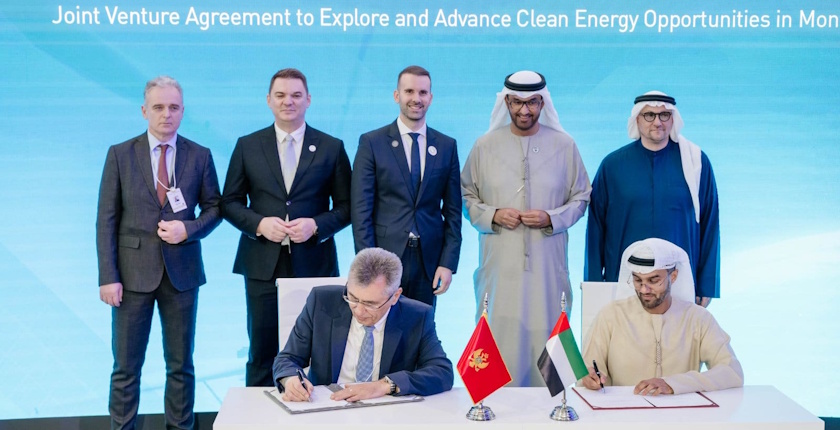
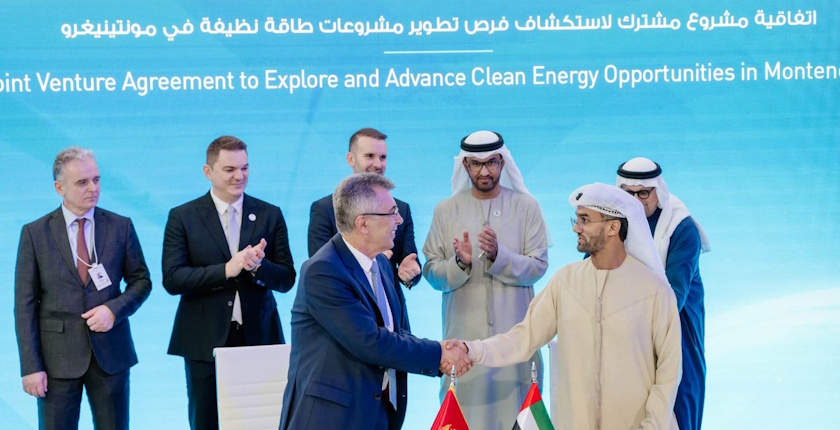
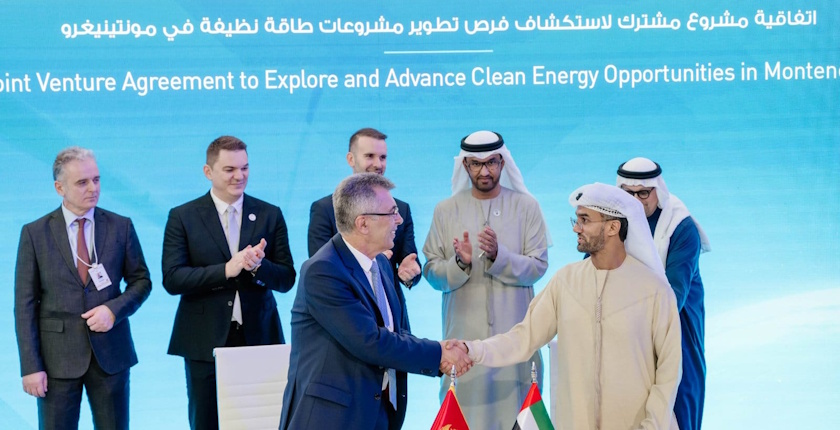
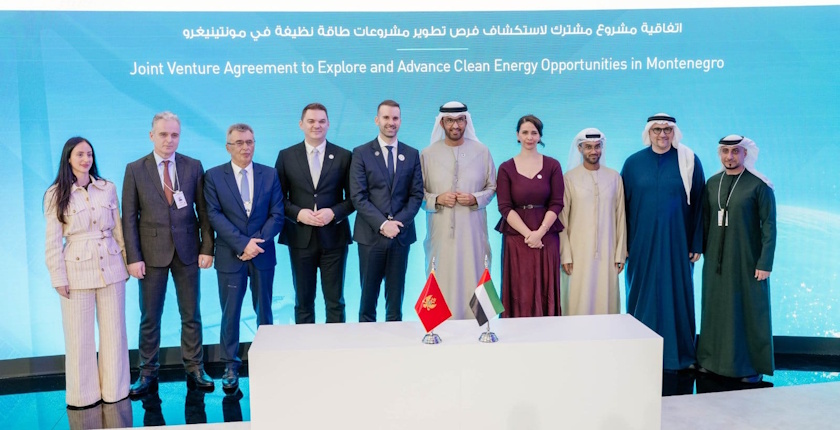
Montenegro’s power utility Elektroprivreda Crne Gore and UAE-based Masdar today signed a cooperation agreement on the sidelines of Abu Dhabi Sustainability Week.

Elektroprivreda Crne Gore (EPCG) said its agreement with Masdar sets the framework for future cooperation in the development of solar and wind projects, as well as other sustainable energy solutions, including the exchange of knowledge and experience and opportunities for joint investments.

The agreement further confirms EPCG’s strategic commitment to actively contribute to the energy transition, strengthen energy security, and support the sustainable economic development of Montenegro through partnerships with global leaders, the update reads.

Abu Dhabi Sustainability Week (ADSW) is a global forum dedicated to the energy transition, climate solutions, and sustainable development.

The agreement was signed during an official visit of the Montenegrin delegation to the United Arab Emirates, led by Prime Minister Milojko Spajić.

Đukanović: Historic agreement

Milutin Đukanović, President of EPCG’s Board of Directors, praised the agreement as historic and its strategic significance for the long-term development of Montenegro’s energy sector.

He stressed that partnering with a renowned company represents a strategic positioning of Montenegro in the modern energy environment and an important step in diversifying energy sources.

montenegro epcg masdar agreement adsw spajic djukanovic
Photo: EPCG

“In the context of the introduction of the CBAM mechanism, it is necessary to accelerate investments in energy, because along with strong development of domestic projects, cooperation with leading international partners is key to faster sector development and greater national competitiveness. Energy development represents a historic opportunity for Montenegro that we must not miss,” Đukanović stressed.

According to EPCG CEO Zdravko Dragaš, the signing of the agreement represents an important advancement in the development of Montenegro’s energy sector and a strong signal of the trust of a renowned global partner in Montenegro’s potential.

Dragaš: Montenegro to become a reliable exporter of green energy

“Our common goal is for Montenegro, in addition to meeting its own consumption, to become a reliable exporter of green energy to the region and beyond, utilizing the existing infrastructure and the country’s strategic position,” Dragaš underscored.

Montenegro and the UAE signed an agreement in November 2025 on cooperation in the energy sector.

Lately, the two countries have had a dynamic relationship in the energy sector. In December of last year, Montenegrin officials and Masdar’s management discussed potential joint projects.

montenegro epcg masdar agreement abu dhabi spajic djukanovic
Photo: EPCG
by in News

EPCG, Masdar sign cooperation agreement

Montenegro’s power utility Elektroprivreda Crne Gore and UAE-based Masdar today signed a cooperation agreement on the sidelines of Abu Dhabi Sustainability Week.

Elektroprivreda Crne Gore (EPCG) said its agreement with Masdar sets the framework for future cooperation in the development of solar and wind projects, as well as other sustainable energy solutions, including the exchange of knowledge and experience and opportunities for joint investments.

The agreement further confirms EPCG’s strategic commitment to actively contribute to the energy transition, strengthen energy security, and support the sustainable economic development of Montenegro through partnerships with global leaders, the update reads.

Abu Dhabi Sustainability Week (ADSW) is a global forum dedicated to the energy transition, climate solutions, and sustainable development.

The agreement was signed during an official visit of the Montenegrin delegation to the United Arab Emirates, led by Prime Minister Milojko Spajić.

Đukanović: Historic agreement

Milutin Đukanović, President of EPCG’s Board of Directors, praised the agreement as historic and its strategic significance for the long-term development of Montenegro’s energy sector.

He stressed that partnering with a renowned company represents a strategic positioning of Montenegro in the modern energy environment and an important step in diversifying energy sources.

montenegro epcg masdar agreement adsw spajic djukanovic
Photo: EPCG

“In the context of the introduction of the CBAM mechanism, it is necessary to accelerate investments in energy, because along with strong development of domestic projects, cooperation with leading international partners is key to faster sector development and greater national competitiveness. Energy development represents a historic opportunity for Montenegro that we must not miss,” Đukanović stressed.

According to EPCG CEO Zdravko Dragaš, the signing of the agreement represents an important advancement in the development of Montenegro’s energy sector and a strong signal of the trust of a renowned global partner in Montenegro’s potential.

Dragaš: Montenegro to become a reliable exporter of green energy

“Our common goal is for Montenegro, in addition to meeting its own consumption, to become a reliable exporter of green energy to the region and beyond, utilizing the existing infrastructure and the country’s strategic position,” Dragaš underscored.

Montenegro and the UAE signed an agreement in November 2025 on cooperation in the energy sector.

Lately, the two countries have had a dynamic relationship in the energy sector. In December of last year, Montenegrin officials and Masdar’s management discussed potential joint projects.

montenegro epcg masdar agreement abu dhabi spajic djukanovic
Photo: EPCG
by in News

Solar power has become dispatchable anytime at low cost

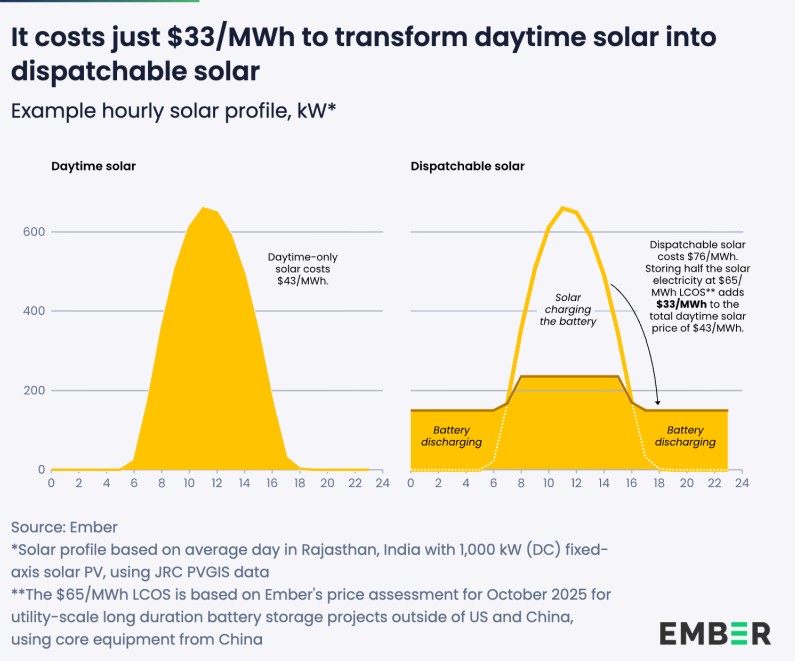
Turning cheap daytime solar electricity into a dispatchable profile results in a total electricity cost of USD 76/MWh, according to the latest analysis by Ember.

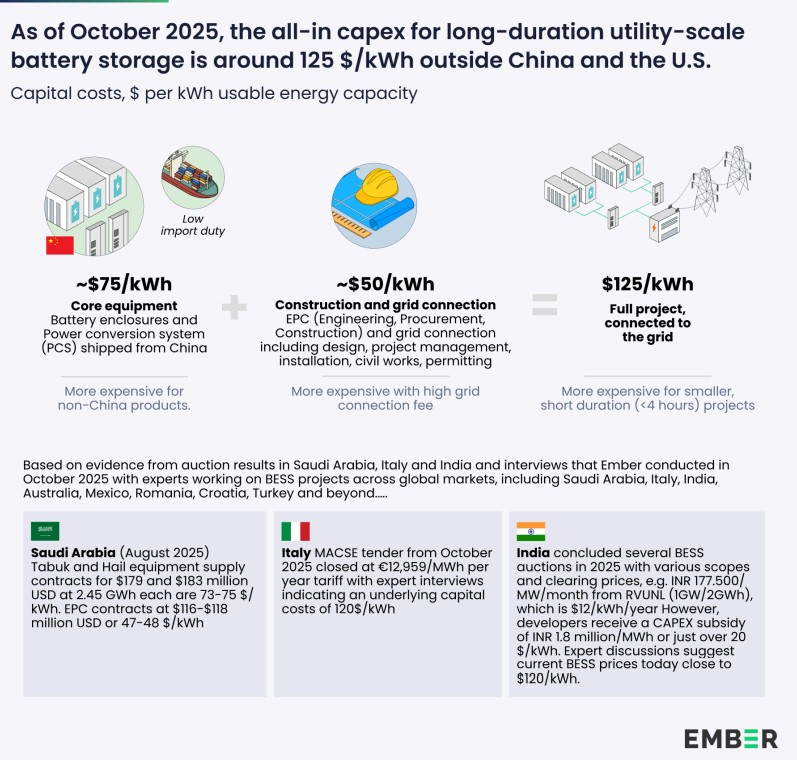
Ember’s assessment of storage costs is based on recent auctions in Italy, Saudi Arabia and India and on expert interviews.

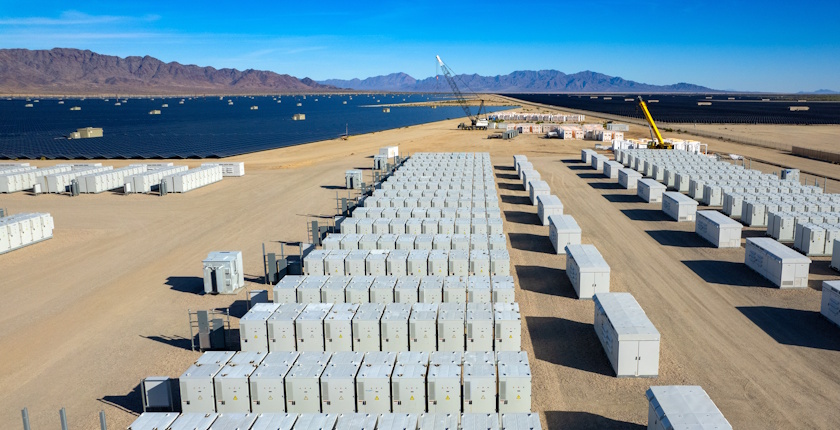
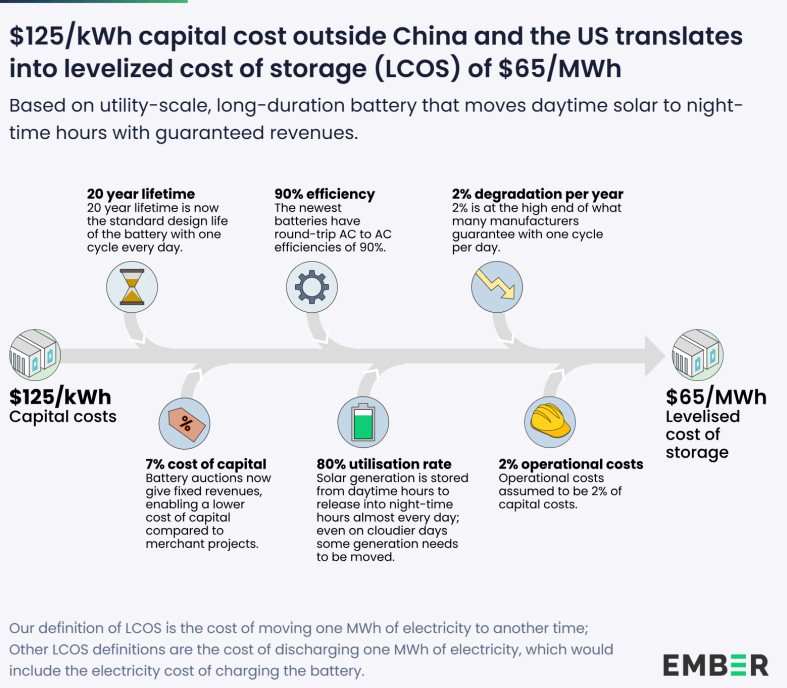
Across global markets outside China and the United States, the total capex to build a long-duration (four hours or more) utility-scale battery energy storage system (BESS) project is around USD 125/kWh, the study reads.

The price combines USD 75/kWh for the core equipment shipped from China and USD 50/kWh to install and connect the battery.

world ember bess energy storage cost capex

The authors of the analysis calculated a levelized cost of storage (LCOS) to be USD 65/MWh.

The metric reflects the cost of shifting one megawatt-hour to another time, such as moving daytime solar to nighttime. It doesn’t include the cost of electricity to charge the battery.

This low LCOS is not only the result of cheaper batteries, given that longer lifetimes, higher efficiencies and lower financing costs thanks to clearer revenue models like auctions have all helped to push the indicator down sharply, according to the analysis.

With the cost of storing electricity at USD 65/MWh, storing 50% of a day’s solar generation for consumption in nighttime hours adds USD 33/MWh to the total cost of solar. The authors used IRENA’s global average price of solar in 2024 of USD 43/MWh.

Delivering constant power every hour of the year requires solar overbuild and more battery storage

Turning this cheap daytime electricity into a dispatchable profile that is closer to an actual demand profile, would therefore result in a total electricity cost of USD 76/MWh, the analysis reads.

The authors stressed that this isn’t the same as baseload solar. Delivering constant power every hour of the year, including cloudy weeks and seasonal lows, requires solar overbuild and more battery storage, they added.

However, shifting half of daytime solar is a major step that aligns solar generation more closely with a typical demand profile, meaning solar can meet a much larger share of the evening and nighttime demand, the authors explained.

world ember bess energy storage cost lcos

Kostantsa Rangelova, ‍Global Electricity Analyst at Ember, pointed out that after a 40% fall in 2024 in battery equipment costs, another major drop is clearly on track in 2025.

“The economics for batteries are unrecognizable, and the industry is only just getting to grips with this new paradigm. Solar is no longer just cheap daytime electricity, solar is now anytime dispatchable electricity. This is a game-changer for countries with fast-growing demand and strong solar resources,” she is convinced.

Cheap batteries will enable solar to meet the majority of global energy growth

world ember bess energy storage cost lcos dispatchable solar

The analysis cited a projection from the IEA’s latest World Energy Outlook that in the next decade, 80% of global energy demand growth would come from regions with high-quality solar irradiation.

For these countries, combining solar with storage is now the most affordable path to meet soaring demand, improve energy security and reduce dependence on fossil fuel imports, according to the analysis.

It is an opportunity to develop clean industries

Dispatchable solar with a price of USD 76/MWh is cheaper and quicker than building a new gas power plant, especially if the country relies on more expensive LNG imports, they stressed.

The authors also pointed out that the installation of BESS could help the development of clean industries.

Even when core BESS equipment is imported, roughly 40% of total project value (about USD 50/kWh out of USD 125/kWh) remains local through engineering, civil works, grid connection and other EPC activities, the analysis reads.

by in News

Croatia initiates project to harness solar energy along highways

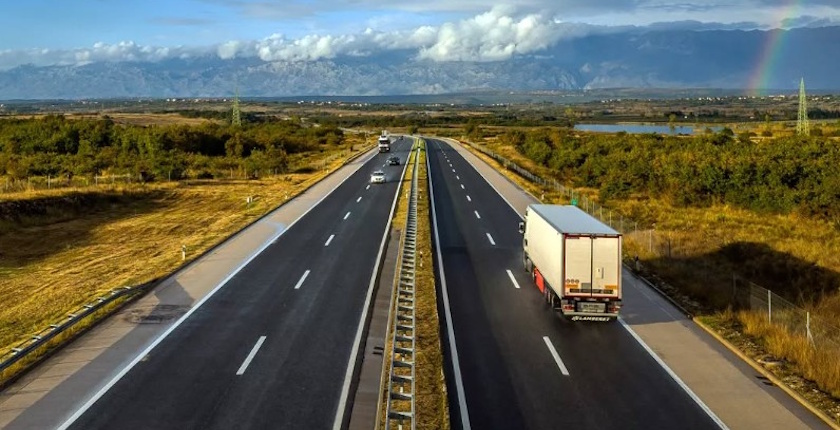
Croatia’s highway management enterprise, Hrvatske Autoceste, is implementing a project for solar power plants along its highways. The company plans to use the electricity for self-consumption and for electric vehicle chargers. It would reduce costs and increase its energy independence.

After a tender procedure, Hrvatske Autoceste (HAC) selected ETS Farago to produce project designs for photovoltaic plants at four locations on the A3 highway. It heads east from the capital Zagreb to the border with Serbia.

The job, covering 36 hectares, should be finished by March 2026. Along with the documentation, the selected company is required to submit an assessment of its advantages and disadvantages.

It would be followed by a techno-economic analysis and, if it is favorable, a tender for the installation of solar panels. It is the final step, expected not before 2027.

Slovenia and BiH have initiated similar projects

Of note, Slovenia and Bosnia and Herzegovina have initiated similar projects. Roadside locations could be a good solution for solar panels, given that such land is unused and alternatives are limited.

ETS Farago is tasked with preparing three versions for each of the four locations: Zagreb Plitvice (2.5 hectares), Rastovica (3.1 hectares), Sredanci (11 hectares), and Ivanja Reka (18 hectares). The first two are next to rest areas, while the other two are at interchanges.

HAC intends to install 259 electric vehicle chargers

The first model is for the production of electricity for self-consumption, with the surplus fed into the grid. Another option is self-consumption including battery energy storage systems (BESS). The third model is the complete sale of all electricity produced in the PV facilities.

The contract is estimated at EUR 11,400 excluding VAT.

HAC previously said that in addition to supplying its own facilities, such as toll booths, traffic maintenance and control centers, and street lighting, its project called solar highways is key to plans for expanding electric vehicle infrastructure.

The company intends to install 259 chargers on roads within five years.

by in News

Montenegro drafts green hydrogen development program with 2026-2028 action plan

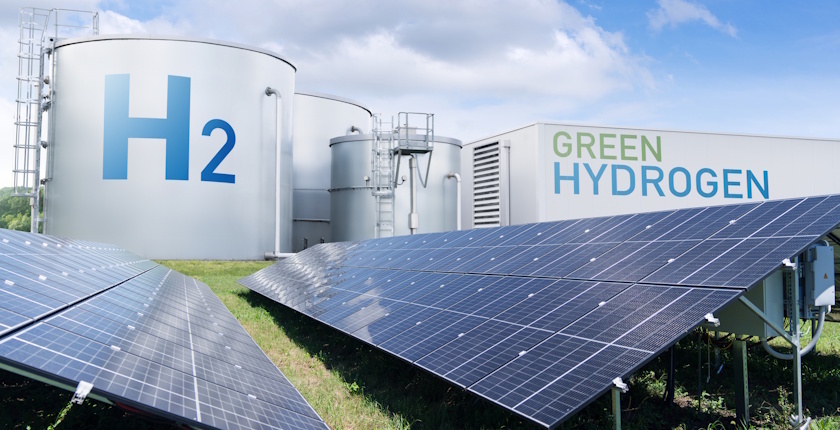
Montenegro has drafted a program for the development of green hydrogen with an action plan for the period 2026-2028 and a strategic environmental impact assessment report.

The public discussion is underway about the draft green hydrogen development program with an action plan for the period 2026-2028 and strategic environmental assessment report. It lasts 20 days from the publication of the public call – November 25.

Green hydrogen is a strategic priority for Montenegro by 2030 as a key energy fuel for transition, decarbonization, and security, the document reads.

The program defines four operational goals

Its use is planned in the energy, transportation, and industry sectors, with production based on excess electricity from wind and solar power plants and the development of grid balancing activity and charging infrastructure in line with the EU regulations, the draft underlines.

The document defines four operational goals.

The first is the establishment of an institutional, regulatory, and standardisation framework for the development of the hydrogen economy. It would include a national hydrogen council.

The plan is to produce a feasibility study with a financial assessment for a green hydrogen pilot project

Strengthening administrative capacity is the second goal. The activities include staff training and the adoption of guidelines and regulatory adjustments by the local authorities in line with the national green hydrogen policy.

The third objective is to plan and develop infrastructure for the integration of green hydrogen. The program envisages the creation and adoption of a national hydrogen infrastructure map, as well as a feasibility study with a financial assessment for a pilot project for the production of green hydrogen.

The final goal is to develop science, innovation, education, and promotion in the field of green hydrogen, for which educational programs at the high school and university levels would be developed.

NECP examined two scenarios for hydrogen

The program aims to increase the competitiveness of the Montenegrin economy and achieve carbon neutrality in line with the Paris Agreement, as well as other EU strategic documents, including the European Green Deal and the New Industrial Strategy for Europe.

The country’s National Energy and Climate Plan (NECP) has outlined two hydrogen scenarios – a moderate one (MH2E) and an ambitious one (AH2E).

Pilot projects are planned by 2030, while investments are estimated at EUR 127 million to EUR 212 million by 2050, according to the NECP.

by in News

Europe’s energy storage capacity to reach 100 GW this year, more than double by 2030

Energy storage in Europe has been expanding rapidly since 2020, with the total installed capacity in the European Union, the United Kingdom, Norway, and Switzerland set to reach 100 GW by the end of November. Pumped hydro storage has the largest share of the existing capacity, 50.6 GW, followed by batteries, with 44.8 GW of operating power, according to an analysis by LCP Delta and Energy Storage Europe.

All energy storage technologies combined are expected to grow by 115%, to 215 GW, by 2030, expanding at a rate of 20 GW to 25 GW per year, according to the report, titled the European Market Monitor on Energy Storage. On November 1, the cumulative figure stood at 99.3 GW.

Battery storage capacity has seen stronger growth than pumped storage hydropower plants this year, with 4 GW of new utility-scale installations, and is projected to expand to 163 GW by 2030.

Battery storage capability is expected to reach 163 GW by 2030

Of the total 44.8 GW of battery capacity, large-scale systems connected to the grid (front of the meter) account for 17 GW, and systems installed on the customer’s side (behind the meter) for 27.8 GW.

According to the report, 18 million homes have a solar system, and four million have battery storage. Residential battery sales are now stabilizing following the 2022-2023 peak, with recovery expected from 2027, supported by a rebounding PV market, rising electrification of homes and transportation, dynamic tariffs, and new financing models.

Europe has 18 million solar homes and four million homes with batteries

Germany has the largest number of home battery systems, 2.1 million, followed by Italy, with 780,000, the UK, with 280,000, Austria, with 200,000, and Belgium, with 160,000.

Jacopo Tosoni, Head of Policy at Energy Storage Europe, hailed energy storage as the fastest-growing clean technology in Europe, with the potential to become the engine of its competitiveness, according to a press release from the association.

Silvestros Vlachopoulos, Energy Storage Research Lead at LCP Delta, said that reaching the 100 GW energy storage capacity marks a key moment for the industry, setting the stage for an even faster renewable energy growth in the coming years.

LCP Delta and Energy Storage Europe believe the energy storage industry is only just getting started and will continue to make a substantial contribution to Europe’s energy transition, according to a press release from the association.

by in News

RE-Source Platform: Number of PPAs in Europe drops by 60%

The number of power purchase agreements in Europe decreased by 60% compared to the same period last year, while contracted capacity has dropped by 40%, according to RE-Source Platform.

Europe’s power purchase agreement (PPA) market is facing headwinds in grid development, permitting and electrification and from negative electricity prices, RE-Source Platform warned.

RE-Source Platform facilitates corporate renewable energy sourcing in Europe. It was founded by WindEurope, SolarPower Europe, Climate Group RE100, and World Business Council for Sustainable Development, and steered by a group of corporate buyers and developers.

There are four main problems

“This slowdown is very paradoxical. Europe has no path to energy security and competitiveness unless it electrifies its economy – shielding itself from energy shocks and leveraging large scale deployment of wind and solar energy. But the market is facing headwinds,” the update reads.

The platform identified four main problems.

Europe is not expanding its grid infrastructure quickly enough. The main bottleneck is grid permitting with hundreds of gigawatts of projects awaiting grid connection.

The permitting process for renewables remains too slow. The Renewable Energy Directive has set permitting rules for acceleration, but EU member states have not implemented them.

The Clean Industrial Deal rightly names PPAs as a key solution

Direct electrification is the cheapest and most efficient way to decarbonize. It could also improve competitiveness and energy security, however Europe’s electrification rates are stagnating.

The increase of the negative price hours is making PPA negotiations harder. The way out are energy storage solutions.

The platform stressed the importance of PPAs.

“The Clean Industrial Deal rightly names PPAs as a key solution. Without them, we risk losing industrial competitiveness – and missing our climate targets. PPAs are a cornerstone of Europe’s industrial decarbonization,” the platform added.

They also give companies price certainty, help new wind and solar projects get financed and cut buyers’ exposure to volatile energy markets, according to the update.

by in News

Montenegro building two solar plants at hydropower dams

Montenegro’s state power utility, Elektroprivreda Crne Gore (EPCG), is installing a 2.5 MW solar plant at the Slano hydropower dam near Nikšić, while a photovoltaic plant is also being installed at the Vrtac dam. The project marks yet another step towards increasing the share of renewable sources and strengthening Montenegro’s energy independence, said EPCG-Solar gradnja, a subsidiary of EPCG.

The project is implemented by EPCG-Solar gradnja, which specializes in the procurement, design, installation, and maintenance of photovoltaic systems. Both dams belong to hydropower plant Perućica.

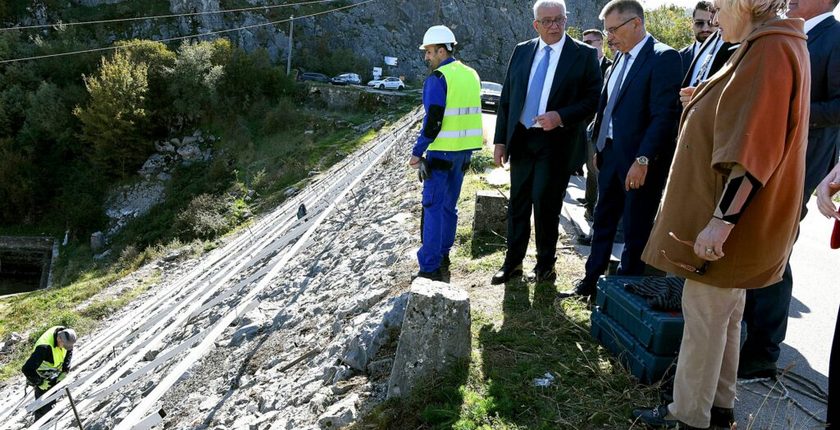
The works at the Slano dam are challenging, as the solar panels are being installed on very steep terrain, according to Marina Jočić, president of the board of EPCG-Solar gradnja. She was speaking during a tour of the site with EPCG management, Speaker of the Parliament of Montenegro Andrija Mandić, and Mayor of Nikšić Marko Kovačević.

The total planned capacity of the Slano and Vrtac solar plants is 3.7 MW

According to earlier announcements, the total installed capacity of the Slano and Vrtac solar power plants will be 3.7 MW. Works on the Vrtac power plant are in the final phase, said Miro Vračar, head of production at EPCG.

EPCG also plans to build the country’s first floating solar power plant at the Slano reservoir. Late last year, the investment valued at EUR 60 million was listed as one of 15 priority infrastructure projects in Montenegro’s energy sector.

EPCG also plans a floating solar plant at the Slano reservoir

Solar power plants on dams are also being built in other countries in the region. In Slovenia, one such facility was put into operation in June, installed on the reservoir wall of the Avče pumped storage hydropower plant.

When it comes to floating solar, North Macedonia plans to integrate such facilities into the national irrigation network.

  • 1
  • 2