by in News

North Macedonia Moves Closer to European Green Electricity Certification System

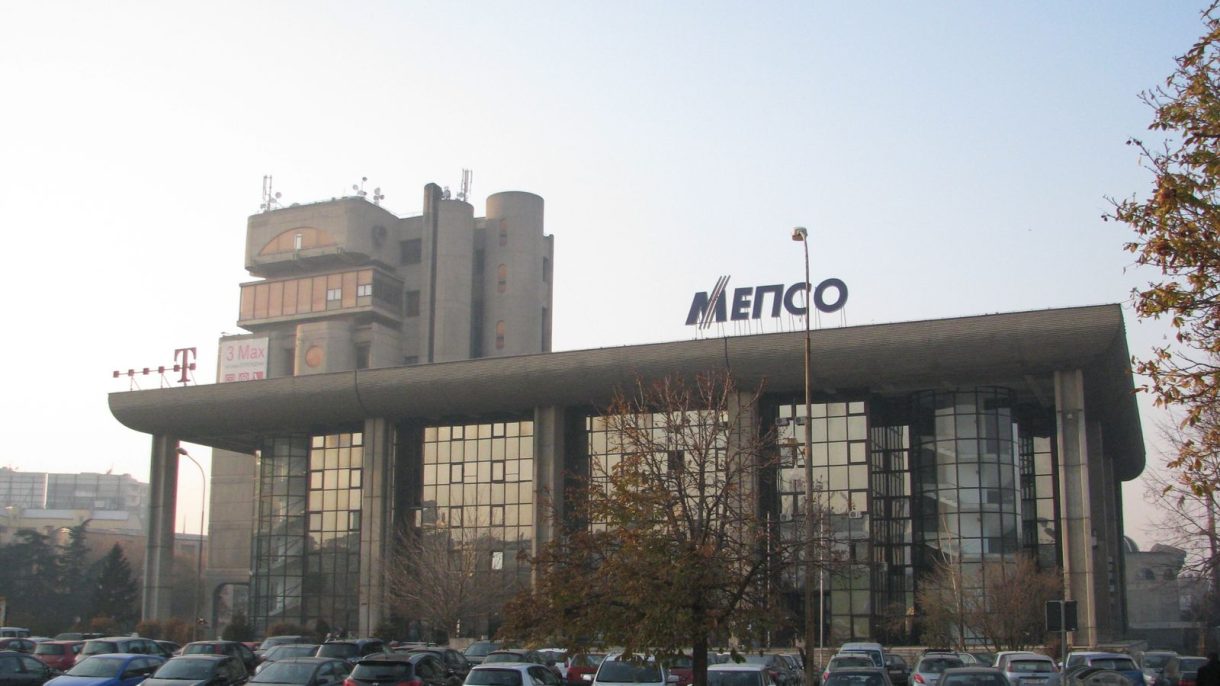
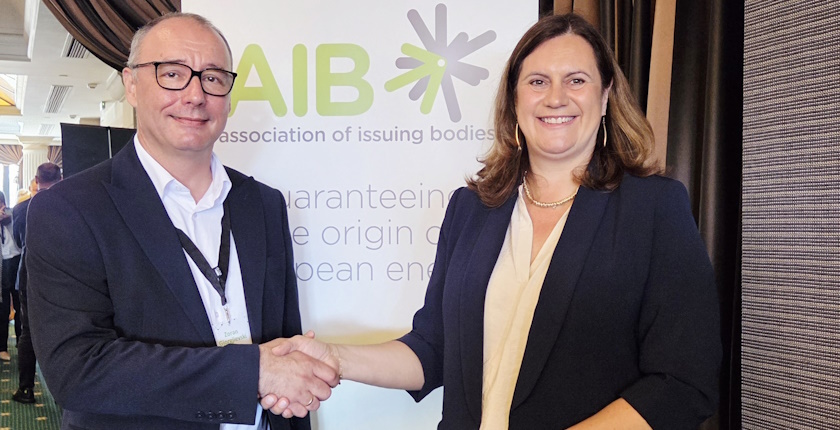
North Macedonia’s National Electricity Market Operator, MEMO, has officially joined the Association of Issuing Bodies (AIB), marking an important step toward deeper integration with the European framework for guarantees of origin and cross-border renewable electricity trade.

The decision was confirmed during the General Assembly of the Association of Issuing Bodies, where MEMO became a full member of the Brussels-based European energy certification organization. The move comes as the Ministry of Energy, Mining and Mineral Resources and the Energy Community Secretariat continue efforts to advance the mutual recognition of guarantees of origin between the European Union and Energy Community countries.

Guarantees of origin are electronic certificates proving that a specific quantity of electricity has been generated from renewable energy sources. They are increasingly important for transparent energy markets, renewable energy producers, suppliers and companies seeking to demonstrate the use of green electricity in line with ESG and decarbonisation standards.

MEMO introduced its electronic registry for guarantees of origin in April last year, in cooperation with energy certificate company Grexel and in line with European Energy Certificate System rules and AIB standards. Since then, North Macedonia has issued around 500,000 guarantees of origin, with each certificate representing 1 MWh of electricity produced from renewable sources.

According to MEMO Chief Executive Officer Zoran Gjorgjievski, AIB membership enables the Macedonian guarantees of origin system to implement the procedures required for future accession to the European Energy Certificate System. This will allow the secure, transparent and internationally recognized issuance and trading of green electricity certificates.

He emphasized that further integration of North Macedonia’s electricity market with the European energy market is essential, as it creates new opportunities for renewable energy producers, suppliers and businesses while strengthening trust, competitiveness and investment attractiveness in the country’s renewable energy sector.

Denko Rafajlovski, Head of MEMO’s Renewable Energy Support Department, noted that guarantees of origin play a key role in promoting renewable energy and giving consumers greater transparency and choice over the source of the electricity they use. Through the AIB Hub, national registries are connected, enabling the efficient cross-border transfer of green certificates between countries.

MEMO became an observer member of AIB last year as a first step toward full membership. Its accession now represents a significant milestone in the development of a modern, transparent and European-aligned electricity market in North Macedonia.

Cross-border trade in guarantees of origin will become possible once national legislation and technical requirements are fully harmonized with European Union standards.

by in News

Greece, Serbia, North Macedonia and Bulgaria Advance Vertical Gas Corridor Expansion

Energy ministers and senior officials from Serbia, Greece, North Macedonia and Bulgaria met today in Athens to discuss the development of regional natural gas supply routes and cross-border interconnections. During the meeting, Greek Minister of Environment and Energy Stavros Papastavrou announced that the Vertical Corridor initiative would be extended to include North Macedonia and Serbia.

Greece, Bulgaria and Romania have already achieved significant progress in developing the Vertical Corridor, a strategic gas route designed to facilitate supplies toward Ukraine and Moldova. Key milestones include infrastructure upgrades, the construction of new pipelines such as the Interconnector Greece–Bulgaria (IGB), as well as commercial agreements and dedicated capacity auctions. The same approach is now being applied to the western Balkans through the creation of an additional branch of the corridor.

The Athens meeting focused primarily on two major gas interconnection projects: Greece–North Macedonia and North Macedonia–Serbia. The Greece–North Macedonia pipeline is currently under construction and is expected to be completed this year. Once operational, it will allow natural gas to flow northward from Greek LNG terminals at Revithoussa and Alexandroupolis, as well as from pipeline gas sources, including Azerbaijan.

Serbia Plans EUR 1.2 Billion in Gas Infrastructure Investments

The next segment of the regional gas chain, linking North Macedonia with Serbia, is expected to be completed by the end of 2027, according to Serbian Minister of Mining and Energy Dubravka Đedović Handanović. The project is currently in the spatial planning phase and is designed to connect with the southern Serbian city of Vranje. Its planned annual transport capacity is 1.5 billion cubic meters of natural gas.

Minister Đedović Handanović also stated that Serbia intends to invest approximately EUR 1.2 billion in gas infrastructure, including the modernization and expansion of existing pipeline networks.

North Macedonian Minister of Energy, Mining and Mineral Resources Sanja Božinovska emphasized that the regional interconnection would soon become operational.

“By the end of next year, we will be ready and the interconnection between Greece, North Macedonia and Serbia will be operational,” she said.

She also confirmed that the tender procedure for the pipeline connecting North Macedonia and Serbia was launched yesterday.

Greek Minister Papastavrou highlighted the broader strategic importance of the initiative, stressing Greece’s role in shaping the region’s emerging energy architecture.

“Greece plays a leading role in the new European architecture through projects of strategic importance. Infrastructure, interconnections, market coupling and the Vertical Corridor are initiatives that strengthen security of supply, reinforce geopolitical stability and create new development opportunities across the region. Today, we agreed on the expansion of the Vertical Corridor to North Macedonia and Serbia, as well as on institutionalizing cooperation among the four countries,” he stated.

Bulgaria was represented at the meeting by Deputy Minister of Energy Kiril Temelkov.

Further Regional Meetings Planned

The four officials agreed to continue their cooperation through a series of follow-up meetings. The next session is scheduled for September in Belgrade, with subsequent meetings planned in Skopje and Sofia.

The Athens discussions were also attended by representatives of gas and electricity transmission system operators from all four countries, underscoring the technical and strategic importance of the planned regional energy integration.

by in News

North Macedonia Launches Intraday Electricity Market as Regional Power Trading Evolves

North Macedonia has taken another significant step toward deeper integration with the European electricity market following the launch of its intraday power market by the National Electricity Market Operator (MEMO). The development represents a major advancement in the country’s electricity market liberalization process and strengthens operational flexibility within the regional energy system.

The official launch ceremony gathered senior representatives from the government, energy institutions, market participants, and international partners. The intraday trading platform and clearing infrastructure were delivered by Slovenia’s BSP Energy Exchange, continuing its cooperation with MEMO after supporting the establishment of North Macedonia’s day-ahead market. Intraday trading operates through Deutsche Börse’s M7 trading system, one of Europe’s widely adopted electricity trading platforms.

The introduction of intraday trading comes three years after the launch of the country’s day-ahead market and reflects the increasing sophistication of North Macedonia’s power sector. Intraday markets play a critical role in modern electricity systems by enabling market participants to adjust positions closer to the actual delivery hour. This improves balancing efficiency, reduces imbalance costs, and enhances the integration of variable renewable energy sources such as solar and wind.

Prime Minister Hristijan Mickoski described the launch as evidence of tangible reform progress in the national energy sector. According to him, energy security and resilience have become strategic priorities for all European economies amid accelerating market transformation and geopolitical uncertainty.

“At a time when energy is one of the most critical issues for every country, our obligation is to create a system that is secure, competitive, and resilient to global challenges,” Mickoski stated during the event.

He emphasized that North Macedonia intends to actively participate in European energy flows and policy frameworks rather than remain on the periphery of the continent’s ongoing energy transition.

Minister of Energy, Mining and Mineral Resources Sanja Božinovska underlined that the intraday market is only one phase of a broader market integration strategy. She reiterated the government’s commitment to future market coupling with the European Union and the continued development of regional electricity trading mechanisms.

“This is just the starting point for our full integration into the European energy family,” Božinovska said, adding that authorities will continue advancing regional cooperation and aligning domestic market structures with EU standards.

MEMO Chief Executive Officer Zoran Gjorgjievski highlighted the operational significance of intraday trading in a rapidly changing electricity environment increasingly shaped by renewable generation and real-time balancing requirements.

“From today, our market not only plans for tomorrow – it operates in real time. The intraday market is a direct response to the dynamics of the modern energy sector,” Gjorgjievski noted.

He stressed that transparent and efficient price formation remains essential for optimal resource allocation, prudent investment decisions, and effective risk management across the electricity value chain.

Gjorgjievski also warned that emerging European regulatory frameworks, particularly the Carbon Border Adjustment Mechanism (CBAM), could introduce additional pressure on domestic electricity producers and potentially affect regional market liquidity. While supporting decarbonization objectives, he argued that the energy transition must remain economically sustainable and carefully managed to avoid undermining market competitiveness.

The launch of the intraday market is also viewed as an important preparatory step toward integration into the single European electricity market. Chairman of the Management Board of ADEX Group and CEO of BSP Energy Exchange Anže Predovnik said the project reflects strong institutional cooperation, strategic government support, and MEMO’s operational commitment.

“What lies ahead is integration into the single European market. Together, we will build a more connected and competitive future,” Predovnik stated.

North Macedonia’s intraday market currently includes 21 participants, demonstrating growing interest among regional traders and electricity companies.

According to Martin Martinovski, electricity and statistics expert at the Energy Community Secretariat, the operational intraday market strengthens North Macedonia’s role within the regional balancing framework. As integration with the EU electricity market progresses, the country could increasingly contribute low-carbon flexibility to neighboring systems while benefiting from cross-border balancing support.

Market growth figures indicate a rapid expansion in trading activity since the launch of organized electricity trading in the country. Trading volumes increased from 335 GWh by the end of 2023 to nearly 970 GWh in 2024, before surpassing 1.37 TWh last year. MEMO currently counts forty active market members, while first-quarter 2026 trading volumes were 19% higher compared to the same period a year earlier. 

by in News

Renalfa Advances Oslomej Solar Project with 50 MW Battery Storage Installation

Austria-based developer and independent power producer Renalfa IPP has commenced the installation of a battery energy storage system (BESS) at its solar power plant in Oslomej, North Macedonia. The system will have an operating power of 50 MW and a storage capacity of 200 MWh, marking a significant step in enhancing grid flexibility and renewable integration.

The co-located BESS is being deployed alongside the 65.8 MW Oslomej solar power plant, which is situated on the site of a former coal mine. The project reflects ongoing efforts to repurpose legacy fossil fuel infrastructure into clean energy assets. The solar facility was developed through a public-private partnership with state-owned utility Elektrani na Severna Makedonija (ESM).

Financing for the solar plant was provided by the Green for Growth Fund, which has also committed €24 million to support the deployment of the battery storage system. The combined investment forms part of a broader initiative to transition North Macedonia’s coal-based energy complex toward sustainable generation.

In 2025, Renalfa secured a €315 million loan facility from a consortium led by the European Bank for Reconstruction and Development. The financing underpins the company’s €1.2 billion regional investment program, which targets the development of approximately 1.6 GW of renewable generation capacity and 3.3 GWh of co-located battery storage across Bulgaria, Hungary, Romania, and North Macedonia.

These assets are expected to produce around 2.3 TWh of green electricity annually—sufficient to meet the energy needs of approximately 920,000 households—while supporting grid stability through integrated storage solutions.

Beyond North Macedonia, Renalfa is also advancing a major hybrid renewable project in Hungary. The company is developing a 450 MW solar power plant in Szihalom, complemented by a BESS with an operating power of 250 MW and a capacity of 1 GWh. The battery system is being supplied by HiTHIUM.

According to Renalfa, the Szihalom project represents the largest hybrid renewable energy development undertaken in Hungary to date and ranks among the most significant such projects in Europe.

by in News

North Macedonia’s May 2025 blackout was a voltage-control failure, and Europe should read it that way

ENTSO-E’s final report on the Grid Incident in North Macedonia on 18 May 2025 turns what could look like a local technical failure into a broader system warning. At 04:59 CEST, North Macedonia’s power system split between the 400 kV and 110 kV networks, leaving the 110 kV system in blackout while the 400 kV network stayed operational. MEPSO restored the system by 07:47, and the wider Continental Europe system saw no major disturbance. The report therefore matters not because it describes a large geographic event, but because it exposes how voltage stress can cascade into a full loss of supply in a part of the grid that planners had already marked as vulnerable.

The key point is that this was not a surprise in the narrow sense. The factual report says MEPSO had already identified recurring nighttime overvoltage during the spring and autumn low-load season and had introduced countermeasures, including transformer-protection optimisation and the disconnection of one internal 400 kV overhead line. Even so, some 400 kV substations were still operating above the normal band, with voltages reaching 430-437 kV and, in some places over the preceding months, peaking even higher. In other words, the network was already being managed at the edge of its voltage envelope before the incident occurred.

Topology of the transmission system of North Macedonia

Topology of the transmission system of North Macedonia

The report also shows that regional security tools did not flag an imminent crisis in the way operators would have liked. RCC analysis before the incident judged the grid secure based on the information available, yet it also detected that all 400 kV nodes in the MEPSO control area were expected to exceed acceptable voltage limits. At the same time, MEPSO did not deliver the individual grid model for 18 May, so the backup model used by the RCC relied on the last submission from 13 May. That combination – a system that was already voltage-stressed, plus imperfect visibility in the planning chain – is exactly the kind of operational blind spot the report is trying to highlight.

The final report’s diagnosis is structural, not accidental. Its root causes point to operating the system above defined voltage limits, reduced awareness of overvoltage risk in operational planning, insufficient reactive-power reserves with adequate activation time, and limited availability of effective voltage-control assets. That is an important distinction. The event was not simply about “too much generation” or “too little demand”; it was about a system that lacked enough fast, effective, and coordinated tools to absorb reactive power and hold voltage within bounds during a low-load operating regime.

That diagnosis is already driving a policy and investment response. The report points to three layers of recommendations: continuation of ENTSO-E work on voltage and reactive-power modelling quality and operationally useful KPIs; new regional SEE measures for monitoring voltage-limit violations and coordinating action among TSOs, RCCs and ENTSO-E; and MEPSO-specific changes to its System Defence Plan, including broader low-load and high-renewable scenarios and clearer coordination between TSOs and DSOs. The same logic is visible in the post-incident actions: MEPSO has moved to improve reactive-power support, including a 150 MVAr shunt reactor in SS Dubrovo, expected to be finalised by 2027.

For the wider European power sector, the lesson is straightforward. Security of supply in a more renewable, more dynamic grid is no longer only about enough megawatts and enough interconnection capacity. It also depends on voltage discipline, reactive-power capability, modelling quality, and the speed with which operators can see and correct abnormal conditions. North Macedonia’s blackout shows that a grid can remain “adequate” on paper and still fail in practice if voltage-control assumptions are too optimistic or if the operational toolkit is too thin. That is why this report should be read not as a post-mortem for one country, but as a warning for the entire South-East European system and, by extension, for any grid entering a lower-load, higher-renewables operating era.

by in News

The Green Backbone: Albania and Western Balkan Partners Unveil Strategic Energy Projects for 2026 EU Funding

The Energy Community has officially opened the public consultation for the 2026 list of Projects of Energy Community Interest (PECI), marking a pivotal moment for the Western Balkans’ energy infrastructure. Running from March 16 to April 17, 2026, the consultation evaluates eight critical projects designed to dismantle cross-border bottlenecks and pave the way for a massive influx of renewable energy.

For Albania and its neighbours, Kosovo, North Macedonia, Montenegro, and Bosnia and Herzegovina the selected projects represent a shift from traditional hydroelectric production to a sophisticated, integrated system of large-scale storage and high-voltage transmission corridors. These projects are now positioned to seek diverse financing, including EU grants, Western Balkans Investment Framework (WBIF) funds, and favourable loans from international financial institutions.

Below is a detailed technical and strategic breakdown of the flagship projects currently in the PECI selection pipeline.

1. Project E12: Moglice Pumped-Storage – The Balkans’ “Giant Battery”

At the heart of Albania’s green transition is the Moglice Extension Pumped-Storage Hydropower Plant (PSH). Developed by Devoll Hydropower Sh.A. (part of the Statkraft Group), this project is set to become one of the largest flexibility assets in the region.

  • Technical Parameters:

    • Maximum Power (Pmax): 1,620 MW (with a dynamic operational range of -1,620 MW to +1,620 MW).

    • Storage Capacity: 30,000 MWh (approx. 30 GWh).

    • Voltage: 400 kV.

    • Efficiency: 77% roundtrip efficiency.

  • Strategic Role: The plant will function as a “green battery,” utilizing the existing Moglice reservoir (380 million m³) and a new upper reservoir (25 million m³). It is designed to store surplus energy during periods of high production and release it during peak demand, providing critical balancing services to Albania and neighboring EU markets like Greece and Italy.

  • Timeline: Currently in the economic feasibility stage, with the earliest commissioning targeted for 2033.

2. Project E04: The 220 kV Balkan Triangle Rehabilitation

To ensure the reliability of the “Balkan Triangle” (Albania, Montenegro, and Bosnia & Herzegovina), the rehabilitation of the aging 220 kV Trebinje–Vau i Dejës corridor has been prioritized. This line is a vital artery that has recently struggled with congestion due to new solar and hydro capacities.

  • Technical Parameters:

    • Voltage: 220 kV.

    • Length: 162.92 km.

    • Transmission Power: Upgraded to carry 1,500 A using specialized high-capacity conductors.

    • Promoters: NOS BiH, Elektroprijenos-Elektroprenos BiH, and CGES (Montenegro).

  • Strategic Role: The project addresses severe climatic challenges and infrastructure depreciation. By replacing OPGW, insulation, and conductors on existing poles without increasing mechanical load, the project will increase Net Transfer Capacity (NTC) and resolve long-standing congestions between BA–ME, ME–AL, and AL–BA.

  • Timeline: Currently in the Detail Design Study phase, with an expected commissioning date of 2030.

3. Project E05 & Regional Corridors: Integrating Wind and Strengthening East-West Links

The expansion of the 400 kV network is a two-pronged strategy: strengthening regional East-West ties and unlocking wind potential in Northeast Albania.

A. The East-West Western Section (Project E05)

Connecting Kosovo and North Macedonia, this 103 km interconnector is a key link in the regional transmission “rings.”

  • Technical Parameters: 400 kV; 1330 MW Pmax.

  • Objective: Connecting the upgraded Prizren (XK) substation to a new substation in Tetovo (MK). This project enhances the security of supply and supports the large-scale integration of Renewable Energy Sources (RES) across the corridor.

  • Timeline: Expected commissioning by 2035.

B. The Albania–Kosovo Interconnection (Strategic Link)

As highlighted by recent strategic filings, Albania is pushing for a new 400 kV interconnection between Fierza (AL) and Prizren (XK).

  • Strategic Role: This link is deemed essential to facilitate the integration of over 1 GW of planned wind energy capacity in Northeast Albania. It will alleviate existing 220 kV grid overloads and significantly boost regional energy trading.

Financing the Future

These PECI projects are governed by the revised EU TEN-E Regulation, which streamlines the path toward final approval in December 2026. Because these projects provide cross-border benefits, they are eligible for a “blended” financing model. This includes state budget allocations, private investment from promoters like Statkraft and KOSTT, and significant support from European Union grants and loans.

As the Western Balkans move away from coal and toward a renewable-heavy mix, these projects—Moglice’s storage, the 220 kV rehabilitation, and the 400 kV corridors—form the essential hardware of a modernized, secure, and decarbonized European energy market.

by in News

MEPSO Advances Strategic 400 kV Interconnection Project for Energy Community Priority Status

North Macedonia’s electricity transmission system operator, MEPSO, has officially nominated the “400 kV East–West Interconnection Corridor – Western Section” for inclusion in the prestigious list of Projects of Energy Community Interest (PECI). This strategic move aims to solidify the project’s status as a regional priority, facilitating cross-border energy cooperation and bolstering the stability of the Balkan power grid.

A Vital Link in the Regional Energy Spine

The nominated western section focuses on establishing a high-capacity link between Tetovo in North Macedonia and Prizren in Kosovo. This infrastructure is a critical component of a broader corridor designed to integrate the networks of Turkey, Bulgaria, Greece, North Macedonia, Kosovo*, Albania, and Montenegro.

Key specifications of the project include:

  • Total Length: Approximately 255 kilometers.

  • Primary Objective: Connecting the capital, Skopje, and the city of Ohrid via Tetovo, while providing a robust cross-border link to Kosovo*.

  • Capacity Upgrade: Replacing the current single 220 kV link between North Macedonia and Kosovo with a modern 400 kV interconnection.

Infrastructure and Operational Enhancements

The project involves a series of interrelated investments beyond simple transmission lines. MEPSO has outlined plans for significant substation developments to manage increased load and ensure operational flexibility:

  • Tetovo Substation: A new 400/110 kV facility will serve as a central hub for multiple high-voltage lines, significantly strengthening the transmission capacity in Western North Macedonia.

  • Oslomej Substation: Another 400/110 kV facility is planned for Oslomej. This location is particularly strategic as it transitions from a traditional coal-fired power site to a hub for new renewable energy projects.

Strategic Significance and Regional Synergy

MEPSO emphasizes that this investment is highly complementary to existing regional efforts, specifically the approved PECI project to upgrade the line between Prizren (Kosovo) and Fierza (Albania) to 400 kV. This synergy will create a seamless high-voltage path connecting North Macedonia, Kosovo*, and Albania.

This regional integration was further solidified last year (2025) through a Memorandum of Understanding signed between MEPSO and KOSTT (Kosovo’s Transmission, System and Market Operator).

“Achieving PECI status is a recognition of the project’s pronounced regional relevance. It directly contributes to the Energy Community’s objectives of secure, sustainable electricity supply and the efficient integration of renewable energy sources.” — MEPSO Statement

Timeline and Next Steps

The selection process for the second PECI list follows a rigorous biannual cycle. With the call for nominations having closed on January 19, the final list is expected to receive official approval by December 31, 2026.

Projects granted PECI status benefit from streamlined permitting processes and enhanced access to regulatory and financial support, accelerating the region’s progress toward decarbonization and a unified energy market.

by in News

North Macedonia Launches First-Ever Tender for 150 Electric Buses Worth EUR 51 Million

The Ministry of Transport of North Macedonia has launched a public tender for the procurement of electric buses for urban transport, marking the country’s first such purchase. The authorities expect the move to curb air pollution, enhance the quality of public transport services, and reduce long-term operating costs.

North Macedonia is joining regional peers Croatia and Bosnia and Herzegovina, which are also advancing electric bus procurement processes. Macedonian officials first announced the initiative in December 2024.

150 Electric Buses and 75 Charging Stations Planned

The ministry has issued a public call for the acquisition of 150 eco-friendly electric buses and 75 charging stations. Under the plan, 100 buses will be allocated to the Skopje, while the remaining 50 will serve other municipalities across the country.

Delivery is structured in three phases. The selected supplier will be required to deliver the first 30 buses and 15 charging stations within six months. An additional 60 buses and 30 stations must be supplied within one year, followed by the final 60 buses and 30 stations within 18 months.

The total value of the procurement is estimated at MKD 3.1 billion (EUR 51 million).

Technical Requirements and Warranty Conditions

According to the tender documentation, each bus must offer a minimum driving range of 325 kilometers on a single charge, in line with the SORT II standard. The required minimum battery capacity is 360 kWh.

The supplier must provide a four-year warranty covering both the buses and their batteries, as well as ensure the availability of spare parts for ten years. Each of the 75 charging stations is required to have a capacity of at least 120 kW per charger.

The deadline for bid submissions is March 30, 2026. The main selection criterion will be price, determined through an electronic auction process.

Strategic Investment in Cleaner and More Efficient Transport

The ministry described the procurement as a clear political commitment to environmental protection and to improving the efficiency of public transport in Skopje and other municipalities.

According to the authorities, the investment sends a strong signal in the fight against air pollution while raising the quality of public transport services. In addition to environmental gains, the ministry emphasized the long-term economic viability of the project, citing lower maintenance and energy costs associated with electric vehicles.

The procurement forms part of a broader strategic plan aimed at transforming the urban transport system and enhancing the overall efficiency of the national transport network.

Regionally, Croatia is in the process of purchasing 206 electric buses for its cities, while Bosnia and Herzegovina is acquiring electric vehicles for Sarajevo.

At the EU level, the shift toward cleaner public transport is accelerating. According to Transport & Environment, 60% of all new city buses registered in the European Union last year were powered by electricity or hydrogen, underlining the pace of decarbonization in the sector.

by in News

Corridor VIII Emerges as a Strategic Pillar for Balkan Integration and NATO Security

TIRANA — High-level officials and international stakeholders gathered in the Albanian capital this week to chart the future of Pan-European Corridor VIII, a multi-billion euro infrastructure project designed to bridge the Adriatic and Black Seas. Billed as a modern successor to the ancient Roman Via Egnatia, the corridor is increasingly viewed by regional leaders and Western allies not merely as a transport route, but as a critical component of economic sovereignty and Euro-Atlantic security.

ECONOMIC FORUM: “Strategic Connectivity and Regional Economic Growth: The Economic Potential of Corridor VIII”

ECONOMIC FORUM: “Strategic Connectivity and Regional Economic Growth: The Economic Potential of Corridor VIII”

The forum, titled “Strategic Interconnectivity and Regional Economic Growth: The Economic Potential of Corridor VIII,” held on February 18, 2026, served as a platform for Albania and North Macedonia to reaffirm their commitment to the project. The discussions highlighted a shift in the corridor’s narrative, moving from a long-delayed logistical ambition to a certified strategic priority.

A Security Necessity: The NATO Dimension

In a significant development for the region’s geopolitical standing, Albanian Deputy Prime Minister and Minister of Infrastructure and Energy, Belinda Balluku, revealed that Corridor VIII has now received NATO certification. This designation elevates the project from a civilian transport initiative to a vital military and security asset for the alliance’s eastern flank.

“Corridor VIII is no longer just a road for the movement of goods and citizens,” Balluku stated during the forum. She characterized the project as a “safe infrastructure for Euro-Atlantic security,” noting that its completion would allow for the rapid deployment of resources between the Mediterranean and the Black Sea—a necessity brought into sharp focus by shifting security dynamics in Eastern Europe.

The certification ensures that the technical specifications of the roads and railways—connecting the port of Durrës in Albania to Varna and Burgas in Bulgaria—meet the rigorous standards required for military mobility, effectively integrating the Western Balkans into NATO’s logistical architecture.

Economic Integration and the EU Path

While security dominated the high-level briefings, the forum’s primary focus remained the economic transformation of the Balkan interior. For decades, the lack of east-west connectivity has been cited as a major bottleneck for regional trade.

ECONOMIC FORUM: “Strategic Connectivity and Regional Economic Growth: The Economic Potential of Corridor VIII”

ECONOMIC FORUM: “Strategic Connectivity and Regional Economic Growth: The Economic Potential of Corridor VIII”

Delina Ibrahimaj, Albania’s Minister of State for Local Government, described the corridor as a “key instrument for European integration and regional stability.” Ibrahimaj emphasized that the project is now a formal part of the Trans-European Transport Network (TEN-T), a status that unlocks significant funding from the European Union.

“The development of this corridor is synonymous with the development of our economies,” Ibrahimaj noted, arguing that the project will reduce transport costs, attract foreign investment, and foster a more unified regional market. Officials at the forum suggested that by linking the ports of Albania with the industrial hubs of North Macedonia and Bulgaria, the corridor would create a “short-circuit” for trade that currently relies on longer, more congested routes.

Strengthening the Balkan Backbone

Representing North Macedonia, Igor Hoxha echoed the sentiment of regional interdependence. He framed Corridor VIII as the “backbone of regional development,” essential for the landlocked nation’s access to international maritime routes.

The cooperation between Tirana and Skopje has intensified as both nations seek to synchronize their construction timelines. The project involves a complex mix of highway expansion and the modernization of ageing railway tracks, many of which have remained dormant since the end of the Cold War.

Corridor VIII connection.

Corridor VIII connection.

“From the Via Egnatia to Corridor VIII, the plan to connect East and West is finally making its definitive stop in Tirana,” noted reports from the forum, highlighting the historical weight of the project. By reviving this ancient trade artery, the participating nations aim to reverse a history of fragmentation and replace it with a corridor of “peace and prosperity.”

Challenges and the Road Ahead

Despite the diplomatic optimism, the path to completion remains fraught with logistical and financial hurdles. The rugged terrain of the Balkan interior requires extensive tunnelling and bridge construction, driving up costs. Furthermore, the synchronization of three different national bureaucracies—Albania, North Macedonia, and Bulgaria—remains a persistent challenge.

However, the consensus in Tirana was clear: the project has reached a point of no return. With the backing of the European Union’s Western Balkans Investment Framework and the newfound urgency of NATO’s security requirements, Corridor VIII is moving from a blueprint to a reality.

As the forum concluded, the message from the Albanian Ministry of Foreign Affairs was definitive: Corridor VIII is the strategic link that will finally anchor the Western Balkans into the broader European family, transforming the region from a “grey zone” of infrastructure into a modern hub of global connectivity.

by in News

INOVA Launches €25m Green Grants for SMEs in North Macedonia

North Macedonia’s Agency for Innovation, Scientific and Technological Development and Entrepreneurship has launched a grant program to support small and medium-sized businesses investing in environmental protection and sustainability.

The green business support program for 2026–2030 is valued at €25 million, with €22 million earmarked for direct subsidies, according to the agency (INOVA). Eligible companies can receive between €5,000 and €300,000, provided they co-finance 20% to 50% of the investment, depending on the project type.

The European Union is providing €18 million, while the remaining funding will come from the Government of North Macedonia.

At least 300 companies expected to benefit

INOVA said it expects to support at least 300 companies, focusing primarily on micro, small, and medium-sized enterprises, particularly in manufacturing, while remaining open to applicants from other sectors. The program is designed to back projects that reduce CO₂ emissions and waste and increase the use of renewable energy, with a particular emphasis on solar power, the agency noted.

Through public calls, businesses will be able to apply for technical and advisory assistance, standardization support, and financial backing for the purchase of equipment, deployment of new technologies, and development of new products.

INOVA expects the first public call around mid-year.

Previously, the agency said the initiative would be implemented through three instruments: green startups (grants up to €40,000), green modernization (up to €150,000 per beneficiary), and transformation of industrial systems (subsidies of €300,000 per beneficiary).

Officials frame program as competitiveness and climate action measure

INOVA CEO Daniela Dimovska said the initiative offers both financial and expert support to companies investing in sustainable, environmentally friendly, and innovative solutions, describing it as a step toward an economy guided by long-term thinking and responsible action.

Daniela Dimovska, Hristijan Mickoski, and Michalis Rokas (photo: INOVA/Facebook)

Prime Minister Hristijan Mickoski said the program aims to help the country advance toward the climate neutrality goals set out in the Green Agenda for the Western Balkans, by strengthening the private sector and promoting sustainable business practices. He added that green transformation should be viewed not as a cost, but as an investment in economic resilience, environmental quality, and citizens’ well-being.

EU Ambassador to North Macedonia Michalis Rokas said the program is expected to stimulate innovation and the adoption of green technologies among SMEs, supporting a new stage of development that improves competitiveness and strengthens integration into EU value chains.