by in News

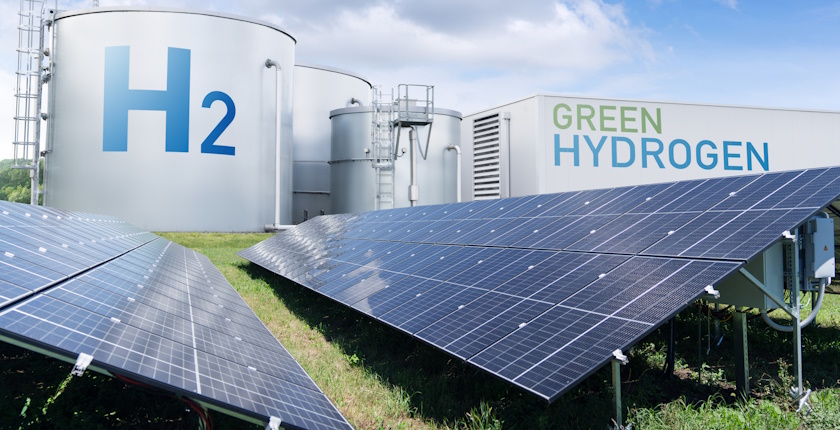
Green light in Greece for expansion of future photovoltaic, green hydrogen complex

Greece approved the request of a firm developing a project for a giant solar park with a green hydrogen plant to double the electrolyzer capacity. The site is in the vicinity of the village of Mantasia in the Phthiotis regional unit.

The Ministry of Environment and Energy in Athens signed off on a proposed change in the project for a complex that would consist of a photovoltaic plant of a whopping 251.9 MW in peak capacity and a system for the production of green hydrogen, Newmoney reported. Mantasia Energeiaki, the project firm, is controlled by German companies Altus and Yamko Energy and France-based Omnes Capital, according to the article.

They can build a 100 MW green hydrogen unit, instead of the initially planned 50 MW. Altus is a subsidiary of Kraftwerke Mainz-Wiesbaden AG (KMW).

The project developers are planning to produce hydrogen in PEM electrolyzers

The site, Karahasan, is near Mantasia, a village in the municipality of Domokos in the Phthiotis (Fthiotida) regional unit. Most of the area is in the territory of the community of Fyliadonos. The proton exchange membrane (PEM) electrolysis facility would comprise ten units of 10 MW.

Total area envisaged for the project in Central Greece spans ​​427 hectares, of which 1.1 hectares for green hydrogen production. It would be stored in several units of 40 tons overall.

The project includes a 400/33 kV substation, with a capacity of 600 MVA, equivalent to 600 MW, as two similar projects would be connected through it. As for the PV plant, it would have 530 W monocrystalline silicon modules and 48 Sunny Central 4600 UP inverters.
by in News

Bulgaria’s coal regions to get further EUR 808 million for just transition

Bulgaria’s coal regions will receive BGN 1.58 billion (EUR 808 million) through the Just Transition program, under the European Union’s Just Transition Fund (JTF), for energy efficiency, renewable energy, and green hydrogen projects, as well as for converting mining areas for commercial use.

With a EUR 598 million program already underway, total investments in the economic transformation during and after the country’s coal phaseout would reach EUR 1.38 billion. They cover coal regions Stara Zagora, Kyustendil, and Pernik and the municipalities of Nova Zagora, Yambol, Simeonovgrad, Harmanli, Topolovgrad, Dimitrovgrad, Haskovo, Elhovo, Sliven and Tundzha.

Grants from the JTF are intended to help coal regions shut down mines and coal-fired power plants, rehabilitate land, switch to a circular and climate-neutral economy, and lift households out of energy poverty.

By the end of the year, the Bulgarian Ministry of Regional Development and Public Works will launch three new procedures for the allocation of grants, according to Deputy Minister Yura Vitanova.

One, worth EUR 153.4 million, will focus on energy communities and energy efficiency in public buildings. Another, worth EUR 72.6 million, will help small and medium-sized enterprises (SMEs) install solar panels and energy storage systems for both self-consumption and commercial use.

A third call, with a budget of EUR 242.9 million, will support the socio-economic transformation, including projects to convert mining areas into business and industrial zones.

Green hydrogen projects will be backed with EUR 134.5 million

Additionally, EUR 134.5 million will be used to fund the development of hydrogen production and transportation infrastructure in Stara Zagora. It includes the construction of a green hydrogen production complex and hydrogen charging stations, the procurement of hydrogen vehicles and hydrogen trailers, and the construction of supporting infrastructure, including photovoltaic systems and energy storage facilities.

The current JTF program in Bulgaria’s coal regions focuses on renovating residential buildings, supporting SMEs, and developing industrial and logistics parks. It also funds training and retraining programs for workers affected by the energy transition, as well as production investments in large enterprises.

by in News

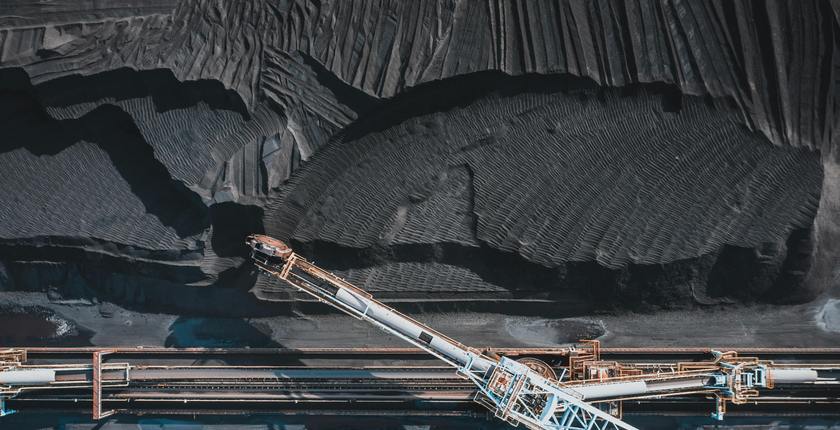
Romania’s coal town Turceni starts EUR 380 million green energy transformation

Turceni is dependent on the local coal power plant, so the municipal authority is turning to agrivoltaics, energy storage and green hydrogen to replace it. The small town in southwestern Romania is kickstarting a EUR 380 million project.

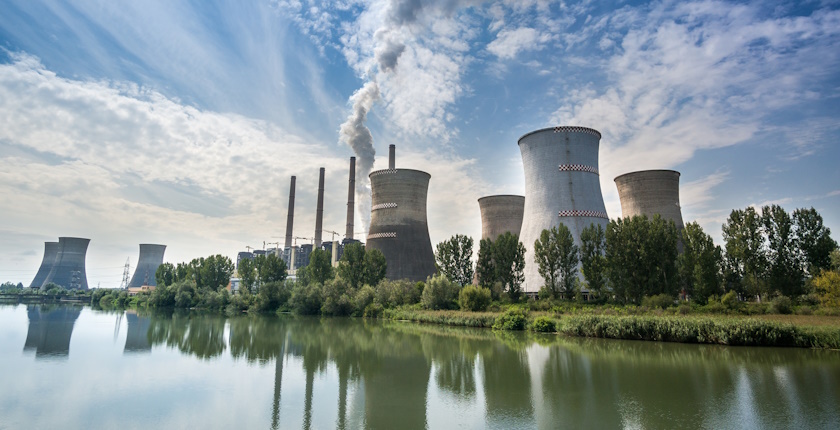
The coal plant in Turceni used to be one of the biggest in Europe, at 2.3 GW. Located next to the eponymous town in Romania’s Gorj coal region, only two units of 660 MW in total are still operational. At the same time, dozens of such facilities across Europe are shutting down ahead of schedule. The power plant and its associated mines within Complexul Energetic Turceni have been essential for the local economy, which is under threat of devastation amid the country’s coal phaseout.

As with other coal regions in the European Union, the solution is in green energy and new technologies. The town hall has signed a contract with the European Investment Bank for agrisolar parks, energy storage units and the production and storage of green hydrogen.

Turceni town hall secures municipal land for green energy projects

The project is worth a whopping EUR 380 million, Mayor Constantin Popescu revealed. Turceni and its administrative area have fewer than seven thousand inhabitants.

More than 123 hectares of municipal land (pastures) and more than 200 hectares of private land were designated for the renewable energy hub, the mayor stressed.

Bankwatch: The coal region is transitioning to a future based on innovation, sustainability and strong partnerships

Partners in the project are Bankwatch Romania and GAL Sudul Gorjului, the so-called local action group for southern Gorj. Bankwatch said over 370 hectares would be switched to clean and sustainable energy production.

“We are glad that we had an important role in developing the project plan and aligning it with European environmental policies, as well as in applying for technical assistance. For a region that has been, for decades, a pillar of coal-fired energy, this project marks a strategic transformation: a transition to a future based on innovation, sustainability and strong partnerships,” the organization added.

Investments to start in 2026

Implementation is scheduled to begin next year. The project will contribute to a just transition of the region by increasing the production of electricity from renewable energy sources, Popescu asserted. In his words, it will be complementary to the local authority’s other ongoing and future decarbonization investments.

The mayor also highlighted the plans to use geothermal energy for district heating and agriculture.

Complexul Energetic Turceni is part of state-owned Complexul Energetic Oltenia (CE Oltenia). According to the company’s restructuring and decarbonization plan, the coal business will be separated from green energy and other investments.

They include projects for CCGT (combined-cycle gas turbine) power plants of 475 MW in Turceni and 800 MW in nearby Ișalnița, as the main replacement for coal plants. Both are suffering heavy delays.

Minister of Energy Bogdan Ivan said last week that CE Oltenia’s Ișalnița coal plant in neighboring Dolj county would be closed on January 1. Romania has asked the European Commission to delay the closure of several coal plant units, scheduled for this year, until 2030.

Earlier this year, a joint venture between CE Oltenia and OMV Petrom hired contractors for four solar power plants at former coal land, with a combined capacity of about 550 MW. One of the sites is in Ișalnița.

by in News

Corinth Pipeworks commissions Greece’s biggest industrial rooftop PV system

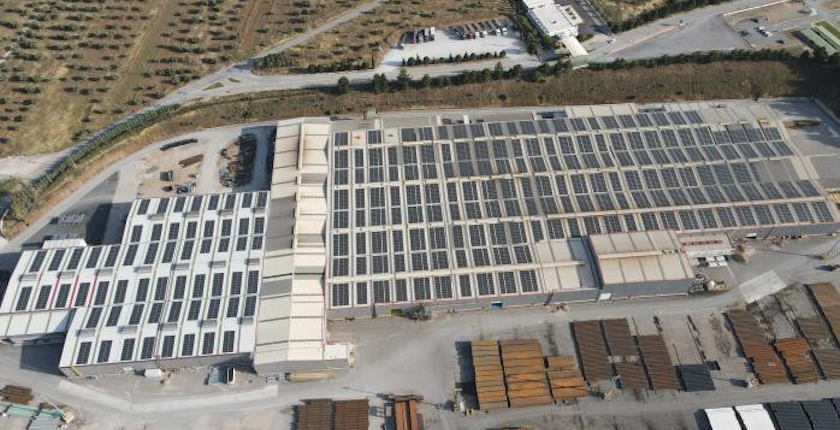
Steel pipe manufacturer Corinth Pipeworks has put into operation a 7.1 MW photovoltaic facility on its plant in the Thisvi Industrial Area. It is the largest industrial rooftop PV system in Greece, the company said.

A steel pipe factory northwest of Athens will cover an estimated 25% of its electricity needs with its new solar power plant, generating some 10 GWh per year. Corinth Pipeworks (CPW) revealed that it has commissioned the 7.1 MW system, pointing out it is the largest industrial rooftop photovoltaic facility in Greece.

The company, owned by Cenergy Holdings, conducted the endeavor under an ESCO scheme. The project was entirely designed and implemented by Survey Digital Photovoltaics. It was financed by investment firm Sirec Energy and Survey Digital Photovoltaics, in collaboration with Piraeus Bank.

Under the terms of the 10-year lease, the system will be transferred at no cost to Corinth Pipeworks. The behind-the-meter PV plant is for own consumption, injecting no electricity into the high-voltage grid.

Corinth Pipeworks surpassed its 2025 target of sourcing 80% of its energy consumption from renewables

The facility spans almost six hectares on two factories, at a height of ten meters. It consists of 12,000 solar panels.

With the photovoltaic plant and a power purchase agreement (PPA) for a wind farm, CPW surpassed its 2025 target of sourcing 80% of its energy consumption from renewables. The company’s portfolio includes pipes for hydrogen pipelines.

“This choice carries particular significance, as it comes from an organization with both the technical capacity to develop the photovoltaic system and manage the generated energy, as well as the financial capacity to finance the investment independently. Yet, it chose to move forward in collaboration with us and Survey Digital Photovoltaics, recognizing the value of strategic partnership,” said Vice President of Sirec Energy Vangelis Bardis.

A subsidiary of Viohalco, Belgium-based Cenergy Holdings also controls Hellenic Cables, which manufactures power and telecommunications cables.

by in News

Half of EU auction-backed hydrogen projects pull out

Seven projects for 1.88 GW of total electrolyzer capacity turned out to be unfeasible even with grants won at the second European Hydrogen Bank auction, out of 2.34 GW overall. The developers withdrew, with some citing policy and infrastructure delays and uncertainty. A project from the first renewable hydrogen auction also pulled out.

The European Commission has invited ten projects from the reserve list of the second European Hydrogen Bank auction to start preparing documentation for signing grant agreements, after seven that were initially selected withdrew. The round, completed in May, resulted in 15 projects for renewable hydrogen winning support, for 2.34 GW of total electrolyzer capacity.

Five endeavors remained in the general category, for just 453.46 MW overall, and the remaining three are in the maritime segment. They account for 108.5 MW. The ten reserve projects envisage 774 MW, compared to the 1.88 GW that dropped out, including the three biggest proposed systems.

Stuck at completion guarantees

Some developers of the withdrawn proposals weren’t able to provide completion guarantees. Completion guarantees are worth 8% of the grant, S&P Global noted in a report. Companies cited policy and infrastructure delays and uncertainty.

Four sites are in Spain, two in Germany and the seventh one is in the Netherlands: the Zeevonk electrolyser, the largest of all. It would have 560 MW and produce 411,000 tons over ten years, receiving EUR 0.6 per kilogram.

Beneficiaries receive premiums from the European Hydrogen Bank budget that compensate for the difference between the production price and the amount that buyers offer.

European Hydrogen Bank mechanism designed to weed out unfeasible investments

Before the end of the year, the European Commission expects to publish the final list for the said IF24 auction. One project recently dropped out from the first round as well.

“The auction’s completion guarantee is working as expected in weeding out companies that have bid too low, or were forced to reassess their project maturity or financial viability between bidding and having to provide the completion guarantee,” EU Innovation Fund Policy Officer Johanna Schiele said.

The withdrawn projects could still head for implementation if they complete the financing structure.

Under the second round within the European Hydrogen Bank mechanism, EUR 1.2 billion was available, but only EUR 992 million rewarded.

by in News

Slovenia’s TSO ELES joins forces with army to develop hydrogen technologies

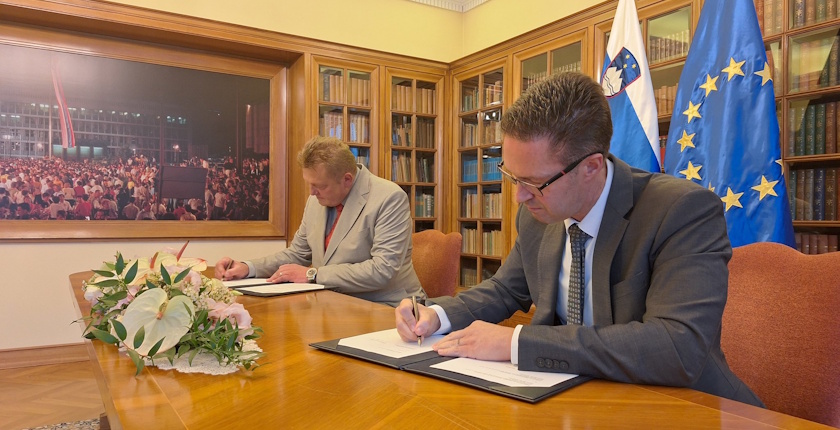
Slovenia’s transmission system operator ELES and the Ministry of Defence have signed a cooperation agreement for the Defence Resilience Hub Network in Europe – RESHUB project.

Last year, the Ministry of Defence of Slovenia initiated the Defence Resilience Hub Network in Europe (RESHUB) project, which aims to establish self-sufficient energy hubs in Slovenian military barracks.

As part of the initiative, the military barracks in Kranj will be transformed into a demonstration center for energy self-sufficiency, integrating military infrastructure with innovative solutions in renewable energy and hydrogen technologies.

Aleksander Mervar, CEO of ELES, and Marko Lovše, State Secretary of the Ministry of Defence, now signed the agreement, during the Slovenia-Japan Business Conference.

The deal outlines cooperation in the field of energy self-sufficiency and the development of hydrogen technologies, according to state-owned ELES.

The Kranj military barracks will be converted into a demonstration center for energy self-sufficiency

The project will turn the Kranj military barracks into a demonstration center for energy self-sufficiency by integrating military infrastructure with innovative technology for renewables and hydrogen.

ELES will contribute to the development of the RESHUB (Resilience Hub) pilot project concept, which focuses on the production, storage, and use of hydrogen, the country’s TSO noted.

The company will be involved in all phases of the project — from preparing expert studies and technical groundwork to providing professional support for documentation development.

ELES considers hydrogen a potential key energy carrier for storing surplus energy from low-carbon sources

“At ELES, we recognize hydrogen as a potentially key energy carrier for storing surplus energy from low-carbon sources, which can later be reused in the energy sector, transport, and industry,” according to the company.

ELES recalled that in 2024 it established a consortium to build a hydrogen ecosystem based on low-carbon sources.

Collaboration with Japanese partners, who have been actively developing and, in some cases, successfully deploying hydrogen technologies for decades, is essential for the company. ELES has already established several partnerships with Japanese companies and is now exploring new opportunities for deeper cooperation in the further development and application of hydrogen technologies.

In recognition of Mervar’s outstanding contribution to strengthening bilateral economic and technological ties, Japanese Ambassador to Slovenia Akiko Yoshida awarded him an honorary recognition at the business conference.

Akiko Yoshida and Aleksander Mervar (photo: ELES)
by in News

Serbia, South Korea’s KHNP to cooperate on nuclear energy, hydrogen

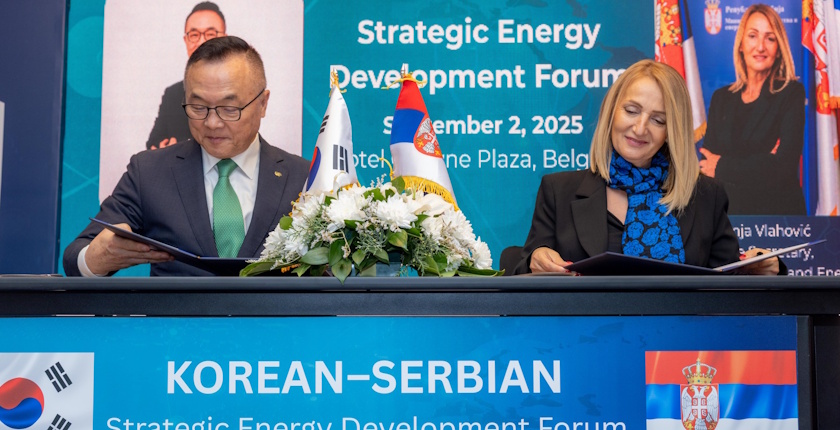
Serbia and South Korean company Korea Hydro & Nuclear Power have signed two memorandums of understanding on cooperation in the fields of nuclear energy and hydrogen.

The memorandums were signed by Sonja Vlahović, State Secretary at the Ministry of Mining and Energy, and Joo-ho Whang, President and CEO of Korea Hydro & Nuclear Power (KHNP), a subsidiary of Korea Electric Power Corporation (KEPCO).

Notably, South Korean company Hyundai Engineering is part of Serbia’s largest renewable energy project—the deployment of 1,000 MW of solar power plants with battery storage.

The memorandums were signed during the Korea-Serbia Strategic Energy Development Forum, held in Belgrade and organized by the Ministry of Mining and Energy and the Korea Trade-Investment Promotion Agency (KOTRA).

So far, Serbia has established contacts or started cooperation on nuclear energy with China, France, Russia, Slovenia, and the United States.

Vlahović: We’ll consider pilot hydrogen projects

The main goal of the nuclear energy memorandum is to help the ministry develop and train personnel in Serbia in the field of nuclear technologies, as well as to facilitate the exchange of technical information and expertise.

Photo: Balkan Green Energy News

The second memorandum, on hydrogen cooperation, will enable joint work to assess the potential for developing pilot green hydrogen projects in Serbia. It envisages technical exchanges and support for human resource development, as well as sharing know-how in the full hydrogen cycle and supply chain management.

State Secretary in the Ministry of Mining and Energy Sonja Vlahović noted that Serbia is considering nuclear energy as one of the potential energy sources that could help it achieve energy security while transitioning to clean energy sources.

Joo-ho Whang: Cooperation will enable sustainable growth for Serbia and the company

“For us, it is very important to develop cooperation with countries and companies that are global leaders in nuclear technologies, to exchange knowledge and experience, and to invest in the development of our experts. We are also very interested in the opportunities offered by hydrogen technologies and, together with partners from South Korea, we will explore potential pilot projects,” she said.

According to KHNP President and CEO Joo-ho Whang, the cooperation will enable sustainable growth for both Serbia and the company.

“We particularly expect that demonstration projects in the field of hydrogen will play a key role in developing the hydrogen industry in Serbia. Additionally, the agreement will open new opportunities for cooperation in the clean energy sector,” he added.

KHNP to assist with workforce training

The nuclear energy memorandum calls for KHNP to support the development of training programs for personnel in the ministry and other relevant government institutions, faculties, and companies. The support is expected to cover various aspects of nuclear technologies, safety, and the regulatory framework.

It also includes establishing a mechanism for regular exchange of technical information, research results, and best practices in nuclear energy, the ministry said.

Dimović: Serbia could have a nuclear power plant by 2040

Photo: Ministry of Mining and Energy/Nenad Kostić

The signing was followed by presentations delivered by KHNP, the ministry, state power utility Elektroprivreda Srbije (EPS), the Vinča Institute for Nuclear Sciences, and KOTRA.

Park So-hyun, Senior Manager of Overseas SMR Project Section, presented nuclear power plant projects that the company is developing in South Korea and other parts of the world.

Hydrogen projects and cooperation with Serbia were the theme of a presentation by Kim Su-Jy, Senior Manager of Global KHNP Hydrogen & Energy Business Sector.

EPS is conducting a hydrogen study

Assistant Minister of Mining and Energy Radoš Popadić outlined the main goals and planned activities of Serbia’s Energy Development Strategy through 2040. Aleksandar Latinović, Head of Ancillary Services at EPS, presented the company’s development projects, recalling that EPS is currently conducting a study on possibilities for hydrogen utilization.

The Vinča Institute highlighted its rich history. CEO Slavko Dimović announced a public discussion aimed at explaining nuclear energy to all of Serbia, not just Belgrade. His optimistic yet realistic plan is for Serbia to have a nuclear power plant by 2040.

Milan Rajić, Senior Specialist at KOTRA, highlighted the agency’s results and invited Serbian entrepreneurs to collaborate with Korean companies.

The signing ceremony was also attended by the Ambassador of the Republic of Korea, Kim Hyung Tae, Serbia’s Minister of Science, Technological Development, and Innovation, Bela Balint, and the Director General for KOTRA Europe Headquarters, Kim Hyeon-cheol.

by in News

Germany, France move to bridge nuclear divide with joint EU energy policy

Germany and France have agreed to work together on shaping a common European energy policy that would include nuclear power as a low-carbon energy source. The deal could help resolve the two countries’ long-standing division over the role of nuclear energy in Europe’s green transition.

Paris and Berlin might offer joint proposals for the European Union’s energy policy through 2040 that would “ensure non-discrimination among all net-zero and low-carbon energy technologies in their respective contribution to European energy, sustainability, and climate goals,” according to a joint economic agenda adopted at a meeting in Toulon, France.

The common EU policy would ensure non-discrimination among all net-zero and low-carbon energy technologies

In Europe, nuclear power is widely considered a low-carbon technology that provides reliable energy while also supporting climate goals and reducing dependence on fossil fuels, with France advocating for its revival. However, Germany shut down its last remaining reactors in 2023 and is focusing on renewables as a way to achieve climate neutrality.

The two countries have now agreed to promote technology neutrality and try to harmonize their respective energy policies in the interests of Europe, said French President Emmanuel Macron.

In turn, France will support Germany’s plans to establish hydrogen interconnections to southwestern Europe. This includes the long-stalled Southwestern Hydrogen Corridor, which connects Spain, Portugal, France, and Germany, according to reports. The corridor comprises the pipeline projects H2Med and HY-FEN.”

Germany and France will support hydrogen interconnections with Spain and Portugal

The initiative will be continuously supported through a Franco-German working group on hydrogen, according to the Franco-German Economic Agenda.

The two countries’ deal to jointly lead the way in shaping a competitive, secure, sustainable, and decarbonized European energy market also involves supporting a potential new electricity interconnector that transmission system operators Amprion, TransnetBW, and RTE are assessing, reads the document.

by in News

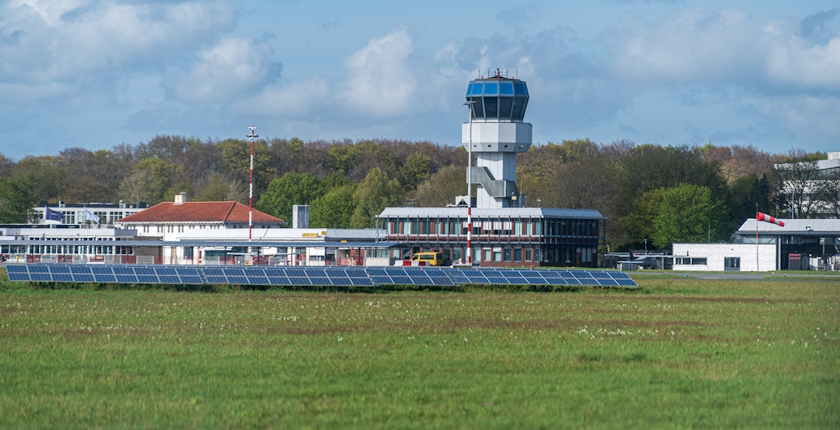
Dozens of airports in Southeastern Europe invest in solar power, energy efficiency

Airports in Istanbul and Athens are becoming completely self-reliant with their large solar power projects. Many other airports in Southeastern Europe are investing in photovoltaics as well. Together with energy efficiency, electric mobility and waste and wastewater management projects, they aim to decarbonize their operations and reduce their environmental impact.

Surfaces around infrastructure such as railways and motorways are convenient for solar power as there are few alternatives for their use and the technology can directly provide them with electricity. Airports, too, have embraced the global trend of introducing photovoltaics and electrifying operations, and Southeastern Europe is no exception, with several notable investments.

The largest ones in Istanbul and Athens are about to switch 100% to solar power, which would make them some of the first in the world. In addition, airports in the region are increasing energy efficiency and rolling out electric vehicle fleets. They are introducing resource, waste and wastewater management systems to decarbonize their operations and reduce their environmental impact.

Airport operator in Albania expanding to solar power market

In other recent news, the operator of Kukës International Airport Zayed in Albania’s northeast is in the process of obtaining a license to generate and trade electricity. Namely, the company, Global Technical Mechanics, received a concession five months ago in consortium with local construction firm Bami to build and operate a 12 MW solar power plant.

The location at the village of Shtiqen is in the municipality of Kukës. The airport, built with investments by Emaar Properties from the United Arab Emirates, was inaugurated in 2021. However, it ceased operations in the meantime as Wizz Air withdrew from the facility.

The entire Vlora International Airport, which is under construction, will be covered with solar panels, Albanian officials said earlier. The PV project is for 5.2 MW. A consortium led by Swiss-based Mabco Constructions is building and financing the construction. The firm is part of Mabetex Group, controlled by Behgjet Pacolli, Kosovar businessman and former president, deputy prime minister and foreign minister.

Zagreb Airport starts with small PV unit

Zagreb Airport, which installed a 250 kW photovoltaic unit this year, said it plans to expand it soon. In addition, it switched to 100% renewable energy supply.

Like other airports in the region, the main one in Croatia replaced conventional, halogen lighting with LED. The operator has committed to cutting its emissions in accordance with the recommendations from the Intergovernmental Panel on Climate Change (IPCC).

Zagreb Airport is renovating its buildings and increasingly using solar energy for heating water. Interestingly, it plans to switch from diesel-fueled generators to hydrogen-ready systems.

Athens to integrate strong battery with its arrays

Athens International Airport Eleftherios Venizelos commissioned an 8.05 MW solar park in 2011, followed by another one in 2023, with 15.8 MW in peak capacity.

This year two more units with a combined peak capacity of 35.5 MW are coming online, together with a battery energy storage system (BESS) of 82 MWh.

The operator of Turkey’s largest airport is completing a photovoltaic park of nearly 200 MW and aiming to cover almost all its energy needs from renewable sources by the end of the decade

IGA Istanbul Airport reported that its greenhouse gas emissions in 2024 were 10.5% lower than its goal. Moreover, its operator increased its 2030 renewable energy target from 50% to 90%.

Namely, it expects its Eskişehir solar farm of a whopping 199.3 MW to begin operations before the end of the year. The location spans 300 hectares and the investment amounts to EUR 212 million. The PV park will generate an estimated 340 GWh per year.

Dalaman Airport hosts world’s largest rooftop solar power plant among airport terminals

Several other airports in Turkey are also decarbonizing their electricity systems. TAV Airports Holding (TAV Havalimanları Holding), part of Groupe ADP, completed a solar power plant 6.7 MW in peak capacity at its Milas-Bodrum Airport in the country’s southwest. Within the same project for setting up PV systems at parking areas, the Izmir Adnan Menderes Airport is getting a 5.9 MW unit.

The Izmir Adnan Menderes Airport is getting a 5.9 MW solar power system at parking areas

Dalaman Airport, near Bodrum, operates a solar power plant of 8.3 MW in peak capacity. It is the world’s largest on the roof of an airport terminal building.

The facility now covers more than 55% of its consumption from solar energy. The investment was worth EUR 5.4 million. The operator, YDA Airport Investment and Management, has vowed to reach 100% in phase two. The airport has completely switched to electric vehicles.

In 2023, airports Milas-Bodrum, Gaziantep, Erzurum and Ordu-Giresun all commissioned smaller PV systems.

Romanian operators leaning on EU funds

Iași International Airport is about to expand its 1 MW solar power plant, installed in 2023. It was the first in Romania in the sector. The management intends to add 5 MW and a 2 MW energy storage unit.

The investment will reportedly be supported with a grant from the European Union’s Modernisation Fund. The hybrid power plant is supposed to cover a fifth of the electricity consumption of the facility in Romania’s far northeast.

Maramureş International Airport (AIM) is also seeking funding, for a system of 2.6 MW in peak capacity on parking canopies. It would include battery storage.

The PV unit would feature 25 inverters of 100 kW each. The project, worth EUR 12.1 million, should be complete by the end of next year, the management said. The facility is in Romania’s northwest, near the border with Ukraine and Hungary.

Cluj International Airport Avram Iancu said in December that it would install a PV system with batteries. It claimed it would make it energy independent in 2026. According to the facility’s website, the solar power project is for 2 MW.

Bacau International Airport George Enescu is another one that applied for funds. The management envisages a 1.25 MW solar power unit and a BESS of 2.1 MWh in capacity, to fully cover electricity consumption.

Sibiu International Airport is developing a project for a ground-mounted unit of 1.7 MW in peak capacity. The site is two kilometers from the terminal.

The management is expecting to cover the costs mainly with a grant via the Modernisation Fund. It said the PV park would be completed within a year and a half and suggested that it would introduce electric cars and buses and charging stations.

Notably, National Company Bucharest Airports (CNAB) has a geotermal energy project.

Hermes Airports equipped its two facilities with PV systems in 2023

Hermes Airports commissioned two solar power plants in Cyprus two years ago. The unit at Larnaka International Airport has 3.5 MW in peak capacity and the one at Pafos International Airport has 1.1 MW. They cover 25% and 30%, respectively, of the facilities’ electricity needs.

Belgrade Nikola Tesla Airport in Serbia commissioned a PV system of 1 MW in peak capacity in 2022. The facility’s concessionaire, Vinci Airports, has also set up solar-powered LED lighting.

International airports in Sarajevo and Tuzla in Bosnia and Herzegovina unveiled plans for PV systems a few years ago.

by in News

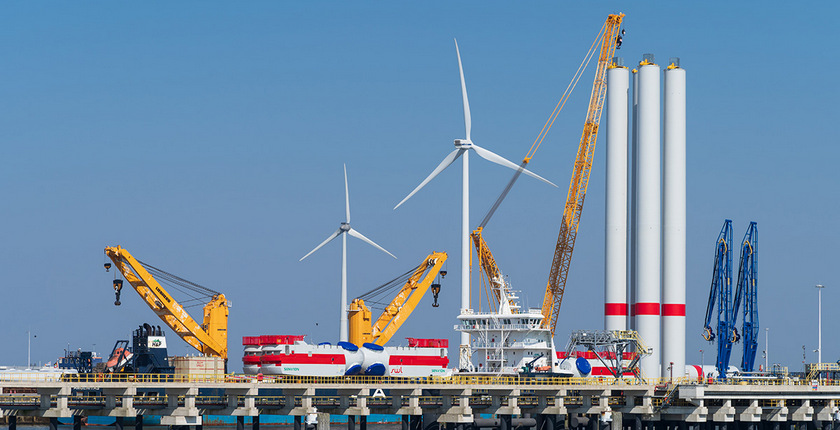
WindEurope: EU must boost investment in ports, ships to meet offshore wind targets

Europe needs to increase investment in ports and shipbuilding, which play a crucial role in offshore wind development, to achieve its goals in this energy segment, according to wind industry association WindEurope. The European Commission’s upcoming strategies for ports and the maritime industry are expected to create conditions for the necessary investment.

The European Union aims to increase its offshore wind capacity from 36.6 GW to 84 GW by 2030, but one of the most pressing challenges it faces is the lack of timely investment in vessel manufacturing and port infrastructure, WindEurope warns.

To meet its 2030 energy security targets, the EU must install at least 10 GW of offshore wind each year. After 2030, this figure will have to increase to 15 GW a year, says WindEurope, noting that robust and resilient port infrastructure and supply chain are key for the achievement of the offshore goals.

After 2030, the EU will have to install 15 GW of offshore wind a year

Over the past three years, over EUR 6.7 billion has been invested in port infrastructure and new vessels across the EU, but a further EUR 6.4 billion is required, the association explains, noting that the European Commission is now working on its EU Ports Strategy.

All offshore wind equipment is transported through ports, and they often serve as bases for the operation and maintenance of offshore wind farms. Ports also host local wind energy supply chains and offer space to store and, in the case of floating turbines, assemble large components, the association notes.

Investment in port infrastructure over the past three years has amounted to EUR 4.4 billion, which can ensure that the EU meets its offshore wind targets, but an additional EUR 2.4 billion is needed to put the bloc on track to achieve post-2030 offshore deployment goals, according to WindEurope.

To make this happen, the EU’s strategy must seek to mobilize additional funding, streamline permitting, and establish planning at the EU level, the association recommends.

A further EUR 4 billion in investment is needed for new ships to handle next-generation wind turbines

When it comes to vessels, they should be a key area of focus in the EU Industrial Maritime Strategy, which aims to enhance the competitiveness, sustainability, and resilience of Europe’s maritime manufacturing sector, WindEurope says.

In the past three years, the EU has invested at least EUR 2.3 billion in new vessels, but it will have to spend a further EUR 4 billion to keep pace with wind turbine technology innovation and handle the upcoming generation of turbines with capacities exceeding 15 MW, it explains.

The strategy should also enable the decarbonization of maritime operations by supporting the shift to clean fuels, such as electricity, ammonia, and hydrogen, and by providing funding for retrofitting vessels and building new zero-emission ships, according to WindEurope.