by in News

EU Approves €405 Million Greek Aid Scheme for Energy-Intensive Industries

The European Commission has approved a €405 million Greek state aid scheme designed to reduce electricity levies for energy-intensive industries, aiming to strengthen the competitiveness of domestic manufacturers and prevent production from relocating outside the European Union.

According to the Commission, the measure complies with EU state aid rules and is targeted at sectors with high electricity consumption that are exposed to intense international competition.

EU officials stated that the scheme is intended to mitigate the risk of carbon leakage — a situation in which companies move industrial operations to countries with less stringent climate regulations, potentially increasing global greenhouse gas emissions.

The newly approved mechanism replaces a previous Greek support scheme that received European Commission approval in December 2018.

Under the framework, eligible companies will benefit from reductions ranging between 75% and 85% on electricity-related levies, depending on the level of their exposure to energy costs and international market pressures. However, beneficiaries will still be required to pay a minimum levy of 50 euro cents per megawatt-hour.

The program also introduces environmental obligations for participating companies. Beneficiaries must either implement recommendations identified through energy audits, invest at least 50% of the financial support received into projects that significantly reduce greenhouse gas emissions, or ensure that at least 30% of their electricity consumption is sourced from carbon-free energy.

The European Commission concluded that the measure is “necessary and appropriate” to reduce the risk of industrial relocation while remaining aligned with EU climate objectives and competition regulations.

by in News

EU Eyes Urgent Gas Price Cap as Geopolitical Tensions Destabilize Energy Markets

The European Commission is weighing aggressive interventions in the energy market—including a potential cap on natural gas prices—to shield consumers and industries from a sharp spike in electricity costs. Speaking at a European Parliament plenary debate, Commission President Ursula von der Leyen signaled that the executive branch is preparing a suite of emergency measures to decouple gas prices from broader power bills.

Geopolitical Volatility Hits the Grid

The move comes as energy markets face renewed turbulence driven by the armed conflict involving the US and Israel against Iran. The escalation has severely disrupted shipping lanes in the Strait of Hormuz, a vital chokepoint for global oil and liquefied natural gas (LNG) supplies.

The impact on European benchmarks has been immediate and severe:

  • Late February: TTF gas traded at a relatively stable €31 per MWh.

  • Peak Surge: Following the escalation, prices spiked by 100%, briefly eclipsing €62 per MWh.

  • Current Standing: Prices have leveled off slightly but remain elevated at over €51 per MWh.

The “Merit Order” Dilemma

Under the EU’s current “merit order” system, electricity prices are determined by the most expensive power plant required to meet total demand. Because natural gas plants are frequently the final resources called upon to balance the grid, they effectively set the price for the entire market—even when cheaper renewables are available.

“It is crucial that we reduce the cost impact when gas sets the electricity price,” von der Leyen stated. “We are exploring better use of Power Purchase Agreements (PPAs), Contracts for Difference (CfDs), and direct gas price caps to break this link.”

Breakdown of the Average EU Electricity Bill

To address the crisis holistically, the Commission is analyzing the four primary drivers of consumer costs:

Component Share of Bill Commission Strategy
Energy Generation 56% Gas price caps, subsidies, and state aid.
Grid Charges 18% Increasing grid productivity to reduce waste.
Taxes & Levies 15% Encouraging member states to lower local burdens.
Carbon Costs (ETS) 11% Modernizing the Emissions Trading System.

Beyond Price Caps: A Long-Term Overhaul

While a gas cap serves as a “firebreak,” the Commission’s strategy extends to structural reforms. Von der Leyen emphasized that increasing the productivity of existing grids is a priority to ensure that renewable energy is not “wasted” during periods of peak production. Furthermore, the Commission aims to modernize the EU Emissions Trading System (EU ETS) to ensure carbon pricing remains a tool for transition rather than a prohibitive burden during supply shocks.

By targeting every component of the power bill—from the raw commodity cost to the underlying taxes Brussels hopes to stabilize a continent currently caught in the crosshairs of global conflict.

by in News

Montenegro Achieves Regulatory Milestone: Full Alignment with EU Electricity Integration Package

In a significant leap toward European energy integration, Montenegro has officially completed the transposition of the European Union’s Electricity Integration Package (EIP). According to the Energy Community Secretariat, this regulatory alignment positions Montenegro alongside Moldova and Serbia as frontrunners in the Western Balkans’ effort to merge with the European single electricity market.

The move is designed to catalyze Montenegro’s energy transition by enhancing market competitiveness and ensuring the country can participate in regional power exchanges even before formal EU accession.

The Gateway to Market Coupling: SDAC and SIDC

The primary objective of transposing the EIP is to enable Market Coupling. By harmonizing its domestic laws with EU standards, Montenegro is preparing to join two critical pillars of the European energy infrastructure:

  • Single Day-Ahead Coupling (SDAC): A mechanism that optimizes electricity prices and cross-border flows across Europe for the following day.

  • Single Intraday Coupling (SIDC): A continuous trading environment that allows market participants to adjust their positions as close to real-time as possible.

This integration is expected to lower costs for consumers, provide clearer signals for renewable energy investors, and significantly bolster the security of the national supply.

The Legislative Roadmap

The finalization of this process occurred on February 15, 2026, when the Montenegrin government adopted two pivotal decrees governing:

  1. System Operation: Establishing technical rules for grid stability.

  2. Emergency and Restoration: Outlining protocols for grid recovery during unforeseen outages.

These decrees complement existing legislation, including the Law on Energy and the Law on Cross-Border Exchanges in Electricity and Natural Gas. Together, these legal frameworks form the “four pillars” identified by the Secretariat as essential for a cost-efficient clean energy transition:

  • Clear investment signals.

  • Strengthened regional cooperation.

  • Reinforced fair competition.

  • Enhanced security of supply.

The Path to Verification

While the legislative work is complete, Montenegro now enters the Verification Phase. This process involves a rigorous audit by the Energy Community Secretariat and the European Commission to ensure that the laws on paper translate into functional market practices.

Country Status of EIP Transposition Verification Phase
Serbia Completed In Progress (Started Oct 2025)
Moldova Completed Initiating
Montenegro Completed Pending Request
North Macedonia Partial Pending Legislation

“Montenegro is now stepping up efforts to submit a formal request initiating the verification process,” the Secretariat noted, echoing recent sentiments from Director Artur Lorkowski regarding the rapid progress of the “Vienna Group” of energy reformers.

Expert Analysis: What This Means for the Region

For a small economy like Montenegro, market coupling is a “force multiplier.” By removing the barriers to cross-border electricity trade, the country can better manage the intermittency of new wind and solar projects. This regulatory bridge to the EU not only modernizes the grid but also makes Montenegro a more attractive destination for “green” capital, as energy produced domestically can now be more easily sold into the massive European market.

by in News

EU Greenlights Key Step for Greece’s Prinos CO₂ Storage Project

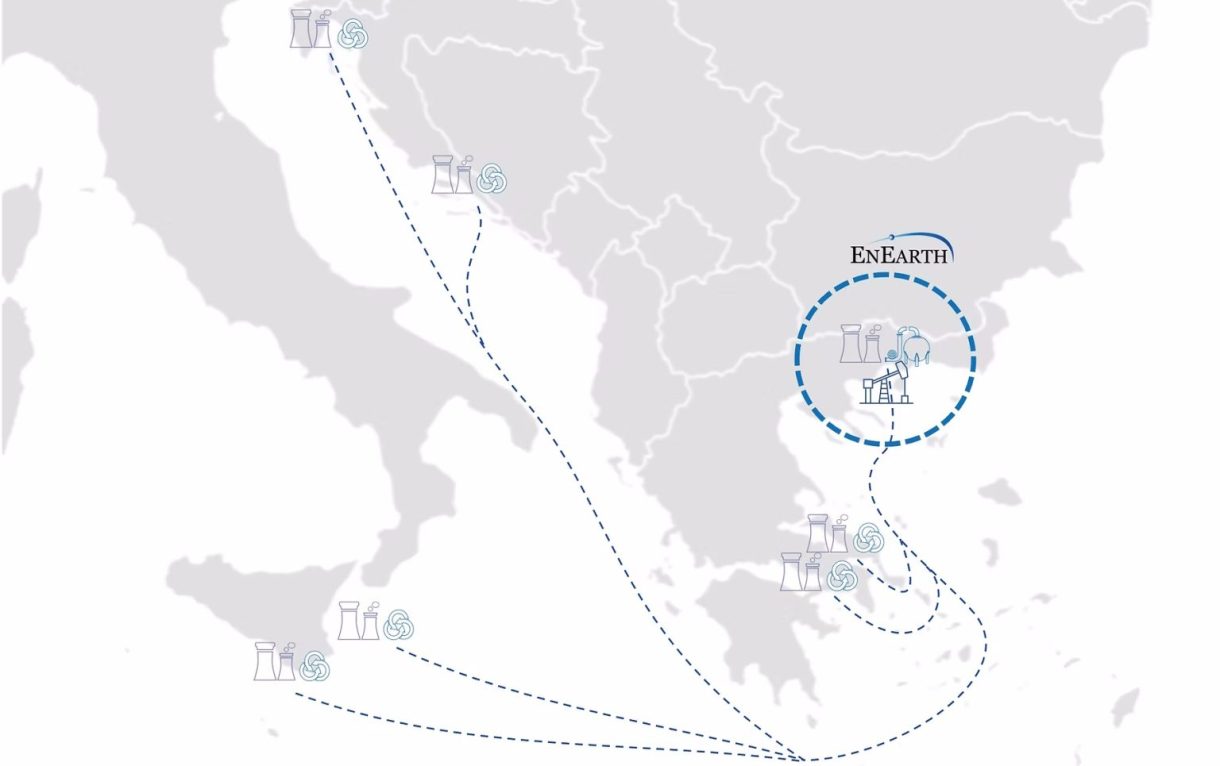
EnEarth is advancing plans to develop a carbon dioxide storage hub in depleted offshore oil reservoirs beneath the Aegean Sea, near the northern Greek city of Kavala, after receiving a favorable opinion from the European Commission on its storage permit application submitted around a year and a half ago. Including related infrastructure, the project’s total value could reach up to EUR 1.2 billion.

The European Commission’s Directorate-General for Climate Action (DG CLIMA) issued the positive opinion following its review of EnEarth’s proposal to store CO₂ in the Prinos reservoir. According to the company, the technical documentation submitted meets EU requirements and demonstrates that the site is suitable for safe, long-term storage. EnEarth added that the assessment highlights the strength of its geological and technical studies, supporting the company’s approach to understanding reservoir dynamics and establishing systematic monitoring procedures.

Prinos lies beneath the Aegean Sea in the Kavala Gulf area. EnEarth is a subsidiary of Energean, headquartered in the United Kingdom.

“It confirms what we already know – that Prinos is a safe storage site and a vital player in decarbonising hard-to-abate industry in Europe and Greece, and helping our country meet its goal of reducing emissions by 80 per cent by 2040,” EnEarth Managing Director Nikolas Rigas said.

Permitting decision rests with Greece’s licensing authority HEREMA

EnEarth stressed that the Commission’s opinion is not legally binding, but described it as a significant milestone that strengthens the ongoing evaluation by Greece’s licensing authority, the Hellenic Hydrocarbon and Energy Resources Management Co. (HEREMA), which will make the final decision on issuing the storage permit. EnEarth filed its application with HEREMA in July 2024.

EU funding totals EUR 270 million; EBRD backs equity investment

EnEarth said it has secured EUR 270 million in European Union support for the Prinos project, including EUR 150 million via the Recovery and Resilience Facility and National Recovery and Resilience Plan 2.0, and EUR 120 million through the Connecting Europe Facility.

The European Bank for Reconstruction and Development (EBRD) approved an equity investment in EnEarth last year of up to EUR 75 million. The lender said at the time that the project value was estimated at EUR 918 million, and noted it would be EBRD’s first carbon storage project.

Injection rates: up to 1 Mt over 20 years in phase 1, rising later

Under phase 1—covered by the current permit application—EnEarth plans an injection rate of up to one million tons over a 20-year period. The company said capacity could later be increased to as much as three million tons per year.

Photo: EnEarth

Photo: EnEarth

The European Union has also included the Kavala Gulf initiative among its projects of common interest (PCIs), an EU designation intended to facilitate strategic cross-border energy infrastructure.

Timeline: market test framework pending; pilot drilling planned; start targeted for 2030

EnEarth said it is awaiting completion of the legal framework needed to conduct a market test, starting with non-binding bids and moving to binding offers. The company then aims to begin pilot drilling in the summer and may take a final investment decision later this year. Based on current planning, the targeted start date is the first quarter of 2030.

In Greece, the most advanced carbon capture initiatives are being pursued by oil refiners Motor Oil and Hellenic Energy, and cement producers Titan and Heracles. EnEarth said it intends to provide CO₂ storage services not only domestically but also to emitters in neighboring and regional markets such as Bulgaria, Cyprus, Croatia, Italy and Slovenia. Still, it acknowledged that Prinos’s capacity is constrained relative to projected emissions and expected demand.

Separately, Greece signed a memorandum of understanding about a year ago with Egypt on carbon capture, utilization and storage (CCUS). Some estimates place Greece’s total CO₂ storage potential as high as 580 million tons.

by in News

Chinese wind turbine supplier Goldwind probed in EU over alleged foreign subsidies

The European Commission has opened an in-depth investigation into possible foreign subsidies that may have given Chinese wind turbine manufacturer Goldwind an unfair advantage in the European Union’s internal market. The probe follows a preliminary investigation into several Chinese wind turbine suppliers.

The European Commission said it had started a preliminary investigation in April 2024 into several companies active in the EU wind sector, including Goldwind, by sending them requests for information. The probe was launched under the EU’s Foreign Subsidies Regulation (FSR).

Its findings indicate that Goldwind may have been granted foreign subsidies that distort the EU internal market. Goldwind is active in the EU through subsidiaries, including one called Vensys, according to a press release from the commission.

Foreign subsidies may harm competition in the EU wind turbine market

The possible foreign subsidies include grants, preferential tax measures, and preferential financing in the form of loans, which may improve Goldwind’s competitive position and negatively affect competition for the supply of wind turbines and related services in the EU.

Goldwind turbines have been installed across the region tracked by Balkan Green Energy News, including in North Macedonia, Greece, Romania, and Turkey.

In a statement, Goldwind said it would cooperate with the relevant EU authorities throughout the investigation, adding that it hoped that fact-based and constructive communication with the European Commission would help clarify the facts.

Goldwind says it will cooperate with the authorities and that its EU business is currently unaffected

The company also stressed that currently, its business activities in the EU market continue to operate normally, and that it remains dedicated to providing its customers and partners with consistent, high-quality service and support.

by in News

CBAM go-live: no electricity imports in week one

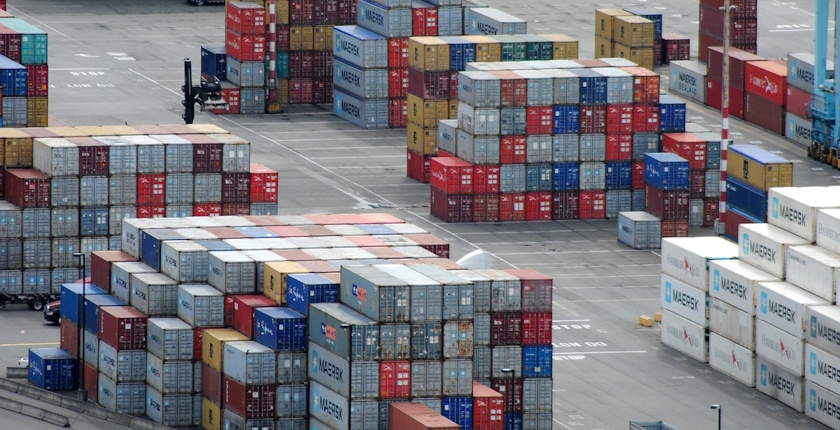
Iron and steel dominated the CBAM imports declared in the first reporting window, January 1-6, according to the European Commission.

The European Union’s Carbon Border Adjustment Mechanism entered into force on January 1. The European Commission used the January 1 to January 6 period for initial data collection to monitor and report on the CBAM go-live.

From the beginning of this year, firms in the EU that import aluminum, cement, electricity, iron and steel, hydrogen and fertilizers from non-EU countries are obliged to pay a carbon price under CBAM. But, the deadline to submit CBAM certificates for 2026 is May 31, 2027.

CBAM successfully entered into force on January 1, 2026, according to the commission.

CBAM imports declared in the first reporting window from January 1 to January 6 covered 1.655.613 tonnes

The full implementation followed a coordinated deployment across all EU member states, seamlessly integrating the CBAM Registry with national customs import systems, Taric and EU Customs Single Window, the commission explained.

This seamless interconnection ensured real-time data exchange, efficient validation of declarants, and uninterrupted import procedures at EU external borders, the EU’s executive arm claims.

CBAM imports declared in the first reporting window, from January 1 to January 6, covered 1.655.613 tonnes. This is the sectoral breakdown:

  • Iron and steel: 98%
  • Fertilizers: 1.2%
  • Cement: 0.5%
  • Aluminium: 0.3%
  • Electricity and hydrogen: 0%.

The main countries of origin of CBAM-covered imports included Turkey, China, India, Canada, Taiwan, and Vietnam. On the other hand, top importing member states are Belgium, Spain, Romania, the Netherlands, France, and Germany.

In total, more than 12,000 economic operators submitted applications for CBAM authorization by January 7.

The commission invited entities that have not yet submitted their CBAM authorization applications to do so as soon as possible via the CBAM Registry.

National authorities report stable processing times, supported by harmonized digital workflows, according to the commission.

Of note, in mid-December last year, the commission published implementing acts and amendments to the CBAM Regulation.

by in News

EU presents European Grids Package: faster permitting, stronger interconnections, lower energy bills

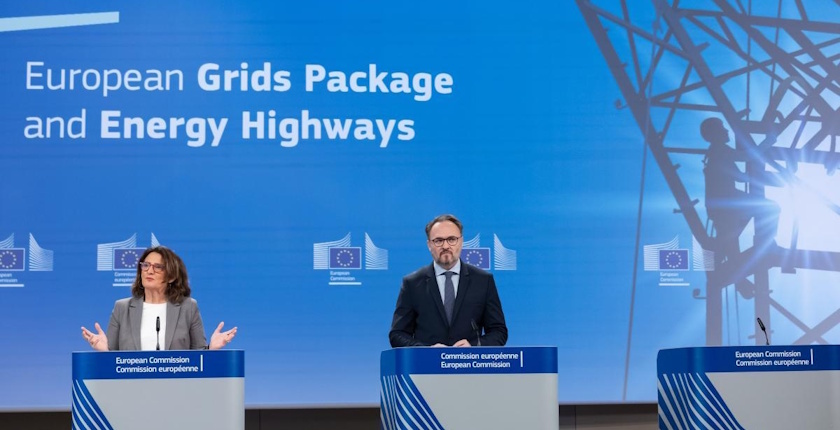
The European Commission presented the European Grids Package, a comprehensive plan to modernise transmission infrastructure, accelerate permitting procedures, and overcome bottlenecks in Europe’s electricity networks. It also unveiled the Energy Highways initiative, which consists of eight major infrastructure projects critical for energy security, renewable energy integration, and cross-border electricity market connectivity.

Energy infrastructure is the backbone of the energy system. Yet the EU’s energy network remains insufficiently integrated, and investment levels fall short of what is needed, a situation that directly affects household energy bills.

Ageing infrastructure and limited interconnection capacity are creating bottlenecks that slow the energy transition. Although some progress has been made within the existing EU legislative framework, the level of interconnection among member states remains inadequate. Several countries are not on track to meet the 15% interconnection target by 2030.

To address these challenges, the European Commission has presented the European Grids Package and Energy Highways initiative. The aim is to enable a more efficient flow of energy across the EU, integrate greater volumes of renewable energy into the system, and accelerate electrification.

Jørgensen: A truly interconnected energy system is the foundation of a strong and independent Europe

The Grids Package is designed to speed up permitting and ensure a fairer distribution of costs for cross-border infrastructure. It should also improve the use of existing infrastructure and accelerate the development of networks and other physical energy assets across the EU.

Among the measures is a new mechanism that allows the commission to initiate the search for additional infrastructure projects when existing initiatives do not cover identified cross-border needs.

“A truly interconnected and integrated energy system is the foundation of a strong and independent Europe. To achieve it, we need an energy infrastructure network of cables, pipes and grids that is up to date, fully interconnected, and that enables clean, affordable, homegrown energy to flow freely and securely to every corner of our union. This is exactly what we are proposing today: a common European energy project that supports affordable living, economic competitiveness, security, and decarbonisation,” said Dan Jørgensen, European Commissioner for Energy and Housing.

Permitting reform

Slow permitting remains one of the biggest bottlenecks for energy infrastructure and renewable energy projects in the EU.
Obtaining permits for transmission infrastructure currently takes more than five years on average, while renewable energy projects may face delays of up to nine years.

The Grids Package introduces simplified and accelerated permitting procedures. The commissioners have proposed setting time limits within which decisions must be taken for all types of projects. If the competent authority fails to respond within the deadline, the permit would be considered granted.

Permits for smaller projects would be issued through faster and more streamlined procedures

Permits for smaller projects would be issued through faster and more streamlined procedures. All processes would have to be fully digitalised, and national administrations would be required to have adequate staffing and technical capacity to process applications.

The commission is proposing to move away from the current first-come, first-served model and introduce a system that ensures timely and non-discriminatory access to the grid, one that balances social acceptance and industrial competitiveness.

Public and private financing

According to the commission’s estimates, EUR 1.2 trillion in investment will be needed for Europe’s electricity grid by 2040. Distribution networks account for EUR 730 billion within the sum, compared to EUR 240 billion for hydrogen infrastructure.

The commission said additional financing tools are required, including cost-sharing arrangements, arguing that cross-border infrastructure generates benefits that extend beyond the territory in which a project is located.

Another suggested solution is the formation of project firms (special purpose vehicles – SPVs) to attract additional private investment.

Given that grid infrastructure is largely financed through network tariffs, part of the burden falls on consumers. To ease this pressure, the commission announced it would boost financial support through the Multiannual Financial Framework (MFF), the EU’s regular seven-year budget, including a significant expansion of the Connecting Europe Facility (CEF). The tool is designed to support investments in new cross-border energy infrastructure and upgrades or rehabilitation of existing assets.

The current 2021–2027 EU budget contained EUR 5.8 billion for cross-border projects under CEF. For the 2028–2034 period, the commission said the amount would be raised almost fivefold, to EUR 29.91 billion.

On the private side, the EU is working on its Clean Energy Investment Strategy, to launch it in 2026 by outlining measures for private sector participation including institutional investors, as well as additional support from the European Investment Bank (EIB).

Energy Highways

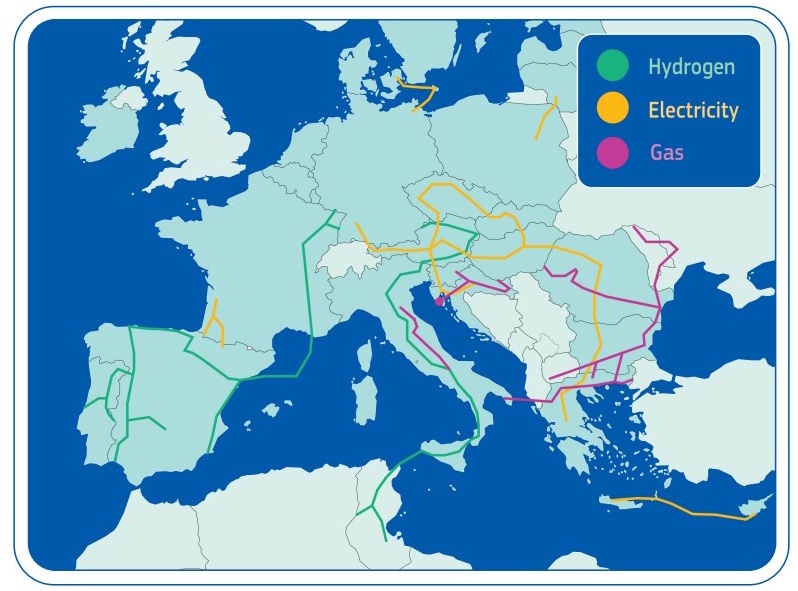
The Energy Highways initiative comprises eight of the EU’s largest and most critical infrastructure projects, essential for energy security, renewable energy integration, and cross-border electricity market connectivity.

They have already been already listed as Projects of Common Interest (PCI) or Projects of Mutual Interest (PMI), but under the new initiative, they would receive elevated political priority, accelerated financing, and faster permitting.

Energy Highways
Photo: European Commission

Among the projects are the reinforcement of interconnections across the Pyrenees to improve the integration of the Iberian Peninsula, the connection of Cyprus with continental Europe through the Great Sea Interconnector, as well as an upgrade of electricity links between the Baltic states, including the Harmony Link to Poland, which is essential for the full synchronisation of the region with the European grid.

The commission has also endorsed the establishment of Denmark’s hub on the island of Bornholm, which could, in the coming years, be connected to additional locations in the Baltic Sea.

Among the priorities are strengthening energy storage capacity in South-Eastern Europe

Among the priorities are strengthening energy storage capacity in South-Eastern Europe, as well as the modernisation of the Trans-Balkan Pipeline (TBP) for gas.

The list includes two hydrogen corridors. The southern one would connect Tunisia, Italy, Austria, and Germany, and the south-western corridor is a planned link between Portugal, Spain, France, and Germany. The commission has announced strong coordination and political support for the latter.

The commission views these projects as pillars of Europe’s future energy network, essential for lower electricity prices, greater system stability, and reduced dependence on fossil fuels.

In a regular legislative procedure, the proposals now move to the European Parliament and the Council of the EU for further deliberation.

by in News

CBAM go-live: no electricity imports in week one

Iron and steel dominated the CBAM imports declared in the first reporting window, January 1-6, according to the European Commission.

The European Union’s Carbon Border Adjustment Mechanism entered into force on January 1. The European Commission used the January 1 to January 6 period for initial data collection to monitor and report on the CBAM go-live.

From the beginning of this year, firms in the EU that import aluminum, cement, electricity, iron and steel, hydrogen and fertilizers from non-EU countries are obliged to pay a carbon price under CBAM. But, the deadline to submit CBAM certificates for 2026 is May 31, 2027.

CBAM successfully entered into force on January 1, 2026, according to the commission.

CBAM imports declared in the first reporting window from January 1 to January 6 covered 1.655.613 tonnes

The full implementation followed a coordinated deployment across all EU member states, seamlessly integrating the CBAM Registry with national customs import systems, Taric and EU Customs Single Window, the commission explained.

This seamless interconnection ensured real-time data exchange, efficient validation of declarants, and uninterrupted import procedures at EU external borders, the EU’s executive arm claims.

CBAM imports declared in the first reporting window, from January 1 to January 6, covered 1.655.613 tonnes. This is the sectoral breakdown:

  • Iron and steel: 98%
  • Fertilizers: 1.2%
  • Cement: 0.5%
  • Aluminium: 0.3%
  • Electricity and hydrogen: 0%.

The main countries of origin of CBAM-covered imports included Turkey, China, India, Canada, Taiwan, and Vietnam. On the other hand, top importing member states are Belgium, Spain, Romania, the Netherlands, France, and Germany.

In total, more than 12,000 economic operators submitted applications for CBAM authorization by January 7.

The commission invited entities that have not yet submitted their CBAM authorization applications to do so as soon as possible via the CBAM Registry.

National authorities report stable processing times, supported by harmonized digital workflows, according to the commission.

Of note, in mid-December last year, the commission published implementing acts and amendments to the CBAM Regulation.

by in News

Slovenia to aid energy-intensive companies with EUR 30 million per year

The Government of Slovenia has adopted a bill on state aid for energy-intensive companies.

Minister of the Environment, Climate and Energy Bojan Kumer said following a government session that the bill on state aid for energy-intensive companies addresses the serious challenges facing this segment of the Slovenian economy.

He added that these companies generate high added value, account for a significant share of Slovenia’s exports, and provide thousands of quality jobs, often in regions which offer no alternative employment opportunities.

According to an analysis from last May, electricity tariffs for Slovenian businesses were among the highest in the European Union.

The law aims to ensure competitiveness for companies exposed to international competition, for which electricity costs are a key factor in business operations.

Around 40 companies should benefit from the state aid

In difficult global economic conditions, support for energy-intensive companies is essential to help them remain competitive in international markets, the minister emphasized.

The subsidies will be limited to electricity consumption over the next three years, including 2026. The ministry expects them to be available to approximately 40 companies in the chemical, steel, and paper industries.

The law defines clear criteria for receiving aid, limits on the amount of support, control mechanisms, and sanctions in case of violations, with the beneficiaries required to allocate at least half of the received aid to sustainable investments, according to the ministry.

The annual electricity consumption threshold is 15 GWh

Funding for the subsidies will come from sources outside the state budget, through companies wholly owned by the government that operate the country’s key electricity generation capacities. The estimated amount of aid is approximately EUR 30 million a year.

The government will send the bill to parliament for consideration under a fast-track procedure, as its implementation will require timely approval from the European Commission.

To qualify for the subsidies, companies will have to meet criteria including annual electricity consumption of more than 15 GWh and a share of electricity costs in the company’s added value of at least 5%, Naš stik reported.

They will also be required to have an established energy management system and to invest at least half of the savings from lower electricity prices in decarbonizing production or improving energy efficiency.

by in News

Slovenia to aid energy-intensive companies with EUR 30 million per year

The Government of Slovenia has adopted a bill on state aid for energy-intensive companies.

Minister of the Environment, Climate and Energy Bojan Kumer said following a government session that the bill on state aid for energy-intensive companies addresses the serious challenges facing this segment of the Slovenian economy.

He added that these companies generate high added value, account for a significant share of Slovenia’s exports, and provide thousands of quality jobs, often in regions which offer no alternative employment opportunities.

According to an analysis from last May, electricity tariffs for Slovenian businesses were among the highest in the European Union.

The law aims to ensure competitiveness for companies exposed to international competition, for which electricity costs are a key factor in business operations.

Around 40 companies should benefit from the state aid

In difficult global economic conditions, support for energy-intensive companies is essential to help them remain competitive in international markets, the minister emphasized.

The subsidies will be limited to electricity consumption over the next three years, including 2026. The ministry expects them to be available to approximately 40 companies in the chemical, steel, and paper industries.

The law defines clear criteria for receiving aid, limits on the amount of support, control mechanisms, and sanctions in case of violations, with the beneficiaries required to allocate at least half of the received aid to sustainable investments, according to the ministry.

The annual electricity consumption threshold is 15 GWh

Funding for the subsidies will come from sources outside the state budget, through companies wholly owned by the government that operate the country’s key electricity generation capacities. The estimated amount of aid is approximately EUR 30 million a year.

The government will send the bill to parliament for consideration under a fast-track procedure, as its implementation will require timely approval from the European Commission.

To qualify for the subsidies, companies will have to meet criteria including annual electricity consumption of more than 15 GWh and a share of electricity costs in the company’s added value of at least 5%, Naš stik reported.

They will also be required to have an established energy management system and to invest at least half of the savings from lower electricity prices in decarbonizing production or improving energy efficiency.