by in News

CGES Secures €15 Million Investment to Upgrade Tri-Nation Power Infrastructure in the Western Balkans

Crnogorski Elektroprenosni Sistem (CGES), Montenegro’s national transmission system operator, has successfully secured a €15 million loan to finance the modernization of the 220-kilovolt (kV) power line connecting Montenegro, Bosnia and Herzegovina, and Albania.

This strategic initiative is designed to enhance the efficiency and reliability of Montenegro’s domestic electricity transmission network while simultaneously fortifying cross-border energy connectivity throughout the Western Balkans. According to CGES, the project represents a critical step toward the broader regional integration of power systems.

The financial agreement was formally signed by CGES Chief Executive Officer Ivan Asanović, European Bank for Reconstruction and Development (EBRD) Vice President Mark Bowman, and Montenegrin Minister of Finance Novica Vuković. The Ministry of Finance backed the initiative by issuing a state guarantee, underscoring the government’s steadfast commitment to supporting strategic investments that bolster both national infrastructure and regional connectivity.

Detailing the technical improvements, CEO Ivan Asanović noted that the modernization project will effectively double the transmission line’s current capacity from 300 megawatts (MW) to approximately 600 MW. He characterized the upgrade as a foundational investment in a secure, stable, and integrated energy future for the region, resulting in a more resilient grid capable of meeting increasing systemic demands and facilitating deeper regional cooperation.

EBRD Vice President Mark Bowman echoed these sentiments, emphasizing that reinforcing transmission networks is essential for securing long-term energy security and regional integration in the Western Balkans. Bowman noted that the project will overhaul vital infrastructure in Montenegro, aligning with the EBRD’s mandate to foster sustainable and resilient infrastructural development.

Looking forward, this project falls under a broader capital expenditure strategy for CGES, which plans to invest a total of €200 million into transmission infrastructure over the next five years.
by in News

The Great Atomic Pivot: EU Reclaims Nuclear Power as a Strategic Pillar for Energy Security

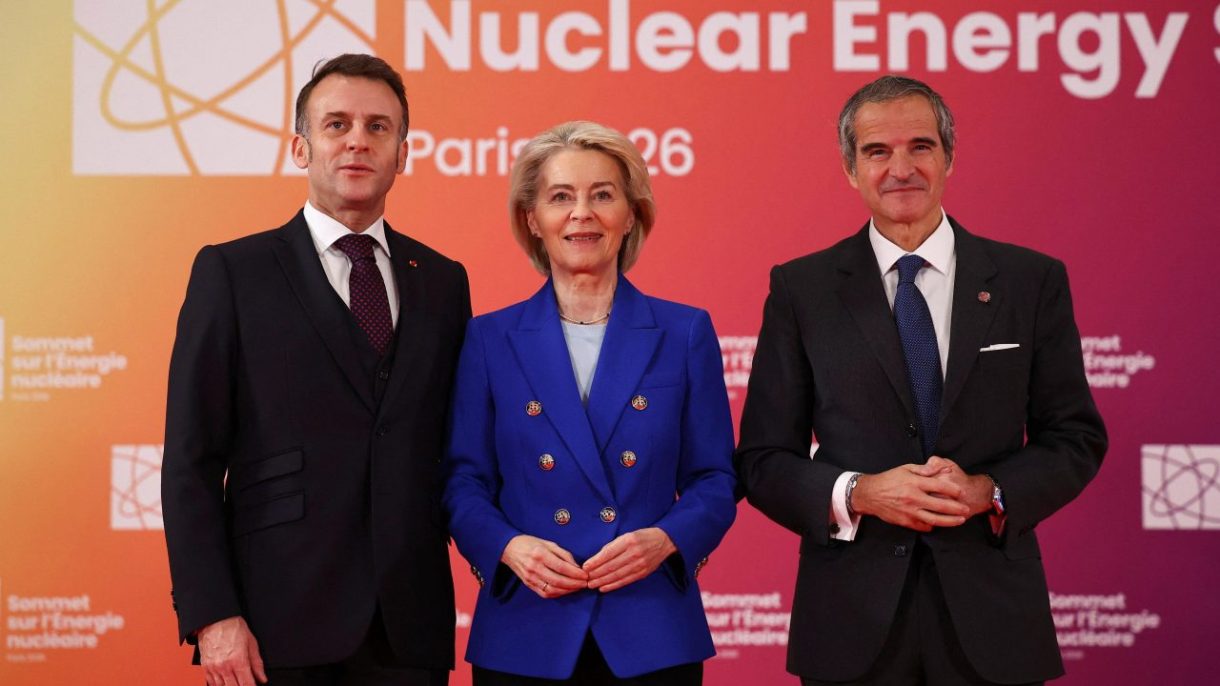
In a significant rhetorical shift for the European Union’s energy policy, Commission President Ursula von der Leyen characterized the continent’s historical move away from nuclear power as a “strategic mistake.” Speaking at the Nuclear Energy Summit in Paris, hosted by the International Atomic Energy Agency (IAEA), von der Leyen argued that turning away from the atom left Europe dangerously exposed to the volatility of global fossil fuel markets.

A Continent Re-evaluating its Baseload

The President noted a stark decline in nuclear’s contribution to the European grid, falling from one-third of total electricity generation in 1990 to approximately 15% today. This retreat, she argued, exacerbated Europe’s dependence on expensive, imported oil and gas—a vulnerability underscored by ongoing instability in the Middle East.

“I believe it was a strategic mistake for Europe to turn its back on a reliable, affordable source of low-emissions power,” von der Leyen stated.

She outlined a vision for a modernized energy system where nuclear works in tandem with renewables, supported by robust storage and smart grids.

The Rise of Small Modular Reactors (SMRs)

The EU’s strategy is increasingly focused on the next generation of nuclear technology. Key initiatives include:

  • Regulatory Reform: Recent changes to state aid rules now allow for expanded support for nuclear fission and fuel cycles.

  • Industrial Alliance: The launch of the world’s first industrial alliance dedicated to Small Modular Reactors (SMRs).

  • Financial Backing: Proposed investments of over €5 billion in fusion research and an additional €200 million in guarantees through 2028 to support the first commercial units of innovative nuclear technologies.

The goal is to have SMRs operational across Europe by the early 2030s to complement existing traditional plants.

Regional Expansion: Greece, Romania, and Serbia

The shift in sentiment at the Commission level is mirrored by renewed interest among member states and neighboring nations:

  • Greece: Prime Minister Kyriakos Mitsotakis echoed von der Leyen’s sentiments, noting that it is time for Greece to explore how SMRs could be integrated into the domestic grid. While Greece remains committed to renewables and gas as a bridge, a new committee will officially study nuclear integration.

  • Romania: Energy Minister Bogdan Ivan announced plans to triple the nation’s nuclear capacity over the next decade. This includes the modernization of the Cernavodă plant and the development of a pioneering SMR project in Doicești.

  • Serbia: Minister of Mining and Energy Dubravka Đedović Handanović signaled Serbia’s intent to join the “nuclear revival.” To support a growing economy and AI infrastructure, Serbia aims to select a technology by 2032, with the goal of bringing a plant online by approximately 2040.

As Europe seeks to reconcile its climate goals with energy security, the message from Paris was clear: the nuclear option is no longer on the sidelines—it is back at the center of the strategy.

by in News

Albania Establishes Joint Task Force to Monitor Hydrocarbon Sector and Prevent Fuel Price hikes.

Albania’s General Directorate of Taxation and General Directorate of Customs are establishing a joint Task Force specifically designed to monitor the downstream hydrocarbon sector and prevent abusive fuel price increases.

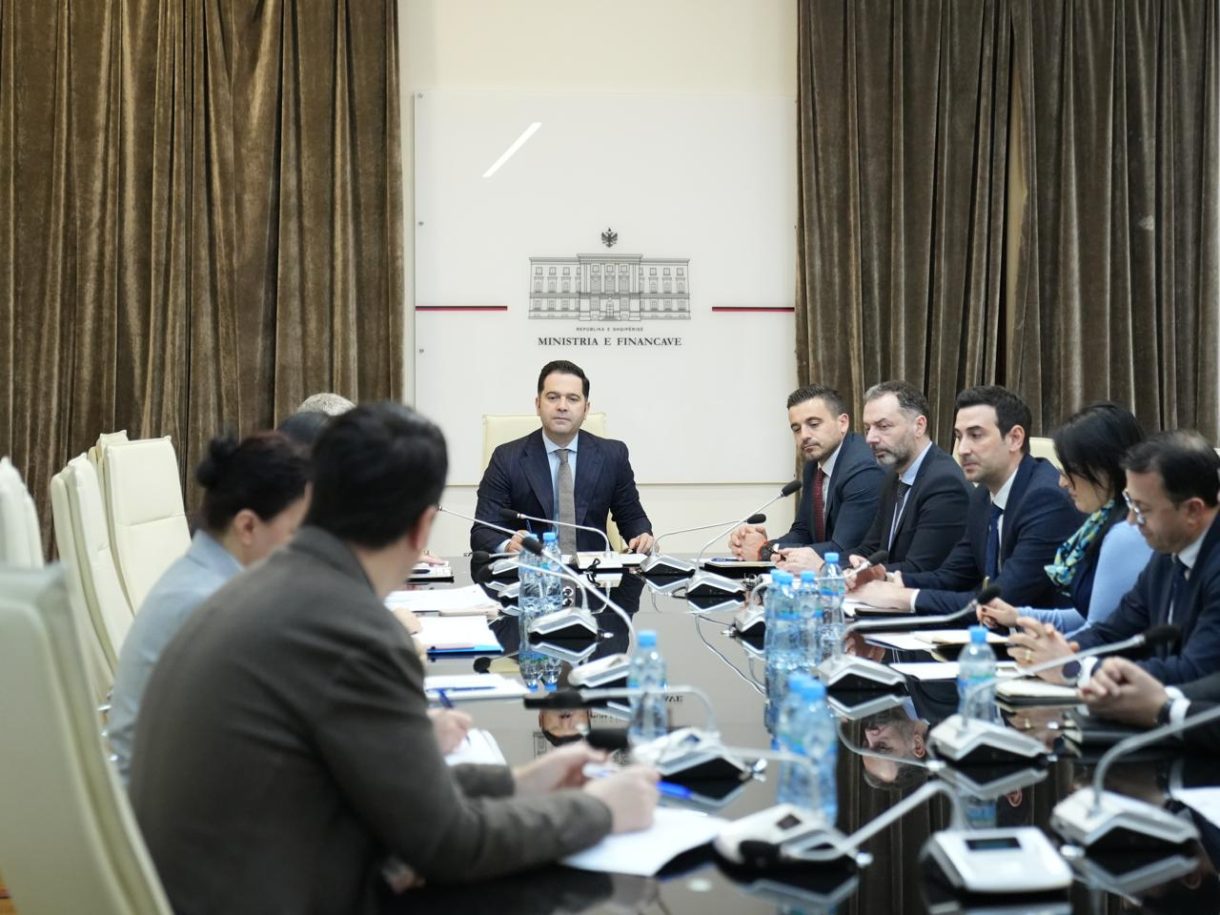
Minister of Finance Petrit Malaj, during a recent summit with General Director of Taxation Ilir Binaj and General Director of Customs Besmir Beja, finalized an operational roadmap to launch this inter-agency initiative.

The Task Force is mandated to tighten tax and customs oversight and improve enforcement efficiency across both the wholesale and retail hydrocarbon markets. The primary objective is to shield Albanian consumers from unjustified, speculative fuel price hikes. Minister Malaj emphasized that this operational strategy is a direct response to recent geopolitical developments driving volatility in global energy markets.

“We initiated this operational group prompted by the recent conflict involving Iran, the US, and Israel, which has directly impacted global hydrocarbon prices,” Malaj stated. “Both institutions will rigorously monitor pricing to prevent any exploitative hikes within the wholesale and retail trade sectors.”

Key Operational Measures

The agencies have agreed on a comprehensive enforcement framework, which includes:

  • Operator Risk Assessments: Conducting targeted evaluations of market players to identify high-risk entities.

  • Market Intelligence: Gathering field data regarding potential market abuses and speculative pricing.

  • Physical and Desk Audits: Expanding enforcement beyond the routine review of tax and customs documentation to include physical inspections of fuel volumes at wholesale depots and retail stations.

Inter-Agency Coordination and Long-Term Goals

Minister Malaj reiterated the Ministry of Finance’s commitment to robust tax and customs administration in the public interest. Besmir Beja, General Director of Customs, confirmed that the inspections will be executed nationwide, explicitly targeting entities flagged during the risk assessment phase.

According to Beja, joint inspection units will ensure all market activity strictly complies with regulatory frameworks. This includes verifying that every transaction is fiscally recorded and that all distributed fuel satisfies statutory customs and tax obligations.

Ilir Binaj, General Director of Taxation, noted that the respective agencies have fully coordinated the operational plan and commenced preliminary risk analyses. He highlighted that intelligence gathered from previous enforcement operations has been instrumental in pinpointing specific vulnerabilities within the sector. The ultimate objective is to sustain this joint operation over the long term to drive comprehensive market formalization and ensure the orderly functioning of Albania’s domestic hydrocarbon market.

by in News

Greece Fast-tracks Strategic Hydrocarbon Agreements with Chevron and HelleniQ Energy

The Hellenic Parliament is set to ratify a series of landmark energy concessions this week, signaling Greece’s most decisive move in decades to unlock the hydrocarbon potential of the Eastern Mediterranean. The legislation authorizes exploration and exploitation contracts for high-prospect offshore blocks located south of Crete and the Peloponnese.

Designated by government officials as a “national priority” for energy security, the bills cleared their final committee review early this week. A plenary vote is scheduled for Thursday, which would formally greenlight a partnership between the Greek state and a powerful consortium led by global major Chevron and national champion HelleniQ Energy.

A Strategic Buffer Against Volatility

During a briefing before the Production and Trade Committee, Minister of Environment and Energy Stavros Papastavrou framed the development of domestic resources as a critical sovereign endeavor. In an era defined by regional energy instability, Papastavrou characterized the initiative as a “national affair” essential for long-term strategic autonomy.

The contractual framework is structured to insulate the Greek taxpayer from financial exposure:

  • Zero Public Risk: Private consortiums will bear 100% of the capital expenditure during the high-risk exploration phase.

  • State Revenue Sharing: If commercially viable deposits are discovered, the state is positioned to retain the vast majority of the economic benefits.

  • Technical Sovereignty: The projects represent the culmination of a 12-year national effort to map and tender Greece’s maritime wealth.

Technical Optimism Meets Industry Caution

Aristophanes Stefatos, CEO of the Hellenic Hydrocarbons Management Company (HEREMA), underscored that the state incurs no expenditure if exploration fails, while Anastasios Vlassopoulos, representing the Chevron-HelleniQ partnership, assured lawmakers that state-of-the-art seismic evaluations would maximize the chances of a successful find.

However, the ambitious timeline has drawn some scrutiny from industry experts. Konstantinos Stambolis, Executive Director of the Institute of Energy for Southeast Europe (IENE), welcomed the legislation but noted a potential regulatory gap. Stambolis raised concerns regarding the absence of mandatory drilling timelines within the current text, suggesting that stricter windows for physical exploration would better ensure rapid development.

Regional Implications

The ratification comes at a pivotal moment for European energy policy. As the continent continues to diversify away from Russian gas, Greece is positioning itself as a vital energy gateway for the Balkan corridor. Success in these offshore blocks could transform Greece from a transit hub into a significant primary producer, fundamentally altering the energy architecture of South East Europe.

by in News

OECD Launches Strategic Initiative to Modernize South East Europe’s Aging Power Grids

The Organisation for Economic Co-operation and Development (OECD), in partnership with the Delphi Economic Forum, has unveiled a high-level initiative aimed at overhauling the energy and digital landscape of South East Europe.

The project, titled “Electricity, Digital and Regional Interconnectivity in South East Europe,” was officially launched in Thessaloniki—a city historically positioned as a strategic bridge between Europe and the Balkans. The initiative arrives at a critical juncture as the region grapples with inefficient infrastructure and the urgent need for energy security amid shifting geopolitical realities.

Addressing the 14% Efficiency Gap

Data presented at the launch highlighted a stark disparity between the Western Balkans and the broader European Union. OECD Secretary-General Mathias Cormann noted that outdated power grids in the region suffer from electricity losses of approximately 14%, nearly triple the EU average.

The infrastructure deficit is compounded by a slow transition to green energy. Despite significant natural resources, the Western Balkans currently harness only 4% of their solar potential and 2% of their wind potential. Furthermore, regulatory alignment remains a hurdle, with only 48% of relevant EU energy standards currently implemented across the region.

Greece and Romania Spearheading Integration

The project is designed and funded by Greece, with additional co-financing from Romania. For Athens, the initiative reinforces its growing status as a regional energy hub and a net electricity exporter.

Nikos Tsafos, Greece’s Deputy Energy Minister, emphasized that modern energy security is built on three pillars: affordability, strategic autonomy, and robust interconnectivity. This regional push is also deeply tied to EU enlargement. Giorgos Pagoulatos, Greek Ambassador to the OECD, noted that Western Balkan EU accession has gained new urgency. He signaled that regional integration will be a cornerstone of Greece’s upcoming presidency of the Council of the EU in 2027.

A Roadmap to 2027

To bridge the gap, Secretary-General Cormann outlined four strategic priorities for the Western Balkans:

  • Regulatory Convergence: Full alignment with EU energy frameworks.

  • Corporate Governance: Strengthening competition and oversight within state-owned utilities.

  • Infrastructure Modernization: Replacing aging coal-fired plants and upgrading transmission lines.

  • Digital Transformation: Scaling up smart-meter adoption and renewable energy deployment.

The stakes are high: experts at the event warned that European electricity demand could surge by 60% by 2030. To meet this challenge, the OECD plans to conduct a series of technical workshops across the Balkans, culminating in a comprehensive policy roadmap scheduled for release in 2027.

by in News

Balkan power play: why the Western Balkans must ditch Russian fuels and fast-track EU market integration

A short, sharp truth: the Western Balkans sits at the crossroads of Europe’s energy security and its green ambitions, but patchy rules, lingering dependence on Russian fuels and slow market reforms mean the region risks being a weak link rather than a bridge. A new working paper from Bruegel lays out what’s at stake and what needs to happen next.

From leverage to liability: Russian ties still matter

Gas pipeline system in the Western Balkans

Gas pipeline system in the Western Balkans

The report finds that several Western Balkan states remain exposed to Russian energy influence notably Serbia and Bosnia and Herzegovina on oil and gas  which leaves them vulnerable to geopolitical pressure and imported price shocks. Negotiations and occasional extensions of Russian contracts in 2024–25 underline that diversification on paper does not always mean real independence. That dependence isn’t just political theatre: it alters investment choices, weakens bargaining power and complicates alignment with EU rules.

Why this matters beyond the region: the Western Balkans is a major transit corridor for electricity between the EU and Southeast Europe. The paper highlights that as much as “up to 70%” of electricity flows tied to the region actually pass between EU countries a signal that grid interdependence already exists and that isolation is neither realistic nor desirable. Faster regulatory alignment and market coupling would therefore strengthen European system resilience as well as the region’s.

 Western Balkan electricity imports and exports (TWh), 2020-2024

Western Balkan electricity imports and exports (TWh), 2020-2024

Market coupling: planned, stalled, urgent

European market coupling the technical and regulatory merging of power markets is the single policy lever that could deliver immediate gains: better price signals, more efficient dispatch across borders, and a buffer against supply shocks. The Bruegel authors point out that integration planned for the mid-2020s (originally aiming around 2027) is running behind because national rulebooks and market institutions in the Western Balkans are not yet aligned with EU standards. That delay has real costs: lost efficiency, higher system operation expenses, and a slower rollout of renewables.

 Day-ahead auction average prices (€/MWh), EU, Norway and Western Balkans, 2024

Day-ahead auction average prices (€/MWh), EU, Norway and Western Balkans, 2024

Uneven green progress  leaders and laggards

Not all Western Balkan countries are on the same page when it comes to the green transition. The paper singles out Albania as a regional leader largely because of its hydropower legacy and relatively favorable renewables policies and Montenegro as advanced across several indicators. Meanwhile, solar and wind potential across much of the region remains largely untapped and constrained by underdeveloped grids, weak permitting frameworks and scarcity of private investment. Simply put: the natural resource advantage (sun, wind, hydro) is mostly unexploited.

This mix of actors creates both a challenge and an opportunity. Countries with stronger renewables backbones could become exporters and stabilizers for neighbors but only if cross-border trade is enabled and market rules are harmonised.

Domestic electricity prices (€/MWh), EU, Norway and Western Balkans, 2024 and 2014

Domestic electricity prices (€/MWh), EU, Norway and Western Balkans, 2024 and 2014

Coal’s long shadow political economy vs. emissions

Phasing out coal is politically charged across the Western Balkans. Coal still provides baseload power and jobs in several countries, and switching it off without credible compensation or alternative industrial plans risks social backlash. The paper recommends phased, socially sensitive coal retirement plans tied to clear investment pathways for renewables and grid upgrades. In short: decarbonisation must be realistic and sequenced fast where possible, compensated where needed.

Practical steps the paper recommends (and why policymakers should care)

  1. Accelerate regulatory alignment with the EU. Aligning rules is the low-hanging fruit that unlocks market coupling and immediate efficiency gains. Market reforms are technical, but the payoff — lower costs and stronger security — is political and strategic.

  2. Reduce real dependence on Russian fuels. Diversification must go beyond headline contracts. It requires investments in LNG connections, alternative import routes, and faster roll-out of domestic renewables to reduce import vulnerability.

  3. Design a just coal phase-out. Pair plant retirement timetables with retraining, economic revitalisation, and clean-energy investment envelopes so communities are not left behind.

  4. Mobilise private capital for renewables and grids. Improve permitting, de-risk projects with public guarantees, and create transparent auction frameworks to attract the investors the region needs.

Political and financial headwinds plus a window of opportunity

The paper is candid about constraints: weak institutions, fragmented markets, and geopolitical tensions complicate reform. But it also notes a narrow window where EU enlargement dynamics, conditional funding instruments (the EU Growth Plan for the Western Balkans) and post-Ukraine energy policy realignments create momentum and conditional financing that can be leveraged if countries move quickly and coherently.

Electricity generation mix in the Western Balkans, 2014 and 2024

Electricity generation mix in the Western Balkans, 2014 and 2024

What success looks like

A successful pathway would see the Western Balkans converge with EU market rules, complete market coupling, significantly reduce Russian fuel exposure, and scale renewables deployment while phasing out coal with social protections. Practically, that means lower wholesale price volatility, better utilisation of regional transmission assets, and an energy sector that attracts investment rather than fears it.

Conclusion integration first, transition faster

The Bruegel working paper’s central message is straightforward: the Western Balkans has the geographic and resource advantages to be a strategic partner for Europe’s energy security and green goals but only if the political will to align rules, diversify supplies and invest in renewables is found. Fast-tracking market coupling and decarbonisation in parallel, not in sequence will deliver both security and economic opportunity. For policymakers in Tirana, Sarajevo, Pristina, Podgorica, Skopje and Belgrade, the choice is clear: remain a transit corridor vulnerable to outside influence, or become a resilient, integrated bridge to Europe’s clean-energy future.

by in News

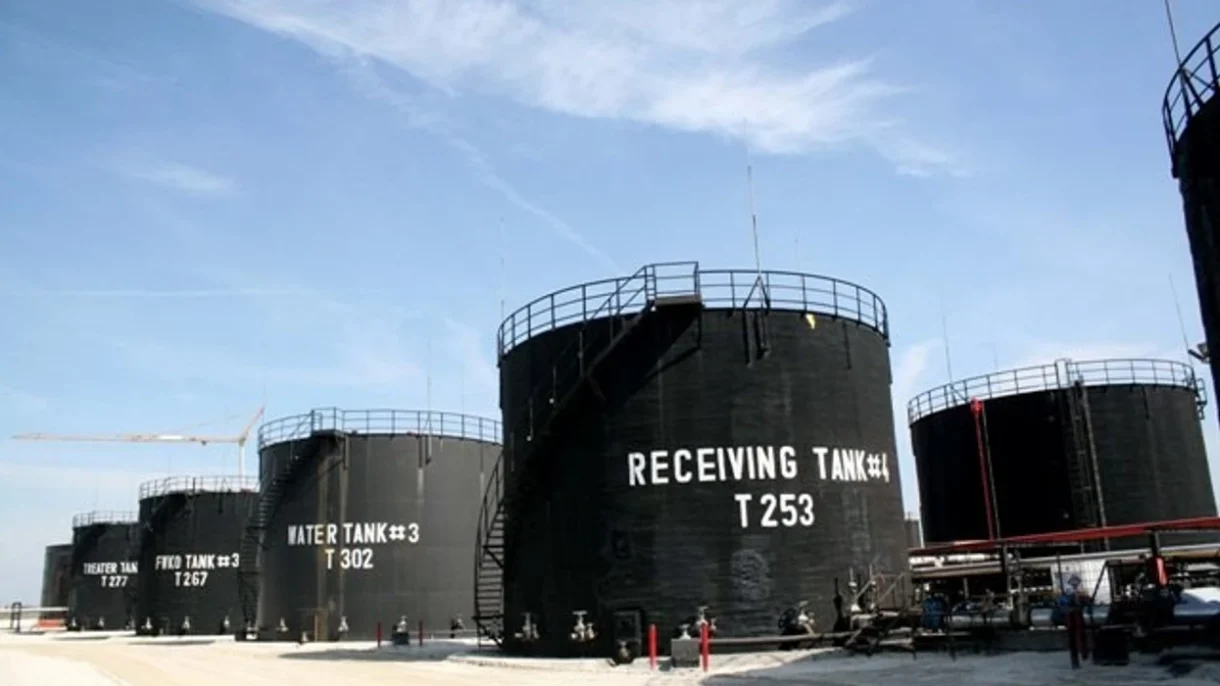
Albania Moves Toward Oil Security Reserves Amid Global Energy Volatility

The Albanian government has been working for several years to pass legislation governing the creation, maintenance, and management of minimum security reserves for crude oil and its refined products.

According to international standards, these emergency stocks are calculated at either 90 days of net imports or 61 days of average daily consumption, whichever is higher. These reserves are designed to be deployed during extraordinary circumstances, such as physical supply shortages or geopolitical crises.

The initial draft, proposed in February 2019, introduced a co-management formula between the state and the private sector—a departure from the current model where reserves are held entirely by private companies and refineries. Under the proposed framework, a public entity would manage 60 days of average consumption, while the remaining 30 days would remain the responsibility of private operators.

The legislative proposal envisioned the creation of a dedicated public body named the State Agency for Oil Security Reserves, operating under the jurisdiction of the Ministry of Infrastructure and Energy (MIE).

The Cost of Energy Security

The draft law stipulated that the agency would be self-financed through a dedicated fee levied on every liter of fuel purchased by refineries and wholesale companies. This mechanism would essentially introduce a new fiscal obligation, which is expected to translate into higher pump prices for final consumers.

While the project has undergone various internal government discussions since 2019, it was only in October 2025 that it was formally released for public consultation. The current draft maintains the previous structure: a non-profit public entity, now dubbed the Security Reserve Authority, under the MIE.

Key administrative details include:

  • Article 10: Fees for obligated parties will be collected by the Customs Authority during the collection of excise duties.

  • Article 11: Payers are required to submit payment data within 30 days of the end of each calendar month.

Despite the fact that the project has yet to be finalized, market operators anticipate additional costs totaling hundreds of millions of euros. These costs cover the procurement, storage, and logistics of the security stocks—burdens that are expected to increase operational costs for companies and, ultimately, prices for the consumer.

Global Context: Iran Conflict Risks New Energy Crisis

As Albania formalizes its domestic security measures, the escalation of conflict in the Middle East—specifically involving Iran—is sending shockwaves through global energy and financial markets. International economic analysts warn that a prolonged conflict could trigger severe supply disruptions, oil price spikes, and renewed inflationary pressures worldwide.

A primary concern is the potential for conflict to damage regional energy infrastructure or obstruct oil transit through the Strait of Hormuz, one of the world’s most critical energy corridors.

Market Analysis

In a recent analysis titled “War with Iran is a Nightmare for Oil and Gas Markets,” Bloomberg noted that a broad regional conflict has long been considered the “worst-case scenario” for the energy sector. The report emphasizes that the Persian Gulf remains a cornerstone of global energy supply, and any disruption there triggers an immediate market reaction.

Similarly, The Economist has warned of a significant shock to global markets. In an article titled “War in Iran Could Trigger the Biggest Oil-Market Shock in Years,” the publication highlights the extreme sensitivity of energy markets to regional tensions. Any disruption to tanker traffic could drastically reduce global supply and drive energy prices to record highs.

Financial and Economic Ripple Effects

The geopolitical tension has already impacted financial markets:

  • Safe-Haven Assets: Investors are pivoting toward gold and bonds.

  • Volatility: Stock markets are experiencing fluctuations as geopolitical risk premiums rise.

  • Inflation: Analysts warn that high oil prices ripple through the economy by increasing costs for transport, manufacturing, and food production.

Experts conclude that countries dependent on energy imports are the most vulnerable. European and Asian economies, in particular, face the prospect of surging production costs and new inflationary cycles if energy prices remain elevated.

by in News

U.S. Energy Secretary Warns IEA: Prioritize Energy Security or Face U.S. Exit

Chris Wright urged the International Energy Agency to prioritize energy security over advocacy for the deployment of renewables, and warned that the United States could withdraw from the body if it does not change course. The remarks, delivered at a conference in Paris, accused the agency of acting like a “climate advocacy organization” and dismissed the value of a global net-zero scenario as unrealistic.

The intervention, which Politico reported as signalling growing tension between Washington and the IEA, frames a broader disagreement between the agency’s modelling of low-carbon transitions and the current U.S. administration’s pro-fossil-fuel orientation. Politico covered Wright’s comments and the administration’s stance.

Chris Wright

Chris Wright

Wright argued that when international data and analysis bodies devote resources to what he characterised as “leftist fantasies,” they risk undermining their core mission of delivering objective analysis for energy security and market stability. He warned that continued emphasis on net-zero scenarios could prompt a reevaluation of U.S. membership in the IEA.

Those remarks echo positions voiced by other senior U.S. officials. At the World Economic Forum in Davos, Howard Lutnick criticised European solar and wind deployment and questioned the desirability of pursuing net-zero policies, urging instead greater reliance on oil, gas and even coal. World Economic Forum meetings in Davos gathered these high-profile exchanges.

Observers note that the rhetoric follows a wider shift in U.S. climate and energy policy since the current administration’s decision to withdraw from the Paris climate accord earlier this year, a move that has intensified transatlantic debate over the pace and direction of the energy transition. Donald Trump has publicly criticised Europe’s renewables push and framed the U.S. approach as a deliberate return to fossil-fuel development.

The clash poses a practical challenge for the IEA, whose forward-looking scenarios and data are widely used by governments and markets. How the agency responds — whether by adjusting emphasis, defending its analytical frameworks, or engaging in political dialogue with member states — will shape its role in an era of sharply divergent energy strategies.

by in News

Bosnia and Herzegovina launches two-year national hydrogen strategy project.

Bosnia and Herzegovina has kicked off a two-year initiative to produce a draft national strategy and roadmap for hydrogen, a project officials say will help steer the country toward a cleaner, more competitive energy system.

The implementation phase of the project — CEI Support to Hydrogen Strategy Development and Know-How Transfer for Bosnia and Herzegovina — opened with an official meeting in Sarajevo. The effort is being carried out by a consortium led by Green Sustainable Solutions (based in Zagreb), the Association for Green Hydrogen and Renewable Energy Sources (H2OIE), state utility Elektroprivreda Bosne i Hercegovine (EPBiH), and local engineering firm Energoinvest. The project receives backing from the Central European Initiative (CEI) and the Ministry of Foreign Affairs and International Cooperation of Italy.

Project partners described the initiative as a decisive step for the country’s energy transition. At the opening meeting they exchanged experience, reviewed European and regional best practices, and reaffirmed their intention to embed hydrogen technologies in long-term national development plans.

According to H2OIE, the programme is designed to strengthen institutional capacity and accelerate knowledge transfer so that hydrogen can be introduced sustainably into the national energy mix. Activities will include expert workshops, study visits to the European Union, advisory missions, and the preparation of the draft national strategy and a practical roadmap.

Those workstreams are intended to map Bosnia and Herzegovina’s hydrogen potential, identify barriers, and define development priorities. Organizers say the roadmap will highlight practical steps for integrating hydrogen across power, industry and transport sectors, and for aligning national regulations with European standards.

Stakeholders argue hydrogen offers a major opportunity to boost energy security and to decarbonize energy-intensive industries. Energoinvest noted the country’s abundant renewable resources, established industrial base and strategic location make hydrogen development a strategically important path for economic and environmental progress.

As the project proceeds over the next two years, officials and experts will aim to translate international know-how into locally tailored policies and investments — positioning the country to compete in regional energy markets and to meet its climate commitments.

by in News

NGEN Group enters Latvia with EUR 50 million investment

NGEN Group took over 100% of Latvian firm Liepāja ESS to implement a standalone grid-connected battery energy storage project for 100 MW in operating power and a capacity of 200 MWh. The Slovenia-based investor opted for Tesla’s solutions, marking their joint entry into the region.

At a media event that the Investment and Development Agency of Latvia (LIAA) organized today, NGEN Group announced its entry into the Latvian market with a EUR 50 million investment. The Slovenia‑based energy company has become the 100% owner of local enterprise Liepāja ESS, to implement a standalone grid-connected battery energy storage project.

The envisaged capability is 100 MW and the capacity is 200 MWh. The site is near the Grobiņa substation in Dienvidkurzeme – south Kurzeme. As for the schedule, the facility, worth an estimated EUR 30 million, should come online in the second half of the year.

NGEN’s battery storage facility is set to become the first one integrated with the transmission grid

“The development of such projects is a significant step in the development of Latvia’s energy infrastructure. It will be the first energy storage station in the Baltics to use Tesla technologies. This is proof to international investors that Latvia is a safe country for investments and can implement significant energy projects based on open and predictable procedures,” said Minister of Economics Viktors Valainis.

It would be the first standalone battery energy storage system (BESS) directly connected to the network of the country’s transmission system operator Augstsprieguma tīkls (AST). Importantly, the project is being built using the supply chains of countries within the North Atlantic Treaty Organization (NATO) and their allies, including the main equipment, from the United States, the statement adds.

“Latvia is an attractive market for the development of such solutions, thanks to orderly regulation and strong ambitions in the energy sector. The acquisition of Liepāja ESS is a logical next step in expanding our operations in Europe, demonstrating that storage strengthens system security and market efficiency,” said Chief Executive Officer of NGEN Group Roman Bernard.

The company specializes in energy storage and flexibility solutions.

Tesla, NGEN Group entering Baltics market together

The project will strengthen balancing capabilities, reliability and flexibility of the Latvian energy system, LIAA said. It is especially important after disconnection from the BRELL (Belarus-Russia-Estonia-Latvia-Lithuania) network a year ago, according to the agency.

“Tesla is excited to further strengthen our long-term partnership with NGEN Group by entering the Baltics market together. This strong collaboration will help deliver Megapack technology to support the Latvian electrical system in its advanced progress towards a renewable grid and increasing energy independence,” Tesla’s Vice President of Energy and Charging Mike Snyder stated.

Tesla’s VP Mike Snyder said Megapack technology would help the country’s progress toward energy independence

According to co-founders of Liepāja ESS Jānis Sproģis and Kārlis Maulics, the organizations and institutions involved in the project have enabled it to proceed in a transparent and predictable manner.

“Our goal is to implement the project on time and in accordance with the highest safety and quality standards. This is practical proof that Latvian regulation and institutional cooperation can ensure the implementation of such projects, attracting strategic investments both on a Latvian and Baltic scale,” they stressed.

Strength for Latvia’s energy security

The planned electricity storage station will expand the possibilities for balancing electricity capacity in Latvia and the Baltics, while simultaneously strengthening the country’s energy security and technological resilience, LIAA stressed.

The agency’s Director Ieva Jagere said energy infrastructure investment projects make up a large part of its EUR 17 billion investment portfolio.

“Such technologically well-prepared and high-quality projects build Latvia’s international reputation in negotiations with other investors. Work on this project proceeded at a very fast pace, proving that we are open and interested in new investments coming to Latvia,” she underscored.