by in News

Kosovo’s* just energy transition: greening the Kingdom of Coal

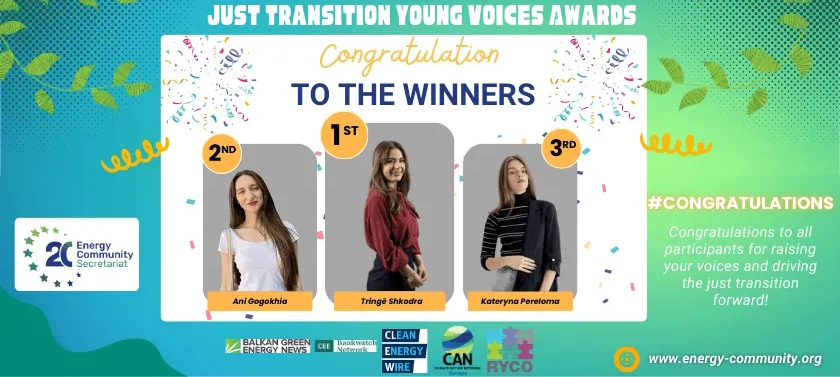
Author: Tringë Shkodra

Kosovo’s* energy transition has great potential but key players such as small and medium-sized enterprises (SMEs) and young people are facing structural exclusion.

Our energy system is still heavily dependent on dirty fossil fuels and overburdened by frequent outages, reliance on imports, and growing costs, particularly during the winter when demand is at its highest and most households and businesses can no longer afford to pay energy bills. While infrastructure upgrades are essential, they are not enough. In order to succeed, this transition must be just, meaning it needs to be inclusive and rooted in the lived experiences of the people it aims to serve.

Understanding Kosovo’s* distinct socio-economic landscape, with the country having the youngest population in Europe as well as a large number of SMEs, is essential for addressing its development challenges and unlocking its potential.

SMEs form the backbone of the Kosovan* economy but get structurally excluded from accessing energy-saving practices. Many studies shed light on energy efficiency within Kosovo’s* private sector – particularly among SMEs, and show that these businesses face serious barriers to adopting sustainable practices. While larger firms are more likely to invest in energy-saving technologies, SMEs struggle with access to finance, lack awareness, and get minimal institutional support.

Businesses require energy efficiency for survival

Yet energy audits show that many could reduce consumption by up to 40% with low-cost interventions. This isn’t about reluctance, but structural exclusion. Energy efficiency, in this context, is not just a technical fix but a survival strategy for businesses.

With the right incentives, this sector can become a driver of Kosovo’s* green transition, creating jobs and fostering innovation.

Youth rarely invited to table

Another overlooked potential for Kosovo’s* energy transition are the youth. Over half of Kosovo’s* population is under the age of 30, yet their involvement in environmental governance remains limited. A study of youth participation in environmental and climatic concerns across ten municipalities of Kosovo* found that, while 63% of young respondents reported a strong desire to contribute to environmental policymaking, only 15% had ever participated in such processes.

Youth-led initiatives, innovation hubs, and climate advocacy networks are lacking institutional trust and real influence

This isn’t a lack of engagement; it’s again a lack of access. Youth-led initiatives, innovation hubs, and climate advocacy networks are already active, but they need to be met with institutional trust and real influence. The potential of our youth is vast – from engineers developing solar microgrids to community organizers shaping local green agendas. However, without inclusion, this potential remains untapped. We are ready to lead, but we are rarely invited to the table.

Dependence on lignite is cause of public health crisis

Advancing fundamental reforms aligned with European values is a prerequisite for sustainable development. This includes harmonizing structural reforms outlined in the Economic Reform Programmes (ERPs), strengthening the rule of law, and embedding the energy transition within the European Union’s broader green agenda. Kosovo’s* overreliance on lignite coal poses not only environmental but social risks, and the outdated mindset of living in the Kingdom of Coal clashes with the urgent need for a clean, secure, and just energy future.

Data from Riinvest Institute outlines clearly that over 90% of Kosovo’s* electricity is still produced from coal, while renewable energy accounts for less than 6%. This dependence is more than an economic liability – it is a public health crisis. Around 300,000 to 400,000 people live within 30 kilometers of lignite-fired power plants Kosovo A and Kosovo B, which lack modern emission controls.

Air pollution and outdated technology put thousands at risk every day. The urgency to diversify the energy mix isn’t only environmental – it is humanitarian. Energy, when approached with justice in mind, can become a tool for dignity and equal opportunity.

Despite a myriad of strategies and policy documents, Kosovo* has made only partial progress in aligning with EU energy and environmental standards. The Energy Community Annual Implementation Report (2024) shows that implementation across clusters such as decarbonization and energy security ranges from just 40% to 66%. True transformation demands more than technical upgrades as it requires institutional coordination, transparency, and strong evidence-based policymaking.

We are transitioning lives

In a recent conversation, a national energy expert put it simply: “We are not just transitioning technologies. We are transitioning lives.” A just energy transition must therefore encompass more than grid modernization or solar farms. It requires tailored policies – legislation that removes bureaucratic bottlenecks, the rollout of incentives for low-income households to adopt renewables, and clear pathways for communities to become prosumers.

Kosovo’s* policy frameworks, such as the forthcoming National Energy and Climate Plan and the renewable energy law, must be instruments of real transformation – practical, inclusive, and focused on impact.

Permitting procedures for renewables need to be simplified

To catalyze a just energy transition, the country requires comprehensive investments across its energy infrastructure while ensuring that reforms are socially inclusive and environmentally sound. This begins with diversifying the energy mix by prioritizing renewables – particularly solar and wind – through competitive auctions and de-risked investment environments that attract private sector participation. Kosovo* must simplify permitting procedures, build institutional expertise, and enhance the grid’s technical capacity to absorb renewable inputs.

Alongside infrastructure upgrades, investments are needed in energy efficiency for public and private buildings, especially given the country’s high winter heating demand and grid losses. Carbon-free heating solutions and retrofitting programs can help reduce both emissions and energy poverty, especially among vulnerable groups.

Subsidies must be designed for low-income households

Financing this transformation requires a blended approach – mobilizing domestic resources, securing grants from the EU and the United States, and leveraging international financial institutions through loans with state guarantees. But energy justice is not only about technology or money, it is about who benefits. Subsidies and support schemes must be designed for low-income households to participate in renewable adoption as consumers and prosumers.

A just transition brings inclusive growth and long-term climate resilience

Moreover, Kosovo* must link its investment strategies to broader social objectives, like upskilling labor for green jobs, protecting coal-reliant communities, and embedding equity and participation in every step of reform.

Kosovo* needs to make use of its strengths, and supports its young population, smaller enterprises and low-income households. Without an integrated approach, it risks reinforcing existing inequalities, but if it creates an energy transition that is just for the people, the country can turn its transition into a platform for inclusive growth, and long-term climate change resilience.
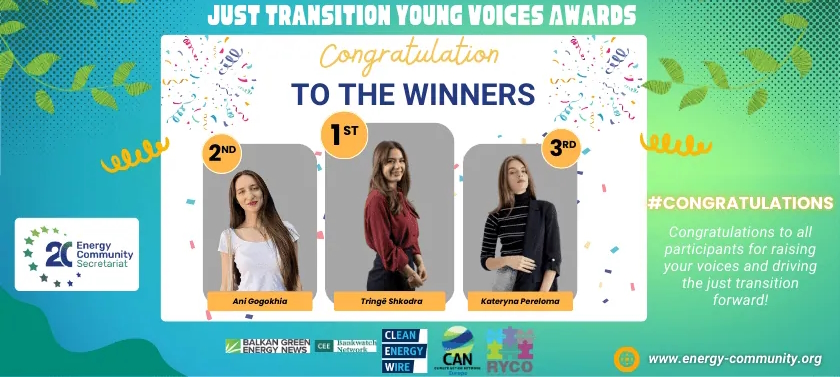

Tringe Shkodra Just Transition Young Voices Awards

* This designation is without prejudice to positions onstatus and is in line with UNSCR 1244/99 and the ICJ Opinion on the Kosovo declaration of independence.
by in News

Kosovo’s* just energy transition: greening the Kingdom of Coal

Author: Tringë Shkodra

Kosovo’s* energy transition has great potential but key players such as small and medium-sized enterprises (SMEs) and young people are facing structural exclusion.

Our energy system is still heavily dependent on dirty fossil fuels and overburdened by frequent outages, reliance on imports, and growing costs, particularly during the winter when demand is at its highest and most households and businesses can no longer afford to pay energy bills. While infrastructure upgrades are essential, they are not enough. In order to succeed, this transition must be just, meaning it needs to be inclusive and rooted in the lived experiences of the people it aims to serve.

Understanding Kosovo’s* distinct socio-economic landscape, with the country having the youngest population in Europe as well as a large number of SMEs, is essential for addressing its development challenges and unlocking its potential.

SMEs form the backbone of the Kosovan* economy but get structurally excluded from accessing energy-saving practices. Many studies shed light on energy efficiency within Kosovo’s* private sector – particularly among SMEs, and show that these businesses face serious barriers to adopting sustainable practices. While larger firms are more likely to invest in energy-saving technologies, SMEs struggle with access to finance, lack awareness, and get minimal institutional support.

Businesses require energy efficiency for survival

Yet energy audits show that many could reduce consumption by up to 40% with low-cost interventions. This isn’t about reluctance, but structural exclusion. Energy efficiency, in this context, is not just a technical fix but a survival strategy for businesses.

With the right incentives, this sector can become a driver of Kosovo’s* green transition, creating jobs and fostering innovation.

Youth rarely invited to table

Another overlooked potential for Kosovo’s* energy transition are the youth. Over half of Kosovo’s* population is under the age of 30, yet their involvement in environmental governance remains limited. A study of youth participation in environmental and climatic concerns across ten municipalities of Kosovo* found that, while 63% of young respondents reported a strong desire to contribute to environmental policymaking, only 15% had ever participated in such processes.

Youth-led initiatives, innovation hubs, and climate advocacy networks are lacking institutional trust and real influence

This isn’t a lack of engagement; it’s again a lack of access. Youth-led initiatives, innovation hubs, and climate advocacy networks are already active, but they need to be met with institutional trust and real influence. The potential of our youth is vast – from engineers developing solar microgrids to community organizers shaping local green agendas. However, without inclusion, this potential remains untapped. We are ready to lead, but we are rarely invited to the table.

Dependence on lignite is cause of public health crisis

Advancing fundamental reforms aligned with European values is a prerequisite for sustainable development. This includes harmonizing structural reforms outlined in the Economic Reform Programmes (ERPs), strengthening the rule of law, and embedding the energy transition within the European Union’s broader green agenda. Kosovo’s* overreliance on lignite coal poses not only environmental but social risks, and the outdated mindset of living in the Kingdom of Coal clashes with the urgent need for a clean, secure, and just energy future.

Data from Riinvest Institute outlines clearly that over 90% of Kosovo’s* electricity is still produced from coal, while renewable energy accounts for less than 6%. This dependence is more than an economic liability – it is a public health crisis. Around 300,000 to 400,000 people live within 30 kilometers of lignite-fired power plants Kosovo A and Kosovo B, which lack modern emission controls.

Air pollution and outdated technology put thousands at risk every day. The urgency to diversify the energy mix isn’t only environmental – it is humanitarian. Energy, when approached with justice in mind, can become a tool for dignity and equal opportunity.

Despite a myriad of strategies and policy documents, Kosovo* has made only partial progress in aligning with EU energy and environmental standards. The Energy Community Annual Implementation Report (2024) shows that implementation across clusters such as decarbonization and energy security ranges from just 40% to 66%. True transformation demands more than technical upgrades as it requires institutional coordination, transparency, and strong evidence-based policymaking.

We are transitioning lives

In a recent conversation, a national energy expert put it simply: “We are not just transitioning technologies. We are transitioning lives.” A just energy transition must therefore encompass more than grid modernization or solar farms. It requires tailored policies – legislation that removes bureaucratic bottlenecks, the rollout of incentives for low-income households to adopt renewables, and clear pathways for communities to become prosumers.

Kosovo’s* policy frameworks, such as the forthcoming National Energy and Climate Plan and the renewable energy law, must be instruments of real transformation – practical, inclusive, and focused on impact.

Permitting procedures for renewables need to be simplified

To catalyze a just energy transition, the country requires comprehensive investments across its energy infrastructure while ensuring that reforms are socially inclusive and environmentally sound. This begins with diversifying the energy mix by prioritizing renewables – particularly solar and wind – through competitive auctions and de-risked investment environments that attract private sector participation. Kosovo* must simplify permitting procedures, build institutional expertise, and enhance the grid’s technical capacity to absorb renewable inputs.

Alongside infrastructure upgrades, investments are needed in energy efficiency for public and private buildings, especially given the country’s high winter heating demand and grid losses. Carbon-free heating solutions and retrofitting programs can help reduce both emissions and energy poverty, especially among vulnerable groups.

Subsidies must be designed for low-income households

Financing this transformation requires a blended approach – mobilizing domestic resources, securing grants from the EU and the United States, and leveraging international financial institutions through loans with state guarantees. But energy justice is not only about technology or money, it is about who benefits. Subsidies and support schemes must be designed for low-income households to participate in renewable adoption as consumers and prosumers.

A just transition brings inclusive growth and long-term climate resilience

Moreover, Kosovo* must link its investment strategies to broader social objectives, like upskilling labor for green jobs, protecting coal-reliant communities, and embedding equity and participation in every step of reform.

Kosovo* needs to make use of its strengths, and supports its young population, smaller enterprises and low-income households. Without an integrated approach, it risks reinforcing existing inequalities, but if it creates an energy transition that is just for the people, the country can turn its transition into a platform for inclusive growth, and long-term climate change resilience.
Tringe Shkodra Just Transition Young Voices Awards

* This designation is without prejudice to positions onstatus and is in line with UNSCR 1244/99 and the ICJ Opinion on the Kosovo declaration of independence.
by in News

Energy Community invites applications for 10th Summer School

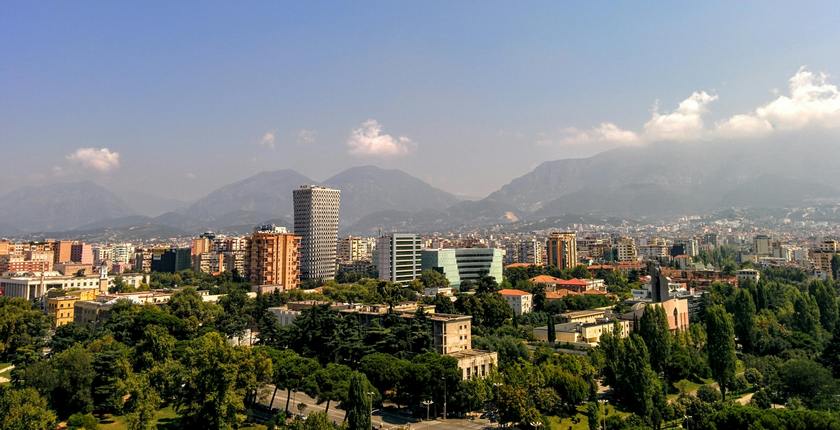
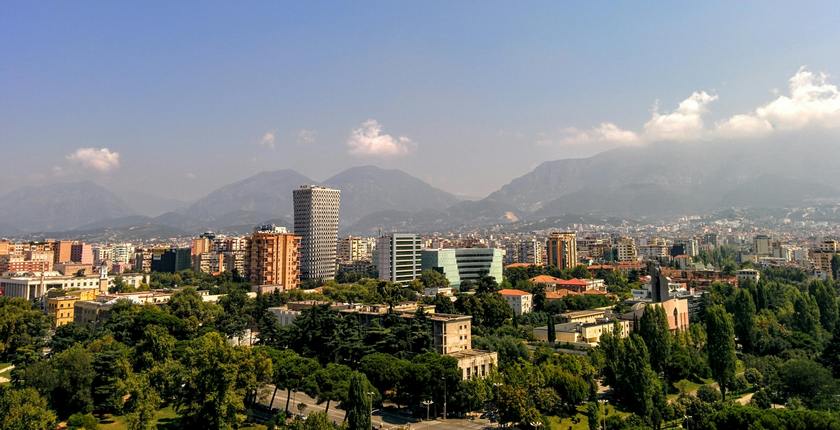
The Energy Community Secretariat has invited postgraduates, researchers, and young professionals to apply for the 10th edition of the Energy Community Summer School, taking place at Polis University in Tirana, Albania, between August 22 and 29 this year. The program focuses on energy sectors in transition, in particular in South Eastern and Eastern Europe, according to the announcement.

The Energy Community Summer School, designed for postgraduate students, researchers, and early-career professionals, provides an in-depth exploration of the technical, economic, legal, political, and sustainability dimensions of the energy transition, including energy systems, markets, and geopolitics.

The course explores various aspects of the energy transition in the region

The academic program is complemented by a strong cultural component, offering first-hand insight into the energy realities of Albania and the wider Energy Community, the announcement reads.

“The strength of the Energy Community Summer School lies in bringing together the next generation of energy leaders,” stated Adrian Jasimi, who has led the Summer School since its inception. “It is a space where ideas mature, collaborations emerge, and the future of energy takes shape,” he stressed.

Jasimi: The Summer School brings together the next generation of energy leaders

The Summer School is a platform that offers cutting-edge insights and opportunities to build lasting professional connections. Many of its alumni now hold influential roles in business, policymaking, and academia, the Energy Community noted.

This year’s summer school is organized in cooperation with the he International Visegrad Fund (IVF) and Deutsche Gesellschaft für Internationale Zusammenarbeit (GIZ), within the framework of the Regional Climate Partnership (RCP) between Germany and the Western Balkans.

Applications are open until March 31

The deadline to apply is March 31. The Energy Community Secretariat covers all program-related costs, including lectures, accommodation, excursions, and most meals, while participants only need to cover the travel cost to and from Tirana, according to the Energy Community’s LinkedIn post.

by in News

Energy Community invites applications for 10th Summer School

The Energy Community Secretariat has invited postgraduates, researchers, and young professionals to apply for the 10th edition of the Energy Community Summer School, taking place at Polis University in Tirana, Albania, between August 22 and 29 this year. The program focuses on energy sectors in transition, in particular in South Eastern and Eastern Europe, according to the announcement.

The Energy Community Summer School, designed for postgraduate students, researchers, and early-career professionals, provides an in-depth exploration of the technical, economic, legal, political, and sustainability dimensions of the energy transition, including energy systems, markets, and geopolitics.

The course explores various aspects of the energy transition in the region

The academic program is complemented by a strong cultural component, offering first-hand insight into the energy realities of Albania and the wider Energy Community, the announcement reads.

“The strength of the Energy Community Summer School lies in bringing together the next generation of energy leaders,” stated Adrian Jasimi, who has led the Summer School since its inception. “It is a space where ideas mature, collaborations emerge, and the future of energy takes shape,” he stressed.

Jasimi: The Summer School brings together the next generation of energy leaders

The Summer School is a platform that offers cutting-edge insights and opportunities to build lasting professional connections. Many of its alumni now hold influential roles in business, policymaking, and academia, the Energy Community noted.

This year’s summer school is organized in cooperation with the he International Visegrad Fund (IVF) and Deutsche Gesellschaft für Internationale Zusammenarbeit (GIZ), within the framework of the Regional Climate Partnership (RCP) between Germany and the Western Balkans.

Applications are open until March 31

The deadline to apply is March 31. The Energy Community Secretariat covers all program-related costs, including lectures, accommodation, excursions, and most meals, while participants only need to cover the travel cost to and from Tirana, according to the Energy Community’s LinkedIn post.

by in News

Voice from beyond the centre

Balkan Green Energy News, the media partner of the 2025 Just Transition Young Voices Awards, is publishing the three winning articles. The Energy Community Secretariat organized the contest in collaboration with Bankwatch, CAN Europe, the CLEW Network, and the Regional Youth Cooperation Office. The aim is to promote young adults set to shape the climate, energy, and social landscape in the years ahead in the Energy Community region. 

Author: Ani Gogokhia

It is the summer of 2045  – unusually hot compared to previous years – but the unbearable heat is not the only problem. I wake up in my small apartment in western Georgia, open the window, and immediately see clouds of exhaust fumes. For me, this is just another part of everyday life.

After a quick breakfast, I step outside for a short walk to wake myself up. The buildings in the city are the only things that remain unchanged. The number of people on the streets is declining. I feel lonely – most of my peers have either moved to the capital, Tbilisi, or left for European countries.

Thinking of them inevitably leads me to reflect on my own career path. Unfortunately, I haven’t had the opportunity to make a meaningful impact in my region.

Not much choice for young woman

With those thoughts weighing on me, I walk quickly to my first job. I call it my first job because I’ll head to another one later in the afternoon. The commute is long, and public transport only slows me down – so I walk. As I pass the local market, I see vendors, most of them women, standing in the scorching sun.

My job is house cleaning. The pay is just enough to cover groceries and utility bills, but with the cost of living rising daily, I rush to a second cleaning job in the afternoon. Floors, windows, walls – it’s all the same. If you wonder why I chose this line of work, the answer is simple: there wasn’t much choice, especially for a young woman.

The scenario described above could become a regular part of life if we halt progress toward a just transition and neglect it

There’s little to say about the workday. I return home as the sun begins to set, carrying groceries in both hands. As I unpack, I wait for my family. Everyone works – my mother and father in a factory, and my sister at a hospital. We gather for dinner and talk about current events: rising tensions, protests over low wages, unemployment, and deepening poverty.

But these conversations always end the same way – with my mother’s cancer. She developed the disease after years of exposure to harmful substances at the factory, yet she still can’t stop working. We simply can’t afford her treatment otherwise.

The scenario described above could become a regular part of life if we halt progress toward a just transition and neglect it. For the energy transition to be truly just, it must include rural areas, too, creating fair opportunities for people across Georgia.

A just transition refers to a series of policies that ensure fair and equal opportunities for everyone as we shift to a greener economy in the fight against climate change. It’s a process meant to align energy systems with modern, sustainable standards. Local governments play a vital role, though many factors – such as geography and ethnicity – can affect how smoothly this transition occurs.

Just transition in Georgia

Georgia is working to stay aligned with global green trends through international cooperation. Hydropower dominates its energy sector, but the country is slowly incorporating wind and solar systems. Since joining the Energy Community in 2017, Georgia has made notable strides toward harmonizing its legislation with the European Union’s energy standards.

This alignment has attracted major investments in renewable energy. Projects like the Kartli wind farm and a national roadmap for a circular economy – supported by the EU4Environment program – are steps in the right direction.

The city of Zugdidi is among the trailblazers in Georgia in the energy efficiency segment, youth engagement and environmental education

These national achievements are significant, but what about rural areas far from the capital? Each region presents unique challenges and opportunities in the just transition. In western Georgia, Zugdidi has started participating in this process. Although large-scale renewable projects remain concentrated elsewhere, the city has seen pilot initiatives in energy efficiency, youth engagement, and environmental education supported by the EU.

The rural development programs of the United Nations Development Programme (UNDP) in Zugdidi focus on inclusive economic participation, especially for youth, and promote eco-tourism and sustainable agriculture to curb outward migration. One noteworthy initiative involved using hazelnut shells to heat school greenhouses – a clever use of a crop central to local livelihoods. Educational projects and international partnerships have also helped raise awareness about the green economy, yet challenges remain.

Chiatura craves economic diversification away from mining

Take, for example, Chiatura – a mining town east of Zugdidi, known for its manganese industry since Soviet times. Chiatura’s economy has long depended on mining, with consequences such as environmental degradation, poor working conditions, and economic stagnation when mining activity declines. Without economic diversification, residents remain vulnerable and largely excluded from sustainable development benefits.

In 2024, Georgian news outlets reported: The hunger strike entered its 22nd day on July 10, involving eight miners, three of whom have sewn their mouths shut. The unrest stems from decisions to shut down underground mining operations, leaving workers desperate and uncertain about their futures.

While Zugdidi explores decentralized, eco-friendly solutions like biomass heating, Chiatura still lags in implementing alternatives – clean industries, green technologies, or renewable energy – deepening the divide between regions.

Youth massively moving to capital Tbilisi

Unfortunately, Georgia’s development remains overly centralized. Most opportunities are clustered in Tbilisi, causing a massive youth outflow from other regions into the capital.

Geographic and infrastructural limitations in rural and mountainous areas also pose serious barriers. For example, eastern Georgia has high solar radiation – perfect for photovoltaic panels – but varied terrain complicates installation. Wind energy prospects are greater in the east, as western regions are less windy.

A just transition also demands inclusive participation, especially from women. As of 2024, women make up just 28% of the global STEM (science, technology, engineering and mathematics) workforce – a glaring underrepresentation. In Georgia, the meaningful inclusion of women in the just transition remains a significant challenge. Empowering women – politically, economically, and socially – is key.

A difficult past marked by political instability and conflict has left its mark, but the more women engage in public life, the greater their chances of economic empowerment, entry into traditionally male-dominated professions and establishing decent place in economy.

What must be done

While Georgia has made substantial headway towards its climate goals, it is key for the country to create a unified national policy that addresses all regions equitably. We need robust educational campaigns, targeted support for rural areas, and most importantly, greater inclusion of women and minority groups in the just transition.

Only then can we build a fair, resilient society capable of meeting the challenges of the 21st century.

Just transition Young Voices Awards articles Ani Gogokhia
Photo: Just Transition Young Voices Awards
by in News

EU’s amendments to CBAM: possibility of relief, but January 1 brought market uncertainty

Long-awaited implementing acts and amendments to the CBAM Regulation brought only a minor relief for the Western Balkans, investors in renewables, and electricity traders. Balkan Green Energy News has analyzed the documents that the European Commission published in December 2025, and the impact of the proposed measures on Energy Community contracting parties – Albania, BiH, Kosovo*, Montenegro, North Macedonia and Serbia.

From January 1, European firms importing aluminum, cement, electricity, iron and steel, hydrogen and fertilizers are obliged to pay a carbon price within the European Union’s Carbon Border Adjustment Mechanism (CBAM).

Last year, the CBAM Regulation was criticized by experts from the Western Balkans (Ljubo Maćić, Zoran Gjorgjievski), European think-tanks (Bruegel), and organizations (Energy Traders Europe). Even the European Network of Transmission System Operators for Electricity (ENTSO-E) requested that the transitional period be prolonged.

They said charging the tax, which started on January 1 as scheduled, would harm countries outside the EU, but also EU member states, market coupling of Western Balkan countries, and electricity trade.

Uncertainty surrounding electricity transit and trade remains high

The analysis showed that the European Commission is proposing changes to the CBAM regulation that would introduce a more favorable method for calculating the national emissions factor and actual emissions values. This benefits non-EU countries that export electricity to the EU, owners of operational renewable energy power plants in these countries, and future green energy investments.

The proposal foresees amendments to the procedure for market coupling, but it is unclear whether these will bring any concrete changes. The commission didn’t propose changes regarding transit, and consequently, electricity trading.

Provided that the proposal is accepted as proposed, it will bring the said positive changes in calculating the national emissions factor and actual emissions values only by the end of the year, meaning that uncertainty in the market will persist until then.

Uncertainty surrounding electricity transit and trade remains high. The impact on the Western Balkans, as well as on the EU member states Bulgaria, Croatia, Greece, Hungary, Romania, and Slovenia, will become clear in the coming weeks and months.

There are two legislative streams

There are two relevant streams currently ongoing in EU legislation for CBAM for electricity. The first are the so-called implementing acts, which are similar to secondary legislation in national law. They further define the technical details of the CBAM regulation.

The other part is the commission’s proposal to amend the CBAM Regulation itself. It will become part of the law when the other co-legislators in the EU – the Council of the EU, which includes the member states, and the European Parliament – together agree on it.

Nobody can say exactly when that process will be finished, but most likely not before the autumn.

National emissions factors, actual emission values: improvement

eu western balkans cbam electricity market coupling amendments
Photo: iStock

There is a proposal to change the way the national emission factors are calculated in the main CBAM Regulation. Currently it only includes the part of the electricity mix based on fossil fuels, regardless of their share in the country’s power generation mix.

For example, for Serbia, a contracting party of the Energy Community, this factor is 1.04. If the national power mix is taken into account, it would go down to 0.7, making the cost of CBAM about 40% lower.

The commission proposed to replace the electricity mix based on fossil fuels, in its accounting system, with one encompassing all energy sources.

The commission also intends to change the requirements for switching to actual emission values

The commission also intends to change the requirements for switching to actual emission values. These are relevant for the producers of renewable energy in non-EU countries. Current conditions are very strict and, to some stakeholders, not achievable.

For example, if a wind farm in the Western Balkans, owned by a domestic or foreign investor, cannot meet these conditions the CBAM payments for the electricity from the facility exported to the neighboring Croatia would be calculated based on the national emissions factor.

The commission suggested that an importer shouldn’t need to have a power purchase agreement (PPA) with a producer directly, which is one of the conditions, but that it could be done through intermediaries. It also proposed the removal of the requirements related to congestion.

These proposals could remove negative impacts on renewable electricity exports and development in non-EU countries, including contracting parties.

Transit: nothing new

The issue of transit hasn’t been addressed in the acts and amendments.

Under the CBAM Regulation, it is unclear how electricity transit costs would be calculated. For example, from Bulgaria to Hungary via Serbia, and who would be required to cover them.

The commission clarified several times that transit isn’t subject to CBAM. However, the physical, practical implementation is the problem.

For example, a trader buys electricity from Greece, transits it through North Macedonia, and puts it on the Serbian SEEPEX power exchange. Somebody else buys it and sells it in Hungary.

It would be very difficult or impossible to say that electricity from Greece was sold into Hungary.

This is why stakeholders take a conservative approach and say that they cannot prove. So, most likely they wouldn’t opt for these countries – non-EU countries, like contracting parties – for transit.

Retroactivity: possibility for improvement

eu western balkans electricity market cbam amendments
Photo: iStock

One of the provisions in the commission’s proposal to amend the CBAM Regulation is that the changes in the electricity sector could apply retroactively, starting from January 2026.

Just as a reminder, EU firms are obliged since the start of this month to pay a CBAM fee for importing designated goods and raw materials and electricity via purchasing so-called CBAM certificates.

Obviously, an importer will try to pass on this cost partly or fully to its counterparts in the third countries. But, importantly, EU firms won’t be able to purchase CBAM certificates yet this year, but only from February 1, 2027.

If the amendment on national emissions factor is adopted, for example in October, this could mean lower CBAM costs for EU importers of electricity from non-EU countries.

Without details on the path forward, market participants lack certainty about the level of CBAM costs

The commission intended to remedy some of the negative impacts on the electricity markets with amendments with retroactive effect. But without details on the path forward, market participants lack certainty about the level of CBAM costs to be paid for 2026.

Based on the current rules, CBAM costs for countries which have lignite in their generation mix could be EUR 70 per MWh to EUR 80 per MWh if the EU ETS price is around 80 EUR per ton of CO2. In some cases, the fee is almost 100% above the electricity price itself.

It is clear that it would rarely make sense to import electricity to the EU from third countries. The price difference, let’s say between Hungary and Serbia, would need to be more than EUR 70 per MWh to EUR 80 per MWh to make the business case.

Market coupling: nothing new or possibility for improvement

eu cbam western balkans electricity market amendments
Photo: Sergio Cerrato – Italia from Pixabay

There are several references to market coupling in the proposal. Energy Community contracting parties are in different phases of market coupling with EU countries.

The commission has proposed signing memoranda of understanding with third countries. It would set out the timeline and conditions for an exemption from CBAM on electricity.

This could be done after the commission approves the so-called verification process of a contracting party’s transposition of the Electricity Integration Package (EIP). It would be a green light for the next stage, which entails the technical tests, leading up to the completion of market coupling.

The current wording in the proposal leaves room for various interpretations

The current wording in the proposal leaves room for various interpretations, one being that the MoU may open the door for an exemption already when the “point of no return” is reached. It is when the contracting party has done all its homework and only the technical tests remain.

However, the commission didn’t propose the other conditions for CBAM exemption to be changed, such as the development of a roadmap on the introduction of a CO2 price that would be equivalent to the level in the EU’s Emissions Trading System (EU ETS).

The question is what the MoU would exactly be about, and if “equivalent” could be defined more precisely.

Why is this important?

No contracting party has yet met the conditions to receive a CBAM exemption in the electricity sector. A critical requirement is to agree to charge an emissions price from 2030 equivalent to the EU ETS.

The CBAM regulation says that the tax cannot technically be implemented on a market which is coupled with the EU internal energy market

If equivalent means the same price, here is the outcome for Serbia, for example: The current CO2 price in the EU is EUR 80 per ton of CO2 equivalent, but is expected to rise to above EUR 100 by 2030, or even reach EUR 150. It would raise prices to consumers by about EUR 75 per MWh and EUR 110, respectively.

The CBAM regulation says that the tax cannot technically be implemented on a market which is coupled with the EU internal energy market. This is why there is a possibility for an exemption for electricity for imports from those countries which are coupled until a technical solution is found how to implement CBAM.

Starting from January 1, any country that is ready to be coupled would in parallel also need to qualify for and receive an exemption from CBAM for electricity. If you fulfil the conditions, you get coupled and get an exemption and CBAM will disappear.

What next?

It could be said that CBAM implementation as of January 1 will certainly affect market integration in the sense that people, businesses would react to market uncertainty.

Trade will be impacted; imports from contracting parties to the EU will be expected to disappear. Of course, contracting parties will continue to import electricity from the EU member states.

The weeks and months ahead will show to what extent the prices and liquidity would be affected in the contracting parties and neighboring EU member states Bulgaria, Croatia, Greece, Hungary, Romania, Slovenia.

For example, Greece would have only the Bulgaria-Romania route to export electricity, and it is already congested. Greece could face curtailments in renewable electricity.

We will also see what the effect on the renewables deployment in contracting parties will be. Are investors going to postpone investments until they see if the changes proposed by the commission are adopted, or are they going to leave for other markets?


Pozsgai: Amendments point in the right direction

Péter Pozsgai, Lead of the EU Carbon Border Adjustment Mechanism Readiness Task Force in the Energy Community Secretariat:

“The European Commission’s proposed amendments point in the right direction, reflecting a consideration of the progress of contracting parties in electricity market coupling, and better outlining the operational details of an exemption via an MoU. The refinement of the rules on national emission factors and the conditions for using actual emission values also demonstrate the intention to minimize the unintended impacts of CBAM on renewable development in contracting parties”.


by in News

EU’s amendments to CBAM: possibility of relief, but January 1 brought market uncertainty

Long-awaited implementing acts and amendments to the CBAM Regulation brought only a minor relief for the Western Balkans, investors in renewables, and electricity traders. The documents has been analyzed that the European Commission published in December 2025, and the impact of the proposed measures on Energy Community contracting parties – Albania, BiH, Kosovo*, Montenegro, North Macedonia and Serbia.

From January 1, European firms importing aluminum, cement, electricity, iron and steel, hydrogen and fertilizers are obliged to pay a carbon price within the European Union’s Carbon Border Adjustment Mechanism (CBAM).

Last year, the CBAM Regulation was criticized by experts from the Western Balkans (Ljubo Maćić, Zoran Gjorgjievski), European think-tanks (Bruegel), and organizations (Energy Traders Europe). Even the European Network of Transmission System Operators for Electricity (ENTSO-E) requested that the transitional period be prolonged.

They said charging the tax, which started on January 1 as scheduled, would harm countries outside the EU, but also EU member states, market coupling of Western Balkan countries, and electricity trade.

Uncertainty surrounding electricity transit and trade remains high

The analysis showed that the European Commission is proposing changes to the CBAM regulation that would introduce a more favorable method for calculating the national emissions factor and actual emissions values. This benefits non-EU countries that export electricity to the EU, owners of operational renewable energy power plants in these countries, and future green energy investments.

The proposal foresees amendments to the procedure for market coupling, but it is unclear whether these will bring any concrete changes. The commission didn’t propose changes regarding transit, and consequently, electricity trading.

Provided that the proposal is accepted as proposed, it will bring the said positive changes in calculating the national emissions factor and actual emissions values only by the end of the year, meaning that uncertainty in the market will persist until then.

Uncertainty surrounding electricity transit and trade remains high. The impact on the Western Balkans, as well as on the EU member states Bulgaria, Croatia, Greece, Hungary, Romania, and Slovenia, will become clear in the coming weeks and months.

There are two legislative streams

There are two relevant streams currently ongoing in EU legislation for CBAM for electricity. The first are the so-called implementing acts, which are similar to secondary legislation in national law. They further define the technical details of the CBAM regulation.

The other part is the commission’s proposal to amend the CBAM Regulation itself. It will become part of the law when the other co-legislators in the EU – the Council of the EU, which includes the member states, and the European Parliament – together agree on it.

Nobody can say exactly when that process will be finished, but most likely not before the autumn.

National emissions factors, actual emission values: improvement

eu western balkans cbam electricity market coupling amendments
Photo: iStock

There is a proposal to change the way the national emission factors are calculated in the main CBAM Regulation. Currently it only includes the part of the electricity mix based on fossil fuels, regardless of their share in the country’s power generation mix.

For example, for Serbia, a contracting party of the Energy Community, this factor is 1.04. If the national power mix is taken into account, it would go down to 0.7, making the cost of CBAM about 40% lower.

The commission proposed to replace the electricity mix based on fossil fuels, in its accounting system, with one encompassing all energy sources.

The commission also intends to change the requirements for switching to actual emission values

The commission also intends to change the requirements for switching to actual emission values. These are relevant for the producers of renewable energy in non-EU countries. Current conditions are very strict and, to some stakeholders, not achievable.

For example, if a wind farm in the Western Balkans, owned by a domestic or foreign investor, cannot meet these conditions the CBAM payments for the electricity from the facility exported to the neighboring Croatia would be calculated based on the national emissions factor.

The commission suggested that an importer shouldn’t need to have a power purchase agreement (PPA) with a producer directly, which is one of the conditions, but that it could be done through intermediaries. It also proposed the removal of the requirements related to congestion.

These proposals could remove negative impacts on renewable electricity exports and development in non-EU countries, including contracting parties.

Transit: nothing new

The issue of transit hasn’t been addressed in the acts and amendments.

Under the CBAM Regulation, it is unclear how electricity transit costs would be calculated. For example, from Bulgaria to Hungary via Serbia, and who would be required to cover them.

The commission clarified several times that transit isn’t subject to CBAM. However, the physical, practical implementation is the problem.

For example, a trader buys electricity from Greece, transits it through North Macedonia, and puts it on the Serbian SEEPEX power exchange. Somebody else buys it and sells it in Hungary.

It would be very difficult or impossible to say that electricity from Greece was sold into Hungary.

This is why stakeholders take a conservative approach and say that they cannot prove. So, most likely they wouldn’t opt for these countries – non-EU countries, like contracting parties – for transit.

Retroactivity: possibility for improvement

eu western balkans electricity market cbam amendments
Photo: iStock

One of the provisions in the commission’s proposal to amend the CBAM Regulation is that the changes in the electricity sector could apply retroactively, starting from January 2026.

Just as a reminder, EU firms are obliged since the start of this month to pay a CBAM fee for importing designated goods and raw materials and electricity via purchasing so-called CBAM certificates.

Obviously, an importer will try to pass on this cost partly or fully to its counterparts in the third countries. But, importantly, EU firms won’t be able to purchase CBAM certificates yet this year, but only from February 1, 2027.

If the amendment on national emissions factor is adopted, for example in October, this could mean lower CBAM costs for EU importers of electricity from non-EU countries.

Without details on the path forward, market participants lack certainty about the level of CBAM costs

The commission intended to remedy some of the negative impacts on the electricity markets with amendments with retroactive effect. But without details on the path forward, market participants lack certainty about the level of CBAM costs to be paid for 2026.

Based on the current rules, CBAM costs for countries which have lignite in their generation mix could be EUR 70 per MWh to EUR 80 per MWh if the EU ETS price is around 80 EUR per ton of CO2. In some cases, the fee is almost 100% above the electricity price itself.

It is clear that it would rarely make sense to import electricity to the EU from third countries. The price difference, let’s say between Hungary and Serbia, would need to be more than EUR 70 per MWh to EUR 80 per MWh to make the business case.

Market coupling: nothing new or possibility for improvement

eu cbam western balkans electricity market amendments
Photo: Sergio Cerrato – Italia from Pixabay

There are several references to market coupling in the proposal. Energy Community contracting parties are in different phases of market coupling with EU countries.

The commission has proposed signing memoranda of understanding with third countries. It would set out the timeline and conditions for an exemption from CBAM on electricity.

This could be done after the commission approves the so-called verification process of a contracting party’s transposition of the Electricity Integration Package (EIP). It would be a green light for the next stage, which entails the technical tests, leading up to the completion of market coupling.

The current wording in the proposal leaves room for various interpretations

The current wording in the proposal leaves room for various interpretations, one being that the MoU may open the door for an exemption already when the “point of no return” is reached. It is when the contracting party has done all its homework and only the technical tests remain.

However, the commission didn’t propose the other conditions for CBAM exemption to be changed, such as the development of a roadmap on the introduction of a CO2 price that would be equivalent to the level in the EU’s Emissions Trading System (EU ETS).

The question is what the MoU would exactly be about, and if “equivalent” could be defined more precisely.

Why is this important?

No contracting party has yet met the conditions to receive a CBAM exemption in the electricity sector. A critical requirement is to agree to charge an emissions price from 2030 equivalent to the EU ETS.

The CBAM regulation says that the tax cannot technically be implemented on a market which is coupled with the EU internal energy market

If equivalent means the same price, here is the outcome for Serbia, for example: The current CO2 price in the EU is EUR 80 per ton of CO2 equivalent, but is expected to rise to above EUR 100 by 2030, or even reach EUR 150. It would raise prices to consumers by about EUR 75 per MWh and EUR 110, respectively.

The CBAM regulation says that the tax cannot technically be implemented on a market which is coupled with the EU internal energy market. This is why there is a possibility for an exemption for electricity for imports from those countries which are coupled until a technical solution is found how to implement CBAM.

Starting from January 1, any country that is ready to be coupled would in parallel also need to qualify for and receive an exemption from CBAM for electricity. If you fulfil the conditions, you get coupled and get an exemption and CBAM will disappear.

What next?

It could be said that CBAM implementation as of January 1 will certainly affect market integration in the sense that people, businesses would react to market uncertainty.

Trade will be impacted; imports from contracting parties to the EU will be expected to disappear. Of course, contracting parties will continue to import electricity from the EU member states.

The weeks and months ahead will show to what extent the prices and liquidity would be affected in the contracting parties and neighboring EU member states Bulgaria, Croatia, Greece, Hungary, Romania, Slovenia.

For example, Greece would have only the Bulgaria-Romania route to export electricity, and it is already congested. Greece could face curtailments in renewable electricity.

We will also see what the effect on the renewables deployment in contracting parties will be. Are investors going to postpone investments until they see if the changes proposed by the commission are adopted, or are they going to leave for other markets?


Pozsgai: Amendments point in the right direction

Péter Pozsgai, Lead of the EU Carbon Border Adjustment Mechanism Readiness Task Force in the Energy Community Secretariat:

“The European Commission’s proposed amendments point in the right direction, reflecting a consideration of the progress of contracting parties in electricity market coupling, and better outlining the operational details of an exemption via an MoU. The refinement of the rules on national emission factors and the conditions for using actual emission values also demonstrate the intention to minimize the unintended impacts of CBAM on renewable development in contracting parties”.


by in News

Serbia, North Macedonia seek to build gas interconnector by end-2027

Serbia and North Macedonia aim to complete the construction of a gas interconnector in late 2027 and put it into operation in early 2028, Serbian Minister of Mining and Energy Dubravka Đedović Handanović said following a meeting with North Macedonia’s Minister of Energy, Mining and Mineral Resources Sanja Božinovska. The pipeline’s projected annual capacity is 1.5 billion cubic meters of natural gas.

Following the construction of the interconnector with Bulgaria, Serbia continues to diversify its supply routes, and the gas link with North Macedonia is a priority in that context, according to Đedović Handanović.

Serbia’s portion of the interconnector with North Macedonia will be 144 kilometers long and will cost an estimated EUR 153 million to build, she said. The plan is to obtain a construction permit in mid-2026 and launch works immediately afterward, she added.

Serbia’s portion of the pipeline will cost EUR 153 million

The planned route on Serbia’s territory is Orljane – Leskovac – Vranje – the North Macedonian border, according to her.

Đedović Handanović: Serbia’s goal is a fully diversified gas supply

“The capacity of the gas interconnector with Bulgaria is 1.8 billion cubic meters per year, and with the completion of the interconnector with North Macedonia, as well as the planned interconnector with Romania, whose capacity will be between 1.6 and 2.5 billion cubic meters, we will have a fully diversified gas supply within the next few years,” said Đedović Handanović.

serbia north macedonia gas pipeline interconnection djedovic bozinovska

Photo: Ministry of Mining and Energy/Nenad Kostić

The goal is to have as many supply options as possible, not to depend on a single supplier, and to ensure greater security and a better negotiating position in terms of prices and capacity, she added.

Božinovska, for her part, said the interconnector with Serbia would ensure new gas sources for North Macedonia and strengthen regional energy stability.

Božinovska: The gas link is one of the most important regional infrastructure projects

“This is also one of the most important regional infrastructure projects – important not only for North Macedonia and Serbia, but for all of Europe. With this new energy link, both countries will gain access to alternative sources and routes, and Europe will get a stronger and better connected Balkans,” Božinovska asserted.

The two countries have completed the necessary studies, agreed on the route, ensured the European Union’s support, and defined a clear implementation timeline, according to her.

Joint efforts to secure a postponement of CBAM

The meeting also addressed the coordinated approach to the EU’s Carbon Border Adjustment Mechanism (CBAM), which is scheduled to take effect on January 1, 2026.

According to Đedović Handanović, the two sides agreed to act jointly on this issue and to request a postponement of the mechanism’s implementation.

“Letters from all contracting parties to the Energy Community will be sent next week so that we can continue the dialogue with the European Commission, which is important not only for Serbia and North Macedonia, but also for the other contracting parties,” she said.

The two sides also discussed the possibility of North Macedonia covering part of Serbia’s demand for oil derivatives, primarily in the country’s south, the Serbian Ministry of Mining and Energy said in a statement.

by in News

Energy Community Secretariat sets up renewables support hub for contracting parties

The Energy Community Secretariat has established a hub to speed up the deployment of renewables in contracting parties with a focus on transforming coal mines.

With the exception of Albania, members of the Energy Community in the Western Balkans generate electricity predominantly by burning coal from domestic mines.

Locations of depleted mines are suitable for renewable electricity plants.

The new Centre for Renewables Acceleration is a regional hub designed to provide technical support to all Energy Community contracting parties in accelerating renewable energy deployment through improved planning and coordination, according to the Energy Community Secretariat.

The center will especially help support the rollout of renewables acceleration areas (RAA) in brownfields, including coal mines.

Strengthening public trust in the energy transition is essential

In these locations, renewable energy projects can move forward more quickly through streamlined procedures grounded in strategic spatial planning that protects sensitive ecosystems, in the secretariat’s view.

It sees strengthening public trust in the energy transition as key to this mission, particularly in regions affected by coal phase-out and undergoing broader structural changes.

In the Western Balkans, the center will be supported through a partnership with the Open Society Foundations – Western Balkans (OSF-WB). The two sides recently formalized cooperation through a memorandum of understanding.

Work is complemented by the secretariat’s cooperation with The Nature Conservancy

Their activities in supporting the region include pilot interventions in contracting parties, expert exchanges, capacity-building initiatives and regional workshops.

The partnership with OSF-WB builds on the secretariat’s ongoing work in Ukraine, supported by the European Climate Foundation, which focuses on developing cross-border renewables acceleration areas in five regions bordering the EU and Moldova.

This work is further complemented by the secretariat’s cooperation with international environmental organization The Nature Conservancy (TNC), whose EU-recognized methodology for designating renewables acceleration areas informed the development of the Operational Blueprint for the Designation of RAAs in the Energy Community region and now serves as a best practice, the update reads.

Back in 2023, the secretariat and TNC formed a partnership to improve the planning and permitting procedures for renewable energy projects. TNC has implemented projects on RAAs in Serbia, Montenegro.

by in News

Energy Community Secretariat sets up renewables support hub for contracting parties

The Energy Community Secretariat has established a hub to speed up the deployment of renewables in contracting parties with a focus on transforming coal mines.

With the exception of Albania, members of the Energy Community in the Western Balkans generate electricity predominantly by burning coal from domestic mines.

Locations of depleted mines are suitable for renewable electricity plants.

The new Centre for Renewables Acceleration is a regional hub designed to provide technical support to all Energy Community contracting parties in accelerating renewable energy deployment through improved planning and coordination, according to the Energy Community Secretariat.

The center will especially help support the rollout of renewables acceleration areas (RAA) in brownfields, including coal mines.

Strengthening public trust in the energy transition is essential

In these locations, renewable energy projects can move forward more quickly through streamlined procedures grounded in strategic spatial planning that protects sensitive ecosystems, in the secretariat’s view.

It sees strengthening public trust in the energy transition as key to this mission, particularly in regions affected by coal phase-out and undergoing broader structural changes.

In the Western Balkans, the center will be supported through a partnership with the Open Society Foundations – Western Balkans (OSF-WB). The two sides recently formalized cooperation through a memorandum of understanding.

Work is complemented by the secretariat’s cooperation with The Nature Conservancy

Their activities in supporting the region include pilot interventions in contracting parties, expert exchanges, capacity-building initiatives and regional workshops.

The partnership with OSF-WB builds on the secretariat’s ongoing work in Ukraine, supported by the European Climate Foundation, which focuses on developing cross-border renewables acceleration areas in five regions bordering the EU and Moldova.

This work is further complemented by the secretariat’s cooperation with international environmental organization The Nature Conservancy (TNC), whose EU-recognized methodology for designating renewables acceleration areas informed the development of the Operational Blueprint for the Designation of RAAs in the Energy Community region and now serves as a best practice, the update reads.

Back in 2023, the secretariat and TNC formed a partnership to improve the planning and permitting procedures for renewable energy projects. TNC has implemented projects on RAAs in Serbia, Montenegro.