by in News

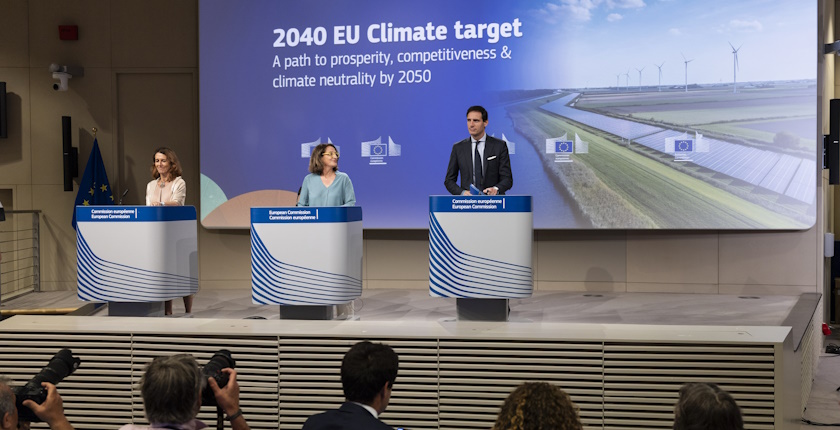
EU waters down its 2040 climate target in runup to COP30 in Brazil

The Council of the European Union upheld the proposed 90% emissions cut target for 2040 ahead of the United Nations Climate Change Conference COP30 in Brazil, but with substantial workaround possibilities. In addition, the environment ministers failed to define the 2035 ambition, leaving the desired reduction in the amount of released greenhouse gases in a range of 66.25% to 72.5%.

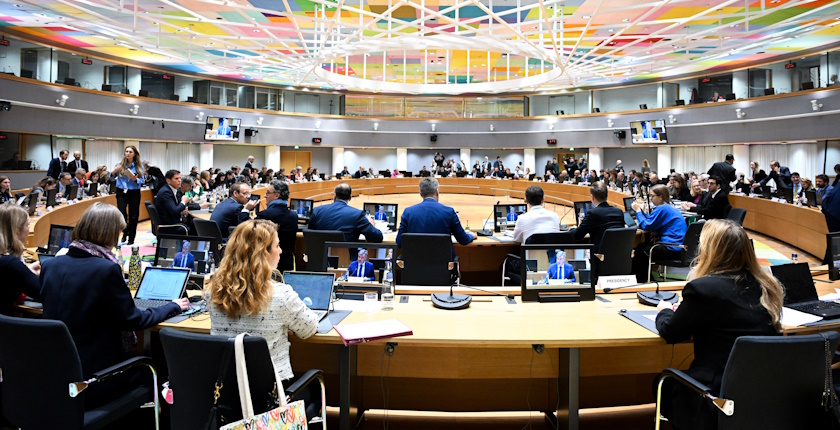
Faced with declining competitiveness due to high energy prices and its strict climate and environmental standards, the EU is loosening its decarbonization goal. Following a marathon session in Brussels, the so-called Environment Council kept the desired greenhouse gas emissions reduction by 2040 at 90%, against the 1990 level, to take it to the COP30 event in Belém, Brazil. However, the competent ministers making up the body allowed several important flexibilities to avoid a last-minute stalemate.

Namely, the Council of the EU approved an updated nationally determined contribution (NDC) of the 27-member bloc and individual states to submit it at the Conference of the Parties of the UN Framework Convention on Climate Change (UNFCCC). Political leaders are gathering tomorrow, while COP30 formally lasts from November 10 to 21.

Following the 2020 NDC and its 2023 update, the new one covers the period up to 2035.

Outsourcing climate improvements instead of domestic decarbonization

On the path to eliminating net emissions by 2050, the EU is sticking with its nominal 2040 goal. On the other hand, in the latest version, the environment ministers allow “an adequate contribution of high-quality international credits in a manner that is both ambitious and cost-efficient.”

In particular, five percentage points of the 90% can be met via emission cuts promised outside the EU, and governments would be allowed to outsource a further five points, Greenpeace warned. It means they would buy carbon credits abroad as offsets.

EU is counting on purchases of other countries’ carbon credits for offsets

“The European Scientific Advisory Board on Climate Change [ESABCC] had called for emissions cuts of 90%-95% by 2040, and had stressed that this target must be for domestic reductions to climate pollution, not cuts outsourced to other countries. Environment ministers also agreed that the European Commission should reopen and water down the climate target in the case of high energy prices, a perceived negative economic impact or in light of technological advances. To reach a deal with reluctant countries, ministers also agreed to delay the start of the EU’s carbon market for pollution from cars and heating systems, extend pollution permits for heavy industry and exempt some ‘low-carbon’ fuels under the internal combustion engine phaseout,” the organization added.

The carbon market in question is the planned Emissions Trading System 2 (EU ETS 2). The Environment Council proposed to delay its establishment by a year, until 2028, and work on measures for a smooth launch.

“According to the ESABCC, only 16% of offsets have delivered genuine emissions reductions. But if they were high-quality offsets, they would be costly, and relying on them would divert investment from transforming the EU’s own industries, economy, and workers,” World Wide Fund For Nature (WWF) pointed out.

Indicative range for 2035 goal entirely below required efforts

The protracted discussions between the EU’s national governments also delayed the announcement of the EU’s indicative climate target for 2035, under the Paris Agreement. It is supposed to be submitted at the UN Climate Change Conference COP30.

“Ministers failed to agree a firm 2035 target, instead keeping a previously agreed range of 66.25% to 72.5% emission cuts, even the upper end of which is inconsistent with a credible pathway to the proposed 90% cut for five years later, undermining the EU’s position as a climate leader at COP30,” Greenpeace stressed.

Climate-competitiveness-independence tradeoff

The European Parliament’s Committee on Environment, Public Health and Food Safety (ENVI) is expected to discuss the matter soon. After a plenary vote, the institution would negotiate with the Council of the EU and European Commission.

“We need climate, competitiveness and independence. All three are crucial and going forward we need to ensure that one doesn’t come at the expense of the other. This morning, the environment and climate ministers of all member states reached a pragmatic, ambitious deal which ensures that,” said European Commissioner for Climate, Net-Zero and Clean Growth Wopke Hoekstra.
by in News

Slovenia allocates EUR 375 million for sustainable mobility

Slovenia has allocated EUR 835 million from the Climate Fund for climate change mitigation and adaptation. The funds should be used over the period 2025-2028.

The Government of Slovenia has adopted a decree on the allocation plan for the Climate Fund for 2025-2028. The plan follows the key measures from the previous plan for the period 2023-2026 and adds funds for 2027 and 2028. The amount is determined based on expected revenues from emission allowance auctions.

Emission allowances are part of the European Union Emissions Trading System (EU ETS).

The funds will be directed to sectors addressing the main climate challenges, both in mitigation and adaptation to climate change. Measures supporting the green transition and increasing the country’s resilience to climate change will also be supported, according to the Government of Slovenia.

EUR 121 million was allocated for decarbonizing the economy

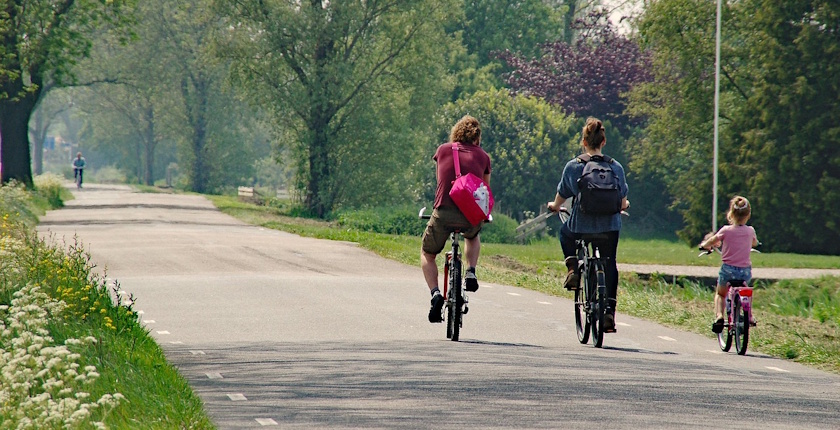
The largest chunk will go to sustainable mobility – EUR 375 million. The funds will be used for investments in public transport – purchase of new trains and buses, renovation of ticketing and information systems, co-financing of zero-emission vehicles and charging infrastructure, promotion of cycling and walking, and shifting freight transport from roads to rail.

EUR 121 million is designated for decarbonizing the economy. The government will co-finance successful European Union projects, support the introduction of a circular economy and sustainable reporting for small and medium-sized enterprises, as well as investments in industrial decarbonization.

Energy renovation of public and residential buildings, measures to reduce energy poverty, and the construction of nearly zero-energy buildings are also part of the allocation plan. There is EUR 111 million for such activities.

EUR 26 million is set for awareness raising and education

EUR 95 million is designated for renewable energy sources. The funds will be used to replace outdated household heating devices with modern ones and heat pumps, as well as for energy storage, geothermal energy, and measures to increase the energy self-sufficiency of buildings.

The Climate Fund will support additional climate change adaptation measures. The activities include reducing flood risks, preserving biodiversity, adaptation in forestry and agriculture, and strengthening the resilience of local communities. The allocated funds amount to EUR 49 million.

Slovenia has envisaged EUR 12 million for international climate change financing and EUR 26 million for awareness raising and education.

by in News

Europe’s Environment 2025 report: Not good

Biodiversity is declining and water stress is affecting one third of Europe’s population and territory, while the frequency and magnitude of climate-related disasters are increasing. In short, this is the message from the report Europe’s Environment 2025.

​Europe’s Environment 2025 is the most comprehensive analysis on the current state and outlook for the continent’s environment, climate, and sustainability, building on data from across 38 countries, according to the European Environment Agency (EEA).

The outlook for most environmental trends is concerning and poses major risks to Europe’s economic prosperity, security, and quality of life, the authors warned. The agency said climate change and environmental degradation pose a direct threat to Europe’s competitiveness, pointing out that it depends on natural resources.

Progress on a range of factors that enable the shift towards sustainability – such as innovation, green employment, and sustainable finance – gives cause for hope, EEA added.

​More than 80% of protected habitats are in a poor or bad state

The report shows biodiversity is declining across terrestrial, freshwater, and marine ecosystems in Europe due to persistent pressures driven by unsustainable production and consumption patterns, demonstrated most notably in the food system.

More than 80% of protected habitats are in a poor or bad state, with 60% to 70% of soils degraded, the document reads.

On a positive note, the extent of protected areas increased over the past decade – by 2022, 26.1% of the European Union’s land and 12.3% of its seas were protected. However, designating protected areas alone does not guarantee that biodiversity is effectively protected, the authors wrote.

​Water stress is affecting one third of Europe’s population and territory

The report’s findings point to severe pressure on water resources: water stress is affecting one third of Europe’s population and territory.

Only 37% of surface water bodies had a good or high ecological status in 2021, with the degradation of aquatic ecosystems threatening Europe’s water resilience. Agriculture is responsible for the most significant pressure on both surface and groundwater, data revealed.

EEA recalled that Europe is the fastest-warming continent on the planet.

Weather- and climate-related extremes caused economic losses of assets estimated at EUR 738 billion in the EU’s 27 member states over the period 1980-2023, with over EUR 162 billion in costs from 2021 to 2023 alone, the report reads.

Over 70,000 people in Europe are estimated to have died from heat in 2022.

The average annual economic losses in the 2020‑2023 period were 2.5 times as high as in the preceding decade, from 2010 to 2019, according to the report.

Downpours are increasing in severity, with several regions subject to catastrophic floods in recent years, while extreme heat, once rare, is becoming more frequent, with deadly consequences: over 70,000 people in Europe are estimated to have died from heat in 2022.

The greatest challenges call for a need to rethink the links between the economy and the natural environment, land, water and natural resources, EEA underscored.

“We cannot afford to lower our climate, environment and sustainability ambitions. Our state of environment report, co-created with 38 countries, clearly sets out the science-based knowledge and demonstrates why we need to act. In the European Union, we have the policies, the tools and the knowledge, and decades of experience in working together towards our sustainability goals. What we do today will shape our future,” EEA Executive Director Leena Ylä-Mononen said.

Bright spots

The report also highlighted the good results of environmental protection policies in Europe.

The EU has cut its domestic greenhouse gas (GHG) emissions by 37% since 1990, largely driven by reducing fossil fuel use and doubling the share of renewables since 2005.

All member states have reduced their reliance on fossil fuels and shifted towards more sustainable energy sources over the last decade, while increased energy efficiency has brought down demand.

In 2023, renewable energy sources represented over 24% of the EU’s final energy use, a record high.

The bloc’s industrial system has managed to reduce emissions by more than 35% from 2005 to 2023, while emissions from buildings fell by more than 35% between 2005 and 2023.

Significant progress has been made in reducing pollution in Europe. EU policies led to improvements in air quality and reduced premature deaths attributable to fine particulate matter from 2005 to 2022 by 45%, according to the Europe’s Environment 2025 report.

by in News

EU opens energy, environment cluster in accession talks with Albania

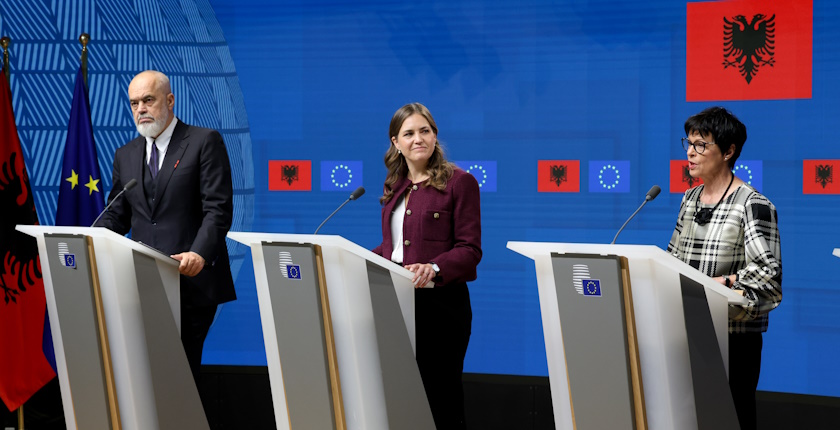
Albania officially started negotiations with the European Union on the so-called cluster 4, encompassing the green agenda and sustainable connectivity. It is joining Montenegro and Serbia, which haven’t yet closed any of the four chapters in the group: transport policy, energy, trans-European networks, and environment and climate change.

The Council of the EU held an accession conference with Albania and declared the opening of formal talks on cluster 4.

“Enlargement is at the top of our priorities as a geopolitical necessity for the EU. I am happy that we took a next step today with Albania. This is another clear proof of the country’s path towards European integration. I look forward to holding more meetings in the coming months with Albania and with other candidate countries to move forward the EU’s enlargement,” said Minister for European affairs of Denmark Marie Bjerre, who led the European Union’s delegation. Her country is currently holding the six-month presidency of the Council of the EU.

Rama: Our challenge is to reinvent ourselves

Prime Minister Edi Rama and his team represented Albania at the event, in which European Commissioner for Enlargement Marta Kos participated as well.

“Today we opened another cluster, it’s, as a matter of fact, five clusters in 11 months. In my understanding, it’s a record. And we are looking forward to opening the last cluster before this year ends… Environment is today a really pressing issue, and demands are challenging even for member states to keep the standards and to protect the standards. So, our challenge is to reinvent ourselves,” Rama said at a press conference with the two EU officials.

No chapters from cluster 4 closed yet in Western Balkans

The chapters in cluster 4, on the green agenda and sustainable connectivity, are transport policy (14), energy (15), trans-European networks (21) and environment and climate change (27). The trans-European networks comprise Trans-European Networks for Energy (TEN-E), Trans-European Networks for Transport (TEN-T) and Trans-European Networks for Telecommunications (eTEN).

As for the rest of the Western Balkans, Montenegro opened the first three in 2015 and the remaining one in 2018. It started its accession talks in 2012. The EU grouped 33 chapters into six clusters in 2020, while 34 and 35 are separate.

Albania is third in the region to open cluster 4

Serbia, which started negotiations in 2014, launched cluster 4 in late 2021. Notably, neither closed any chapters in the group. Montenegro closed seven in total, compared to just two on Serbia’s list.

Albania opened accession negotiations in 2022, as did North Macedonia. The former didn’t close any chapters yet and the latter didn’t even open a single one. Bosnia and Herzegovina is a candidate but it still didn’t start negotiations. Kosovo* is only a potential candidate.

EU urging tangible progress against environmental crimes

Among other points in its common position regarding the talks being launched, the EU urged Albania to accelerate renewable energy deployment by completing the necessary rules and regulations on permitting. The negotiators from the administration in Brussels said the Electricity Integration Package (EIP) needs to be fully implemented as well.

Albania has to align with EU acquis on environmental crimes and make tangible progress, especially against wildlife crimes, deterioration of habitats, illegal shipment or dumping of waste, pollution crimes and illegal trading in hazardous substances, the document reads.

* This designation is without prejudice to positions onstatus and is in line with UNSCR 1244/99 and the ICJ Opinion on the Kosovo declaration of independence.
by in News

Deep Adriatic temperatures already hit end-of-century estimates

For centuries, the Adriatic Sea has cooled the Mediterranean, but today it is sending warmer waters down south as it heats up much faster than projected. Deep water temperatures forecast for the end of the century are already being recorded, threatening ecosystems, the climate, and coastal communities, according to a study by scientists from Croatia, Italy, and Slovenia.

Data collected in the South Adriatic Pit, the deepest part of the Adriatic Sea, suggest the seawater temperature at a depth of 1,000 meters has increased 0.8°C over the past decade, with salinity rising by 0.2 PSU (Practical Salinity Units), according to Croatia’s Ruđer Bošković Institute (RBI).

This may signal a permanent shift in the region’s climate patterns, RBI said. Importantly, the trend is accelerating: deep-water warming rates were once around 0.2°C per century, but between 2012 and 2024 they jumped to 0.8°C per decade, it stressed.

The Adriatic drives currents that ensure stability and oxygen supply to the depths of the Mediterranean

RBI explains that the Adriatic Sea acts as a natural “thermostat,” regulating temperature patterns throughout the Mediterranean basin. In winter, cold, dense waters in the shallow northern Adriatic sink to the seafloor and then flow through the Strait of Otranto into the deep Mediterranean. This process drives currents that ensure stability and oxygen supply to the depths of the Mediterranean Sea.

Today, however, the traditionally cold water formed along the Croatian coast is becoming increasingly warm and salty before beginning its southward journey. Instead of cooling the deep Mediterranean, the Adriatic now sends warmer waters that further heat the entire system, RBI explains.

Warmer waters threaten deep-sea fish and attract species from the eastern Mediterranean

The changes are already affecting biodiversity, particularly species adapted to life in deep, cold waters. Unlike terrestrial animals that can migrate north as the climate warms, deep-sea species remain stuck on the seafloor, according to Dr. Ivica Vilibić, co-author of a study based on the international research project.

At the same time, the warmer waters are attracting tropical species from the eastern Mediterranean, altering the entire ecosystem, he warns.

The problem is not just local – it could affect all of Europe

Moreover, these changes are not just a local Adriatic issue. They could affect the entire European climate system while contributing an additional 3.3 millimeters of sea-level rise per year, scientists estimate.

“Nature is warning us that something significant is happening,” says Vilibić, adding that scientists’ task is to understand these processes and help society prepare for the changes ahead.

by in News

Water shortages in Southeastern Europe point to desalination as strategic approach

Former Minister of Environment and Water of Bulgaria Borislav Sandov is urging the country’s authorities to deploy alternative water supply solutions, including desalination, to counter shortages. Greece is preparing a radical change in its water management model. Turkey got its first floating seawater purification platform, running on solar and wind power.

Southeastern Europe is among the most jeopardized regions in the world in the context of global warming. The lack of water has the most drastic effect on everything from wildlife to food production, energy and public health. Bulgaria’s former Minister of Environment and Water Borislav Sandov warned that over half a million people in the country are at risk of water shortages.

Eastern and northeastern Bulgaria have a persistent issue with droughts and lack of water, necessitating a switch toward alternative forms of supply in the next five to 10 years, including seawater desalination plants, he recently told bTV.

In addition to climatic factors, there are serious shortcomings in water management, together with theft and corruption, Sandov claimed. He pointed to an example where drastically undersized pipes of poor quality were installed in one area, resulting in constant breakdowns and supply interruptions.

Sandov attributed some of the water stress to fragmented management between different local, regional and national institutions. In his words, as much as 10% of all settlements in Bulgaria, though mostly small ones, aren’t covered by waterworks and sewerage systems. Moreover, 44% of the water in the network isn’t measured in volume terms at the entry point and 50% of the water sources don’t have a valid permit from the competent authority, he added.

Notably, a quarter of the population in neighboring Serbia occasionally or permanently lacks safe drinking water from waterworks systems.

Greece to radically change its water management system

Greece decided to get ahead of the droughts and heatwaves. The government has promised radical change in water management: a more functional system with more investments and new technologies, including desalination, but also recycling.

Tourism in the summer months exacerbates the water stress. On some islands, demand surges by up to 30 times. It creates conflict with the needs for irrigation for food production. Greek islands mostly use underground aquifers with easily exhaustible capacity.

Rainfall and snowfall in the country are gradually decreasing.

Similar to Bulgaria, water management is spread across hundreds of operators and institutions, lacking coordination. Losses in drinking water supply amount to as much as 40%, in comparison with up to a staggering 60% in irrigation.

The government in Athens promised water would remain a public good

According to a study by Deloitte with data from 2022, more than EUR 10 billion is necessary for investments in the two segments, excluding Attica. It is where Athens is located. Another EUR 500 million to EUR 700 million is needed for the peninsula.

Government-controlled power utility Public Power Corp. (PPC) will reportedly enter the game, not least because municipal water and sewerage firms owe it more than EUR 400 million. The company would convert debts into minority stakes in three centralized entities: for the regions of Athens and Thessaloniki and the rest of the country, the media learned.

PPC can contribute with its knowhow and experience in the construction and operation of dams and hydropower plants.

Importantly, the government vowed to keep water a public good.

Floating desalination platform with hybrid power plant put into operation in western Turkey

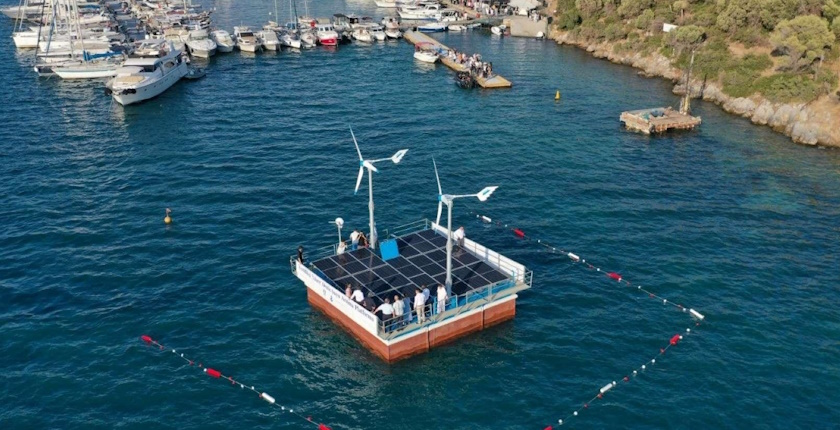
Right opposite the Greek island of Kos, offshore Bitez Marina, the Bodrum Municipality inaugurated Turkey’s first floating seawater purification platform. It runs entirely on renewable energy, producing 20 cubic metres of clean, non-potable water every day.

The project was developed in partnership with Istanbul-based company Blue Hybrid Solutions. The facility is powered by solar panels and two small wind turbines. It delivers water to an onshore tank for irrigation, emergency needs and, when required, public consumption, the local authority said.

Greece is already conducting a massive project for energy independence of numerous non-interconnected islands, including investments in desalination powered by renewables. It is also working to link other islands to the mainland grid.

[wpcc-iframe title=”BODRUM BELEDİYESİNDEN BİR İLK YÜZER DENİZ SUYU ARITMA PLATFORMU TANITILDI” width=”500″ height=”281″ src=”https://www.youtube.com/embed/KApvKHO8OS4?feature=oembed” frameborder=”0″ allow=”accelerometer; autoplay; clipboard-write; encrypted-media; gyroscope; picture-in-picture; web-share” referrerpolicy=”strict-origin-when-cross-origin” allowfullscreen=””]

by in News

Slovenia sells Europe’s first sustainability bond, worth EUR 1 billion

Slovenia accessed the international markets with its inaugural sustainability-linked bond, oversubscribed by more than 6.5 times. The interest payable can grow or drop by 50 basis points depending on the country’s progress in cutting greenhouse gas emissions. It is the first-ever sustainability-linked bond issue from a European sovereign, the Ministry of Finance pointed out.

Bankers and fund managers flocked around the first sustainability-linked bond that Slovenia offered in the market. Demand reached over 6.5 times more than the EUR 1 billion available, with a 10-year maturity. It is also the first-ever sustainability-linked bond issue from a European sovereign, the Ministry of Finance pointed out.

The country’s Sustainability Bond Framework is also in line with the Green Bond Principles of the International Capital Market Association – ICMA, and it takes into account the Green Bond Standard of the European Union. The proceeds from sustainability bonds are for financing or refinancing eligible green or social projects.

If Slovenia doesn’t achieve a 35% cut in total greenhouse gas emissions by 2030, relative to the 2005 baseline, the interest payable on the note will increase by 50 basis points, commencing nine years after the settlement date. If the emissions cuts surpass 45%, the rate will go 50 points lower, the documentation shows.

High demand resulted in a drop in the price spread from 70 to 61 basis points above the benchmark

The initial price guidance was at 70 basis points above the mid-interest rate swap as benchmark. Strong demand, including EUR 435 million in joint lead managers (JLM) interest, slashed the spread to 61 points. The note has a 3.125% fixed-rate coupon, reoffer yield of 3.155% and reoffer price of 99.746%, the ministry revealed.

As for the geographical distribution of the buyers, 23% are in the United Kingdom or Ireland, 20% is in the region comprising Belgium, Netherlands and Luxembourg, and 15% are from Germany, Austria or Switzerland. Next is Southern Europe, with 12%, followed by Slovenia’s 11%, a 9% Nordics share and 5% for France.

Asset managers amounted to 54% of the total sum. Central banks and other official institutions, at 18%, were just barely ahead of other banks (17%). Insurance and pension funds purchased 5% and hedge funds now hold 4% of the issue.

by in News

Germany supports Serbia in clean energy supply, environmental protection

The Republic of Serbia and Germany’s KfW Development Bank signed a loan agreement on July 18 for EUR 135 million for the second phase of the credit program Green Transition Development Policy Operation (DPO II).

The signatures underscore the joint activities by Germany and Serbia aimed at a climate-compliant and socially just energy transition, said Chargés d’Affaires ad interim Carsten Meyer-Wiefhausen from the Embassy of the Federal Republic of Germany in Serbia. “We will continue to be with Serbia on this path and support its reform efforts,” he stressed.

Within the financing for the reforms, the World Bank, French Development Agency (AFD) and the German KfW Development Bank are supporting the Republic of Serbia in conducting its ambitious reform agenda. The goal is to accelerate the transition to energy from clean sources and align with EU standards in environmental protection and climate.

Series of reforms through DPO II

Several successful reforms have been materialized within DPO II, among which:

  1. Promoting investments that are acceptable in environmental and climate terms: Public investments are graded under environmental criteria and with regard to the risk of natural disasters, and with models developed solely for the purpose. The citizens of Serbia benefit from the government’s more sustainable investment decisions.
  2. Enhanced transparency in the public budget: The Government of the Republic of Serbia has committed to publishing information on the execution of the public budget, not only at the end of the fiscal year, but also during the year. It improves the transparency of public expenditures, primarily concerning investments in environmental and climate protection.
  3. Affordable energy prices: The Government of the Republic of Serbia has rolled out temporary targeted subsidies for households with low income, like citizens with low pensions. The share of households receiving such aid has grown from 2.7%, registered in 2021, to last year’s 8%.
  4. Improvement in waste disposal: Aligning with EU standards brings a better approach to sanitary landfills, namely from 42% (2021) to last year’s 50%. The citizens of Serbia benefit from improved waste disposal and a cleaner environment.
  5. Prepared for CBAM: Since this year, large industrial facilities and power plants report their CO2 emissions in line with EU standards. That way Serbia is more prepared for the upcoming full implementation of the European Carbon Border Adjustment Mechanism (CBAM) for carbon prices. For instance, the country would be able to price CO2 emissions and charge them.

Financing reforms within climate partnership

Germany’s contribution to financing reforms is an integral part of Germany’s climate partnership with Serbia and the entire Western Balkans. The purpose of the partnership is to support Serbia’s work on achieving its national climate goals and adapting to climate change. The key goal of the partnerships is for the transformation that is necessary to meet climate goals, in the interest of Serbian citizens, to be socially just, a just transition.

This year, Serbia and Germany are celebrating the 25th anniversary of their development cooperation. In the meantime, KfW financed projects worth EUR 2.5 billion in Serbia.

by in News

EU outlines measures for 90% emissions cut by 2040

The European Commission proposed an amendment to the European Climate Law, setting a 2040 target of a 90% reduction in net greenhouse gas emissions from the 1990 level. The outlined measures would give certainty to investors, promote innovation and business competitiveness and increase energy security, according to the European Union’s executive body.

The EU is closing in on its 2030 goal to slash annual net emissions by 55% from the 1990 baseline, according to the European Commission’s recent report on national energy and climate plans (NECPs). It is part of the efforts to reach climate neutrality by mid-century. Today the EU’s top executive body formally outlined the proposal for the next intermediate target – 90% by 2040.

It is in the form of an amendment to the European Climate Law, which entered into force in July 2021. In the meantime, the 27-member bloc adopted a 2030 legislative package known as Fit for 55.

The European Parliament and the Council of the EU now need to discuss and adopt the amendment.

Nature-based and industrial carbon removals will play an increasingly important role in reaching the targets, the European Commission pointed out. It implies domestic permanent carbon removals within the Emissions Trading System (EU ETS) to compensate for residual emissions from hard-to-abate sectors. Such systems need to scale up significantly by 2040, the commissioners said.

More pragmatic, flexible trajectory toward 90% reduction in emissions by 2040

The proposal sets out a more pragmatic and flexible way to reach the milestone, the European Commission claimed.

“Aligned with the EU Competitiveness Compass, Clean Industrial Deal and Affordable Energy Action Plan, the proposed 2040 climate target takes fully into account the current economic, security and geopolitical landscape and gives investors and businesses the predictability and stability they need in the EU’s clean energy transition. By staying the course on decarbonisation, the EU will drive investment in innovation, create more jobs, growth, increase our resilience to impacts of climate change and become more energy independent,” the statement adds.

Von der Leyen said industry and investors require a predictable direction on the path to the climate goal

“As European citizens increasingly feel the impact of climate change, they expect Europe to act. Industry and investors look to us to set a predictable direction of travel,” said European Commission President Ursula von der Leyen.

Today’s proposal is based on an impact assessment and advice from the Intergovernmental Panel on Climate Change (IPCC) and the European Scientific Advisory Board on Climate Change. The adoption follows engagement with member states, the European Parliament, stakeholders, civil society and citizens since the commission’s recommendation in February 2024.

EU eyeing international carbon credits

The commission vowed to consider a limited role for high-quality international carbon credits, starting in 2036, and greater flexibility across sectors to help achieve targets in a cost-effective and socially fair way. For instance, a member state would have the possibility to compensate for a struggling land use sector with an overachievement in reducing emissions from waste and transportation.

Emphasis is also on the competitiveness of the European industry and a level playing field with international partners. Among the guidelines is technological neutrality.

Fiscal incentives are under consideration for clean tech and industrial decarbonization projects.

The commission highlighted its Clean Industrial Deal State Aid Framework, adopted last week, and the simplification of the Carbon Border Adjustment Mechanism (CBAM). It also issued a recommendation on tax incentives for investments in clean technologies and industrial decarbonization.

Measures on affordable energy to scale up manufacturing of grid components and support power purchase agreements, the pilot for the upcoming Industrial Decarbonisation Bank, the forthcoming Chemicals Industry Action Plan and the sectorial dialogues with stakeholders are among the actions that will help deliver the Clean Industrial Deal, the commissioners explained. Their draft seven-year budget, officially called Multiannual Financial Framework, is due to be unveiled next month.

WindEurope urges for annual targets for renewables

Reacting to the announcement, WindEurope said EU member states would need to translate the 90% ambition into clear annual goals for the deployment of wind and other renewables for the period 2031-40.

“Otherwise the 2040 target will remain academic,” the organization underscored.

by in News

Future Green Business conference highlights role of Croatian companies, EU-Africa partnership in climate action

The International Institute for Climate Action (IICA) held its third international Future Green Initiative conference on climate change. The event in Zagreb was dedicated to the role of the business and financial sectors in mitigating climate change. President of IICE Marija Pujo Tadić said Europe wants other states and the main global players to join its ambitious climate targets and action.

Abze Djigma, one of the most prominent African negotiators on the global climate, was a special guest and keynote speaker at the conference. In her words, a just transition isn’t possible without African mineral resources, and Africa is ready to cooperate in the sector, with mutual respect.

Within the trajectory to reaching climate neutrality by the mid-21st century, the EU and its member states intend to determine an intermediate 2040 target of 90% for greenhouse gas emission cuts. It implies a rapid switch to a low-carbon and sustainable economy. The International Institute for Climate Action (IICA) is contributing to the efforts through training, communications and awareness raising for the business and financial sectors and the facilitation of networking.

With its activities, IICA promotes knowledge exchange and strengthening social and personal responsibility toward sustainability. It helps companies adapt their operations and governance to the requirements for stable growth, to tackle the climate crisis.

At its third international conference Future Green Business, the institute gathered Croatian and EU officials and Croatian company executives. The event in Zagreb was titled How the Business and Financial Sector Can Contribute to Climate Change Mitigation (EU & Africa).

Reliable partners are exceptionally important for transition to sustainable economy

President of IICA and Special Advisor-Envoy for Climate Action of the Government of Croatia Marija Pujo Tadić stressed that the conference was a reflection of the recently held 3rd European Union – African Union Ministerial Meeting, which marked 25 years of the partnership. The aim of the event in Zagreb was to highlight the significance of cooperation, particularly in the context of the climate crisis, for the corporate and financial sectors.

The EU is Africa’s biggest trade partner as well as the biggest investor and donor of development and humanitarian aid

“Both continents inevitably have to undergo their path of transforming the economy to a sustainable economy. And on that path, it is exceptionally important to have reliable partners. Europe and Africa are an example with their strong global cooperation of 25 years, directed toward peace, security, governance, prosperity and a human dimension,” Pujo Tadić underscored.

In her view, Africa is EU’s geopolitical priority at a time of increased geopolitical instability. Marija Pujo Tadić recalled that the EU is Africa’s biggest trade partner as well as the biggest investor and donor of development and humanitarian aid.

“Europe remains committed to its climate goals and ambitions and it is calling on other states and the main players to join these ambitious goals and action, and all other countries to meet their national commitments in the runup to COP30 in Brazil,” she asserted.

The conference featured a panel discussion between the representatives of large Croatian companies in the spheres of industrial production, logistics and finance.

Čović Vidović: EU’s Africa policy is no longer developmental but directed toward market-based partnerships

Deputy Head of the European Commission Representation in Croatia and the Head of Press and Media Andrea Čović Vidović said the Council of the EU has just announced that the administration in Brussels and member states mobilized EUR 28.6 billion of international climate finance from public and EUR 7.2 billion from private sources in 2023.

“That support is increasingly targeted not only towards adaptation and mitigation, but towards strategic partnerships, such as with Africa, our very important partner for a sustainable future,” she stated.

The European Commission is spearheading change through legislative initiatives that shape the global climate transition, Čović Vidović stressed. “As for our policy toward Africa, it is no longer developmental. It is aimed at market-based partnerships for mutual benefits. Of course, also for the benefit of the global climate,” she added.

Decisions that political, business leaders make at climate negotiating table affect everyone

A special guest and keynote speaker at the conference was Princess of the Mossi people of Burkina Faso and Co-Chair of the UNFCCC Paris Commitee on Capacity-building Abze Djigma. She has been participating in international climate negotiations for the last two decades.

Abze Djigma highlighted the significance of the concept of just transition. Both political and business leaders need to be aware that their decisions in climate talks affect everyone, and especially that they have the responsibility to improve living conditions, in her words.

At their recent meeting, the European Union and African Union considered the possibilities for cooperation in the critical minerals segment, Abze Djigma noted. A just transition is not possible without African mineral resources, and Africa is ready for cooperation in that field with mutual respect, she underscored.

It is not fair that licenses issued to foreign mining companies enable them to access the international finance market and the billions for their investments, while neither the African countries hosting their projects nor the domestic economy can’t use the asset that way, Abze Djigma asserted. It is why the legal framework needs to include provisions on ownership shares for the government and local firms, so that there are joint opportunities, she explained.

Abze Djigma also promotes empowering youth, the less fortunate and women through, for instance, enabling access to sustainable and affordable energy in rural areas.

Private sector has responsibility but also unique chance to be part of solution

Without systemic and determined action, global temperature will keep growing, with ever more serious consequences for the economy, society and nature, said Croatia’s State Secretary at the Ministry of Environmental Protection and Green Transition Tanja Radić Lakoš.

“The business and financial sectors have the responsibility, but also a unique chance to become part of the solution, with their tools, knowledge and capital. Enterprises that integrate climate change management, climate risks, into the core of their strategies, not only contribute to environmental protection, but become more resilient, more competitive and more attractive to investors,” she asserted.

 Radić Lakoš: Social fairness must be an integral part of the green transition

Radić Lakoš stressed that Croatia would utilize European and national funds for the green transition in a targeted and transparent manner, making sure that no one is left behind.

“Social fairness must be an integral part of the green transition, as it is not a privilege, but the right of all our citizens,” she added and pointed out that the country is eligible for EUR 1.26 billion from the EU’s Social Climate Fund (SCF). Radić Lakoš noted that Croatia is adding EUR 420 million to the sum. SCF is intended for financial support to vulnerable households and enterprises.

The funding contributes to climate objectives through the decarbonization of transportation, improvement of the energy efficiency of buildings and the creation of green jobs.

Croatia getting EUR 1.3 billion by 2030 from proceeds from sales of CO2 certificates

Furthermore, Croatia is receiving the proceeds from the sales of carbon certificates via the Modernisation Fund, Radić Lakoš recalled. The amount allocated to the country until 2030 currently has a market value of EUR 1.3 billion. The funds are intended, among other uses, for the decarbonization of heating systems, energy efficiency measures and low-carbon road transportation.

Another five public calls are envisaged this year, worth an overall EUR 285 million from the Modernisation Fund

So far there were three calls, where 224 beneficiaries were awarded a total of EUR 80 million. There are five more calls envisaged for 2025 and they are worth a combined EUR 285 million, of which part of the support will go through financial instruments, Radić Lakoš added.

In the 20 years since its inception, the Environmental Protection and Energy Efficiency Fund (EPEEF or, in Croatian, FZOEU) conducted almost 60,000 sustainable development and green transition projects, its Director Luka Balen told the audience at the event. “As we can see, climate change is not an issue for the future. It is a matter of everyday life,” he stated.