by in News

Hydrological Deficit: Albania’s KESH Sees 2025 Production Plummet 22% Below Historical Average

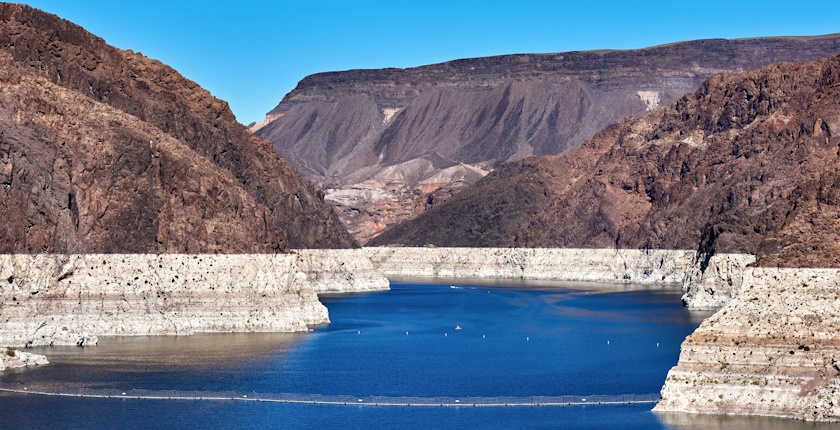
Albania’s state-owned power utility, the Albanian Power Corporation (KESH), is grappling with a significant production shortfall as 2025 emerges as one of the driest years in recent history. According to official data, electricity generation from the Drin River Cascade fell 22% below the historical average, forcing the country to rely heavily on costly imports to meet domestic demand.

Climate Volatility Tests Energy Resilience

The Drin River Cascade comprising the Fierza, Koman, and Vau i Dejës hydropower plants serves as the backbone of Albania’s energy system. However, its total reliance on hydrology remains a structural vulnerability.

The 22% drop against the multi-year average underscores the increasing impact of climate variability on the Balkan energy landscape. While the historical average production serves as the benchmark for national energy planning, the lack of significant precipitation throughout 2025 has depleted reservoir levels, leaving the state utility with limited maneuverability.

Market Exposure and Economic Implications

The production deficit has immediate financial consequences. To ensure an uninterrupted supply for regulated consumers, Albania has been forced to turn to the international open market. This shift exposes the state budget to price volatility, as KESH must purchase electricity at market rates while selling it to domestic distributors at fixed, regulated prices.

Energy experts note that such “dry years” highlight the urgent need for Albania to diversify its energy portfolio. While solar and wind projects are currently in the pipeline, the current 2025 figures serve as a stark reminder that the country remains at the mercy of the weather.

Operational Strategy

In response to the low inflows, KESH has implemented a conservation strategy for the Fierza reservoir the country’s primary energy reserve to maintain technical safety levels and ensure a baseline of stability for the winter peak. However, without a significant shift in meteorological conditions, the deficit is expected to weigh heavily on the sector’s year end financial performance.

This 22% contraction is more than just a statistical dip, it is a call for accelerated investment in storage and alternative renewables. For a country that prides itself on “green” energy through hydro, the 2025 data proves that “green” is not always synonymous with “reliable” in an era of climate extremes. The government’s ability to manage this deficit without passing costs onto the end consumer will be the defining fiscal challenge for the energy sector this year.


by in News

Davos: China reaffirms green agenda as US slams EU’s net-zero goal

At the World Economic Forum (WEF) in Davos, China reiterated its commitment to green development, in contrast to the United States, whose secretary of commerce said America should rely on oil and gas instead of pursuing a green transition and criticized the European Union’s (EU) net-zero target. US President Donald Trump, for his part, described the energy transition as a “scam” that caused an energy collapse in Europe.

Speaking at the WEF Annual Meeting 2026 in Davos, Switzerland, Chinese Vice Premier He Lifeng emphasized China’s resolve to reduce its greenhouse gas emissions, adding that the country’s upcoming five-year plan would keep the focus on green growth fueled by solar, batteries, and electric vehicles (EVs).

China’s Vice Premier urged other countries to help combat emissions

He also urged other nations and foreign companies to collaborate with China on creating “a green and prosperous future.”

“We invite enterprises from all over the world to embrace the opportunities from the green and low-carbon transition, and work closely with China in such areas as green infrastructure, green energy, green minerals, and green finance,” He said in a speech at Davos.

In contrast, US Commerce Secretary Howard Lutnick criticized the EU’s solar and wind development, as well as its net-zero goal, adding that the green transition is not something the US should pursue. Lutnick also said that the world should focus on coal as an energy source rather than renewables, according to reports.

In January 2025, President Donald Trump signed executive orders reversing much of the previous administration’s climate policy and withdrawing the US from the Paris Agreement once again.

US Commerce Secretary claims seeking net zero without battery production would make the EU subservient to China

“Why are you going to do solar and wind? Why would Europe agree to be net zero in 2030 when they don’t make a battery? So, if they go 2030, they are deciding to be subservient to China, who makes the batteries,” Lutnick said.

“Why would the US, which has oil and natural gas, try to convert to all-electricity? China does not have oil and natural gas – electricity and electric cars make perfect sense to them,” Lutnick said at a WEF panel.

According to news agencies, Lutnick’s harsh criticism of Europe at a VIP dinner on Tuesday made European Central Bank President Christine Lagarde walk out of the event.

Trump slams “the green new scam” and claims China sells wind turbines to others, but does not build its own wind farms

For his part, Trump also criticized the EU’s transition to renewables, claiming that the US had avoided “the catastrophic energy collapse which befell every European nation that pursued the green new scam.” He also described the green transition as “perhaps the greatest hoax in history.”

In his speech in Davos, the US president claimed that wind farms “lose money” and that China only sells wind turbines without building any wind farms itself.

“They sell them to the stupid people that buy them. They don’t use them themselves,” Trump said, adding that China has only built a “couple of wind farms” in order to “show people what they could look like.”

According to available data, China has the largest wind power capacity in the world, at around 600 GW.

by in News

Davos: China reaffirms green agenda as US slams EU’s net-zero goal

At the World Economic Forum (WEF) in Davos, China reiterated its commitment to green development, in contrast to the United States, whose secretary of commerce said America should rely on oil and gas instead of pursuing a green transition and criticized the European Union’s (EU) net-zero target. US President Donald Trump, for his part, described the energy transition as a “scam” that caused an energy collapse in Europe.

Speaking at the WEF Annual Meeting 2026 in Davos, Switzerland, Chinese Vice Premier He Lifeng emphasized China’s resolve to reduce its greenhouse gas emissions, adding that the country’s upcoming five-year plan would keep the focus on green growth fueled by solar, batteries, and electric vehicles (EVs).

China’s Vice Premier urged other countries to help combat emissions

He also urged other nations and foreign companies to collaborate with China on creating “a green and prosperous future.”

“We invite enterprises from all over the world to embrace the opportunities from the green and low-carbon transition, and work closely with China in such areas as green infrastructure, green energy, green minerals, and green finance,” He said in a speech at Davos.

In contrast, US Commerce Secretary Howard Lutnick criticized the EU’s solar and wind development, as well as its net-zero goal, adding that the green transition is not something the US should pursue. Lutnick also said that the world should focus on coal as an energy source rather than renewables, according to reports.

In January 2025, President Donald Trump signed executive orders reversing much of the previous administration’s climate policy and withdrawing the US from the Paris Agreement once again.

US Commerce Secretary claims seeking net zero without battery production would make the EU subservient to China

“Why are you going to do solar and wind? Why would Europe agree to be net zero in 2030 when they don’t make a battery? So, if they go 2030, they are deciding to be subservient to China, who makes the batteries,” Lutnick said.

“Why would the US, which has oil and natural gas, try to convert to all-electricity? China does not have oil and natural gas – electricity and electric cars make perfect sense to them,” Lutnick said at a WEF panel.

According to news agencies, Lutnick’s harsh criticism of Europe at a VIP dinner on Tuesday made European Central Bank President Christine Lagarde walk out of the event.

Trump slams “the green new scam” and claims China sells wind turbines to others, but does not build its own wind farms

For his part, Trump also criticized the EU’s transition to renewables, claiming that the US had avoided “the catastrophic energy collapse which befell every European nation that pursued the green new scam.” He also described the green transition as “perhaps the greatest hoax in history.”

In his speech in Davos, the US president claimed that wind farms “lose money” and that China only sells wind turbines without building any wind farms itself.

“They sell them to the stupid people that buy them. They don’t use them themselves,” Trump said, adding that China has only built a “couple of wind farms” in order to “show people what they could look like.”

According to available data, China has the largest wind power capacity in the world, at around 600 GW.

by in News

AI and Energy: the dynamic duo shaping the power grid

Author: Mbuwir Brida, EUSEW  Young Energy Ambassador

Have you tried asking ChatGPT what the world’s most pressing challenge is? It ranks climate change as the first challenge. So, how about we use the technology behind ChatGPT to solve that challenge?

The most significant way to mitigate climate change is to move from fossil fuels to renewable energy: the energy transition. This entails bolstering the integration of variable renewable energy sources into the power grid. Thus, more powerful and innovative tools are required to plan and operate the grid to ensure a secure and reliable grid as the energy transition progresses.

This need comes at a time when ground-breaking advancements are being made in artificial intelligence (AI), mimicking several aspects of human intelligence via large scale data analysis and relevant domain knowledge to generate outcomes. The digitalisation of the grid (e.g., via smart meters, sensors, and digital twins) provides massive amounts of data, making AI uniquely placed to support the energy transition. But will AI fix all grid challenges?

Forecasting for a more reliable power grid

Photo: Mbuwir Brida, EUSEW Young Energy Ambassador

The predictive capability of AI models is a game-changer for the energy sector, from energy generation to consumption and energy markets. One major application has been to predict and optimise energy generation of solar and wind installations: e.g., AI models use weather data together with historical measurements to predict energy production and consumption required for grid planning.

For example, the transmission network operator in Belgium, Elia, has developed an AI-based tool that reduces the system imbalance forecast error by 41% in their effort to keep the grid frequency stable with increasing renewable energy integration. This predictive capacity of AI models has also been used for predictive maintenance of wind farms and power lines. Thus, AI-based algorithms facilitate real-time monitoring and control of electricity transmission and distribution, allowing for dynamic adjustments in response to fluctuating energy supply and demand.

Moreover, AI algorithms automatically detecting faults, generating real-time power restoration strategies, and switching to backup power sources can reduce system downtime, enhancing power system reliability. Hence, AI not only facilitates grid management and renewable energy integration but also fosters a more efficient, reliable, and secure power grid.

On the energy consumption side, AI-driven energy management systems have seen significant progress. These energy management systems optimise energy usage by learning user preferences, adapting to weather conditions, and other external events such as electricity prices. For example, Belgian tech startup Pleevi has developed machine learning based algorithms to control electric vehicle charging, reducing electricity cost up to 30% while promoting the use of forecasted local energy generation. Swedish-Swiss electrification and automation company, ABB, on the other hand has developed AI-based tools for predicting and managing energy consumption peaks in commercial and industrial buildings, helping these large consumers to avoid peak demand charges.

Advanced technology comes with risks and roadblocks

While notable advancements have been made, the complexity of regulatory frameworks, ethical considerations, and the multifaceted nature of energy systems still challenge the integration of AI in the energy sector. Security concerns and data privacy issues raise important questions on the safe use of AI in the energy sector and, therefore, compliance with the European Artificial Intelligence Act. Additionally, the environmental impact of manufacturing AI hardware and the high energy and water consumption of data centres highlight some roadblocks that must be addressed for the sustainable use of AI. Moreover, the decision-making process of AI algorithms often remains unexplainable and unaccountable. All these aspects make the adoption of AI-based solutions challenging for users due to the significant energy security and financial implications.

Will AI fix all grid challenges related to the energy transition?

As the synergy between AI and the energy sector continues to unfold, interdisciplinary collaboration and a commitment to ethical and responsible AI deployment remain essential to fully unlock the potential of this intersection. However, the promise of fully autonomous systems, where AI orchestrates every aspect of the grid, is still a long way from becoming reality, considering the aforementioned hurdles. In reality, the integration is an ongoing process marked by incremental achievements and new challenges.

In 2026, the European Commission will adopt a Strategic Roadmap for digitalisation and AI in the energy sector, aiming to leverage the potential of digital and AI technologies while mitigating the associated risks.

This opinion editorial is produced in co-operation with the European Sustainable Energy Week 2026. See ec.europa.eu/eusew for open calls.

Disclaimer: This article is a contribution from a partner. All rights reserved.

Neither the European Commission nor any person acting on behalf of the Commission is responsible for the use that might be made of the information in the article. The opinions expressed are those of the author(s) only and should not be considered as representative of the European Commission’s official position.

by in News

Croatia drafts EUR 1.68 billion Social Climate Plan

Croatia has prepared a Social Climate Plan for the period 2026-2032, worth EUR 1.68 billion. It would introduce measures for the buildings and road transport sectors aimed at supporting households and small businesses.

The draft of Croatia’s Social Climate Plan is under public discussion, which will last until December 22.

The process of adopting the most important national instrument for protecting citizens from the adverse effects of climate transition and the introduction of the European Union’s Emissions Trading System 2 (EU ETS 2) has begun, the Ministry of Environmental Protection and Green Transition stressed.

The plan will be financed with EUR 1.26 billion from the EU’s Social Climate Fund, and the remainder from Croatia’s national budget. Essentially, all the funds are coming from the auctions of emission allowances in the EU and Croatia under the EU ETS 2. It is an expansion of the EU ETS to the buildings sector (heating and cooling) and road transport.

The EU established the Social Climate Fund in May 2023 to protect households and small businesses

The expansion could increase the costs of heating, cooling, and transport. In May 2023, the EU established the Social Climate Fund to protect low-income households, micro enterprises, and transport users that could be affected by the cost increase.

The measures and investments also contribute to the implementation of the goals of the National Energy and Climate Plan (NECP).

The Social Climate Plan allocates EUR 658.1 million (39%) for the buildings sector, and EUR 958.4 million (57%) for road transport. Technical assistance is the third component, with EUR 42 million (2.5%).

The measures planned for the buildings sector include support for the establishment of energy communities and subsidies for the energy renovation of family homes. In the road transport sector, the plan envisages investments in cycling, on-demand mobility services, zero-emission vehicles, and railway infrastructure.

Vučković: Restoration planned for 180 kilometers of bike trails

croatia social climate policy plan EU ets 2 marija vuckovic plenkovic
Photo: Government of Croatia

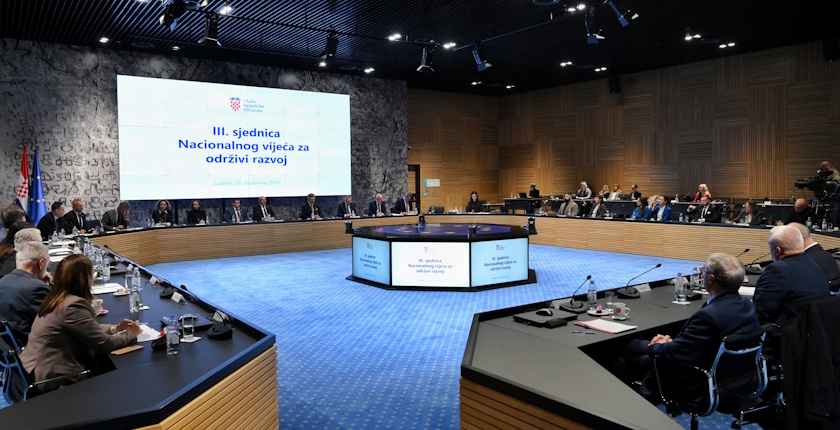
​While presenting the draft plan at a session of the National Council for Sustainable Development, Minister of Environmental Protection and Green Transition Marija Vučković said it identifies two groups: the energy poor or vulnerable, and transport poor or vulnerable.

“The plan provides for 10 measures, four of which relate to so-called stationary or energy poverty, and the remaining six to achieving affordable and favorable mobility and reducing the risk of transport poverty,” she explained.

According to the ministry, the plan provides for the renovation of 180 kilometers of bicycle paths, 80 kilometers of railway lines, as well as the procurement of 30 electric trains, 80 electric buses, and 3,000 electric cars.

Prime Minister Andrej Plenković stressed that the plan isn’t just a technical and administrative document, arguing that it determines what Croatia would become in ten, twenty, and fifty years.

“And we want a Croatia that is economically strong, socially just, and sovereign,” Plenković underlined.

by in News

Brazil’s COP of Truth leaves out fossil fuels, deforestation from final deal

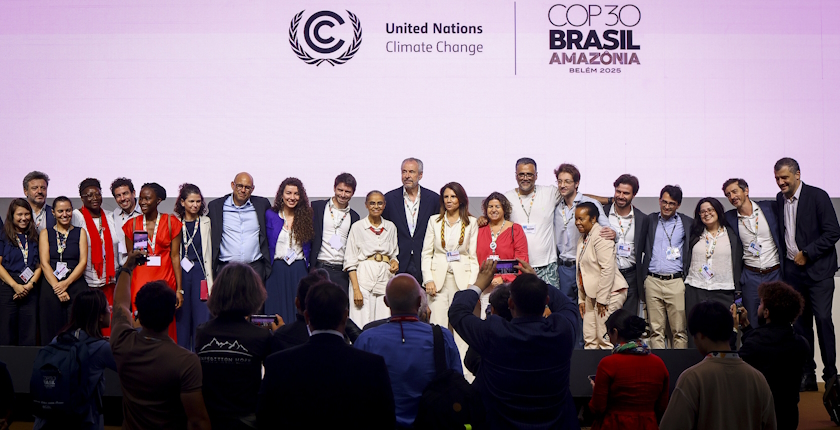
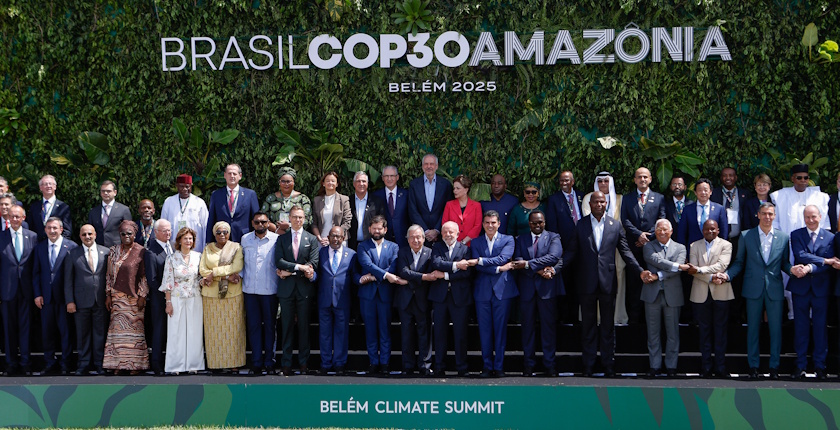
The United Nations Climate Change Conference COP30 was concluded with a deal to keep the world’s ambitions similar, after modest progress on some issues. In a last-minute compromise between the delegates of the wealthy, the poor and the countries most in jeopardy, the declaration from the so-called COP of Truth contains no explicit reference to fossil fuels and deforestation.

Participants at the Conference of the Parties of the UN Framework Convention on Climate Change (UNFCCC) in Belém, Brazil, acknowledged that the world is heading for a temporary overshoot above 1.5 degrees Celsius in warming, according to UN Secretary-General António Guterres.

“I cannot pretend that COP30 has delivered everything that is needed. The gap between where we are and what science demands remains dangerously wide. I understand many may feel disappointed – especially young people, indigenous peoples and those living through climate chaos. The reality of overshoot is a stark warning: we are approaching dangerous and irreversible tipping points,” he stated.

It’s difficult to reach a consensus in a period of deep geopolitical divide, Guterres pointed out. Nevertheless, he praised the final agreement for “delivering progress and showing that multilateralism works.”

Global Mutirão

The hosts nicknamed COP30, this year’s UN Climate Change Conference, the COP of Truth. Ironically, due to a last-minute compromise, or maybe consensus, the declaration contains no explicit reference to a fossil fuel phaseout and halting and reversing deforestation. They were left for separate roadmaps.

In the document, the signatories only refer to the COP28 decision, also known as the UAE Consensus, which called for transitioning away from fossil fuels.

The headline of the overarching deal adopted in Belém is Global Mutirão: Uniting humanity in a global mobilization against climate change. The Portuguese word mutirão originates from the indigenous Tupi-Guarani language and roughly means collective effort.

UN’s Stiell vows to keep up climate fight

All in all, delegates from all over the world, except the United States, left the desired decarbonization trajectory little changed. The countries most at risk of the climate disaster are generally poor. They depend on mitigation aid and investments from the wealthy part of the world.

“We knew this COP would take place in stormy political waters. Denial, division and geopolitics has dealt international cooperation some heavy blows this year,” UN Climate Change Executive Secretary Simon Stiell said at the closing.

Denial, division and geopolitics has dealt international cooperation some heavy blows this year, UN Climate Change Executive Secretary Simon Stiell said

In his view, nations chose solidarity, science, and economic common sense.

“COP30 showed that climate cooperation is alive and kicking, keeping humanity in the fight for a livable planet, with a firm resolve to keep 1.5 Celsius within reach. I’m not saying we’re winning the climate fight. But we are undeniably still in it, and we are fighting back,” Stiell stated.

The world’s top climate official noted that, for the first time, 194 countries agreed that the global transition to low greenhouse gas emissions and climate resilience is irreversible and the trend of the future, referring to a line from the deal.

COP30 pledges to triple adaptation funds by 2035

In the decision, the signatories kept the target USD 1.3 trillion per year that needs to be mobilized for climate action by 2035. USD 300 billion would be mostly grants and subsidized loans, while private financing and climate taxation dominate the rest.

The parties voted for a goal to provide three times more per year for climate adaptation from the smaller pot by 2035, instead of the initially proposed 2030 deadline. They failed to determine a figure, but it is mostly estimated at USD 120 billion per year.

One of the novelties is a pledge to promote information integrity regarding climate, which would also imply countering disinformation.

by in News

Šahmanović: Montenegro is facing its most challenging year for energy sector

Montenegro is facing its most challenging year for the energy sector, Minister of Energy and Mining Admir Šahmanović stressed.

State-owned power utility Elektroprivreda Crne Gore (EPCG) will suffer a loss of around EUR 80 million given that the Pljevlja coal power plant is offline, while electricity consumption is rising amid increases in prices of other energy sources, Admir Šahmanović told TV Vijesti.

He explained that development is focusing on the reconstruction of the thermal power plant, addressing delays in connecting solar power plants to the grid, and plans for projects including within cooperation with the UAE and an agreement with Italy on a second subsea cable.

Šahmanović: We entered this year quite wounded

The priority will be price stability and increasing the use of renewable sources, along with strengthening Montenegro’s position as an energy hub between the region and the European Union, he added.

“I can freely say that, regarding this year, it is perhaps the most challenging year in the modern history of Montenegro, exactly for the energy sector. We entered this year quite wounded given the fact that last year the hydrological conditions were the worst in the country’s history,” he asserted.

Šahmanović added the electricity demand in Montenegro has jumped 6%.

Climate change is playing its part

One of the reasons is the increase in the price of energy sources such as wood and coal, according to the minister.

He pointed to climate change as another factor. There is a growing need to install air conditioning units even in northern Montenegro, where there was previously no need for it, he added.

Therefore, in the minister’s words, the construction of other production facilities is inevitable.

Of note, EPCG’s executive manager of supply Jovan Kasalica said in April that electricity consumption in Montenegro has risen by 25% over the previous four years.

by in News

COP30 in Brazil: one decade after Paris Agreement, world is still far from its climate goals

The two-week United Nations Climate Change Conference COP30 is taking place in Brazil. It brought together delegations from more than 190 countries to discuss the challenges of climate change and measures for mitigation and adaptation. The current COP marks ten years since the Paris Agreement, at a time of significant hurdles on the path to achieving global climate goals.

According to preliminary data from the World Meteorological Organization, this year will be the second or third warmest ever recorded on the planet. The 30th Conference of the Parties (COP30) to the United Nations Framework Convention on Climate Change (UNFCCC) is being held in Belém, Brazil — a city situated in the heart of our planet’s lungs, the Amazon rainforest.

Brazil carries symbolic weight, as the UNFCCC was signed there in 1992.

Lula da Silva: Climate change is no longer a threat of the future, it is a tragedy of the present

In the decade following the adoption of the Paris Agreement at COP21, some progress has been made in the fight against climate change — but it remains insufficient. In his opening speech, Brazilian President Luiz Inácio Lula da Silva stressed that climate change is no longer a threat of the future but a tragedy of the present. He called this year’s summit a “moment of truth.”

When the Paris Agreement was signed, scientific projections were showing that without decisive climate action, global temperatures could rise by more than four degrees Celsius before the end of the 21st century. “We are moving in the right direction, but at the wrong speed,” Lula said, also pointing to climate misinformation as a major obstacle to planning and implementing effective measures.

Guterres: We have failed to stop global warming

United Nations Secretary-General António Guterres said in his address that the harsh truth is that the world has failed to keep global warming within 1.5 degrees Celsius.

Just days before the summit, the UN Environment Programme (UNEP) released its annual report showing that, under current policies, the 1.5-degree limit will be reached within the next decade – and the planet will warm by 2.8 degrees by the end of the century.

Guterres: This is moral failure – and deadly negligence

“Even a temporary overshoot will have dramatic consequences. It could push ecosystems past irreversible tipping points, expose billions to unlivable conditions, and amplify threats to peace and security. Every fraction of a degree means more hunger, displacement, and loss – especially for those least responsible. This is moral failure – and deadly negligence,” Guterres warned.

Still, he emphasized that the UN has not given up on the 1.5-degree goal. “We have never been better equipped to fight back,” he said, adding that the clean energy revolution is gaining unstoppable momentum.

In the first half of 2025, renewables overtook coal as the top source of global electricity. Renewable energy is now cheaper than fossil fuels, and the cost of electricity storage continues to decline.

The US will not participate in negotiations

One of the world’s largest greenhouse gas emitters – the United States – has sent representatives to the summit, but President Donald Trump’s administration announced it would not take part in negotiations. In January, he announced that his country would withdraw from the Paris Agreement, and later called climate change “the greatest con job ever perpetrated on the world” during a speech at the UN in September.

Focus on implementing existing commitments

The main focus of COP30 in Belém is the implementation of previously agreed commitments and the enforcement of the Paris Agreement. The reduction of greenhouse gas emissions remains a key topic, alongside the first Global Stocktake – a comprehensive assessment of progress toward the Paris goals, aimed at encouraging countries to submit more ambitious national climate plans.

Despite some progress, the latest nationally determined contributions (NDCs) remain far from sufficient to prevent the most severe effects of climate change.

Another central issue will be the establishment of a New Collective Quantified Goal on Climate Finance – determining the scale, timelines, and mechanisms for funding, as well as the share of resources that must go toward adaptation and support for the most vulnerable communities.

According to UNEP’s Adaptation Gap Report 2025, developing countries will need more than USD 310 billion annually by 2035 to adapt to climate impacts, yet they currently have access to only a fraction of that amount.

Toward a just transition and nature protection

Delegates will also discuss operationalizing the Global Goal on Adaptation, which aims to measure progress in building climate resilience.

Another key topic will be the concept of a just transition, with a proposal to establish the Belém Action Mechanism for Just Transition – a new framework to ensure that climate and economic transitions put people at the center. It would include job creation, retraining programs, and support for communities dependent on fossil fuel industries.

Given that COP30 is taking place in the heart of the Amazon, particular attention is dedicated to nature and forest conservation. Brazil plans to present the Tropical Forests Forever Facility, an initiative designed to secure long-term funding for the protection of tropical forests.

by in News

Earth would become 2.8 degrees warmer by 2100 without additional measures

The United Nations Environment Programme (UNEP) has released its annual Emissions Gap Report 2025: Off Target, assessing the state of global greenhouse gas emissions. The document outlines the gap between where global emissions are headed – based on announced national policies and pledges – and what is needed to meet international temperature targets.

Ten years after the adoption of the Paris Agreement, UNEP claims the accord has played a key role in lowering global temperature projections and spurring the development of renewable energy, policies, and targets. Due to countries’ slow progress in reducing emissions, the world is likely to exceed the Paris Agreement’s target of limiting warming to 1.5 degrees Celsius above pre-industrial levels, possibly within this decade.

Under the Paris Agreement, countries are required to submit their nationally determined contributions (NDCs) every five years — their plans for reducing emissions and adapting to climate change.

Implementation of current policies alone would lead to a warming of 2.8 degrees

The report states that by September 30, 2025, only 64 signatory countries, responsible for 63% of global emissions,  had submitted or announced NDC plans with mitigation targets for 2035. However, just 13 countries, accounting for less than 1% of global emissions, have updated their reduction targets.

In addition to the lack of progress in commitments, the report highlights a massive implementation gap. “In addition to the lack of progress in pledges, a huge implementation gap remains, with countries not on track to meet their 2030 NDCs, let alone new 2035 targets,” the report warns.

According to the report, full implementation of all NDCs would lead to a temperature rise of between 2.3 and 2.5 degrees Celsius by the end of the century, compared to last year’s projected range of 2.6 to 2.8 degrees. Implementation of current policies alone would result in a warming of 2.8 degrees, slightly lower than the 3.1 degrees that were projected in last year’s assessment.

Implementing all NDCs by 2035 would cut emissions by 12%-15% from the 2019 levels. However, if the United States withdraws from the Paris Agreement, the reduction would drop to between 9% and 11%.

It is far below the 35% reduction needed to limit warming to two degrees and the 55% required to stay within 1.5 degrees Celsius.

Greenhouse gas emissions continue to rise

Global emissions of greenhouse gases: carbon dioxide (CO2), methane (CH4), nitrous oxide (N2O), and fluorinated gases (F-gases), reached a record 57.7 billion tons of CO2 equivalent last year or 2.3% more than in 2023.

The largest share of emissions comes from the combustion of coal, oil, and gas, about 69% of the total. Combined emissions of CH4, N2O, and F-gases make up about 24%. In addition to fossil fuels, deforestation and land use change were key drivers of the sharp rise in emissions in 2024, according to the report.

Developed countries account for 77% of global emissions

The world’s most developed countries, the G20 group (Argentina, Australia, Brazil, Canada, China, France, Germany, India, Indonesia, Italy, Japan, Mexico, Russia, Saudi Arabia, South Africa, South Korea, Turkey, the United Kingdom, the United States, and the European Union), are responsible for 77% of global emissions, while the least developed countries contribute just 3%.

The largest emitters are China, the US, India, the EU, Russia, and Indonesia. The biggest absolute increase was recorded in India, followed by China and Indonesia, which is also among the world’s most populous nations. Meanwhile, emissions in the EU fell by 2.1%.

Paris Agreement goals are still achievable – but barely

“Urgent and stringent emission reductions” are essential to achieve the goals of the Paris Agreement, yet new NDCs and the current geopolitical context offer little reassurance that such reductions will be realized, the authors stressed.

UNEP Executive Director Inger Andersen emphasized that the pace of change is insufficient, pointing out that emission reductions are “still possible – just.”

“Proven solutions already exist. From the rapid growth in cheap renewable energy to tackling methane emissions, we know what needs to be done. Now is the time for countries to go all in and invest in their future with ambitious climate action – action that delivers faster economic growth, better human health, more jobs, energy security, and resilience,” she said.

To reverse every 0.1 degrees Celsius of warming, about 220 billion tons of CO2 must be removed

To offset every 0.1 degrees Celsius of global temperature rise, approximately 220 billion tons of CO2, equivalent to five years of global emissions, would need to be removed from the atmosphere. While many impacts cannot be fully reversed, UNEP underscores that the 1.5-degree target remains a legal, moral, and political obligation for all governments.

“Scientists tell us that a temporary overshoot above 1.5 degrees is now inevitable – starting, at the latest, in the early 2030s. And the path to a livable future gets steeper by the day. But this is no reason to surrender. It’s a reason to step up and speed up. 1.5 degrees by the end of the century remains our North Star. And the science is clear: this goal is still within reach. But only if we meaningfully increase our ambition,” UN Secretary-General António Guterres said in his message on the report.

by in News

Romania’s Hidroelectrica struck by worst hydrology so far

Romanian state-owned hydropower operator and electricity supplier Hidroelectrica is expecting record-low output this year amid a severe drought. However, it entered the winter season with much higher water reserves than in 2024. The company projected its annual profit at EUR 590 million.

Chronic drought and heat in Southeastern Europe may require countries in the region to invest massively in desalination. Whether a result of climate change or what skeptics consider a cyclical phenomenon, it is heavily impacting the economy and nature.

There is a trend of decreasing water levels in rivers, lakes and reservoirs. It spells uncertainty for hydropower projects, especially for ones on small watercourses, very sensitive to drought. Following extreme declines in water levels in hydropower reservoirs in Bosnia and Herzegovina, Serbia and Greece, Romania’s Hidroelectrica also sounded the alarm.

The state-owned utility and electricity supplier expects record-low production in 2025, just above 11 TWh, President of the Board of Directors Bogdan Nicolae Badea said at the Focus Energetic conference, as quoted by Agerpres.

It is the driest year so far, he stressed. Output is seemingly weaker even than in 2012, when the company fell into insolvency.

Weather effect weakening, but it’s no time to relax

Conversely, Hidroelectrica expects its profit to reach RON 3 billion (EUR 590 million) this year, Badea revealed. Furthermore, he pointed out that water reserves are at around 73%, compared to 64% from the same period of 2024.

The chief executive said he has noticed a pattern change and estimated that the pressure has been reduced in terms of the impact of weather factors on the energy sector. “But I don’t think it’s time to relax. Because, from what I have observed statistically in previous years, even if there were situations in which we had milder winters, in which episodes of extreme cold lasted less, these issues can arise at any time,” he explained.

Free market is only way for correct electricity pricing

Badea said he was “extremely happy” because of the return to the free market, arguing it is the only way for correct pricing. Hidroelectrica recently announced that it has surpassed one million household and non-household customers in the end-consumer supply market.

The company has 188 hydroelectric plants with a total capacity of 6.4 GW, and the Crucea wind farm of 108 MW.