by in News

Air under pressure: new report monitoring finds pockets of hazardous air and chronic noise across Tirana

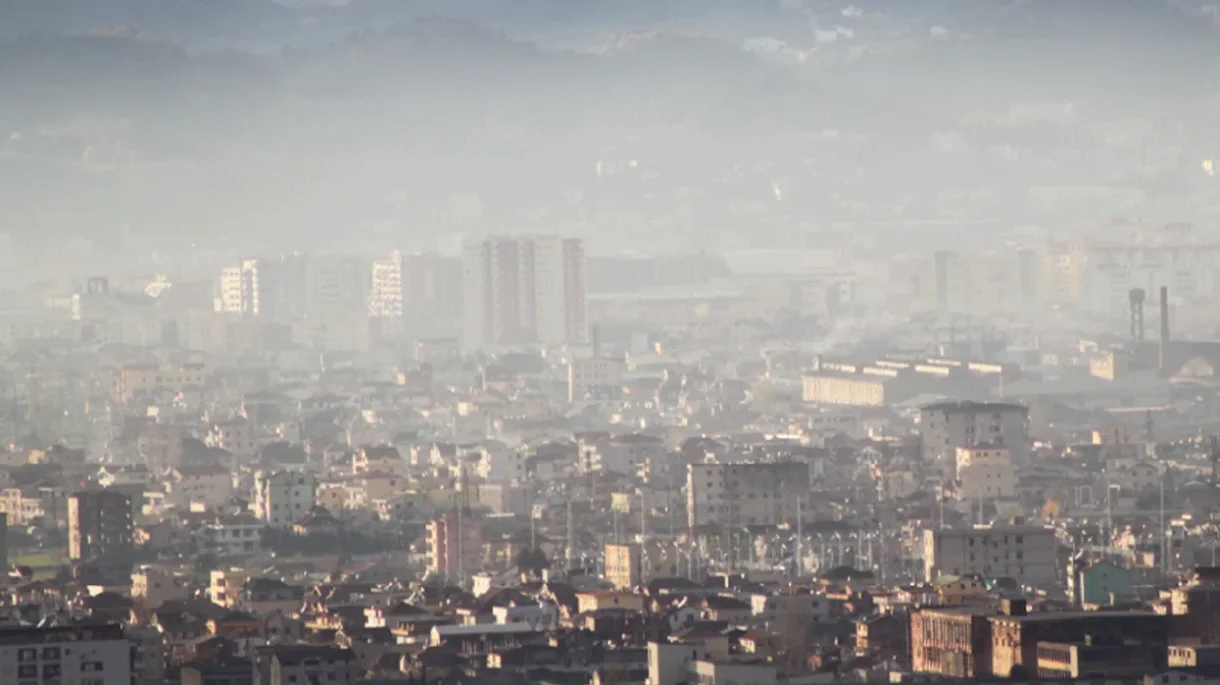
A new annual monitoring report produced by Co-PLAN under the GreenAL project paints a stark picture: parts of Tirana regularly record pollutant concentrations and noise levels that pose real risks to public health. The study, based on an “alternative” (low-cost, widely distributed) monitoring network, identifies clear hotspots tied to traffic, construction and dense urban activity and lays out a rapid expansion plan to scale monitoring across six municipalities.

What the data show

Distribution of CO₂ pollution in the first (left) and second (right) rounds of monitoring.

Distribution of CO₂ pollution in the first (left) and second (right) rounds of monitoring.

  • CO₂ and urban emissions remain problematic. The report notes stations where CO₂ is “above acceptable limits,” especially along major boulevards and compact urban corridors where vehicle combustion and lack of green space concentrate emissions. The authors link persistent high CO₂ to heavy traffic and limited vegetation for removal.

  • Fine and coarse particulates (PM₂.₅ and PM₁₀) exceed health guidelines in many locations. The monitoring finds repeated exceedances at arterial roads such as Rruga e Kavajës and at zones named “Zogu i Zi” and “Kryqëzimi i 21 Dhjetorit” — areas with intense traffic and construction activity. The report compares measured values against national, EU, US and WHO limits (Table 1).

  • Nitrogen dioxide (NO₂) spikes in traffic hotspots. High NO₂ concentrations were recorded near the Kryqëzimi i 21 Dhjetorit and Pazari i Ri intersections — locations directly tied to combustion emissions from vehicles and some industrial sources. The report flags chronic NO₂ exposure as linked to rising asthma and other respiratory illnesses.

  • Noise pollution is widespread and sometimes severe. Acoustic monitoring reveals daytime peaks and persistent high levels in market and major-road areas. Sheshi Italia registered the highest single measurement in round 1 (72.2 dB); Rruga e Kavajës and Shkolla M. Grameno recorded ~70–71 dB. Quieter residential spots such as Zogu i Zi measured ~61 dB. The report stresses that sustained exposure at these levels is linked to stress, sleep disruption and cardiovascular effects.

Context and method

GreenAL’s monitoring uses an “alternative” methodology of many low-cost sensors and mobile/portable stations to map pollution spatially and temporally across the city (the project builds on the Green Lungs initiative and is funded by Sida). The approach produces high-resolution snapshots across dozens to hundreds of points — useful for revealing local hotspots that fixed, sparse regulatory stations can miss. The report explicitly frames these data as complementary to official monitoring and as a basis for targeted interventions.

Notable numbers and comparisons

The report reproduces a comparative table of limit values used for reference: for example, Albania’s annual PM₂.₅ limit is listed as 20 µg/m³, while the EU reference is 10 µg/m³ and the WHO guideline 5 µg/m³ (the report uses these benchmarks when judging exceedances). It also notes earlier monitoring rounds where NO₂ reached roughly EU normative levels and CO₂ was reported as multiple times higher than benchmark values.

Hotspots and likely causes

The spatial maps and station lists in the report consistently point to the same drivers:

  • Traffic corridors (commuter boulevards, intersections) — engines and stop-and-go flow concentrate NO₂ and particulates.

  • Construction and material burning near roads — elevate PM₁₀/PM₂.₅ locally.

  • Dense urban fabric with little greenery — increases CO₂ retention and amplifies urban heat/island effects, which in turn can worsen pollutant chemistry and human exposure.

Stations with the highest PM₂.₅ and PM₁₀ pollution during the monitoring period

Public-health implications

GreenAL frames the findings in public-health terms: repeated exceedances of PM₂.₅/PM₁₀ and elevated NO₂ are associated with acute and chronic respiratory disease, cardiovascular risk and — for noise — sleep disturbance, cognitive impacts on children and increased stress. The most exposed populations are people living and working along the identified corridors, market workers, schoolchildren near busy roads, and residents adjacent to construction sites.

The report’s response plan 

Përmbledhje e shpërndarjes së ndotjes akustike gjatë periudhës së monitorimit

Përmbledhje e shpërndarjes së ndotjes akustike gjatë periudhës së monitorimit

GreenAL commits to scaling monitoring from the current network to ~800 monitoring points distributed across six municipalities (Tiranë 300; Shkodër, Elbasan, Korçë, Durrës and Fier  each 100). The plan emphasizes low-cost sensor deployment, community engagement, and an open Green-Lungs web/GIS platform for publishing data and increasing transparency. These steps should improve spatial coverage and public access to data — but the report also acknowledges that data alone do not reduce emissions without accompanying policy measures.

What the data imply for policy — investigative analysis

  1. Targeted traffic management now, structural change next. The strong concentration of pollution on boulevards and intersections implies that immediate gains could come from congestion-reduction (low-emission zones, targeted traffic calming, improving public transport frequency and reliability) while planning for structural shifts (modal shift to public and active transport).

  2. Construction controls and road dust mitigation. Frequent exceedances near construction sites point to a need for stricter dust control (water suppression, covered loads, restricted working hours) and enforcement of construction permits tied to pollution mitigation.

  3. Protect sensitive sites (schools, markets) quickly. Relocating high-exposure activities, installing protective vegetation buffers, or limiting heavy traffic during school hours can reduce exposure for vulnerable groups.

  4. Pair expanded monitoring with clear regulatory thresholds and action triggers. Low-cost networks are valuable for detection — but they must be tied to predefined response actions (e.g., temporary traffic restrictions, emissions inspections) so data lead to measurable reductions.

  5. Use open data to empower citizens and accountability. The planned Green-Lungs platform can increase transparency; civil society and local media should use these data to press municipal authorities for time-bound measures.

Caveats and further scrutiny

GreenAL’s methodology is explicitly described as “alternative” and complementary; low-cost sensors can have inter-sensor variability and need calibration against reference instruments for regulatory decisions. The report notes meteorology, diurnal variability and episodic activities (e.g., construction) as factors that affect readings  so trend assessments and seasonally robust datasets will be essential before assuming long-term averages. The authors plan deeper methodological analysis in subsequent reports.

by in News

Trade Union Confederation Exposes Cover-Up of Three Mining Accidents in Albania

Following the recent exposure of an incident where a miner was injured at the Spaç copper mine a case that the Turkish company “Tete Albania” and local police allegedly attempted to keep hidden the Confederation of Trade Unions of Albania has issued a renewed warning. The confederation asserts that multiple accidents in the country’s mines are going unreported, raising serious concerns about occupational safety and the welfare of mineworkers.

According to official inspector reports, three separate accidents occurred in the mining galleries of Bulqiza during the first two months of 2026 alone, none of which were made public at the time.

A Pattern of Undisclosed Incidents

The detailed reports shed light on the specific conditions and dates of the suppressed accidents:

  • February 6, 2026 (Rafa Group): Ardian Manuka, a 38-year-old miner employed by Rafa Group, sustained a left leg fracture after being struck by a piece of mineral. Manuka, who was acting in a supervisory capacity, was inspecting the work front at the time. State inspectors attributed the incident to the employee’s own failure to properly assess the imminent risk.

  • February 21, 2026 (Çupi Group): Dritan Kadi, a 45-year-old underground wagon operator, was injured while cleaning and loading materials in Gallery 37/1. A loose rock rolled and struck his left leg, resulting in a lower leg fracture. Inspectors concluded the accident was caused by the movement of materials and a lack of caution during the operation.

  • February 21, 2026 (Albmine & Chrome): On the same day, 47-year-old Aqif Peti was injured in Gallery 15 while constructing structural armatures. A heavy, wet wooden cap slipped during assembly and struck his leg. The inspection report cited the slippery nature of the wet wood, its heavy weight, and employee negligence as the primary factors.

Across all three cases, state inspectors issued standard recommendations: mandatory retraining of employees on safety protocols, heightened vigilance in areas with loose or moving materials, reinforcement of structural supports, and the installation of protective guardrails.

Systemic Failures and Union Pushback Relying on these incident reports, the Confederation of Trade Unions of Albania has levied severe accusations against the mining companies involved. The union argues that the core issue is systemic, pointing out that employees are frequently forced to perform tasks outside their professional expertise and physical capacities.

Furthermore, the confederation highlights a critical lack of qualified health and safety personnel on-site. According to their statement, mandatory safety councils within the mines are practically non-functional, and comprehensive legal risk assessments are largely ignored by operators.

These recent revelations underscore a growing crisis of accountability within Albania’s extractive industries, where the pursuit of resources increasingly clashes with the fundamental rights and safety of the workforce.

by in News

Hydrological Deficit: Albania’s KESH Sees 2025 Production Plummet 22% Below Historical Average

Albania’s state-owned power utility, the Albanian Power Corporation (KESH), is grappling with a significant production shortfall as 2025 emerges as one of the driest years in recent history. According to official data, electricity generation from the Drin River Cascade fell 22% below the historical average, forcing the country to rely heavily on costly imports to meet domestic demand.

Climate Volatility Tests Energy Resilience

The Drin River Cascade comprising the Fierza, Koman, and Vau i Dejës hydropower plants serves as the backbone of Albania’s energy system. However, its total reliance on hydrology remains a structural vulnerability.

The 22% drop against the multi-year average underscores the increasing impact of climate variability on the Balkan energy landscape. While the historical average production serves as the benchmark for national energy planning, the lack of significant precipitation throughout 2025 has depleted reservoir levels, leaving the state utility with limited maneuverability.

Market Exposure and Economic Implications

The production deficit has immediate financial consequences. To ensure an uninterrupted supply for regulated consumers, Albania has been forced to turn to the international open market. This shift exposes the state budget to price volatility, as KESH must purchase electricity at market rates while selling it to domestic distributors at fixed, regulated prices.

Energy experts note that such “dry years” highlight the urgent need for Albania to diversify its energy portfolio. While solar and wind projects are currently in the pipeline, the current 2025 figures serve as a stark reminder that the country remains at the mercy of the weather.

Operational Strategy

In response to the low inflows, KESH has implemented a conservation strategy for the Fierza reservoir the country’s primary energy reserve to maintain technical safety levels and ensure a baseline of stability for the winter peak. However, without a significant shift in meteorological conditions, the deficit is expected to weigh heavily on the sector’s year end financial performance.

This 22% contraction is more than just a statistical dip, it is a call for accelerated investment in storage and alternative renewables. For a country that prides itself on “green” energy through hydro, the 2025 data proves that “green” is not always synonymous with “reliable” in an era of climate extremes. The government’s ability to manage this deficit without passing costs onto the end consumer will be the defining fiscal challenge for the energy sector this year.

by in News

The €220 Million Mystery: Albania’s Fuel Tax Paradox and the Lack of Accountability

Monitor magazine editorial investigates that the fuel for circulation tax in Albania remains one of the most contentious pillars of the country’s fiscal policy. Established in 2012 at a modest 7 ALL per liter, the levy underwent aggressive hikes in the following years, reaching 27 ALL per liter in 2015 a level that has remained frozen for a decade despite drastic shifts in the global energy landscape and domestic inflation.

The “Road User Pays” Philosophy and Its Fiscal Reality

The original logic behind the tax was a “road user pays” model for infrastructure. This debate gained momentum during the construction of the “Rruga e Kombit” (Nation’s Road), where it was argued that those utilizing the road network should directly fund its upkeep.

Today, this philosophy has been institutionalized into a significant revenue stream. Alongside excise duties and VAT, the circulation tax is a primary component of the high price Albanians pay at the fuel pump. Data from the Ministry of Finance reveals the scale of this collection: in 2025 alone, approximately €220 million was funnelled into the state budget from this tax.

An Infrastructure Paradox: Where Does the Money Go?

The investigative core of this issue is the stark lack of transparency regarding the allocation of these funds. Theoretically, these millions are earmarked for road maintenance and network improvements. In practice, however, the state of Albania’s infrastructure suggests a different story.

  • The Tirana–Durrës Corridor: The nation’s most vital economic artery remains plagued by potholes and substandard “patchwork” repairs that deteriorate shortly after completion.

  • The Rruga e Kombit Irony: This highway represents a unique fiscal irony. Despite paying the circulation tax, users must pay a secondary toll for its maintenance. Furthermore, this toll is still calculated using an outdated exchange rate of 138 ALL per Euro, even though the current market rate has dropped to approximately 96 ALL.

Market Volatility and Purchasing Power

Albania’s fuel prices are among the highest in the region when adjusted for purchasing power. While nominal prices may occasionally align with regional neighbors, the reality for the average citizen is stark: fuel in Albania can be up to twice as expensive relative to income than in other European nations.

In such a situation, any price increase in international markets quickly translates into an increase in the price at the pump for Albanian consumers, as happened in recent days, when oil increased from 175 to 200 lek per liter in a few days. Conversely, when global prices fall, the reduction at the pump is notoriously sluggish, allowing retailers to expand their profit margins during downward cycles.

The Call for Structural Reform Over Administrative Control

In recent years, the Albanian government attempted to manage these fluctuations via the “Transparency Board.” However, investigative analysis suggests that such administrative interventions often create more questions than answers, with critics arguing they act more like state sanctioned cartels than stabilizers.

The conclusion for policymakers is clear: rather than resurrecting administrative “Boards” that distort market competition, the most direct way to alleviate the burden on families and businesses is a reduction in the fiscal burden.

If the state cannot provide a transparent accounting of how €220 million in circulation taxes is being spent on the roads, the justification for maintaining the tax at such high levels collapses. While the government cannot control geopolitical shocks or international Brent prices, it has total control over its own tax code. Reducing the circulation tax remains the most effective lever to protect the domestic economy from the current era of energy instability.

by in News

Albania’s Energy Market Entities Face €4 Million in Regulatory Fees for 2026

Albania’s Energy Regulatory Entity (ERE) has announced that energy market participants across the entire value chain are required to pay a total of 400 million ALL (approximately €4 million) in regulatory fees for the 2026 fiscal year.

The regulator recently published the comprehensive list of obligations for each licensed entity. These fees are calculated based on the previous year’s turnover, adhering to a formula established within the national legal framework for the energy and gas sectors.

Regulatory Compliance and Deadlines

In its official statement, ERE emphasized that any discrepancies identified in the audited financial statements for 2025 will be reconciled in the calculation of regulatory fees for the subsequent period.

Licensed entities subject to this decision are mandated to complete their payments to ERE no later than 30 days following the publication of the decision in the Official Gazette. Failure to meet this deadline will trigger administrative penalties as prescribed by the current legislation governing the energy and natural gas markets.

Exemptions and Fixed-Fee Structures

The regulator also clarified specific conditions under which the standard fee application may vary:

  • Suspensions: Regulatory fees for 2026 have been suspended for a number of entities. This applies to those licensed under specific operating conditions, those currently with a “suspended” status, or entities undergoing liquidation, making active operations or fee collection objectively impossible.

  • Inactive Entities: For licensees that have not yet commenced operations or remained inactive during the prior period, a standard fixed fee of 100,000 ALL has been applied.

  • Consolidated Reporting: A similar fixed fee of 100,000 ALL is levied on companies holding multiple licenses that failed to submit separate financial statements for each activity. In cases where consolidated accounts were provided, the regulatory fee was calculated for one primary activity based on its specific weight, while the fixed fee was applied to the others.

Sector Outlook

The collection of these regulatory fees is a standard procedure designed to fund the operations of the regulatory body, ensuring independent oversight of Albania’s evolving energy market. As the country continues to align its energy sector with European standards, the transparent application of these fees remains a critical component of institutional stability and market fairness.

by in News

Albania’s Water Infrastructure Investments Surpass €150 Million in 2025

Investments in Albania’s water supply and sewerage sector reached a significant milestone in 2025, exceeding 15.6 billion ALL (approximately €156 million). This surge in funding reflects the government’s intensified efforts to modernize aging infrastructure and meet European Union environmental standards.

According to official data from the Ministry of Infrastructure and Energy, the 2025 budget execution for the Water Supply and Sewerage (WSS) sector underscores a strategic priority to ensure 24-hour water availability and drastically reduce technical and administrative losses.

Strategic Objectives and Financial Allocation

The total investment of 15.6 billion ALL was channeled through several key pillars. The primary focus remains the rehabilitation of distribution networks in major urban centers and the expansion of wastewater treatment capabilitiesa critical requirement for the country’s tourism-driven economy and its EU integration path.

Government officials noted that these investments are part of a broader master plan aimed at making the sector financially self-sufficient. Historically, the Albanian water sector has struggled with high levels of “Non-Revenue Water” (NRW)—water that is produced but “lost” before it reaches the customer through leaks or unauthorized consumption.

Institutional Reform and Aggregation

The 2025 investment peak coincides with the ongoing sector reform, which involves the “aggregation” or merging of municipal water utilities into larger regional entities. This consolidation is designed to improve management efficiency, optimize human resources, and create economies of scale that allow for better maintenance and service delivery.

By centralizing operations, the government aims to reduce the heavy reliance on state subsidies, directing more funds toward capital investments rather than covering the operational deficits of smaller, inefficient utilities.

International Support and Key Projects

A substantial portion of the €150 million investment portfolio is supported by international development partners. High-impact projects are currently being co-financed by:

  • KfW (German Development Bank): Focusing on the modernization of networks in coastal and northern regions.

  • The World Bank: Supporting the National Water Supply and Sanitation Sector Modernization Program.

  • The European Union (IPA Funds): Specifically targeting wastewater treatment plants to protect Albania’s coastline and rivers.

Key projects highlighted in the 2025 report include the ongoing overhaul of the Tirana water network, which seeks to secure a continuous supply for the capital’s growing population, and critical interventions in the Durrës and Vlora regions to support the booming hospitality sector.

Looking Ahead

While the €150 million figure represents a record high, experts suggest that sustained investment will be required over the next decade to fully modernize the national grid. The Ministry of Infrastructure and Energy emphasized that the focus for the remainder of the year will be on monitoring the performance of the newly aggregated regional utilities to ensure that the capital infusion translates into tangible improvements for Albanian citizens and businesses.

by in News

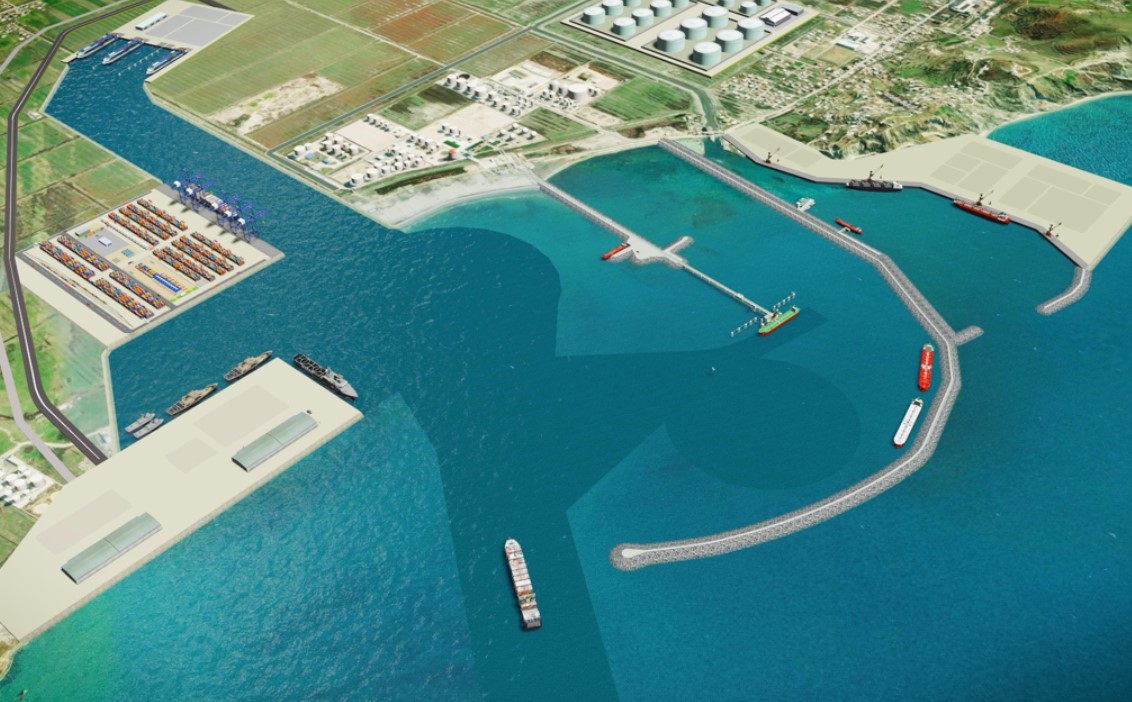
Tender for new Porto Romano terminal fails after sole bidder withdraws

The public tender for the construction of Albania’s new commercial port in Porto Romano has collapsed after the single remaining bidder withdrew from the competition. Minister of Infrastructure and Energy Enea Karakaçi confirmed on Wednesday that the company pulled out of the project, citing escalating economic pressures.

“We are facing the withdrawal of the only bidder left in the race for purely economic reasons linked to rising costs,” Minister Karakaçi stated. “As a result of the current crisis, overall construction expenses have surged, and the bidder has used this to justify their exit. The commission will now proceed according to established protocols.”

Addressing the setback, Karakaçi echoed recent remarks by the Prime Minister, suggesting that external forces have actively sought to undermine the infrastructure initiative. “There are various actors attempting to stall and sabotage this critical national project for diverse reasons, including economic motives,” he noted. Despite the hurdle, he emphasized the government’s resolve: “We will devise an alternative strategy. No actor will be able to stop this project, as it is vital to the country’s economic development.”

The Minister also moved to assuage concerns over potential logistical disruptions, clarifying that the delay in selecting a new contractor will not affect daily operations at the existing Port of Durrës. The transition is inherently tied to the “Durrës Marina” real estate development—which will eventually occupy the current port’s territory under a state agreement—but that project is still only in its preliminary phase.

In the interim, the Albanian government is continuing its collaboration with international engineering consultancy Royal Haskoning to reassess the technical and financial criteria for prospective companies interested in taking over the new port’s development.

A Fraught Bidding Process

The ambitious project, officially titled the “New Integrated Commercial Port of Durrës in Porto Romano – Phase I,” was launched by the Durrës Port Authority in 2024 with an estimated budget limit of 39.3 billion Albanian Lek (ALL). The initial phase of construction was projected to span 1,220 days, or approximately three and a half years.

Porto Romano

However, the procurement process has been marked by strict filters and legal friction. In April 2025, the Bid Evaluation Commission announced that only two entities Archirodon Construction and Van Oord Dredging and Marine Contractors had passed the technical pre-qualification stage. Major industry players, including Webuild and a consortium led by Jan De Nul, were disqualified.

This led to a legal clash when the Jan De Nul consortium filed a formal complaint with the Public Procurement Commission (KPP). The KPP ultimately dismissed the appeal in late April 2025, allowing the contracting authority to move forward.

By September 2025, the competition had narrowed entirely. Open procurement data revealed that only one qualified economic offer remained to proceed to the contract signing a final step that has now been derailed by the company’s sudden withdrawal.

by in News

Albania Ranks Highest in Europe for Fuel Costs Relative to Purchasing Power, Doubling Regional Averages

Albania currently has the most expensive automotive fuel in Europe when adjusted for purchasing power and citizen income, imposing a disproportionate economic burden on consumers and businesses alike.

An analysis conducted utilizing 2026 per capita income data from the International Monetary Fund’s (IMF) Global Economic Outlook and current spot prices from Global Petrol Price, reveals a stark disparity between Albanian fuel costs and domestic earning power.

According to the IMF, Albania’s average per capita income for 2026 is projected at $12,000 annually, equating to roughly $33 per day. With domestic retail diesel prices currently hovering around 200 Albanian Lek (ALL) per liter approximately $2.40 at the current exchange rate an average Albanian citizen must allocate a staggering 7.2% of their daily income to purchase a single liter of diesel.

A Stark Regional and European Divide

Data indicates that this 7.2% threshold is the highest financial burden for fuel among all analyzed European nations. When compared to neighboring Balkan states, the economic strain on Albanian consumers is at least twice as high.

For context, purchasing one liter of fuel requires:

  • 3.7% of daily income in Serbia

  • 3.6% in Montenegro

  • 2.8% in Romania

  • 2.5% in Greece (which, despite having one of Europe’s most expensive nominal fuel markets, presents a much lower relative burden due to higher median incomes).

In absolute nominal terms, regional neighbors boast fuel prices averaging 15% to 30% lower than Albania, particularly in Kosovo and North Macedonia.

The contrast is even more pronounced when benchmarked against advanced European economies. In nations like Italy, France, Germany, and Belgium, a liter of fuel typically consumes less than 2% of daily income. Notably, the Netherlands which holds the highest absolute nominal fuel price in Europe requires its citizens to spend only 1.1% of their daily income per liter. This means the relative burden on a Dutch consumer is nearly seven times lower than that of an Albanian.

Even stripping away purchasing power parity, Albania ranks fifth outright in Europe for the highest nominal fuel prices, trailing only the Netherlands, Denmark, Norway, and Switzerland countries where fuel is marginally more expensive by just 10 to 30 cents per liter.

Heavy Taxation and “Rocket and Feather” Pricing Dynamics

Because fuel is a foundational component of transport and logistics, this skewed cost-to-income ratio actively drives up broader commodity prices and exacerbates household expenses. Industry analysts point to two primary domestic drivers for this inflated market: aggressive taxation and asymmetrical price transmission by market operators.

1. The Tax Burden: State levies account for an estimated 60% of the final retail price at the pump. The taxation structure per liter includes:

  • Excise Tax: 37–38 ALL

  • Circulation (Turnover) Tax: 27 ALL

  • Carbon Tax: 3 ALL

  • Value Added Tax (VAT): 20% applied to the final cumulative price.

2. Asymmetrical Market Responses: The Albanian downstream market consistently exhibits the “rocket and feather” effect. Retail prices react rapidly to upward shocks in global crude and refined product benchmarks, yet reductions are passed on to consumers at a noticeably sluggish pace during global downturns.

During periods of falling international prices in 2019 and 2024, fuel importers and distributors capitalized on the lag in price reflection, expanding their profit margins by 0.5 to 1 percentage point. Market operators routinely exploit the delayed localized response to global price drops, structurally padding profit margins at the expense of end-users.

by in News

Albania Establishes Joint Task Force to Monitor Hydrocarbon Sector and Prevent Fuel Price hikes.

Albania’s General Directorate of Taxation and General Directorate of Customs are establishing a joint Task Force specifically designed to monitor the downstream hydrocarbon sector and prevent abusive fuel price increases.

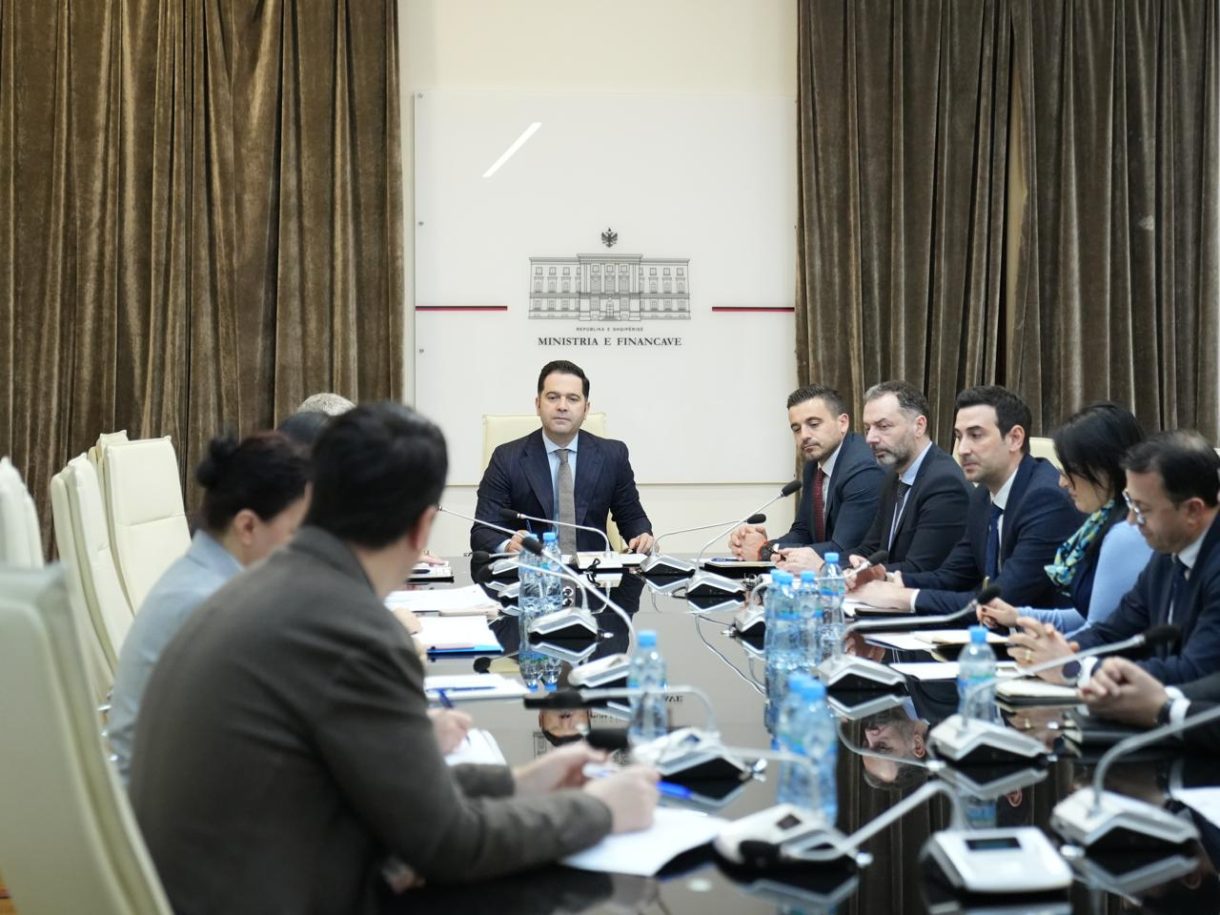
Minister of Finance Petrit Malaj, during a recent summit with General Director of Taxation Ilir Binaj and General Director of Customs Besmir Beja, finalized an operational roadmap to launch this inter-agency initiative.

The Task Force is mandated to tighten tax and customs oversight and improve enforcement efficiency across both the wholesale and retail hydrocarbon markets. The primary objective is to shield Albanian consumers from unjustified, speculative fuel price hikes. Minister Malaj emphasized that this operational strategy is a direct response to recent geopolitical developments driving volatility in global energy markets.

“We initiated this operational group prompted by the recent conflict involving Iran, the US, and Israel, which has directly impacted global hydrocarbon prices,” Malaj stated. “Both institutions will rigorously monitor pricing to prevent any exploitative hikes within the wholesale and retail trade sectors.”

Key Operational Measures

The agencies have agreed on a comprehensive enforcement framework, which includes:

  • Operator Risk Assessments: Conducting targeted evaluations of market players to identify high-risk entities.

  • Market Intelligence: Gathering field data regarding potential market abuses and speculative pricing.

  • Physical and Desk Audits: Expanding enforcement beyond the routine review of tax and customs documentation to include physical inspections of fuel volumes at wholesale depots and retail stations.

Inter-Agency Coordination and Long-Term Goals

Minister Malaj reiterated the Ministry of Finance’s commitment to robust tax and customs administration in the public interest. Besmir Beja, General Director of Customs, confirmed that the inspections will be executed nationwide, explicitly targeting entities flagged during the risk assessment phase.

According to Beja, joint inspection units will ensure all market activity strictly complies with regulatory frameworks. This includes verifying that every transaction is fiscally recorded and that all distributed fuel satisfies statutory customs and tax obligations.

Ilir Binaj, General Director of Taxation, noted that the respective agencies have fully coordinated the operational plan and commenced preliminary risk analyses. He highlighted that intelligence gathered from previous enforcement operations has been instrumental in pinpointing specific vulnerabilities within the sector. The ultimate objective is to sustain this joint operation over the long term to drive comprehensive market formalization and ensure the orderly functioning of Albania’s domestic hydrocarbon market.

by in News

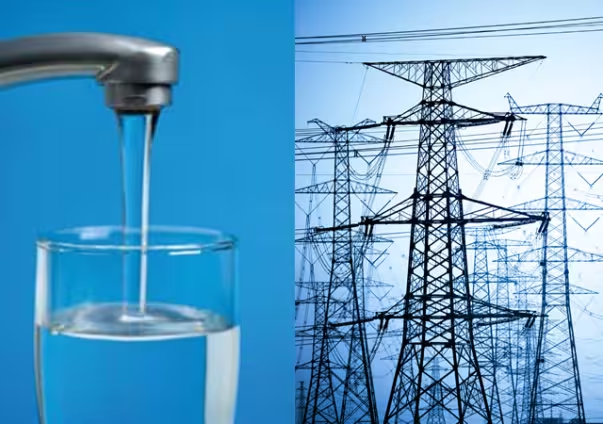
ERE Solidifies 2026 Power Prices for Water Utilities: A Deep Dive into the New Tariffs

The Albanian Energy Regulatory Entity (ERE) has formally approved the electricity pricing structure for the nation’s Water Supply and Sewerage companies for 2026. Decision No. 57 marks a critical step in maintaining the financial stability of public utilities while ensuring the continuity of essential water services across the country.

The “Special Status” Shield

Under current regulations, water utilities are treated as high-priority consumers. Even as these entities move toward a liberalized market, they remain under the protection of the Last Resort Supplier (FSHU) to prevent any service interruptions that could arise from market volatility or payment disputes

Cost Breakdown: Stability in the Supply Chain

The 2026 price structure reflects a stabilized procurement strategy from the state power producer, KESH. The bulk of the cost is driven by the energy purchase price, which has been set at 5.70 ALL/kWh.

However, the final price paid by utilities varies significantly based on their connection to the national grid. For those connected to the 35 kV transmission-adjacent levels, the lower distribution fee results in a final tariff of 9.33 ALL/kWh. In contrast, utilities operating on the 20/10/6 kV distribution levels will face a higher tariff of 11.77 ALL/kWh, primarily due to the increased distribution service fee of 3.99 ALL/kWh.

Component (ALL/kWh) 35 kV Level 20/10/6 kV Level
Purchase Price (KESH) 5.70 5.70
Transmission Fee 0.85 0.85
Distribution Fee 1.55 3.99
Admin & Risk 1.23 1.23
Total Sale Price 9.33 11.77

Regulatory Oversight

The ERE Board, led by Chairman Petrit Ahmeti, emphasized that these rates are subject to revision should any of the underlying cost components such as transmission or distribution fees undergo changes during the fiscal year. This decision comes into effect immediately, providing a clear fiscal roadmap for the water sector’s energy expenditures for the upcoming year.

For the broader Albanian energy market, this decision reinforces the government’s strategy of balancing market liberalization with the protection of vital public infrastructure.