AEA-Albania Energy Association
  • Main
  • About Us
  • Services
  • Sectors
  • News
  • EventsEvents
  • PublicationPublication
  • Contact Us
AEA-Albania Energy Association
  • Main
  • About Us
  • Services
  • Sectors
  • News
  • EventsEvents
  • PublicationPublication
  • Contact Us
AEA-Albania Energy Association
  • Home Page
  • About Us
  • Sectors
  • Our Services
  • News
  • Contact Us
October 30, 2025
by AEA in News

Romania’s coal town Turceni starts EUR 380 million green energy transformation

Turceni is dependent on the local coal power plant, so the municipal authority is turning to agrivoltaics, energy storage and green hydrogen to replace it. The small town in southwestern Romania is kickstarting a EUR 380 million project.

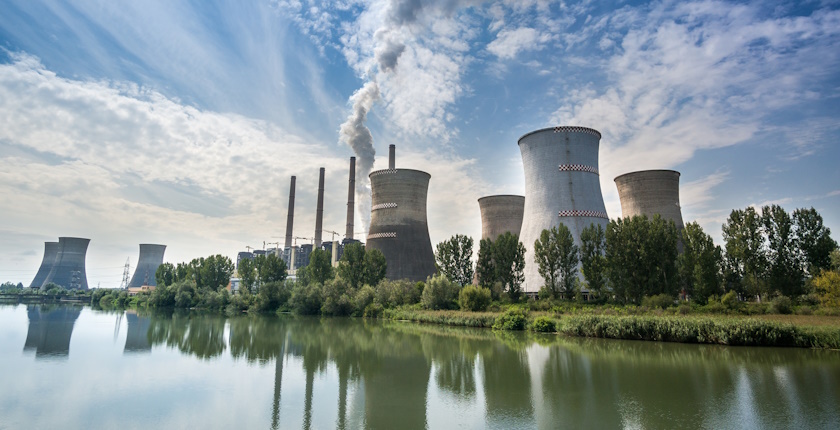
The coal plant in Turceni used to be one of the biggest in Europe, at 2.3 GW. Located next to the eponymous town in Romania’s Gorj coal region, only two units of 660 MW in total are still operational. At the same time, dozens of such facilities across Europe are shutting down ahead of schedule. The power plant and its associated mines within Complexul Energetic Turceni have been essential for the local economy, which is under threat of devastation amid the country’s coal phaseout.

As with other coal regions in the European Union, the solution is in green energy and new technologies. The town hall has signed a contract with the European Investment Bank for agrisolar parks, energy storage units and the production and storage of green hydrogen.

Turceni town hall secures municipal land for green energy projects

The project is worth a whopping EUR 380 million, Mayor Constantin Popescu revealed. Turceni and its administrative area have fewer than seven thousand inhabitants.

More than 123 hectares of municipal land (pastures) and more than 200 hectares of private land were designated for the renewable energy hub, the mayor stressed.

Bankwatch: The coal region is transitioning to a future based on innovation, sustainability and strong partnerships

Partners in the project are Bankwatch Romania and GAL Sudul Gorjului, the so-called local action group for southern Gorj. Bankwatch said over 370 hectares would be switched to clean and sustainable energy production.

“We are glad that we had an important role in developing the project plan and aligning it with European environmental policies, as well as in applying for technical assistance. For a region that has been, for decades, a pillar of coal-fired energy, this project marks a strategic transformation: a transition to a future based on innovation, sustainability and strong partnerships,” the organization added.

Investments to start in 2026

Implementation is scheduled to begin next year. The project will contribute to a just transition of the region by increasing the production of electricity from renewable energy sources, Popescu asserted. In his words, it will be complementary to the local authority’s other ongoing and future decarbonization investments.

The mayor also highlighted the plans to use geothermal energy for district heating and agriculture.

Complexul Energetic Turceni is part of state-owned Complexul Energetic Oltenia (CE Oltenia). According to the company’s restructuring and decarbonization plan, the coal business will be separated from green energy and other investments.

They include projects for CCGT (combined-cycle gas turbine) power plants of 475 MW in Turceni and 800 MW in nearby Ișalnița, as the main replacement for coal plants. Both are suffering heavy delays.

Minister of Energy Bogdan Ivan said last week that CE Oltenia’s Ișalnița coal plant in neighboring Dolj county would be closed on January 1. Romania has asked the European Commission to delay the closure of several coal plant units, scheduled for this year, until 2030.

Earlier this year, a joint venture between CE Oltenia and OMV Petrom hired contractors for four solar power plants at former coal land, with a combined capacity of about 550 MW. One of the sites is in Ișalnița.
Post Views:110
October 30, 2025
by AEA in News

Energy Community’s CBAM Readiness Tracker: Western Balkans still far from exemption as full implementation nears

With less than three months remaining until the European Union’s Carbon Border Adjustment Mechanism (CBAM) is fully implemented, none of the Energy Community’s contracting parties has yet qualified for an exemption in the electricity segment, according to the 2025 CBAM Readiness Tracker. However, the Energy Community’s report suggests that efforts to meet the are gaining momentum, with Serbia, Moldova, North Macedonia, and Montenegro leading the way to market coupling with the EU, and almost all contracting parties planning to introduce carbon pricing.

These efforts signal a growing readiness across the Energy Community to turn CBAM into a catalyst for deeper regional energy market integration and decarbonization, according to the annual report.

“The progress reflected in this year’s tracker underlines that CBAM can drive – not deter – regional cooperation on the energy transition,” Energy Community Secretariat Director Artur Lorkowski stressed and added that the scheme should “serve as a bridge into the EU, not a barrier.”

Lorkowski: CBAM should serve as a bridge into the EU

Starting on January 1, 2026, the EU will charge fees on the CO2 emissions of goods imported from countries that don’t apply matching carbon pricing schemes. In addition to electricity, the carbon border tax will cover cement, iron and steel, aluminum, fertilizers, and hydrogen.

Serbia faces the highest exposure to CBAM costs

Estimates based on 2024 data show the CBAM exposure of EU electricity importers could reach around EUR 1.17 billion a year. Serbia accounts for the largest share, with an estimated EUR 612.5 million in annual CBAM costs, followed by North Macedonia, with about EUR 200 million, Montenegro, EUR 190 million, and Bosnia and Herzegovina, EUR 158 million. Moldova’s exposure is about EUR 6 million, while Albania, which has an electricity mix almost entirely dominated by renewables, faces no CBAM-related costs, according to the report.

The estimated average CBAM cost per megawatt-hour is EUR 33.14 for Moldova, EUR 59.71 for North Macedonia, EUR 62.45 for Montenegro, EUR 66.71 for Serbia, and EUR 73.37 for Bosnia and Herzegovina.

The criteria for a CBAM exemption for electricity include integrating the power market with the EU and introducing a carbon pricing system. A contracting party must also adopt EU regulations on energy, electricity, environment, and competition, increase the share of renewables in its energy mix to align with the EU’s 2030 targets, commit to climate neutrality by 2050 and submit a related roadmap to the EU, and implement measures to prevent indirect electricity imports from non-compliant countries.

Advances evident in emissions, renewables, and market coupling

The 2025 CBAM Readiness Tracker shows that last year alone, carbon intensity across the contracting parties’ power sectors fell by an average of 11%. At the same time, capacity from renewables, excluding large hydro, surged to 5.1 GW from 2 GW between 2020 and 2024. The expansion was driven almost entirely by solar and wind, helped by renewable energy auctions.

When it comes to electricity market integration, no contracting party has completed market coupling with the EU. However, Serbia, Moldova, North Macedonia, and Montenegro are approaching a “point of no return,” which represents a full transposition of EU regulations relevant for market coupling, according to the tracker.

The energy transition unfolding across the Energy Community contracting parties is both tangible and measurable, Adam Cwetsch, Head of the Green Deal Unit at the Energy Community Secretariat, told Balkan Green Energy News. “Carbon intensity in electricity production and economic output continues to fall, while renewable energy deployment accelerates through competitive auctions. This progress reflects a clear commitment to European decarbonisation goals and lays the foundation for deeper energy market integration and long-term climate neutrality,” he stressed.

The secretariat remains committed to ensuring the process continues smoothly – without obstacles from possible unintended impacts of CBAM, Cwetsch said.

Even though no contracting party has introduced a carbon pricing instrument for electricity, almost all of them have outlined plans to establish domestic systems that reflect their specific circumstances.

“This is a crucial step toward alignment with the EU’s carbon pricing framework under CBAM. The rollout of monitoring, reporting, and verification systems across the region is laying the groundwork for implementation and demonstrates growing readiness and credibility, even as timelines remain tight and challenges persist,” Cwetsch stated.

Available carbon pricing models are carbon taxes, ETS and a combination of the two

The available models are a carbon tax, an emissions trading system (ETS), and a hybrid version. The only contracting party that has no plans to introduce carbon pricing is Kosovo*, according to the report.

All contracting parties have concluded agreements to apply EU law in the fields of energy, electricity (including renewable energy), the environment, and competition. In each of them, the implementation of renewable energy legislation is either underway or showing visible progress, the report shows.

No Western Balkan country has included the EU’s 2050 climate goals into national legislation

On the other hand, Ukraine and Moldova are the only ones that have included the 2050 climate neutrality objective in national legislation, while no contracting party has submitted a corresponding roadmap to the EU.

Another requirement that no one has yet fulfilled is the establishment of an effective system to prevent indirect import of electricity into the EU from other third countries or territories that do not meet the CBAM exemption criteria for electricity.

Post Views:115
* This designation is without prejudice to positions onstatus and is in line with UNSCR 1244/99 and the ICJ Opinion on the Kosovo declaration of independence.
October 30, 2025
by AEA in News

Zagreb kicks off decarbonization of public transport

Zagreb’s public transport utility ZET has received EUR 21 million from the Government of Croatia to install chargers for electric buses.

Croatia has earmarked EUR 50 million for firms providing public urban and suburban transport services to install chargers for electric buses. Zagreb is also in the process of procuring 70 electric buses.

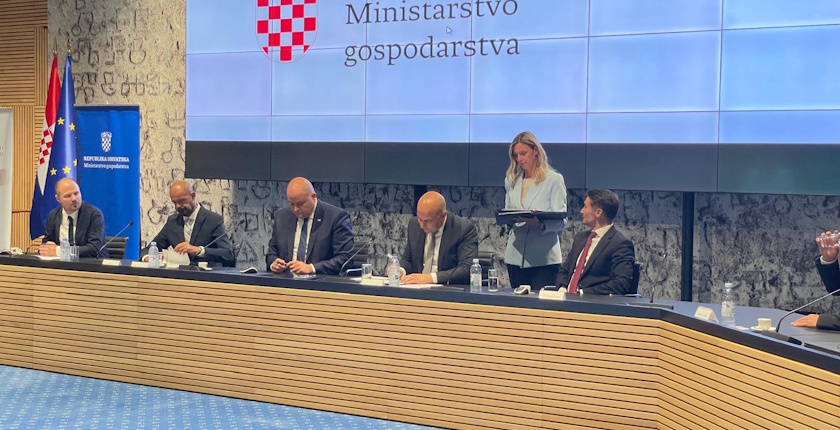
The grant agreement was signed by Minister of Economy Ante Šušnjar, public transport utility ZET’s CEO Marko Bogdanović, and Luka Balen, manager of the Environmental Protection and Energy Efficiency Fund.

The EUR 21 million agreement is from the public call on charging infrastructure for electric buses, according to the Ministry of Economy.

ZET will install 62 dual e-chargers

The funds are from the National Recovery and Resilience Plan 2021-2026.

ZET intends to build the devices at the Podsused location. As part of the project, the company will install 62 dual chargers, providing 124 charging points for low-floor electric buses.

Minister Ante Šušnjar underlined that it is an important step toward decarbonizing public city transportation.

With an investment worth over EUR 21 million, the government is backing the decarbonization and sustainable future of Zagreb, Šušnjar added.

Balen: Other cities and municipalities are also committed to decarbonization through smart city projects

Luka Balen, manager of the Environmental Protection and Energy Efficiency Fund, pointed out that other Croatian cities and municipalities are also committed to decarbonizing transportation. It is evident from the smart city projects co-financed by the fund.

Local authorities, through projects involving smart management, aim to reduce traffic jams and to offer citizens alternative transport options, such as urban bike systems, and cleaner urban transportation, Balen stressed.

ZET CEO Marko Bogdanović highlighted the agreement as a historic step and the start of the decarbonization of public transport in Zagreb.

After purchasing the first electric buses in Croatia, ZET and Zagreb are once again leading the implementation of new technologies in the region by signing the agreement for the installation of chargers for e-buses, Balen said.

ZET is one of 18 pre-selected public transport operators eligible for grants under the public call. The total value of ZET’s project is EUR 27.4 million.

Post Views:254
October 30, 2025
by AEA in News

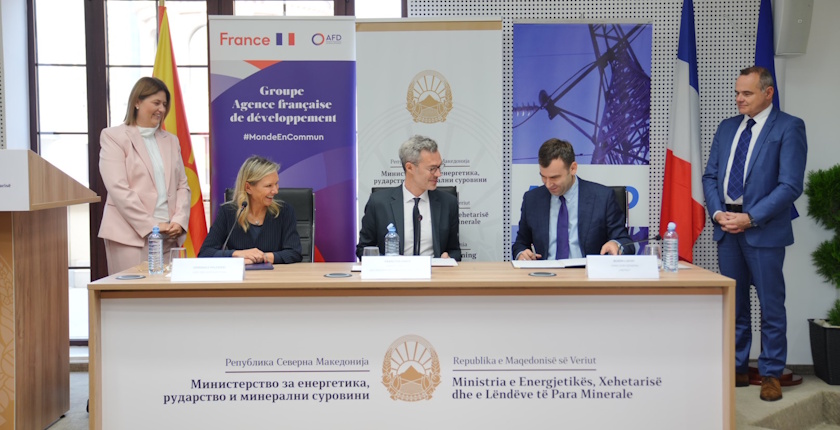
North Macedonia receives grant from France for grid modernization

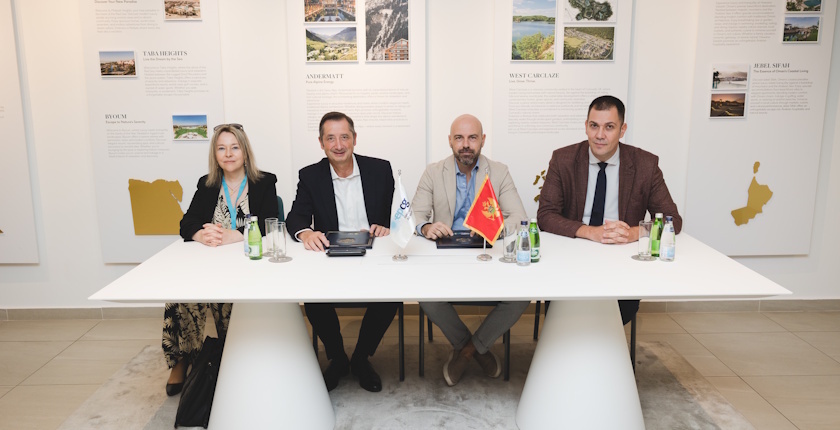
The transmission system operator of North Macedonia – MEPSO, France’s development agency Agence Française de Développement (AFD), and RTE International signed an agreement for a grant intended to support the Balkan country’s transmission system. At the same time, the Ministry of Energy, Mining, and Mineral Resources signed a joint declaration with AFD, officially welcoming the agency as a partner of North Macedonia’s Investment Platform for a Just Energy Transition.

The EUR 600,000 grant is for technical assistance for the modernization and digitalization of the transmission grid in North Macedonia, MEPSO said.

The project focuses on four areas: preparing system adequacy studies using the ANTARES market simulator, sizing system reserves, developing a methodology for calculating transmission losses and producing a feasibility study, and a project for substation digitalization.

Božinovska: AFD’s technical assistance will enable MEPSO to manage variability in the system more efficiently

As part of the project, experts from RTE International, a subsidiary of the French transmission system operator (TSO) RTE, have already held a training course for MEPSO’s engineers on the use of the ANTARES simulator, the Ministry of Energy, Mining and Mineral Resources said.

Minister Sanja Božinovska stressed that AFD‘s technical assistance would enable the company to manage more efficiently the variability resulting from increased participation of renewable sources and market fluctuations.

A more advanced and smarter grid means fewer outages, better use of clean energy, stronger regional connections, and greater system resilience – whether to weather conditions, demand fluctuations, or market instability, Božinovska noted.

Milevski: Pilot project will be launched for the digitalization of a 110 kV substation

According to RTE International CEO Veronika Milevski, the agreement combines advanced power system modeling, innovative reserve forecasting using artificial intelligence (AI), and a pilot project for the digitalization of a 110 kV substation.

This is a decisive step toward a more resilient, transparent, and competitive electricity grid, she pointed out.

MEPSO CEO Burim Latifi explained that the digital transformation pilot project is aimed at developing a fully digital substation with advanced protection, management, and monitoring systems.

Vince: AFD is committed to supporting a just and sustainable energy transition

It is a concrete step toward transforming MEPSO into a smarter, more efficient, and future-oriented TSO, he added.

Of note, AFD and RTE established collaboration with Montenegro’s TSO CGES in November last year. AFD also signed a memorandum of understanding with Albania’s power utility KESH in April.

Regarding the signing of the joint declaration, Sanja Božinovska said the partnership is improving the country’s ability to modernize its electricity system, integrate more renewables, and strengthen security of supply.

AFD is committed to supporting North Macedonia’s just and sustainable energy transition, according to the Deputy Director of the AFD Office for the Western Balkans, François Vince.

The signing of the two agreements was attended by French Ambassador Christophe Le Rigoleur.

Photo: Sanja Božinovska/Facebook
Post Views:98
October 30, 2025
by AEA in News

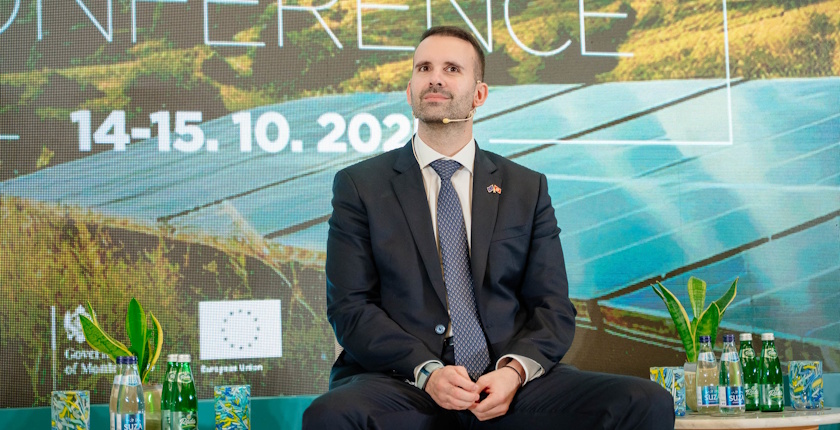
Spajić: Montenegro wants to be country of green data centers

Montenegro plans to become a country of green data centers, according to Prime Minister Milojko Spajić.

Milojko Spajić was one of the speakers at the keynote panel Accelerating the Western Balkans’ Green and Smart Growth, within the European Union – Montenegro Investment Conference in Luštica, near Tivat.

Earlier, European Commission President Ursula von der Leyen and the prime minister of Montenegro opened the two-day event, titled Smart Growth, Green Future: Accelerating Investment in Montenegro.

Spajić said energy is a cornerstone of the country’s strategy for connecting the region but also something in which Montenegro could be very competitive, helping the EU become even more competitive on the global stage.

Spajić: We can offer to Europe a possibility to get inexpensive electricity and stable supply

“We have dozens of amazing projects for hydro, wind, solar energy at very competitive rates. We can offer to Europe a possibility to get inexpensive electricity and stable supply. Baseload energy as well. For example, hydro is baseload energy,” he stated.

Photo: Bojan Gnjidić / Government of Montenegro

The prime minister recalled that his country is interconnected with Italy and that the project for the installation of the second line of the subsea cable is in the pipeline. But he also highlighted the significance of digital connections with Italy, where Milan is one of the biggest data center hubs in the EU, providing connections to Frankfurt and London.

Montenegro, in Spajić’s words, intends to be a part of the data highway. Data centers are basically the hardware for artificial intelligence, he explained and added that AI is going to be strong in big markets, not in small ones.

Partners from the US, UAE, and other countries, are interested in the development of the data centers

“But where we can actually be involved as a small country are data centers providing infrastructure for the EU’s AI to be strong and competitive,” Spajić underlined.

Therefore the country intends to focus on providing a very good environment for global data center operators, to come from all around the world. Spajić revealed that partners from the United States, United Arab Emirates, and other countries are interested in joining the opportunities for the development of the data centers.

“We want Montenegro to be the country of green data centers. We have water for hydropower. We have a lot of solar potential and a lot of wind. We are very fortunate to have such diversity,” Spajić said.

He invited investors to come to Montenegro: “Don’t waste your time, come as soon as possible.”

Participants at the panel included the Director of Enlargement Coordination, Strategy and Investments at the EU’s Directorate-General for Enlargement and Eastern Neighbourhood, Mathieu Bousquet, WizzAir CEO József Váradi, Akuo President Eric Scotto, and Charlotte Ruhe, Managing Director for Central and South-Eastern Europe in the European Bank for Reconstruction and Development (EBRD).

Of note, fourteen cooperation projects between Montenegrin and European companies have been initiated at the conference. Some of them involve investments in wind farms, solar parks, energy storage, and grids.

Post Views:218
October 30, 2025
by AEA in News

World’s first floating solar power plant with vertical panels comes online

A floating solar power plant with vertically installed panels was commissioned in Germany. Sinn Power, the company that deployed the technology, claims it is the world’s first utility-scale facility of its kind.

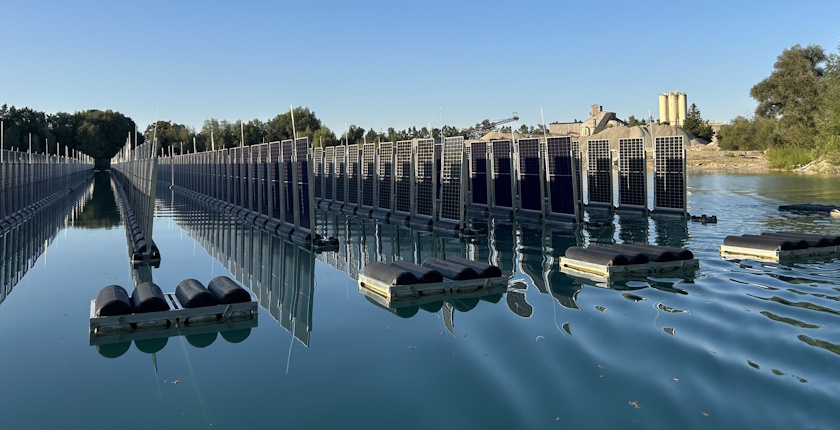
The floating solar power plant featuring vertically mounted panels is situated on artificial lake Jais, created by gravel extraction, in the Starnberg district of Bavaria in southern Germany. With a peak capacity of 1.87 MW, the plant is expected to generate around 2 GWh of electricity annually.

The technology, called SKipp by Sinn Power, is designed for artificial water bodies deeper than 1.6 meters, such as quarry lakes and gravel pits. Floating solar installations on artificial water surfaces are particularly valuable because they provide additional opportunities for solar energy generation without occupying land.

On Jais, arrays of vertical east-west oriented solar panels are separated by at least four meters. The company claims it ensures stable electricity generation throughout the day and increases output during morning and evening hours when conventional solar systems produce less energy.

Each SKipp-Float segment requires only a narrow submerged base, serving as the stabilizing part of the structure. At up to 1.6 meters below the water surface, it ensures a minimal spatial footprint, according to the company’s engineers. The substructure secures the modules and allows controlled movement under wind loads and fluctuating water levels.

Additionally, the plant is connected to the grid via a floating cable and a shore-based feed-in point, enabling smooth energy transfer without disrupting the lake’s ecosystem.

The installation of the floating solar plant has a positive impact on the lake’s ecosystem

The SKipp-Float system was commissioned on August 21 and officially inaugurated last week. Among the speakers at the ceremony was Bavarian Minister-President Markus Söder, who emphasized that the project demonstrates what an innovative energy transition looks like.

“The huge floating solar power plant on the lake generates electricity following the sun’s position. This is an example of Sinn Power’s engineering expertise, perfectly suited to Bavaria – a land of engineers and start-ups, as well as a leader in renewable energy,” said the regional leader, noting that Bavaria contributes 25% to Germany’s overall expansion of new capacity.

During the initial phase of operation, the company managing the gravel pit, Kies- und Quetschwerk Jais, reduced its grid electricity consumption by around 60%, with savings expected to reach up to 70% once production stabilizes, Sinn Power added.

The company said its floating PV plant occupies only 4.65% of the lake’s surface, well below the 15% maximum allowed under the German Federal Water Resources Act. An expansion of 1.7 MW of installed capacity is planned, keeping total lake coverage below 10%.

The company emphasized that the solar power plant has shown no negative ecological impact. On the contrary, the structure itself improves oxygen exchange and allows sunlight to reach deeper water layers, with reports indicating that water quality has improved since commissioning. New waterfowl nests have been observed on the floating sections, while schools of fish gather around the submerged stabilizing part of the platform.

Sinn Power plans to extend its vertical floating solar concept to open sea applications, further advancing renewable energy production at sea.

Post Views:216
October 30, 2025
by AEA in News

NGEN inaugurates Austria’s most powerful battery energy storage system

NGEN Group inaugurated its battery storage system in Austria’s Carinthia province after expanding it. At 21.9 MW in operating power and 43.8 MWh in capacity, it is again the country’s largest grid-supporting BESS.

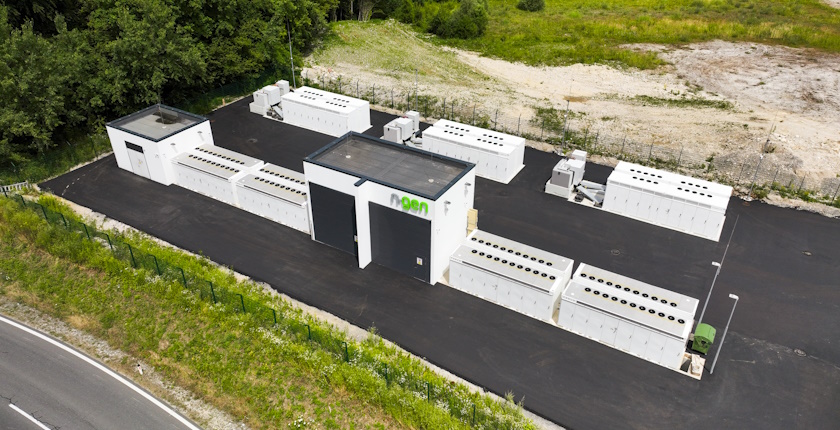
With the official commissioning of the Arnoldstein-Gailitz battery energy storage system (BESS) in the Carinthia province, the NGEN Group has set another milestone in Austria’s energy transition. Following the completion of its second expansion phase in 2025, the facility now boasts 21.9 MW and 43.8 MWh in capacity, making it the country’s largest and most powerful grid-supporting battery storage power plant.

The project marks a significant step toward a sustainable, secure, and climate-neutral energy future and stands as a strong symbol of innovation, energy security, and technological excellence Made in Carinthia, the company stressed. NGEN is headquartered in Žirovnica in Slovenia, just across the border from Arnoldstein.

NGEN’s software contributes to grid stability, renewables deployment

NGEN Group developed the energy storage project and completed the standalone facility in 2023 as Austria’s first large-scale investment of its kind.

The company stressed that the BESS makes a crucial contribution to grid stability and the integration of renewable energy sources through its innovative software solutions. They enable peak shaving – to reduce load peaks and ease grid congestion – and the provision of balancing reserves for grid stability.

The company’s proprietary software enables trading optimization, peak shaving and balancing services

NGEN’s proprietary software also optimizes intraday and day-ahead trading on the power exchange. The Arnoldstein-Gailitz BESS enhances the security of supply by providing flexibility and helps accelerate the integration of renewables.

The company pointed out that the facility has a minimal impact on the landscape. NGEN Group offers rapid project implementation in urban environments and power supply support for charging stations, including lower electricity costs, around-the-clock availability of renewable energy and blackout resilience.

Redispatch capabilities prevent local supply bottlenecks through load flow balancing, the update adds.

Carinthia pioneering resilient, sustainable energy infrastructure

NGEN is already planning a four times larger BESS facility in Upper Austria.

“With the Arnoldstein-Gailitz battery storage power plant, we are sending a clear signal: Carinthia is becoming a pioneer of a modern, resilient, and sustainable energy infrastructure. This facility demonstrates what is possible when technology, political will, and local commitment come together. It bridges the gap between generation and consumption, makes solar energy reliably available, and ensures true energy security,” managing directors of NGEN Austria Matija Dolinar and Andreas Ljuba explained in a joint statement.

The expanded BESS underscores Carinthia’s role as a hub of innovation and demonstrates that grid-stabilizing storage technologies are decisive for the energy transition, not only in Austria but across Europe, the company said.

“Our vision is a fully digitalized and decentralized European electricity system that keeps pace with the rapid growth of renewable energy and sustainably reduces CO2 emissions,” said Chief Executive Officer and Founder of NGEN Group Roman Bernard.

Since 2019, the company has been combining its expertise in engineering, procurement and construction (EPC) services with cutting-edge storage technology and advanced energy market connectivity. NGEN Group currently employs over 200 people across nine countries, including 40 in Austria. It has an annual turnover of EUR 100 million, of which EUR 60 million in Austria.

Post Views:100
October 20, 2025
by AEA in News

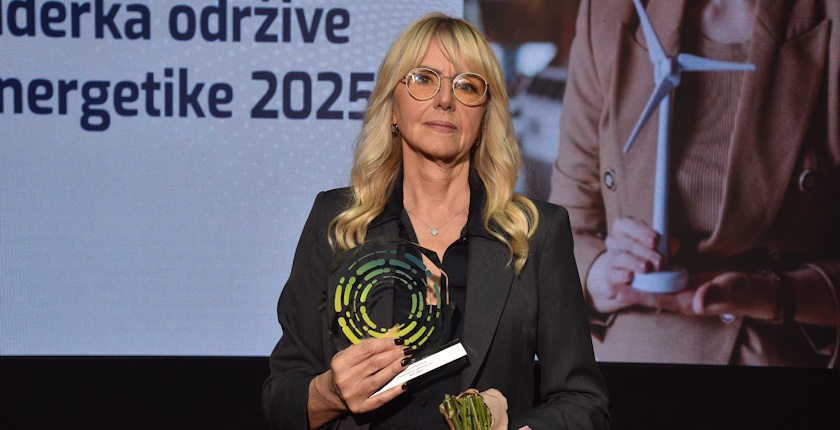
Ljiljana Velimirović is the Female Leader in Sustainable Energy for 2025

Ljiljana Velimirović, Project Manager 1, Investment Sector, Serbian state-owned power utility Elektroprivreda Srbije, received the Female Leader in Sustainable Energy 2025 award. The award recognizes outstanding results and dedication in advancing the energy sector in the Republic of Serbia.

At the annual event of WISE Serbia Women’s Network in sustainable energy, climate action, and environmental protection, Ljiljana Velimirović received the Female Leader in Sustainable Energy 2025 award. The announcement of the leader has been organized for the third consecutive year with the support of Deutsche Gesellschaft für Internationale Zusammenarbeit (GIZ) GmbH.

WISE Serbia has existed since 2018. It is one of the first networks of its kind in the world, with over 250 members currently.

The award competition featured 10 remarkable women whose leadership, exceptional achievements, and vision play a key role in the sustainable development of the sector, accelerating the energy transition, improving energy security and safety, and promoting greater recognition of women in the field.

During the public voting process, which was held from September 24 to October 10, a total of 2,842 votes were cast. Ljiljana Velimirović, a mechanical engineer with over 35 years of professional experience, received the highest number of votes. GIZ Project Director Till Barmeier presented the award.

Photo: GIZ Project Director Till Barmeier with the laureate Ljiljana Velimirović, Project Manager 1, Investment Sector, EPS

On receiving the award, Velimirović thanked the WISE network for its dedication and for promoting women in energy, as well as all her colleagues, whom she highlighted as her greatest support.

“I am very proud to have been chosen to represent Elektroprivreda Srbije in the Female Leader in Sustainable Energy of 2025 competition. It is an honor that, by leading projects to build desulfurization plants in our largest thermal power plants, I have contributed to the ecological modernization not only of EPS but of the entire Serbian energy sector,” Velimirović said.

The event was officially opened by Branislava Jovičić, co-founder of WISE Serbia, founder and editor of the Balkan Green Energy News portal, and director of the Belgrade Energy Forum conference, H.E. Anke Konrad, Ambassador of the Federal Republic of Germany to Belgrade, and Jovana Joksimović, Assistant Minister for International Cooperation, European Integration, and Project Management, Ministry of Mining and Energy.

Jovičić: WISE network has built a strong community of women over eight years

In her speech, Branislava Jovičić emphasized that over seven years, WISE Serbia has built a strong community of 250 professionals whose knowledge, experience, and vision contribute to the development of sustainable energy and climate policy in Serbia.

Thanks to the support of international partners and the dedication of its members, the network has conducted two major studies on the role of women in energy, launched a mentoring program connecting different generations of professionals, and become an important platform for knowledge exchange, inspiration, and joint initiatives.

Photo: Branislava Jovičić, co-founder of WISE Serbia, founder and editor of the Balkan Green Energy News portal, and director of the Belgrade Energy Forum conference

“Today, when dark clouds of geopolitical turmoil and denial of climate reality hang over the world, I dare say that the fight for sustainability, climate, and peace is a task that each of us must embrace, regardless of our profession. This is our generational mission. Our responsibility to ourselves and future generations,” Jovičić said.

Konrad: Women Remain Undervalued Drivers of Change

Sustainable strengthening of energy supply is important in Serbia, Germany, and around the world, emphasized German Ambassador Anke Konrad in her speech.

“The energy transition requires organizations that symbolize this transition. Therefore, I thank the Center for the Promotion of Sustainable Development through the WISE Serbia project for their engagement over the past years, which the German Federal Government has supported through GIZ for many years.”

Photo: H. E. Anke Konrad, Ambassador of the Federal Republic of Germany in Serbia

Konrad highlighted that people are the most important factor in the energy transition and reminded that women remain undervalued drivers of change.

Konrad: The Female Leader in Sustainable Energy award shows what can be achieved when leadership, innovation, and social responsibility go hand in hand

“The WISE project has evolved into a unique platform, a space where professionals build networks, share knowledge, mentor young talents, and create visible role models. The Female Leader in Sustainable Energy award shows what can be achieved when leadership, innovative strength, and social responsibility go hand in hand,” she concluded.

Jovana Joksimović, at the opening, noted that she has been a member of WISE Serbia since its foundation, highlighting the importance of unity and support among women in the energy sector.

Emphasizing that the green transition is not only about meeting international obligations, Joksimović reminded that the plan is for every second megawatt produced by 2030 to come from renewable sources, leading to a cleaner and healthier environment for current and future generations.

Jovana Joksimović, Assistant Minister for International Cooperation, European Integration, and Project Management, Ministry of Mining and Energy

Citing data from the International Renewable Energy Agency (IRENA), Joksimović pointed out that women make up 32% of employees in the global renewable energy sector, but their share is still below the global average of 45.9% of women in the overall economy.

“Every percentage point of women’s participation reminds us how much more progress can be made, and how much we have already achieved. I am proud of every one of us who is part of the energy transition—in wind farms, solar power plants, banking, engineering, management, innovation, education, and law.”

Photo: WISE Serbia women’s network and nominees for Female Leader in Sustainable Energy 2025 award

Women’s Leadership in Times of Geopolitical Challenges – Excellence, Achievements, and a Sustainable Vision

After the award ceremony, a panel discussion was held under the title “Women’s Leadership in Times of Geopolitical Challenges – Excellence, Achievements, and a Sustainable Vision.” The panel was moderated by Maja Turković, Executive Vice President of CWP Europe and recipient of the Female Leader in Sustainable Energy award in 2023.

Photo: Panel discussion “Women’s Leadership in Times of Geopolitical Challenges – Excellence, Achievements, and a Sustainable Vision”

Panel participants included Svetlana Cerović, Director of the Specialized Financing Department at UniCredit Bank Serbia and last year’s Female Leader in Sustainable Energy 2025 award; Marija Rošulj, Credit Risk and ESG Specialist at ProCredit Bank and participant in the WISE mentoring program; Jasmina Grbović Novaković, Director of the Center for Excellence in Hydrogen and Renewable Energy at the Vinča Institute of Nuclear Sciences; and Amalija Pavić, Deputy Executive Director at AmCham Serbia.

The panelists shared their experiences on the role of women in shaping the energy transition in a complex geopolitical environment, emphasizing the importance of collaboration and leadership based on knowledge and sustainability values.

Post Views:65
October 17, 2025
by AEA in News

Montenegro’s EPCG to develop floating solar, thermal batteries, high-altitude wind turbines

Montenegrin state-owned power utility Elektroprivreda Crne Gore has signed memoranda of understanding with Akuo, E2S Power AG, and wind fisher for a floating solar power plant, thermal batteries, and a pilot project for high-altitude wind turbines, respectively.

Memoranda of understanding (MoUs) were signed within the framework of the European Union – Montenegro Investment Conference. Domestic and European companies initiated 14 projects, including for wind and solar power, energy storage, and the electricity grid.

The two-day conference Smart Growth, Green Future: Accelerating Investment in Montenegro, held earlier this week in Luštica, near Tivat, was opened by European Commission President Ursula von der Leyen and Prime Minister of Montenegro Milojko Spajić.

Bulatović: We will develop three projects with Akuo

Ivan Bulatović, CEO of government-controlled Elektroprivreda Crne Gore (EPCG), told Balkan Green Energy News that the memorandum with French renewable energy company Akuo includes a 36 MW floating solar power plant on Slano lake.

The investment is estimated at EUR 60 million.

It is an innovative technology and it helps the environment by reducing water evaporation, Bulatović explained.

Scotto: Montenegro has everything it needs for the development of renewables

Another project within the deal is for a solar power plant, and the third one is for energy storage. On behalf of Akuo Energy, the memorandum was signed by CEO Eric Scotto.

He stressed that floating solar saves water and space while providing energy. Scotto revealed the possibility for the proposed onshore photovoltaic plant to be agrisolar.

Montenegro has everything it needs for the development of renewable energy sources – sun, wind and space, Scotto stressed.

Thermal batteries at TE Pljevlja

Photo: EPCG

EPCG signed its second memorandum with E2S Power AG, based in Switzerland, for the joint development, production, and application of thermal energy storage. The ceremony was attended by Montenegrin Prime Minister Milojko Spajić.

The aim of the project is to lower the domestic utility’s CO2 emissions, primarily from the Pljevlja coal power plant.

Electricity would be purchased on the market when it’s cheap, to charge the energy storage facility and later produce steam to drive the turbine and generate electricity, Bulatović explained.

He stressed that the cooperation opens up the possibility for the application of advanced technologies enabling more efficient energy use and a reduction in CO2 emissions.

Wind fisher is developing innovative high-altitude wind turbines

“Our thermal energy storage technology, TWEST, provides concrete solutions for decarbonizing thermal power plants and stabilizing power systems that are increasingly reliant on renewable sources,” E2S Power AG CEO Saša Savić said.

The memorandum with French innovative solutions firm wind fisher envisages the development of a joint pilot project for high-altitude wind turbines. Bulatović signed it with the company’s CEO Stéphane Vidaillet.

It is an innovative idea that should take off in the future, and this is a pilot project in the testing phase, Bulatović revealed.

The company, in his words, has the technology, and Montenegro has the space where it can be tested.

Photo: EPCG
Post Views:53
October 17, 2025
by AEA in News

50 MW Trusina wind project in BiH gets fresh start

The Ministry of Energy and Mining of the Republic of Srpska has issued a public call for a concession to build and operate the Trusina wind farm in the municipality of Nevesinje, with an installed capacity of up to 50 MW. The move paves the way for reviving one of the largest wind projects in the Republic of Srpska, which has been stalled for years.

The investment is valued at BAM 130 million (EUR 66.5 million), with a projected annual electricity output of about 160 GWh. The new concession procedure was initiated by Sarajevo-based SDL Energy Company.

Wind farm Trusina would generate 160 GWh of electricity per year

The concession can be granted for a period of up to 50 years, and the produced electricity would be sold on the market, according to the public call. If awarded, the contract will include a one-time concession fee of BAM 650,000 (EUR 332,000), as well as BAM 0.0055 (EUR 0.0028) per kWh of electricity produced.

The deadline to submit bids is 30 days from the publication of the call.

The Republic of Srpska is one of the two entities comprising Bosnia and Herzegovina. The other one is called the Federation of BiH.

Challenges from the very beginning

The first concession agreement for the construction of the Trusina wind farm was signed back in 2012. The firm that was granted the concession, called Eol prvi, was founded by Serbia-based Omega plus, but Croatian firm Kermas energija joined the project and subsequently acquired a majority stake in Eol prvi.

However, the concession agreement was terminated in 2019 due to Kermas’ failure to provide a bank guarantee or make any significant progress in implementing the project.

The first concession was scrapped in 2019

Kermas reportedly threatened arbitration against Bosnia and Herzegovina, claiming BAM 200 million (EUR 102.3 million) in damages. However, in May this year, it expressed willingness to resolve the matter amicably, eKapija reported, citing information from the Office of the Attorney General of BiH.

Another dispute involved a EUR 38.2 million lawsuit filed by Omega plus against Kermas. The lawsuit concerned lost profits from the unrealized project, as well as issues related to the transfer of ownership in Eol prvi.

Initially, Omega was awarded BAM 21.1 million (EUR 10.8 million), but the ruling was later overturned.

Post Views:45
  • 1
  • …
  • 46
  • 47
  • 48
  • 49
  • 50
  • …
  • 140

AEA – Albania Energy Association is a industry association dedicated to representing the interests of Albanian and West Balkan for energy producers and consumers. AEA works to advance the development and adoption of sustainable energy solutions in Albania and the Western Balkans, supporting the region’s transition toward a cleaner, more secure, and more competitive energy future. AEA is registered by decision of the Court of Tirana, DECISION NO. 3032, (VAT:L11827451K).

[email protected]

Address
Blv Zogu 1
Tirana
1057
ALBANIA

LinkedIn  |  Facebook
Events
May 25, 2022 Connecting Green Hydrogen Europe 2022
May 25, 2022 Energy Week Western Balkans 2022
Copyright © Albania Energy Association