by in News

North Macedonia Moves Closer to European Green Electricity Certification System

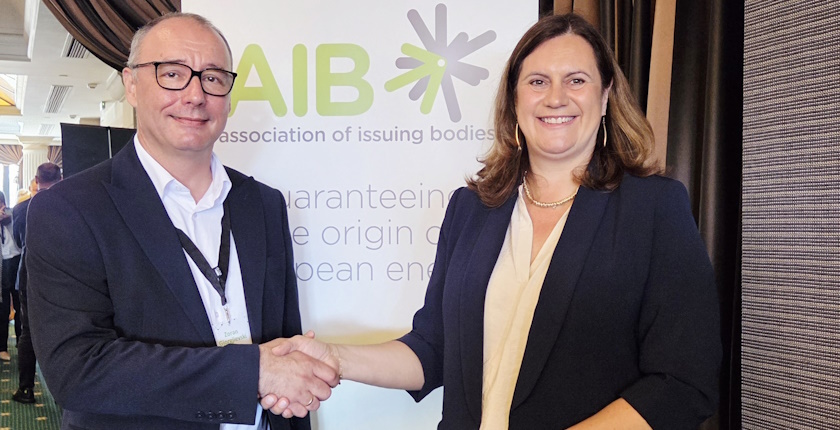
North Macedonia’s National Electricity Market Operator, MEMO, has officially joined the Association of Issuing Bodies (AIB), marking an important step toward deeper integration with the European framework for guarantees of origin and cross-border renewable electricity trade.

The decision was confirmed during the General Assembly of the Association of Issuing Bodies, where MEMO became a full member of the Brussels-based European energy certification organization. The move comes as the Ministry of Energy, Mining and Mineral Resources and the Energy Community Secretariat continue efforts to advance the mutual recognition of guarantees of origin between the European Union and Energy Community countries.

Guarantees of origin are electronic certificates proving that a specific quantity of electricity has been generated from renewable energy sources. They are increasingly important for transparent energy markets, renewable energy producers, suppliers and companies seeking to demonstrate the use of green electricity in line with ESG and decarbonisation standards.

MEMO introduced its electronic registry for guarantees of origin in April last year, in cooperation with energy certificate company Grexel and in line with European Energy Certificate System rules and AIB standards. Since then, North Macedonia has issued around 500,000 guarantees of origin, with each certificate representing 1 MWh of electricity produced from renewable sources.

According to MEMO Chief Executive Officer Zoran Gjorgjievski, AIB membership enables the Macedonian guarantees of origin system to implement the procedures required for future accession to the European Energy Certificate System. This will allow the secure, transparent and internationally recognized issuance and trading of green electricity certificates.

He emphasized that further integration of North Macedonia’s electricity market with the European energy market is essential, as it creates new opportunities for renewable energy producers, suppliers and businesses while strengthening trust, competitiveness and investment attractiveness in the country’s renewable energy sector.

Denko Rafajlovski, Head of MEMO’s Renewable Energy Support Department, noted that guarantees of origin play a key role in promoting renewable energy and giving consumers greater transparency and choice over the source of the electricity they use. Through the AIB Hub, national registries are connected, enabling the efficient cross-border transfer of green certificates between countries.

MEMO became an observer member of AIB last year as a first step toward full membership. Its accession now represents a significant milestone in the development of a modern, transparent and European-aligned electricity market in North Macedonia.

Cross-border trade in guarantees of origin will become possible once national legislation and technical requirements are fully harmonized with European Union standards.

by in News

Early-Stage Progress and Challenges Mark Energy Community’s Priority Infrastructure Projects

Most projects included in the first list of Projects of Energy Community Interest (PECI) remain at an early stage of development, with several challenges likely to affect their implementation timelines, according to an assessment by the Energy Community Regulatory Board.

The Evaluation Report on PECI projects provides a comprehensive overview of progress on initiatives selected in the 2024 PECI list. It covers six priority investments—five in electricity transmission and one in energy storage—identified as critical for strengthening cross-border interconnections, enhancing security of supply, and enabling greater integration of renewable energy across the Energy Community.

The projects under review include:

  • Completion of the 400 kV Albanian internal transmission ring;
  • Capacity expansion of the existing 220 kV interconnection between Bosnia and Herzegovina and Montenegro (Trebinje–Perućica overhead line);
  • The Trans-Balkan Corridor, specifically the 400 kV double overhead line linking Bajina Bašta in Serbia with Višegrad in Bosnia and Herzegovina and Pljevlja in Montenegro (with the latter two sections included in the PECI list);
  • Reconfiguration of Albania’s 400 kV grid alongside a new Albania–Kosovo* interconnection;
  • The 330 kV overhead line between Balti in Moldova and Dnestrovsk HPP-2 in Ukraine;
  • The 225 MW DTEK energy storage project.

To date, only the Bosnia and Herzegovina–Montenegro interconnection has secured direct financing, provided by the European Bank for Reconstruction and Development. Meanwhile, two projects—the Albanian internal ring and the Albania–Kosovo* interconnection—received financial backing in 2025 from the European Commission through the Western Balkans Investment Framework, as highlighted by the Energy Community Secretariat.

The report finds that most projects are still in conceptual, feasibility, or planning phases, with expected implementation timelines extending from 2028 to 2032. Throughout 2025, efforts have largely focused on feasibility assessments, preparatory activities, financing structures, and regulatory alignment, rather than physical construction.

Importantly, the evaluation notes that no systemic delays have been identified when measured against the expected level of project maturity following their designation in the 2024 PECI list.

However, the report underscores several structural challenges that could affect delivery in later stages. These include complex permitting and administrative procedures—particularly for cross-border infrastructure—ongoing financing constraints and rising investment costs, as well as external risks such as geopolitical and security factors, especially in relation to Ukraine.

The assessment emphasizes that early identification and mitigation of such risks will be essential to ensure a smooth transition from planning to construction in the coming years.

The ECRB also stresses the importance of continued regulatory oversight and proactive engagement by national regulatory authorities to maintain project momentum and ensure efficient implementation.

Looking ahead, the Energy Community Secretariat launched a public consultation in March on eight candidate projects for the next PECI list. The updated selection, aligned with the TEN-E Regulation framework, is expected to be adopted in December 2027, following an opinion from the ECRB anticipated by the end of August 2026.

by in News

The Border Wall of Carbon: How CBAM Rewrote Balkan Power Trade in Q1 2026

Q1 2026 marked an abrupt break in Southeast Europe’s electricity market structure. Exceptional hydro output pushed WB6 prices down, but CBAM prevented the old price convergence mechanism from doing its job. The result was a wider-than-usual spread of more than €30/MWh between WB6 and EU benchmarks, a 25% drop in scheduled cross-border commercial exchanges, and a visible re-routing of trade toward CBAM-free corridors. The data suggest that CBAM did not merely tax imports; it changed the geography of trade.

Origin of imported electricity Default value (tCO2eq/MWh) CBAM cost per imported MWh (€)
Albania 0 0
Bosnia and Herzegovina 1.148 86.513
Kosovo* 0.984 74.154
Moldova 0.530 39.941
Montenegro 0.979 73.777
North Macedonia 0.887 66.844
Serbia 1.041 78.450
Ukraine 0.907 68.352

Table 1. CBAM default factors and implied import costs in Q1 2026

The Hydro Paradox

The irony of Q1 2026 is that the region’s own luck partly disguised CBAM’s first-quarter damage. Hydro generation surged across the WB6 and neighbouring markets, rising regionally by 33% year on year, with Albania alone up 70%. That flood of carbon-free output softened domestic prices and kept some markets liquid, which made the underlying CBAM shock look less severe than it would have in a normal hydrological quarter. The report itself warns that these results are preliminary and heavily shaped by exceptional water conditions, not just the new carbon border regime.

Figure 1. Hydro vs coal generation in Q1 2026 versus Q1 2025

Figure 1. Hydro vs coal generation in Q1 2026 versus Q1 2025

But the same hydro boom also exposed a second vulnerability: it showed how quickly the region can swing from shortage to surplus, which matters for solar and wind investment signals. The Energy Community Secretariat notes that growing solar capacity may generate renewed surplus conditions in spring and summer, even as hydro declines. That means renewable developers are now financing into a market where merchant upside can be sharply altered by a carbon border charge on exports, especially in systems that are not as clean as Albania.

Technical Deep-Dive: Trade Diverges from Physics

The most unsettling finding in the report is the widening gap between commercial schedules and physical reality. Commercially, WB6-EU trade contracted and transit-based trading weakened. Physically, however, electricity still moved according to network physics, not trader preferences. The report gives concrete examples: Albanian export schedules to Greece rose strongly, yet physical flows did not align proportionally; power continued to move through Albania toward Montenegro and Bosnia and Herzegovina and onward to EU border countries.

That divergence is not just a bookkeeping issue. It creates operational risk. The report links the pattern to unscheduled and loop flows, less efficient transmission capacity use, and a growing burden on balancing and security management. It also explicitly recalls the June 21, 2024 blackout, when near-simultaneous outages on 400 kV lines in Montenegro and Albania exposed the fragility of the South-North corridor and the costs of weak cross-border coordination. In the current setting, the same corridor could again become heavily loaded, but with less predictable commercial schedules to guide system operation.

Market Fragmentation: The Rise of CBAM-Free Routing

The report reads like a map of avoidance behaviour. Intra-WB6 exchanges intensified, while trade moved toward routes that do not trigger CBAM exposure. Albania’s zero default emission factor made it a natural winner, with export routes to Greece gaining importance. Greece then became a bridge to Bulgaria and Italy, effectively allowing some power to bypass the more exposed WB6 transit geography.

Figure 2. Average day-ahead prices across the region

Figure 2. Average day-ahead prices across the region

This is why the Secretariat’s “CBAM-free route” language matters. It suggests that the market is not simply shrinking; it is reorganising itself around carbon liability. Transit-based trading through the WB6 is becoming less attractive, and that is a structural problem for regional integration because the WB6 has historically functioned not only as a set of markets, but also as a corridor between larger EU systems.

Financial Outlook

For project finance, the message is straightforward: ETS-linked carbon costs are now a core merchant-risk variable in the Western Balkans. The report states that the relevant Q1 2026 CBAM certificate price was based on an EU ETS quarterly weighted average of €75.36/tCO2eq, and that this price fell sharply after an initial increase as political debate over ETS reform intensified. That level of volatility matters because it directly changes export economics quarter by quarter.

Figure 3. Scheduled commercial exchanges between the WB6 and the EU

For EBRD-style underwriting, this means more conservative assumptions are unavoidable. Revenue cases for new renewable projects in the WB6 should be stress-tested not only against power-price volatility and hydrology, but also against CBAM-induced basis risk on export routes. Projects that depend on merchant access to EU markets will need stronger carbon-risk sensitivity, more robust route diversification, and a clearer view of whether they are selling into a CBAM-exposed corridor or a CBAM-free one. The report’s core warning is that low-carbon systems may send stronger investment signals, while more carbon-intensive systems face a worsening structural handicap.

Strategic Recommendations

The Secretariat’s own policy direction is the right one: better clarity in CBAM electricity rules, stronger coordination between market participants and TSOs, and continued alignment of carbon pricing and market design across the region. Building on that, the practical priorities are clear. WB6 TSOs need tighter coordinated capacity calculation, stronger congestion management, and more transparent handling of transit flows. Policymakers should also close the information gap around proof of transit and improve rules that currently reward route avoidance over efficient system use.

The deeper objective is to stop the region from sliding into transit-based trading collapse. That means preserving market integration even as carbon policy changes the economics of exchange. If WB6 markets are left to fragment into isolated hydro winners and carbon-heavy losers, the region will not simply lose trade; it will lose the very interoperability that made its system valuable in the first place.

by in News

The Green Backbone: Albania and Western Balkan Partners Unveil Strategic Energy Projects for 2026 EU Funding

The Energy Community has officially opened the public consultation for the 2026 list of Projects of Energy Community Interest (PECI), marking a pivotal moment for the Western Balkans’ energy infrastructure. Running from March 16 to April 17, 2026, the consultation evaluates eight critical projects designed to dismantle cross-border bottlenecks and pave the way for a massive influx of renewable energy.

For Albania and its neighbours, Kosovo, North Macedonia, Montenegro, and Bosnia and Herzegovina the selected projects represent a shift from traditional hydroelectric production to a sophisticated, integrated system of large-scale storage and high-voltage transmission corridors. These projects are now positioned to seek diverse financing, including EU grants, Western Balkans Investment Framework (WBIF) funds, and favourable loans from international financial institutions.

Below is a detailed technical and strategic breakdown of the flagship projects currently in the PECI selection pipeline.

1. Project E12: Moglice Pumped-Storage – The Balkans’ “Giant Battery”

At the heart of Albania’s green transition is the Moglice Extension Pumped-Storage Hydropower Plant (PSH). Developed by Devoll Hydropower Sh.A. (part of the Statkraft Group), this project is set to become one of the largest flexibility assets in the region.

  • Technical Parameters:

    • Maximum Power (Pmax): 1,620 MW (with a dynamic operational range of -1,620 MW to +1,620 MW).

    • Storage Capacity: 30,000 MWh (approx. 30 GWh).

    • Voltage: 400 kV.

    • Efficiency: 77% roundtrip efficiency.

  • Strategic Role: The plant will function as a “green battery,” utilizing the existing Moglice reservoir (380 million m³) and a new upper reservoir (25 million m³). It is designed to store surplus energy during periods of high production and release it during peak demand, providing critical balancing services to Albania and neighboring EU markets like Greece and Italy.

  • Timeline: Currently in the economic feasibility stage, with the earliest commissioning targeted for 2033.

2. Project E04: The 220 kV Balkan Triangle Rehabilitation

To ensure the reliability of the “Balkan Triangle” (Albania, Montenegro, and Bosnia & Herzegovina), the rehabilitation of the aging 220 kV Trebinje–Vau i Dejës corridor has been prioritized. This line is a vital artery that has recently struggled with congestion due to new solar and hydro capacities.

  • Technical Parameters:

    • Voltage: 220 kV.

    • Length: 162.92 km.

    • Transmission Power: Upgraded to carry 1,500 A using specialized high-capacity conductors.

    • Promoters: NOS BiH, Elektroprijenos-Elektroprenos BiH, and CGES (Montenegro).

  • Strategic Role: The project addresses severe climatic challenges and infrastructure depreciation. By replacing OPGW, insulation, and conductors on existing poles without increasing mechanical load, the project will increase Net Transfer Capacity (NTC) and resolve long-standing congestions between BA–ME, ME–AL, and AL–BA.

  • Timeline: Currently in the Detail Design Study phase, with an expected commissioning date of 2030.

3. Project E05 & Regional Corridors: Integrating Wind and Strengthening East-West Links

The expansion of the 400 kV network is a two-pronged strategy: strengthening regional East-West ties and unlocking wind potential in Northeast Albania.

A. The East-West Western Section (Project E05)

Connecting Kosovo and North Macedonia, this 103 km interconnector is a key link in the regional transmission “rings.”

  • Technical Parameters: 400 kV; 1330 MW Pmax.

  • Objective: Connecting the upgraded Prizren (XK) substation to a new substation in Tetovo (MK). This project enhances the security of supply and supports the large-scale integration of Renewable Energy Sources (RES) across the corridor.

  • Timeline: Expected commissioning by 2035.

B. The Albania–Kosovo Interconnection (Strategic Link)

As highlighted by recent strategic filings, Albania is pushing for a new 400 kV interconnection between Fierza (AL) and Prizren (XK).

  • Strategic Role: This link is deemed essential to facilitate the integration of over 1 GW of planned wind energy capacity in Northeast Albania. It will alleviate existing 220 kV grid overloads and significantly boost regional energy trading.

Financing the Future

These PECI projects are governed by the revised EU TEN-E Regulation, which streamlines the path toward final approval in December 2026. Because these projects provide cross-border benefits, they are eligible for a “blended” financing model. This includes state budget allocations, private investment from promoters like Statkraft and KOSTT, and significant support from European Union grants and loans.

As the Western Balkans move away from coal and toward a renewable-heavy mix, these projects—Moglice’s storage, the 220 kV rehabilitation, and the 400 kV corridors—form the essential hardware of a modernized, secure, and decarbonized European energy market.

by in News

CGES Secures €15 Million Investment to Upgrade Tri-Nation Power Infrastructure in the Western Balkans

Crnogorski Elektroprenosni Sistem (CGES), Montenegro’s national transmission system operator, has successfully secured a €15 million loan to finance the modernization of the 220-kilovolt (kV) power line connecting Montenegro, Bosnia and Herzegovina, and Albania.

This strategic initiative is designed to enhance the efficiency and reliability of Montenegro’s domestic electricity transmission network while simultaneously fortifying cross-border energy connectivity throughout the Western Balkans. According to CGES, the project represents a critical step toward the broader regional integration of power systems.

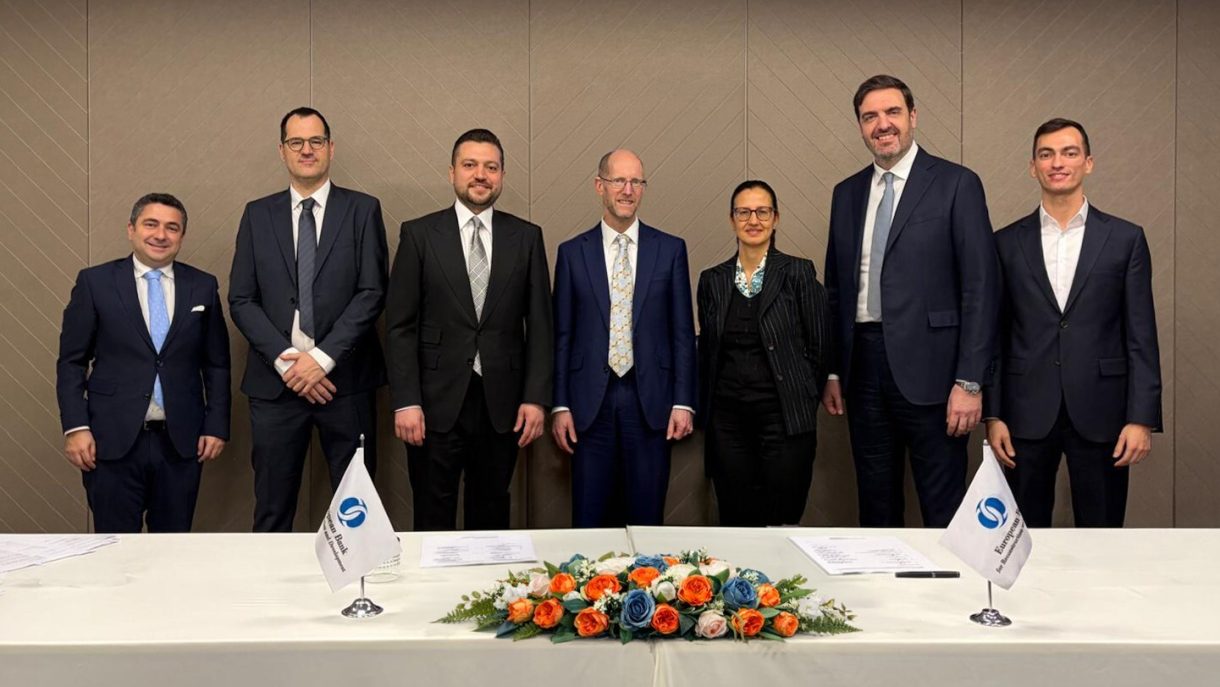
The financial agreement was formally signed by CGES Chief Executive Officer Ivan Asanović, European Bank for Reconstruction and Development (EBRD) Vice President Mark Bowman, and Montenegrin Minister of Finance Novica Vuković. The Ministry of Finance backed the initiative by issuing a state guarantee, underscoring the government’s steadfast commitment to supporting strategic investments that bolster both national infrastructure and regional connectivity.

Detailing the technical improvements, CEO Ivan Asanović noted that the modernization project will effectively double the transmission line’s current capacity from 300 megawatts (MW) to approximately 600 MW. He characterized the upgrade as a foundational investment in a secure, stable, and integrated energy future for the region, resulting in a more resilient grid capable of meeting increasing systemic demands and facilitating deeper regional cooperation.

EBRD Vice President Mark Bowman echoed these sentiments, emphasizing that reinforcing transmission networks is essential for securing long-term energy security and regional integration in the Western Balkans. Bowman noted that the project will overhaul vital infrastructure in Montenegro, aligning with the EBRD’s mandate to foster sustainable and resilient infrastructural development.

Looking forward, this project falls under a broader capital expenditure strategy for CGES, which plans to invest a total of €200 million into transmission infrastructure over the next five years.

by in News

Albania Ranks Highest in Europe for Fuel Costs Relative to Purchasing Power, Doubling Regional Averages

Albania currently has the most expensive automotive fuel in Europe when adjusted for purchasing power and citizen income, imposing a disproportionate economic burden on consumers and businesses alike.

An analysis conducted utilizing 2026 per capita income data from the International Monetary Fund’s (IMF) Global Economic Outlook and current spot prices from Global Petrol Price, reveals a stark disparity between Albanian fuel costs and domestic earning power.

According to the IMF, Albania’s average per capita income for 2026 is projected at $12,000 annually, equating to roughly $33 per day. With domestic retail diesel prices currently hovering around 200 Albanian Lek (ALL) per liter approximately $2.40 at the current exchange rate an average Albanian citizen must allocate a staggering 7.2% of their daily income to purchase a single liter of diesel.

A Stark Regional and European Divide

Data indicates that this 7.2% threshold is the highest financial burden for fuel among all analyzed European nations. When compared to neighboring Balkan states, the economic strain on Albanian consumers is at least twice as high.

For context, purchasing one liter of fuel requires:

  • 3.7% of daily income in Serbia

  • 3.6% in Montenegro

  • 2.8% in Romania

  • 2.5% in Greece (which, despite having one of Europe’s most expensive nominal fuel markets, presents a much lower relative burden due to higher median incomes).

In absolute nominal terms, regional neighbors boast fuel prices averaging 15% to 30% lower than Albania, particularly in Kosovo and North Macedonia.

The contrast is even more pronounced when benchmarked against advanced European economies. In nations like Italy, France, Germany, and Belgium, a liter of fuel typically consumes less than 2% of daily income. Notably, the Netherlands which holds the highest absolute nominal fuel price in Europe requires its citizens to spend only 1.1% of their daily income per liter. This means the relative burden on a Dutch consumer is nearly seven times lower than that of an Albanian.

Even stripping away purchasing power parity, Albania ranks fifth outright in Europe for the highest nominal fuel prices, trailing only the Netherlands, Denmark, Norway, and Switzerland countries where fuel is marginally more expensive by just 10 to 30 cents per liter.

Heavy Taxation and “Rocket and Feather” Pricing Dynamics

Because fuel is a foundational component of transport and logistics, this skewed cost-to-income ratio actively drives up broader commodity prices and exacerbates household expenses. Industry analysts point to two primary domestic drivers for this inflated market: aggressive taxation and asymmetrical price transmission by market operators.

1. The Tax Burden: State levies account for an estimated 60% of the final retail price at the pump. The taxation structure per liter includes:

  • Excise Tax: 37–38 ALL

  • Circulation (Turnover) Tax: 27 ALL

  • Carbon Tax: 3 ALL

  • Value Added Tax (VAT): 20% applied to the final cumulative price.

2. Asymmetrical Market Responses: The Albanian downstream market consistently exhibits the “rocket and feather” effect. Retail prices react rapidly to upward shocks in global crude and refined product benchmarks, yet reductions are passed on to consumers at a noticeably sluggish pace during global downturns.

During periods of falling international prices in 2019 and 2024, fuel importers and distributors capitalized on the lag in price reflection, expanding their profit margins by 0.5 to 1 percentage point. Market operators routinely exploit the delayed localized response to global price drops, structurally padding profit margins at the expense of end-users.

by in News

OECD Launches Strategic Initiative to Modernize South East Europe’s Aging Power Grids

The Organisation for Economic Co-operation and Development (OECD), in partnership with the Delphi Economic Forum, has unveiled a high-level initiative aimed at overhauling the energy and digital landscape of South East Europe.

The project, titled “Electricity, Digital and Regional Interconnectivity in South East Europe,” was officially launched in Thessaloniki—a city historically positioned as a strategic bridge between Europe and the Balkans. The initiative arrives at a critical juncture as the region grapples with inefficient infrastructure and the urgent need for energy security amid shifting geopolitical realities.

Addressing the 14% Efficiency Gap

Data presented at the launch highlighted a stark disparity between the Western Balkans and the broader European Union. OECD Secretary-General Mathias Cormann noted that outdated power grids in the region suffer from electricity losses of approximately 14%, nearly triple the EU average.

The infrastructure deficit is compounded by a slow transition to green energy. Despite significant natural resources, the Western Balkans currently harness only 4% of their solar potential and 2% of their wind potential. Furthermore, regulatory alignment remains a hurdle, with only 48% of relevant EU energy standards currently implemented across the region.

Greece and Romania Spearheading Integration

The project is designed and funded by Greece, with additional co-financing from Romania. For Athens, the initiative reinforces its growing status as a regional energy hub and a net electricity exporter.

Nikos Tsafos, Greece’s Deputy Energy Minister, emphasized that modern energy security is built on three pillars: affordability, strategic autonomy, and robust interconnectivity. This regional push is also deeply tied to EU enlargement. Giorgos Pagoulatos, Greek Ambassador to the OECD, noted that Western Balkan EU accession has gained new urgency. He signaled that regional integration will be a cornerstone of Greece’s upcoming presidency of the Council of the EU in 2027.

A Roadmap to 2027

To bridge the gap, Secretary-General Cormann outlined four strategic priorities for the Western Balkans:

  • Regulatory Convergence: Full alignment with EU energy frameworks.

  • Corporate Governance: Strengthening competition and oversight within state-owned utilities.

  • Infrastructure Modernization: Replacing aging coal-fired plants and upgrading transmission lines.

  • Digital Transformation: Scaling up smart-meter adoption and renewable energy deployment.

The stakes are high: experts at the event warned that European electricity demand could surge by 60% by 2030. To meet this challenge, the OECD plans to conduct a series of technical workshops across the Balkans, culminating in a comprehensive policy roadmap scheduled for release in 2027.

by in News

Balkan power play: why the Western Balkans must ditch Russian fuels and fast-track EU market integration

A short, sharp truth: the Western Balkans sits at the crossroads of Europe’s energy security and its green ambitions, but patchy rules, lingering dependence on Russian fuels and slow market reforms mean the region risks being a weak link rather than a bridge. A new working paper from Bruegel lays out what’s at stake and what needs to happen next.

From leverage to liability: Russian ties still matter

Gas pipeline system in the Western Balkans

Gas pipeline system in the Western Balkans

The report finds that several Western Balkan states remain exposed to Russian energy influence notably Serbia and Bosnia and Herzegovina on oil and gas  which leaves them vulnerable to geopolitical pressure and imported price shocks. Negotiations and occasional extensions of Russian contracts in 2024–25 underline that diversification on paper does not always mean real independence. That dependence isn’t just political theatre: it alters investment choices, weakens bargaining power and complicates alignment with EU rules.

Why this matters beyond the region: the Western Balkans is a major transit corridor for electricity between the EU and Southeast Europe. The paper highlights that as much as “up to 70%” of electricity flows tied to the region actually pass between EU countries a signal that grid interdependence already exists and that isolation is neither realistic nor desirable. Faster regulatory alignment and market coupling would therefore strengthen European system resilience as well as the region’s.

 Western Balkan electricity imports and exports (TWh), 2020-2024

Western Balkan electricity imports and exports (TWh), 2020-2024

Market coupling: planned, stalled, urgent

European market coupling the technical and regulatory merging of power markets is the single policy lever that could deliver immediate gains: better price signals, more efficient dispatch across borders, and a buffer against supply shocks. The Bruegel authors point out that integration planned for the mid-2020s (originally aiming around 2027) is running behind because national rulebooks and market institutions in the Western Balkans are not yet aligned with EU standards. That delay has real costs: lost efficiency, higher system operation expenses, and a slower rollout of renewables.

 Day-ahead auction average prices (€/MWh), EU, Norway and Western Balkans, 2024

Day-ahead auction average prices (€/MWh), EU, Norway and Western Balkans, 2024

Uneven green progress  leaders and laggards

Not all Western Balkan countries are on the same page when it comes to the green transition. The paper singles out Albania as a regional leader largely because of its hydropower legacy and relatively favorable renewables policies and Montenegro as advanced across several indicators. Meanwhile, solar and wind potential across much of the region remains largely untapped and constrained by underdeveloped grids, weak permitting frameworks and scarcity of private investment. Simply put: the natural resource advantage (sun, wind, hydro) is mostly unexploited.

This mix of actors creates both a challenge and an opportunity. Countries with stronger renewables backbones could become exporters and stabilizers for neighbors but only if cross-border trade is enabled and market rules are harmonised.

Domestic electricity prices (€/MWh), EU, Norway and Western Balkans, 2024 and 2014

Domestic electricity prices (€/MWh), EU, Norway and Western Balkans, 2024 and 2014

Coal’s long shadow political economy vs. emissions

Phasing out coal is politically charged across the Western Balkans. Coal still provides baseload power and jobs in several countries, and switching it off without credible compensation or alternative industrial plans risks social backlash. The paper recommends phased, socially sensitive coal retirement plans tied to clear investment pathways for renewables and grid upgrades. In short: decarbonisation must be realistic and sequenced fast where possible, compensated where needed.

Practical steps the paper recommends (and why policymakers should care)

  1. Accelerate regulatory alignment with the EU. Aligning rules is the low-hanging fruit that unlocks market coupling and immediate efficiency gains. Market reforms are technical, but the payoff — lower costs and stronger security — is political and strategic.

  2. Reduce real dependence on Russian fuels. Diversification must go beyond headline contracts. It requires investments in LNG connections, alternative import routes, and faster roll-out of domestic renewables to reduce import vulnerability.

  3. Design a just coal phase-out. Pair plant retirement timetables with retraining, economic revitalisation, and clean-energy investment envelopes so communities are not left behind.

  4. Mobilise private capital for renewables and grids. Improve permitting, de-risk projects with public guarantees, and create transparent auction frameworks to attract the investors the region needs.

Political and financial headwinds plus a window of opportunity

The paper is candid about constraints: weak institutions, fragmented markets, and geopolitical tensions complicate reform. But it also notes a narrow window where EU enlargement dynamics, conditional funding instruments (the EU Growth Plan for the Western Balkans) and post-Ukraine energy policy realignments create momentum and conditional financing that can be leveraged if countries move quickly and coherently.

Electricity generation mix in the Western Balkans, 2014 and 2024

Electricity generation mix in the Western Balkans, 2014 and 2024

What success looks like

A successful pathway would see the Western Balkans converge with EU market rules, complete market coupling, significantly reduce Russian fuel exposure, and scale renewables deployment while phasing out coal with social protections. Practically, that means lower wholesale price volatility, better utilisation of regional transmission assets, and an energy sector that attracts investment rather than fears it.

Conclusion integration first, transition faster

The Bruegel working paper’s central message is straightforward: the Western Balkans has the geographic and resource advantages to be a strategic partner for Europe’s energy security and green goals but only if the political will to align rules, diversify supplies and invest in renewables is found. Fast-tracking market coupling and decarbonisation in parallel, not in sequence will deliver both security and economic opportunity. For policymakers in Tirana, Sarajevo, Pristina, Podgorica, Skopje and Belgrade, the choice is clear: remain a transit corridor vulnerable to outside influence, or become a resilient, integrated bridge to Europe’s clean-energy future.

by in News

Fortis Energy and EBRD Partner to Finance Landmark 270 MW Solar-plus-Storage Project in Serbia

Fortis Energy and EBRD Partner to Finance Landmark 270 MW Solar-plus-Storage Project in Serbia

In a significant move for the Western Balkans’ energy transition, Fortis Energy has formalized a mandate letter with the European Bank for Reconstruction and Development (EBRD). The agreement initiates due diligence and structured negotiations for the long-term financing of a 270 MW solar photovoltaic (PV) plant, integrated with a 72 MWh battery energy storage system (BESS).

Located in the city of Sremska Mitrovica, west of Belgrade, the project is set to become the largest solar facility in both Serbia and the broader region.

Strategic Importance and Regional Impact

The mandate letter, signed by Fortis Energy’s leadership and the EBRD’s Sustainable Infrastructure Group, establishes the preliminary terms for a project aimed at bolstering Serbia’s national grid. According to Fortis Energy, the facility is a “demonstration of bankability,” signaling that large-scale renewable assets in Southeast Europe can meet rigorous international environmental and social sustainability standards.

The Sremska Mitrovica plant is expected to deliver substantial environmental and social benefits:

  • Annual Output: Estimated at over 365 GWh of clean electricity.

  • Household Impact: Capable of powering more than 105,000 households annually.

  • Carbon Mitigation: Forecasted to avoid approximately 182,000 tons of emissions per year.

Construction is scheduled to begin in the third quarter of 2026, with full commissioning targeted for the first quarter of 2028.

Technical Breakdown and EPC Partnerships

The development is being executed in phases. Earlier this year, Fortis signed an Engineering, Procurement, and Construction (EPC) contract with Kontrolmatik Technologies for the first phase, known as Noćaj 1.

Phase/Project Solar Capacity (MWp) Grid Connection (MW) Storage Capacity (BESS)
Noćaj 1 135 MW 90 MW 36 MWh
Full Sremska Mitrovica 270 MW 72 MWh
Erdevik (Proposed) 100 MW 74 MW 30 MWh

Fortis Energy and EBRD Partner to Finance Landmark 270 MW Solar-plus-Storage Project in Serbia

In a significant move for the Western Balkans’ energy transition, Fortis Energy has formalized a mandate letter with the European Bank for Reconstruction and Development (EBRD). The agreement initiates due diligence and structured negotiations for the long-term financing of a 270 MW solar photovoltaic (PV) plant, integrated with a 72 MWh battery energy storage system (BESS).

Located in the city of Sremska Mitrovica, west of Belgrade, the project is set to become the largest solar facility in both Serbia and the broader region.

Strategic Importance and Regional Impact

The mandate letter, signed by Fortis Energy’s leadership and the EBRD’s Sustainable Infrastructure Group, establishes the preliminary terms for a project aimed at bolstering Serbia’s national grid. According to Fortis Energy, the facility is a “demonstration of bankability,” signaling that large-scale renewable assets in Southeast Europe can meet rigorous international environmental and social sustainability standards.

The Sremska Mitrovica plant is expected to deliver substantial environmental and social benefits:

  • Annual Output: Estimated at over 365 GWh of clean electricity.

  • Household Impact: Capable of powering more than 105,000 households annually.

  • Carbon Mitigation: Forecasted to avoid approximately 182,000 tons of emissions per year.

Construction is scheduled to begin in the third quarter of 2026, with full commissioning targeted for the first quarter of 2028.

Fortis Energy’s Growing Regional Footprint

Headquartered in the Netherlands with key operational hubs in Istanbul and Belgrade, Fortis Energy is aggressively pursuing its goal of becoming a premier Green Baseload Independent Power Producer (IPP).

Beyond Sremska Mitrovica, the company is advancing a robust pipeline:

  • Erdevik, Serbia: A planned 100 MW hybrid plant with 30 MWh of storage.

  • Erseka, Albania: A 75 MW solar project with 25 MWh of storage, currently under construction.

  • Portfolio Growth: Fortis currently operates over 200 MW of renewable assets, with an additional 500 MW slated for deployment through 2027.

By integrating storage with solar and wind assets, Fortis is positioning itself to provide stable, renewable energy across Southeast Europe, supporting the region’s broader decarbonization objectives.

by in News

Corridor VIII Emerges as a Strategic Pillar for Balkan Integration and NATO Security

TIRANA — High-level officials and international stakeholders gathered in the Albanian capital this week to chart the future of Pan-European Corridor VIII, a multi-billion euro infrastructure project designed to bridge the Adriatic and Black Seas. Billed as a modern successor to the ancient Roman Via Egnatia, the corridor is increasingly viewed by regional leaders and Western allies not merely as a transport route, but as a critical component of economic sovereignty and Euro-Atlantic security.

ECONOMIC FORUM: “Strategic Connectivity and Regional Economic Growth: The Economic Potential of Corridor VIII”

ECONOMIC FORUM: “Strategic Connectivity and Regional Economic Growth: The Economic Potential of Corridor VIII”

The forum, titled “Strategic Interconnectivity and Regional Economic Growth: The Economic Potential of Corridor VIII,” held on February 18, 2026, served as a platform for Albania and North Macedonia to reaffirm their commitment to the project. The discussions highlighted a shift in the corridor’s narrative, moving from a long-delayed logistical ambition to a certified strategic priority.

A Security Necessity: The NATO Dimension

In a significant development for the region’s geopolitical standing, Albanian Deputy Prime Minister and Minister of Infrastructure and Energy, Belinda Balluku, revealed that Corridor VIII has now received NATO certification. This designation elevates the project from a civilian transport initiative to a vital military and security asset for the alliance’s eastern flank.

“Corridor VIII is no longer just a road for the movement of goods and citizens,” Balluku stated during the forum. She characterized the project as a “safe infrastructure for Euro-Atlantic security,” noting that its completion would allow for the rapid deployment of resources between the Mediterranean and the Black Sea—a necessity brought into sharp focus by shifting security dynamics in Eastern Europe.

The certification ensures that the technical specifications of the roads and railways—connecting the port of Durrës in Albania to Varna and Burgas in Bulgaria—meet the rigorous standards required for military mobility, effectively integrating the Western Balkans into NATO’s logistical architecture.

Economic Integration and the EU Path

While security dominated the high-level briefings, the forum’s primary focus remained the economic transformation of the Balkan interior. For decades, the lack of east-west connectivity has been cited as a major bottleneck for regional trade.

ECONOMIC FORUM: “Strategic Connectivity and Regional Economic Growth: The Economic Potential of Corridor VIII”

ECONOMIC FORUM: “Strategic Connectivity and Regional Economic Growth: The Economic Potential of Corridor VIII”

Delina Ibrahimaj, Albania’s Minister of State for Local Government, described the corridor as a “key instrument for European integration and regional stability.” Ibrahimaj emphasized that the project is now a formal part of the Trans-European Transport Network (TEN-T), a status that unlocks significant funding from the European Union.

“The development of this corridor is synonymous with the development of our economies,” Ibrahimaj noted, arguing that the project will reduce transport costs, attract foreign investment, and foster a more unified regional market. Officials at the forum suggested that by linking the ports of Albania with the industrial hubs of North Macedonia and Bulgaria, the corridor would create a “short-circuit” for trade that currently relies on longer, more congested routes.

Strengthening the Balkan Backbone

Representing North Macedonia, Igor Hoxha echoed the sentiment of regional interdependence. He framed Corridor VIII as the “backbone of regional development,” essential for the landlocked nation’s access to international maritime routes.

The cooperation between Tirana and Skopje has intensified as both nations seek to synchronize their construction timelines. The project involves a complex mix of highway expansion and the modernization of ageing railway tracks, many of which have remained dormant since the end of the Cold War.

Corridor VIII connection.

Corridor VIII connection.

“From the Via Egnatia to Corridor VIII, the plan to connect East and West is finally making its definitive stop in Tirana,” noted reports from the forum, highlighting the historical weight of the project. By reviving this ancient trade artery, the participating nations aim to reverse a history of fragmentation and replace it with a corridor of “peace and prosperity.”

Challenges and the Road Ahead

Despite the diplomatic optimism, the path to completion remains fraught with logistical and financial hurdles. The rugged terrain of the Balkan interior requires extensive tunnelling and bridge construction, driving up costs. Furthermore, the synchronization of three different national bureaucracies—Albania, North Macedonia, and Bulgaria—remains a persistent challenge.

However, the consensus in Tirana was clear: the project has reached a point of no return. With the backing of the European Union’s Western Balkans Investment Framework and the newfound urgency of NATO’s security requirements, Corridor VIII is moving from a blueprint to a reality.

As the forum concluded, the message from the Albanian Ministry of Foreign Affairs was definitive: Corridor VIII is the strategic link that will finally anchor the Western Balkans into the broader European family, transforming the region from a “grey zone” of infrastructure into a modern hub of global connectivity.

  • 1
  • 2