by in News

Murat Çinar appointed as new CEO of DRI

New Chief Executive Officer of DRI Murat Çinar is taking office on September 3, replacing Ivan Geliukh.

A change at the helm of DRI is consolidating its position in the European renewables market, particularly in its core markets of Croatia, Italy, Poland, and Romania, according to the company’s new announcement. It said it has appointed of Murat Çinar as its new CEO, effective from September 3. DRI is the renewables arm of Ukraine-based DTEK in the European Union.

Çinar succeeds Ivan Geliukh, under whose leadership the company’s business strategy and organisational structure were updated, the management team was strengthened, and the business model was refined with a strong focus on sustainable growth, profitability, and operational efficiency, the company added.

“I am pleased to announce the appointment of Murat Çinar as the new Chief Executive Officer of DRI and extend my best wishes as he takes on this important role. Murat will play a key role in strengthening DRI and reinforcing its position as an active contributor to Europe’s energy transition. I would also like to express my gratitude to Ivan for his contribution in refining DRI’s strategy and creating a resilient business. I look forward to working with Ivan as he takes on new responsibilities within the wider DTEK Group,” said DRI’s Chairman of the Supervisory Board Maxim Timchenko.

Çinar to oversee next stage of development for DRI

With over 25 years of leadership experience in the telecom and technology sectors, Murat Çinar has held senior roles across more than 10 international markets, including Sweden, Turkey, Ukraine, and Qatar.

“Drawing on my experience in growth strategies, M&A, and change management, I look forward to leading DRI through the next stage of its development – executing our strategy to be an active player in Europe’s renewable energy market. I believe DRI has a key role to play in supporting European countries to achieve important decarbonisation targets and I’m excited to work with the DRI team to make these goals a reality, Çinar stated.

The new CEO served in Ericsson, Lifecell, Vega Telecom and Korek Telecom

He began his career in Ericsson (1999-2010), leading large-scale network deployments and operations in multiple countries. Çinar later served as chief technology officer of Lifecell (2011-2015) in Ukraine, where he was responsible for overseeing major infrastructure investments and network expansion strategies.

In 2015, he was appointed CEO of Vega Telecom Group, part of DTEK’s parent SCM Group. Çinar has led organisational transformation, improved profitability, and completed the company’s sale to Vodafone Ukraine, his biography shows. In 2021, he joined Korek Telecom as the chief transformation officer and in 2022 assumed the role of CEO, driving strategic growth and operational excellence for 12 million customers.

Four core markets

DRI is dedicated to accelerating the energy transition in Central, Eastern and Southern Europe. The company’s mission is to work in underserved markets in Europe to achieve their net zero goals through the creation of a portfolio of renewable energy and battery storage across Croatia, Italy, Poland and Romania.

It has established a portfolio of onshore wind, solar and battery projects, and has three operational projects in Romania: two solar parks and one wind farm, which was the first in the country in one decade. DRI is an Amsterdam-headquartered renewables developer and operator with local offices in Zagreb, Rome, Warsaw and Bucharest.

Founded in 2021, DRI is a subsidiary of the DTEK Group. The parent company is the largest private investor in Ukraine’s energy sector, with 55,000 employees and over EUR 12 billion of capital invested since 2005.

Its businesses generate electricity at wind, solar and thermal power plants; distribute and supply power to end consumers; extract natural gas and coal; trade energy resources on Ukrainian and foreign markets; and provide domestic and commercial energy services. DTEK Group is 100% owned by SCM Holdings. The ultimate beneficiary and sole shareholder is Rinat Akhmetov, a businessman and philanthropist.
by in News

EU opens energy, environment cluster in accession talks with Albania

Albania officially started negotiations with the European Union on the so-called cluster 4, encompassing the green agenda and sustainable connectivity. It is joining Montenegro and Serbia, which haven’t yet closed any of the four chapters in the group: transport policy, energy, trans-European networks, and environment and climate change.

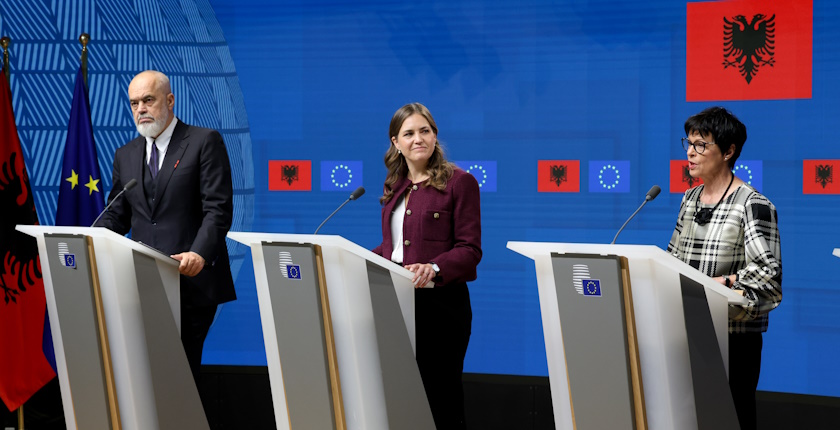
The Council of the EU held an accession conference with Albania and declared the opening of formal talks on cluster 4.

“Enlargement is at the top of our priorities as a geopolitical necessity for the EU. I am happy that we took a next step today with Albania. This is another clear proof of the country’s path towards European integration. I look forward to holding more meetings in the coming months with Albania and with other candidate countries to move forward the EU’s enlargement,” said Minister for European affairs of Denmark Marie Bjerre, who led the European Union’s delegation. Her country is currently holding the six-month presidency of the Council of the EU.

Rama: Our challenge is to reinvent ourselves

Prime Minister Edi Rama and his team represented Albania at the event, in which European Commissioner for Enlargement Marta Kos participated as well.

“Today we opened another cluster, it’s, as a matter of fact, five clusters in 11 months. In my understanding, it’s a record. And we are looking forward to opening the last cluster before this year ends… Environment is today a really pressing issue, and demands are challenging even for member states to keep the standards and to protect the standards. So, our challenge is to reinvent ourselves,” Rama said at a press conference with the two EU officials.

No chapters from cluster 4 closed yet in Western Balkans

The chapters in cluster 4, on the green agenda and sustainable connectivity, are transport policy (14), energy (15), trans-European networks (21) and environment and climate change (27). The trans-European networks comprise Trans-European Networks for Energy (TEN-E), Trans-European Networks for Transport (TEN-T) and Trans-European Networks for Telecommunications (eTEN).

As for the rest of the Western Balkans, Montenegro opened the first three in 2015 and the remaining one in 2018. It started its accession talks in 2012. The EU grouped 33 chapters into six clusters in 2020, while 34 and 35 are separate.

Albania is third in the region to open cluster 4

Serbia, which started negotiations in 2014, launched cluster 4 in late 2021. Notably, neither closed any chapters in the group. Montenegro closed seven in total, compared to just two on Serbia’s list.

Albania opened accession negotiations in 2022, as did North Macedonia. The former didn’t close any chapters yet and the latter didn’t even open a single one. Bosnia and Herzegovina is a candidate but it still didn’t start negotiations. Kosovo* is only a potential candidate.

EU urging tangible progress against environmental crimes

Among other points in its common position regarding the talks being launched, the EU urged Albania to accelerate renewable energy deployment by completing the necessary rules and regulations on permitting. The negotiators from the administration in Brussels said the Electricity Integration Package (EIP) needs to be fully implemented as well.

Albania has to align with EU acquis on environmental crimes and make tangible progress, especially against wildlife crimes, deterioration of habitats, illegal shipment or dumping of waste, pollution crimes and illegal trading in hazardous substances, the document reads.

* This designation is without prejudice to positions onstatus and is in line with UNSCR 1244/99 and the ICJ Opinion on the Kosovo declaration of independence.
by in News

Environmental approvals for 403 MW of wind power on Montenegrin mountain

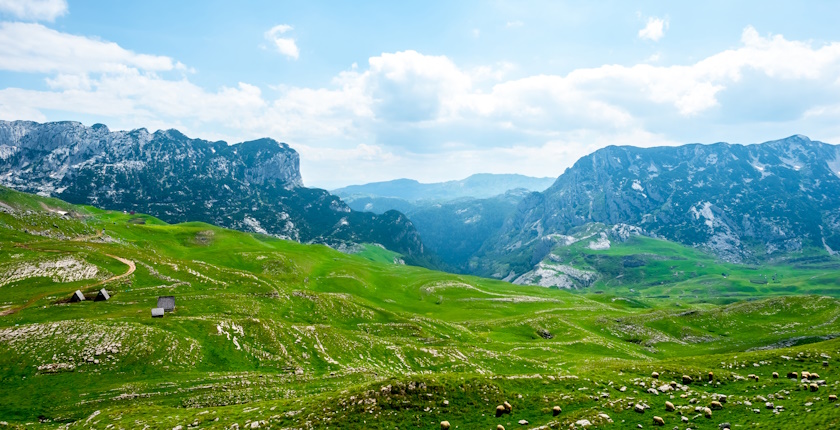
Companies intend to build wind power plants of 403 MW in total on Sinjajevina mountain, a vast pastureland for which activists and locals have been demanding to be protected. The projects have obtained a green light from the Environmental Protection Agency of Montenegro.

After the government leased land for wind parks Sinjajevina Part 1 and Sinjajevina Part 2 to two domestic consortia and issued the urban planning and technical requirements, the developers chalked up another win. They obtained approvals almost simultaneously for their environmental impact reports from the Environmental Protection Agency of Montenegro.

The planned investments on the eponymous mountain in the country’s north are for 112.2 MW and 290.4 MW, respectively. A group led by Energy 2 is developing Sinjajevina Part 1 in Lipovska Bistrica in Kolašin municipality. The other project, with a firm called N1 at the helm, is in the territories of Kolašin and Šavnik and the villages Lipovo, Krnja Jela, Boan, Tušinja and Timar.

Local firms Sistem-MNE and Permonte are in both consortia

The other members of both consortia are Sistem-MNE and Permonte. All the firms are based in the capital Podgorica.

Importantly, the Environmental Protection Agency noted that the two reports are almost identical and even with the same photographs. Some were downloaded from the internet and there are no pictures from the designated locations, the commission stressed.

No cumulative assessment

The agency also highlighted the lack of a cumulative assessment for the two projects. The developers replied that they are two related phases of the same project and that the data is from the same set of field research.

Both groups opted for Siemens Gamesa wind turbines of 6.6 MW. Sinjajevina Part 1 is expected to generate 392 GWh, compared to 944 GWh for Sinjajevina Part 2, the documentation shows.

The agency accepted the proposed measures to prevent, lower or remove harmful impacts on the environment. They include the utilization of existing roads as much as possible, without building new ones, and avoiding the felling of trees and removal of shrubs.

Bats can be protected by lowering speed or halting turbines in critical periods

The operators will need to monitor bird nesting in May and June to detect and counter any deterioration. In their reports, they also suggested stopping or slowing down rotors between 11 pm and 2 am when bats are the most active in June and July, except during rain and strong winds.

Sinjajevina spans more than 1,000 square kilometers, dominated by pastureland. Initiatives have been launched to declare it a nature park and include it in the Natura 2000 network.

Environmentalists and the local population are opposing a plan to set up a military training ground. They insist on the preservation of nature and traditional agriculture in the area.

by in News

Turkish oil company Tüpraş to produce sustainable aviation fuel

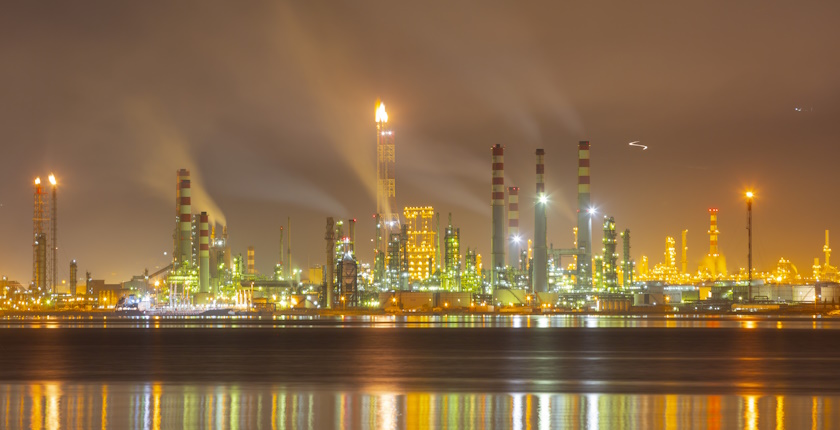
Oil refiner Tüpraş is working on a technology for biofuel from algae and yeasts, using solar energy. The Sunfusion project involves processing into sustainable aviation fuel – kerosene – and green alternatives for vessels. It received EU support and includes partners from Greece, France, Germany, Norway and Serbia.

Istanbul-based Türkiye Petrol Rafinerileri AŞ (Tüpraş) has several decarbonization projects underway, counting on the expansion of green energy markets. One of the endeavors is Sunfusion – advancing biofuel production from purified microalgae and oleaginous yeasts by utilizing state-of-the-art solar technologies.

The project, which runs until the end of 2028, received EUR 3 million through the European Union’s Horizon Europe program. Centre for Research and Technology Hellas (CERTH), known also by its Greek acronym EKETA, is the coordinator.

Ten partners include the Middle East Technical University (METU/ODTÜ), located in Ankara, Aristotle University of Thessaloniki (AUTH) and Foodscale Hub (FSH), which is in Novi Sad, Serbia. The rest are from France, Germany and Norway.

Solar-to-biocrude efficiency must top 50%

Tüpraş, the largest oil refiner in Turkey, is majority-owned by Koç Holding and its related businesses. It launched Sunfusion to develop the conversion of microalgae and oleaginous yeasts using the hydrothermal liquefaction (HTL) method. Among the goals is to minimize costs, emissions and waste and achieve a solar-to-biocrude efficiency target of more than 50%.

The company and its partners intend to cultivate high-lipid, low-nitrogen microalgae and yeasts

The initiative involves photobioreactors, open raceway ponds and a solar thermal system supplying energy for the process. The company and its partners intend to cultivate high-lipid, low-nitrogen microalgae and yeasts.

Hydrotreatment units would have fractionation capabilities, for refining the biocrude into high-value fuels such as sustainable aviation fuel – kerosene – and alternative marine fuels.

First SAF supply deal in Turkey already in scope

In June, Tüpraş signed a letter of intent with Turkish Airlines for a sustainable aviation fuel (SAF) supply arrangement. They claimed that carbon emissions would be up to 87% lower than from conventional jet fuel.

“We will begin SAF production next year at our Izmir Refinery by leveraging our existing facilities. We aim to finalize the investment decision for a new unit that will increase our SAF production capacity to 300,000 tons by the end of this year. The use of SAF is becoming a necessity under both international and local regulations for the decarbonization of the aviation sector,” General Manager of Tüpraş Ibrahim Yelmenoğlu stated.

It would be both the first production and supply operations in Turkey. The company revealed at the time that it would make the SAF from bio-based feedstocks.

Tüpraş has seven projects with support from Horizon Europe

Tüpraş said it has completed 17 projects under Horizon 2020 and that seven are ongoing through Horizon Europe. The company updated its strategic transformation plan in April, placing the focus on sustainable refining, SAF, zero-carbon electricity and green hydrogen.

In the Horizon portfolio, it is conducting the Eastern Lights project for geological storage of carbon dioxide. ICO2nic is in the same segment, with carbon capture and electrochemical conversion of CO2, while the Hermes initiative is for the separation and purification of hydrogen with innovative membranes.

Also of note, one of the oil refiner’s subsidiaries took over a major solar power project in Romania early this year.

by in News

Power the Balkans: Optimizing Solar & BESS projects with RatedPower – webinar announcement

RatedPower, a leading provider of software for solar plant design and optimization, is organizing a free webinar to present its solutions that boost the efficiency and profitability of PV and battery storage projects. The online event, to be held on October 13 at 3 pm CEST, comes at a time when renewables are gaining momentum in the Balkans, increasing the need for complex planning and engineering and making digital solutions essential for project optimization.

In the upcoming webinar, which you can register for using the REGISTRATION LINK,  experts will showcase how RatedPower solutions automate and streamline the design of solar power plants and battery energy storage systems (BESS), maximize efficiency and return on investment, provide accurate reports for better decision-making, and enable seamless collaboration across teams, according to an announcement from the company.

“Digital solutions are becoming essential to streamline processes – from design and engineering to operations, reporting, and collaboration. By integrating advanced software tools, developers and engineers can save time, reduce costs, and maximize the efficiency and performance of their assets,” reads the statement.

RatedPower’s advanced software tools save time, reduce costs, and maximize performance

RatedPower, part of Enverus, a global software-as-a-service (SaaS) platform for the energy sector, offers a one-stop cloud-based solution for PV plant and BESS design and engineering as well as hybrid systems. Its end-to-end platform offers integrated services that cover design, engineering, procurement, and even operational optimization, ensuring a seamless lifecycle approach.

According to the statement, users have confirmed to have doubled their portfolio, increased their profitability by over 20%, and reduced the levelized cost of energy (LCOE) by 5%.

RatedPower is not limited to traditional solar. Its model adapts to hybrid renewable energy systems, BESS integration, and smart grid optimization, positioning it as a strategic partner for the next generation of sustainable energy solutions.

By harnessing real-world performance data and predictive analytics, it helps developers, investors, and operators make smarter, more profitable decisions, mitigating risk and maximizing ROI, reads the statement. The platform enables renewable energy professionals to automatically design, simulate, and optimize PV plants and storage systems.

Unlocking the Balkans’ renewables potential with RatedPower solutions

Headquartered in Madrid, Spain, RatedPower has a portfolio of thousands of projects across Europe, the Americas, Asia, and Africa, with a client base that includes leading developers, utilities, EPC (engineering, procurement, and construction) companies, and engineering firms.

Serving more than 480 companies and 5,800 users worldwide, RatedPower has designed over 64,000 projects worldwide and produced simulations for a total of 5.1 TW of capacity. The projects are supplying green energy to 13 million households, mitigating 18 million tons of CO₂ emissions.

RatedPower has a global footprint, but it views the Balkans as a key region for renewable energy growth.

“RatedPower is committed to empowering renewable energy professionals worldwide – and the Balkans represent one of the most exciting regions for renewable growth,” said Emil Trepin, Account Executive at RatedPower.

Photo: Emil Trepin, Account Executive at RatedPower

“Our software provides the precision, efficiency, and collaboration tools needed to take PV and BESS projects from concept to completion, helping to unlock the region’s true potential,” he stressed.

by in News

Bulgarian coal plant mulls replacing boiler with molten salt battery

The operator of the AES Maritsa iztok 1 coal plant in Bulgaria is interested in replacing one of its boilers with a molten salt reactor. It would accumulate excess renewable energy from the power grid as heat and produce steam to drive the existing turbine.

With the surge in solar and wind power capacity throughout the world, the grid needs to match it with balancing and flexibility to handle the intermittency of the two sources. Their output varies with weather conditions, so the amount of electricity is often much higher or lower than demand.

Batteries are all the rage now, with investors racing to bridge the gaps between intraday peak production and peak consumption. Southeastern Europe is catching up with the trend, especially in Bulgaria, Romania and Turkey.

A molten salt battery could turn out to be a lifeline for AES Maritsa East 1

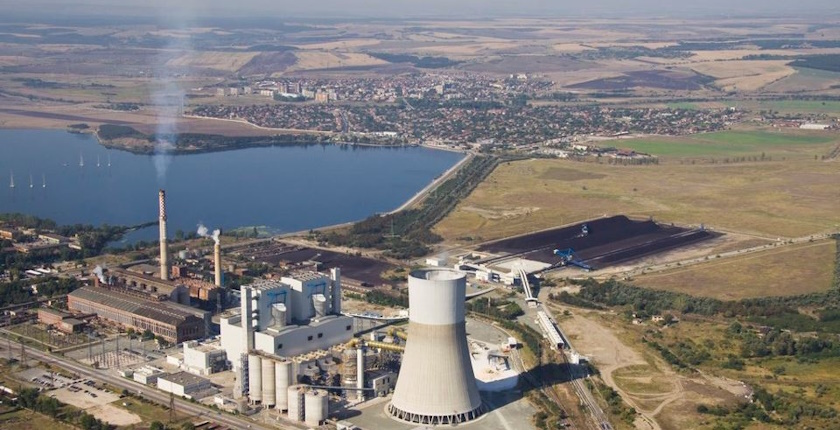
It opens up space for some other solutions in the emerging energy storage market which are nearing maturity. United States-based AES Corp.’s subsidiary in Bulgaria is examining one such overlooked opportunity. The molten salt reactor technology could revive the prospects of its coal power plant in Galabovo in Stara Zagora province.

The operator of the AES Maritsa iztok 1 (AES Maritsa East 1) facility is planning to transform one of the units into a so-called Carnot battery, Capital.bg reported. Such systems turn electricity into thermal energy and store it, to convert it back to electricity.

AES plans to maintain generator’s capacity

The company’s solution of choice is a molten salt reactor, which would replace the boiler. AES plans to power it with surplus renewable energy and produce steam for the existing 345 MW turbine. Importantly, among its other assets is the Saint Nikola wind power plant of 156 MW, the largest in Bulgaria.

The battery would hold enough heat to drive the unit at maximum power for five hours, translating to 1.73 GWh.

Coal plants can technically work nonstop, but the market has all but overrun most such facilities in Europe. Now they increasingly operate only when prices are high, covering peaks. It could make the business case for molten salt reactors and preserve jobs.

Molten salt is used in concentrated solar power (CSP) plants. They mostly use electrolytes such as alkali metal chlorides – sodium chloride, potassium chloride or lithium chloride – or nitrates: for instance, sodium nitrate or potassium nitrate.

Need for energy storage strengthening with rise in intraday price spreads

Market prices were negative on 2.8% of the days of last year, while they were lower than EUR 5 per MWh for 8.8% of the time. It compares to 1.9% and 5.5% in 2025, respectively, the article adds. The spread between the maximum and minimum prices is increasing. On 53% of days in the first half of this year, the difference was between EUR 100 per MWh and EUR 200 per MWh. The share of spreads above EUR 200 per MWh was 30%.

Such high amplitudes indicate both oversupply and shortages within the same day, amid the strong growth in variable renewables capacity.

by in News

One year in: insights from REIB’s inaugural BESS investments and increasing importance of safety standards

When discussing Europe’s green transition, battery energy storage systems (BESS) are often talked about as “the next big thing,” as the technologies have the potential to transform the grid, stabilise renewable energy sources, and enable new business models. However, while it’s easy to talk about storage, operating it with real assets, real risks, and real returns on the line is where theory meets reality. That is why hitting the one-year mark with two operational co-located BESS projects is more than just a date on the calendar for Renewable Energy Insurance Broker (REIB). It is a chance to look back at what worked, what caught them by surprise, and what they would tell anyone about to start their own storage journey.

In September 2024, REIB launched its own operational projects — a 4 MW / 8 MWh system and a 6 MW / 12 MWh system, developed together with Sunotec. They have now been in uninterrupted operation for twelve months, making them among the first large-scale storage sites in the region.

Eager to hear the first insights from REIB on two BESS facilities, we sat down with Delyan Iliev, Managing Director of REIB, to discuss the lessons learned from commissioning and operating these projects, and how their experience relates to broader market trends.

Delyan, achieving one year of uninterrupted operation is a significant milestone. What has stood out to you the most during this time?

One of the first things that became clear is the critical importance of certifications and compliance requirements from banks and insurers. They not only want to ensure that a project is technically sound but also require proof that it meets internationally recognised safety standards. In many cases, these certificates are prerequisites for financing. Without them, your project simply cannot move forward.

So, is early planning crucial?

Exactly. A preliminary consultation is not a formality; it is essential. When insurance professionals are involved from the beginning, we can identify and address technical or contractual issues before they escalate into costly problems. The same goes for having solid protection in the early stages of a project — too many investors believe that insurance is something you can add later. In reality, early-phase cover can mean the difference between a minor setback and a project-crippling loss.

And where does Business Interruption coverage fit into this?

That comes in a later stage, but it is equally important. Business Interruption insurance is not just about replacing lost revenue; it’s about making sure the cover matches your specific revenue model and contractual obligations. If those two are not aligned, you may face serious gaps in protection when you need it most.

REIB also works closely with clients during negotiations. How does this benefit them?

When “Insurance Requirements” are included in contracts, we are there with our clients in the negotiation room. We help to shape those clauses so that they are realistic and achievable. You don’t want to sign a contract only to realise later that you have agreed to provide policies that are impossible to obtain, have excessively high limits, or are prohibitively expensive.

Beyond that, we give our clients additional security by advising them on the most suitable insurance solutions and coverage structures for their specific project. This approach ensures that they meet their contractual obligations in a manner that is efficient, sustainable, and aligned with their risk profile.

Let’s talk about safety standards. How do they fit into this picture?

They’re the backbone of insurability. Because there’s no universal regulation for BESS yet, and rules can differ even within a single country, insurers have taken the lead in enforcing global benchmarks, such as UL, IEC, and NFPA standards. These cover everything from battery chemistry and fire safety spacing to manufacturing quality and site-specific studies. And they are not static; they evolve alongside technology.

For example, lithium ferro phosphate, or LFP, is now preferred over older chemistries like NMC (nickel, manganese, cobalt) because it is more stable, lasts longer, and is less risky. Aligning with these standards from the start not only makes insurance possible but also reassures lenders and streamlines the financing process.

And after a year, how do your projects measure up against these benchmarks?

Very well. Early alignment with international safety standards enabled us to avoid delays in securing insurance and financing. It also gave us leverage in our dealings with contractors and suppliers, because the requirements were clear from the very beginning, and everyone involved in the project knew what had to be delivered. This approach not only reduced uncertainty but also helped us manage risks more effectively during construction and commissioning.

That is your own experience. How does it fit with REIB’s broader role in the European market?

At REIB, we are proud to help unlock the potential of storage projects, and the scale speaks for itself: in 2024, Europe installed a total of 21.9 GWh of BESS, while in just the first six months of 2025, we insured more than 6 GWh — with projects in Bulgaria, Germany, and the UK. This demonstrates both the speed of market growth and the trust our clients place in us to manage their complex insurance requirements.

Finally, if you had to give one piece of advice to investors who are just starting their BESS journey, what would it be?

Don’t wait until your project is fully designed to think about insurance. The right insurance strategy is as important as the right technology. Too many projects lose valuable time and money because risk management is treated as an afterthought. Our experience shows that when insurance expertise is integrated from the earliest stage, financing is smoother, negotiations are easier, and the project stands on much firmer ground.

We already know how to align BI coverage with your revenue model, which certifications are non-negotiable for financing, and how to avoid uninsurable contract clauses. If you’re planning a BESS or hybrid project, talk to us before you break ground. It will save you time, money, and a lot of headaches in the long run.

by in News

Coal plant operator KEK to begin construction of Solar4Kosovo PV plant

Government-controlled Kosovo Energy Corp. (KEK) said it is preparing to start building its Solar4Kosovo 1 photovoltaic plant near Prishtina. It informed the local community that agricultural and other activities weren’t allowed anymore on the designated land.

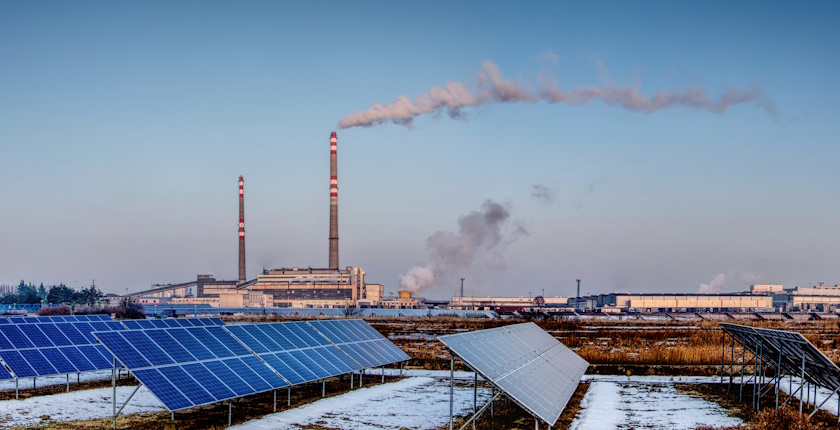
After four years of planning. a former coal ash dump is about to be turned into the biggest solar power plant in Kosovo*. KEK is running the Solar4Kosovo 1 project at a site near its Kosovo A power plant near Prishtina.

The area is in the municipalities of Obiliq (Obilić) and Fushë Kosovë (Kosovo Polje). The government-owned power utility said it is preparing to begin construction works. The project is for 100 MW in connection capacity, translating to 120 MW in peak capacity.

The update mainly affects residents of Dardhishtë and Mërlak in Kryshevc (Kruševac) in Obiliq municipality. Agricultural and other activities aren’t allowed anymore, the company announced. It explained that so far it tolerated the use of its property there by the local community.

KEK obtained EUR 32 million EU grant

The financing for the Solar4Kosovo facility is part of the European Union’s Economic and Investment Plan for the Western Balkans of EUR 9 billion in grants. The package is aimed at mobilizing a total of EUR 30 billion.

The European Investment Bank is providing a EUR 33 million loan. The EU has approved a EUR 32 million grant via its Western Balkans Investment Framework (WBIF), while Germany’s KfW Development Bank is lending EUR 29 million to KEK. The investment was earlier estimated at EUR 107 million overall.

Annual output estimated at 169 GWh

The proposed solar power plant is expected to produce 169 GWh per year. It would have an underground connection to the existing substation at the Kosovo A thermal power plant.

Notably, Kosovo* is dependent on the obsolete Kosovo A and Kosovo B coal plants for almost all its electricity.

The other part of the Solar4Kosovo project is for a solar thermal facility for the capital city’s district heating system. The site is in the village of Shkabaj (Orlović) in Obiliq municipality. The investment includes a 20 MW network extension.

* This designation is without prejudice to positions onstatus and is in line with UNSCR 1244/99 and the ICJ Opinion on the Kosovo declaration of independence.
by in News

European electricity industry issues Paris Pledge on pumped storage hydropower

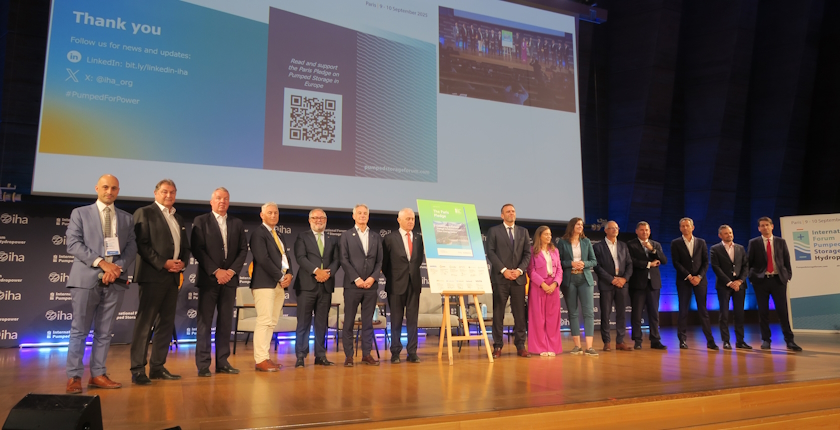
The International Hydropower Association (IHA) and Eurelectric launched the Paris Pledge. It is a collective call to action, aimed at unlocking the potential of pumped storage hydropower in Europe. The signatories urge the European Union and national governments to create the right conditions for long-duration storage to meet clean energy goals.

Over 50 utilities, hydropower suppliers and energy-focused associations have signed the Paris Pledge. The document’s alternative headline is Committing to Pumped Storage to Secure Europe’s Clean Energy Future.

The International Hydropower Association (IHA) and Eurelectric – Union of the Electricity Industry launched the initiative. They warned that Europe faces an urgent and growing need for long-duration electricity storage to secure a reliable, affordable and sustainable energy future.

Amid the transition to a renewables-dominated power system, the ability to store and dispatch electricity over long periods will be critical to balance variable generation from wind and solar, ensure grid stability and resilience, and reduce reliance on imported fossil fuels, the authors stressed. They called pumped storage hydropower or PSH the most important, scalable and cost-effective long-duration electricity storage solution available today. It still provides over 90% of the world’s long-duration electricity storage capacity.

PSH is currently the most important, scalable and cost-effective long-duration electricity storage solution, the industry pointed out

By 2050, around 86% of production capacity in Europe will come from variable sources, according to the material accompanying the Paris Pledge. Encouragingly, 78 pumped storage hydropower projects are under development, for 35 GW overall. The EU accounts for over 32 GW, and the rest is in Switzerland, Norway and Turkey.

The combined pipeline would provide storage capacity in excess of 700 GWh, equivalent to more than 10 hours of consumption of Italy and Spain taken together. There is 3.9 GW in the ready-to-build phase, and 2.8 GW is under construction. Of note, an earlier report showed 52.9 GW of PSH was under development.

The existing capacity amounts to 48 GW, compared to 190 GW globally. In the EU, pumped storage hydropower systems can store 1.2 TWh overall.

Photo: Types of pumped storage (IHA, Eurelectric)

Paris Pledge calls for separate legislation for long-duration energy storage

Among other proposals, the signatories are asking the EU for a dedicated initiative to boost the rollout of electricity storage. They suggested legislation to be separate for long duration, short duration and other solutions.

The Paris Pledge calls on member states to remunerate the provision of system services and security of supply for all time frames. They should eliminate double grid fees on electricity storage technologies and accelerate permitting for PSH, the document reads.

With strong political commitment, Europe can double its pumped storage hydropower capacity in the next 25 years, according to the Paris Pledge. In-person signatories represent EDP, EDF, Iberdrola, Andritz, Enel, Statkraft, Voith, Hydrogrid, Verbund, Landsvirkjun and GE Vernova.

Pumped storage hydropower’s contribution during Iberian Peninsula blackout

During the power blackout in Spain and Portugal on April 28, pumped storage played a pivotal role in balancing and supporting the recovery of the system. In Spain, PSH generated 11 GWh of electricity in the first 12 hours, instead of the planned 12 GWh recharge. Similarly, in Portugal, hydropower and pumped storage covered 80% of the demand in the first ten hours.

Such facilities also made a major contribution to restoring the electricity grid in the entire peninsula, thanks to their so-called black start capability. It allows the power plant to be restarted without relying on external power sources and to reenergise the power system.

“Very few technologies can provide this function. As a result, within a few minutes, the first pumped storage plants were ready for synchronization and awaiting dispatch instruction” from transmission system operators, notes the report published with the Paris Pledge.

by in News

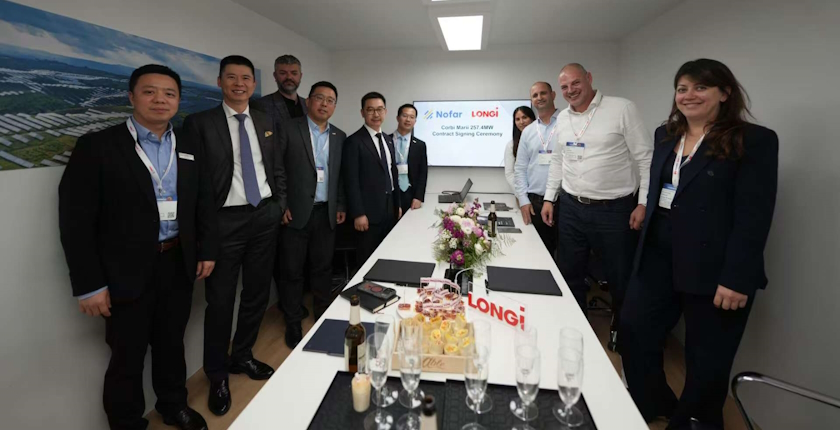
LONGi and Nofar Energy forge landmark partnership for Romania’s largest solar project using revolutionary BC technology

LONGi Solar, the global leader in solar innovation, and Israel’s premier renewable energy developer Nofar Energy have announced a historic partnership to develop one of Romania‘s largest solar installations – the 282 MW Corbii Mari project in Dâmbovița county. This pathbreaking collaboration will deploy over 430,000 Hi-MO 9 BC modules, establishing back contact technology as Europe’s definitive solution for utility-scale energy transformation while marking Nofar’s most ambitious international venture to date.

The Corbii Mari photovoltaic project of 282 MW will go into production in 2026. It represents a dual milestone in Europe’s renewable transition. As Nofar Energy’s largest overseas IPP investment, it anchors the Israeli leader’s strategic expansion into European markets. Simultaneously, the installation stands as Romania’s largest BC deployment, leveraging Hi-MO 9’s industry-leading 24.8% efficiency to overcome the region’s climatic challenges. The project’s seamless execution demonstrates how the BC technology of LONGi Solar delivers unparalleled bankability for developers navigating Europe’s complex energy landscape.

The two companies have agreed to deploy more than 430,000 Hi-MO 9 BC modules.

Leon Zhang, President of LONGi Europe, emphasized the project’s transformative impact: “Corbii Mari transcends conventional solar deployments – it’s a powerful validation that BC technology has matured into Europe’s utility-scale foundation. By choosing Hi-MO 9 for their flagship European venture, Nofar Energy demonstrates how visionary partners are accelerating the energy transition through technological leadership.”

The 282 MW Corbii Mari initiative positions back contact modules as Europe’s utility-scale standard

Mirel Jarnea, Strategic Accounts Manager SEE of LONGi Europe, added: “Nofar’s selection of Hi-MO 9 is a testament to the global energy sector’s recognition of BC technology as the ultimate frontier in solar innovation. This partnership reaffirms our commitment to delivering solutions that redefine efficiency, durability, and sustainability.”

Setting benchmark for sustainable innovation

Favi Stelian, Managing Partner Romania of Nofar Energy, stated: “The Corbii Mari project represents a defining moment for Nofar Energy’s European vision. By partnering with LONGi and deploying Hi-MO 9 BC technology, we are not only delivering Romania’s largest solar initiative but also setting a new benchmark for sustainable innovation across the continent.”

The project harnesses Hi-MO 9’s revolutionary back contact architecture to achieve exceptional performance in Romania’s variable climate. The modules’ temperature resilience and 30-year degradation guarantee ensure consistent energy generation, while the ultra-high power output minimizes land use – preserving Dâmbovița county’s agricultural ecosystems.

With an estimated annual output of 380 GWh, Corbii Mari will displace 220,000 tonnes of carbon emissions annually, equivalent to removing 48,000 combustion-engine vehicles from roads while powering over 50,000 Romanian households.

Positioned at the vanguard of Eastern Europe’s energy transition, Corbii Mari establishes a replicable model for Nofar’s expanding multi-GW European pipeline. The collaboration signals accelerating regional adoption of BC technology, with project insights informing solar development across emerging markets where efficiency and bankability are paramount.

About LONGi

Founded in 2000, LONGi is committed to being the world’s leading solar technology company, focusing on customer-driven value creation for full scenario energy transformation.

Under its mission of Making the Best of Solar Energy to Build a Green World, LONGi has dedicated itself to technology innovation and established several business sectors, covering mono silicon wafers cells and modules, commercial and industrial (C&I) distributed solar solutions, green energy solutions and hydrogen equipment. The company has honed its capabilities to provide green energy and, more recently, also embraced green hydrogen products and solutions to support global zero-carbon development.

About NOFAR Energy

Founded in 2011, Nofar Energy is a global leader in renewable energy investments. Since 2020, Nofar has been a public traded company (TASE: NOFR) at the Tel Aviv Stock Exchange. For the last 12 years, Nofar has been growing rapidly and consistently, with an extensive portfolio of projects and subsidiaries across nine territories, 200 employees worldwide, and major renewable energy and energy storage projects.