by in News

Satellite dishes get new life, hosting solar panels for data center

A Swiss telecom service provider converted unused satellite dishes into solar dishes, powering its data center’s rising energy needs. Smart energy tech firm SolarEdge provided its DC-optimized inverter solution, overcoming the challenge of shading.

CKW, a Swiss provider of integrated energy and building technology solutions, has transformed disused satellite dishes located on the premises of telecom service provider Leuk TDC. The project was developed in collaboration with smart energy technology company SolarEdge, highlighting the potential of repurposing infrastructure for solar.

Instead of disposing of the parabolic antennas, they now host photovoltaic systems. Axpo’s subsidiary CKW fitted two satellite dishes in Leuk, Switzerland, with 307 solar panels each.

The new design for the complex, constructed in 1972, enables meeting the energy requirements of Leuk TDC’s power-hungry data centre. Each dish generates an estimated 110 MWh of clean energy per year. The telecommunications firm has also installed a rooftop solar system on the main building of the computing and data centre, for a further 555 MWh.

The data centre is powered by hydroelectric plants as well, so its electricity demand is covered with 100% renewable energy.

[wpcc-iframe title=”Case study: Satellite Dish to PV System – Leuk, Switzerland” width=”500″ height=”281″ src=”https://www.youtube.com/embed/dR2ETrx3aJ0?feature=oembed” frameborder=”0″ allow=”accelerometer; autoplay; clipboard-write; encrypted-media; gyroscope; picture-in-picture; web-share” referrerpolicy=”strict-origin-when-cross-origin” allowfullscreen=””]

SolarEdge systems maximizing output of each pair of PV panels in satellite dishes

Given the complex orientation and inclination of the solar panels on the satellite dishes, shadows threatened to reduce the efficiency of the solar system. With traditional string solar inverters, they reduce the overall performance of the solar array to match the weakest-performing panel on the string, meaning one shaded panel could reduce energy yield considerably.

In a string structure, a photovoltaic unit in a satellite dish wouldn’t be cost-effective

SolarEdge’s DC-optimized inverter solution was used with Power Optimizers, attached to the underside of every pair of solar panels. It enables the solar system to mitigate the impact of module mismatch on the satellite dishes. Inverters turn the direct current (DC) from PV panels into alternating current (AC).

“Having design flexibility with a solar installation is a huge benefit for installers. In complex cases such as these, with uneven surfaces, without the use of power optimizers we simply would not have been able to achieve anywhere close to the level of energy being produced today. I recommend that others planning similar solar installations allocate sufficient time for planning and collaborate with trusted personnel to overcome any technical challenges,” said CKW’s Deputy Head of Solar Technology for Central Switzerland Manuel Jossi.

Making use of existing ability to track sun’s movement

The combination of PV and hydropower provides Leuk TDC with more financial stability by reducing its dependency on variable grid electricity costs. “The satellite dishes were becoming obsolete, so we always knew we wanted to make use of them in some way or another,” the company’s Chief Executive Officer John Harris explained.

One other advantage is that the parabolic antennas follow the sun’s path throughout the day, maximizing the solar power output.

by in News

World Environment Day 2025: Beat Plastic Pollution

World Environment Day, celebrated on June 5, was established by the United Nations in 1973. This year’s host country is South Korea and the main messages are focused on fighting plastic pollution.

The theme of this year’s World Environment Day calls for action to address plastic pollution. The hashtag #BeatPlasticPollution is part of the global campaign, led by the United Nations Environment Programme (UNEP), aiming to mobilize communities worldwide to implement solutions. It builds on growing scientific evidence of the impact of plastic pollution and calls for reducing plastic use, reusing it, recycling it, and rethinking our consumption habits.

Plastics are part of everyday life, used in everything from kitchenware to medical devices. It’s estimated that humanity has produced about 9.2 billion tonnes of plastic since the mid-20th century, of which seven billion tonnes have become waste. In addition, plastic production is a major contributor to the climate crisis. It is among the most energy-intensive industrial processes, accounting for approximately 6% of global oil consumption.

Each year, some 11 million tonnes of plastic waste end up in rivers, lakes, seas, and finally, oceans. Plastic breaks down into microplastics—tiny fragments measuring between one nanometer and five millimeters. Such particles have been found in the deepest part of the ocean, the Mariana Trench, as well as on the highest point on Earth – Mount Everest.

An individual consumes over 50,000 plastic particles per year on average

Plastic enters the bodies of humans and animals through breathing and ingestion. It is estimated that each person on the planet consumes more than 50,000 plastic particles annually, and much more when inhalation is taken into account. Some studies suggest that nanoplastics smaller than one micrometer can even pass through the skin.

Microplastics also accumulate in soil through sewage, landfills, and the use of plastic in agriculture. One study found that microplastics disrupt photosynthesis, which may threaten food production.

The annual social and environmental cost of plastic pollution is estimated to be between USD 300 billion and USD 600 billion.

[wpcc-iframe title=”Together, we can #beatplasticpollution” width=”500″ height=”281″ src=”https://www.youtube.com/embed/eqapZ8obCGs?feature=oembed” frameborder=”0″ allow=”accelerometer; autoplay; clipboard-write; encrypted-media; gyroscope; picture-in-picture; web-share” referrerpolicy=”strict-origin-when-cross-origin” allowfullscreen=””]

Circular economy as a solution

The key to reducing plastic waste lies in shifting to the principles of a circular economy. It involves rethinking how plastic products are designed, produced, and used. Current estimates show that only 21% of plastic is economically recyclable, meaning the value of the recycled material is high enough to cover the cost of collection, sorting, and processing. In reality, only around 9% of the plastic produced is recycled.

Plastic products should be designed to be reusable, and recyclable at the end of their life cycle. Additionally, companies should stop adding unnecessary microplastics to their products.

Strengthening waste collection and recycling systems would help prevent plastic products from entering the environment, where they break down into microplastics.

South Korea is among the trailblazers in tackling plastic waste

This year’s host of World Environment Day is the Jeju province in South Korea, which is among the countries leading the efforts to tackle plastic waste. It relies on decades of its experience engaging businesses through extended producer responsibility.

South Korea’s plastics strategy addresses the entire life cycle – from production and design to use, reuse, and recycling. Through collaboration between the government, industry, and citizens, the country is building a circular economy and reducing waste at the source.

In 2022, Jeju, an island and archipelago, set the goal to become free of plastic pollution by 2040. It is the only province in South Korea where residents are required to dispose of waste at specialized recycling centers, encouraging better waste separation and higher recycling rates. Jeju was also the first to introduce a deposit-refund system for single-use cups.

by in News

Photovoltaics recycling gains traction in Greece with new facilities

Two recycling facilities for solar panels are complete in Greece, while another one is expected to follow soon.

The business case behind the investments in recycling is solid, as more and more older solar farms will reach the end of their operational life, which is 20-25 years. European and national laws stipulate that such equipment must be recycled to reduce pollution and reuse critical minerals as much as possible.

However, owners who prefer to replace their equipment even before the end date is reached are also interested in recycling. The reason is the much higher efficiency of modern photovoltaics.

The factor is gaining in importance as solar panel prices have dropped, while curtailments have been on the rise for two years.

Fotokiklosi is currently the only active licensed company in the sector. It exports photovoltaic waste to Italy for recycling and also specializes in appliances, bulbs and electronics.

However, new opportunities emerge, as other companies have invested in the country’s first recycling facilities. They are situated in Ritsona in Central Greece, in the island of Crete and in Kozani in the Western Macedonia province in northern Greece. The first two are already operational, while the third one is almost complete.

Massive drop in prices

Competition seems to be heating up. According to energypress.gr, Fotokiklosi was charging EUR 300 per ton of photovoltaic waste six years ago, EUR 150 per ton in 2023-2024, and after that only EUR 90 per ton.

It should be noted that the process begins with the payment of a fee from the retailer or importer of panels to the recycling system operator. The recycling company collects the money and pledges to handle the waste after the panels’ operational life has ended.

Fotokiklosi is currently awaiting a new license from the Hellenic Recycling Agency (HRA or EOAN), based a suggested price of EUR 90 per ton.

With the new plants in Greece, old panels will no longer have to be transferred to Italy for recycling. The lower overall cost makes the choice easier for Greek solar farm owners.

by in News

Rörig (E.ON): Croatia charges up to six times higher e-waste fees on solar panels than other EU states

Croatia charges a waste fee on solar panels of EUR 300 per ton, up to six times more than other European Union countries. The levy slows down the expansion of solar energy, Andreas Rörig, president of the Management Board of E.ON Croatia, told Balkan Green Energy News.

In addition to the one-off e-waste management fee, hindering investments, another issue is that Croatia doesn’t have a system for collecting and recycling solar panels.

Andreas Rörig’s post on LinkedIn received a lot of public attention. He wrote that in Croatia high fees and regulatory barriers, including the ones related to waste, are holding back solar’s potential. With a waste fee of EUR 0.3 per kilogram (EUR 300 per ton), the profitability of solar investments is at risk, he added.

The fee in other EU countries ranges from EUR 50 to EUR 150

Rörig explained that a comparison with other EU member states demonstrates that fees in Croatia are significantly higher than in neighboring countries. For example, they range from EUR 50 to EUR 150 in the Netherlands, Belgium, Slovenia, and Hungary.

The fee is paid on total weight, which is more than 20 kilograms per panel, according to E.ON. Even more concerning is the disproportionate taxation: 80% to 90% of a solar panel’s mass consists of easily recyclable materials that aren’t classified as e-waste, yet the fee is charged on the total weight.

“This approach discourages investment, slows Croatia’s progress toward energy transition, and contradicts the country’s goals of reducing emissions and increasing energy efficiency. A practical example of why solar energy accounts for less than 2% of Croatia’s energy mix – far below its true potential,” Rörig stated.

There are signs that things are about to change

Therefore he recommended reducing the electronic waste management fee for solar panels and suspending the obligation until a functional disposal system is in place. He confirmed there is currently no functional system for the collection, processing, and recycling of e-waste from solar panels in Croatia.

“However, there are positive indications that the fee will be reduced and that the system will be established. We believe that the Environmental Protection and Energy Efficiency Fund or FZOEU has recognized the needs of the industry. E.ON supports such measures because we believe that they will fix the problem and enable easier waste management,” Rörig stressed.

by in News

PPC plans EUR 5.8 billion makeover of Western Macedonia coal region, including data centers

Public Power Corp. (PPC) presented a EUR 5.8 billion investment plan for the coal region of Western Macedonia in northern Greece. It held the ceremony in the retired Kardia 2 lignite-fired power plant.

According to PPC’s chairman and CEO George Stassis, the endeavor consists of the decommissioning of old assets and the rollout of new energy technologies.

Stassis: Western Macedonia can reinvent itself

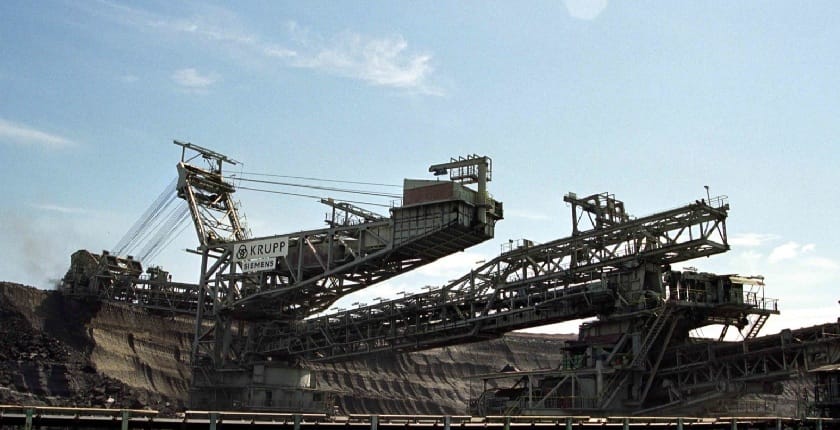
PPC, or DEI in Greek, said it would return to the government 8,000 hectares of coal land that it no longer needs, after completely restoring it. All equipment, such as 400 kilometers of lignite conveyor belts, cooling towers and excavators, are planned to be recycled up to 95%.

According to the decarbonization timeframe, Ptolemaida 5 will be the last coal plant in the country, continuing to operate until the end of 2026. It is set to be converted to a gas power plant with a capacity of 350 MW. PPC is also open to upgrading it to 500 MW or even 1 GW.

New photovoltaics, storage underway

“Western Macedonia can reinvent itself using new technology,” said the CEO.

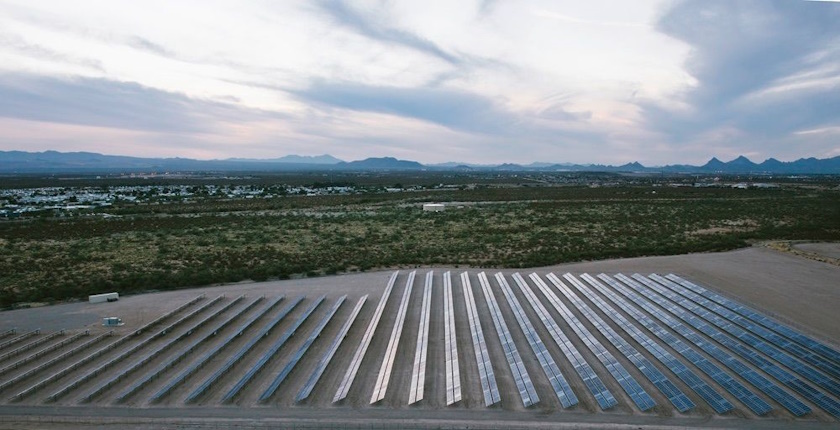
The group aims to install a total of 2.1 GW in photovoltaics across the region. A 550 MW solar power plant in the former lignite mine of Ptolemaida is almost complete. It will be the biggest in the Balkans. Separately, a group of clusters of 940 MW is under construction within the Meton joint venture with German RWE.

Energy storage is another major segment in PPC’s investment plan. Within the next three years, it aims to funnel EUR 940 million for a total capacity of 860 MW. It includes two pumped storage hydropower projects. The one in Kardia is for 320 MW and an eight-hour storage duration, and the other in the South Lignite Field – 240 MW and a 12-hour duration. The projects are worth EUR 430 million and EUR 310 million, respectively.

Equally important, battery storage units of 300 MW altogether would be installed in Amyndaio, Akrini, Meliti and Kardia in the country’s main coal region. The other one is Megalopolis in the Peloponnese.

PPC plans a 50 MW hydrogen production facility together with Motor Oil, as Hellenic Hydrogen, and a cogeneration plant to cover district heating needs from the end of 2026.

Large 300 MW data center

Last but not least, the Greek group aims to create a 300 MW data center, as part of an investment of EUR 2.3 billion. A subsidiary in fiber optic cables would upgrade the telecommunication links with Thessaloniki and Igoumenitsa to improve data flow in Greece and abroad.

If conditions are favorable, PPC would further upgrade the data center to 1 GW, increasing its investment by EUR 5.4 billion.

Greek Prime Minister Kyriakos Mitsotakis said at the event that existing infrastructure in Western Macedonia is a great advantage.

  • 1
  • 2