by in News

Serbia eyes last quarter of 2027 for power market coupling with EU – SEEPEX CEO

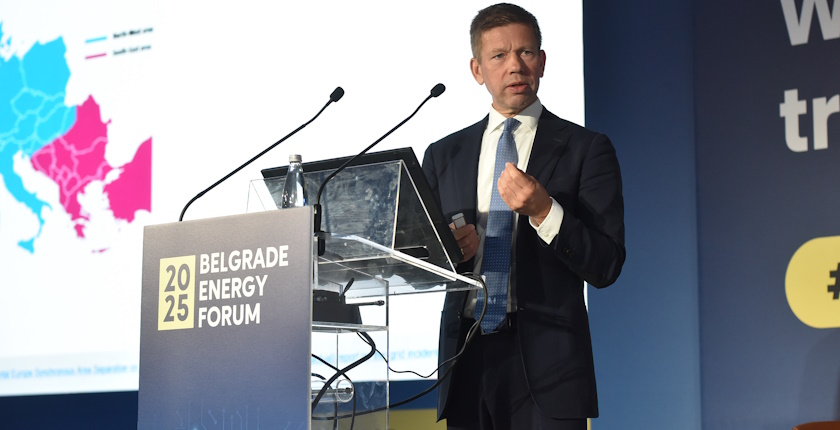
Serbia is targeting the last quarter of 2027 for coupling with the European Union’s single day-ahead market, Serbian power exchange SEEPEX’s Managing Director Miloš Mladenović said.

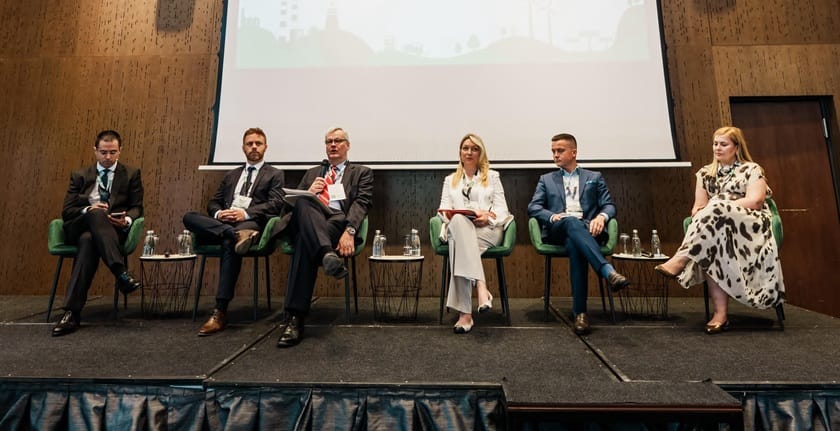
Miloš Mladenović was one of the speakers at the Energy Connectivity, Resilience and Security in Southeastern Europe panel at the 14th International Forum on Energy for Sustainable Development in Skopje.

He recalled that a few weeks ago, the European Commission finally published the governance for the verification process regarding the transposition of the Electricity Integration Package (EIP) for market coupling by the contracting parties of the Energy Community.

SEEPEX would try to reduce the required time

Also, he added, it would took up to six months starting from the new year to implement the Market Coupling Operator Integration Plan (MCO IP).

“I think that in the middle of next year, we can start with this famous 18 months, which is regular time to implement the single day-ahead coupling (SDAC),” Mladenović stressed.

He underlined that within the extended ADEX family, with EPEX Spot and the transmission system operators (TSOs), which are shareholders, they would try to reduce the required time at the market coupling steering committee.

“Our common goal now is to try to catch this time slot, the last quarter of 2027,” he stated.

Mladenović noted that it is usual to use the first quarter of a year for the single day-ahead coupling (SDAC), and the last quarter for single intraday coupling (SIDC).

SEEPEX plans to proceed with intraday coupling with Hungary

“I hope that we would have understanding within the nominated electricity market operators (NEMOs) and the TSOs community to catch this thing and to have this last quarter of 2027 as a time slot for SDAC coupling,” he explained.

After that, SEEPEX plans, in his words, to proceed with intraday coupling with Hungary.

He pointed out that a few days ago, SEEPEX received positive feedback from the Italian Border Working Table (IBWT) regarding its initiative to couple Serbia with Bulgaria.

Now the request will be provided to national regulators for a confirmation letter, he added.

“I hope that for all other neighboring contracting parties of the Energy Community, the Serbia-Hungary coupling could be a vehicle to speed up the process,” Mladenović asserted.

European Commission to allow acceleration of market coupling

Mladenović also highlighted the experience Serbia had with the legal and regulatory side of the coupling process. “I will put business and technical parts aside, because I’m sure that my colleagues, both the power exchanges and the TSOs, are ready to implement all that is needed for the coupling,” he added.

The legal and regulatory process is, in his words, very demanding, because there are 10 grid codes to be transposed to align all the rules with the country’s market rules, with the transmission codes and with the legal framework.

He expressed doubt that the neighboring countries could achieve such speed.

“It could be some joint request to the European Commission to try to make coupling processes parallel. We insisted on this from the beginning. I hope that our colleagues from the region will get the green light to implement the project even before the legal and regulatory framework are in place,” Mladenović stressed.

He said he believes that the Serbia-Hungary coupling and the future Serbia-Bulgaria coupling could be a shiny start, leading soon to the entire region’s coupling with the EU internal market.
by in News

Montenegro, Italy sign memorandum on electricity market coupling

A memorandum of understanding on Italy and Montenegro’s electricity market coupling was signed in Rome. It also paves the way for the installation of the second cable of the Monita interconnector, which runs under the Adriatic Sea.

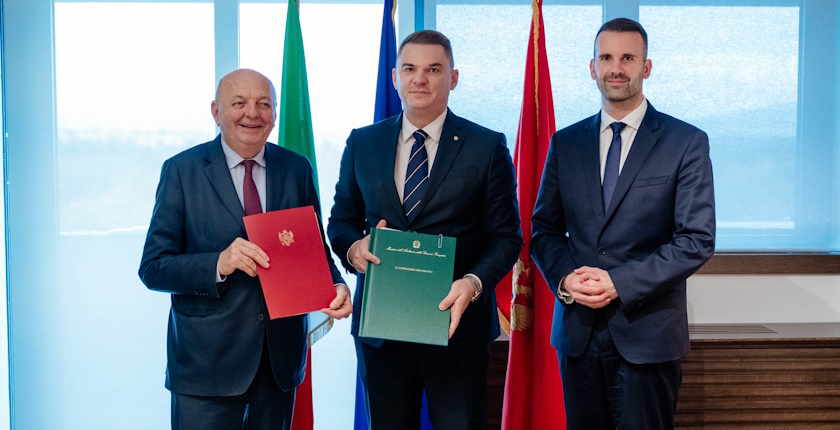
Minister of Energy and Mining of Montenegro Admir Šahmanović (pictured middle) and Italian Minister of the Environment and Energy Security Gilberto Pichetto Fratin (left) pointed out that energy links mean a more secure future, more stable supply and more development possibilities. They signed a bilateral memorandum of understanding on electricity market coupling.

Montenegrin Prime Minister Milojko Spajić (right) attended the ceremony together with Minister of Public Works, Spatial Planning and State Property Majda Adžović. The agreement is opening a new chapter in cooperation between the two countries and further strengthens Montenegro’s position on the European energy map, the Ministry of Energy and Mining said.

Market coupling alongside strengthening interconnection with second cable

Montenegro and Italy are linked with the Monita electricity interconnector, laid below the Adriatic Sea. In the new phase of their cooperation, they intend to couple their electricity markets for a freer power flow and safer functioning of the system, the ministry’s announcement reads.

“With this agreement, Montenegro is confirming its status as a reliable partner and energy bridge between the region and Europe. After several years of stagnation, this is a bit step forward, as it enables us to initiate the continuation of the project and the construction of the second wire of the subsea cable toward Italy. It opens the possibilities for our green, clean energy to become a distinguished export product, which means new income for companies and greater competitiveness in the European market. Today we once again confirmed good neighborly relations with Italy and we are showing that Montenegro is, slowly but firmly, entering the European family through concrete projects and partnerships. This is a step that brings our citizens long-term energy security and new opportunities for development to our companies,” Šahmanović stated.

Trade at Montenegro’s wholesale electricity market is expected to triple

There are 29 companies from 13 countries participating in Montenegro’s electricity market. Since the day-ahead market was established at the Montenegrin Power Exchange (MEPX or Belen) in April 2023, some 900 GWh of electricity changed hands, while the entire volume, together with the long-term market, amounts to about 3 TWh, the statement adds.

The memorandum’s implementation will create the conditions for at least three times higher trading volume, clearer price signal for new investments and a direct contribution to improving the security of supply, the ministry claimed.

National transmission system operators (TSOs) Terna and CGES have commissioned the first part of the interconnection in 2019. The current plan is to double the capacity to 1.2 GW. Šahmanović recently said the second line should be installed by 2031.

The project is valued at EUR 500 million. A double cable enables a two-way exchange at the same time.

by in News

Energy Community’s CBAM Readiness Tracker: Western Balkans still far from exemption as full implementation nears

With less than three months remaining until the European Union’s Carbon Border Adjustment Mechanism (CBAM) is fully implemented, none of the Energy Community’s contracting parties has yet qualified for an exemption in the electricity segment, according to the 2025 CBAM Readiness Tracker. However, the Energy Community’s report suggests that efforts to meet the are gaining momentum, with Serbia, Moldova, North Macedonia, and Montenegro leading the way to market coupling with the EU, and almost all contracting parties planning to introduce carbon pricing.

These efforts signal a growing readiness across the Energy Community to turn CBAM into a catalyst for deeper regional energy market integration and decarbonization, according to the annual report.

“The progress reflected in this year’s tracker underlines that CBAM can drive – not deter – regional cooperation on the energy transition,” Energy Community Secretariat Director Artur Lorkowski stressed and added that the scheme should “serve as a bridge into the EU, not a barrier.”

Lorkowski: CBAM should serve as a bridge into the EU

Starting on January 1, 2026, the EU will charge fees on the CO2 emissions of goods imported from countries that don’t apply matching carbon pricing schemes. In addition to electricity, the carbon border tax will cover cement, iron and steel, aluminum, fertilizers, and hydrogen.

Serbia faces the highest exposure to CBAM costs

Estimates based on 2024 data show the CBAM exposure of EU electricity importers could reach around EUR 1.17 billion a year. Serbia accounts for the largest share, with an estimated EUR 612.5 million in annual CBAM costs, followed by North Macedonia, with about EUR 200 million, Montenegro, EUR 190 million, and Bosnia and Herzegovina, EUR 158 million. Moldova’s exposure is about EUR 6 million, while Albania, which has an electricity mix almost entirely dominated by renewables, faces no CBAM-related costs, according to the report.

The estimated average CBAM cost per megawatt-hour is EUR 33.14 for Moldova, EUR 59.71 for North Macedonia, EUR 62.45 for Montenegro, EUR 66.71 for Serbia, and EUR 73.37 for Bosnia and Herzegovina.

The criteria for a CBAM exemption for electricity include integrating the power market with the EU and introducing a carbon pricing system. A contracting party must also adopt EU regulations on energy, electricity, environment, and competition, increase the share of renewables in its energy mix to align with the EU’s 2030 targets, commit to climate neutrality by 2050 and submit a related roadmap to the EU, and implement measures to prevent indirect electricity imports from non-compliant countries.

Advances evident in emissions, renewables, and market coupling

The 2025 CBAM Readiness Tracker shows that last year alone, carbon intensity across the contracting parties’ power sectors fell by an average of 11%. At the same time, capacity from renewables, excluding large hydro, surged to 5.1 GW from 2 GW between 2020 and 2024. The expansion was driven almost entirely by solar and wind, helped by renewable energy auctions.

When it comes to electricity market integration, no contracting party has completed market coupling with the EU. However, Serbia, Moldova, North Macedonia, and Montenegro are approaching a “point of no return,” which represents a full transposition of EU regulations relevant for market coupling, according to the tracker.

The energy transition unfolding across the Energy Community contracting parties is both tangible and measurable, Adam Cwetsch, Head of the Green Deal Unit at the Energy Community Secretariat, told Balkan Green Energy News. “Carbon intensity in electricity production and economic output continues to fall, while renewable energy deployment accelerates through competitive auctions. This progress reflects a clear commitment to European decarbonisation goals and lays the foundation for deeper energy market integration and long-term climate neutrality,” he stressed.

The secretariat remains committed to ensuring the process continues smoothly – without obstacles from possible unintended impacts of CBAM, Cwetsch said.

Even though no contracting party has introduced a carbon pricing instrument for electricity, almost all of them have outlined plans to establish domestic systems that reflect their specific circumstances.

“This is a crucial step toward alignment with the EU’s carbon pricing framework under CBAM. The rollout of monitoring, reporting, and verification systems across the region is laying the groundwork for implementation and demonstrates growing readiness and credibility, even as timelines remain tight and challenges persist,” Cwetsch stated.

Available carbon pricing models are carbon taxes, ETS and a combination of the two

The available models are a carbon tax, an emissions trading system (ETS), and a hybrid version. The only contracting party that has no plans to introduce carbon pricing is Kosovo*, according to the report.

All contracting parties have concluded agreements to apply EU law in the fields of energy, electricity (including renewable energy), the environment, and competition. In each of them, the implementation of renewable energy legislation is either underway or showing visible progress, the report shows.

No Western Balkan country has included the EU’s 2050 climate goals into national legislation

On the other hand, Ukraine and Moldova are the only ones that have included the 2050 climate neutrality objective in national legislation, while no contracting party has submitted a corresponding roadmap to the EU.

Another requirement that no one has yet fulfilled is the establishment of an effective system to prevent indirect import of electricity into the EU from other third countries or territories that do not meet the CBAM exemption criteria for electricity.

* This designation is without prejudice to positions onstatus and is in line with UNSCR 1244/99 and the ICJ Opinion on the Kosovo declaration of independence.
by in News

Šahmanović: Montenegro expects first large private wind and solar plants to be online in 2026

Over the past year, Montenegro has adopted two reform laws – on energy and on renewable energy sources – and scheduled its first auctions for market premiums. Admir Šahmanović, Minister of Energy and Mining, told Balkan Green Energy News that the new regulations fully align the sector with the European Union acquis, sending a clear signal to investors that Montenegro now has a stable regulatory framework and market-based prices that safeguard citizens’ interests. Becoming part of the European energy space, he added, is not only a political goal but also the path Montenegro should follow to ensure cleaner and more secure energy for future generations.

Admir Šahmanović served as Minister of Mining, Oil and Gas in the government of Prime Minister Milojko Spajić. In February this year, he became the coordinator of the Ministry of Energy, and since April, he has served as Montenegro’s Minister of Energy and Mining. In an interview with Balkan Green Energy News, Šahmanović discusses his plans to mobilize larger investments, Montenegro’s timeframe for coupling its electricity market with Italy and the EU, the ministry’s steps to prepare the country for the EU’s carbon border tax, and plans for investments in the natural gas sector.

What are the key innovations introduced by Montenegro’s law on renewable energy sources?

The law on renewable energy sources introduced, for the first time, a clear, competitive and fully transparent support mechanism for green energy production – an auction scheme.

Over the past months, we have worked hard to ensure the law really takes hold. We have prepared about 15 by-laws that enabled us to launch the first auctions. I believe this is one of the most important contributions of the new law, as it sends a clear message to investors that Montenegro has a stable framework and market-based prices that safeguard citizens’ interests.

In this way, we are laying a solid foundation for a rapid energy transition, which is both our strategic choice and our responsibility to future generations.

Montenegro has also adopted a new law on energy. What does this regulation bring?

The Law on Energy is our umbrella regulation, providing a framework that fully aligns the sector with the EU acquis. It introduces stricter standards, greater protection of end consumers, better competition, and stronger institutional oversight.

It also opens Montenegro’s energy sector to the European market and creates a stable, predictable environment. This is important not only for investors but also for all consumers, as people are ultimately the ones affected by any change in the system.

You stated that these reforms set a clear strategic path for Montenegro, which sees its energy future within the European market. What will this future bring to Montenegro, its economy, and its citizens?

Our ambition is to make Montenegro a country with clean energy and a stable system. Being part of the European energy space ensures greater security of supply, lower costs in the long term, and a strong inflow of investments. Our economy will have access to a larger market, and our citizens will benefit from safe, sustainable, and environmentally friendly energy.

It is not just a political goal – it is a path I want us to follow in our development, so that we leave our children a country with cleaner and more secure energy.

Admir Šahmanović visiting northern Montenegro with EPCG Director Ivan Bulatović

Applications have been invited for Montenegro’s first auctions for market premiums. What benefits do you expect from auctions?

The auction mechanism allows us to select the most favorable and serious investors through a fair and competitive process. Projects are implemented without budget subsidies and with minimal risk to the state.

We expect auctions to ensure new capacities, create jobs, improve the use of our natural resources, and strengthen overall energy stability. These are the benefits citizens will feel, both on their electricity bills and through new opportunities that will open up in local communities.

Investor interest in wind and solar is strong, with requests to build power plants totaling around 5.5 GW. When do you expect these projects to be realized?

Such strong interest is the best proof that the reforms are yielding results. We expect the first large projects to be online in 2026, with significant capacities ready by 2030. Transparent procedures, good cooperation with local communities, and improved grid infrastructure will be key to making these investments a reality.

What are the main obstacles to these projects? How to remove them?

The biggest challenges are administrative procedures, transmission network limitations, and spatial planning documents. We are working to address them through interdepartmental cooperation, digitalization of processes, and the state’s commitment.

We are strengthening capacities, speeding up permitting, and modernizing regulations. I want to ensure that investors coming to Montenegro know they can work in a clear, predictable, and fair environment.

Admir Šahmanović at the ministerial panel at Belgrade Energy Forum 2025 in May

Preparations are underway to link Montenegro’s electricity market with the EU via Italy, with 2027 featuring as the target year.

Yes, we are working diligently on institutional and market integration. This involves harmonizing the rules, passing the remaining by-laws, and preparing the market operator. With the support of the EU and the Energy Community, I am confident that 2027 will remain the year when we will fully open our market to Europe.

All countries in the region are facing CBAM. How prepared is Montenegro?

CBAM will change the rules for electricity exports to the EU, bringing new costs as well as opportunities. We are aware that it will be a financial burden on our economy, but that is precisely why we view it as an additional incentive to accelerate the implementation of renewable energy projects and increase our own production of green electricity.

We are working on adjusting the regulatory framework, harmonizing economic activities, and ensuring the largest possible share of clean energy to remain competitive and maintain full access to the European market while reducing emissions.

Montenegro also has ambitious plans in the natural gas sector – a gas pipeline, a terminal for liquefied natural gas (LNG), and gas-fired power plants. How far along are these projects?

I see gas as a development opportunity – to ensure greater security of supply, diversification, and new opportunities for the economy. But I also believe that such strategic projects must be developed through dialogue with local communities, with full respect for their views.

We are currently preparing and developing the Ionian Adriatic Pipeline (IAP) project and assessing the potential for an LNG terminal. We are doing this responsibly, one step at a time, and in line with the EU’s energy transition goals.

by in News

Romanian bourse BRM joins power auctions within European Single Intraday Coupling

The Romanian Commodities Exchange – Bursa Română de Mărfuri (BRM), the country’s second nominated electricity market operator (NEMO), has joined intraday auctions (IDAs) under the European Single Intraday Coupling (SIDC) framework. With this move, BRM becomes part of the operational IDA system, launched across Europe in June 2024, according to a press release from European power exchange EPEX Spot.

Other partners involved in the Regional Integration Project (RIP) are the Hungarian Power Exchange (HUPX), the Independent Bulgarian Energy Exchange (IBEX), the Romanian Electricity and Gas Market Operator (OPCOM), Bulgaria’s Electricity System Operator (ESO), Hungary’s Independent Transmission Operator Company (MAVIR), and Romanian transmission system operator Transelectrica, said EPEX Spot.

BRM’s integration marks the second wave of the European IDA rollout, which began on June 13, 2024, when NEMOs and transmission system operators (TSOs) introduced the pricing of intraday cross-zonal capacity through three pan-European auctions, it added.

It is another key milestone in enhancing Europe’s single power market

By integrating BRM, the SIDC framework has reached another important milestone, increasing the efficiency of the single European electricity market, EPEX Spot said. The market has become more liquid and increasingly competitive, in line with its core objectives of ensuring efficient, fair, and non-discriminatory functioning.

Future waves of the IDA rollout will expand its geographic scope

The European power exchange added that future waves of the IDA rollout would continue to expand its geographic coverage and product scope, further enhancing the EU’s internal electricity market.

The SIDC is a market mechanism within the intraday timeframe based on continuous trading and complemented by three intraday auctions, or IDAs. It enables market participants to trade electricity continuously across Europe on the day it is needed. Additionally, IDAs enable pricing cross-border capacity within the intraday timeframe, according to the press release.

by in News

Energy Community marks 20th anniversary as integration pillar for Southeastern Europe

The Energy Community Ministerial Council held its annual informal meeting in Athens, where the organization was founded twenty years ago. No contracting party is expected to meet the criteria for exemption from the Carbon Border Adjustment Mechanism (CBAM) in the electricity sector – the European Union is due to start charging the CO2 tax on January 1 – but the European Commission could propose amendments.

The Energy Community promotes integration, reforms and investments across the region, top officials stressed.

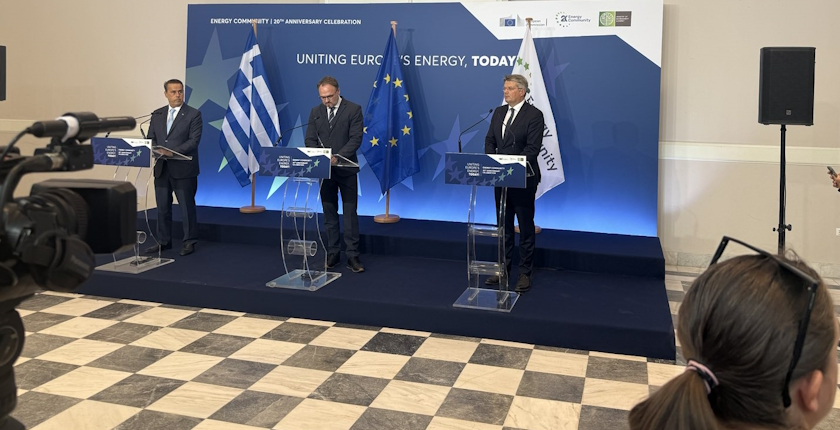
Ministers from the Energy Community contracting parties convened today at the Informal Ministerial Council in Athens to mark the organization’s 20th anniversary. The Energy Community Treaty, establishing the Energy Community, was also signed in the Greek capital. The purpose of the organization is to create a more integrated market, help attract investment and speed up decarbonization by aligning with the European Union’s rules on energy, environment and competitiveness.

In recent years, close cooperation has enabled the contracting parties to strengthen the security of supply, particularly against the backdrop of the ongoing Russian war in Ukraine, the Energy Community Secretariat said. During the annual gathering, hosted by the Greek Ministry of the Environment and Energy, the ministers underlined the need for an accelerated integration with the EU, grounded in delivering a secure, resilient energy transition.

Ministers agreed to revise capacity calculation regions

Many contracting parties are close to completing the reforms needed to launch the 18-month countdown to electricity market coupling – including full legal alignment under the Energy Community’s Electricity Integration Package and the appointment of nominated electricity market operators (NEMOs). If transposition is verified as compliant by the European Commission and the Energy Community Secretariat, integration will be initiated with the EU’s Single Day-Ahead Coupling (SDAC) and Single Intraday Market Coupling (SIDC).

Ministers made a breakthrough in regional coordination, backing a proposal by EU transmission system operators to revise capacity calculation regions (CCRs), now under review by the EU energy regulator ACER – Agency for the Cooperation of Energy Regulators. Recognizing the proposal’s importance for an effective operation of the interconnected grid, they called for swift follow-up, including the operationalization of regional coordination centers (RCCs) and system operation regions (SORs).

The aim is to boost electricity flows and grid security, especially along the north-south corridor of the Balkans, while laying the groundwork for full EU market coupling.

Decarbonization must accelerate ahead of CBAM implementation in 2026

To avoid disruptions to regional electricity trade, clarifying CBAM rules for electricity is a priority for the ministers, the secretariat pointed out. The EU is set to begin charging the carbon border tax on January 1.

Lorkowski: Electricity market integration and decarbonisation are two sides of the same coin

As no contracting party is expected to meet the exemption criteria by then, a proportionate and context-sensitive application of the mechanism is essential, as supported by active engagement in the European Commission’s ongoing call for evidence that precedes the future amendments of the CBAM regulation to be possibly proposed by the European Commission, in the secretariat’s view.

“Electricity market integration and decarbonisation are two sides of the same coin. The green energy transition unlocks meaningful integration with the EU market – and vice versa. Only by aligning policy, infrastructure, and pricing can contracting parties fully realise the benefits of clean, secure, and affordable energy,” said Energy Community Secretariat Director Artur Lorkowski.

The ministers called for carbon revenues to support vulnerable communities and mobilize investment in clean energy, stressing that just transition financing must go hand in hand with policy reforms.

Energy Community Treaty is now cornerstone of Europe’s energy architecture

Born out of crisis and shaped by cooperation, the Energy Community Treaty has become a cornerstone of Europe’s energy architecture, Lorkowski stressed. What began as an unlikely experiment in regional integration has grown into a dynamic framework – extending the EU’s internal energy market, strengthening energy security, and advancing the clean energy transition across South-Eastern and Eastern Europe, he asserted.

Energy Community contracting parties can fully integrate their electricity markets with the EU before joining it

“Our contracting parties are now on the cusp of a major breakthrough: full electricity market integration with the EU – even ahead of accession. This is the product of two decades of reform, dialogue, and trust-building. With the right political will, we can move from transposition to transformation,” Lorkowski stated.

In his view, Greece is the window for the Energy Community contracting parties to the liquefied natural gas (LNG) market and the access point to the European electricity system. Close cooperation with the Western Balkans has economic benefits for Greece – but beyond the economy, it is also about security and stability, Lorkowski said at the event.

Energy Community pioneered extension of EU energy market

Over the past two decades, the Energy Community has brought the EU closer to its neighbours, pioneering the extension of the trade bloc’s energy market across its borders, promoting integration, reforms and investments across the region, according to European Commissioner for Energy and Housing Dan Jørgensen.

“Now it is time to look ahead at our shared future based on a greener, sustainable and resilient system which will bring cheaper energy and more security to all,” he said.

Separately, in an interview with Kathimerini, Jørgensen noted that Southeastern Europe experienced electricity price spikes last summer, mainly in the evening hours, due to a lack of cross-border capacity and sufficient flexibility. The only solution is further infrastructure and market integration, as costs are separated and benefits are multiplied, he opined.

For every EUR 2 billion invested annually in cross-border infrastructure, the potential benefits reach up to EUR 5 billion, the commissioner added.

Papastavrou: Southeastern Europe’s is at disadvantage as its electricity market is not fully integrated with EU

Southeastern Europe is still not fully integrated with the EU, which is a structural disadvantage for citizens, said Minister of Environment and Energy of Greece Stavros Papastavrou.

“I am very optimistic after the first session of the meeting, because all the contracting parties expressed commitment, a strong commitment, to market coupling,” he stated. Papastavrou said a lot of work is required in the electricity sphere to bridge the gap for the prosperity of citizens and the entire region.

Energy integration is one of the pillars of EU accession

Energy integration is not just a technical issue – it is one of the fundamental pillars of the EU accession process, the minister told his counterparts from the Energy Community.

“Greece, too, has faced the same challenges that many of you are experiencing today. Back in 2005, our energy system was almost entirely dependent on lignite, by more than 60%. Today, we have reduced lignite use by an impressive 91% – a clear demonstration of our strong commitment to a clean, sustainable, and resilient energy future,” he stated.

Serbia’s Đedović Handanović sees possibility for market coupling with Hungary already next year

Serbia was the first in the region to fulfill the conditions for market coupling with the EU, the country’s Minister of Mining and Energy Dubravka Đedović Handanović said. She urged for the verification process to be accelerated, so that Serbia can connect with the Hungarian market in 2026 and, through it, with the other EU member states.

The minister acknowledged the challenge of the upcoming full implementation of CBAM.

Photo: Minister Dubravka Đedović Handanović (Nenad Kostić / Ministry of Mining and Energy)

Serbian institutions analyzed the available options from the study that the European Commission published. “We think that carbon pricing should be introduced gradually, in phases and fairly, with support from funds from the European Union,” she said.

The minister stressed that revenues from carbon taxes would be directed, like in the EU, to decarbonization, renewables, energy efficiency, just transition and support to companies.

“Without an adequate period of time for the transition from coal to renewable energy sources, without modernizing the network, increasing RES capacities and adjusting the industry, higher carbon costs can only increase the financial pressure on our industry and consumers, which is already happening in the EU, instead of resulting in a significant emissions reduction in the short term. Solving these issues requires careful planning, a phasein and the EU’s targeted financial support, so that climate goals would be aligned with the economic reality,” Đedović Handanović said.

She recalled that EU member states had more than two decades to gradually adjust to carbon emission levies. Đedović Handanović affirmed that Serbia is willing to continue its alignment with the EU’s energy and climate policy.

“All the reform measures that we are conducting are primarily for the benefit of our citizens and companies, and we won’t make decisions overnight that would jeopardize our energy stability,” she said.

by in News

Joksimović: Serbia preparing to introduce carbon pricing

Serbia is preparing to introduce carbon pricing, Jovana Joksimović, Assistant Minister of Mining and Energy for International Cooperation and European Integration, has announced.

The authorities are preparing a comprehensive analysis of carbon pricing for all products that will be affected by the European Union’s (EU) Carbon Border Adjustment Mechanism (CBAM), Jovana Joksimović said at a conference on the introduction of the EU’s carbon border tax.

The Ministry of Mining and Energy has carried out an assessment of the impact of the EU regulation on Serbia’s electricity sector, she said, without providing further details.

A few days ago, the National Alliance for Local Economic Development (NALED) called on state institutions to protect Serbia’s energy-intensive industries from the impacts of CBAM, warning the EU’s carbon border tax would threaten jobs and businesses in that sector.

Serbia is the only Energy Community contracting party prepared to implement emissions monitoring, reporting, and verification

“When it comes to reporting, Serbia is the only contracting party of the Energy Community that is prepared to implement the monitoring, reporting, and verification (MRV) system by transposing the relevant EU legislation. MRV is a prerequisite for introducing a carbon pricing mechanism and can facilitate the implementation of CBAM,” said Joksimović.

She recalled that the European Commission has accepted alternative options for carbon pricing for the Energy Community contracting parties, including carbon taxes and a fixed-price emissions trading system until EU accession.

CO2 emission factors are the biggest concern

According to her, Serbia’s main concern is the discrepancy between the two CO2 emission factors set by the European Commission – one for electricity and another for electricity used in the production of other CBAM products, which is used for calculating indirect emissions.

She recalled that the European Network of Electricity Transmission System Operators (ENTSO-E) recently proposed to the European Commission to consider revising the CBAM methodology during the transition period to ensure a fair and consistent approach.

A unified methodology would encourage investments in renewable energy, support common climate goals, and promote a fair transition to a decarbonized economy.

The EU’s carbon border tax could disrupt electricity market coupling

“The economic implications of CBAM implementation require careful consideration, particularly with regard to its potentially disproportionate impact on the Western Balkans. We expect the European Commission to accept the national electricity mix emission factor in the application of CBAM for electricity, meaning that the cost of the levy decreases as the share of renewable energy increases,” she said.

Jovanović stressed that CBAM could disrupt ongoing efforts in electricity market coupling.

“The European Commission is expected to propose a constructive solution, given that market coupling and the implementation of CBAM are supposed to be compatible,” she pointed out.

by in News

Western Balkans power markets: hope for coupling with EU, concerns about CBAM

Energy Community contracting parties are doing their best to meet the challenging requirements and use the opportunity to couple their electricity markets with the European Union in Q4 2026 or Q1 2027. Apart from other benefits, coupling could represent a strong incentive for investment in renewables. However, the introduction of CBAM could be a step back for electricity markets, investments and energy transition in the region, according to representatives of transmission system operators, regulators, and power exchanges who spoke at Belgrade Energy Forum 2025.

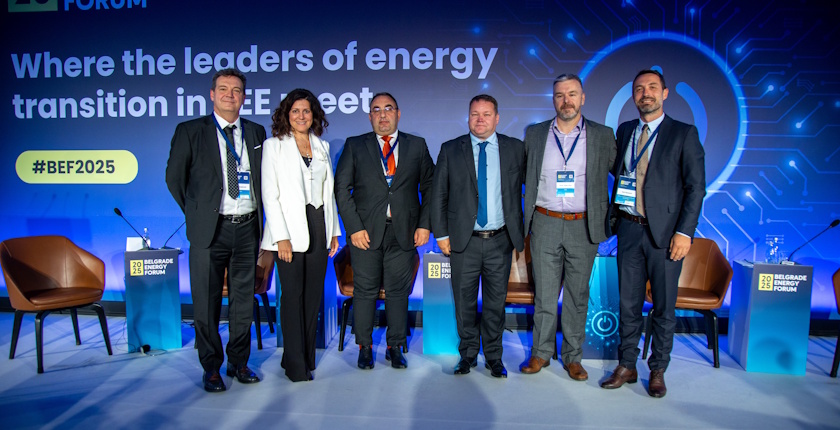
The third Belgrade Energy Forum, BEF 2025, organized by Balkan Green Energy News, welcomed four hundred participants from more than 30 countries from the region, Europe, and beyond.

Participants in the panel called Integration of Western Balkans electricity markets into internal European market through market coupling were:

  • Anže Predovnik, ADEX Group, CEO,
  • Jasmina Trhulj, Energy Community Secretariat, Head of Electricity Unit,
  • Ivan Asanović, TSO Crnogorski Elektroprenosni Sistem (CGES), CEO,
  • Marko Bislimoski, Energy, Water Services and Municipal Waste Management Services Regulatory Commission of the Republic of North Macedonia (RKE or ERC), President,
  • Zoran Vujasinović, EU Agency for the Cooperation of Energy Regulators (ACER), Policy Officer.

They discussed very hot topics including market coupling, the Carbon Border Adjustment Mechanism (CBAM), and blackouts.

Market coupling: The first go-live window scheduled for Q4 2026 or Q1 2027

Dejan Stojčevski and Jasmina Trhulj (photo: Balkan Green Energy News)

In his opening remarks, panel moderator Dejan Stojčevski, CTO of the SEEPEX power exchange, emphasized the importance of integrating the electricity markets of the Energy Community contracting parties (EnC CPs) with the EU internal electricity market as a key element in the energy transition process.

“Market coupling, which is a prerequisite for a successful energy transition, brings about greater transparency, increased competition, the establishment of a unified regional reference price, and stronger incentives for investment in renewable energy sources,” he stressed.

However, in his words, the integration is not without challenges. Countries in the region must address several issues, including the transposition of relevant regulations, the designation of nominated electricity market operators (NEMOs), and the operational connection process through the implementation of local projects, Stojčevski underlined.

Trhulj: The transposition of EIP enables accelerated electricity market integration into the single EU electricity market

The most important regulation is the Energy Integration Package (EIP). Jasmina Trhulj, Head of Electricity Unit of the Energy Community Secretariat, recalled that the transposition of EIP by the contracting parties enables their accelerated electricity market integration into the single EU electricity market before accession into the EU takes place.

To achieve that, EnC CPs have to adopt and implement the laws in a compliant manner, including extending ACER’s jurisdiction to the cross-border issues between EU member states and EnC CPs, she noted.

With regard to regional methodologies, ACER is competent to the extent that neighboring EU countries are involved, which is most often the case.

The preparation of the Market Coupling Operator Integration Plan is underway

Another important piece of the puzzle is the Market Coupling Operator Integration Plan (MCO IP), which will set guidelines and timelines for the implementation of the day-ahead and intraday market coupling of EnC CPs. Trhulj confirmed that the preparation is currently underway.

According to the draft MCO IP, the first go-live window is scheduled for Q4 2026 or potentially by Q1 2027, provided that the following prerequisites are met, she revealed.

The prerequisites are the transposition of the EIHP completed and its compliance verified; NEMO designated in a compliant manner; operational readiness of transmission system operators (TSOs) and NEMOs confirmed; and full contractual adherence completed.

“Provided that the legislation is transposed and its compliance verified and MCO IP approved by ACER, a NEMO may submit requests for accession to market coupling. This is followed by an accession process lasting up to 18 months,” Trhulj explained.

Serbia, Montenegro “locked and ready” for the first go-live window

Anže Predovnik and Zoran Vujasinović (photo: Balkan Green Energy News)

ADEX Group CEO Anže Predovnik shared Slovenia’s experience in various market coupling processes within the internal European electricity market, including different products such as day-ahead, intraday continuous, and intraday auction market coupling.

He particularly emphasized the importance of market coupling and its impact on liquidity, transparency, competition, and increased investments in renewable energy sources.

Predovnik presented HUPX’s integration into the ADEX Group, which was completed in late 2024, and highlighted the benefits ADEX brings to the market and its participants through the unification of the power exchanges of Slovenia, Serbia, and Hungary.

Enhanced transparency, the use of a unified trading and clearing technology, a single market operation, a harmonized market access process across the ADEX markets, alignment of rules, and improved client services are just some of the advantages offered by the formation of ADEX Group, he pointed out.

One immediate benefit already implemented is that market participants active in one ADEX market do not pay entry fees when accessing another market within the group.

Predovnik: Market participants active in one ADEX market don’t pay entry fees when accessing another market within the group

“Additionally, all resources within the group are contributing to the implementation of the local project for coupling the Serbian and Hungarian day-ahead markets, with the project expected to be completed at the first available slot, anticipated for Q4 2026 or Q1 2027,” Predovnik noted.

CEO of Montenegro’s TSO Crnogorski Elektroprenosni Sistem (CGES) Ivan Asanović also spoke about the market coupling project timeframe.

After compliance of the transposition of EIP is verified and provided that the necessary adaptations of the Day-ahead Operations Agreement (DAOA) and the Intraday Operations Agreement (IDOA) regarding the extension to the price zones of EnC CPs are adopted at the Market Coupling Steering Committee (MCSC) level, CGES and power exchange BELEN could sign these contracts, becoming non-operating parties in the MCSC, he revealed.

According to Asanović, obtaining the status in MCSC is a precondition for the submission of a request for change, and it is extremely important to carry it out in a timely manner, to complete the process, which lasts 18 months, until Q4 2026 or Q1 2027.

Of note, a week ago, North Macedonia’s Minister of Energy, Mining and Mineral Resources Sanja Božinovska said it is realistic to aim for coupling in the fourth quarter of 2026 or the first quarter of 2027.

CBAM and blackouts are looming

Anže Predovnik, Zoran Vujasinović and Ivan Asanović (photo: Balkan Green Energy News)

Apart from market coupling, the stakeholders in the region are also concerned about the developments regarding the Carbon Border Adjustment Mechanism (CBAM) as well as about blackouts.

Dejan Stojčevski (SEEPEX) sees the potential effect of CBAM on the electricity sector, starting on January 1, 2026, as a major issue.

The mechanism could pose a serious threat to the overall energy transition in the region, he added.

In addition, it is crucial to discuss system security and the root causes of the blackouts that recently occurred across Europe, Stojčevski pointed out.

“As there was no announcement that the application of CBAM will be postponed, we are operating under the assumption that it will apply to electricity as of January 1, 2026, given that the contracting parties will not be ready for market coupling by that date,” Jasmina Trhulj (Energy Community Secretariat) underlined.

Trhulj: There is a risk that certain stakeholders may shift their trading activities and renewable investments away from the region

In her words, it creates a number of risks to the functioning of the regional electricity market and the energy transition process that the secretariat has been raising on behalf of the contracting parties, electricity traders, power utilities, renewable energy developers, and other stakeholders.

She warned of a risk that certain stakeholders shift their trading activities and investments in renewables away from the region, thereby potentially undermining integration and decarbonization efforts.

Dejan Stojčevski, Jasmina Trhulj and Marko Bislimoski (photo: Balkan Green Energy News)

In addition, market participants are raising the issue of the considerable uncertainty regarding the exact technical implementation of CBAM for electricity – inherently unique within a group of goods, Trhulj recalled.

It is crucial for the countries in the region to speak openly with Brussels, said Marko Bislimoski, president of the Energy, Water Services and Municipal Waste Management Services Regulatory Commission of the Republic of North Macedonia. In addition, they need to come up with an action plan, together with the Energy Community Secretariat, defining the phases for the introduction of carbon pricing, in his view.

Bislimoski: We need to define the items for which we need financial assistance from the EU

“We need a serious approach and to say what we can do ourselves, and then immediately make it happen. At the same time, we need to define the items for which we will need financial assistance from the EU,” Bislimoski asserted.

The panelists agreed the region needs to present a single coordinated position on CBAM at an upcoming meeting on July 1 in Brussels.

Bislimoski recalled that North Macedonia recently adopted the new Law on Energy and added that bylaws would follow. The end goal is to provide security and stability in the transmission and distribution of electricity like in the EU, but also to lower the prices of electricity for consumers, he added.

Asanović: It is necessary to take urgent measures to improve coordination in the region

Regarding the issue of blackouts, Ivan Asanović (CGES) emphasized the importance of coordinating transmission capacities and maintenance plans for transmission lines across the wider Balkan region.

He recalled the challenging operational conditions experienced last winter, when exchanges planned along the Greece-Bulgaria-Romania-Hungary corridor were largely physically realized via the southwestern Balkans, leading to significant network stress. Such situations must be avoided through more comprehensive coordination, he warned.

It is necessary, in his words, to take urgent measures to improve coordination in the region to alleviate the current problems until the establishment of the mechanisms and structures prescribed in the CACM and SOGL regulations.

“These rules will fully harmonize the operation of the system in the region with the rest of Europe and significantly improve the security of functioning and create the necessary preconditions for connecting the markets of the WB6 countries with the single European market,” Asanović stressed.

Vujasinović (ACER): Full operational readiness of CCRs is not a prerequisite for market coupling

Zoran Vujasinović and Ivan Asanović

TSOs made a breakthrough in December. They agreed on a Joint Declaration on Regional Coordination. The declaration, facilitated by ENTSO-E, outlined a new comprehensive cooperation framework for the Western Balkans TSOs within South-East Europe.

Zoran Vujasinović, Policy Officer at the EU Agency for the Cooperation of Energy Regulators (ACER), mentioned that in January the body submitted a request to the TSOs to propose the configuration of capacity calculation regions (CCRs), incorporating the bidding zone borders of EnC CPs within the framework of the EU CCR methodology.

The TSOs’ proposal is expected by the end of July, after which ACER will issue a decision within six months, he said.

The current TSO proposal envisions:

  • the inclusion of the southeastern bidding zone borders in the Balkans into the South East Europe (SEE) region, which already includes the borders between Romania, Bulgaria, and Greece.
  • the formation of a separate region in the northwestern part (covering the mutual borders of bidding zones of Serbia, Bosnia and Herzegovina, and Montenegro, as well as their bidding zone borders with the EU), with a perspective of integration into the Central Europe region.
  • the Italy-Montenegro region and the Eastern Europe region (including Ukraine, Moldova, Poland, Slovakia, Hungary, and Romania) to remain unchanged, as defined by the CACM Regulation of the Energy Community.

According to Vujasaninović, ACER’s position is that the entire region should, over time, transition to flow-based capacity calculation and allocation methodologies. However, the initial step will be participation in market coupling based on Net Transfer Capacity (NTC) values.

“It is important to note that full operational readiness of CCRs is not a prerequisite for market coupling. The coupling can proceed based on existing NTC calculation procedures, provided that regional operational security is not compromised at any time and that maximum coordination in capacity calculation is ensured,” Vujasinović stressed.

by in News

ACER’s Zinglersen: Integrate electricity markets to bolster flexibility as new era is already here

The surge in the number of hours with negative wholesale electricity prices in Europe made 2024 the second consecutive record year. According to ACER’s Director Christian Zinglersen, it means a new era is here. Speaking at Belgrade Energy Forum – BEF 2025, he called on governments, regulators and system operators to tackle the issue with more flexibility and reap the benefits of integrated electricity markets.

At EUR 81 per MWh, the average day-ahead power price in the European Union and Norway was lower last year than in 2021, when the energy crisis began. This is good news, but there are significant differences in price averages across the continent, Director of the EU Agency for the Cooperation of Energy Regulators (ACER) Christian Zinglersen asserted.

In a keynote speech at Belgrade Energy Forum, BEF 2025, he also pointed out that the percentage of days with significant price swings remained elevated. “This suggests that we need much more short-term flexibility in the system,” Zinglersen said.

[wpcc-iframe title=”Belgrade Energy Forum 2025 Christian Zinglersen, Director, ACER” width=”500″ height=”281″ src=”https://www.youtube.com/embed/c2JGLvLEInQ?feature=oembed” frameborder=”0″ allow=”accelerometer; autoplay; clipboard-write; encrypted-media; gyroscope; picture-in-picture; web-share” referrerpolicy=”strict-origin-when-cross-origin” allowfullscreen=””]

Prices in Romania, Bulgaria, Greece, Hungary among highest in Europe

In 2024, the share of time when prices were above EUR 150 per MWh landed at 6.1%, compared to 11.3% in the previous year and 66.7% in 2022. The number of days with price swings greater than EUR 50 per MWh accounted for a strong 70.4% of the total, though down from 77.1% in 2023 and 87.8% one year before.

The average price in Romania was virtually unchanged in 2024. It fell only 1% in Bulgaria and 5% in Hungary. Conversely, the drop was the strongest in Sweden, Norway, France and Belgium: 22% to 39%.

The average day-ahead electricity price in Romania was virtually unchanged last year, while in several countries it tumbled by at least 22%

Last year, prices were the highest across Italy, between EUR 106 per MWh and EUR 112 MWh, in Ireland (EUR 109 per MWh), Romania (EUR 104 per MWh), Bulgaria (EUR 103 per MWh) and Greece and Hungary (both EUR 101 per MWh).

Importantly, 2024 was the second consecutive record year in the number of hours with negative wholesale prices. Their share jumped to 2.8% from 1.9%.

“This is very significant and it shows we are already, in my view, in a new era. We’re not just embarking upon it. We’re there,” Zinglersen stressed.

Photo: ACER

Share of very low wholesale prices rallies back to level from 2020

As for the share of time with very low wholesale prices, it surged last year to 8.8%. The level was last seen in 2020, when the pandemic erupted and resulted in an unprecedented demand shock, ACER’s chief noted. He called on governments, regulators and system operators to tackle the issues with more flexibility.

Grid tariffs increasingly need to show what the system needs, in his view: more time nuance and more locational nuance. “That combination of an energy signal and a tariff signal should hopefully enable us to build more of what we need in the right places, as opposed to build what we don’t need, in the wrong places,” Zinglersen stated.

Integrated markets bring benefits

A policy brief that Brussels-based think tank Bruegel published last year pointed to the benefits of the integration of electricity markets. Among other factors, there is more security with fewer backup power plants and more flexibility with less investment in energy storage, together with lower capital costs. In 2022, ACER, based in Ljubljana, estimated benefits from cross-border trade alone at EUR 34 billion in the EU.

“It has very significant security of supply implications as well, to be in a very integrated-type jurisdiction,” Zinglersen underscored. But integrated markets come with tradeoffs, he said.

One of the examples is an incident in 2021 that split the Continental Europe synchronous area into two parts for an hour and reserves were pulled from across the continent. “But you can also bring the system much more quickly back together again,” Zinglersen said at the conference.

The same goes for the June 2024 blackout in the Balkans.

There are many solutions in Europe, but they are not evenly distributed

ACER’s director also recalled the power price decorrelation that affected Southeastern Europe and Hungary from July to September. He attributed some of the spikes in day-ahead prices to the lack of short-term flexibility, for instance batteries.

There are lots of technical solutions and frameworks in place across Europe, but they are not very evenly distributed, he added.

Zinglersen pointed to the opportunities and benefits of further integrating the electricity market of the Western Balkans region and the EU.

by in News

North Macedonia aims for market coupling with EU by first quarter of 2027

North Macedonia plans to finish market coupling with Greece and the European Union in the fourth quarter of 2026 or in the first quarter of 2027, according to Minister of Energy, Mining and Mineral Resources Sanja Božinovska.

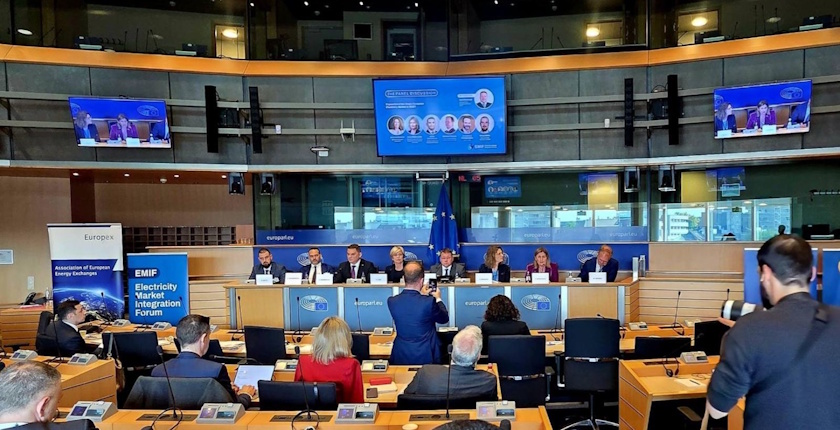
“The integration of the North Macedonian organized electricity market into the Single European Market is of strategic importance for the country,” Sanja Božinovska stressed during the second edition of the Electricity Market Integration Forum – Taking Implicit Electricity Market Coupling Beyond EU Borders, held at the European Parliament in Brussels.

The coupling, in her words, would increase market liquidity and secure competitive prices and greater security of supply. It will directly impact economic stability and predictability, Božinovska added.

Additionally, the minister noted that integration with the European market could provide protection from the financial effects of the EU’s Carbon Border Adjustment Mechanism (CBAM), which would bring significant economic benefits for North Macedonian companies.

The market coupling process began in 2017-2018

She recalled that the market coupling process began back in 2017-2018, adding it is now in a delicate phase, focusing on the transposition of EU legislation and the implementation of the market coupling operator implementation plan (MCO IP) under the jurisdiction of the European Union Agency for the Cooperation of Energy Regulators (ACER).

“Due to uncertainties surrounding the impact of CBAM, it was imperative for market coupling to occur before 2026. Although we are now beyond that timeframe, it is realistic to aim for coupling between the fourth quarter of 2026 and the first quarter of 2027,” Božinovska noted.

During the panel session dedicated to the expansion of the European electricity market by 2026, Božinovska engaged in discussions with high-level representatives from the European Parliament, ACER, regional power exchanges, and institutions from the Western Balkans.

Of note, a week ago North Macedonia adopted the Law on Energy.

It will bring numerous benefits including a liberalized electricity market ensuring fairer prices and more choice for consumers, the introduction of smart meters for more accurate consumption measurement, and daily insight for consumers into their electricity usage, according to the Government of North Macedonia.

Artur Lorkowski, director of the Energy Commnunity Secreatariat , Sanja Božinovska i Zoran Gjorgievski, MEMO CEO