by in News

Gramos Hashani appointed as permanent head of KEK in Kosovo

Kosovo Energy Corp. (KEK) has officially appointed Gramos Hashani as its Chief Executive Officer, following a fourteen-month period during which he served as interim head of the state-owned power utility. The decision was confirmed by the company’s Board of Directors after the completion of what it described as an open, transparent, and competitive selection process.

According to the board, the appointment procedure was conducted in full compliance with Kosovo’s Law on Public Enterprises and included the evaluation and interviewing of all candidates who satisfied the requirements outlined in the public vacancy announcement.

Hashani initially assumed the role of interim CEO in February last year, at a time when KEK was facing increasing pressure to improve operational efficiency, strengthen corporate governance, and accelerate modernization efforts within Kosovo’s electricity sector.

His permanent appointment is viewed as a move aimed at ensuring management continuity at one of the country’s most strategically important energy companies, particularly as Kosovo advances energy transition policies, regional market integration, and investment planning for generation and infrastructure upgrades.

Hashani graduated from the Faculty of Economics at the University of Prishtina – Hasan Prishtina and completed his master’s studies at the University of the Incarnate Word in San Antonio, Texas, in the United States.

His professional credentials include certification as an accountant and internal auditor through the Society of Certified Accountants and Auditors of Kosovo (SCAAK), while he is also a member of the United Kingdom-based Association of Chartered Certified Accountants (ACCA).

According to KEK’s Board of Directors, Hashani brings extensive expertise in strategic financial management, corporate governance, energy transition investments, and the implementation of international accounting standards, including IFRS and US GAAP.

The board also highlighted his professional experience across both the energy and financial sectors in Kosovo and the United States, where he has held senior management positions in international and domestic companies.

The appointment comes at a critical period for KEK and Kosovo’s broader energy sector, as authorities seek to modernize aging lignite-based generation assets, strengthen energy security, improve environmental performance, and attract investment into renewable energy and transmission infrastructure.

As Kosovo continues aligning its energy market framework with regional and European standards, KEK is expected to play a central role in balancing legacy thermal generation with the country’s long-term decarbonization and market reform objectives.

by in News

The Green Backbone: Albania and Western Balkan Partners Unveil Strategic Energy Projects for 2026 EU Funding

The Energy Community has officially opened the public consultation for the 2026 list of Projects of Energy Community Interest (PECI), marking a pivotal moment for the Western Balkans’ energy infrastructure. Running from March 16 to April 17, 2026, the consultation evaluates eight critical projects designed to dismantle cross-border bottlenecks and pave the way for a massive influx of renewable energy.

For Albania and its neighbours, Kosovo, North Macedonia, Montenegro, and Bosnia and Herzegovina the selected projects represent a shift from traditional hydroelectric production to a sophisticated, integrated system of large-scale storage and high-voltage transmission corridors. These projects are now positioned to seek diverse financing, including EU grants, Western Balkans Investment Framework (WBIF) funds, and favourable loans from international financial institutions.

Below is a detailed technical and strategic breakdown of the flagship projects currently in the PECI selection pipeline.

1. Project E12: Moglice Pumped-Storage – The Balkans’ “Giant Battery”

At the heart of Albania’s green transition is the Moglice Extension Pumped-Storage Hydropower Plant (PSH). Developed by Devoll Hydropower Sh.A. (part of the Statkraft Group), this project is set to become one of the largest flexibility assets in the region.

  • Technical Parameters:

    • Maximum Power (Pmax): 1,620 MW (with a dynamic operational range of -1,620 MW to +1,620 MW).

    • Storage Capacity: 30,000 MWh (approx. 30 GWh).

    • Voltage: 400 kV.

    • Efficiency: 77% roundtrip efficiency.

  • Strategic Role: The plant will function as a “green battery,” utilizing the existing Moglice reservoir (380 million m³) and a new upper reservoir (25 million m³). It is designed to store surplus energy during periods of high production and release it during peak demand, providing critical balancing services to Albania and neighboring EU markets like Greece and Italy.

  • Timeline: Currently in the economic feasibility stage, with the earliest commissioning targeted for 2033.

2. Project E04: The 220 kV Balkan Triangle Rehabilitation

To ensure the reliability of the “Balkan Triangle” (Albania, Montenegro, and Bosnia & Herzegovina), the rehabilitation of the aging 220 kV Trebinje–Vau i Dejës corridor has been prioritized. This line is a vital artery that has recently struggled with congestion due to new solar and hydro capacities.

  • Technical Parameters:

    • Voltage: 220 kV.

    • Length: 162.92 km.

    • Transmission Power: Upgraded to carry 1,500 A using specialized high-capacity conductors.

    • Promoters: NOS BiH, Elektroprijenos-Elektroprenos BiH, and CGES (Montenegro).

  • Strategic Role: The project addresses severe climatic challenges and infrastructure depreciation. By replacing OPGW, insulation, and conductors on existing poles without increasing mechanical load, the project will increase Net Transfer Capacity (NTC) and resolve long-standing congestions between BA–ME, ME–AL, and AL–BA.

  • Timeline: Currently in the Detail Design Study phase, with an expected commissioning date of 2030.

3. Project E05 & Regional Corridors: Integrating Wind and Strengthening East-West Links

The expansion of the 400 kV network is a two-pronged strategy: strengthening regional East-West ties and unlocking wind potential in Northeast Albania.

A. The East-West Western Section (Project E05)

Connecting Kosovo and North Macedonia, this 103 km interconnector is a key link in the regional transmission “rings.”

  • Technical Parameters: 400 kV; 1330 MW Pmax.

  • Objective: Connecting the upgraded Prizren (XK) substation to a new substation in Tetovo (MK). This project enhances the security of supply and supports the large-scale integration of Renewable Energy Sources (RES) across the corridor.

  • Timeline: Expected commissioning by 2035.

B. The Albania–Kosovo Interconnection (Strategic Link)

As highlighted by recent strategic filings, Albania is pushing for a new 400 kV interconnection between Fierza (AL) and Prizren (XK).

  • Strategic Role: This link is deemed essential to facilitate the integration of over 1 GW of planned wind energy capacity in Northeast Albania. It will alleviate existing 220 kV grid overloads and significantly boost regional energy trading.

Financing the Future

These PECI projects are governed by the revised EU TEN-E Regulation, which streamlines the path toward final approval in December 2026. Because these projects provide cross-border benefits, they are eligible for a “blended” financing model. This includes state budget allocations, private investment from promoters like Statkraft and KOSTT, and significant support from European Union grants and loans.

As the Western Balkans move away from coal and toward a renewable-heavy mix, these projects—Moglice’s storage, the 220 kV rehabilitation, and the 400 kV corridors—form the essential hardware of a modernized, secure, and decarbonized European energy market.

by in News

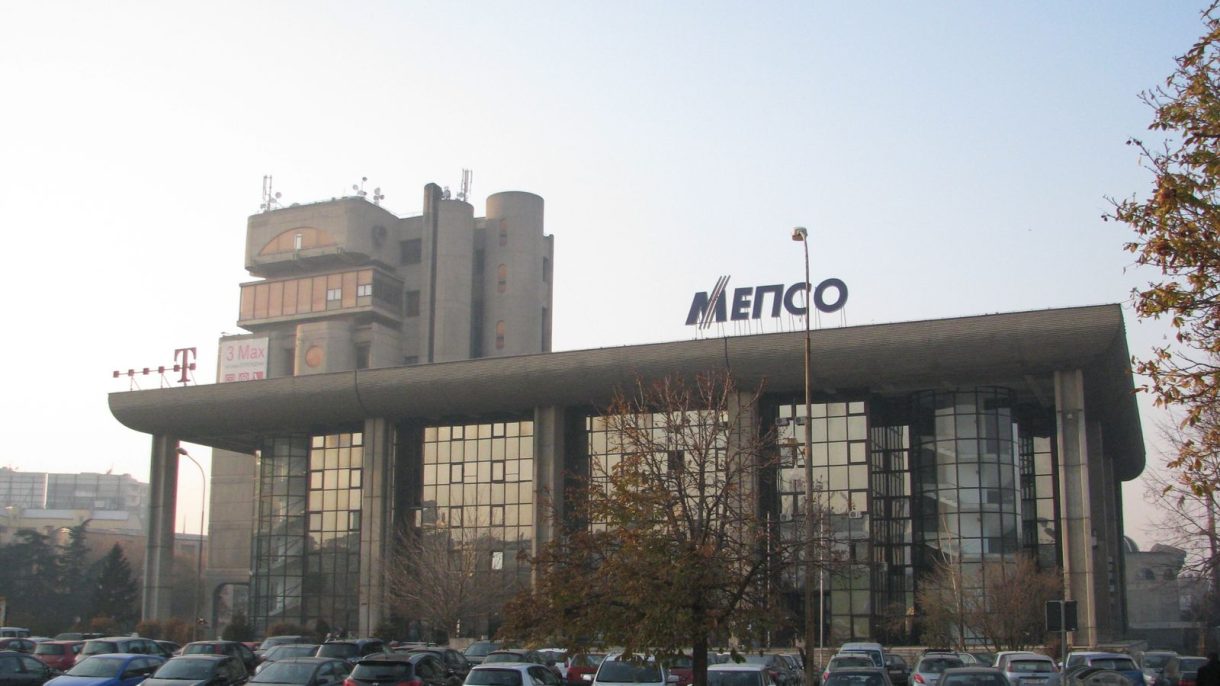
MEPSO Advances Strategic 400 kV Interconnection Project for Energy Community Priority Status

North Macedonia’s electricity transmission system operator, MEPSO, has officially nominated the “400 kV East–West Interconnection Corridor – Western Section” for inclusion in the prestigious list of Projects of Energy Community Interest (PECI). This strategic move aims to solidify the project’s status as a regional priority, facilitating cross-border energy cooperation and bolstering the stability of the Balkan power grid.

A Vital Link in the Regional Energy Spine

The nominated western section focuses on establishing a high-capacity link between Tetovo in North Macedonia and Prizren in Kosovo. This infrastructure is a critical component of a broader corridor designed to integrate the networks of Turkey, Bulgaria, Greece, North Macedonia, Kosovo*, Albania, and Montenegro.

Key specifications of the project include:

  • Total Length: Approximately 255 kilometers.

  • Primary Objective: Connecting the capital, Skopje, and the city of Ohrid via Tetovo, while providing a robust cross-border link to Kosovo*.

  • Capacity Upgrade: Replacing the current single 220 kV link between North Macedonia and Kosovo with a modern 400 kV interconnection.

Infrastructure and Operational Enhancements

The project involves a series of interrelated investments beyond simple transmission lines. MEPSO has outlined plans for significant substation developments to manage increased load and ensure operational flexibility:

  • Tetovo Substation: A new 400/110 kV facility will serve as a central hub for multiple high-voltage lines, significantly strengthening the transmission capacity in Western North Macedonia.

  • Oslomej Substation: Another 400/110 kV facility is planned for Oslomej. This location is particularly strategic as it transitions from a traditional coal-fired power site to a hub for new renewable energy projects.

Strategic Significance and Regional Synergy

MEPSO emphasizes that this investment is highly complementary to existing regional efforts, specifically the approved PECI project to upgrade the line between Prizren (Kosovo) and Fierza (Albania) to 400 kV. This synergy will create a seamless high-voltage path connecting North Macedonia, Kosovo*, and Albania.

This regional integration was further solidified last year (2025) through a Memorandum of Understanding signed between MEPSO and KOSTT (Kosovo’s Transmission, System and Market Operator).

“Achieving PECI status is a recognition of the project’s pronounced regional relevance. It directly contributes to the Energy Community’s objectives of secure, sustainable electricity supply and the efficient integration of renewable energy sources.” — MEPSO Statement

Timeline and Next Steps

The selection process for the second PECI list follows a rigorous biannual cycle. With the call for nominations having closed on January 19, the final list is expected to receive official approval by December 31, 2026.

Projects granted PECI status benefit from streamlined permitting processes and enhanced access to regulatory and financial support, accelerating the region’s progress toward decarbonization and a unified energy market.

by in News

Kosovo Government Caps Fuel Profit Margins After Sudden Price Surge

The Government of Kosovo has introduced new measures to limit the rise in fuel prices after suspicions that market operators were taking advantage of recent developments to increase profits. Through a new decision, authorities have established maximum profit margins per liter for both wholesale and retail fuel sales.

Within just one day, fuel prices in Kosovo increased by more than 20 cents per liter. The rapid price movement followed escalating tensions in the Middle East and disruptions in the global energy supply chain.

However, such a sharp increase over a short period has been widely described as excessive and potentially exploitative. Data from Kosovo Customs indicate that the actual import price of fuel rose only marginally.

According to Customs figures, the import price increased by just 1.5 cents per liter. On Monday, a liter of diesel was imported at 54 cents, while on Tuesday the price rose slightly to 55.6 cents.

Meanwhile, retail prices at fuel stations showed a much larger increase. On Monday, diesel prices ranged between €1.18 and €1.25 per liter. By Wednesday, the same fuel was being sold for between €1.35 and €1.40 per liter. Gasoline prices followed a similar trend, rising from between €1.17 and €1.24 on Monday to as high as €1.35 per liter by Wednesday.

Due to the significant discrepancy between the modest rise in import costs and the sharp increase at fuel stations, the Minister of Trade, Mimoza Kusari-Lila, signed a decision on Wednesday establishing temporary price caps.

Under the decision, the maximum allowed profit margin for wholesale fuel sales is set at 2 euro cents per liter, while the retail margin is capped at 12 euro cents per liter.

According to the ministry, the measure follows continuous monitoring of the oil market, analysis of daily data from Kosovo Customs, and reports from the Central Market Inspectorate, which concluded that increases in import prices were immediately and disproportionately reflected in retail prices. Inspectors will be deployed in the field to oversee the implementation of the decision.

The regulation will enter into force one day after its publication in the Official Gazette.

Maximum Allowed Commercial Margins

  • Wholesale sales: up to 2 euro cents per liter

  • Retail sales: up to 12 euro cents per liter

The calculation of these maximum margins is based on Article 4, paragraphs 1.1 and 1.2 of Administrative Instruction No. 03/2022 on the Regulation of Petroleum Product Prices and Renewable Fuels, as well as other protective measures. Authorities stated that the decision was made after assessing current market conditions and within the legal competencies of the ministry.

Earlier on Tuesday, Fadil Berjani, head of the oil traders’ association, warned that geopolitical tensions in the Middle East are directly affecting global oil markets.

According to Berjani, rising tensions and the risk of disruptions in production or transportation are increasing uncertainty in global supply, pushing oil prices higher. Particular attention is being paid to the Strait of Hormuz, one of the most critical oil transit routes in the world. Any disruption in that corridor typically has an immediate impact on markets and translates into higher fuel costs for consumers.

Global oil prices have risen significantly following attacks by Iran on several countries in the Middle East, reportedly in response to bombings carried out by the United States and Israel.

by in News

KESCO announces the second phase: businesses enter the open electricity market.

KESCO in Kosovo has announced that, beginning 1 April 2026, the second phase of commercial consumers’ transition to the open electricity market will commence.

From that date, businesses currently supplied under the regulated market will move to the liberalized market and will be able to select their own licensed electricity supplier. The measure is intended to encourage greater competition and reflect market-based pricing.

Under the country’s Electricity Law and at the request of the regulator, businesses that employ more than 50 staff or report an annual turnover exceeding €10 million will no longer be eligible for regulated tariffs under the universal service framework. As a result, KESCO — in its role as Universal Service Supplier — will be unable to continue providing those businesses with regulated-rate supply after 1 April 2026.

According to the company, official records from the Tax Administration indicate that a number of businesses no longer meet the universal-service eligibility criteria. Affected businesses must select a licensed supplier in the open market by 1 April 2026 and initiate the supplier-switching procedure at least 21 working days before the new contract takes effect.

If a business fails to secure a contract within that timeframe, it will be supplied on a temporary basis by the Supplier of Last Resort for up to 60 days. Should no contract be concluded within that period, electricity supply may be disconnected in accordance with applicable legislation.

The company also clarified that self-consumers (prosumers) will no longer remain under the regulated-tariff scheme from the same date; the terms for energy produced and injected into the grid will be set out in the new supplier contract.

Finally, businesses are asked to confirm their employee numbers, annual turnover and active metering units with the company to ensure a smooth transition to the open market.

by in News

Turkey’s Guris Holding to build windfarms in Kosovo and Ukraine

The Turkish company Guris Holding has announced the construction of new wind power plants in Kosovo and the Ukraine, the Turkish press reported. The reports said that the company plans to build the plant in Ukraine outside the city of Odessa but do not specify the exact location of the site of the power plant in Kosovo.

Güriş Holding has plans for a wind farm with a total power of 32 MW in Kosovo and a wind power plant of 80 MW in the Ukraine. Turkish daily Dunya reported that construction work on both wind power plants has been started, specifying that work on the 30 MW segments of both facilities was underway.

Müşfik Yamantürk, the general manager of Güriş Holding, which is considered to be one of Turkey’s leading renewable energy-based power producers, said that the company had been issued a license for the windfarm outside the city of Odessa which will be built using GE wind generator turbines. The 50 MW segment of that plant, which is the company’s first investment in the Ukraine, is due to be started at the beginning of next year.

He said GE turbines will also be used for the wind power plant in Kosovo, adding that the guaranteed price of power from that windfarm is 8.5 cents per kilowatt-hour.

Yamantürk said that both the 30 MW power plant in Ukraine and the 32 MW plant in Kosovo will be commissioned in August or September of 2018.

Kosovo energy production insufficient

Kosovo has faced serious power supply problems in the past few years with frequent power outages which is a problem in attracting foreign investments. Kosovo’s government has made improvements to the energy sector a priority and has requested assistance from a number of international aid and financial organizations.

Kosovo relies heavily on its two coal powered plants with a capacity of 900 MW which account for 97 percent of the power produced domestically and on imports of electricity while power from renewable energy sources account for just 3 percent of production at home.

The Kosovo state radio and TV service (RTK) has reported that business people have expressed great concern over the power shortage and that the Kosovo Power Corporation has warned of a possible energy crisis because its coal reserves have dropped to a level sufficient for two weeks of power production.

Kosovo has the fifth largest lignite coal reserves in the world but those reserves lie under private land which the government has not been able to purchase. The state power company KEK said it needs to take over 52 hectares of private land whose owners are unwilling to sell at the price offered by the government.

by in News

Albania’s Gas Master Plan sets out an Exciting Future

Interestingly enough, the gas sector once played an important role in Albania and the country was a relatively large gas producer. In 1982, gas production amounted to one billion cubic metres but has now dropped to mere 0.01 billion cubic metres. It is worth noting that Albania and Kosovo are the only countries in the Western Balkan region which are not connected to international natural gas networks.

The existing oil network, which is 498 km long, is not in a good shape, either. It connects all the existing sources of oil, with the exception of the pipeline that connects the natural oil wells in Delvina with the Ballsh pipeline (the latest one being renovated), but it is no longer functional. Most of it is corroded and defective which makes its use unviable. Consequently, a new oil transmission and supplying system is needed.