by in News

Just Transition Forum unites regional leaders to tackle energy poverty, shape fair energy future

Governments, partners, civil society and community leaders from across Europe gathered in Tbilisi for the Energy Community’s Just Transition Forum to explore how energy efficiency can help end energy poverty and strengthen public trust in the clean-energy transition.

The forum delivered a clear message: a just transition cannot succeed without meaningful dialogue with diverse civil society and non-governmental partners, whose expertise and perspectives must be integrated into planning. As contracting parties begin preparing their new national energy and climate plans (NECPs), embedding just transition in transparent frameworks and long-term strategies is key to turning decarbonization commitments into real benefits for people and communities.

This principle is further reflected in the Energy Community’s newly published Just Transition Policy Guidelines, which guide governments in integrating just transition elements into energy and climate planning – ensuring that decarbonization goes hand in hand with social protection, local opportunity, and public trust, while supporting alignment with the European Union’s clean energy and climate objectives.

Lorkowski: New NECPs should tell story of just, sustained transition

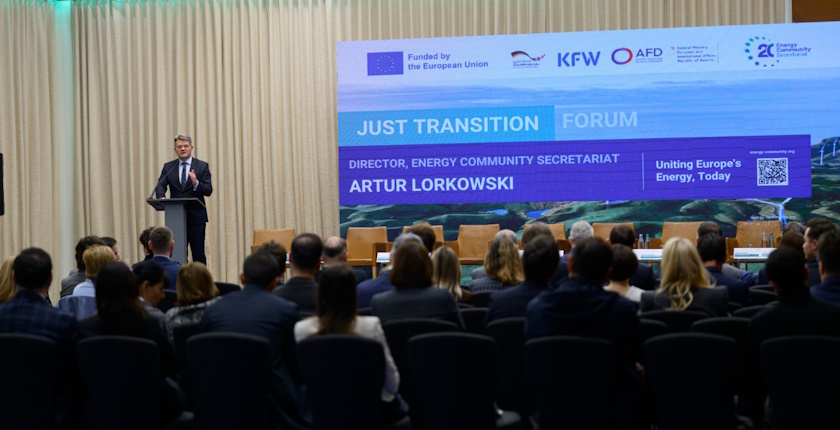
Opening the forum, Energy Community Secretariat Director Artur Lorkowski underscored the importance of the current moment for regional energy and climate planning. The new NECPs, he stressed, should tell the story of a just and sustained transition.

“We are entering a pivotal moment for the region’s energy and climate future. With just transition principles at the core, they can pave the way toward EU energy market integration and turn the green transition into an engine of investment, inclusion, and shared prosperity,” Lorkowski stated.

Critically, the Energy Community’s Governance Regulation requires contracting parties to assess and address energy poverty in their NECPs. It is an opportunity to ensure that energy-poor households receive targeted support and remain central to energy efficiency and decarbonization efforts.
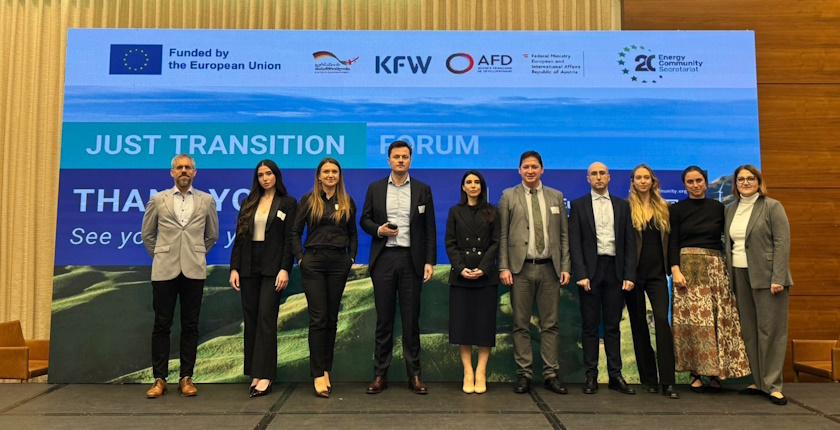
Just Transition Forum unites regional leaders energy poverty fair energy future

Energy Efficiency First for Energy Poverty

To drive the agenda forward, forum participants drew on insights from the secretariat’s study Energy Efficiency First for Energy Poverty. It reveals that 30% to 40% of households in Kosovo*, Albania, North Macedonia, and Georgia face energy poverty, and shows how targeted energy efficiency investments can transform lives across the region – making homes warmer, healthier, and more affordable to run.

By prioritizing vulnerable households, establishing renovation funds, and applying the Energy Efficiency First (EE1st) principle, contracting parties could cut household energy demand by more than 60%, create up to 19 local jobs for every EUR 1 million invested, and triple the wider benefits through improved well-being, comfort, and productivity.

Energy Community contracting parties could cut household energy demand by more than 60%

Emphasizing the importance of a people-centred transition, Head of EU Delegation to Georgia Paweł Herczyński stated: “For the European Union, a just transition is not only an environmental goal. It is a commitment to people, fairness and long-term resilience. This transformation must be built through dialogue, transparency and the active participation of communities. Ensuring that this transition succeeds, it will depend on transparent governance, democratic credibility and alignment with the EU standards.”

The forum also celebrated the winners of this year’s Just Transition Young Voices Awards. Their work highlighted how listening to those most affected by the transition — and youth, who will carry it forward — is essential to understanding the diverse realities of communities navigating the shift to a greener economy.

Cooperating partners for the forum included the Delegation of the European Union to Georgia, KfW on behalf of the German government, AFD – Agence Française de Développement, and the Federal Ministry for European and International Affairs of Austria.
* This designation is without prejudice to positions onstatus and is in line with UNSCR 1244/99 and the ICJ Opinion on the Kosovo declaration of independence.
by in News

Božinovska: Solar overtakes hydro in North Macedonia

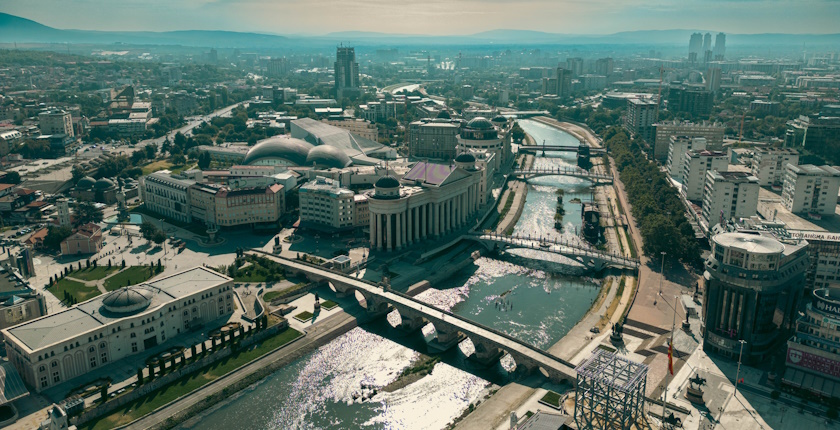
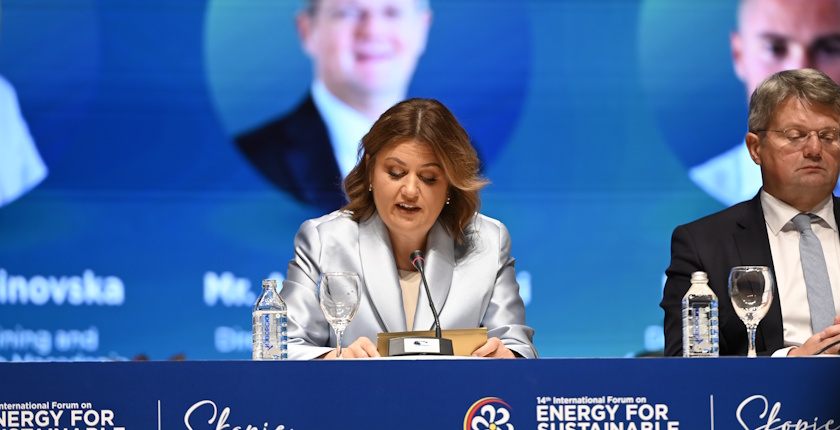
The share of solar power plants’ capacity in North Macedonia has surpassed hydropower plants in 2024, Minister of Energy, Mining and Mineral Resources Sanja Božinovska said at the 14th International Forum on Energy for Sustainable Development in Skopje.

The three-day International Forum on Energy for Sustainable Development (IFESD-14) started yesterday. Its theme is From Goals to Action: Powering the Future with Sustainable Energy. The event was organized by the Ministry of Energy, Mining and Mineral Resources of North Macedonia, in cooperation with the United Nations Development Programme (UNDP) and the UN’s five regional commissions – UNECE, UNESCAP, UNECLAC, UNECA, and UNESCWA.

According to Sanja Božinovska, Minister of Energy, Mining and Mineral Resources, North Macedonia has taken decisive steps in recent years to transform its energy system and align it with the principles of sustainability, security, and affordability.

The reforms are already delivering measurable results, with renewables now accounting for more than half of the country’s total installed electricity capacity – 56% in 2024, she noted.

North Macedonia is moving from goals to action

“The structure of that progress is even more striking. Photovoltaic power plants now represent 28% of installed capacity, surpassing large hydropower, which is at 24%. For the first time in our history, solar has overtaken hydro – a symbolic and practical milestone in our path toward decarbonization,” the minister stated.

In 2024 alone, solar output grew by 186%, she underlined at the first high-level plenary session.

Photo: Ministry of Energy, Mining and Mineral Resources

The numbers speak louder than words: they highlight a nation that is not just planning a transition, but living it, in Božinovska’s view.

Of note, at the end of 2024 the capacity of solar power plants was 848 MW. The year-on-year was higher than 340 MW. Hydropower capacity was 720 MW, at the end of last year.

Božinovska: We are supporting over 5,000 workers and communities affected by the coal phaseout

“The numbers confirm it — North Macedonia is moving from goals to action,” Božinovska stressed.

She added that the country is investing in new solar and wind projects, expanding energy storage, and modernizing the national grid to absorb growing renewable capacity. “These investments are essential for maintaining reliability and flexibility as we integrate more clean energy sources,” she explained.

Božinovska pointed out that the commitment to a just energy transition is equally important.

“We are supporting over 5,000 workers and communities affected by the coal phaseout, helping them to retrain, diversify local economies, and secure green jobs,” she underlined.

Joksimović: Serbia to reach 2030 renewables target

Sanja Božinovska and Jovana Joksimović (photo: Ministry of Energy, Mining and Mineral Resources)

According to Jovana Joksimović, Serbian Assistant Minister of Mining and Energy for International Cooperation and European Integration, coal is still the backbone of the energy system in Serbia, while the share of energy from renewables is significant and growing, and it reached 38% in 2023.

The government plans that one in two megawatt-hours would be produced from renewables by 2030, she underlined.

“Existing valuable resources will need to remain the foundation of Serbia’s electricity sector until renewable energy, transmission and distribution infrastructure, as well as storage capacities and ability to integrate renewables, are sufficiently developed and aligned to reliably and securely replace coal-based electricity generation,” the assistant minister told the audience during the second high-level plenary session.

It is necessary to diversify supply channels but also the energy mix

Joksimović stressed that the increased capacity for clean energy, secured from the two very successful rounds of the auctions, would contribute to reaching 2030 targets.

When it comes to advancing the energy transition and powering the future, it is necessary to think outside the box, she added. Supply channels should be diversified but so does the energy mix, to be as self-sustainable as possible, in Joksimović’s view.

There is huge support for it from relevant international financial institutions – IFIs, but more is needed, in her words.

“If we are going to reach the targets that we set for us, I believe that the European Commission would be partnering with us in all efforts that we are taking,” she concluded.

Photo: Ministry of Energy, Mining and Mineral Resources
by in News

Bulgaria’s coal regions to get further EUR 808 million for just transition

Bulgaria’s coal regions will receive BGN 1.58 billion (EUR 808 million) through the Just Transition program, under the European Union’s Just Transition Fund (JTF), for energy efficiency, renewable energy, and green hydrogen projects, as well as for converting mining areas for commercial use.

With a EUR 598 million program already underway, total investments in the economic transformation during and after the country’s coal phaseout would reach EUR 1.38 billion. They cover coal regions Stara Zagora, Kyustendil, and Pernik and the municipalities of Nova Zagora, Yambol, Simeonovgrad, Harmanli, Topolovgrad, Dimitrovgrad, Haskovo, Elhovo, Sliven and Tundzha.

Grants from the JTF are intended to help coal regions shut down mines and coal-fired power plants, rehabilitate land, switch to a circular and climate-neutral economy, and lift households out of energy poverty.

By the end of the year, the Bulgarian Ministry of Regional Development and Public Works will launch three new procedures for the allocation of grants, according to Deputy Minister Yura Vitanova.

One, worth EUR 153.4 million, will focus on energy communities and energy efficiency in public buildings. Another, worth EUR 72.6 million, will help small and medium-sized enterprises (SMEs) install solar panels and energy storage systems for both self-consumption and commercial use.

A third call, with a budget of EUR 242.9 million, will support the socio-economic transformation, including projects to convert mining areas into business and industrial zones.

Green hydrogen projects will be backed with EUR 134.5 million

Additionally, EUR 134.5 million will be used to fund the development of hydrogen production and transportation infrastructure in Stara Zagora. It includes the construction of a green hydrogen production complex and hydrogen charging stations, the procurement of hydrogen vehicles and hydrogen trailers, and the construction of supporting infrastructure, including photovoltaic systems and energy storage facilities.

The current JTF program in Bulgaria’s coal regions focuses on renovating residential buildings, supporting SMEs, and developing industrial and logistics parks. It also funds training and retraining programs for workers affected by the energy transition, as well as production investments in large enterprises.

by in News

North Macedonia receives grant from France for grid modernization

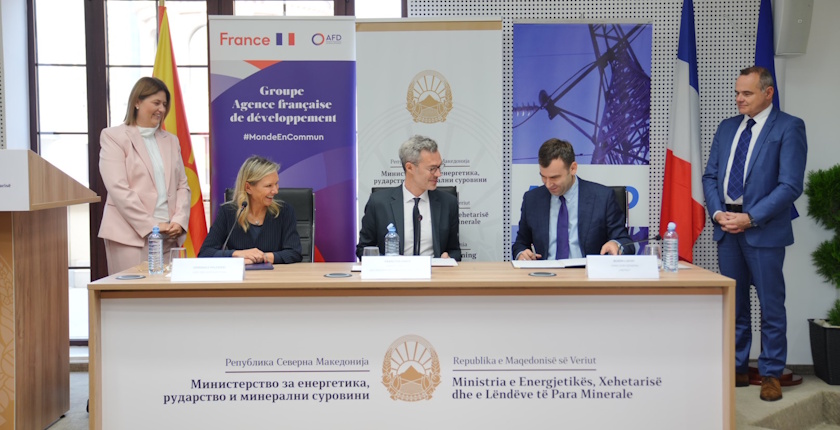
The transmission system operator of North Macedonia – MEPSO, France’s development agency Agence Française de Développement (AFD), and RTE International signed an agreement for a grant intended to support the Balkan country’s transmission system. At the same time, the Ministry of Energy, Mining, and Mineral Resources signed a joint declaration with AFD, officially welcoming the agency as a partner of North Macedonia’s Investment Platform for a Just Energy Transition.

The EUR 600,000 grant is for technical assistance for the modernization and digitalization of the transmission grid in North Macedonia, MEPSO said.

The project focuses on four areas: preparing system adequacy studies using the ANTARES market simulator, sizing system reserves, developing a methodology for calculating transmission losses and producing a feasibility study, and a project for substation digitalization.

Božinovska: AFD’s technical assistance will enable MEPSO to manage variability in the system more efficiently

As part of the project, experts from RTE International, a subsidiary of the French transmission system operator (TSO) RTE, have already held a training course for MEPSO’s engineers on the use of the ANTARES simulator, the Ministry of Energy, Mining and Mineral Resources said.

Minister Sanja Božinovska stressed that AFD‘s technical assistance would enable the company to manage more efficiently the variability resulting from increased participation of renewable sources and market fluctuations.

A more advanced and smarter grid means fewer outages, better use of clean energy, stronger regional connections, and greater system resilience – whether to weather conditions, demand fluctuations, or market instability, Božinovska noted.

Milevski: Pilot project will be launched for the digitalization of a 110 kV substation

According to RTE International CEO Veronika Milevski, the agreement combines advanced power system modeling, innovative reserve forecasting using artificial intelligence (AI), and a pilot project for the digitalization of a 110 kV substation.

This is a decisive step toward a more resilient, transparent, and competitive electricity grid, she pointed out.

MEPSO CEO Burim Latifi explained that the digital transformation pilot project is aimed at developing a fully digital substation with advanced protection, management, and monitoring systems.

Vince: AFD is committed to supporting a just and sustainable energy transition

It is a concrete step toward transforming MEPSO into a smarter, more efficient, and future-oriented TSO, he added.

Of note, AFD and RTE established collaboration with Montenegro’s TSO CGES in November last year. AFD also signed a memorandum of understanding with Albania’s power utility KESH in April.

Regarding the signing of the joint declaration, Sanja Božinovska said the partnership is improving the country’s ability to modernize its electricity system, integrate more renewables, and strengthen security of supply.

AFD is committed to supporting North Macedonia’s just and sustainable energy transition, according to the Deputy Director of the AFD Office for the Western Balkans, François Vince.

The signing of the two agreements was attended by French Ambassador Christophe Le Rigoleur.

Photo: Sanja Božinovska/Facebook
by in News

Voice from beyond the centre

Balkan Green Energy News, the media partner of the 2025 Just Transition Young Voices Awards, is publishing the three winning articles. The Energy Community Secretariat organized the contest in collaboration with Bankwatch, CAN Europe, the CLEW Network, and the Regional Youth Cooperation Office. The aim is to promote young adults set to shape the climate, energy, and social landscape in the years ahead in the Energy Community region. 

Author: Ani Gogokhia

It is the summer of 2045  – unusually hot compared to previous years – but the unbearable heat is not the only problem. I wake up in my small apartment in western Georgia, open the window, and immediately see clouds of exhaust fumes. For me, this is just another part of everyday life.

After a quick breakfast, I step outside for a short walk to wake myself up. The buildings in the city are the only things that remain unchanged. The number of people on the streets is declining. I feel lonely – most of my peers have either moved to the capital, Tbilisi, or left for European countries.

Thinking of them inevitably leads me to reflect on my own career path. Unfortunately, I haven’t had the opportunity to make a meaningful impact in my region.

Not much choice for young woman

With those thoughts weighing on me, I walk quickly to my first job. I call it my first job because I’ll head to another one later in the afternoon. The commute is long, and public transport only slows me down – so I walk. As I pass the local market, I see vendors, most of them women, standing in the scorching sun.

My job is house cleaning. The pay is just enough to cover groceries and utility bills, but with the cost of living rising daily, I rush to a second cleaning job in the afternoon. Floors, windows, walls – it’s all the same. If you wonder why I chose this line of work, the answer is simple: there wasn’t much choice, especially for a young woman.

The scenario described above could become a regular part of life if we halt progress toward a just transition and neglect it

There’s little to say about the workday. I return home as the sun begins to set, carrying groceries in both hands. As I unpack, I wait for my family. Everyone works – my mother and father in a factory, and my sister at a hospital. We gather for dinner and talk about current events: rising tensions, protests over low wages, unemployment, and deepening poverty.

But these conversations always end the same way – with my mother’s cancer. She developed the disease after years of exposure to harmful substances at the factory, yet she still can’t stop working. We simply can’t afford her treatment otherwise.

The scenario described above could become a regular part of life if we halt progress toward a just transition and neglect it. For the energy transition to be truly just, it must include rural areas, too, creating fair opportunities for people across Georgia.

A just transition refers to a series of policies that ensure fair and equal opportunities for everyone as we shift to a greener economy in the fight against climate change. It’s a process meant to align energy systems with modern, sustainable standards. Local governments play a vital role, though many factors – such as geography and ethnicity – can affect how smoothly this transition occurs.

Just transition in Georgia

Georgia is working to stay aligned with global green trends through international cooperation. Hydropower dominates its energy sector, but the country is slowly incorporating wind and solar systems. Since joining the Energy Community in 2017, Georgia has made notable strides toward harmonizing its legislation with the European Union’s energy standards.

This alignment has attracted major investments in renewable energy. Projects like the Kartli wind farm and a national roadmap for a circular economy – supported by the EU4Environment program – are steps in the right direction.

The city of Zugdidi is among the trailblazers in Georgia in the energy efficiency segment, youth engagement and environmental education

These national achievements are significant, but what about rural areas far from the capital? Each region presents unique challenges and opportunities in the just transition. In western Georgia, Zugdidi has started participating in this process. Although large-scale renewable projects remain concentrated elsewhere, the city has seen pilot initiatives in energy efficiency, youth engagement, and environmental education supported by the EU.

The rural development programs of the United Nations Development Programme (UNDP) in Zugdidi focus on inclusive economic participation, especially for youth, and promote eco-tourism and sustainable agriculture to curb outward migration. One noteworthy initiative involved using hazelnut shells to heat school greenhouses – a clever use of a crop central to local livelihoods. Educational projects and international partnerships have also helped raise awareness about the green economy, yet challenges remain.

Chiatura craves economic diversification away from mining

Take, for example, Chiatura – a mining town east of Zugdidi, known for its manganese industry since Soviet times. Chiatura’s economy has long depended on mining, with consequences such as environmental degradation, poor working conditions, and economic stagnation when mining activity declines. Without economic diversification, residents remain vulnerable and largely excluded from sustainable development benefits.

In 2024, Georgian news outlets reported: The hunger strike entered its 22nd day on July 10, involving eight miners, three of whom have sewn their mouths shut. The unrest stems from decisions to shut down underground mining operations, leaving workers desperate and uncertain about their futures.

While Zugdidi explores decentralized, eco-friendly solutions like biomass heating, Chiatura still lags in implementing alternatives – clean industries, green technologies, or renewable energy – deepening the divide between regions.

Youth massively moving to capital Tbilisi

Unfortunately, Georgia’s development remains overly centralized. Most opportunities are clustered in Tbilisi, causing a massive youth outflow from other regions into the capital.

Geographic and infrastructural limitations in rural and mountainous areas also pose serious barriers. For example, eastern Georgia has high solar radiation – perfect for photovoltaic panels – but varied terrain complicates installation. Wind energy prospects are greater in the east, as western regions are less windy.

A just transition also demands inclusive participation, especially from women. As of 2024, women make up just 28% of the global STEM (science, technology, engineering and mathematics) workforce – a glaring underrepresentation. In Georgia, the meaningful inclusion of women in the just transition remains a significant challenge. Empowering women – politically, economically, and socially – is key.

A difficult past marked by political instability and conflict has left its mark, but the more women engage in public life, the greater their chances of economic empowerment, entry into traditionally male-dominated professions and establishing decent place in economy.

What must be done

While Georgia has made substantial headway towards its climate goals, it is key for the country to create a unified national policy that addresses all regions equitably. We need robust educational campaigns, targeted support for rural areas, and most importantly, greater inclusion of women and minority groups in the just transition.

Only then can we build a fair, resilient society capable of meeting the challenges of the 21st century.

Photo: Just Transition Young Voices Awards
by in News

Powering the Future with Sustainable Energy – North Macedonia to host 14-IFESD forum on October 28-30

Over 300 officials, policymakers, experts, business leaders, scholars and civil society representatives are gathering in Skopje on October 28 at the three-day International Forum on Energy for Sustainable Development (14-IFESD). Key topics include energy connectivity, energy security, a just energy transition and international energy cooperation.

The 14th International Forum on Energy for Sustainable Development (14-IFESD) will be held from October 28 to 30 at the Hotel Holiday Inn Skopje in North Macedonia. This year’s theme, From Goals to Action: Powering the Future with Sustainable Energy, will guide discussions among more than 300 participants, including officials, policymakers, energy experts, business leaders, scholars and civil society representatives.

They will discuss critical topics such as energy connectivity, energy security, just energy transition, international energy cooperation and collective efforts to accelerate the implementation of the United Nations 2030 Agenda for Sustainable Development.

The forum will serve as a platform for shaping actionable strategies to accelerate progress toward global sustainable energy goals

The Ministry of Energy, Mining and Mineral Resources is organizing the event in collaboration with the UN Development Programme (UNDP) Country Office in North Macedonia and the five regional commissions: UN Economic Commission for Europe (UNECE), UN Economic and Social Commission for Asia and the Pacific (UNESCAP), UN Economic Commission for Latin America and the Caribbean (UNECLAC), UN Economic Commission for Africa (UNECA) and Economic and Social Commission for Western Asia (ESCWA).

Last year’s IFESD was held in Bangkok.

The speakers list includes Prime Minister Hristijan Mickoski, Minister of Energy, Mining and Mineral Resources Sanja Božinovska, Energy Community Secretariat Director Artur Lorkowski and Minister of Energy and Mining of Montenegro Admir Šahmanović.

The forum will serve as a platform for shaping actionable strategies to accelerate progress toward global sustainable energy goals, the organizers said.

One of the segments on the first day of 14-IFESD is dedicated to opportunities for the mitigation of methane emissions from the coal sector. It will take place in a hybrid format – onsite and online.

by in News

Green resilience: How Kyiv is shaping a sustainable future amid crisis

Balkan Green Energy News, the media partner of the 2025 Just Transition Young Voices Awards, is publishing the three winning articles. The Energy Community Secretariat organized the contest in collaboration with Bankwatch, CAN Europe, the CLEW Network, and the Regional Youth Cooperation Office. The aim is to promote young adults set to shape the climate, energy, and social landscape in the years ahead in the Energy Community region. 

Author: Kateryna Pereloma

Kyiv, the heart of Ukraine, is a city renowned for its golden domes, cultural depth, and enduring spirit. In recent years, especially since the full-scale invasion of Ukraine in 2022, the people of Kyiv have faced extraordinary challenges. But amid the destruction and uncertainty, a new kind of rebuilding has taken root – one that is greener, smarter, and focused on long-term sustainability.

When the war disrupted supply chains, energy infrastructure, and food systems, communities across Kyiv were forced to adapt quickly. What began as survival soon evolved into innovation. As energy security became a national priority, citizens and officials in Ukraine’s capital started reimagining what a more self-reliant and sustainable city could look like.

One of the most visible changes has been the rise of solar energy. While Ukraine had been developing renewables before the war as well, the conflict accelerated the adoption of decentralized energy sources.

In many neighborhoods, especially those affected by blackouts and grid instability, residents pooled resources to install rooftop solar panels, solar-powered water heaters, and even small-scale battery storage systems. Tenants’ associations in apartment buildings began using crowdfunding platforms to raise money for green energy upgrades. My neighbor, for example, spearheaded a project in our building to install solar panels that now help power our elevator and joint lighting systems.

Solar energy became lifeline for schools, hospitals, critical infrastructure

Schools and hospitals also embraced solar as a lifeline. Through international aid and local initiatives, dozens of Kyiv’s critical infrastructure facilities have been outfitted with renewable energy systems.

This isn’t just about environmentalism – it’s about resilience. When the power goes out during missile attacks or rolling blackouts, these systems keep vital services running. The city’s shift to green energy has become a form of defense as much as it is a commitment to sustainability.

Waste management has also undergone a transformation. Before 2022, recycling in Kyiv was limited and often inconsistent. But since the war began, grassroots recycling programs have surged. Volunteer-led sorting centers appeared in districts like Obolon, Podil, and Solomianskyi, where residents bring plastics, paper, electronics, and batteries.

These centers often operate out of garages, schoolyards, or community centers – and they’re staffed by locals determined to reduce waste and pollution. The Zero Waste Alliance Ukraine, a nonprofit that started as a small awareness campaign, has grown into a national network promoting sustainable consumption and waste reduction in cities like Kyiv.

Modernizing Kyiv’s subway system is priority

Public transportation is another area where the city has made strides. Although metro stations are damaged and they doubled as bomb shelters during attacks, Kyiv’s subway system remains one of the greenest forms of transport in the region. The city government, recognizing its importance, has prioritized its modernization.

The number of cyclists is rising, and so is the length of bike lines

Electric buses are being introduced, and there are pilot projects for low-emission zones in the city center.

The number of bicycle commuters has also increased significantly since fuel prices soared and road conditions became more unpredictable. I started biking to work last year, and I’ve noticed more bike lanes being marked, as well as more people making the same choice – not only for convenience but for the environment.

Local communities farming strawberries between buildings

Food systems are shifting, too. With imports disrupted and many large-scale farms in occupied or war-damaged areas, Kyiv residents began to grow food in unexpected places. Urban gardening took off in parks, on balconies, and even in underground shelters.

In our district, we turned a neglected courtyard into a communal garden with tomatoes, herbs, and strawberries. It’s not a large-scale solution, but it brings people together, reduces dependence on long supply chains, and fosters a deeper connection to the land.

Green startups popping up throughout Ukraine’s capital city

Crucially, these changes are being supported by a growing culture of green entrepreneurship.

Startups focused on eco-construction, sustainable packaging, and electric mobility are popping up throughout the city. One standout example is a Kyiv-based company that makes biodegradable packaging from hemp – a plant widely grown in Ukraine.

Another startup, EcoFactor, retrofits older buildings to improve their energy efficiency, employing many internally displaced people in the process. These green businesses don’t just support the environment; they offer livelihoods and hope amid uncertainty.

Youth and students are looking toward a sustainable post-war future

Perhaps most inspiring is the role of young people in this transition. Ukrainian youth have always been politically and socially active, but the war has heightened their sense of responsibility.

Environmental clubs in Kyiv universities are organizing climate literacy workshops, cleanup events, and public advocacy campaigns – even during air raid alerts. I recently attended a student-led event called Green Rebuild, where architecture and engineering students presented ideas for post-war reconstruction using sustainable materials and passive design principles.

It struck me that the generation growing up during war is also the one leading us toward a cleaner, more conscious future.

Even amid destruction, there can be creation

Our shift toward a green local economy isn’t linear or perfect. There are still challenges with funding, access to technology, and bureaucratic delays. And yet, what’s happening here is remarkable: a city under siege is laying the foundations for a sustainable future. We are proving that even amid destruction, there can be creation – that rebuilding a nation can also mean rethinking how we live, produce, and share.

In Kyiv today, sustainability is not just a political goal or a global trend – it’s a grassroots reality. It’s neighbors coming together to plant gardens, fix solar panels, sort recyclables, and imagine better ways of living. It’s resilience not only in the face of war, but in the face of climate change, inequality, and old ways of doing things.

The capital city’s story is still unfolding. But as we rebuild, we are building green – not because it’s fashionable, but because it’s essential. And in doing so, we’re showing the world that even in the darkest moments, there is light – and sometimes, that light comes from solar panels on a Kyiv rooftop.

by in News

Serbia proposes taxes on greenhouse gas emissions, imported carbon-intensive products

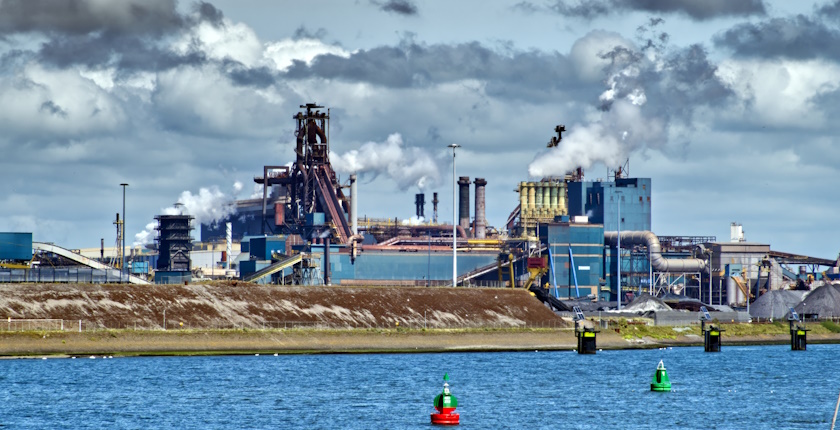
The Ministry of Finance of Serbia launched public consultations on the draft Law on Greenhouse Gas Emissions Tax and Law on Carbon-Intensive Product Imports Tax, both at EUR 4 per ton of CO2 equivalent.

On January 1, importers of electricity, cement, iron and steel, aluminum, hydrogen and fertilizers to the European Union will start paying the CBAM carbon dioxide tax. If the country of origin also has a CO2 pricing system and the EU recognizes it, the sum will be deducted from CBAM.

The greenhouse gas emissions tax won’t be a new fiscal burden, but an incentive for modern and cleaner production, the Ministry of Finance of Serbia stressed in its public consultation call on what it said would be two key laws for the country’s green transition. It intends to charge producers and importers of certain goods EUR 4 per ton of CO2 equivalent.

The draft Law on Greenhouse Gas Emissions Tax and draft Law on Carbon-Intensive Product Imports Tax are intended to lower pollution, improve energy efficiency and secure a more equal position for the Serbian industry in the domestic and international markets, according to the announcement.

The public consultation process lasts until October 21, the deadline for submitting comments and suggestions. Presentations and discussions are scheduled for October 8 and October 15 in Belgrade, and online meetings are to be held on October 10 and October 17.

Both laws to enter into force on January 1, when EU also starts charging CBAM

The first of the two taxes is for big industrial emitters in the sectors of cement, fertilizers, iron and steel, aluminum and electricity. The ministry added that it is targeting January 1 for both laws to come into effect.

On the same date, the EU is set to start charging its Carbon Border Adjustment Mechanism (CBAM) tax on imported electricity, the other said goods as well as hydrogen. If the country of origin also taxes CO2 and the EU recognizes its system, the sum that was paid will be deducted from CBAM.

The CBAM tax is envisaged to rise every year until in 2034 it becomes equal as the prices of grenhouse gas emission certificates in the EU’s Emissions Trading System (EU ETS). Of note, the plan is also to expand the mechanism to other segments that EU ETS covers. The price has held above EUR 75 per ton of CO2 equivalent in the past month.

Institutional infrastructure isn’t sufficiently developed to roll out domestic ETS

The draft Law on Carbon-Intensive Product Imports Tax, envisaged as an equivalent to CBAM on the home market, doesn’t include hydrogen (and neither does the other draft), due to negligible production, while electricity wasn’t included because of technical limitations and a lack of a precise taxing methodology, the ministry explained.

The tax on imported carbon-intensive products would cover only the entities that import more than five tons of the designated products per year

Importers would be taxed based on emissions embedded in the production of the goods from abroad, but they will be able to use tax credits if an emissions levy has already been paid in the country of origin, similar to the EU system. The obligation is only for companies importing more than five tons of designated products per year.

The government opted for a tax instead of an ETS because “an emissions trading system requires a developed institutional infrastructure and market mechanisms that currently aren’t completely established,” an accompanying document reads.

Importantly, an independent verification system is under development.

The taxes would cover CO2, nitrous oxide (N2O) and perfluorocarbons (PFCs).

CO2 tax scope limited to certain larger producers

The ministry pointed out that the draft law wasn’t made to be applied extensively, but only to the firms obligated to have a license for emissions from their plants. Mostly they are large and medium-sized companies. The increase in administrative expenses would be limited, as the entities in the group already measure emissions data, in line with the Law on Climate Change, and send them to the Ministry of Environmental Protection.

The production of synthetic fertilizers and nitrogen compounds, cement, pig iron, steel and ferroalloys, aluminum and electricity accounts for over 57% of emissions in Serbia and more than 90% within the national monitoring and reporting system.

Tax deductions for large electricity producers that invest in decarbonization

A payer of the greenhouse emissions tax that predominantly generates electricity, accounting for at least 80% of its income in the previous annual tax period, is eligible for a tax credit amounting to 20% of the sum that it invested in decarbonization measures, the draft shows.

The deduction wouldn’t exceed 80% of the due tax. The government determines the said measures.

The draft greenhouse gas emissions tax envisages incentives for the taxpayers to finance green projects, the just transition and protection of vulnerable households

In addition, entities that pay the tax would be eligible for incentives, from the state budget, for financing climate and energy transformation through investing in renewables and energy efficiency, innovative low-carbon technologies, decarbonization of industrial production, green construction and support to the just transition and protection of vulnerable households.

In the short term, the new fiscal obligation can cause a moderate increase in production costs for facilities with significantly high emissions, the ministry said. Then there is a possibility, over the long term, for a moderate indirect effect on prices of some products, like construction materials and energy, but it would be limited and gradual, the law’s authors claim.

by in News

Race against time to secure EU funding for waste-to-energy plants in Greece

Hostile reactions from citizens and the opposition by municipal authorities threaten to derail Greece’s efforts to build six waste-to-energy plants. Moreover, time is running out to secure EUR 800 million in European funding.

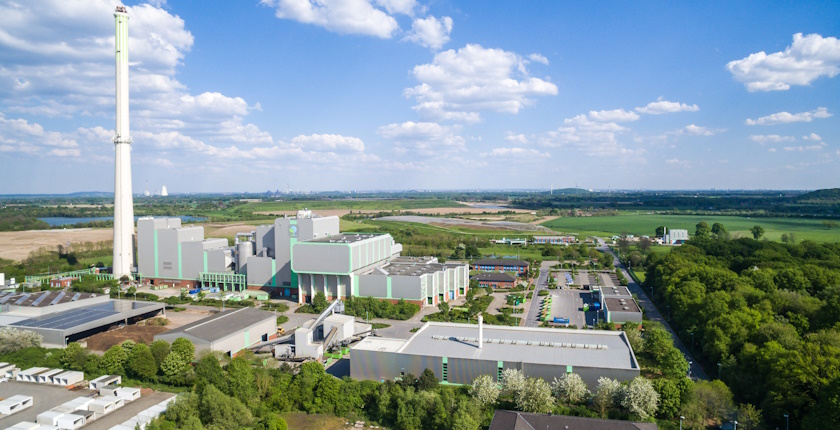
The Ministry of Environment and Energy is expected to publish a call for waste-to-energy projects planned in Attica, Western Macedonia, Rodopi, Peloponnese, Boeotia (Viotia) and Crete. Total investment would amount to EUR 1 billion, for 1.19 million tons in capacity. However, time is running out to secure EUR 800 million in European funding set aside for them and the accompanying recycling plants.

Greece has been warned several times by the European Commission and fined for failing to fulfil its obligations in waste management. The country still relies mostly on landfills to handle municipal waste, instead of modern solutions. Ideally, useful materials should be sorted for recycling before the waste gets burned in incinerators to produce energy.

Two of the proposed units, the ones in Rodopi and Western Macedonia, are expected to provide district heating. The Ptolemaida 5 lignite-fired plant supplies district heating in the coal region of Western Macedonia in the country’s north, but it is scheduled to be decommissioned by 2028 at the latest.

Its owner, Public Power Corporation (PPC or DEI) aims to complete a waste-to-energy plant by then. Other prospective investors include GEK Terna, Metlen, Aktor and Motor Oil Hellas, all big players in the country’s energy market.

High fees and pollution worry municipalities

Many local authorities have expressed their objections to hosting these plants, fearing a rise in municipal fees and pollution. A discussion is underway in numerous municipal councils. They could lodge appeals to the Supreme Court and delay the process.

Amanatidis: Cancel all waste-to-energy plans

The regional council of Western Macedonia recently voted overwhelmingly to reject the plan for PPC’s planned unit from the ministry’s strategic environmental assessment (SEA). Governor Giorgos Amanatidis called on the government to withdraw the study and cancel the project. Municipalities in the same region and other institutions are also against an incinerator.

European funding through the National Strategic Reference Framework (NSRF) ends in 2027. The government and investors have until mid-2026 for implementation, Newmoney reported, adding that waste-to-energy projects take two to three years to complete.

Recently, another initiative, the Apollo program, for investments in renewable energy to lower energy costs for vulnerable consumers, lost EUR 100 million from the EU’s Recovery and Resilience Facility (RRF).

by in News

Bulgarian coal plant mulls replacing boiler with molten salt battery

The operator of the AES Maritsa iztok 1 coal plant in Bulgaria is interested in replacing one of its boilers with a molten salt reactor. It would accumulate excess renewable energy from the power grid as heat and produce steam to drive the existing turbine.

With the surge in solar and wind power capacity throughout the world, the grid needs to match it with balancing and flexibility to handle the intermittency of the two sources. Their output varies with weather conditions, so the amount of electricity is often much higher or lower than demand.

Batteries are all the rage now, with investors racing to bridge the gaps between intraday peak production and peak consumption. Southeastern Europe is catching up with the trend, especially in Bulgaria, Romania and Turkey.

A molten salt battery could turn out to be a lifeline for AES Maritsa East 1

It opens up space for some other solutions in the emerging energy storage market which are nearing maturity. United States-based AES Corp.’s subsidiary in Bulgaria is examining one such overlooked opportunity. The molten salt reactor technology could revive the prospects of its coal power plant in Galabovo in Stara Zagora province.

The operator of the AES Maritsa iztok 1 (AES Maritsa East 1) facility is planning to transform one of the units into a so-called Carnot battery, Capital.bg reported. Such systems turn electricity into thermal energy and store it, to convert it back to electricity.

AES plans to maintain generator’s capacity

The company’s solution of choice is a molten salt reactor, which would replace the boiler. AES plans to power it with surplus renewable energy and produce steam for the existing 345 MW turbine. Importantly, among its other assets is the Saint Nikola wind power plant of 156 MW, the largest in Bulgaria.

The battery would hold enough heat to drive the unit at maximum power for five hours, translating to 1.73 GWh.

Coal plants can technically work nonstop, but the market has all but overrun most such facilities in Europe. Now they increasingly operate only when prices are high, covering peaks. It could make the business case for molten salt reactors and preserve jobs.

Molten salt is used in concentrated solar power (CSP) plants. They mostly use electrolytes such as alkali metal chlorides – sodium chloride, potassium chloride or lithium chloride – or nitrates: for instance, sodium nitrate or potassium nitrate.

Need for energy storage strengthening with rise in intraday price spreads

Market prices were negative on 2.8% of the days of last year, while they were lower than EUR 5 per MWh for 8.8% of the time. It compares to 1.9% and 5.5% in 2025, respectively, the article adds. The spread between the maximum and minimum prices is increasing. On 53% of days in the first half of this year, the difference was between EUR 100 per MWh and EUR 200 per MWh. The share of spreads above EUR 200 per MWh was 30%.

Such high amplitudes indicate both oversupply and shortages within the same day, amid the strong growth in variable renewables capacity.