by in News

Electricity Production and Exports Rise Sharply in Albania in Q1 2026

Electricity production and exports increased significantly in the first quarter of 2026, while imports fell by more than half, according to data published by INSTAT on the country’s electricity balance.

Net domestic electricity production reached 3,647 GWh in the first three months of the year, compared with 2,234 GWh in the same period a year earlier, marking an increase of 63.2%. The growth was driven mainly by public hydropower plants, as well as private and concessionary hydropower producers, which together accounted for more than 93% of domestic production. Other producers, mainly photovoltaic plants, represented around 7% of total generation.

Gross electricity exports, including exchanges, rose to 1,503 GWh, up from 732 GWh in the first quarter of 2025, representing a year-on-year increase of 105.4%. At the same time, gross imports fell to 327 GWh, from 767 GWh, reflecting a decline of 57.4%.

As a result, the electricity exchange balance was positive at 1,177 GWh, while domestic production covered most of the country’s demand.

Public hydropower plants generated 1,667 GWh during the period, up 63% compared with the same quarter of the previous year. Production from private and concessionary hydropower plants reached 1,726 GWh, an annual increase of 66.8%. Meanwhile, other electricity producers, including photovoltaic plants, generated 254 GWh in the first quarter, compared with 176 GWh a year earlier, recording growth of 44%.

Electricity available for consumption increased by 8.9% compared with the first quarter of 2025, while final consumption reached 1,954 GWh, up 9.1% year-on-year.

Household electricity consumption increased by 8.8%, while consumption by businesses and other non-household consumers expanded by 9.5%. INSTAT also reported that network losses reached 516 GWh, or 8% higher than a year earlier. However, the share of losses in relation to electricity available for consumption declined slightly to 20.9%, from 21.1% in the first quarter of 2025.

Transmission losses increased by 31.9%, while distribution losses rose by 5.1%, according to official data.

TAB. 1 Electricity Energy Balance
MWh
Indicators Q1 2025 Q1 2026
A Available energy (A=1+2-3) 2.269.259 2.470.192
1 Domestic net production (1=1.1+1.2+1.3) 2.233.905 3.646.805
1.1 Thermal power plants 0 0
1.2 Hydropower plants (1.2=a+b) 2.057.523 3.392.739
a Public (a=a.1-a.2) 1.022.784 1.666.663
a.1 Gross production of public hydropower plants 1.032.261 1.679.355
a.2 Losses and own consumption 9.477 12.693
b Independent private and concessionary producers 1.034.740 1.726.076
1.3 Other producers — other renewable energy sources 176.381 254.066
2 Gross imports — energy received 767.187 326.815
3 Gross exports — energy delivered 731.833 1.503.429
B Electricity consumption (B=1+2) 2.269.259 2.470.192
1 Network losses (1.1+1.2) 477.816 515.817
1.1 Losses and own consumption in transmission 51.088 67.361
1.2 Distribution losses (1.2=a+b)1 426.728 448.456
a Technical losses in distribution 312.071 336.635
b Non-technical losses in distribution2 114.657 111.821
2 Use by consumers (2=2.1+2.2) 1.791.443 1.954.375
2.1 Household consumers 1.064.956 1.158.522
2.2 Non-household consumers 726.487 795.853
1 The breakdown of technical and non-technical losses consists of estimates carried out by operators active in the electricity sector.
2 Non-technical losses also include statistical differences arising from non-declarations of production and changes resulting from the timing of production measurement, which is shifted in relation to sales or consumption data.
⚡ Albania Electricity Balance · Q1 2026

Electricity Production and Exports Surge in Q1 2026

Official INSTAT data show that Albania’s electricity available for consumption increased by 8.9% year-on-year, supported by a strong rise in domestic generation and a sharp increase in exports.

Energy available 2,470 GWh ▲ +8.9% vs Q1 2025
🏭
Net domestic production 3,647 GWh ▲ +63.2% vs Q1 2025
🔌
Gross exports 1,503 GWh ▲ +105.4% vs Q1 2025
⬇️
Gross imports 327 GWh ▼ -57.4% vs Q1 2025

Q1 2025 vs Q1 2026: Electricity Balance

Indicator Q1 2025 Q1 2026 Change
by in News

EPCG Expands Generation and Storage Portfolio with 639 MW of New Projects

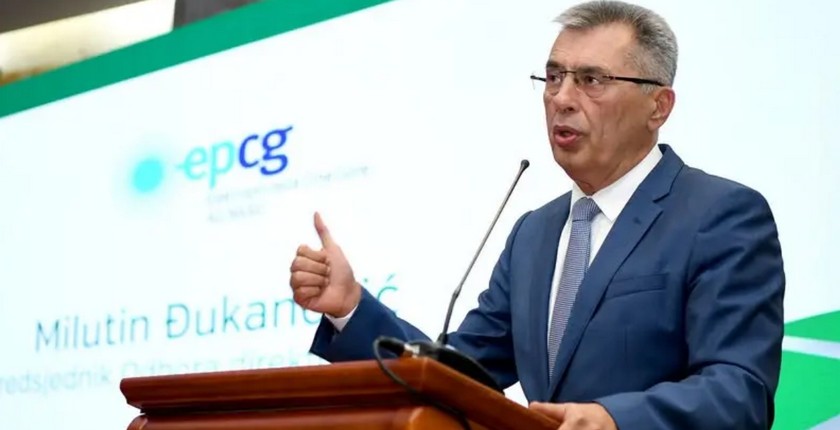
Montenegro’s state-owned utility Elektroprivreda Crne Gore (EPCG) is advancing a broad portfolio of solar, wind, battery storage, and hydropower projects with a combined capacity of 639 MW, and an expected annual electricity output of more than 1 TWh, according to Milutin Đukanović, President of EPCG’s Board of Directors.

In an opinion piece, Đukanović said the company has already completed part of a major investment cycle, including rooftop solar projects, the Gvozd 1 wind farm, the ecological reconstruction of the Pljevlja thermal power plant, and part of the modernization works at the Piva and Perućica hydropower plants. He added that new generation capacities, battery storage systems, hydropower upgrades, rooftop solar, wind projects, and strategic partnerships are EPCG’s response to the operational and market challenges it faced in 2025.

EPCG’s direct project pipeline amounts to around 639 MW/MWp, with estimated investments of approximately EUR 646.5 million and an expected annual output of about 1,024 GWh. Đukanović noted that the investment framework also includes reconstruction and upgrade projects that cannot always be expressed in megawatts.

When strategic and potential private partners are included, the company’s total portfolio rises above 4,636 MW/MWp, with a potential annual electricity generation of more than 8,176 GWh. Đukanović said EPCG is positioning itself for a larger role in Montenegro’s energy transition and in the broader regional power market.

The portfolio includes EPCG-owned solar power plants with a combined capacity of 221.1 MW and projected annual production of 299 GWh, rooftop solar systems for prosumers totaling 209.1 MW and 245 GWh in annual generation, the Gvozd 1 and Gvozd 2 wind farms with a combined capacity of 75.6 MW and expected output of 227 GWh, hydropower projects totaling 71.7 MW and 135 GWh annually, and battery energy storage facilities with an operating power of 60 MW.

A battery energy storage system is also planned at EPCG’s steel plant Željezara Nikšić. The project is estimated at around EUR 48 million and is designed as a 60 MW / 240 MWh system, with an expected annual electricity output of about 118.3 GWh, Đukanović said.

Among the completed investments, EPCG has already added 143.66 MW of new generation capacity, corresponding to around 268 GWh of annual electricity production. The value of these completed projects stands at approximately EUR 258.87 million.

These include rooftop solar systems installed under the Solari 3000+ and Solari 500+ programs, with a total peak capacity of 34.34 MW and expected annual generation of 40.18 GWh, as well as the completed portion of the Solari 5000+ project, which has a total peak capacity of 54.72 MW and expected annual output of 64.02 GWh. A further 20 MW of rooftop solar remains to be installed under the same program.

The 54.6 MW Gvozd 1 wind farm has also been completed, with an investment of EUR 82 million and projected annual output of 163.8 GWh. Together with the second phase, Gvozd 2, the project will raise total wind capacity by about 75.6 MW.

Additional completed investments include the ecological reconstruction of the Pljevlja thermal power plant, valued at EUR 75 million, along with the second phase of reconstruction and modernization works at the Piva hydropower plant, worth EUR 10.83 million, and the second phase at the Perućica hydropower plant, worth EUR 33 million.

Đukanović also noted that the Pljevlja coal mine carried out the diversion of the Ćehotina River during the power plant reconstruction, in a project worth EUR 20 million. The intervention was necessary to secure continued coal mining operations, as available reserves were close to exhaustion.

He said the main reasons for EPCG’s EUR 92.1 million loss in 2025 were the eight-month outage at the Pljevlja thermal power plant due to ecological reconstruction, as well as unfavorable hydrological conditions.

According to Đukanović, once production at Pljevlja resumed, EPCG’s energy balance returned to positive territory. The company then posted a profit of EUR 36.47 million in the first quarter of this year.

by in News

Albania’s Hydropower Surge Strengthens Its Position in Regional and EU Energy Markets

The first three months of 2026 marked a substantial increase in electricity generation in Albania, driven primarily by a sharp rise in hydropower output. Production from hydropower plants was 70% higher in January–March 2026 compared to the same period a year earlier.

According to data published in the report of the Energy Community on the Carbon Border Adjustment Mechanism (CBAM), Albania gained a clear advantage over other regional countries in exporting electricity generated from renewable sources.

Specifically, the first quarterly report on CBAM implementation highlights that Albania’s hydropower generation increased significantly, positioning the country as a far more aggressive net exporter of electricity to both the regional market and the European Union.

“Hydropower production in Albania increased by 1.34 TWh (+70%) in the first quarter of 2026 compared to the same period in 2025, rising from 1.93 TWh to 3.27 TWh,” the report states. This growth was concentrated in January and February, with increases of +72% and +84% respectively, reflecting exceptionally favorable hydrological conditions.

This surplus translated directly into higher exports. Albania increased scheduled electricity exports by approximately 4,100 MWh per day to Greece, 3,700 MWh per day to Kosovo, and 2,000 MWh per day to Montenegro.

The report estimates that “these shifts in trade flows represent a net movement of approximately 1.2 TWh of Albanian electricity exported in the first quarter of 2026,” a volume that closely matches the incremental increase in hydropower generation.

The economic impact is further amplified by how CBAM treats Albanian electricity. Unlike Serbia, Bosnia and Herzegovina, or Montenegro, Albania benefits from a zero emissions factor. This means its electricity exports to the European Union are not subject to additional carbon costs.

“Electricity imported into the European Union from Albania was not financially affected by CBAM,” the report notes, adding that this “created a commercial incentive to import Albanian electricity into EU markets.”

Such dynamics position Albania as a preferential energy corridor դեպի the European market, particularly through Greece and onward to Italy. The report observes that exports from Albania to Greece intensified, with Albanian electricity—combined with strong Greek domestic production—subsequently redirected toward Bulgaria and Italy.

The Energy Community further warns that hydropower-dominated systems like Albania’s “appear to be in a structurally more competitive position,” suggesting that CBAM is already creating long-term winners and losers in the region. In contrast, countries with higher coal-based generation face substantial financial penalties.

For example, Montenegro pays approximately €73.8 per MWh of electricity exported to the European Union, while Albania pays zero. “The contrast between Albania and Montenegro illustrates how country-level emission factors shape cross-border electricity trade,” the report concludes, placing Albania firmly on the side of Europe’s evolving energy transition.

by in News

Hydrological Deficit: Albania’s KESH Sees 2025 Production Plummet 22% Below Historical Average

Albania’s state-owned power utility, the Albanian Power Corporation (KESH), is grappling with a significant production shortfall as 2025 emerges as one of the driest years in recent history. According to official data, electricity generation from the Drin River Cascade fell 22% below the historical average, forcing the country to rely heavily on costly imports to meet domestic demand.

Climate Volatility Tests Energy Resilience

The Drin River Cascade comprising the Fierza, Koman, and Vau i Dejës hydropower plants serves as the backbone of Albania’s energy system. However, its total reliance on hydrology remains a structural vulnerability.

The 22% drop against the multi-year average underscores the increasing impact of climate variability on the Balkan energy landscape. While the historical average production serves as the benchmark for national energy planning, the lack of significant precipitation throughout 2025 has depleted reservoir levels, leaving the state utility with limited maneuverability.

Market Exposure and Economic Implications

The production deficit has immediate financial consequences. To ensure an uninterrupted supply for regulated consumers, Albania has been forced to turn to the international open market. This shift exposes the state budget to price volatility, as KESH must purchase electricity at market rates while selling it to domestic distributors at fixed, regulated prices.

Energy experts note that such “dry years” highlight the urgent need for Albania to diversify its energy portfolio. While solar and wind projects are currently in the pipeline, the current 2025 figures serve as a stark reminder that the country remains at the mercy of the weather.

Operational Strategy

In response to the low inflows, KESH has implemented a conservation strategy for the Fierza reservoir the country’s primary energy reserve to maintain technical safety levels and ensure a baseline of stability for the winter peak. However, without a significant shift in meteorological conditions, the deficit is expected to weigh heavily on the sector’s year end financial performance.

This 22% contraction is more than just a statistical dip, it is a call for accelerated investment in storage and alternative renewables. For a country that prides itself on “green” energy through hydro, the 2025 data proves that “green” is not always synonymous with “reliable” in an era of climate extremes. The government’s ability to manage this deficit without passing costs onto the end consumer will be the defining fiscal challenge for the energy sector this year.

by in News

Croatia Launches Espoo Convention Procedure Over Gornji Horizonti Hydropower Project in Bosnia and Herzegovina

The Ministry of Environmental Protection and Green Transition has formally initiated proceedings under the Espoo Convention concerning the Gornji Horizonti hydropower subsystem in Republika Srpska, Bosnia and Herzegovina. The large-scale energy project предусматриes the construction of three hydropower plants.

Environment Minister Marija Vučković confirmed that the official procedure was launched in November through the Secretariat of the Espoo Convention, formally known as the UNECE Convention on Environmental Impact Assessment in a Transboundary Context. Both Croatia and Bosnia and Herzegovina are signatories to the convention.

According to Vučković, the ministry issued a written opinion arguing that the project’s development has not complied with provisions related to the participation of potentially affected states in projects with possible cross-border environmental impacts. While Croatia does not have the authority to block such infrastructure investments, it is entitled to be adequately consulted and to receive comprehensive responses to its inquiries.

Longstanding Environmental Concerns

Vučković emphasized that energy infrastructure development in the Trebišnjica river basin has, for decades, produced visible adverse effects in the Neretva river valley. She noted that numerous expert questions raised by Croatian authorities over the past 15 years — ranging from the HPP Dabar project to subsequent initiatives — remain unresolved.

“In the spirit of good-neighborly relations, Croatia will continue to insist on clear and substantiated answers,” the minister stated.

The Prefect of Dubrovnik-Neretva County, Blaž Pezo, warned that the Gornji Horizonti project poses a risk to the natural freshwater flow of the Neretva River. He underscored that Croatia is actively pursuing all available mechanisms to challenge aspects of the project that could negatively affect its territory.

Ministry of Environmental Protection and Green Transition

Parallel Investment to Combat Salinity in Lower Neretva

The issue was discussed in Opuzen during a visit by Vučković and Pezo to the site of a EUR 85.5 million environmental protection project in the Donja Neretva region. The initiative aims to safeguard land and water resources from salinization in the lower Neretva area.

The first phase foresees the construction of a barrier on the Neretva River to prevent seawater intrusion, with works valued at approximately EUR 30 million and an implementation timeline of four years. The second phase includes the development of a freshwater reservoir upstream of the barrier, intended to flush salt from agricultural soils and secure reliable irrigation supplies.

Structure of the Gornji Horizonti Subsystem

The Gornji Horizonti hydropower subsystem involves diverting water from the Gatačko (Gacko) and Nevesinjsko (Nevesinje) plains through the Dabarsko (Dabar) and Fatničko (Fatnica) plains into Bilećko (Bileća) Lake.

The project encompasses three hydropower plants — Dabar, Bileća and Nevesinje — and is being developed by Elektroprivreda Republike Srpske. Construction of the Dabar hydropower plant is currently underway.

by in News

Montenegro’s EPCG signs contract for Otilovići small hydropower plant

Montenegro’s Elektroprivreda Crne Gore signed a contract today with Vigoris Ecotech for the construction of the Otilovići small hydropower plant near Pljevlja, in the northern part of the country.

The agreement between state-owned power utility Elektroprivreda Crne Gore (EPCG) and Vigoris Ecotech is for project design, construction, the delivery and installation of electro-mechanical equipment, testing, and commissioning, on a turnkey basis.

The contract, worth EUR 6.8 million excluding VAT, was concluded following an open tender, according to the update. The project involves the installation of two units with horizontal Francis turbines, with a total installed capacity of 3.2 MW. The planned annual production is 11 GWh.

The Otilovići SHPP is a priority in hydropower development

In July 2023, EPCG obtained urban planning and technical requirements for the project. At the time, the company said it worked two years on the documentation and announced that it would soon launch a tender.

montenegro epcg vigoris shpp otilovici dragas visnjic dam
Photo: EPCG

The small hydropower plant (SHPP) will utilize surplus water from an existing reservoir on the Ćehotina river. The facility is used for the needs of the Pljevlja thermal power plant and to supply drinking water to Pljevlja.

EPCG said Otilovići has been recognized as a priority hydropower project within the strategic plans of both the company and Montenegro.

Dragaš: Strengthening production stability and flexibility

EPCG CEO Zdravko Dragaš stressed that SHPP Otilovići represents another step in the company’s investment plan and the strengthening of domestic production capacities.

The contract confirms EPCG’s development orientation toward investing in reliable, sustainable, and domestic energy sources, with the full application of modern standards and procedures, he added.

“The Otilovići SHPP is a project that adds new value to Montenegro’s energy system and strengthens our overall production stability and flexibility,” Dragaš underscored.

Višnjić: We aim to deliver a solution that justifies trust

According to Vigoris Ecotech CEO Siniša Višnjić, the project’s implementation will be guided by high standards of quality and safety, with strictly defined deadlines and obligations.

“Our goal is to deliver a solution that justifies EPCG’s trust, from the main design to the final testing and commissioning,” Višnjić stressed.

by in News

New round of talks between Montenegro and Masdar on strategic partnership

Representatives of the Government of Montenegro and Masdar discussed potential joint projects in the energy sector. The focus of the meeting was on solar energy, energy storage, and hydropower.

Minister of Energy and Mining of Montenegro Admir Šahmanović and the Minister of Public Works Majda Adžović met today at Villa Gorica in Montenegro’s capital Podgorica with Masdar CEO Mohamed Jameel Al Ramahi and his team.

It was the second meeting between Al Ramahi and Šahmanović in a short period. They met in early September.

The discussions now continued on top priority projects for the Government of Montenegro, ones that could be of mutual interest, according to the Ministry of Energy and Mining.

Priority should be given to projects that are the most technically advanced

Discussions will be intensified to define collaboration models, potential investments, and the selection of first projects to be implemented, the update reads.

Solar projects, including for floating solar power plants, alongside battery energy storage systems (BESS) and hydropower plants, have been identified as segments of special interest. These are also the areas where Masdar has significant engineering and technical experience, the ministry said.

montenegro masdar sahmanovic
Al Ramahi and Šahmanović (photo: Government of Montenegro/Saša Matić)

The two sides agreed to focus on projects that are the most technically advanced, environmentally sustainable, and aligned with the development of the power grid, to ensure their sustainable and efficient implementation.

Šahmanović: Montenegro’s strategic and long-term goal is to establish itself as a reliable and competitive player in the European energy market

Minister Šahmanović pointed out that the country’s strategic and long-term goal is to establish itself as a reliable and competitive player in the European energy market. He underscored that the development of energy infrastructure and renewable energy sources are among the government’s key priorities.

Officials participating in the meeting praised the planned construction of a second submarine cable line with Italy. It is an extremely wise and strategic investment that ensures Montenegro a stronger and more stable position in the European electricity market, they added.
Montenegro’s vision as an energy hub is fully aligned with the government’s development plans, Šahmanović stressed.

Minister of Public Works Majda Adžović highlighted the extensive experience of the United Arab Emirates in energy and infrastructure development in the public sector. It is of great importance for Montenegro’s activities in increasing renewable energy capacities, she added.

Masdar’s expert teams will continue technical talks with the management of EPCG and CGES

Masdar’s representatives have expressed readiness to continue technical discussions with the management of power utility Elektroprivreda Crne Gore (EPCG) and transmission system operator (TSO) Crnogorski Elektroprenosni Sistem (CGES).

The company’s expert teams will aim to identify priority and mature projects for joint implementation, the ministry said.

EPCG’s CEO Zdravko Dragaš and Ivan Mrvaljević, Executive Officer of EPCG’s Directorate for Development and Engineering, pointed out that the development of green energy is the company’s top priority.

A total of 200 MW in renewable energy projects are currently in development, they added.

Ivan Asanović, CEO of CGES, presented projects that are in the final stages of implementation.

by in News

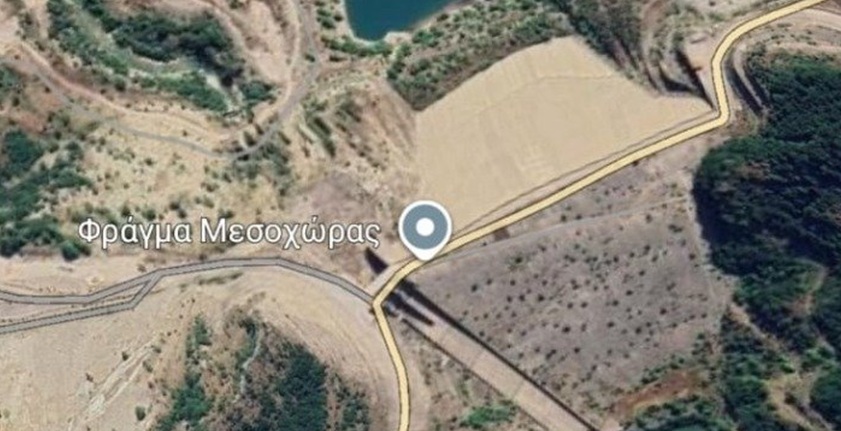
PPC receives funds for stalled Mesochora hydropower project 

Public Power Corporation has received funds to speed up its Mesochora hydropower project, stalled for 24 years.

The Greek Ministry of Environment and Energy announced that the procedures to complete the Mesochora hydropower plant (HPP) in Trikala would be significantly accelerated, ending a 24-year period of judicial deadlock and construction suspension.

Of note, the project was revived in 2021–2022.

The ministry said it signed an agreement with government-controlled Public Power Corporation (PPC or DEI), the project’s developer and operator, on the necessary studies required to finalize the 161.6 MW facility.

PPC is now responsible for commissioning the necessary relocation studies

The deal directly addresses the most sensitive issue: the relocation of residents from the affected settlement of Mesochora, the announcement revealed.

PPC is now responsible for commissioning the necessary relocation studies, with a budget of EUR 1,313,160.00, the update reads.

The ministry claimed that the government is committed to ensuring the safe relocation of the population with full compensation for property owners.

It recalled that the construction of the Mesochora HPP, located on the upper Acheloos River, started in 1986 and that the dam structure was largely finished by 2001. However, its operation was halted due to repeated appeals and long-standing legal battles at the Council of State, the country’s supreme administrative court, initiated by environmental groups and affected local communities.

Over EUR 300 million has already been invested in the project

Now a task force has been established to push forward the project and start the final construction activities by the end of 2026. The expropriation process for all necessary areas will also begin to ensure the safe and efficient functioning of the dam, the ministry underlined.

Of note, over EUR 300 million has already been invested in the project or EUR 500 million in current value.

Once operational, the plant is expected to generate approximately 360 GWh of renewable energy annually, contributing substantially to the country’s energy mix and the targets set by the revised National Energy and Climate Plan (NECP), according to the ministry.

The HPP would also provide balancing for renewable energy generation.

The meeting was attended by Minister of Environment and Energy Stavros Papastavrou, Minister of Digital Governance Dimitris Papastergiou, Mayor of Pyli Konstantinos Maravas, members of Parliament representing Trikala – Konstantinos Skrekas, Thanasis Lioutas and Katerina Papakosta-Palioura, the ministry’s General Secretary of Spatial Planning and Urban Environment Efthimios Bakogiannis and the PPC’s President and CEO Georgios Stassis and Deputy CEO Alexios Paizis.

greece Mesochora hydropower ppc relocation study
Photo: Ministry of Environment and Energy
by in News

North Macedonia’s ESM needs investments of EUR 3 billion to replace coal power

Power utility Elektrani na Severna Makedonija estimated that it requires EUR 3 billion by 2040 to replace electricity from its lignite-fired power plants. According to member of the Board of Directors Ivan Stojanovski, the state-owned company is preparing investments in gas power plants, solar, wind, hydropower and energy storage. He highlighted its plans for a 300 MWh battery and the Bogdanci hybrid energy park.

North Macedonia’s utility Elektrani na Severna Makedonija (ESM), the country’s main electricity producer, generated 60% of the 2024 output in the Bitola and Oslomej coal plants.

A rough estimate is that ESM would have to invest around EUR 3 billion in the next 15 years to replace its power production from lignite, which is baseload energy, Ivan Stojanovski, a member of the Board of Directors and the company’s Chief Financial Officer, told Balkan Green Energy News on the sidelines of the International Forum on Energy for Sustainable Development (IFESD-14).

He explained that the transition to green energy is quite expensive. ESM needs to replace the 840 MW in baseload production that the Bitola and Oslomej thermal power plants provide, the executive added.

Hydropower is a domestic electricity source, unlike natural gas

The company opted for investments in diverse energy sources to achieve it, Stojanovski stressed.

Gas power plants provide baseload energy, but at the same time, they turn the spotlight on national security as well as the security of supply, in his words.

Lignite is currently mined in North Macedonia while natural gas must be imported, so gas supply interruption is possible, ESM’s CFO added.

Gas power plants are required, but it is necessary to invest in hydropower as it is a domestic resource, Stojanovski said. On the other hand, hydroelectric plants are more expensive and it takes longer to build them, he noted.

ESM launched the Bitola 3 solar power project

ESM is developing wind and solar power projects as well. Stojanovski highlighted the planned expansion of its Bogdanci wind farm. The European Bank for Reconstruction and Development (EBRD) is participating in the development of the Miravci wind power project, of at least 100 MW, he recalled.

The company is working on solar power projects Oslomej 1 (10 MW), Oslomej 2 (10 MW), Bitola 1 (20 MW) and Bitola 2 (60 MW), Stojanovski asserted. Bitola 3 endeavor is underway, too, and the financing contract is expected to be signed by the end of the year, he revealed.

The photovoltaic system will have at least 100 MW, Stojanovski asserted.

“We plan to sign a contract next year with Agence Française de Développement (AFD) for a solar power plant in Bogdanci of at least 30 MW and to create a hybrid energy park there – wind, solar, and a battery,” he stated.

According to Stojanovski, the company is developing a battery energy storage project with the EBRD, for up to 300 MWh in capacity. The site is within the REK Bitola coal complex and the facility will be a systemic solution for all the solar power plants there, he explained.

Blended financing as a solution

“EUR 1 billion to EUR 1.3 billion is needed just for solar, wind and batteries. We will need between EUR 500 million and EUR 700 million for gas power plants. Another EUR 1 billion to EUR 1.3 billion would be for large hydropower plants such as Čebren and Vardar Valley, and some smaller projects,” Stojanovski explained.

Asked how the company plans to secure financing, he pointed to blended financing – own sources combined with some participation from international financial institutions. It is important to diversify the sources by opening cooperation with as many financial institutions as possible, in Stojanovski’s view.

ESM traditionally cooperates with the EBRD and KfW. Stojanovski announced that the company would diversify financing by launching cooperation with the World Bank, Italy’s development bank Cassa Depositi e Prestiti, and AFD.

“It will enable us to access more sources and complement them with financing from local banks. We also tend to obtain support from the state budget over a longer period, 10-15 years, and state guarantees, but also additional funds. This is a financial model that can secure long-term and sustainable financing of infrastructure projects,” Stojanovski said.

by in News

Božinovska: Solar overtakes hydro in North Macedonia

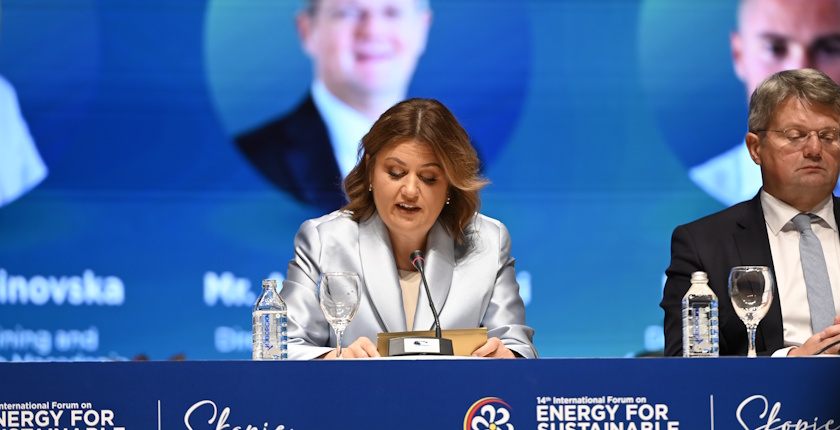
The share of solar power plants’ capacity in North Macedonia has surpassed hydropower plants in 2024, Minister of Energy, Mining and Mineral Resources Sanja Božinovska said at the 14th International Forum on Energy for Sustainable Development in Skopje.

The three-day International Forum on Energy for Sustainable Development (IFESD-14) started yesterday. Its theme is From Goals to Action: Powering the Future with Sustainable Energy. The event was organized by the Ministry of Energy, Mining and Mineral Resources of North Macedonia, in cooperation with the United Nations Development Programme (UNDP) and the UN’s five regional commissions – UNECE, UNESCAP, UNECLAC, UNECA, and UNESCWA.

According to Sanja Božinovska, Minister of Energy, Mining and Mineral Resources, North Macedonia has taken decisive steps in recent years to transform its energy system and align it with the principles of sustainability, security, and affordability.

The reforms are already delivering measurable results, with renewables now accounting for more than half of the country’s total installed electricity capacity – 56% in 2024, she noted.

North Macedonia is moving from goals to action

“The structure of that progress is even more striking. Photovoltaic power plants now represent 28% of installed capacity, surpassing large hydropower, which is at 24%. For the first time in our history, solar has overtaken hydro – a symbolic and practical milestone in our path toward decarbonization,” the minister stated.

In 2024 alone, solar output grew by 186%, she underlined at the first high-level plenary session.

Photo: Ministry of Energy, Mining and Mineral Resources

The numbers speak louder than words: they highlight a nation that is not just planning a transition, but living it, in Božinovska’s view.

Of note, at the end of 2024 the capacity of solar power plants was 848 MW. The year-on-year was higher than 340 MW. Hydropower capacity was 720 MW, at the end of last year.

Božinovska: We are supporting over 5,000 workers and communities affected by the coal phaseout

“The numbers confirm it — North Macedonia is moving from goals to action,” Božinovska stressed.

She added that the country is investing in new solar and wind projects, expanding energy storage, and modernizing the national grid to absorb growing renewable capacity. “These investments are essential for maintaining reliability and flexibility as we integrate more clean energy sources,” she explained.

Božinovska pointed out that the commitment to a just energy transition is equally important.

“We are supporting over 5,000 workers and communities affected by the coal phaseout, helping them to retrain, diversify local economies, and secure green jobs,” she underlined.

Joksimović: Serbia to reach 2030 renewables target

Sanja Božinovska and Jovana Joksimović (photo: Ministry of Energy, Mining and Mineral Resources)

According to Jovana Joksimović, Serbian Assistant Minister of Mining and Energy for International Cooperation and European Integration, coal is still the backbone of the energy system in Serbia, while the share of energy from renewables is significant and growing, and it reached 38% in 2023.

The government plans that one in two megawatt-hours would be produced from renewables by 2030, she underlined.

“Existing valuable resources will need to remain the foundation of Serbia’s electricity sector until renewable energy, transmission and distribution infrastructure, as well as storage capacities and ability to integrate renewables, are sufficiently developed and aligned to reliably and securely replace coal-based electricity generation,” the assistant minister told the audience during the second high-level plenary session.

It is necessary to diversify supply channels but also the energy mix

Joksimović stressed that the increased capacity for clean energy, secured from the two very successful rounds of the auctions, would contribute to reaching 2030 targets.

When it comes to advancing the energy transition and powering the future, it is necessary to think outside the box, she added. Supply channels should be diversified but so does the energy mix, to be as self-sustainable as possible, in Joksimović’s view.

There is huge support for it from relevant international financial institutions – IFIs, but more is needed, in her words.

“If we are going to reach the targets that we set for us, I believe that the European Commission would be partnering with us in all efforts that we are taking,” she concluded.

Photo: Ministry of Energy, Mining and Mineral Resources