by in News

Spajić: Japanese company Itochu eyes Montenegro’s waste-to-energy project

Prime Minister of Montenegro Milojko Spajić said an incinerator of up to 50 MW is about to be built, resolving the municipal waste management issue. He added that Itochu from Japan is interested in the investment.

Following a public call for a feasibility study for a waste-to-energy facility in Podgorica, Prime Minister Milojko Spajić said Montenegro would soon build the first incineration plant. It will enable up to 50 MW of renewable energy from waste, sorting out the matter of municipal waste management in accordance with the European Union’s directives and in an environmentally friendly way, in his words.

The public-private partnership will facilitate the construction of an incinerator for the capital city, but it would also be an option for other municipalities, according to Spajić. The prime minister revealed that Japan-based engineering giant Itochu is among the companies interested in the project.

Deponija, the utility in charge of waste management in Podgorica, launched the public call in September. The contract was awarded last month to a consortium of local firms Vatreks Rescue CG and Medix, and Slovenia-based GP sistemi.

A consortium has won the contract for the feasibility study for the incineration facility in Podgorica

They are due to deliver the documentation within two months. The job is worth EUR 435,600 including value-added tax.

There was no indication in the project task about the preferred technology for the incinerator. Such facilities are usually cogeneration plants, combined heat and power (CHP).

In the Western Balkans, there is only one municipal waste incinerator that recovers energy. It is located in Belgrade, the capital of Serbia. Utilizing waste to generate energy is a component of the waste management hierarchy. Incinerators are present all over Europe.

Podgorica’s waste utility Deponija runs the city’s landfill. It already captures biogas, but it flares it without utilizing the energy.

Executive director Aleksandar Božović said the firm would soon obtain the licenses and documentation to build a biogas power plant. The study has been completed, and Deponija is working to secure a grant from an international financial institution, he asserted.

by in News

Spajić: Japanese company Itochu eyes Montenegro’s waste-to-energy project

Prime Minister of Montenegro Milojko Spajić said an incinerator of up to 50 MW is about to be built, resolving the municipal waste management issue. He added that Itochu from Japan is interested in the investment.

Following a public call for a feasibility study for a waste-to-energy facility in Podgorica, Prime Minister Milojko Spajić said Montenegro would soon build the first incineration plant. It will enable up to 50 MW of renewable energy from waste, sorting out the matter of municipal waste management in accordance with the European Union’s directives and in an environmentally friendly way, in his words.

The public-private partnership will facilitate the construction of an incinerator for the capital city, but it would also be an option for other municipalities, according to Spajić. The prime minister revealed that Japan-based engineering giant Itochu is among the companies interested in the project.

Deponija, the utility in charge of waste management in Podgorica, launched the public call in September. The contract was awarded last month to a consortium of local firms Vatreks Rescue CG and Medix, and Slovenia-based GP sistemi.

A consortium has won the contract for the feasibility study for the incineration facility in Podgorica

They are due to deliver the documentation within two months. The job is worth EUR 435,600 including value-added tax.

There was no indication in the project task about the preferred technology for the incinerator. Such facilities are usually cogeneration plants, combined heat and power (CHP).

In the Western Balkans, there is only one municipal waste incinerator that recovers energy. It is located in Belgrade, the capital of Serbia. Utilizing waste to generate energy is a component of the waste management hierarchy. Incinerators are present all over Europe.

Podgorica’s waste utility Deponija runs the city’s landfill. It already captures biogas, but it flares it without utilizing the energy.

Executive director Aleksandar Božović said the firm would soon obtain the licenses and documentation to build a biogas power plant. The study has been completed, and Deponija is working to secure a grant from an international financial institution, he asserted.

by in News

Serbia’s EPS mulls using heat pumps at its hydropower plants

State-owned power utility Elektroprivreda Srbije intends to commission a study of the potential use of heat pumps at four hydropower plants in southwestern Serbia. The call lasts until February 10.

As technology advances, energy companies are increasingly turning to solutions based on renewable sources as well as combining them with existing systems that also don’t pollute, while emitting little to no greenhouse gases. Serbian state-owned Elektroprivreda Srbije (EPS) is heading in the same direction. It launched a tender for technical documentation – a study on the possibilities of deploying heat pumps in the structures of Limske hidroelektrane. It is a business unit operating four hydropower plants.

The aim is to improve the efficiency of the utilization of energy. Bids are accepted until February 10. Notably, the types of possible heat pumps isn’t determined.

With an estimated budget of RSD 3.8 million (EUR 32.400), the contractor will have 150 days to deliver the service.

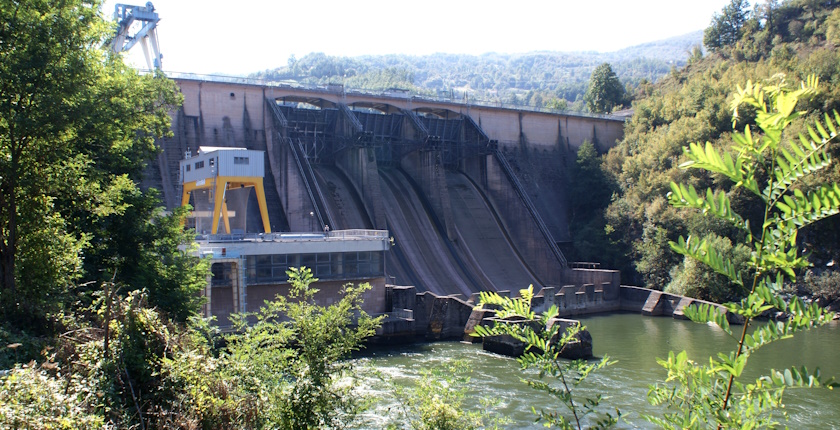
Limske hidroelektrane, based in the town of Nova Varoš, has hydropower plants in the Lim river basin in southwestern Serbia. It is part of EPS’s branch Drinsko-limske hidroelektrane.

The contractor must propose a solution and calculate the energy efficiency and climate gains

The call is for a total of 2,450 square meters covered by climatization systems. The management building accounts for 1,300 square meters, and the rest is in the hydroelectric plants: Uvac, Kokin Brod, Bistrica and Potpeć, a machinery workshop and storage room.

EPS said the study needs to include an analysis of the current heat consumption, with an overview of available solutions for the use of alternative or renewable sources of heat or the improvement of existing systems. The goal is to increase energy efficiency and promote the utilization of renewable energy sources, the call reads.

The contractor would suggest a solution and outline the drop in greenhouse gas emissions. The task involves calculating the investment return period and delivering the list of regulations.

by in News

Subsidies for green heating approved for 100,000 Greek homes

The Greek Ministry of Environment and Energy published the first list of households that will benefit from the national program for modernizing heating systems.

In total, more than 100,000 households have been accepted, of which 5,000 are classified as vulnerable. The renewable heating program had an original budget of EUR 223 million, with support from the NextGenerationEU fund, but it was later enlarged to EUR 647 million. It takes place under the RePowerEU policy initiative and the National Recovery and Resilience Plan Greece 2.0.

The initiative supports energy upgrades of buildings and the substitution of older heating systems using fossil fuels, with new ones based on renewable energy. Notably, Greece set a goal for a 52.6% share of renewable heating by 2030, according to its National Energy and Climate Plan (NECP). In 2023, the level reached 26.2%, therefore there is a long distance to cover.

Most buildings in the country currently use either heating oil or natural gas. The goal is to shift to green technologies such as heat pumps or rooftop solar water heaters. These solar systems are especially popular in Greece, since the scorching sun provides ample thermal energy to convert into hot water, even during winter months. They also have a high domestic added value, as they are mainly constructed by Greek companies.

At least 50% of the cost covered

Support is provided for the general public according to income criteria, with 50% to 60% of the cost covered. Beneficiaries get up to EUR 1,020 for their energy upgrades.

As for vulnerable households, there are no income criteria and they get up to EUR 6,000 for each installation.

More applications are expected to be approved in the following months, as Greece aims to complete the program before June 2026, when the EU’s Recovery and Resilience Facility (RRF) reaches its end.

by in News

Air pollution spikes throughout Croatia

The Croatian Ministry of the Environment and Green Transition has warned of air pollution across most of the country in previous days. It expects improvement over the weekend.

“In recent days, with the arrival of colder weather and the start of the heating season, a significant increase in the concentrations of air pollutants has been recorded, especially particulate matter (PM10 and PM2.5) across most of Croatia,” the Ministry of Environmental Protection and Green Transition said.

Measuring stations of the State Network for Continuous Monitoring of Air Quality, as well as local stations in most of Croatia’s mainland, are recording a significant increase in the concentrations of air pollutants, including PM10 and PM2.5 particles.

Especially in Zagreb, Sisak, Kutina, Koprivnica, Bjelovar, and Slavonski Brod, monitoring stations registered levels as high as 100 micrograms per cubic meter at times. It is several times above the limit defined by the regulations, the update reads.

The increase in concentrations is primarily driven by emissions from household heating

Two to three times higher values than usual were also recorded at the station in the village of Desinić, on the border with Slovenia. It demonstrates that PM particulate air pollution in Croatia is not exclusively a local or urban issue, but a regional challenge, the ministry stressed.

The cause of the increase in concentrations are primarily emissions from household heating, particularly fueled by solid fuels: wood and coal, the update underlines. The situation is further aggravated by stable weather conditions, the lack of wind, and the occurrence of a temperature inversion.

An additional contribution to air pollution comes from traffic

In urban areas, especially in Zagreb, transportation enhances air pollution. Its impact has intensified in recent years due to the constant growth in the number of vehicles, according to the ministry.

Although wood heating remains the most significant source of PM, all emission sources, including traffic and industry, are amplified in such stable meteorological conditions, the ministry added.

Wind and warmer weather are expected to improve air quality

The ministry claims that current concentrations aren’t causing acute health problems. However, long-term exposure to excessive concentrations of PM increases the risk of respiratory and cardiovascular diseases and shortens life expectancy.

Particularly vulnerable are sensitive population groups such as the elderly, children, adolescents, pregnant women, and people suffering from respiratory and cardiovascular diseases.

The ministry advised citizens to monitor the air quality forecasts of the Croatian Meteorological and Hydrological Service (DHMZ) and the information on the Air Quality Portal. The portal offers an overview of the current air quality situation in the country with real-time data.

The ministry also recommended that citizens, particularly people with chronic illnesses, the elderly, and children, reduce outdoor activities during periods of such excessive concentrations.

In cooperation with the state institutions and local authorities, the ministry is implementing measures defined in air quality action plans to reduce emissions. DHMZ is currently implementing several projects on air protection and is preparing new ones.

An improvement in air quality is expected over the weekend, when temperatures will rise and the southwesterly wind will strengthen, the ministry said.

by in News

Tens of thousands of tons of waste motor oil unaccounted for in Serbia

Waste motor oil is classified as hazardous waste as it can contaminate soil, water, and air. Although Serbian regulations for its management are clear, tens of thousands of tons are unaccounted for every year. Auto repair shops, obliged to dispose of it, often sell the material to individuals who use it for heating. Burning used motor oil is extremely dangerous because of the release of substances similar to chemical warfare agents into the air, warns Dejan Lekić from the National Ecological Association.

Just one liter of used motor oil can pollute up to one million liters of drinking water, making it one of the most harmful pollutants.

UAS, a Serbian association of auto repair shops, pointed out after the public debate on the draft Law on Waste Management that Serbia does not need cosmetic legal changes, but solutions to prevent the country from being buried under all types of hazardous and non-hazardous waste.

According to the latest report by the Serbian Environmental Protection Agency (SEPA), about 40,311 tons of oil were placed on the Serbian market in 2023. Of the 40,311 tons, only 440 tons of waste motor oil were processed in Serbia, and 1,660 tons were exported. It means 38,000 tons likely ended up in soil, sewage systems, waterways, or household furnaces.

Burning waste motor oil releases toxic substances

Dejan Lekić from the National Ecological Association, the creator of the xEco app for real-time air pollution monitoring, warned that waste motor oil must never be used as fuel in household stoves, nor discharged into soil or sewage.

“The only correct approach is to collect it and hand it over to licensed operators. Once the operator takes it, the oil can follow two paths: regeneration or destruction. Ideally, it is regenerated – technologically purified to produce base oil for reuse,” he explained.

Waste oil can be regenerated or destroyed

Regenerating waste oil is an example of the circular economy. From one ton of crude oil, only 2% can be turned into base oil, while 65% of collected waste oil can be processed into base oil.

“The second option is using it as a fuel, but only in specialized industrial facilities such as cement plants, which have furnaces operating above 1,200 degrees Celsius and appropriate filtration systems. Such facilities are the only ones that can safely destroy hazardous substances and prevent their release into the atmosphere,” Lekić asserted.

Using waste oil as fuel in household stoves is extremely dangerous to health

As it is cheap and easily available, waste motor oil is often used for heating in Serbia. But when burned in ordinary stoves, it releases large amounts of carcinogenic gases and heavy metals. According to Dejan Lekić, using waste oil for heating poses a serious threat to human health.

He explained that waste motor oil contains heavy metals such as lead, mercury, and cadmium, along with various additives. Regular stoves cannot reach temperatures high enough to burn these substances safely, so they are released directly into the air.

Lekić warned that incomplete combustion also produces extremely toxic compounds, including dioxins and furans – substances known to cause cancer and linked to severe neurological damage, hormonal disorders, and fertility problems. “People who burn this oil are literally releasing chemical warfare agents into their surroundings,” he said.

Serbia is among the top European countries in premature deaths caused by air pollution

Serbia is among the top European countries in premature deaths caused by air pollution, and it ranks first in Europe for lung cancer mortality linked to pollution, according to the World Health Organization. UAS, the Serbian group of car repair shops, described the situation as a “silent ecological catastrophe” that has been ongoing for decades and added that the system remains unable to stop it.

During the recent public debate on the new Law on Waste Management, the relevant ministry rejected most of the association’s proposals for managing waste oils. UAS emphasized that these suggestions were based on the best practices for reducing hazardous waste in the European Union and the region.

by in News

Croatia discovers series of geothermal sources suitable for heating

The results of exploration at the Vinkovci GT-1 well have confirmed the area’s significant geothermal potential, Croatian Hydrocarbon Agency said. Maximum temperature is 131 degrees Celsius.

Vinkovci is the third location in Croatia with positive results, as reservoir temperatures exceeding 100 degrees were earlier confirmed in Velika Gorica and Osijek, Croatian Hydrocarbon Agency revealed. The activities are part of a wider project to develop geothermal potential for district heating for six cities and towns.

“The positive findings of the geothermal exploration in Vinkovci, after Velika Gorica and Osijek, are proof that Croatia has significant geothermal potential and the knowledge to use it. Croatian Hydrocarbon Agency is bringing concrete results through its systematic approach and exploration investment, creating the foundations for further projects for renewable energy sources. Namely, geothermal energy is not only a stable and clean source, but a strategic resource that can contribute to the security of energy supply in Croatia. The results show at the same time that Croatian experts can independently and effectively conduct complex energy projects,” President of the Management Board Marijan Krpan said.

Success at 2,700 meters below ground

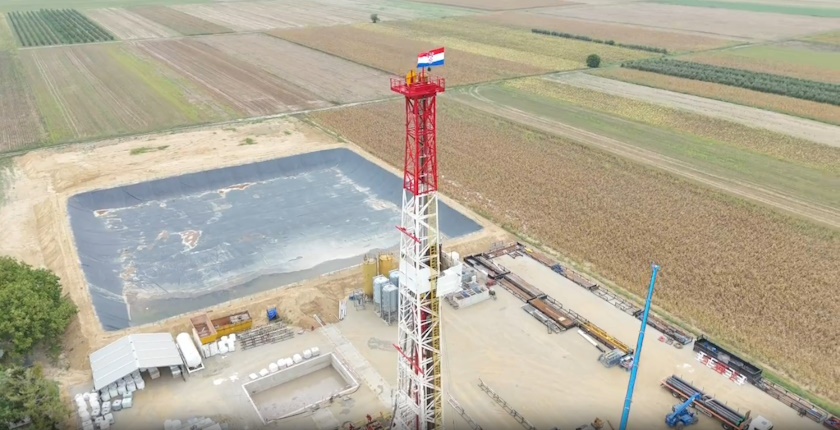
Crosco naftni servisi (Crosco Integrated Drilling and Well Services), a member of INA Group, ois conducting the works. At a depth of 2,700 meters in the Vinkovci GT-1 exploratory well, an expert team has measured a maximum temperature, 131 degrees, pointing to the possibility of commercial application of geothermal energy in the heating system.

The location is in Croatia’s northeast, in Slavonia area.

“The exploration in Vinkovci has been conducted in line with the highest technical standards and the project’s planned dynamic. Upon the completion of the exploration at the remaining location, in Zaprešić, Croatian Hydrocarbon Agency plans the development of additional wells at sites with confirmed potential. That way we will establish the production-injection pairs required for a secure and long-term geothermal energy use,” the geothermal energy sector’s Director Martina Tuschl stated.

Opportunity for improving local agriculture

Except for heating, access to heat opens up possibilities for companies. Geothermal potential could be used in agricultural production in the municipality of Jarmine, where the exploratory well is located.

The agency is conducting the project with funding from the National Recovery and Resilience Plan (NRRP or, in Croatian, NPOO), within which EUR 50.8 million was secured for exploration in four locations: in Velika Gorica, Osijek, Vinkovci and Zaprešić.

Works at the Zaprešić GT-1 (ZapGT-1) site are underway.

by in News

Von der Leyen: EU is guarantee that Serbian families will be warm in winter

The European Union is connecting Serbia to its energy market, and it is the true guarantee that Serbian families will be safe and warm in winter, European Commission President Ursula von der Leyen said in Belgrade. She expressed preparedness to invest further in the country’s gas interconnector with Bulgaria.

In her speech during the visit to Serbia, European Commission President Ursula von der Leyen didn’t address the looming energy crisis caused by the sanctions that the United States imposed on Russian-owned oil company NIS. Moreover, she demanded greater alignment with the EU foreign policy from President of Serbia Aleksandar Vučić, including on sanctions against Russia.

“The EU membership offer is an opportunity. It is the promise of peace. Of prosperity. And of solidarity. Especially in times of crisis. You have seen this in practice,” she stated and pointed to the energy crisis of 2022.

EU showed equal solidarity with Western Balkans

After Russia invaded Ukraine, the EU introduced the same measures of solidarity to its Western Balkan partners as to its own member states, Von der Leyen stressed. “This is what it means to be a reliable partner. You can continue to count on us. We are connecting Serbia to the EU’s energy market. This is the true guarantee that Serbian families will be safe and warm in winter,” she stated.

The head of the 27-member bloc’s executive body pointed to ongoing investments like the Trans-Balkan Electricity Corridor. The mostly completed route stretches from Romania to Bosnia and Herzegovina and Montenegro and its MONITA undersea link with Italy.

Von der Leyen: Collective market power to secure better energy prices

Von der Leyen highlighted the Serbia-Bulgaria gas interconnector as well. The pipeline was completed almost two years ago. “We are prepared to invest further in it. We also invited Serbia to join the EU’s joint gas procurement mechanism. Together we are using our collective market power to secure better energy prices,” she said.

The administration in Brussels introduced the AggregateEU platform for joint procurement of gas in 2023. It expired earlier this year, but the EU is preparing another mechanism.

Serbia is planning an oil interconnector with Hungary and gas links with Romania and North Macedonia. Vučić said the upcoming winter would not be an easy one for Serbia.

by in News

Romania’s coal town Turceni starts EUR 380 million green energy transformation

Turceni is dependent on the local coal power plant, so the municipal authority is turning to agrivoltaics, energy storage and green hydrogen to replace it. The small town in southwestern Romania is kickstarting a EUR 380 million project.

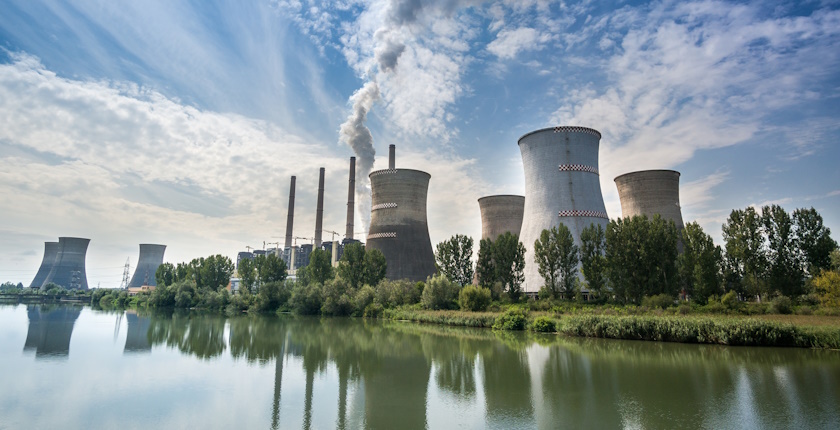
The coal plant in Turceni used to be one of the biggest in Europe, at 2.3 GW. Located next to the eponymous town in Romania’s Gorj coal region, only two units of 660 MW in total are still operational. At the same time, dozens of such facilities across Europe are shutting down ahead of schedule. The power plant and its associated mines within Complexul Energetic Turceni have been essential for the local economy, which is under threat of devastation amid the country’s coal phaseout.

As with other coal regions in the European Union, the solution is in green energy and new technologies. The town hall has signed a contract with the European Investment Bank for agrisolar parks, energy storage units and the production and storage of green hydrogen.

Turceni town hall secures municipal land for green energy projects

The project is worth a whopping EUR 380 million, Mayor Constantin Popescu revealed. Turceni and its administrative area have fewer than seven thousand inhabitants.

More than 123 hectares of municipal land (pastures) and more than 200 hectares of private land were designated for the renewable energy hub, the mayor stressed.

Bankwatch: The coal region is transitioning to a future based on innovation, sustainability and strong partnerships

Partners in the project are Bankwatch Romania and GAL Sudul Gorjului, the so-called local action group for southern Gorj. Bankwatch said over 370 hectares would be switched to clean and sustainable energy production.

“We are glad that we had an important role in developing the project plan and aligning it with European environmental policies, as well as in applying for technical assistance. For a region that has been, for decades, a pillar of coal-fired energy, this project marks a strategic transformation: a transition to a future based on innovation, sustainability and strong partnerships,” the organization added.

Investments to start in 2026

Implementation is scheduled to begin next year. The project will contribute to a just transition of the region by increasing the production of electricity from renewable energy sources, Popescu asserted. In his words, it will be complementary to the local authority’s other ongoing and future decarbonization investments.

The mayor also highlighted the plans to use geothermal energy for district heating and agriculture.

Complexul Energetic Turceni is part of state-owned Complexul Energetic Oltenia (CE Oltenia). According to the company’s restructuring and decarbonization plan, the coal business will be separated from green energy and other investments.

They include projects for CCGT (combined-cycle gas turbine) power plants of 475 MW in Turceni and 800 MW in nearby Ișalnița, as the main replacement for coal plants. Both are suffering heavy delays.

Minister of Energy Bogdan Ivan said last week that CE Oltenia’s Ișalnița coal plant in neighboring Dolj county would be closed on January 1. Romania has asked the European Commission to delay the closure of several coal plant units, scheduled for this year, until 2030.

Earlier this year, a joint venture between CE Oltenia and OMV Petrom hired contractors for four solar power plants at former coal land, with a combined capacity of about 550 MW. One of the sites is in Ișalnița.

by in News

Romanian company to build geothermal hydroponic greenhouses on 50 hectares

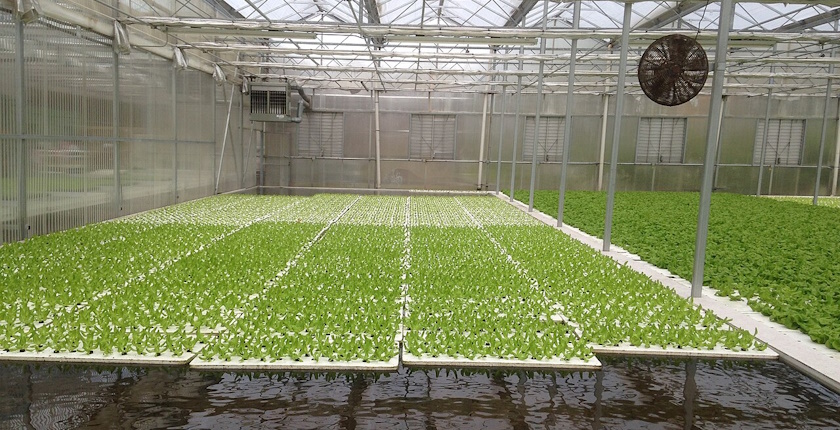
Geothermal well developer and operator Green Tech International started the construction of a geothermal hydroponic greenhouse complex on ten hectares in western Romania. It is part of a five-year plan to reach 50 hectares.

Green Tech International, listed this year on the Bucharest Stock Exchange (BSE or BVB), said it has started the works on the largest hydroponic greenhouse complex in Romania, heated with geothermal water.

The company’s strategy is to develop at least 50 hectares over the next five years. It has 12 years of experience in the development and operation of geothermal wells. Green Tech International, which is also a platform for geothermal energy solutions, directly owns 42 wells and operates another 41. It is one of the largest portfolios in Europe.

The company is conducting the current project through its subsidiary Horti Green Invest. Hydroponics are a method of growing plants without soil. The roots are suspended in a nutrient solution or in an inert medium retaining the nutrients.

Geothermal heat has significant competitive advantage

Geothermal energy has a significant competitive advantage to traditional sources, with renewable heat available 24 hours a day, regardless of the weather, and with a predictable cost in the long term, Green Tech International noted.

Gavriluță: The project will position Green Tech International among the top three greenhouse vegetable producers in Romania

“We are well-positioned to capitalize on our geothermal resources and generate value in complementary sectors with high growth potential. Our strategy focuses on investments in synergistic industries such as sustainable agriculture, where geothermal energy provides a major competitive advantage due to lower costs and supply stability,” Chief Operating Officer Dragoș Gavriluță said in a stock exchange filing.

First phase to cover ten hectares

Green Tech International has started the construction of its first modern geothermal hydroponic greenhouse project, covering an area of 10 hectares in western Romania, he stressed. The project will position Green Tech International among the top three greenhouse vegetable producers in Romania, Gavriluță claimed.

The update reveals that the company intends to invest in the rehabilitation of existing geothermal wells in the area and in the modernization of a thermal power plant to supply heat to the greenhouses. Green Tech International Group also includes Geotherm Distribution and Apoterm Nădlac.

According to an earlier news report, the company is interested in subsidies via the European Union’s Modernisation Fund for the production and transport of geothermal energy for district heating or cooling systems.

As for the rest of the region that Balkan Green Energy News covers, Turkey is one of the world’s biggest geothermal energy producers, including the greenhouses segment.