by in News

OSSH Launches €4.4 Million Smart Meter Installation Project Across Albania

The Electricity Distribution System Operator (OSSH) plans to begin the installation of smart meters for end consumers.

This Thursday, the operator launched a procurement procedure through the public procurement system titled: “Installation of the Smart Metering System for End Consumers, within the Energy Balance Metering System in MV-LV Electrical Substations, and their integration into the OSSH metering platform,” with a total estimated fund of 432 million lekë, or approximately €4.4 million.

According to the tender documents, the investment will focus on areas with high electricity consumption and higher levels of network losses, with the aim of improving technical efficiency and strengthening control over electricity distribution.

As part of previous projects, OSSH has already installed thousands of smart meters in several regions across the country. In Durrës, during the 2023 investment phase, 1,752 intelligent energy balance metering systems were installed in MV-LV substations, while in 2024 an additional 848 smart meters were installed for end consumers supplied by these substations.

Meanwhile, in Tirana, on feeders F7 and F8 of the Kashar substation, 200 intelligent balance metering systems and 3,157 smart meters were installed for end subscribers.

According to OSSH, the expansion of the project is also linked to the growing number of consumers in these areas, driven by population growth and new urban developments, including construction projects carried out as part of the reconstruction efforts following the 2019 earthquake.

The company states that the investment is part of its strategy to gradually replace the analog metering system with smart technology, in accordance with the electricity law and the directives of the European Energy Community.

The operator emphasizes that maintaining the same communication technology is intended to ensure compatibility with existing investments and maximize the use of the infrastructure developed so far.

The tender foresees the installation of a total of 14,035 smart meters. The largest number will be installed at the Sallmone substation with 7,760 units, followed by Shkoza with 3,560 meters, Spitalla with 1,600, and Kashari with 1,115 smart meters.
by in News

Gramos Hashani appointed as permanent head of KEK in Kosovo

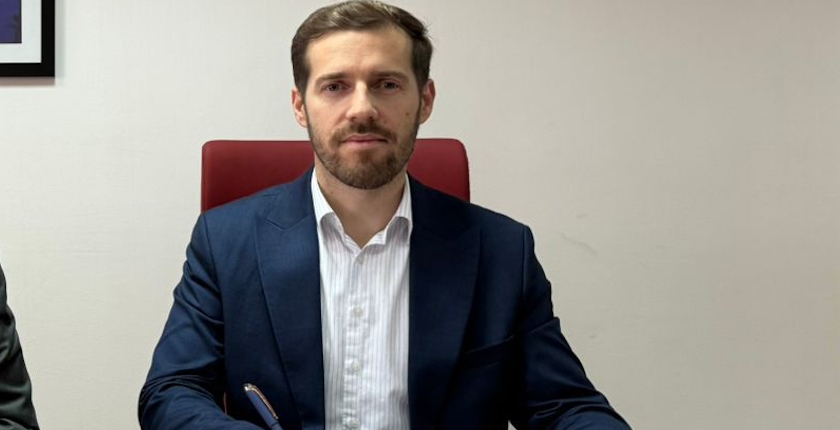
Kosovo Energy Corp. (KEK) has officially appointed Gramos Hashani as its Chief Executive Officer, following a fourteen-month period during which he served as interim head of the state-owned power utility. The decision was confirmed by the company’s Board of Directors after the completion of what it described as an open, transparent, and competitive selection process.

According to the board, the appointment procedure was conducted in full compliance with Kosovo’s Law on Public Enterprises and included the evaluation and interviewing of all candidates who satisfied the requirements outlined in the public vacancy announcement.

Hashani initially assumed the role of interim CEO in February last year, at a time when KEK was facing increasing pressure to improve operational efficiency, strengthen corporate governance, and accelerate modernization efforts within Kosovo’s electricity sector.

His permanent appointment is viewed as a move aimed at ensuring management continuity at one of the country’s most strategically important energy companies, particularly as Kosovo advances energy transition policies, regional market integration, and investment planning for generation and infrastructure upgrades.

Hashani graduated from the Faculty of Economics at the University of Prishtina – Hasan Prishtina and completed his master’s studies at the University of the Incarnate Word in San Antonio, Texas, in the United States.

His professional credentials include certification as an accountant and internal auditor through the Society of Certified Accountants and Auditors of Kosovo (SCAAK), while he is also a member of the United Kingdom-based Association of Chartered Certified Accountants (ACCA).

According to KEK’s Board of Directors, Hashani brings extensive expertise in strategic financial management, corporate governance, energy transition investments, and the implementation of international accounting standards, including IFRS and US GAAP.

The board also highlighted his professional experience across both the energy and financial sectors in Kosovo and the United States, where he has held senior management positions in international and domestic companies.

The appointment comes at a critical period for KEK and Kosovo’s broader energy sector, as authorities seek to modernize aging lignite-based generation assets, strengthen energy security, improve environmental performance, and attract investment into renewable energy and transmission infrastructure.

As Kosovo continues aligning its energy market framework with regional and European standards, KEK is expected to play a central role in balancing legacy thermal generation with the country’s long-term decarbonization and market reform objectives.

by in News

Early-Stage Progress and Challenges Mark Energy Community’s Priority Infrastructure Projects

Most projects included in the first list of Projects of Energy Community Interest (PECI) remain at an early stage of development, with several challenges likely to affect their implementation timelines, according to an assessment by the Energy Community Regulatory Board.

The Evaluation Report on PECI projects provides a comprehensive overview of progress on initiatives selected in the 2024 PECI list. It covers six priority investments—five in electricity transmission and one in energy storage—identified as critical for strengthening cross-border interconnections, enhancing security of supply, and enabling greater integration of renewable energy across the Energy Community.

The projects under review include:

  • Completion of the 400 kV Albanian internal transmission ring;
  • Capacity expansion of the existing 220 kV interconnection between Bosnia and Herzegovina and Montenegro (Trebinje–Perućica overhead line);
  • The Trans-Balkan Corridor, specifically the 400 kV double overhead line linking Bajina Bašta in Serbia with Višegrad in Bosnia and Herzegovina and Pljevlja in Montenegro (with the latter two sections included in the PECI list);
  • Reconfiguration of Albania’s 400 kV grid alongside a new Albania–Kosovo* interconnection;
  • The 330 kV overhead line between Balti in Moldova and Dnestrovsk HPP-2 in Ukraine;
  • The 225 MW DTEK energy storage project.

To date, only the Bosnia and Herzegovina–Montenegro interconnection has secured direct financing, provided by the European Bank for Reconstruction and Development. Meanwhile, two projects—the Albanian internal ring and the Albania–Kosovo* interconnection—received financial backing in 2025 from the European Commission through the Western Balkans Investment Framework, as highlighted by the Energy Community Secretariat.

The report finds that most projects are still in conceptual, feasibility, or planning phases, with expected implementation timelines extending from 2028 to 2032. Throughout 2025, efforts have largely focused on feasibility assessments, preparatory activities, financing structures, and regulatory alignment, rather than physical construction.

Importantly, the evaluation notes that no systemic delays have been identified when measured against the expected level of project maturity following their designation in the 2024 PECI list.

However, the report underscores several structural challenges that could affect delivery in later stages. These include complex permitting and administrative procedures—particularly for cross-border infrastructure—ongoing financing constraints and rising investment costs, as well as external risks such as geopolitical and security factors, especially in relation to Ukraine.

The assessment emphasizes that early identification and mitigation of such risks will be essential to ensure a smooth transition from planning to construction in the coming years.

The ECRB also stresses the importance of continued regulatory oversight and proactive engagement by national regulatory authorities to maintain project momentum and ensure efficient implementation.

Looking ahead, the Energy Community Secretariat launched a public consultation in March on eight candidate projects for the next PECI list. The updated selection, aligned with the TEN-E Regulation framework, is expected to be adopted in December 2027, following an opinion from the ECRB anticipated by the end of August 2026.

by in News

Serbia needs EUR 27 billion to reach decarbonization goals

Serbia faces a substantial financial and structural challenge in its transition toward a low-carbon energy system. According to recent statements from senior management at the state-owned utility EPS, the country will need approximately EUR 27 billion in investment to meet its decarbonization objectives by 2050.

This estimate underscores both the scale of transformation required and the limits of the current energy model, which remains heavily reliant on fossil fuels—particularly coal—while moving toward alignment with European climate and energy policies.

Financing the Transition: Beyond Public Balance Sheets

A central conclusion emerging from the discussion is that Serbia’s decarbonization pathway cannot be financed through internal resources alone. EPS leadership emphasized that achieving a sustainable transition will require a diversified financing structure involving the state, international financial institutions, commercial banks, and capital markets.

In practical terms, this reflects a broader shift in energy policy: decarbonization is no longer only a technical or environmental issue, but fundamentally a question of financial architecture. Access to long-term, low-cost capital—combined with appropriate risk-sharing mechanisms—will be critical to mobilizing the required investment scale.

To that end, EPS is preparing to enter both domestic and international capital markets. A key milestone in this process is the expected acquisition of a credit rating, which would enable the company to issue green bonds and attract institutional investors.
Such instruments are increasingly central to energy transition financing across Europe, particularly in markets where public funding capacity is constrained.

Structural Transformation of the Power Sector

Beyond financing, the transition implies a deep restructuring of Serbia’s generation portfolio. The gradual decommissioning of aging thermal power plants is seen as inevitable, reflecting both environmental requirements and declining economic viability.

At the same time, the development of renewable energy capacity—primarily wind and solar—is expected to accelerate. EPS has indicated a willingness to engage more actively with private investors through joint ventures, power purchase agreements (PPAs), and even the acquisition of completed or late-stage renewable projects.

This signals a notable evolution in the role of the state utility, from a traditional vertically integrated operator toward a more market-oriented and partnership-driven entity.

Importantly, Serbia’s existing asset base—particularly land holdings and grid infrastructure—provides a strategic advantage for scaling renewable deployment. Leveraging these assets efficiently could reduce project development timelines and costs, improving overall investment attractiveness.

Market Integration and Investor Engagement

The transition strategy also highlights the need for stronger integration with private capital and market mechanisms. EPS leadership explicitly stressed the importance of becoming more agile and active in the market, including building relationships with investors and adapting to competitive dynamics.

This reflects a broader regional trend in the Western Balkans, where historically state-dominated energy sectors are gradually opening to private participation. However, this transition requires not only regulatory reform but also improvements in corporate governance, transparency, and financial performance.

Recent financial results from EPS indicate positive momentum, with a significant increase in annual profit, which could strengthen its credibility with investors and lenders.
Nevertheless, maintaining financial discipline while undertaking large-scale capital expenditure will remain a key challenge.

Strategic Implications: A Transition at Scale and Speed

From a policy perspective, the EUR 27 billion investment requirement highlights the magnitude of Serbia’s decarbonization challenge. The country’s energy system is still largely carbon-intensive, with fossil fuels accounting for a dominant share of electricity generation, making the transition both urgent and complex.

Decarbonization will therefore require a coordinated approach that integrates infrastructure investment, market reform, and financial innovation. It will also need to address social and economic implications, particularly in regions dependent on coal production and thermal generation.

Crucially, the success of this transition will depend on Serbia’s ability to align its energy policy framework with EU standards, improve investment conditions, and mobilize both domestic and international capital at scale.

Conclusion

Serbia’s pathway to decarbonization is now clearly defined in terms of scale, direction, and urgency. The estimated EUR 27 billion investment requirement is not merely a financial figure it represents a comprehensive transformation of the country’s energy system.

The coming years will be decisive. Progress will depend on the effectiveness of financing strategies, the pace of structural reform, and the ability of key institutions such as EPS to evolve into modern, market-oriented energy players. Without these elements, the transition risks delays; with them, Serbia has the potential to position itself as a credible participant in Europe’s low-carbon energy future.

by in News

The Great Atomic Pivot: EU Reclaims Nuclear Power as a Strategic Pillar for Energy Security

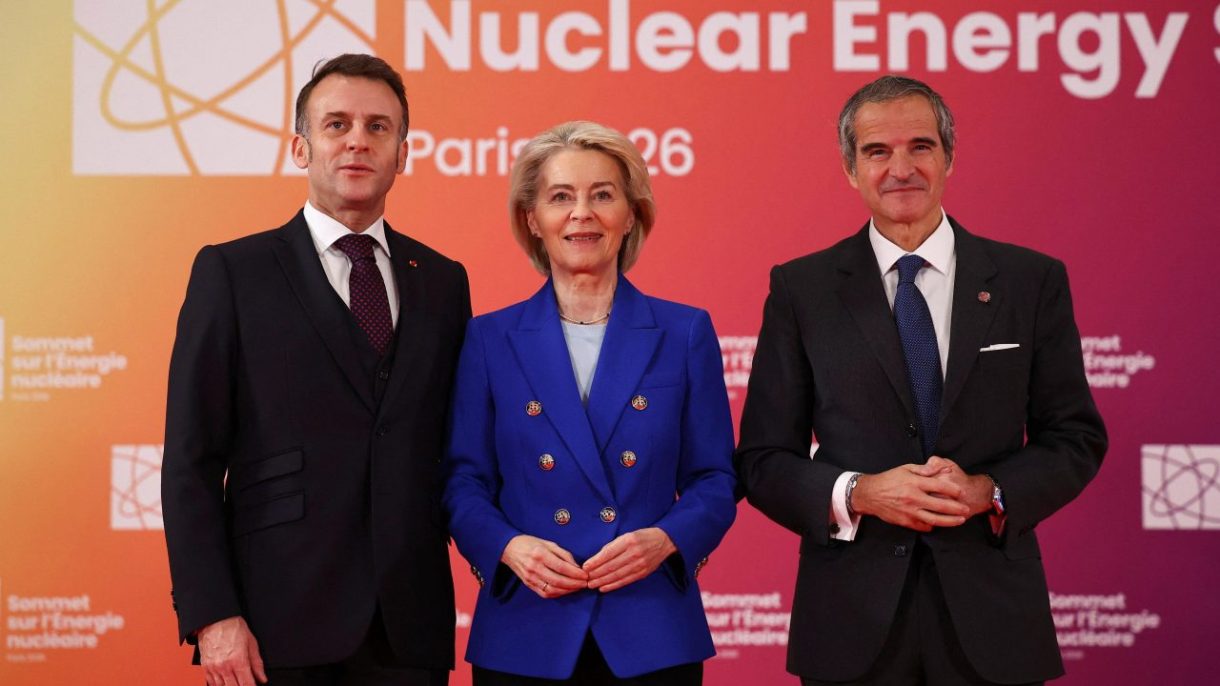
In a significant rhetorical shift for the European Union’s energy policy, Commission President Ursula von der Leyen characterized the continent’s historical move away from nuclear power as a “strategic mistake.” Speaking at the Nuclear Energy Summit in Paris, hosted by the International Atomic Energy Agency (IAEA), von der Leyen argued that turning away from the atom left Europe dangerously exposed to the volatility of global fossil fuel markets.

A Continent Re-evaluating its Baseload

The President noted a stark decline in nuclear’s contribution to the European grid, falling from one-third of total electricity generation in 1990 to approximately 15% today. This retreat, she argued, exacerbated Europe’s dependence on expensive, imported oil and gas—a vulnerability underscored by ongoing instability in the Middle East.

“I believe it was a strategic mistake for Europe to turn its back on a reliable, affordable source of low-emissions power,” von der Leyen stated.

She outlined a vision for a modernized energy system where nuclear works in tandem with renewables, supported by robust storage and smart grids.

The Rise of Small Modular Reactors (SMRs)

The EU’s strategy is increasingly focused on the next generation of nuclear technology. Key initiatives include:

  • Regulatory Reform: Recent changes to state aid rules now allow for expanded support for nuclear fission and fuel cycles.

  • Industrial Alliance: The launch of the world’s first industrial alliance dedicated to Small Modular Reactors (SMRs).

  • Financial Backing: Proposed investments of over €5 billion in fusion research and an additional €200 million in guarantees through 2028 to support the first commercial units of innovative nuclear technologies.

The goal is to have SMRs operational across Europe by the early 2030s to complement existing traditional plants.

Regional Expansion: Greece, Romania, and Serbia

The shift in sentiment at the Commission level is mirrored by renewed interest among member states and neighboring nations:

  • Greece: Prime Minister Kyriakos Mitsotakis echoed von der Leyen’s sentiments, noting that it is time for Greece to explore how SMRs could be integrated into the domestic grid. While Greece remains committed to renewables and gas as a bridge, a new committee will officially study nuclear integration.

  • Romania: Energy Minister Bogdan Ivan announced plans to triple the nation’s nuclear capacity over the next decade. This includes the modernization of the Cernavodă plant and the development of a pioneering SMR project in Doicești.

  • Serbia: Minister of Mining and Energy Dubravka Đedović Handanović signaled Serbia’s intent to join the “nuclear revival.” To support a growing economy and AI infrastructure, Serbia aims to select a technology by 2032, with the goal of bringing a plant online by approximately 2040.

As Europe seeks to reconcile its climate goals with energy security, the message from Paris was clear: the nuclear option is no longer on the sidelines—it is back at the center of the strategy.

by in News

Albania Moves Toward Oil Security Reserves Amid Global Energy Volatility

The Albanian government has been working for several years to pass legislation governing the creation, maintenance, and management of minimum security reserves for crude oil and its refined products.

According to international standards, these emergency stocks are calculated at either 90 days of net imports or 61 days of average daily consumption, whichever is higher. These reserves are designed to be deployed during extraordinary circumstances, such as physical supply shortages or geopolitical crises.

The initial draft, proposed in February 2019, introduced a co-management formula between the state and the private sector—a departure from the current model where reserves are held entirely by private companies and refineries. Under the proposed framework, a public entity would manage 60 days of average consumption, while the remaining 30 days would remain the responsibility of private operators.

The legislative proposal envisioned the creation of a dedicated public body named the State Agency for Oil Security Reserves, operating under the jurisdiction of the Ministry of Infrastructure and Energy (MIE).

The Cost of Energy Security

The draft law stipulated that the agency would be self-financed through a dedicated fee levied on every liter of fuel purchased by refineries and wholesale companies. This mechanism would essentially introduce a new fiscal obligation, which is expected to translate into higher pump prices for final consumers.

While the project has undergone various internal government discussions since 2019, it was only in October 2025 that it was formally released for public consultation. The current draft maintains the previous structure: a non-profit public entity, now dubbed the Security Reserve Authority, under the MIE.

Key administrative details include:

  • Article 10: Fees for obligated parties will be collected by the Customs Authority during the collection of excise duties.

  • Article 11: Payers are required to submit payment data within 30 days of the end of each calendar month.

Despite the fact that the project has yet to be finalized, market operators anticipate additional costs totaling hundreds of millions of euros. These costs cover the procurement, storage, and logistics of the security stocks—burdens that are expected to increase operational costs for companies and, ultimately, prices for the consumer.

Global Context: Iran Conflict Risks New Energy Crisis

As Albania formalizes its domestic security measures, the escalation of conflict in the Middle East—specifically involving Iran—is sending shockwaves through global energy and financial markets. International economic analysts warn that a prolonged conflict could trigger severe supply disruptions, oil price spikes, and renewed inflationary pressures worldwide.

A primary concern is the potential for conflict to damage regional energy infrastructure or obstruct oil transit through the Strait of Hormuz, one of the world’s most critical energy corridors.

Market Analysis

In a recent analysis titled “War with Iran is a Nightmare for Oil and Gas Markets,” Bloomberg noted that a broad regional conflict has long been considered the “worst-case scenario” for the energy sector. The report emphasizes that the Persian Gulf remains a cornerstone of global energy supply, and any disruption there triggers an immediate market reaction.

Similarly, The Economist has warned of a significant shock to global markets. In an article titled “War in Iran Could Trigger the Biggest Oil-Market Shock in Years,” the publication highlights the extreme sensitivity of energy markets to regional tensions. Any disruption to tanker traffic could drastically reduce global supply and drive energy prices to record highs.

Financial and Economic Ripple Effects

The geopolitical tension has already impacted financial markets:

  • Safe-Haven Assets: Investors are pivoting toward gold and bonds.

  • Volatility: Stock markets are experiencing fluctuations as geopolitical risk premiums rise.

  • Inflation: Analysts warn that high oil prices ripple through the economy by increasing costs for transport, manufacturing, and food production.

Experts conclude that countries dependent on energy imports are the most vulnerable. European and Asian economies, in particular, face the prospect of surging production costs and new inflationary cycles if energy prices remain elevated.

by in News

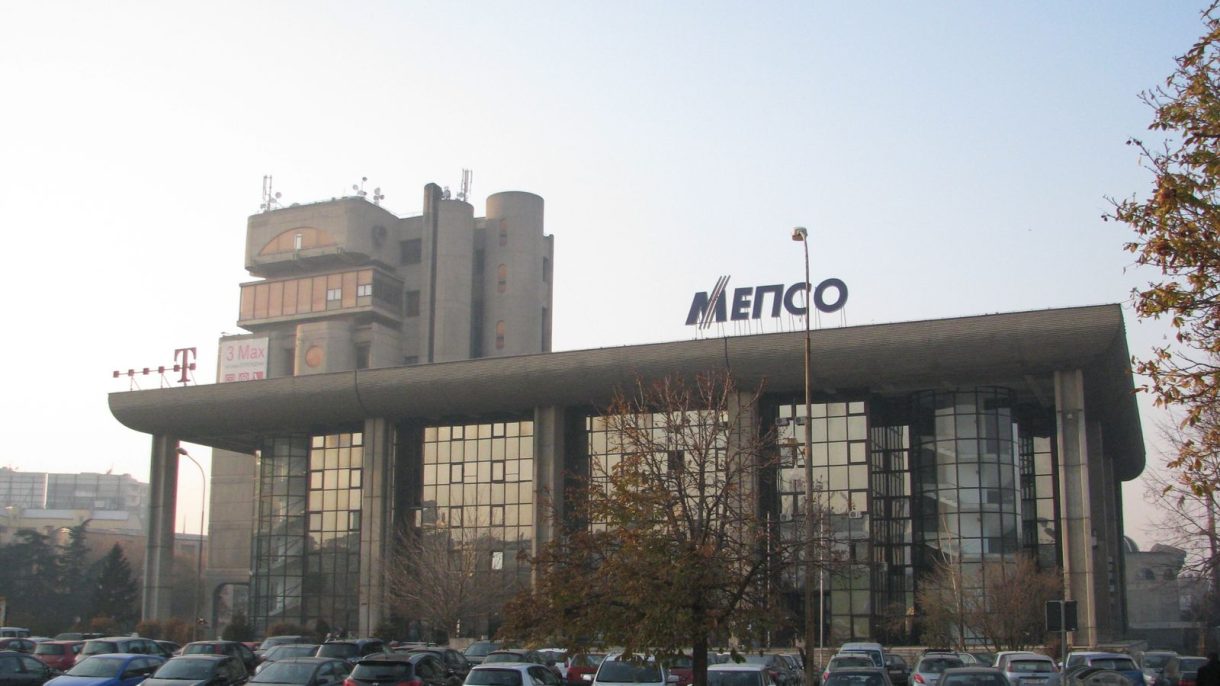
MEPSO Advances Strategic 400 kV Interconnection Project for Energy Community Priority Status

North Macedonia’s electricity transmission system operator, MEPSO, has officially nominated the “400 kV East–West Interconnection Corridor – Western Section” for inclusion in the prestigious list of Projects of Energy Community Interest (PECI). This strategic move aims to solidify the project’s status as a regional priority, facilitating cross-border energy cooperation and bolstering the stability of the Balkan power grid.

A Vital Link in the Regional Energy Spine

The nominated western section focuses on establishing a high-capacity link between Tetovo in North Macedonia and Prizren in Kosovo. This infrastructure is a critical component of a broader corridor designed to integrate the networks of Turkey, Bulgaria, Greece, North Macedonia, Kosovo*, Albania, and Montenegro.

Key specifications of the project include:

  • Total Length: Approximately 255 kilometers.

  • Primary Objective: Connecting the capital, Skopje, and the city of Ohrid via Tetovo, while providing a robust cross-border link to Kosovo*.

  • Capacity Upgrade: Replacing the current single 220 kV link between North Macedonia and Kosovo with a modern 400 kV interconnection.

Infrastructure and Operational Enhancements

The project involves a series of interrelated investments beyond simple transmission lines. MEPSO has outlined plans for significant substation developments to manage increased load and ensure operational flexibility:

  • Tetovo Substation: A new 400/110 kV facility will serve as a central hub for multiple high-voltage lines, significantly strengthening the transmission capacity in Western North Macedonia.

  • Oslomej Substation: Another 400/110 kV facility is planned for Oslomej. This location is particularly strategic as it transitions from a traditional coal-fired power site to a hub for new renewable energy projects.

Strategic Significance and Regional Synergy

MEPSO emphasizes that this investment is highly complementary to existing regional efforts, specifically the approved PECI project to upgrade the line between Prizren (Kosovo) and Fierza (Albania) to 400 kV. This synergy will create a seamless high-voltage path connecting North Macedonia, Kosovo*, and Albania.

This regional integration was further solidified last year (2025) through a Memorandum of Understanding signed between MEPSO and KOSTT (Kosovo’s Transmission, System and Market Operator).

“Achieving PECI status is a recognition of the project’s pronounced regional relevance. It directly contributes to the Energy Community’s objectives of secure, sustainable electricity supply and the efficient integration of renewable energy sources.” — MEPSO Statement

Timeline and Next Steps

The selection process for the second PECI list follows a rigorous biannual cycle. With the call for nominations having closed on January 19, the final list is expected to receive official approval by December 31, 2026.

Projects granted PECI status benefit from streamlined permitting processes and enhanced access to regulatory and financial support, accelerating the region’s progress toward decarbonization and a unified energy market.

by in News

NGEN Group enters Latvia with EUR 50 million investment

NGEN Group took over 100% of Latvian firm Liepāja ESS to implement a standalone grid-connected battery energy storage project for 100 MW in operating power and a capacity of 200 MWh. The Slovenia-based investor opted for Tesla’s solutions, marking their joint entry into the region.

At a media event that the Investment and Development Agency of Latvia (LIAA) organized today, NGEN Group announced its entry into the Latvian market with a EUR 50 million investment. The Slovenia‑based energy company has become the 100% owner of local enterprise Liepāja ESS, to implement a standalone grid-connected battery energy storage project.

The envisaged capability is 100 MW and the capacity is 200 MWh. The site is near the Grobiņa substation in Dienvidkurzeme – south Kurzeme. As for the schedule, the facility, worth an estimated EUR 30 million, should come online in the second half of the year.

NGEN’s battery storage facility is set to become the first one integrated with the transmission grid

“The development of such projects is a significant step in the development of Latvia’s energy infrastructure. It will be the first energy storage station in the Baltics to use Tesla technologies. This is proof to international investors that Latvia is a safe country for investments and can implement significant energy projects based on open and predictable procedures,” said Minister of Economics Viktors Valainis.

It would be the first standalone battery energy storage system (BESS) directly connected to the network of the country’s transmission system operator Augstsprieguma tīkls (AST). Importantly, the project is being built using the supply chains of countries within the North Atlantic Treaty Organization (NATO) and their allies, including the main equipment, from the United States, the statement adds.

“Latvia is an attractive market for the development of such solutions, thanks to orderly regulation and strong ambitions in the energy sector. The acquisition of Liepāja ESS is a logical next step in expanding our operations in Europe, demonstrating that storage strengthens system security and market efficiency,” said Chief Executive Officer of NGEN Group Roman Bernard.

The company specializes in energy storage and flexibility solutions.

Tesla, NGEN Group entering Baltics market together

The project will strengthen balancing capabilities, reliability and flexibility of the Latvian energy system, LIAA said. It is especially important after disconnection from the BRELL (Belarus-Russia-Estonia-Latvia-Lithuania) network a year ago, according to the agency.

“Tesla is excited to further strengthen our long-term partnership with NGEN Group by entering the Baltics market together. This strong collaboration will help deliver Megapack technology to support the Latvian electrical system in its advanced progress towards a renewable grid and increasing energy independence,” Tesla’s Vice President of Energy and Charging Mike Snyder stated.

Tesla’s VP Mike Snyder said Megapack technology would help the country’s progress toward energy independence

According to co-founders of Liepāja ESS Jānis Sproģis and Kārlis Maulics, the organizations and institutions involved in the project have enabled it to proceed in a transparent and predictable manner.

“Our goal is to implement the project on time and in accordance with the highest safety and quality standards. This is practical proof that Latvian regulation and institutional cooperation can ensure the implementation of such projects, attracting strategic investments both on a Latvian and Baltic scale,” they stressed.

Strength for Latvia’s energy security

The planned electricity storage station will expand the possibilities for balancing electricity capacity in Latvia and the Baltics, while simultaneously strengthening the country’s energy security and technological resilience, LIAA stressed.

The agency’s Director Ieva Jagere said energy infrastructure investment projects make up a large part of its EUR 17 billion investment portfolio.

“Such technologically well-prepared and high-quality projects build Latvia’s international reputation in negotiations with other investors. Work on this project proceeded at a very fast pace, proving that we are open and interested in new investments coming to Latvia,” she underscored.

by in News

Empowering the next generation: Youth engagement as a pillar of the Energy Transition

Author: Anna Cocchi, Project Officer,  ‘Fast & FairRenewables’ (FFRes) and Meie Kleijburg, Stakeholder Officer for Youth-lead Organisations  ‘Fast & FairRenewables’ (FFRes) at the European Youth Energy Network (EYEN), a partner organisation of EUSEW  

The 2050 net zero target is often talked about as a distant milestone on a map, but for us as young people, 2050 isn’t just a target; it’s our future. If we really want to achieve net zero, it is essential to recognize young people as essential, local partners today. Including youth as professional actors of the energy transition goes hand in hand with the “Local Projects – Local Influence” principle, showing that early and meaningful engagement of local groups is key to accelerating renewable deployment. From our experience as a European youth network, it is clear that youth must be involved from the start.

Positioning youth at the heart of the clean energy transition: a youth-led perspective

The mission of the European Youth Energy Network (EYEN) is to place young people at the heart of the clean energy transition: we believe in a future where European youth is instrumental in shaping a just and sustainable transition. As a volunteer-based think tank, EYEN works to build intergenerational collaboration and trust, equip young people with the necessary knowledge and skills, and create concrete spaces for them to act.

EYEN addresses a knowledge gap among decision-makers on how to meaningfully involve youth and respond to the needs and challenges of future generations. While the EU’s decarbonisation framework sets ambitious 2050 targets, implementation at the local level often lacks the structured engagement needed to ensure youth participation. Young people are ready to contribute but frequently face closed decision-making processes due to limited resources or unclear entry points. Beyond inclusion, youth represent an untapped energetic force in the energy transition: the more young people are involved, the faster policies and projects translate into real-world impact. When young people are meaningfully involved in decision-making, momentum increases, innovation flourishes, and implementation capacity is strengthened. Young people bring long-term vision and strong local networks, making them essential partners in the transition happening today.

At EYEN, our stance is clear: young people are not merely the “owners of the future,” but essential, professional partners whose participation must be embedded beyond tokenism into the core of energy policy, infrastructure planning, and grid development.

Local projects, local influence: delivering fast & fair renewables

A strong belief in action at the local level is a central pillar of EYEN’s work. In 2024, EYEN collaborated with ICLEI, a global network of more than 2,500 local and regional governments, to develop European baseline principles for the so-called Fast & Fair Renewables project. These principles emphasise that early and meaningful engagement of local interest groups is a prerequisite for successful renewable deployment, not an optional extra. Partnerships between municipalities, networks like ICLEI, and youth organisations demonstrate how youth engagement can be scaled beyond isolated initiatives.

It is within this gap that EYEN seeks to intervene, identifying effective ways to connect municipalities with youth organisations: this requires transparent communication, adequate resources, and feedback mechanisms to build trust. When meaningfully involved, young people act as catalysts at the local level, amplifying awareness of renewable projects and translating policy objectives into community-wide action.

Energy communities as intergenerational infrastructure

The transition to a decarbonised Europe is a shared journey. Empowering young people to influence energy infrastructure in their own local contexts through energy communities is, therefore, a crucial policy topic. In this context, the Fast & Fair Renewables project is closely connected to the Renewable Energy Directive (RED III), which provides the legal framework for Renewable Energy Communities (RECs). RECs enable citizens to take direct ownership of energy production and governance. By aligning youth engagement with RED III, municipalities can transform energy projects from top-down impositions into community-led initiatives, building more resilient, transparent, and equitable energy systems.

From the perspective of youth organisations across Europe, a joint and collaborative public engagement strategy is needed, built on early youth involvement, dedicated resources, transparent communication, and dialogue formats tailored to younger audiences. Equipping youth with knowledge builds trust; professionalising this dialogue ensures that young people’s input is traceable and reflected in final decisions. In this way, youth-led organisations become credible partners for municipalities, ensuring that climate objectives are not only ambitious on paper but achievable in practice.

This opinion editorial is produced in co-operation with the European Sustainable Energy Week (EUSEW) – the biggest annual event dedicated to renewables and efficient energy use in Europe. #EUSEW2026 marks the 20th edition and will once again bring together the community of people who care about building a secure and clean energy future for the next generations.  Check the currently open calls to join.

Disclaimer: This article is a contribution from a partner. All rights reserved. Neither the European Commission nor any person acting on behalf of the Commission is responsible for the use that might be made of the information in the article. The opinions expressed are those of the author(s) only and should not be considered as representative of the European Commission’s official position.

by in News

EU presents European Grids Package: faster permitting, stronger interconnections, lower energy bills

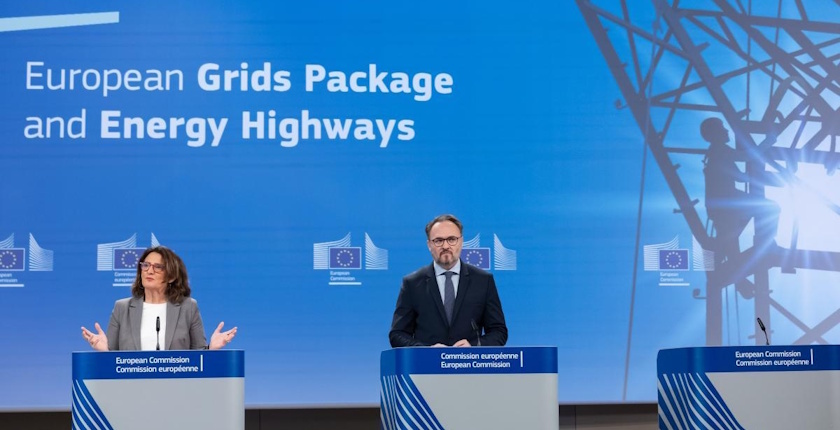
The European Commission presented the European Grids Package, a comprehensive plan to modernise transmission infrastructure, accelerate permitting procedures, and overcome bottlenecks in Europe’s electricity networks. It also unveiled the Energy Highways initiative, which consists of eight major infrastructure projects critical for energy security, renewable energy integration, and cross-border electricity market connectivity.

Energy infrastructure is the backbone of the energy system. Yet the EU’s energy network remains insufficiently integrated, and investment levels fall short of what is needed, a situation that directly affects household energy bills.

Ageing infrastructure and limited interconnection capacity are creating bottlenecks that slow the energy transition. Although some progress has been made within the existing EU legislative framework, the level of interconnection among member states remains inadequate. Several countries are not on track to meet the 15% interconnection target by 2030.

To address these challenges, the European Commission has presented the European Grids Package and Energy Highways initiative. The aim is to enable a more efficient flow of energy across the EU, integrate greater volumes of renewable energy into the system, and accelerate electrification.

Jørgensen: A truly interconnected energy system is the foundation of a strong and independent Europe

The Grids Package is designed to speed up permitting and ensure a fairer distribution of costs for cross-border infrastructure. It should also improve the use of existing infrastructure and accelerate the development of networks and other physical energy assets across the EU.

Among the measures is a new mechanism that allows the commission to initiate the search for additional infrastructure projects when existing initiatives do not cover identified cross-border needs.

“A truly interconnected and integrated energy system is the foundation of a strong and independent Europe. To achieve it, we need an energy infrastructure network of cables, pipes and grids that is up to date, fully interconnected, and that enables clean, affordable, homegrown energy to flow freely and securely to every corner of our union. This is exactly what we are proposing today: a common European energy project that supports affordable living, economic competitiveness, security, and decarbonisation,” said Dan Jørgensen, European Commissioner for Energy and Housing.

Permitting reform

Slow permitting remains one of the biggest bottlenecks for energy infrastructure and renewable energy projects in the EU.
Obtaining permits for transmission infrastructure currently takes more than five years on average, while renewable energy projects may face delays of up to nine years.

The Grids Package introduces simplified and accelerated permitting procedures. The commissioners have proposed setting time limits within which decisions must be taken for all types of projects. If the competent authority fails to respond within the deadline, the permit would be considered granted.

Permits for smaller projects would be issued through faster and more streamlined procedures

Permits for smaller projects would be issued through faster and more streamlined procedures. All processes would have to be fully digitalised, and national administrations would be required to have adequate staffing and technical capacity to process applications.

The commission is proposing to move away from the current first-come, first-served model and introduce a system that ensures timely and non-discriminatory access to the grid, one that balances social acceptance and industrial competitiveness.

Public and private financing

According to the commission’s estimates, EUR 1.2 trillion in investment will be needed for Europe’s electricity grid by 2040. Distribution networks account for EUR 730 billion within the sum, compared to EUR 240 billion for hydrogen infrastructure.

The commission said additional financing tools are required, including cost-sharing arrangements, arguing that cross-border infrastructure generates benefits that extend beyond the territory in which a project is located.

Another suggested solution is the formation of project firms (special purpose vehicles – SPVs) to attract additional private investment.

Given that grid infrastructure is largely financed through network tariffs, part of the burden falls on consumers. To ease this pressure, the commission announced it would boost financial support through the Multiannual Financial Framework (MFF), the EU’s regular seven-year budget, including a significant expansion of the Connecting Europe Facility (CEF). The tool is designed to support investments in new cross-border energy infrastructure and upgrades or rehabilitation of existing assets.

The current 2021–2027 EU budget contained EUR 5.8 billion for cross-border projects under CEF. For the 2028–2034 period, the commission said the amount would be raised almost fivefold, to EUR 29.91 billion.

On the private side, the EU is working on its Clean Energy Investment Strategy, to launch it in 2026 by outlining measures for private sector participation including institutional investors, as well as additional support from the European Investment Bank (EIB).

Energy Highways

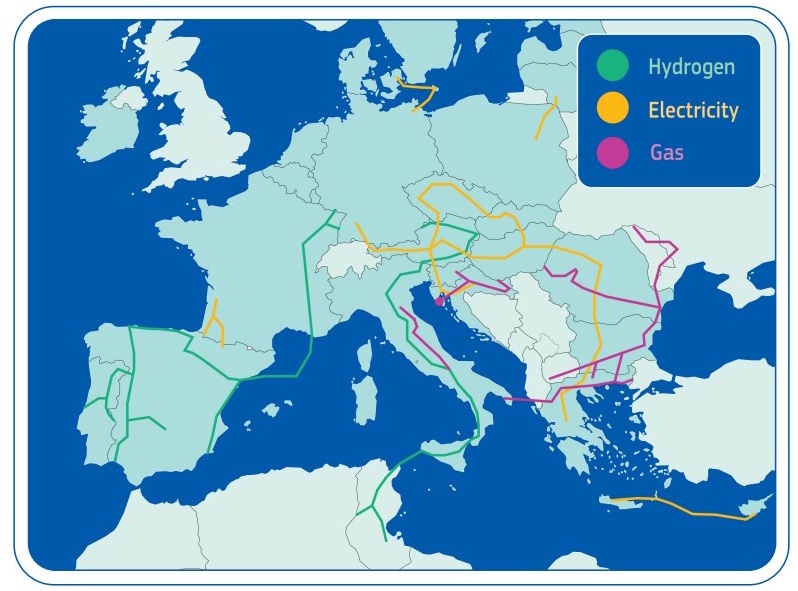
The Energy Highways initiative comprises eight of the EU’s largest and most critical infrastructure projects, essential for energy security, renewable energy integration, and cross-border electricity market connectivity.

They have already been already listed as Projects of Common Interest (PCI) or Projects of Mutual Interest (PMI), but under the new initiative, they would receive elevated political priority, accelerated financing, and faster permitting.

Energy Highways
Photo: European Commission

Among the projects are the reinforcement of interconnections across the Pyrenees to improve the integration of the Iberian Peninsula, the connection of Cyprus with continental Europe through the Great Sea Interconnector, as well as an upgrade of electricity links between the Baltic states, including the Harmony Link to Poland, which is essential for the full synchronisation of the region with the European grid.

The commission has also endorsed the establishment of Denmark’s hub on the island of Bornholm, which could, in the coming years, be connected to additional locations in the Baltic Sea.

Among the priorities are strengthening energy storage capacity in South-Eastern Europe

Among the priorities are strengthening energy storage capacity in South-Eastern Europe, as well as the modernisation of the Trans-Balkan Pipeline (TBP) for gas.

The list includes two hydrogen corridors. The southern one would connect Tunisia, Italy, Austria, and Germany, and the south-western corridor is a planned link between Portugal, Spain, France, and Germany. The commission has announced strong coordination and political support for the latter.

The commission views these projects as pillars of Europe’s future energy network, essential for lower electricity prices, greater system stability, and reduced dependence on fossil fuels.

In a regular legislative procedure, the proposals now move to the European Parliament and the Council of the EU for further deliberation.

  • 1
  • 2