by in News

Energy system based on renewables is cheapest solution to achieve net zero by 2050 – study

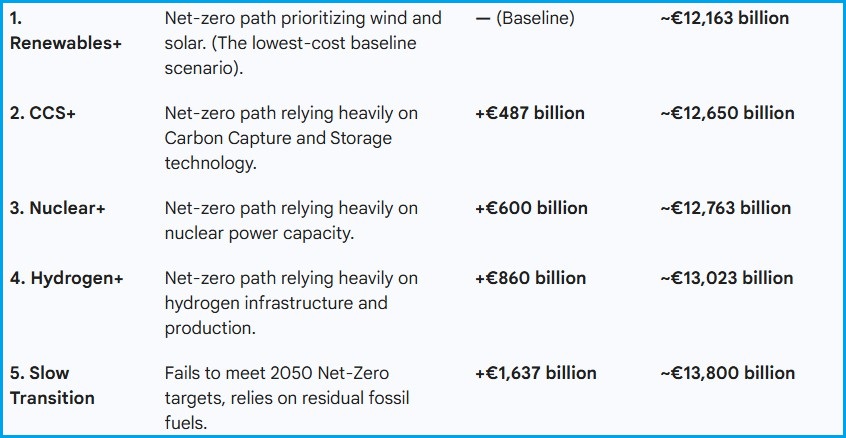
A European energy system based on a high share of renewable energy is the cheapest scenario until 2050 for achieving the net-zero goal, when compared to an increased use of nuclear capacity, or hydrogen, or carbon capture and storage, and against a delayed energy transition, according to a study produced by Hitachi Energy for WindEurope.

Costs for each scenario include not only generation facilities, but investments in grids, storage and back-up systems, according to WindEurope.

The study has mapped out the total system costs of five energy scenarios. Four scenarios deliver net zero and the remaining one is for a slow transition, where Europe doesn’t meet its climate targets, wind power advocacy group said.

The difference between the cheapest net zero path (Renewables+) and the most expensive path (Slow Transition) is EUR 1.64 trillion, the study reveals.
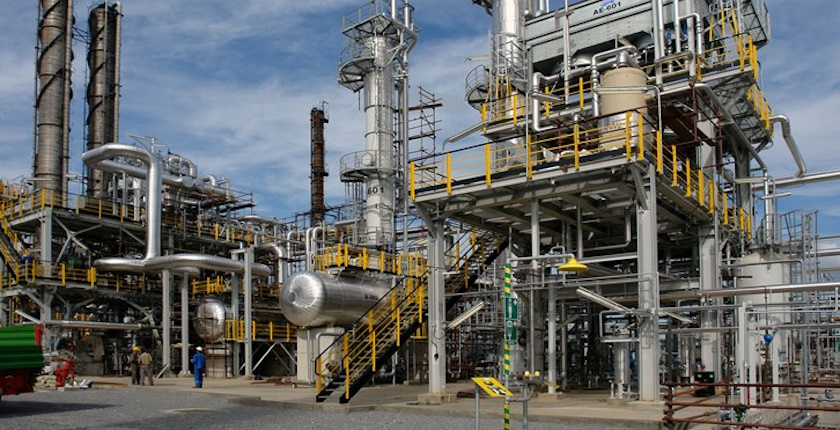
eu energy system 2050 scenarios costs hitachi study

The study’s authors calculated the total societal cost of building, operating, and adapting to the required energy system across electricity, transport, heat, and industry to meet or fall short of the 2050 climate targets.

The total system costs have three major groups of expenses.

The first group are new infrastructure investments in generation assets, as well as in grid, hydrogen, storage and carbon capture and storage (CCS) infrastructure.

Operational expenses are represented by fuel and CO2 costs, while the third group are electrification and demand shift costs.

The Renewables+ scenario drastically lowers import dependency

The Renewables+ scenario achieves net zero by 2050 through a massive deployment of variable renewable energy, primarily wind and solar power, leading to high electrification across the energy mix.

The renewables share reaches 85% of total electricity and nearly 70% of total gross available energy. Dependency on imported energy fuels falls drastically from 71% in 2030 to just 22% in 2050, the report reads.

“As Europe looks ahead to 2050, it is revealing to think what our energy system looked like 25 years ago. Back in 2000 the share of wind and solar in Europe’s electricity was a combined 0.8%. It’s 30% today. And Europe’s emissions are down by nearly 1/3 compared to 2000 while the economy has grown 45%. Let’s build on this success,” WindEurope stressed.

It is an inception report for the Energy System Costs Study, a project commissioned by WindEurope.
by in News

Siemens Energy, Končar to install electrolyzer, solar power plant for INA

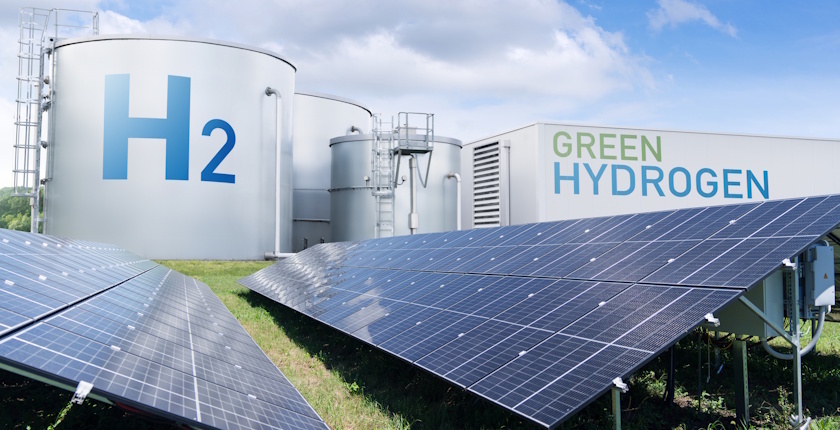
Siemens Energy and Končar will install an electrolyzer and a solar power plant for Croatian oil and gas company INA.

INA said it has signed two important contracts for the implementation of the green hydrogen production project at its Rijeka refinery.

By signing contracts with reputable companies, with a total value of EU 33 million, INA has secured the preconditions for the implementation of the first commercial green hydrogen production plant in Croatia, according to the update.

A contract with Siemens Energy and Končar was signed for the construction of a 10 MW green hydrogen production and distribution plant. The order is estimated at EUR 22.5 million excluding VAT.

INA has already secured the delivery of the electrolyzer

The second contract, worth nearly EUR 11 million excluding VAT, was signed with Končar. It envisages the construction of a 11 MW photovoltaic plant. The facility would supply electricity to the electrolyzer.

As part of the project, INA has already secured the electrolyzer, a key system for water electrolysis and hydrogen production from renewable sources. Its majority owner, Hungarian MOL, inaugurated its first 10 MW electrolyzer in April last year.

Green hydrogen is intended for use in transportation

The green hydrogen that would be produced is intended for the market, primarily for transportation purposes, and it could also be used in the refinery’s production process. The company recalled that, by a decision of the Ministry of Economy, it received a EUR 15 million grant from the National Recovery and Resilience Plan.

The program is for the production and distribution of hydrogen in transportation.

The hydrogen market in Croatia is in an early development phase. INA’s plant could produce about 1,500 tons of green hydrogen annually.

Of note, Croatia adopted a hydrogen strategy in 2022. The government subsidizes the installation of chargers for hydrogen fueled vehicles.

Ortutay: Hydrogen could open new market opportunities for INA

INA CEO Zsuzsanna Ortutay said European and national strategies consider renewable hydrogen a technology of the future.

The renewable hydrogen that INA will produce can open new opportunities for the company in the market, but also improve the sustainability of Rijeka refinery through emission reductions, Ortutay stressed.

According to Končar CEO Gordan Kolak, green hydrogen isn’t only a technology of the future but a key element for decarbonizing industry and transport.

As the main contractor for the construction of this plant, Končar confirmed its role as a reliable partner developing key expertise for the European energy infrastructure in the decades to come, Kolak added.

by in News

Šahmanović: Montenegro is facing its most challenging year for energy sector

Montenegro is facing its most challenging year for the energy sector, Minister of Energy and Mining Admir Šahmanović stressed.

State-owned power utility Elektroprivreda Crne Gore (EPCG) will suffer a loss of around EUR 80 million given that the Pljevlja coal power plant is offline, while electricity consumption is rising amid increases in prices of other energy sources, Admir Šahmanović told TV Vijesti.

He explained that development is focusing on the reconstruction of the thermal power plant, addressing delays in connecting solar power plants to the grid, and plans for projects including within cooperation with the UAE and an agreement with Italy on a second subsea cable.

Šahmanović: We entered this year quite wounded

The priority will be price stability and increasing the use of renewable sources, along with strengthening Montenegro’s position as an energy hub between the region and the European Union, he added.

“I can freely say that, regarding this year, it is perhaps the most challenging year in the modern history of Montenegro, exactly for the energy sector. We entered this year quite wounded given the fact that last year the hydrological conditions were the worst in the country’s history,” he asserted.

Šahmanović added the electricity demand in Montenegro has jumped 6%.

Climate change is playing its part

One of the reasons is the increase in the price of energy sources such as wood and coal, according to the minister.

He pointed to climate change as another factor. There is a growing need to install air conditioning units even in northern Montenegro, where there was previously no need for it, he added.

Therefore, in the minister’s words, the construction of other production facilities is inevitable.

Of note, EPCG’s executive manager of supply Jovan Kasalica said in April that electricity consumption in Montenegro has risen by 25% over the previous four years.

by in News

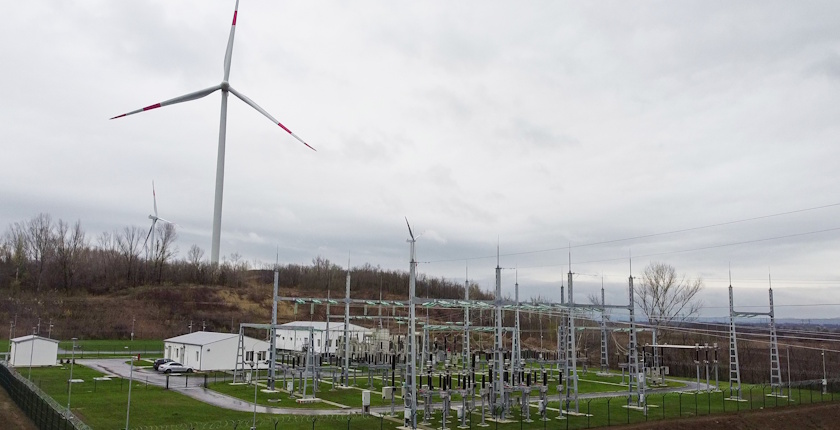
Serbia’s EPS starts trial operation of its first wind park Kostolac

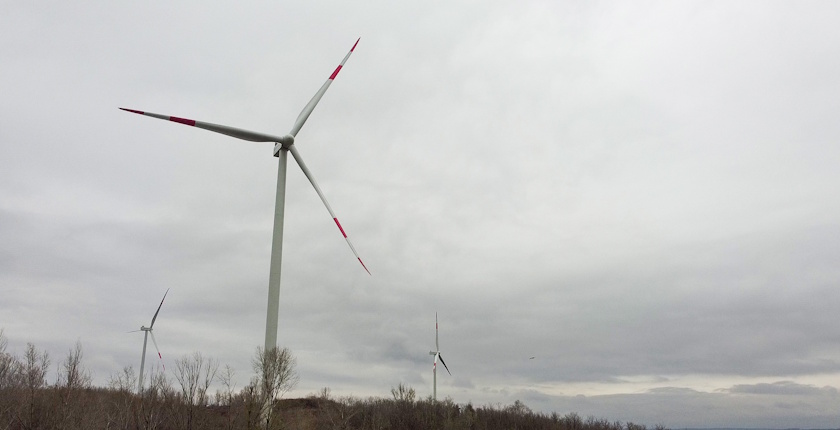
Serbia’s state-owned power utility Elektroprivreda Srbije put the 66 MW Kostolac wind farm into trial operation.

The construction of Kostolac is complete, and Elektroprivreda Srbije’s (EPS) first wind farm has generated its first megawatt-hours, EPS announced.

Upon receiving approval for connecting to the transmission system, the substation was energized and the blades of wind turbine 1 began to spin. It marked the start of the trial operation of the new generation capacity, the company said, and added that the kickoff of the remaining wind turbines is underway.

EPS’s first wind power plant, with 20 generators, is located at sites called Drmno, Petka, Ćirikovac and Klenovnik, at an area of closed open-pit mines of its subsidiary Termoelektrane i kopovi Kostolac (TE-KO Kostolac). It operates coal-fired power plants and open-pit coal mines.

Živković: It is a historic moment for EPS

Closed coal mines are ideal locations for installing wind farms and solar power plants, due to existing infrastructure. The concept has become widespread in Balkan countries.

“This is a historic moment for EPS. In addition to energy from water, coal, and the sun, now the first wind farm is online. This is a big step toward increasing the share of renewable energy and achieving sustainable energy development for EPS and the entire Serbian energy sector,” CEO Dušan Živković underlined.

He pointed out that the wind farm is just the beginning of future intensive development of new green capacities. It is very significant that it was built on the site of an old mining landfill and that the space has been given a completely new, sustainable purpose, he added.

The wind farm is expected to produce 187 million kWh annually

serbia eps wind farm Kostolac trial operation coal mine
Photo: EPS/Zoran Gavrilović

Živković recalled that the construction of the wind farm was a major challenge, but also a real opportunity for experienced engineers and young, new professionals at EPS to gain new knowledge and experience for future projects.

The planned annual production of the wind farm is 187 million kWh, which is enough to supply about 30,000 households with green electricity, according to EPS.

The project is financed by a EUR 110 million loan from Germany’s KfW Development Bank and a EUR 30 million grant from the European Union via the Western Balkans Investment Framework (WBIF), while the company provided a part of the needed funds, EPS said.

Serbia’s Minister of Mining and Energy, Dubravka Đedović Handanović said in January 2024, at the signing of an agreement with the EU for the EUR 30 million grant, that it has completed the financing of the project.

According to WBIF’s update from December 2024, the project was valued at EUR 145.1 million. It comprised EUR 81.8 million from a KfW loan and EUR 31 from WBIF in the form of a grant, while EPS provided EUR 32.3 million.

by in News

Montenegro drafts green hydrogen development program with 2026-2028 action plan

Montenegro has drafted a program for the development of green hydrogen with an action plan for the period 2026-2028 and a strategic environmental impact assessment report.

The public discussion is underway about the draft green hydrogen development program with an action plan for the period 2026-2028 and strategic environmental assessment report. It lasts 20 days from the publication of the public call – November 25.

Green hydrogen is a strategic priority for Montenegro by 2030 as a key energy fuel for transition, decarbonization, and security, the document reads.

The program defines four operational goals

Its use is planned in the energy, transportation, and industry sectors, with production based on excess electricity from wind and solar power plants and the development of grid balancing activity and charging infrastructure in line with the EU regulations, the draft underlines.

The document defines four operational goals.

The first is the establishment of an institutional, regulatory, and standardisation framework for the development of the hydrogen economy. It would include a national hydrogen council.

The plan is to produce a feasibility study with a financial assessment for a green hydrogen pilot project

Strengthening administrative capacity is the second goal. The activities include staff training and the adoption of guidelines and regulatory adjustments by the local authorities in line with the national green hydrogen policy.

The third objective is to plan and develop infrastructure for the integration of green hydrogen. The program envisages the creation and adoption of a national hydrogen infrastructure map, as well as a feasibility study with a financial assessment for a pilot project for the production of green hydrogen.

The final goal is to develop science, innovation, education, and promotion in the field of green hydrogen, for which educational programs at the high school and university levels would be developed.

NECP examined two scenarios for hydrogen

The program aims to increase the competitiveness of the Montenegrin economy and achieve carbon neutrality in line with the Paris Agreement, as well as other EU strategic documents, including the European Green Deal and the New Industrial Strategy for Europe.

The country’s National Energy and Climate Plan (NECP) has outlined two hydrogen scenarios – a moderate one (MH2E) and an ambitious one (AH2E).

Pilot projects are planned by 2030, while investments are estimated at EUR 127 million to EUR 212 million by 2050, according to the NECP.

by in News

WISE Serbia mentorship program successfully completed: trust, support, and personal growth

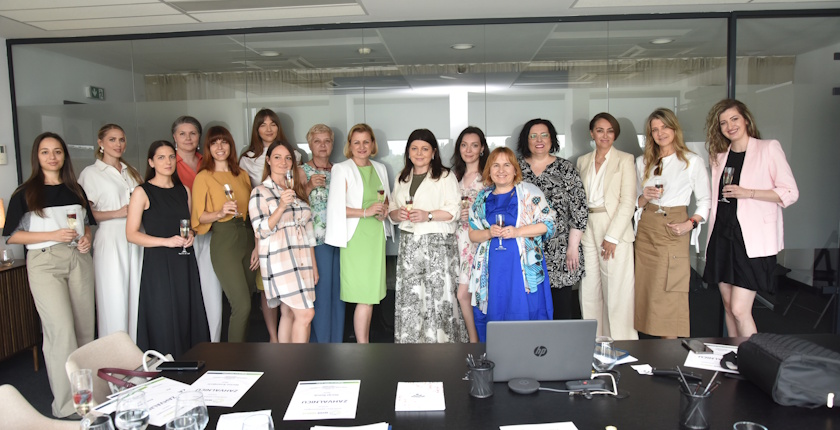
The first mentorship program of the WISE Serbia women’s network, focusing on sustainable energy, the green economy, and climate action, and implemented with the support of German development cooperation GIZ, was successfully concluded with an event held in Belgrade. Over six months of intensive collaboration, seven mentor-mentee pairs built mutual trust, exchanged knowledge, and developed leadership potential, demonstrating the vital role of support in career development.

The WISE Serbia mentorship program brought together 14 remarkable women. Seven experienced leaders from the energy and environmental sectors shared their extensive knowledge with seven young network members in the early stages of their careers.

The mentorship pairs included:

  1. Maja Adamović, Director of the Transmission System Maintenance Division at Serbia’s electricity transmission system operatorElektromreža Srbije (EMS), and Jelena Perović, ESG Consultant at Deloitte Advisory d.o.o.;
  2. Ivona Milić, Senior ESG Specialist for Corporate Clients at Raiffeisen Bank, and Marija Rošulj, Credit and Environmental Risk Officer at ProCredit Bank;
  3. Maja Turković, Executive Vice President at CWP Europe, and Marina Arsenijević, Project Manager at Voltiza Inc.;
  4. Aleksandra Lukić, Chief Engineer in the thermal energy production department at municipal heating utility JKP Novosadska toplana in Novi Sad, and Bojana Petrović Raičević, Senior Specialist for Energy and Environmental Law at NIS a.d. Novi Sad;
  5. Svetlana Cerović, Head of Specialized Financing at UniCredit Bank, and Ana Minić, Technical Consultant for Renewable Energy and Energy Efficiency at MACS Energy & Water;
  6. Ankica Barbulov, Director of Negawatt Solutions, and Milica Vujošević, Energy Efficiency Manager at Delta Holding;
  7. Nataša Zdravković, Investment Manager at Ezpada Group, and Sara Ostojić, Lawyer at SOG a.o.d. in cooperation with Kinstellar.

The closing event was held in partnership with and under the patronage of Kinstellar, one of the leading law firms in Belgrade, operating across Central and Eastern Europe, Southeastern Europe, and Central Asia.

Founded in 2008, Kinstellar now operates in 12 countries and employs more than 300 lawyers. In Serbia, it is particularly recognized for its work in the energy and infrastructure sectors, advising on some of the region’s largest energy investments, including wind farms, mining projects, and renewable energy transactions.

Photo (Balkan Green Energy News): Radovan Grbović, Partner at Kinstellar, welcomes program participants

One of the mentees, Sara Ostojić, is an attorney at Kinstellar and Head of the Energy Sector in Serbia. She expressed great satisfaction that her firm was hosting the closing event.

Radovan Grbović, partner and attorney with over 20 years of experience, addressed the participants, emphasizing the importance of mutual support and a stronger role for women in sustainable energy and the green transition.

Mentorship is about sharing life experience

The program’s outcomes were presented by Nataša Vukmirović, professional mentorship coach from the International Institute for Coaching and Mentoring, who highlighted that the program’s goals had been fully achieved. She noted that strong relationships of trust had been built and that most participants had expressed a desire to continue engaging in similar initiatives.

“Through evaluation and facilitation of joint sessions, I had the opportunity to witness meaningful knowledge exchange and feel the power of support, trust, and shared learning. The program demonstrated that developmental mentoring is a valuable approach in the sustainable energy and green economy sectors and can significantly impact participants’ career development,” said Vukmirović.

According to her, the program goes beyond education—it is based on values that empower individuals and protect the common good. This is echoed in the positive experiences of participants.

Marija Rošulj emphasized that her positive experience with Ivona Milić inspired her to become a mentor herself. “Mentorship is not just about work, but about a person’s character and sharing life experience, not just professional experience.”

The pair plans to continue working together and develop a joint project beyond the formal program.

Photo: (Balkan Green Energy News) mentorship pair Marija Rošulj, ProCredit Bank, and Ivona Milić, Raiffeisen Bank

“One of the things I appreciated most was that my mentor helped me achieve a deeper reflection on my career path and supported the development of my emotional intelligence and effective communication,” said Ana Minić, whose mentor was Svetlana Cerović, last year’s recipient of the Female Leader in Sustainable Energy 2024 award.

Photo (Balkan Green Energy News): Ana Minić, MACS Energy & Water

Mutual learning – the heart of the program

Mentors noted the process was reciprocal, and that through working with young women, they carried out a kind of introspection of their career paths. “It was especially interesting to identify what made me successful, which I could share with Milica, who also works in renewables and energy efficiency. I tried, by talking about my career, my development path, my ups and downs, to identify the golden thread that has kept me afloat and thanks to which I can say that I am doing well in business today,” said Ankica Barbulov, co-founder and director of Negawatt Solutions and the first to introduce the ESCO financing model in Serbia.

Mentee Milica Vujošević said that her mentor was an inspiration and that working with her was a great honor.

Photo (Balkan Green Energy News): Mentorship pair Milica Vujošević, Delta Holding, and Ankica Barbulov, Negawatt Solutions

Aleksandra Lukić, Chief Engineer and one of the first women in the thermal energy production department at heating utility JKP Novosadska Toplana, emphasized that she and her mentee, Bojana Petrović Raičević, are very different and that this was a strength in their relationship.

“At first, I wondered how I could help someone from a completely different profession. I’m a mechanical engineer, and Bojana is a lawyer. But our differences allowed for deeper exchange, not only about careers but also life values, work-life balance, and personal development. In the end, I think we both gained more than we expected.”

Bojana added: “Aleksandra helped me clarify my goals and map out a plan for my career, both short-term and long-term steps. I’m grateful she was my mentor.”

Photo (Balkan Green Energy News): Mentorship pair Aleksandra Lukić, JKP Novosadska Toplana, and Bojana Petrović Raičević, NIS

Maja Adamović, Director at Elektromreža Srbije, saw the program as an opportunity to learn and improve future programs. She highlighted progress in strengthening women’s networks in the energy sector, citing the launch of the Women in Energy section within CIGRE Serbia as a great example of women’s growing interest in connection, empowerment, and collective impact.

Photo (Balkan Green Energy News): Maja Adamović, Elektromreža Srbije

Maja Turković, Executive Vice President of CWP Europe and co-founder of WISE Serbia, also served as a mentor. “Marina and I worked on identifying her potential in line with her education, interests, and labor market trends, as well as on shaping her career profile. I think we have defined a direction for her professional development and competencies she can further build on,” said Turković, adding she would gladly be a mentor again.

Marina Arsenijević, her mentee, said the program came at the right time: “After this program, I’m more aware of who I am and what I want to do in the next five or ten years.”

Photo (Balkan Green Energy News): Mentorship pair Maja Turković, CWP Europe, and Marina Arsenijević, UGT Renewables

Throughout the program, mentors generously shared knowledge, experiences, and insights, while mentees showed openness to learning and a willingness to build their leadership capacities. All mentors expressed great satisfaction with participation in the program, highlighting mutual learning as one of its most valuable aspects.

The WISE Serbia program demonstrated how important mentorship is for women’s professional and personal development in green industries. Through experience-sharing, knowledge transfer, and mutual support, participants not only strengthened their capacities but also contributed to creating a strong community of women working on a more sustainable and equitable future.

by in News

ACER opens applications for traineeship program

The European Union Agency for the Cooperation of Energy Regulators (ACER) has launched a call for applications for its traineeship program, inviting motivated and qualified university graduates to seize a valuable professional development opportunity in Ljubljana, Slovenia.

ACER was established in March 2011 to foster cooperation among the national regulatory authorities (NRAs) for energy in the EU and help ensure that a single European market for electricity, and similarly natural gas, functions well.

The organization’s traineeship program is open to university graduates who have completed at least three years of studies, a bachelor’s degree or equivalent, in EU member states, Norway, Iceland or Liechtenstein. Applicants must demonstrate strong proficiency in at least two EU languages, one of which is English.

All interested candidates can apply by filling out the traineeship application form

Traineeships last between three and six months and can be extended once for up to an additional six months, offering a total potential duration of one year. Participants gain technical and operational experience by contributing to the agency’s daily work, while deepening their knowledge of EU structures and ACER’s procedures.

Trainees who are not already receiving a salary, scholarship, or other form of financial support will get a monthly grant of EUR 1,268.18. Additional support includes reimbursement of travel expenses for the trainees who completed at least a three-month traineeship period. All trainees are granted a monthly public transport pass for use within Ljubljana.

All interested candidates can apply by filling out the traineeship application form, attaching a copy of their diploma, and sending it to Traineeship(at)acer.europa.eu

This is a unique chance to join a diverse and intellectually engaging workplace while contributing to the energy future of Europe.

by in Events, News

Energy transition and future challenges for a liberalised and integrated electrical market: the case of Albania

On February 20th 2019, the second phase of the KEP / CEI technical assistance program “Central European Initiative Support for Strengthening Energy Regulatory Authorities in the Western Balkans” will be formally launched, benefiting from the financial support of the CEI fund, totally financed by the Italian government, through the European Bank for Reconstruction and Development (EBRD). The initiative, led by the Regulation Authority for Energy, Networks and Environment (ARERA) with the support of TERNA and GME, is focused on the transfer of knowledge to the regulatory Authorities of Albania (ERE), Montenegro (RAE) and Serbia (AERS) in relation to market coupling mechanisms. The aim is to promote the harmonization and integration of Regional energy markets in order to establish a safe, efficient and integrated European electricity market starting from a correct implementation of the new regulatory framework of the European electricity and gas markets in line with the so-called. Third, Package (European network codes).

The Italian Embassy in Albania – in collaboration with the Italian Trade Agency, the Italian Chamber of Commerce in Albania and Confindustria Albania will take this opportunity to restart, five years after the last edition, the “Energy Table”.

The aim is to establish a permanent forum of dialogue with Italian private companies active in the various energy sectors in Albania, with the dual aim of addressing both the issues of the current Albanian business and regulatory context, and an evaluation of the main opportunities for future investments.

In this framework, on February 21st we will organize, in cooperation with the Development and Cooperation Institute the workshop ” Energy transition and future challenges for a liberalized and integrated electrical market: the case of Albania” so to present the main outcomes of the Energy Table and to foster a constructive dialogue between Italian, Albanian and International Authorities and stakeholders. The workshop will be focused on the upcoming challenges and opportunities of Albania to strengthen regional energy connectivity, in line with the guidelines set by the European Union and the conclusions of the Trieste Summit of July 2017, in the context of the Western Balkans process.

FEBRUARY 21ST 2019 – ROGNER HOTEL, SALA ANTIGONEA II

Më datë 20 shkurt 2019 do të nis zyrtarisht faza e dytë e programit të asistencës teknike të KEP/CEI “Përkrahje e Nismës së Evropës Qendrore për Fuqizimin e Autoriteteve Rregullatore të Energjisë në Ballkanin Perëndimor”, në kuadër të fondit CEI, të financuar plotësisht nga Qeveria italiane, nëpërmjet Bankës Evropiane për Rindërtim dhe Zhvillim (BERZH). Iniciativa, e udhëhequr nga Autoriteti Rregullator për Energjinë, Rrjetin dhe Mjedisin (ARERA) në bashkëpunim me shoqëritë TERNA dhe GME, është përqendruar në transferimin e njohurive tek Autoritetet Rregullatore të Shqipërisë (ERE), Malit të Zi (RAE) dhe Serbisë (AERS) në lidhje me mekanizmat e integrimit drejt një tregu të përbashkët. Qëllimi është të promovohet harmonizimi dhe fuqizimi i tregjeve rajonale të energjisë në mënyrë që të krijohet një treg i sigurtë, efikas dhe i integruar evropian i energjisë elektrike duke filluar nga zbatimi korrekt i kuadrit të ri rregullator të tregjeve evropiane të energjisë dhe gazit në përputhje me të ashtuquajturën “Paketa e Tretë” (Rrjeti i Kodeve Europiane).


Ambasada e Italiasë në Shqipëri – në bashkëpunim me Agjencinë Italiane të Tregtisë, Dhomën Italiane të Tregtisë në Shqipëri dhe Confindustria Albania – do të shfrytëzojnë këtë mundësi për të rifilluar, pesë vjet pas edicionit të fundit, “Tryezën e Energjisë”. Qëllimi është krijimi i një forumi të përhershëm të dialogut mes kompanive private italiane, aktive në sektorët e ndryshëm të energjisë në Shqipëri, me synimin e dyfishtë të adresimit të çështjeve të kontekstit aktual të biznesit dhe kornizës rregullatore shqiptare, si dhe vlerësimit mbi oportunitetet kryesore për investime në të ardhmen.


Në këtë kuader, më datë 21 shkurt ne do të organizojmë në bashkëpunim me institutin Cooperation Develeopment Institute workshopin “Tranzicioni energjetik dhe sfidat e ardhshme për një treg të liberalizuar dhe të integruar elektrik: rasti i Shqipërisë”, për të paraqitur rezultatet kryesore të Tryezës së Energjisë dhe për të nxitur një dialog konstruktiv mes autoriteteve italiane, shqiptare dhe ndërkombëtare si dhe grupeve të interesit. Seminari do të fokusohet në sfidat dhe mundësitë e ardhshme të Shqipërisë për të forcuar ndërlidhjen rajonale të energjisë, në përputhje me udhëzimet e vendosura nga Bashkimi Evropian dhe përfundimet e Samitit të Triestes, në korrik 2017, në kontekstin e Procesit të Berlinit mbi Ballkanin Perëndimor.

– Workshop –

21 Shkurt 2019 – HOTEL ROGNER, SALLA ANTIGONEA II
“Tranzicioni energjetik dhe sfidat e ardhshme për një treg të liberalizuar dhe të integruar elektrik: rasti i Shqipërisë”

by in News, Publication

Setting targets towards a viable energy model in Albania.

Download Presentation HERE.

Presentation Held at Tirana Economic Forum

In order we can meet with Paris Agreement objective we have to scaled up to 6 time faster with Renewable Energies in order to have by 2050 a Neutral Europe. 

By 2030 EU targets, we should meet over 32% of Renewables, and 32.5% of EE.

But what is the situation in Albania Energy Sector. I will focus in this presentation mostly in electricity demands and gaps which must be filled by new renewable technologies.

Our electricity is produced 100% from hydropower. And in 2017 we see that our Net Production was only 4525GWh, which is 37% less compare to previous year because of climate change. The question rise, is still fine to invest in massive hydro power plants? Imports for 2017 were 45%, every year Albania is spending 160 to over 200 million Euros for imports. 

Albania has installed over 2.1GW Hydro capacities, and on going are 545 other small hydro power plants, but are hydro investment capacities meet the energy demand by more than 40% till 2030?, here including the climate change effects?

To meet this Albania has implemented an important Law On Promoting the use of Energy from RES, which practically is driving investments in Hydro, PV, Wind, EE.

To make diversification of Energy Mix, Based in this Law, it is implementit FIT for PV and Wind , with capacities till 2020, at least 30MW of Wind and 50MW of PV. But are these targets enough with Albania which is importing 45% of its electricity ?

The capacities are available to invest : Like in Wind there are over 857MW of licences are given, no investment in horizon in this. Most of the interesting places to invest are Karaburun Peninsula, Gjader Hills, South east and North West of Albania.

Albania rely on dominant single source of electricity supply, like Hydropower, and on imported oil and gas. “How we can address these vulnerabilities?, is  by diversifying the energy mix within the region as well as sources of external supply, by promoting energy efficiency and the development of renewable energy sources.”

Smart Energy in our cities, it is an opportunity for Public and commercial building too, to start invest in EE, and focus in PV systems up to 500kW as also is specified by the law. In order to have CO2 reduction and meet energy demand we should start act now, where this kind of technologies have the return of investment up to max 5-6years.

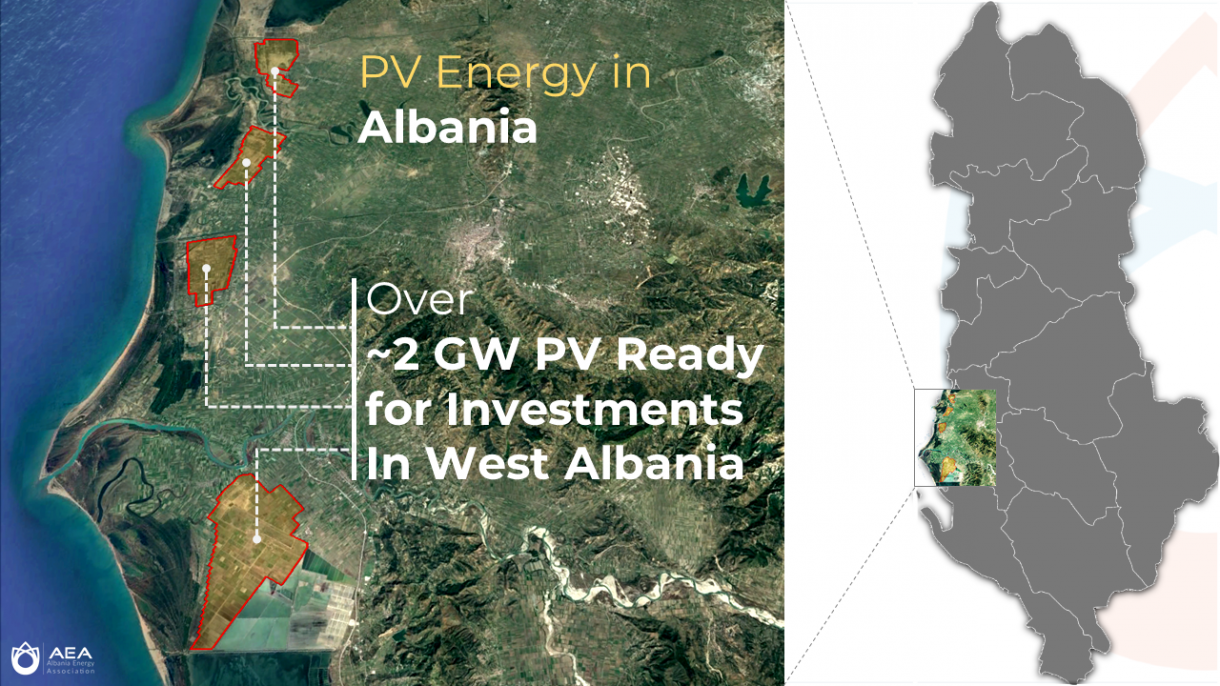
In large scale of investments there are available over 2GW PV in West Albania, at least in 4 main area. In Vlora Akerni 950MW, in Fier Darzeze 375MW, Fier Seman 340MW, in Lushnja Karavasta 380MW. The mixture of all renewable energy options could help the Western Balkans cut its carbon emissions, while delivering secure and sustainable energy at a lower cost.

by in News

Ecomondo and Key Energy biggest energy event on 2018

Ecomondo and Key Energy offers today’s biggest platform for the entire Mediterranean basin with 1250 exhibiting companies attracting over 116,000 attendees. Ecomondo has successfully anticipated business changes over time, from waste processing to dialoguing with industry on the development of an economic model based on green technologies. All sectors are efficiently represented, from waste to integrated water cycle, to air, bio-based industry and energy.

The intended vision is that of the circular economy, which involves the formation of new  interconnected industrial clusters as set out in the future investment plans of the European Commission.

Key Energy is the leading fair for renewable energy in the Mediterranean Area.

Focus on photovoltaic and storage, solution for energy efficiency in industry and residential, solutions for sustainable intermodal, connected mobility and sustainable cities.

THE ENERGY CHAIN

The world of energy efficiencyrenewable energy and electric mobility is experiencing an incredibly fast evolution on a global scale as a consequence of the obligations taken in the Paris Climate Agreement.

In Italy there are some interesting signals with a forecasted growth in these sectors. The recently approved National Energy Strategy pushes the country towards targets  such as 55% production of renewable energy and 5 million electric vehicles by 2030.

Considerable investments will be addressed towards urban centres, hubs of economic and cultural activities.  70% of the 7,798 municipalities has a population equal to or less than 5,000 inhabitants. Cities with a high urban development represent only the 3.4% but also accommodate the 33% of the total population. Improve the quality of the air, transports, common areas and services means invest on quality and well-being, and this represents one of the biggest challenges for the local administrations and for the country.

Service’s high standards can be achieved only with a correct investments’ planning together with industrial capacities, engineering and adequate forecasting, all with one common goal: sustainability and inhabitants’ quality of life.

Backed by this favourable background, Key Energy aims to become the flagship event in the field of renewable energy solutions.

CURRENT AND FUTURE TRENDS

Global renewable energy in 2017:

  • Investments amounting to 333,5 bil. $
     
  • with a record injection of 160 bil. on photovoltaic, +18% year on year, regardless the reduction of costs.

Italian investments has seen an increase of +15%, for a total amount of 2,5 bil. $ according to the BNEF statistics.

In 2018 global solar plants will reach at least 107GW, compared to the 98GW in 2017 (+10%).

Italy’s National Energy Strategy has set the target of achieving  55% share of renewables in electricity consumption by 2030: by that time, 5 million vehicles will be electric and 145 billion will have been invested in renewable energy and energy efficiency.

In Italy there are projects aiming to develop photovoltaic plants for hundreads of MW, achieved with no incentives; Regional calls have contributed to the increase of  storage systems.

The exhibition area dedicated to the most innovative integrated solar technologies and to combination with storage systems, mains supply provided from storage and Demand Response and Virtual Power Plant (VPP) systems.


An entire hall of technology, systems and solutions for a more intelligent use of energy resources in industry.
Key Efficiency is the meeting point between technology producers, funding bodies and industry, where best practice among those who have chosen the path of efficiency can be tested.


Key Energy Storage is the exhibition area dedicated to storing energy from renewable sources.

The project was launched to highlight the importance of a technology which is key to energy efficiency. Energy Storage Systems avoid the requirement to acquire energy, allowing energy obtained from renewable sources to be used when the user needs it.

Making optimal use of this energy is imperative. The need to achieve the Cop21 targets and the advantages and economic benefits that Energy Storage Systems offer make them a reality that will guide the market in the coming years.

Over time, Ecomondo Key Energy has proven capable of adapting to the changing market and aims to become the Mediterranean base for this product.

Key Energy Storage offers a series of conferences on the theme of storage on the days of the exhibition, with presentation of best practices and targeted communication for countries in the Mediterranean, Middle East and Eastern Europe for B2B meetings at the exhibition.

The only reference wind power show in the Mediterranean basin, the Balkans and the Middle East. Key Wind, in partnership with ANEV, the Italian Wind Energy Association, collaborates to develop the sector in Italy, in terms of content, training, information and design.

  • Producers of plants and components for large-scale wind power
  • Producers of plants and components for mini wind power
  • Managers of wind farms/wind power producers
CONTACTS

Brand Manager
Sara Quotti Tubi
(+39) 0541/744.226
[email protected]

Sale Department
Claudia Costella
(+39) 0541/744.457
[email protected]

https://en.keyenergy.it/