by in News

Joksimović: Serbia preparing to introduce carbon pricing

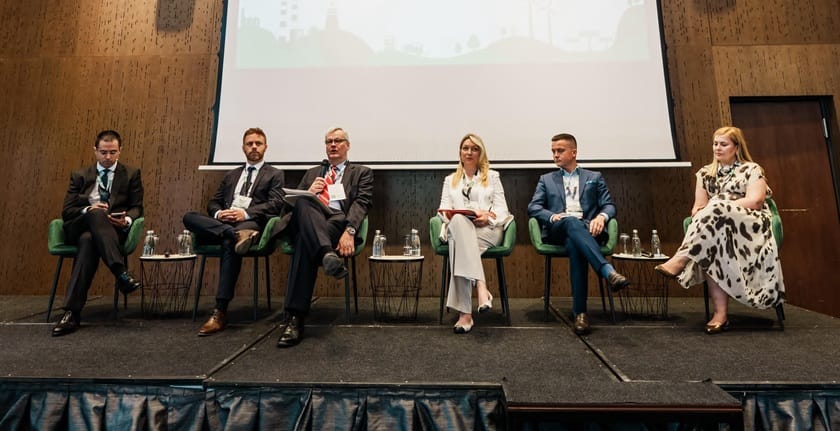
Serbia is preparing to introduce carbon pricing, Jovana Joksimović, Assistant Minister of Mining and Energy for International Cooperation and European Integration, has announced.

The authorities are preparing a comprehensive analysis of carbon pricing for all products that will be affected by the European Union’s (EU) Carbon Border Adjustment Mechanism (CBAM), Jovana Joksimović said at a conference on the introduction of the EU’s carbon border tax.

The Ministry of Mining and Energy has carried out an assessment of the impact of the EU regulation on Serbia’s electricity sector, she said, without providing further details.

A few days ago, the National Alliance for Local Economic Development (NALED) called on state institutions to protect Serbia’s energy-intensive industries from the impacts of CBAM, warning the EU’s carbon border tax would threaten jobs and businesses in that sector.

Serbia is the only Energy Community contracting party prepared to implement emissions monitoring, reporting, and verification

“When it comes to reporting, Serbia is the only contracting party of the Energy Community that is prepared to implement the monitoring, reporting, and verification (MRV) system by transposing the relevant EU legislation. MRV is a prerequisite for introducing a carbon pricing mechanism and can facilitate the implementation of CBAM,” said Joksimović.

She recalled that the European Commission has accepted alternative options for carbon pricing for the Energy Community contracting parties, including carbon taxes and a fixed-price emissions trading system until EU accession.

CO2 emission factors are the biggest concern

According to her, Serbia’s main concern is the discrepancy between the two CO2 emission factors set by the European Commission – one for electricity and another for electricity used in the production of other CBAM products, which is used for calculating indirect emissions.

She recalled that the European Network of Electricity Transmission System Operators (ENTSO-E) recently proposed to the European Commission to consider revising the CBAM methodology during the transition period to ensure a fair and consistent approach.

A unified methodology would encourage investments in renewable energy, support common climate goals, and promote a fair transition to a decarbonized economy.

The EU’s carbon border tax could disrupt electricity market coupling

“The economic implications of CBAM implementation require careful consideration, particularly with regard to its potentially disproportionate impact on the Western Balkans. We expect the European Commission to accept the national electricity mix emission factor in the application of CBAM for electricity, meaning that the cost of the levy decreases as the share of renewable energy increases,” she said.

Jovanović stressed that CBAM could disrupt ongoing efforts in electricity market coupling.

“The European Commission is expected to propose a constructive solution, given that market coupling and the implementation of CBAM are supposed to be compatible,” she pointed out.

by in News

NALED urges action to protect jobs at energy-intensive industries threatened by CBAM

The National Alliance for Local Economic Development (NALED) has called on the authorities to establish a regulatory framework that would shield Serbia’s energy-intensive industries from the impact of the European Union’s (EU) Carbon Border Adjustment Mechanism (CBAM), which threatens jobs and businesses employing about 7% of the country’s workforce and accounting for 11% of its GDP.

Once the EU starts taxing the import of high-emission products on January 1, 2026, exporters from Serbia will face an increase in the prices of their products on the EU market. Simultaneously, they will face unfair competition on the domestic market from third countries that have not introduced a national carbon pricing system, according to the National Alliance for Local Economic Development (NALED).

The entry into force of the Carbon Border Adjustment Mechanism (CBAM) means that a levy will be charged on imports of cement, iron, steel, aluminum, fertilizers, hydrogen, and electricity into the EU from countries that do not tax CO2 emissions. Although there is more and more talk about delaying the implementation of the tax, it would not make the problem of CO2 taxation disappear – it would only give the affected countries more time to prepare for the change.

NALED has completed an analysis of CBAM’s potential impacts

NALED warns that the introduction of CBAM could have a severely adverse and destabilizing impact on the competitiveness of Serbia’s energy-intensive industries, which requires an urgent and appropriate response from state institutions. NALED’s recently completed analysis of potential impacts of CBAM suggests a high risk of financial pressures and loss of competitiveness of Serbia’s energy-intensive industries, which employ about 7% of the country’s workforce and account for 11% of its GDP.

“To maintain the competitiveness of domestic industry in the initial stage of its green transition, it is necessary to provide mechanisms for reducing CO2 emissions as soon as possible through a set of national regulatory measures. After that, a national mechanism should be established that would include levying a carbon tax on domestic industry, along with a national CBAM mechanism, modeled after the EU’s, to tax goods from third countries where climate policies are less ambitious than Serbia’s,” says Slobodan Krstović, director of NALED’s Sustainable Development Department.

Revenues from CO2 taxation would be used to decarbonize Serbia’s energy-intensive industries

This would ensure a level playing field, in terms of costs related to CO2 emissions, for the sale of energy-intensive products on the Serbian market, as is the case in the EU.

Additional budget revenues that would be secured in this way would primarily be used for supporting the decarbonization of energy-intensive industries, Krstović added.

The analysis further shows that introducing a national CO2 tax at the carbon price projected for 2034 in the National Energy and Climate Plan (NECP) –about EUR 40 per ton – would cost the economy up to EUR 539 million a year, not including the electricity sector.

A domestic CBAM would bring an additional EUR 13 million in state budget revenues in 2027 and as much as EUR 128.6 million in 2034.

Serbia needs mechanisms to decarbonize energy-intensive industries

NALED believes that such a measure, which would channel revenues into Serbia’s budget instead of the EU coffers, would be sustainably justified if the state first introduced regulatory mechanisms to help industry reduce its CO2 emissions.

Given that CBAM and the Green Agenda are new regulatory factors, which have not been taken into account before when defining state aid rules, it is necessary to thoroughly review the existing regulations for granting state aid to companies, according to NALED.

Adapting the national regulatory framework to ensure mechanisms for the decarbonization of energy-intensive industries primarily involves liberalizing the import of alternative fuels and raw materials, banning the export of waste that can be processed in Serbia, and incentivizing the construction of new renewable energy capacities.

If the state fails to react, the domestic industry will face a serious threat

In the absence of state action, NALED warns, the projected decline in the cost efficiency of domestic industry would irreversibly jeopardize Serbia’s exports to the EU market, as well as its competitiveness on the domestic market due to a sharp increase in imports of CBAM goods from non-EU countries.

This would inevitably lead to the loss of a large number of jobs and the financial sustainability of the entire energy-intensive industry operating in Serbia, NALED concludes.

The authorities in Bosnia and Herzegovina recently estimated the economy’s potential loss due to CBAM at between BAM 722 million and BAM 3.17 billion (EUR 369 million to EUR 1.62 billion).

by in News

ENTSO-E proposes delaying CBAM on electricity by one year

The European Network of Transmission System Operators for Electricity suggested to the European Commission to prolong the transitional period of the Carbon Border Adjustment Mechanism (CBAM) for electricity by one year, to January 1, 2027. It recommended an additional impact assessment, an analysis of possible exemptions for third countries as well as to exempt transmission system operators (TSOs).

In its new position paper, ENTSO-E supported the general principles of CBAM, but it warned against creating disproportionate administrative burdens and costs for TSOs. The pan-European body recommended exempting TSO activities from the CBAM scope, arguing there is a minimal risk of carbon leakage and pointing to their role in keeping the lights on and ensuring the security of the power system.

Moreover, ENTSO-E said an additional impact assessment is needed before the completion of the transitional period for electricity overall. The European Commission should also review in depth the list of third countries eligible for exemption, pending their adjustment to the European Union’s Emissions Trading System (EU ETS), it added.

The current criteria to calculate the actual emissions embedded in electricity production are impossible for importers to implement

“ENTSO-E encourages policy makers to use the targeted revision of CBAM part of the Omnibus simplification package on sustainability to postpone the definitive period as of 1 January 2027. It should also be noted that in its current form, the application of the provisions under CBAM regulation would have a major impact on the Energy Community countries and the UK imports,” the update reads.

Carbon leakage occurs when companies based in the EU move carbon-intensive production to countries with less stringent climate policies, or when EU products get replaced by more carbon-intensive imports.

CBAM was devised to bring CO2 prices for imported cement, iron and steel, aluminum, fertilizers, hydrogen and electricity to the same level as in EU ETS. Under the current rules, the EU will start charging CBAM at the beginning of January next year and gradually increase the tariffs to reach 100% at the start of 2034.

No provisions regulating implicit electricity trading

ENTSO-E acknowledged the role of the carbon border tax in putting a fair price on carbon emissions from carbon-intensive goods entering the EU, and to promote cleaner industrial production globally. Nevertheless, there are still many questions even about the current reporting obligations, it pointed out.

“TSOs adjacent to EU external borders are the most exposed to the concerns raised in this paper. It concerns a significant number of ENTSO-E members, almost one third of the EU members of the association,” the paper adds. In specific cases, the measures may also lead to efficiency losses, reduce EU competitiveness and reduce incentives for building and connecting offshore wind, it underscored.

Obstacles to importing electricity from third countries could contradict the goal of efficiently importing cheap green electricity

CBAM only assumes that electricity is traded with third countries through explicit allocation, not taking into account implicit trading. Like implicit electricity trading within the internal electricity market, there is no nomination on the interconnectors, only anonymous trading between markets, ENTSO-E explained.

“These obstacles to importing electricity from third countries could contradict the goal of efficiently importing cheap green electricity into the EU if applied also to third countries with robust decarbonisation policies and renewable energy sources. The current criteria to calculate the actual emissions embedded in electricity production make it impossible for importers to implement, mainly due to impossibility to trace the origin of the electricity,” the TSO network stressed.

CBAM would tax historical instead of actual emissions

The current default CO2 levels are based upon the carbon intensity of the five-year average through 2020, even though third countries made tremendous efforts in decarbonising their energy mix in the meantime, according to ENTSO-E. It suggested allowing such countries to be exempted if they verify their progress through proper data platforms.

ENTSO-E invited the European Commission to envisage a revision aligned with the current delay in CBAM implementing acts, stressing that it is impossible for the market to digest them before the end of the year.

Energy Community contracting parties, including the Western Balkans, are eligible for exemption from CBAM on electricity until 2030. The condition for each one is to couple its electricity market with an EU neighbor.

by in News

Association of Serbian Energy Intensive Industry is actively participating in decarbonization dialogue

The Association of Serbian Energy Intensive Industry (ASEII), founded in September 2024, advocates for a coordinated national and regional approach to decarbonization that ensures the process strengthens rather than erodes competitiveness. “We believe it is very important that energy-intensive industries have their place in the dialogue around decarbonization, not only as passive observers but as active participants,” Director Svetlana Simić said at Belgrade Energy Forum 2025.

The Association of Serbian Energy Intensive Industry was established at a time when the domestic industry is facing complex challenges associated with the energy transition. Its five founding members represent the core of Serbia’s real economy, operating in the steel, fertilizer, and cement sectors.

“These are five leading companies in their respective fields: Metalfer, Elixir, Lafarge, Titan, and Moravacem. Our mission is clear: to be the voice of industry in the era of the energy transition. We believe it is very important that energy-intensive industries have their place in the dialogue around decarbonization, not only as passive observers but as active participants,” Director of ASEII Svetlana Simić said at Belgrade Energy Forum 2025 (BEF 2025).

The companies can offer solutions through their capacities, know-how, and experience, she underscored.

[wpcc-iframe title=”Stanislava Simic, Director, Association of Serbian Energy Intensive Industry” width=”500″ height=”281″ src=”https://www.youtube.com/embed/LM69KRWjkm4?feature=oembed” frameborder=”0″ allow=”accelerometer; autoplay; clipboard-write; encrypted-media; gyroscope; picture-in-picture; web-share” referrerpolicy=”strict-origin-when-cross-origin” allowfullscreen=””]

State and industry need to be partners in decarbonization

The Association of Serbian Energy Intensive Industry was founded in September. It advocates for a coordinated national and regional approach: one that protects strategic sectors, fosters low-carbon investment, and ensures that decarbonization strengthens rather than erodes competitiveness.

ASEII was a silver sponsor of this year’s conference, organized by Balkan Green Energy News. “We are at Belgrade Energy Forum today to highlight the importance of partnership between the state, the industry, and other stakeholders. We are also facing a serious challenge: the introduction of CBAM,” Simić stated.

Simić: We need legislative mechanisms that recognize how much companies are investing in their processes and innovation to reduce emissions

CBAM – the European Union’s Carbon Border Adjustment Mechanism, is a levy on carbon dioxide emissions for foreign cement, iron and steel, aluminum, fertilizers, hydrogen and electricity. The administration in Brussels launched it to protect its economy from imports from third countries with less stringent or no carbon pricing. CBAM charges are due to be introduced gradually, starting in January.

Serbia, like the entire region, must act wisely, strategically, and swiftly, Simić pointed out. “We need legislative mechanisms that recognize how much companies are investing in their processes and innovation to reduce emissions and secure an equal footing in the market,” she said.

Zečević: Many companies have been preparing for CBAM

Branko Zečević, president of Metalfer Group and one of the founders of the Association of Serbian Energy Intensive Industry, was one of the panelists at BEF 2025, in a session titled Addressing carbon pricing in the Western Balkans – Turning decarbonisation challenges into opportunities through collaboration, innovation and competitiveness.

He said CBAM’s effects on Serbian exports can’t be quantified easily yet, but that many companies have been preparing for it and investing in decarbonization. In Zečević’s view, a much bigger threat for the industry in Serbia and the region is an expected flood of goods that will not be able to enter the EU market anymore. He stressed that a domestic carbon pricing system is necessary.

by in News

CBAM could cost BiH up to EUR 1.6 billion; PM Nikšić signals potential delay

The implementation of the European Union’s cross-border carbon tax and an emissions trading system could cause losses for businesses in Bosnia and Herzegovina ranging from BAM 722 million to BAM 3.17 billion (EUR 369 million to EUR 1.62 billion), according to the latest analysis. At the same time, a statement from the Government of the Federation of BiH, one of the two political entities of BiH, indicates that the rollout of the tax could be postponed.

The EU’s Carbon Border Adjustment Mechanism (CBAM) is expected to come into effect on January 1, 2026. CBAM will impose taxes on imports of cement, iron, steel, aluminum, fertilizers, hydrogen, and electricity into the EU from countries that do not have a CO2 tax.

If CBAM and an emissions trading system (ETS) are both implemented starting next year, BiH’s economy could face financial losses ranging from BAM 722 million (EUR 369 million) to BAM 3.17 billion (EUR 1.62 billion) between 2026 and 2030, Akta reported.

The analysis was prepared at the request of the Ministry of Foreign Trade and Economic Relations of BiH, with support from the Delegation of the European Union to BiH and technical assistance through the EU4Energy project. The authors analyzed four scenarios based on CO2 prices ranging from EUR 118.53 to EUR 147.22 per ton.

Four models for implementing CBAM and ETS were analyzed

The electricity sector, one of the most important industries in BiH, could bear the highest costs under all four models analyzed.

According to the authors, the costs could be passed on to electricity prices, harming households and businesses. It could pose a serious challenge to the country’s economic stability in the coming years.

The first scenario assumes that BiH is paying CBAM, but an ETS is not introduced. Losses in this case would amount to BAM 1.2 billion (EUR 614 million), with electricity producers suffering the most  – BAM 737 million (EUR 377 million). Steel and iron producers would lose BAM 454 million (EUR 232 million), and the cement industry BAM 58 million (EUR 30 million).

The least favorable scenario is a simultaneous implementation of both CBAM and ETS

The second scenario is based on a phased introduction of CBAM with free allocation, but still without ETS. The cost is estimated at BAM 722 million (EUR 369 million), with the electricity sector losing BAM 580 million (297 million), and the steel and iron industry BAM 100 million (EUR 51 million).

The third scenario is the worst for BiH. If ETS and CBAM are rolled out simultaneously, total cost reach BAM 3.17 billion (EUR 1.62 billion). The electricity sector would lose BAM 2.1 billion (EUR 1.07 billion), and the iron and steel industry BAM 504 million (EUR 258 million).

The fourth option involves free allocation within the ETS and CBAM applied only to fertilizers, which are not under the scope of the ETS. In this case, BiH’s industry would lose BAM 2.3 billion (EUR 1.2 billion). Electricity producers account for BAM 2 billion (EUR 1 billion) and the iron and steel industry is down BAM 117 million (EUR 59.8 million).

Nikšić: We must be prepared

Earlier this year, there were reports that the European Commission intends to propose a delay in the implementation of CBAM. However, it turned out that only the reporting and payments would be delayed.

Prime Minister of the Federation of BiH Nermin Nikšić said in Neum that there are indications the deadline for introducing CBAM might be extended.

However, FBiH cannot rely on it, and must create conditions to generate sufficient energy from renewable sources, he underlined. It will ensure that the industry does not have to pay taxes when exporting its products to the EU, Nikšić added.

He didn’t go into the details about the indications.

by in News

Western Balkans power markets: hope for coupling with EU, concerns about CBAM

Energy Community contracting parties are doing their best to meet the challenging requirements and use the opportunity to couple their electricity markets with the European Union in Q4 2026 or Q1 2027. Apart from other benefits, coupling could represent a strong incentive for investment in renewables. However, the introduction of CBAM could be a step back for electricity markets, investments and energy transition in the region, according to representatives of transmission system operators, regulators, and power exchanges who spoke at Belgrade Energy Forum 2025.

The third Belgrade Energy Forum, BEF 2025, organized by Balkan Green Energy News, welcomed four hundred participants from more than 30 countries from the region, Europe, and beyond.

Participants in the panel called Integration of Western Balkans electricity markets into internal European market through market coupling were:

  • Anže Predovnik, ADEX Group, CEO,
  • Jasmina Trhulj, Energy Community Secretariat, Head of Electricity Unit,
  • Ivan Asanović, TSO Crnogorski Elektroprenosni Sistem (CGES), CEO,
  • Marko Bislimoski, Energy, Water Services and Municipal Waste Management Services Regulatory Commission of the Republic of North Macedonia (RKE or ERC), President,
  • Zoran Vujasinović, EU Agency for the Cooperation of Energy Regulators (ACER), Policy Officer.

They discussed very hot topics including market coupling, the Carbon Border Adjustment Mechanism (CBAM), and blackouts.

Market coupling: The first go-live window scheduled for Q4 2026 or Q1 2027

Dejan Stojčevski and Jasmina Trhulj (photo: Balkan Green Energy News)

In his opening remarks, panel moderator Dejan Stojčevski, CTO of the SEEPEX power exchange, emphasized the importance of integrating the electricity markets of the Energy Community contracting parties (EnC CPs) with the EU internal electricity market as a key element in the energy transition process.

“Market coupling, which is a prerequisite for a successful energy transition, brings about greater transparency, increased competition, the establishment of a unified regional reference price, and stronger incentives for investment in renewable energy sources,” he stressed.

However, in his words, the integration is not without challenges. Countries in the region must address several issues, including the transposition of relevant regulations, the designation of nominated electricity market operators (NEMOs), and the operational connection process through the implementation of local projects, Stojčevski underlined.

Trhulj: The transposition of EIP enables accelerated electricity market integration into the single EU electricity market

The most important regulation is the Energy Integration Package (EIP). Jasmina Trhulj, Head of Electricity Unit of the Energy Community Secretariat, recalled that the transposition of EIP by the contracting parties enables their accelerated electricity market integration into the single EU electricity market before accession into the EU takes place.

To achieve that, EnC CPs have to adopt and implement the laws in a compliant manner, including extending ACER’s jurisdiction to the cross-border issues between EU member states and EnC CPs, she noted.

With regard to regional methodologies, ACER is competent to the extent that neighboring EU countries are involved, which is most often the case.

The preparation of the Market Coupling Operator Integration Plan is underway

Another important piece of the puzzle is the Market Coupling Operator Integration Plan (MCO IP), which will set guidelines and timelines for the implementation of the day-ahead and intraday market coupling of EnC CPs. Trhulj confirmed that the preparation is currently underway.

According to the draft MCO IP, the first go-live window is scheduled for Q4 2026 or potentially by Q1 2027, provided that the following prerequisites are met, she revealed.

The prerequisites are the transposition of the EIHP completed and its compliance verified; NEMO designated in a compliant manner; operational readiness of transmission system operators (TSOs) and NEMOs confirmed; and full contractual adherence completed.

“Provided that the legislation is transposed and its compliance verified and MCO IP approved by ACER, a NEMO may submit requests for accession to market coupling. This is followed by an accession process lasting up to 18 months,” Trhulj explained.

Serbia, Montenegro “locked and ready” for the first go-live window

Anže Predovnik and Zoran Vujasinović (photo: Balkan Green Energy News)

ADEX Group CEO Anže Predovnik shared Slovenia’s experience in various market coupling processes within the internal European electricity market, including different products such as day-ahead, intraday continuous, and intraday auction market coupling.

He particularly emphasized the importance of market coupling and its impact on liquidity, transparency, competition, and increased investments in renewable energy sources.

Predovnik presented HUPX’s integration into the ADEX Group, which was completed in late 2024, and highlighted the benefits ADEX brings to the market and its participants through the unification of the power exchanges of Slovenia, Serbia, and Hungary.

Enhanced transparency, the use of a unified trading and clearing technology, a single market operation, a harmonized market access process across the ADEX markets, alignment of rules, and improved client services are just some of the advantages offered by the formation of ADEX Group, he pointed out.

One immediate benefit already implemented is that market participants active in one ADEX market do not pay entry fees when accessing another market within the group.

Predovnik: Market participants active in one ADEX market don’t pay entry fees when accessing another market within the group

“Additionally, all resources within the group are contributing to the implementation of the local project for coupling the Serbian and Hungarian day-ahead markets, with the project expected to be completed at the first available slot, anticipated for Q4 2026 or Q1 2027,” Predovnik noted.

CEO of Montenegro’s TSO Crnogorski Elektroprenosni Sistem (CGES) Ivan Asanović also spoke about the market coupling project timeframe.

After compliance of the transposition of EIP is verified and provided that the necessary adaptations of the Day-ahead Operations Agreement (DAOA) and the Intraday Operations Agreement (IDOA) regarding the extension to the price zones of EnC CPs are adopted at the Market Coupling Steering Committee (MCSC) level, CGES and power exchange BELEN could sign these contracts, becoming non-operating parties in the MCSC, he revealed.

According to Asanović, obtaining the status in MCSC is a precondition for the submission of a request for change, and it is extremely important to carry it out in a timely manner, to complete the process, which lasts 18 months, until Q4 2026 or Q1 2027.

Of note, a week ago, North Macedonia’s Minister of Energy, Mining and Mineral Resources Sanja Božinovska said it is realistic to aim for coupling in the fourth quarter of 2026 or the first quarter of 2027.

CBAM and blackouts are looming

Anže Predovnik, Zoran Vujasinović and Ivan Asanović (photo: Balkan Green Energy News)

Apart from market coupling, the stakeholders in the region are also concerned about the developments regarding the Carbon Border Adjustment Mechanism (CBAM) as well as about blackouts.

Dejan Stojčevski (SEEPEX) sees the potential effect of CBAM on the electricity sector, starting on January 1, 2026, as a major issue.

The mechanism could pose a serious threat to the overall energy transition in the region, he added.

In addition, it is crucial to discuss system security and the root causes of the blackouts that recently occurred across Europe, Stojčevski pointed out.

“As there was no announcement that the application of CBAM will be postponed, we are operating under the assumption that it will apply to electricity as of January 1, 2026, given that the contracting parties will not be ready for market coupling by that date,” Jasmina Trhulj (Energy Community Secretariat) underlined.

Trhulj: There is a risk that certain stakeholders may shift their trading activities and renewable investments away from the region

In her words, it creates a number of risks to the functioning of the regional electricity market and the energy transition process that the secretariat has been raising on behalf of the contracting parties, electricity traders, power utilities, renewable energy developers, and other stakeholders.

She warned of a risk that certain stakeholders shift their trading activities and investments in renewables away from the region, thereby potentially undermining integration and decarbonization efforts.

Dejan Stojčevski, Jasmina Trhulj and Marko Bislimoski (photo: Balkan Green Energy News)

In addition, market participants are raising the issue of the considerable uncertainty regarding the exact technical implementation of CBAM for electricity – inherently unique within a group of goods, Trhulj recalled.

It is crucial for the countries in the region to speak openly with Brussels, said Marko Bislimoski, president of the Energy, Water Services and Municipal Waste Management Services Regulatory Commission of the Republic of North Macedonia. In addition, they need to come up with an action plan, together with the Energy Community Secretariat, defining the phases for the introduction of carbon pricing, in his view.

Bislimoski: We need to define the items for which we need financial assistance from the EU

“We need a serious approach and to say what we can do ourselves, and then immediately make it happen. At the same time, we need to define the items for which we will need financial assistance from the EU,” Bislimoski asserted.

The panelists agreed the region needs to present a single coordinated position on CBAM at an upcoming meeting on July 1 in Brussels.

Bislimoski recalled that North Macedonia recently adopted the new Law on Energy and added that bylaws would follow. The end goal is to provide security and stability in the transmission and distribution of electricity like in the EU, but also to lower the prices of electricity for consumers, he added.

Asanović: It is necessary to take urgent measures to improve coordination in the region

Regarding the issue of blackouts, Ivan Asanović (CGES) emphasized the importance of coordinating transmission capacities and maintenance plans for transmission lines across the wider Balkan region.

He recalled the challenging operational conditions experienced last winter, when exchanges planned along the Greece-Bulgaria-Romania-Hungary corridor were largely physically realized via the southwestern Balkans, leading to significant network stress. Such situations must be avoided through more comprehensive coordination, he warned.

It is necessary, in his words, to take urgent measures to improve coordination in the region to alleviate the current problems until the establishment of the mechanisms and structures prescribed in the CACM and SOGL regulations.

“These rules will fully harmonize the operation of the system in the region with the rest of Europe and significantly improve the security of functioning and create the necessary preconditions for connecting the markets of the WB6 countries with the single European market,” Asanović stressed.

Vujasinović (ACER): Full operational readiness of CCRs is not a prerequisite for market coupling

Zoran Vujasinović and Ivan Asanović

TSOs made a breakthrough in December. They agreed on a Joint Declaration on Regional Coordination. The declaration, facilitated by ENTSO-E, outlined a new comprehensive cooperation framework for the Western Balkans TSOs within South-East Europe.

Zoran Vujasinović, Policy Officer at the EU Agency for the Cooperation of Energy Regulators (ACER), mentioned that in January the body submitted a request to the TSOs to propose the configuration of capacity calculation regions (CCRs), incorporating the bidding zone borders of EnC CPs within the framework of the EU CCR methodology.

The TSOs’ proposal is expected by the end of July, after which ACER will issue a decision within six months, he said.

The current TSO proposal envisions:

  • the inclusion of the southeastern bidding zone borders in the Balkans into the South East Europe (SEE) region, which already includes the borders between Romania, Bulgaria, and Greece.
  • the formation of a separate region in the northwestern part (covering the mutual borders of bidding zones of Serbia, Bosnia and Herzegovina, and Montenegro, as well as their bidding zone borders with the EU), with a perspective of integration into the Central Europe region.
  • the Italy-Montenegro region and the Eastern Europe region (including Ukraine, Moldova, Poland, Slovakia, Hungary, and Romania) to remain unchanged, as defined by the CACM Regulation of the Energy Community.

According to Vujasaninović, ACER’s position is that the entire region should, over time, transition to flow-based capacity calculation and allocation methodologies. However, the initial step will be participation in market coupling based on Net Transfer Capacity (NTC) values.

“It is important to note that full operational readiness of CCRs is not a prerequisite for market coupling. The coupling can proceed based on existing NTC calculation procedures, provided that regional operational security is not compromised at any time and that maximum coordination in capacity calculation is ensured,” Vujasinović stressed.

by in News

Belgrade Energy Forum 2025 – energy market reforms accelerate integration into EU

Electricity market coupling with neighbors in the European Union is a major factor in the EU integration of Energy Community contracting parties and the Western Balkans, alongside deeper coordination within the region, the establishment of energy interconnections, investments in renewables and progress in carbon pricing, top officials pointed out at the opening of Belgrade Energy Forum – BEF 2025.

Founder and Editor of Balkan Green Energy News Branislava Jovičić said the current changes in the energy sector can already be called an energy revolution.

The third Belgrade Energy Forum, BEF 2025, started today in Serbia’s capital city, welcoming four hundred participants from more than 30 countries from the region, Europe and beyond. The two-day conference, organized by Balkan Green Energy News, features eight panels with over 50 officials, executives and prominent energy experts.

Serbia was the first in the region to meet the preconditions for electricity market coupling with neighboring countries in the European Union and Energy Community, said Minister of Mining and Energy Dubravka Đedović Handanović. She added that the technical process would be completed within 18 months after the EU Agency for the Cooperation of Energy Regulators (ACER) and European Network of Transmission System Operators for Electricity (ENTSO-E) conduct the necessary steps.

Electricity market coupling will be completed within 18 months when the technical process starts

“It will be a historic event for our country for its benefits for citizens and companies, as it will ensure a more stable electricity supply and access to more affordable energy prices. It will turn us into an equal member within the region but also the EU as concerns the energy sector,” Đedović Handanović stated.

The SEEPEX power exchange has already prepared implementation projects with its counterparts in Hungary and Bulgaria for market coupling on their borders, the minister stressed.

Up to EUR 15 billion needs to be invested in energy

Đedović Handanović also pointed out that domestic and European regulators certified Serbia’s gas transmission system operator Transportgas for the first time. The start of construction of the Serbia-Hungary oil pipeline is expected to begin early next year at the latest, the minister said.

The baseline for the development plan for energy infrastructure and energy efficiency should be completed by the end of May, she revealed. It identifies the need for EUR 14 billion to EUR 15 billion in investments in the next ten years, according to Đedović Handanović. Renewables and new hydropower potential account for EUR 7 billion, she said.

Serbia will double the electricity transmission capacity with Hungary and increase it with Bulgaria, the minister asserted.

Serbia is frontrunner in region with its progress toward market coupling

As the Western Balkan region confronts the trailing trilemma of decarbonization, affordability, and energy security, the need for an accelerated integration with the European Union has never been more urgent, Energy Community Secretariat Director Artur Lorkowski said.

The organization provides a platform for the process, a strategic window of opportunity to inspire market confidence now, not in years or months to come, he explained. Lorkowski said it implies deeper coordination among Energy Community contracting parties in removing cross-border bottlenecks and harmonizing market operations.

Above all, there is an urgent need to move forward on electricity market integration with the EU, so the region can fully benefit from it in 2027, he noted, underscoring that Serbia is the frontrunner.

Exporters of electricity to the EU can attend a technical consultative meeting in Brussels on July 1

The Carbon Border Adjustment Mechanism (CBAM) is another urgent priority, Lorkowski said. He announced that the Energy Community Secretariat and European Commission would organize a technical consultative meeting in Brussels on July 1 for electricity exporters to the EU.

The establishment of domestic carbon pricing mechanisms is inevitable, Lorkowski warned. The question is how to introduce domestic carbon pricing and keep energy prices affordable for households and competitive for businesses, he told the audience at BEF 2025.

“The way forward is clearly defined, and the conditions linked to energy market reform and decarbonization are well known. And I’m, frankly speaking, very optimistic that progress on these issues can be substantive in months and years to come,” the secretariat’s head stressed.

Jovičić: Energy revolution underway

Energy and climate issues are among the most important ones in the world today, as well as in Southeastern Europe, Founder and Editor of Balkan Green Energy News Branislava Jovičić said. All stakeholders, aware of the necessity of rapid changes and prudent solutions, are working toward a secure energy supply and decarbonization, she added.

“Last year we spoke about the energy transition. This year we can freely call the changes in the energy sector an energy revolution,” Jovičić stated. The five pillars of the energy revolution are solar and wind power, battery storage, digitalization, nuclear energy and decentralized generation and consumption, she stressed.

Balkan Green Energy News is a leading energy media website in the region and one of the top 50 in the world, Branislava Jovičič said.

by in News

Aurora forecasts Western Balkans power capacity growth of 20 GW by 2040

The Western Balkans could see a 20 GW increase in installed capacity by 2040, with nearly 65% coming from renewables, Aurora Energy Research found. Short-term volatility and increased costs of commodities are expected to keep electricity prices near or over EUR 100 per MWh until 2030.

Aurora Energy Research issued its first forecast for the Western Balkans, eyeing investor movement. The firm expanded its market forecasting services, now offering full granularity modeling for Albania, Kosovo*, North Macedonia, Montenegro and Bosnia and Herzegovina, available in its Western Balkans Power and Renewables Market Forecast.

The announcement follows the conclusion of a multiclient study comprising three workshops, the results of which reveal increased investor interest in the region.

Photovoltaics have the fastest growth rate and biggest capacity in the forecast

The combined installed capacity in the Western Balkans excluding Serbia is expected to grow by 20 GW by 2040 and by as much as 35 GW by 2060 from the current levels, leading to tens of billions in investments, Aurora said. Renewables account for the lion’s share with nearly 65% while battery energy storage systems (BESS), interconnectors and hydrogen-fired combined-cycle gas turbines (CCGT) make up the remaining capacity additions.

Solar power shows the fastest rate of growth and absolute capacity value, according to the global power market analytics provider.

Electricity market prices returning below EUR 100 per MWh only after 2030

Looking into wholesale prices, the analysis expects the Western Balkans to follow similar trends as other SEE markets but with regional nuances, based on the local energy system evolution. Short-term volatility and increased commodities are foreseen to keep prices near or over the EUR 100 per MWh mark until 2030 while long-term baseload prices under Aurora’s central scenario are expected at between EUR 70 per MWh and EUR 80 per MWh, driven by high commodity prices, while an increasing renewables’ penetration acts in the opposite direction.

Early movers have an advantage as cannibalization looms

Renewable energy assets capture prices will benefit from lower cannibalization levels in the early years compared to other SEE countries, as there is less capacity in the system, giving early movers an advantage, the analysis reads. Over time, the momentum for storage seen in SEE likely spreads to the Western Balkans.

Coal phaseout seen by 2045

The speed of decarbonization in the region largely depends on the implementation of the European Union’s Carbon Border Adjustment Mechanism (CBAM) or alignment with the EU Emissions Trading System (EU ETS). The shift away from lignite could take time, Aurora’s experts say, with a full exit expected by 2045, but its share in the power system is expected to decrease significantly in the next decade due to pressure from CBAM and carbon taxes.

“The Western Balkans are Europe’s most rapidly changing power markets. Ageing thermal fleets, liberalisation of markets, policy support schemes, and strong fundamental economics are poised to bring the Western Balkans at the forefront of developers’ agendas,” said Panos Kefalas, Research Lead at Aurora Energy Research.

The Western Balkans Power and Renewables Market Forecast provides in-depth insights, detailed market analysis, and data-driven projections for investors, developers, and stakeholders.

Established in 2013, Aurora Energy Research provides power market forecasting and analytics for investment and financing decisions. Headquartered in Oxford, it operates out of 16 offices worldwide covering Europe, North and South America, Asia, and Australia. The firm’s services include market outlook for energy industry participants, advisory support, and software solutions.

* This designation is without prejudice to positions onstatus and is in line with UNSCR 1244/99 and the ICJ Opinion on the Kosovo declaration of independence.
by in News

Turkey-based Yıldırım building 109 MW solar park in Kosovo* for its ferronickel plant

Yıldırım Energy laid the foundation stone in Kosovo* for the first phase of its 150 MW solar farm. The Turkish company intends to produce electricity for its ferronickel plant, which exports its entire output.

A renewable energy investment of more than EUR 43 million is underway in Gllogovc (also known as Glogovac and Drenas). Yıldırım Group’s subsidiary Yıldırım Energy marked its expansion to Kosovo* by inaugurating the construction works on a 109 MW solar park.

The facility will reduce electricity costs and facilitate sustainable production at the NewCo Ferronikeli plant, its General Manager Cemil Acar said. The ferronickel production complex exports all its products, he pointed out. The photovoltaic plant is due to come online early next year, he revealed.

Company’s solar park is among largest ones in construction in Western Balkans

Using renewable energy in production would enable the group to be exempted from paying the European Union’s CO2 import levy, imposed through the Carbon Border Adjustment Mechanism or CBAM. Ferronickel is a ferroalloy, consisting of iron and nickel.

With the new photovoltaic plant, the group will get cheap electricity for its production lines and it can also exempt it from the EU’s carbon border tax system

Separately, the government in Prishtina said the first section of the solar power plant would have over 54 MW in capacity. The company’s target is to reach 150 MW by 2026, it added. It would make it the biggest in the Western Balkans so far, though Solar Energy Group Europe (SEGE) said a year ago that it launched the construction of an agrisolar power plant of 150 MW in peak capacity in Gjakova (Đakovica), also in Kosovo*.

The Ministry of Economy recently completed its first solar power auction, for a plant of up to 117 MW in peak terms. In comparison, government-controlled power utility Kosovo Energy Corp. (KEK) has a PV project of 120 MW underway. The facility will be built at a former ash dump of its Kosovo A power plant.

Energy crisis knocked out Ferronikeli in 2021

NewCo Ferronikeli resumed production last June after a break of almost two years. It was caused by a surge in electricity prices amid the energy crisis. The group entered ownership in 2022.

Yıldırım Energy trades power and gas, conducts electrification services and produces renewable energy, focused on hydropower, solar and wind. The firm is building a solar panel plant in Kocaeli in Turkey, according to its website. It also operates in North Macedonia and Albania.

The group, founded in 1963, is active in 57 countries. Its operations are based in Istanbul and the financial headquarters are in Amsterdam.

* This designation is without prejudice to positions onstatus and is in line with UNSCR 1244/99 and the ICJ Opinion on the Kosovo declaration of independence.
by in News

BiH, Montenegro ask EU to delay CBAM

Bosnia and Herzegovina and Montenegro requested at the meeting of the Energy Community Ministerial Council for the introduction of the CBAM cross-border CO2 tax, scheduled for January 1, 2026, to be postponed.

The rollout of payments within the European Union’s Carbon Border Adjustment Mechanism (CBAM) is going to affect companies in the region – in Albania, Bosnia and Herzegovina, Montenegro, North Macedonia, Kosovo*, and Serbia.

The countries can be exempted from the CBAM on electricity. However, they are too slow in fulfilling the requirements. The results so far show there is no chance any of them can get an exception before January 1, 2026.

Staša Košarac (photo: Energy Community)

After the latest meeting of the Ministerial Council, the Minister of Foreign Trade and Economic Relations of BiH Staša Košarac said his country has drafted a harmonized law on electricity for the transposition of the EU’s Third Energy Package. In his words, it was success enabled by the cooperation of the energy ministries of BiH’s both entities: the Republic of Srpska and Federation of BiH.

Košarac: We want to help businesses continue exporting without CO2 tax

The country also demonstrated good cooperation between the entity ministries by asking the Energy Community Secretariat to seek a postponement of the implementation of CBAM, Košarac noted, citing a specificity of activities carried out not only by BiH but also the other contracting parties.

He told Balkan Green Energy News the parties backed his proposal. BiH is asking to delay CBAM to allow domestic exporters to continue exporting to the EU without paying a carbon tax, Košarac added.

Mujović: Postponement until Montenegro completes electricity market coupling with the EU

Saša Mujović (photo: Energy Community)

Montenegrin Minister of Energy Saša Mujović confirmed for Balkan Green Energy News that he also requested a CBAM delay for a certain period.

The country is seeking an exemption from January 1, 2026, until it completes electricity market coupling with the EU, which is expected in the fourth quarter of that year, he explained.

Mujović added he supported an initiative for a longer postponement as well.

According to Vijesti, Mujović said his requests would be forwarded to the European Commission. He stressed that the ministry made and that it would continue to make efforts toward the implementation of the energy package – consisting of laws on renewables, energy, and cross-border exchange of electricity and gas – and coupling the domestic electricity market with the EU.

A postponement would save Montenegro EUR 350 million per year

With the current pace, Montenegro could finish coupling by the fourth quarter of 2026, according to Mujović. Starting the payments within CBAM on January 1, 2026, could be a huge financial burden for coal power plant Pljevlja, he said.

To achieve an exemption from CBAM, Montenegro and all other contracting parties must conduct market coupling with EU member states, so Mujović is asking for a postponement until the final quarter of 2026, when the market coupling could be completed.

He noted that a positive response from the EU would save the country EUR 350 million per year and enable Pljevlja to operate profitably.

Lorkowski: The European Commission will probably respond to the request

Artur Lorkovski (photo: Energy Community)

The secretariat’s director Artur Lorkowski confirmed that BiH minister Košarac raised the issue of a CBAM postponement. “But, CBAM isn’t our legislation. The Energy Community isn’t a proper address for that request. It was well noted by the representative of the European Commission,” he stressed.

Lorkowski assumes that follow-ups or an answer to the request are expected.

“It is the proposition of the BiH, as minister Košarac said”, he added.