AEA-Albania Energy Association
  • Main
  • About Us
  • Services
  • Sectors
  • News
  • EventsEvents
  • PublicationPublication
  • Contact Us
AEA-Albania Energy Association
  • Main
  • About Us
  • Services
  • Sectors
  • News
  • EventsEvents
  • PublicationPublication
  • Contact Us
AEA-Albania Energy Association
  • Home Page
  • About Us
  • Sectors
  • Our Services
  • News
  • Contact Us
August 21, 2025
by AEA in News

Winners of 2025 Just Transition Young Voices Awards revealed

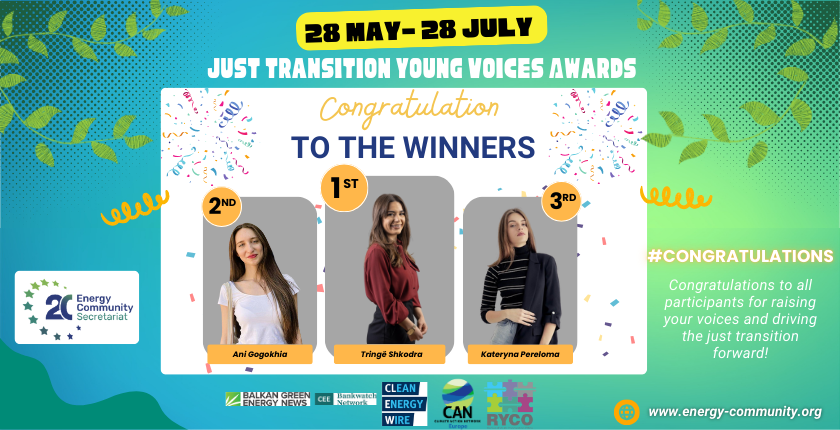
Tringë Shkodra, Ani Gogokhia, and Kateryna Pereloma have been announced as the winners of the 2025 Just Transition Young Voices Awards. The award was created to amplify the voices of young adults under 30 who are set to shape the region’s climate, energy, and social landscape in the years ahead. It is organized by the Energy Community Secretariat in collaboration with Bankwatch, CAN Europe, the CLEW Network, and the Regional Youth Cooperation Office, with Balkan Green Energy News serving as the media partner.

Young people aged 18-30 across Albania, Bosnia and Herzegovina, Kosovo*, Montenegro, North Macedonia, Serbia, Moldova, Georgia, and Ukraine had the opportunity to submit their original, fact-based articles that explore how their communities are navigating the shift away from fossil fuels. Recognizing that youth are essential agents of change, the 2025 Just Transition Young Voices Awards aimed to provide a platform for creative and solution-oriented journalism addressing the challenges and opportunities of a just transition.

“Across South East and Eastern Europe, the energy transition will succeed only if it is inclusive and regionally connected. The voices of young people are central to that effort, and this award shows the depth of talent and commitment they bring”, said jury member Marta Schulte-Fischedick, from the Energy Community’s Green Deal Unit.

The winning stories highlight the opportunities of the green transition while tackling its complex challenges, from unequal access to clean energy to the impacts of war, migration, and poverty. Together, they reflect how communities across South East Europe are striving to build sustainable and resilient energy systems in fair and inclusive ways.

The winning stories highlight the opportunities of the green transition while tackling its complex challenges

Tringë Shkodra (26, Kosovo*) won the first award, a paid one-month internship with the Energy Community Secretariat. Her article focuses on Kosovo’s just energy transition and the shift away from coal. She traces its reliance on lignite as an environmental liability, public health and social justice crisis, calling for faster, more inclusive reforms that empower youth.

The second award went to Ani Gogokhia (18, Georgia) for her personal story, which highlights how everyday challenges related to low salaries, migration, pollution, and health issues reflect the dangers of an inequitable energy transition in Georgia. She will receive a fully funded opportunity for a fact-finding mission on energy transformation in the Western Balkans with Bankwatch.

Kateryna Pereloma (22, Ukraine) came in third for her report from Kyiv. She documented how communities are responding to the war by embracing sustainability through solar energy, recycling, urban gardening, green startups, and youth-led initiatives. Her award is to participate in the Training for Journalists on Climate Disinformation in the Western Balkans, hosted by CAN Europe in Ohrid, North Macedonia, this September.

The winning pieces will be published on Balkan Green Energy News and other partner platforms.
Post Views:25
* This designation is without prejudice to positions onstatus and is in line with UNSCR 1244/99 and the ICJ Opinion on the Kosovo declaration of independence.
August 21, 2025
by AEA in News

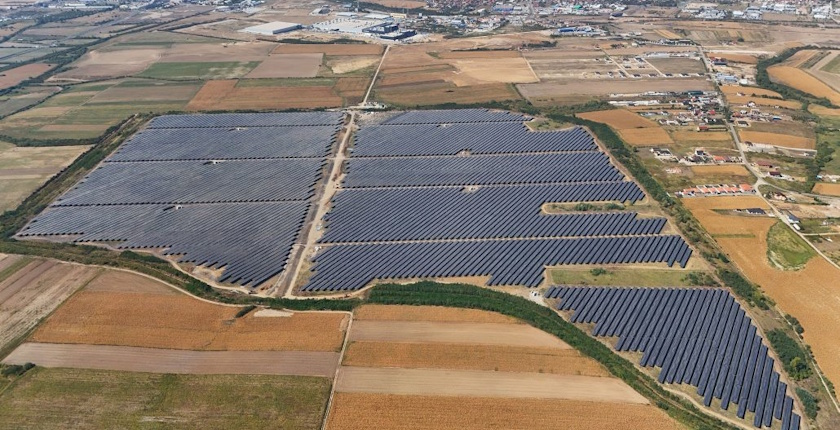
Econergy’s 87 MW Oradea solar park in Romania starts commercial operation

Econergy Renewable Energy connected its 87 MW Oradea solar power plant to Romania’s national grid and began commercial operation.

Oradea solar farm, with a capacity of 87 MW, is Econergy’s fourth photovoltaic plant in Romania. With the addition, the company’s operational and ready-to-connect capacity in the country has reached 447 MW. It is building another 788 MW and expects to start building another 559 MW by the end of 2025, according to the latest update.

Econergy operates Romania’s biggest PV plant, Rătești, in an equal partnership with Nofar Energy. They inaugurated the facility with 154.7 MW in peak capacity in 2023. The other two are the Părău solar park of 92 MW in peak capacity, near Brașov, developed in a 50:50 joint venture with RGreen Invest, and the Scurtu Mare facility of 55 MW in peak capacity, where Phoenix Holdings is a minority partner.

Econergy plans to add a 68 MW co-located battery energy storage system to the Oradea project

As part of its strategy to integrate storage solutions, Econergy plans to add a 68 MW co-located battery energy storage system (BESS) to the Oradea facility. The storage system is anticipated to increase the project’s economic value by generating new revenue streams, facilitating grid balancing services, and optimizing electricity sales through price arbitrage.

The Oradea solar power plant was developed in partnership with Israeli financial services firm Phoenix Holdings, which has invested more than EUR 225 million in Econergy’s Romanian and Polish projects.

“The successful connection of Oradea marks another important milestone for Econergy in Romania. This achievement underscores our ability to deliver large-scale renewable projects while advancing our strategy of integrating storage solutions to maximize value for our stakeholders. We are proud to strengthen our partnership with Phoenix Holdings as we continue to expand our renewable energy platform across Europe”, said Eyal Podhorzer, CEO of Econergy.

Post Views:673
August 20, 2025
by AEA in News

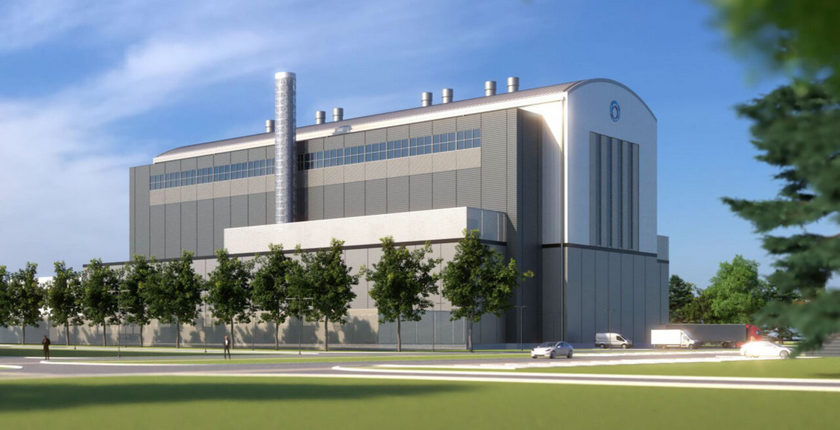
Google secures 50 MW of nuclear power for data centers

Google has secured a new source of clean energy for its data centers in the US states of Tennessee and Alabama through collaboration with nuclear technology company Kairos Power and public power utility Tennessee Valley Authority (TVA). The deal involves a 50 MW advanced nuclear reactor to feed TVA’s grid, which supplies the tech giant’s data centers.

Kairos Power’s advanced nuclear facility Hermes 2, which is set to go online in 2030, will supply electricity to the grid under a power purchase agreement (PPA) with TVA. It is the first-ever offtake agreement in the United States for a generation IV reactor.

Hermes 2, located in Oak Ridge, is the first facility under Kairos Power’s broader deal with Google to enable 500 MW of new, advanced nuclear capacity to come online by 2035, aimed at supporting Google’s growing energy needs. The long-term agreement, signed in October 2024, involves the deployment of multiple small modular reactors (SMRs), Google recalled.

Google’s long-term deal with Kairos involves deploying 500 MW of nuclear capacity by 2035

Amanda Peterson Corio, Google’s Global Head of Data Center Energy, said the collaboration would speed up the deployment of innovative nuclear technologies and help support the needs of the growing digital economy while also bringing firm carbon-free energy to the electricity system.

As part of efforts to meet its growing energy needs, Google recently signed the world’s largest corporate PPA for hydropower. The agreement, signed with global investment firm Brookfield, involves developing 3 GW of hydropower capacity in the United States.

Google has signed similar deals for hydropower, geothermal, and fusion energy

Google has also signed similar agreements for next-generation geothermal energy as well as for fusion energy. The company recently revealed plans to invest over USD 25 billion in data center and AI infrastructure in the next two years.

Rapid AI development and digitalization are making power supply crucial for tech companies. Goldman Sachs Research forecasts that global power demand from data centers will increase by 165% by 2030 from the 2023 level.

Post Views:204
August 20, 2025
by AEA in News

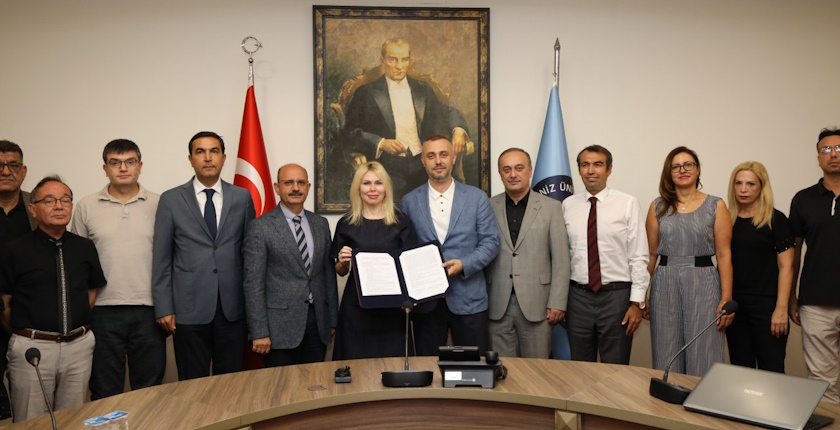
University in Antalya signs deal for 50.4 MW solar power plant

Akdeniz University in Antalya established a partnership with Kopuz Group, which will build and operate a solar power plant of 50.4 MW in peak capacity. The company is completely covering the cost for the facility, which they expect to meet the university’s entire electricity needs.

Municipal authorities in Turkey are emerging as a pillar of the country’s energy transition. They are not only covering public buildings with solar panels, but also investing in larger ground-mounted photovoltaic systems. The trend has also spread to sports venues, particularly football stadiums, alongside educational institutions, infrastructure and transportation including railways, and a range of other social, industrial and commercial activities. Akdeniz University in Antalya particularly stands out with its new deal.

Rector Özlenen Özkan said the aim of the project for a solar power plant of 50.4 MW is to meet the entire electricity demand at the complex home to some 100,000 people. Antalya, located on the Mediterranean coast, was one of the first cities in Turkey that introduced solar power for their own needs.

Akdeniz University to offtake 24% of PV plant’s output

A partnership was launched with Kopuz Group and Kopuz Energy, selected through a tender. The company will build the facility in Yeşiloba in the Korkuteli district. The cooperation works under a build-operate-transfer model, for 25 years.

The private partner bears all the costs of construction and commissioning, estimated at EUR 52.6 million. The company has two years to complete the PV plant, by far the biggest among all universities in Turkey. It is also the largest public-private partnership involving a university, in the solar power segment, Rector Özkan stressed.

The solar power plant will save EUR 2.3 million in electricity costs

In her words, the facility will generate 100 GWh per year, of which Akdeniz University would offtake 24%. The deal will lower its electricity costs by 31%, Özkan added and pointed out that it translates to EUR 2.3 million. The electricity bill of the university hospital in July amounted to almost EUR 650,000, she revealed.

The site for the PV plant is in a mountainous area and on non-agricultural land, Özkan pointed out.

Antalya is in Turkey’s top league in energy transition

As for the Antalya Metropolitan Municipality, it has almost 15 MW in peak capacity in 22 PV units in operation or under construction. They include a 5 MW ground-mounted solar farm.

The facilities cover more than half of the electricity needs of the local authority. Notably, it uses solar power to assist farmers, produce drinking water and treat wastewater.

According to the city government, Antalya is the first in Turkey to generate and store its own electricity. Moreover, it produces energy from waste and biomass.

A major solar cell factory located just outside the city is undergoing expansion and the complex will also make PV panels. Turkey hosts more than 23 GW of solar power capacity.

Post Views:202
August 20, 2025
by AEA in News

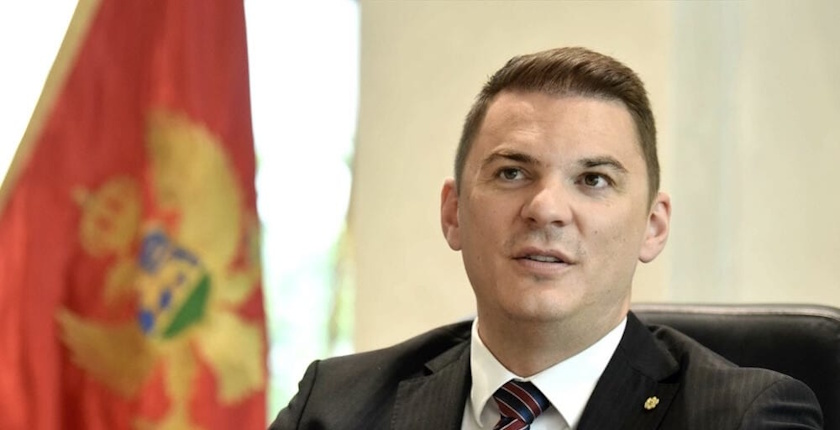
Šahmanović: Montenegro expects first large private wind and solar plants to be online in 2026

Over the past year, Montenegro has adopted two reform laws – on energy and on renewable energy sources – and scheduled its first auctions for market premiums. Admir Šahmanović, Minister of Energy and Mining, told Balkan Green Energy News that the new regulations fully align the sector with the European Union acquis, sending a clear signal to investors that Montenegro now has a stable regulatory framework and market-based prices that safeguard citizens’ interests. Becoming part of the European energy space, he added, is not only a political goal but also the path Montenegro should follow to ensure cleaner and more secure energy for future generations.

Admir Šahmanović served as Minister of Mining, Oil and Gas in the government of Prime Minister Milojko Spajić. In February this year, he became the coordinator of the Ministry of Energy, and since April, he has served as Montenegro’s Minister of Energy and Mining. In an interview with Balkan Green Energy News, Šahmanović discusses his plans to mobilize larger investments, Montenegro’s timeframe for coupling its electricity market with Italy and the EU, the ministry’s steps to prepare the country for the EU’s carbon border tax, and plans for investments in the natural gas sector.

What are the key innovations introduced by Montenegro’s law on renewable energy sources?

The law on renewable energy sources introduced, for the first time, a clear, competitive and fully transparent support mechanism for green energy production – an auction scheme.

Over the past months, we have worked hard to ensure the law really takes hold. We have prepared about 15 by-laws that enabled us to launch the first auctions. I believe this is one of the most important contributions of the new law, as it sends a clear message to investors that Montenegro has a stable framework and market-based prices that safeguard citizens’ interests.

In this way, we are laying a solid foundation for a rapid energy transition, which is both our strategic choice and our responsibility to future generations.

Montenegro has also adopted a new law on energy. What does this regulation bring?

The Law on Energy is our umbrella regulation, providing a framework that fully aligns the sector with the EU acquis. It introduces stricter standards, greater protection of end consumers, better competition, and stronger institutional oversight.

It also opens Montenegro’s energy sector to the European market and creates a stable, predictable environment. This is important not only for investors but also for all consumers, as people are ultimately the ones affected by any change in the system.

You stated that these reforms set a clear strategic path for Montenegro, which sees its energy future within the European market. What will this future bring to Montenegro, its economy, and its citizens?

Our ambition is to make Montenegro a country with clean energy and a stable system. Being part of the European energy space ensures greater security of supply, lower costs in the long term, and a strong inflow of investments. Our economy will have access to a larger market, and our citizens will benefit from safe, sustainable, and environmentally friendly energy.

It is not just a political goal – it is a path I want us to follow in our development, so that we leave our children a country with cleaner and more secure energy.

Admir Šahmanović visiting northern Montenegro with EPCG Director Ivan Bulatović

Applications have been invited for Montenegro’s first auctions for market premiums. What benefits do you expect from auctions?

The auction mechanism allows us to select the most favorable and serious investors through a fair and competitive process. Projects are implemented without budget subsidies and with minimal risk to the state.

We expect auctions to ensure new capacities, create jobs, improve the use of our natural resources, and strengthen overall energy stability. These are the benefits citizens will feel, both on their electricity bills and through new opportunities that will open up in local communities.

Investor interest in wind and solar is strong, with requests to build power plants totaling around 5.5 GW. When do you expect these projects to be realized?

Such strong interest is the best proof that the reforms are yielding results. We expect the first large projects to be online in 2026, with significant capacities ready by 2030. Transparent procedures, good cooperation with local communities, and improved grid infrastructure will be key to making these investments a reality.

What are the main obstacles to these projects? How to remove them?

The biggest challenges are administrative procedures, transmission network limitations, and spatial planning documents. We are working to address them through interdepartmental cooperation, digitalization of processes, and the state’s commitment.

We are strengthening capacities, speeding up permitting, and modernizing regulations. I want to ensure that investors coming to Montenegro know they can work in a clear, predictable, and fair environment.

Admir Šahmanović at the ministerial panel at Belgrade Energy Forum 2025 in May

Preparations are underway to link Montenegro’s electricity market with the EU via Italy, with 2027 featuring as the target year.

Yes, we are working diligently on institutional and market integration. This involves harmonizing the rules, passing the remaining by-laws, and preparing the market operator. With the support of the EU and the Energy Community, I am confident that 2027 will remain the year when we will fully open our market to Europe.

All countries in the region are facing CBAM. How prepared is Montenegro?

CBAM will change the rules for electricity exports to the EU, bringing new costs as well as opportunities. We are aware that it will be a financial burden on our economy, but that is precisely why we view it as an additional incentive to accelerate the implementation of renewable energy projects and increase our own production of green electricity.

We are working on adjusting the regulatory framework, harmonizing economic activities, and ensuring the largest possible share of clean energy to remain competitive and maintain full access to the European market while reducing emissions.

Montenegro also has ambitious plans in the natural gas sector – a gas pipeline, a terminal for liquefied natural gas (LNG), and gas-fired power plants. How far along are these projects?

I see gas as a development opportunity – to ensure greater security of supply, diversification, and new opportunities for the economy. But I also believe that such strategic projects must be developed through dialogue with local communities, with full respect for their views.

We are currently preparing and developing the Ionian Adriatic Pipeline (IAP) project and assessing the potential for an LNG terminal. We are doing this responsibly, one step at a time, and in line with the EU’s energy transition goals.

Post Views:214
August 20, 2025
by AEA in News

EU preparing roadmap on digitalization, AI in energy

The European Commission has launched a public consultation to help shape its upcoming strategic roadmap for digitalization and artificial intelligence (AI) in the energy sector. The roadmap aims to support the rollout of digital solutions, including AI, in areas important for decarbonization.

The areas where the application of digital solutions and AI should be accelerated include electricity grid optimization, energy efficiency in buildings and industry, and demand-side flexibility, according to a press release from the commission.

The consultation should also address the increasingly heavy energy consumption of data centers and look at how they can be more sustainably integrated into the energy system.

The consultation should address the rising energy demand of data centers

Another area of interest is the need to implement safeguards to mitigate potential challenges linked to the large-scale deployment of AI solutions in the energy sector, according to the press release.

The initiative, part of the European Union’s Affordable Energy Action Plan, also aims to facilitate access to energy data via the Common Energy Data Space and unlock innovative services such as demand-side flexibility and bidirectional charging of electric vehicles, according to a LinkedIn post by former Smart Grids Team Leader at the European Commission Manuel Sánchez.

All individuals and organizations are welcome to contribute to the consultation, which is open until November 5. The adoption of the roadmap is planned for the first quarter of 2026.

The roadmap is expected to be adopted in Q1 2026

The target audience for the consultation and the accompanying call for evidence includes stakeholders from digital and energy value chains, such as grid operators, energy intensive industries, data center operators, building operators, car manufacturers, providers of e-mobility solutions, energy communities, aggregators, consumers, researchers, IT suppliers, digital solutions providers, cloud service providers, and appliance manufacturers.

Post Views:187
August 20, 2025
by AEA in News

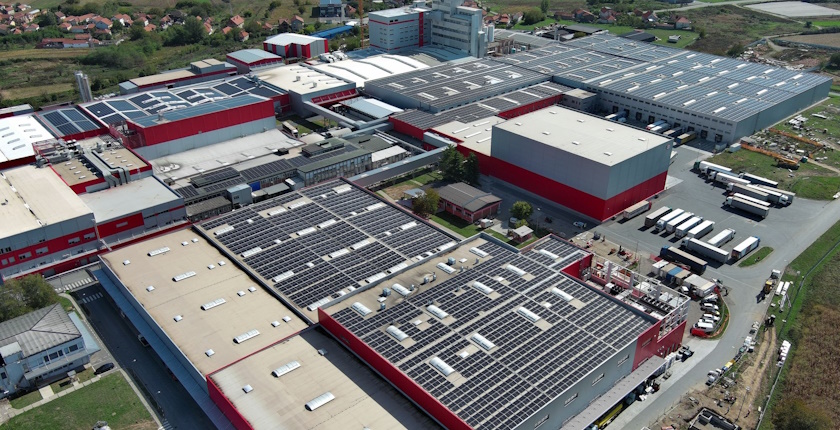
CWP Europe invests in rooftop solar plant for Henkel Serbia

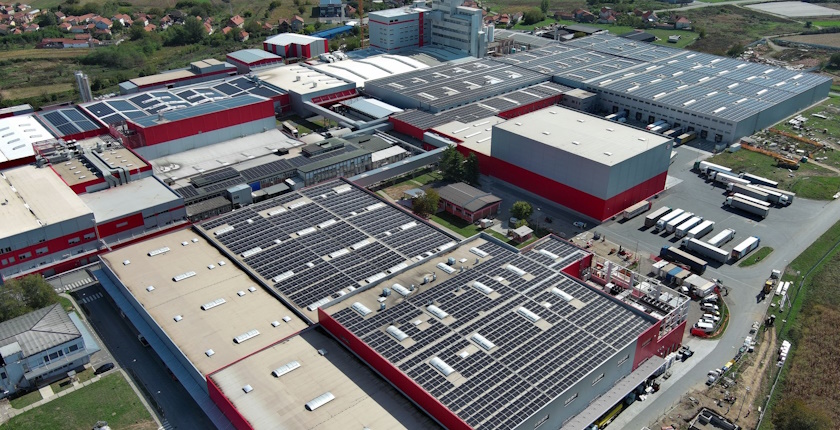
In partnership with Resalta, CWP Europe led the investment in a rooftop photovoltaic system of 6 MW in peak capacity in Kruševac in Serbia. They completed the project under an innovative ESCO model, contributing to the decarbonization efforts of the manufacturer of detergents and other chemical products.

CWP Europe has successfully completed and commissioned a rooftop solar power plant for Henkel Serbia’s facility in Kruševac. The facility has 6 MW in peak capacity. Developed in partnership with Resalta and financed by UniCreditBank, the project was realized under an innovative ESCO (energy services company) model, with CWP Europe as the key investor.

Now fully operational, the photovoltaic plant is producing an estimated 6,278 MWh of green electricity annually, meeting 21% of the facility’s total energy consumption. The solar power plant will ensure optimal performance for the next 15 years.

The new PV system’s operations prevent an equivalent of 5,857 tons of carbon dioxide emissions per year, according to the update.

Special investment in distributed generation segment

While CWP Europe’s core focus remains on large-scale renewable energy assets across the region, this rooftop project represents a targeted engagement in the distributed generation space – undertaken to support a leading industrial partner in advancing its decarbonization and sustainability objectives.

With a proven track record in developing impactful renewable energy projects, the company is proud to have brought its expertise and investment capacity to a project that sets a new benchmark for industrial decarbonization in Serbia, the statement reads.

CWP Europe has more than 10 GW in its project pipeline

CWP Europe is a leading renewable energy project development company in Southeast Europe. Over the past 17 years, CWP has invested in sustainable development and the energy transition, successfully developing the largest wind farms in the region including the largest wind farm in Europe – the 600 MW Fântânele-Cogealac project in Romania.

It is currently developing over 10 GW of renewable energy project capacity. CWP Europe is a joint venture between CWP Global, a leading global renewable energy company, and Mercuria Energy Trading, one of the world’s largest independent energy traders, with over USD 140 billion in revenue.

[wpcc-iframe title=”CWP x Henkel Serbia – 6 MWp Rooftop Solar Plant Cutting 6,000 Tons CO₂ Annually” width=”500″ height=”281″ src=”https://www.youtube.com/embed/5nY4-zq5ckc?feature=oembed” frameborder=”0″ allow=”accelerometer; autoplay; clipboard-write; encrypted-media; gyroscope; picture-in-picture; web-share” referrerpolicy=”strict-origin-when-cross-origin” allowfullscreen=””]

Post Views:183
August 19, 2025
by AEA in News

CWP Europe completes rooftop PV plant for Henkel Serbia

In partnership with Resalta, CWP Europe led the investment in a rooftop photovoltaic system of 6 MW in peak capacity in Kruševac in Serbia. They completed the project under an innovative ESCO model, contributing to the decarbonization efforts of the manufacturer of detergents and other chemical products.

CWP Europe has successfully completed and commissioned a rooftop solar power plant for Henkel Serbia’s facility in Kruševac. The facility has 6 MW in peak capacity. Developed in partnership with Resalta and financed by UniCreditBank, the project was realized under an innovative ESCO (energy services company) model, with CWP Europe as the key investor.

Now fully operational, the photovoltaic plant is producing an estimated 6,278 MWh of green electricity annually, meeting 21% of the facility’s total energy consumption. The solar power plant will ensure optimal performance for the next 15 years.

The new PV system’s operations prevent an equivalent of 5,857 tons of carbon dioxide emissions per year, according to the update.

Special investment in distributed generation segment

While CWP Europe’s core focus remains on large-scale renewable energy assets across the region, this rooftop project represents a targeted engagement in the distributed generation space – undertaken to support a leading industrial partner in advancing its decarbonization and sustainability objectives.

With a proven track record in developing impactful renewable energy projects, the company is proud to have brought its expertise and investment capacity to a project that sets a new benchmark for industrial decarbonization in Serbia, the statement reads.

CWP Europe has more than 10 GW in its project pipeline

CWP Europe is a leading renewable energy project development company in Southeast Europe. Over the past 17 years, CWP has invested in sustainable development and the energy transition, successfully developing the largest wind farms in the region including the largest wind farm in Europe – the 600 MW Fântânele-Cogealac project in Romania.

It is currently developing over 10 GW of renewable energy project capacity. CWP Europe is a joint venture between CWP Global, a leading global renewable energy company, and Mercuria Energy Trading, one of the world’s largest independent energy traders, with over USD 140 billion in revenue.

[wpcc-iframe title=”CWP x Henkel Serbia – 6 MWp Rooftop Solar Plant Cutting 6,000 Tons CO₂ Annually” width=”500″ height=”281″ src=”https://www.youtube.com/embed/5nY4-zq5ckc?feature=oembed” frameborder=”0″ allow=”accelerometer; autoplay; clipboard-write; encrypted-media; gyroscope; picture-in-picture; web-share” referrerpolicy=”strict-origin-when-cross-origin” allowfullscreen=””]

Post Views:13
August 19, 2025
by AEA in News

Kosovo* power distributor KEDS cuts off businesses without supplier after market liberalization

Kosovo’s distribution system operator, KEDS, has disconnected around 90% of electricity meters belonging to businesses that have not signed an agreement with a licensed supplier following the power market liberalization. KEDS, owned by Turkish companies Çalik Holding and Limak, claims the law prohibits it from keeping any consumers on the grid who do not have a licensed supplier, while the Kosovo Chamber of Commerce says it will press ahead with a legal battle.

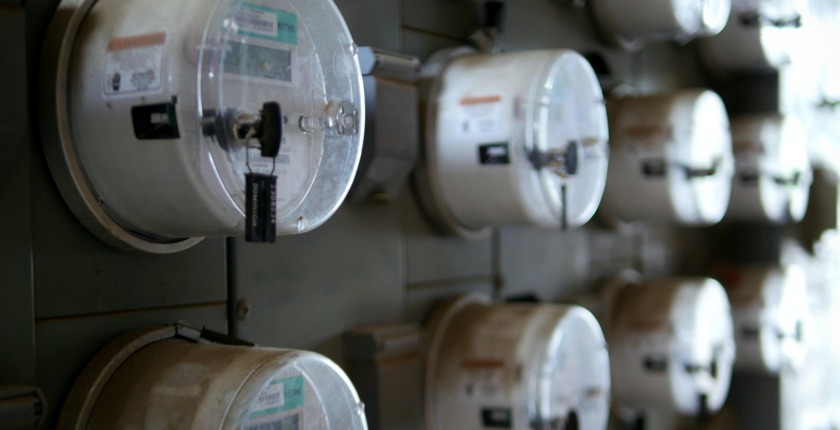
KEDS’ spokesperson, Lulzim Krasniqi, stated that as of August 16, around 90% of some 1,400 designated business electricity meters had been disconnected from the grid, while the remaining companies would be cut off in the coming days unless they reached an agreement with a supplier, the media in Kosovo* reported.

KEDS has disconnected over 1,400 electric meters at firms without a licensed supplier

The move comes after the appeals chamber of the Commercial Court ruled against postponing electricity market liberalization for businesses with more than 50 employees and an annual turnover exceeding EUR 10 million. Previously, the Commercial Court had granted a request by some companies to delay their obligation to purchase electricity on the free market, a decision that was interpreted as overturning the entire market liberalization process.

The decision to liberalize the electricity market in Kosovo*, which stripped large companies of the right to regulated prices, officially took effect on June 1.

The Kosovo Chamber of Commerce (KCC or OEK), which opposes the adopted liberalization model, claims the entire process is riddled with legal and procedural irregularities and urges the Government of Kosovo* and the Energy Regulatory Office (ERO) to immediately suspend its implementation and launch a transparent review. The chamber also stated that, if necessary, it would take the case to the Supreme Court and the Constitutional Court.

The Kosovo Chamber of Commerce has warned of severe economic consequences

The KCC warns that the model chosen by the ERO will have severe consequences for the economy, including a significant increase in the price of electricity and other products, a potential loss of 22,000 jobs, a decline in domestic production and increased imports, as well as the closure of a large number of businesses.

The chamber had earlier demanded that businesses be allowed a fair transitional period in the electricity market liberalization process.

Post Views:48
* This designation is without prejudice to positions onstatus and is in line with UNSCR 1244/99 and the ICJ Opinion on the Kosovo declaration of independence.
August 19, 2025
by AEA in News

Cyprus TSO favored in national battery storage tender

Pressed by the lack of electricity system flexibility, Cyprus is rushing to deploy battery storage facilities under indirect state control. Private companies are complaining that Transmission System Operator Cyprus (TSOC) is favored at a current tender for three units of 40 MW each.

EMA, the electricity market association of private companies has been trying to hinder or delay the installation of a central battery storage system within the network of state-owned Electricity Authority of Cyprus (EAC), but to no avail, philenews reported.

After several complaints, including to the European Commission, the group urged the Cyprus Energy Regulatory Authority (CERA) to reconsider the approval that it issued in June to Transmission System Operator Cyprus (TSOC). A tender is underway for the same three facilities with 400 MWh in total capacity, to be installed at three EAC’s substations.

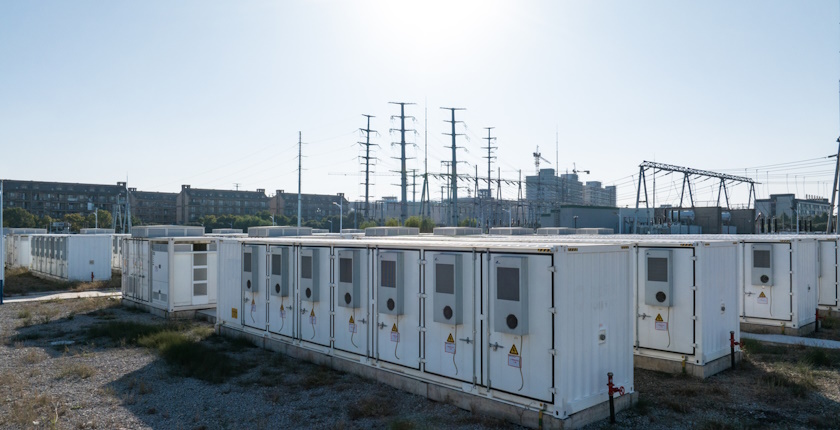
The one in Athalassa would have 40 MW in operating power and a duration of two hours, translating to 80 MWh. The battery energy storage systems (BESS) at the substations in Anatoliko in Paphos (Pafos) and the free industrial zone in Larnaca would each have 40 MW and 160 MWh.

EU gave green light for rushed procedure

EAC owns TSOC, which has raised the issue of transparency. However, the government has obtained a derogation from the European Commission. In its request, it cited the delays in interconnecting with the European electricity grid, lack of energy storage and the instability affecting the island country’s electricity system.

The project for centralized BESS capacities on the transmission grid is an emergency measure to prevent blackouts and curtailments

The Great Sea Interconnector project for a subsea cable to Crete is late and even jeopardized due to breach deadlines. The Cypriot grid is constantly strained as it needs flexibility systems, while a huge part of solar and wind power is curtailed.

There were several major rolling outages and load-shedding events this summer on the island. One last week occurred amid a breakdown in one of the fuel oil–fired power plants, which the country relies on for baseload energy. Two new units of 400 MW overall are designed to use gas, but there is still no gas. Namely, the project for a liquefied natural gas (LNG) terminal is suffering delays as well.

BESS tender is worth EUR 41 million excluding VAT

As for the tender, applications last until September 19. The cost is estimated at EUR 41 million altogether, excluding value-added tax. The BESS facilities need to operate at least 128 months.

AEC said in the documentation that it expects the European Regional Development Fund (ERDF) to support the investment. Earlier reports suggest that EUR 30 million is available.

The government said the three battery energy storage systems are planned to be commissioned by June. EAC’s two power stations are also planned to be equipped with BESS units, it added.

In addition, the government is funding battery storage projects for renewable electricity plants, prosumers and even the army.

Power market liberalization in one month

Notably, Cyprus is liberalizing its power market on September 15 for independent producers and retail suppliers. The change is scheduled to come fully into force on October 1, the first day for transactions.

In a separate article, the same media outlet stressed that the country’s energy policy in the electricity segment is inadequate, uncoordinated and fragmented, with the cost of wrong decisions being passed on to consumers.

Post Views:16
  • 1
  • …
  • 65
  • 66
  • 67
  • 68
  • 69
  • …
  • 140

AEA – Albania Energy Association is a industry association dedicated to representing the interests of Albanian and West Balkan for energy producers and consumers. AEA works to advance the development and adoption of sustainable energy solutions in Albania and the Western Balkans, supporting the region’s transition toward a cleaner, more secure, and more competitive energy future. AEA is registered by decision of the Court of Tirana, DECISION NO. 3032, (VAT:L11827451K).

[email protected]

Address
Blv Zogu 1
Tirana
1057
ALBANIA

LinkedIn  |  Facebook
Events
May 25, 2022 Connecting Green Hydrogen Europe 2022
May 25, 2022 Energy Week Western Balkans 2022
Copyright © Albania Energy Association