AEA-Albania Energy Association
  • Main
  • About Us
  • Services
  • Sectors
  • News
  • EventsEvents
  • PublicationPublication
  • Contact Us
AEA-Albania Energy Association
  • Main
  • About Us
  • Services
  • Sectors
  • News
  • EventsEvents
  • PublicationPublication
  • Contact Us
AEA-Albania Energy Association
  • Home Page
  • About Us
  • Sectors
  • Our Services
  • News
  • Contact Us
March 13, 2026
by AEA in News

Slovenia Bolsters Energy Transition with €174 Million Grid Investments

Slovenia has taken a decisive step toward a decarbonized future, announcing a €174 million investment package dedicated to the comprehensive modernization of its national power transmission and distribution networks. This strategic initiative aims to bolster grid capacity, enhance supply reliability, and—most critically—facilitate the rapid integration of renewable energy sources into the national mix.

The project is supported by €59 million in co-funding from the European Union’s Modernisation Fund, a financial instrument fueled by the EU Emissions Trading System (ETS) designed to assist member states in meeting climate targets.

A Foundation for the Green Transition

Minister of the Environment, Climate and Energy, Bojan Kumer, formalized the initiative by signing four contracts and two strategic decisions with the CEOs of Slovenia’s six state-owned energy entities. The group includes the transmission system operator (TSO) ELES and five distribution system operators (DSOs).

“The energy transition actually begins with the grid,” Minister Kumer noted during the signing ceremony. “A strong, resilient network is the bedrock upon which our future energy autonomy and sustainability are built.”

Key Projects and Financial Breakdown

The modernization efforts are distributed across the country’s regional operators, focusing on infrastructure upgrades, digitalization, and increased transformer capacity.

Operator Project Focus Total Investment EU Support
Elektro Ljubljana Urban network upgrades, cabling, and digitalization €53.2 Million €19.6 Million
Elektro Gorenjska Upgrading Trata and Brnik substations €32.9 Million €14.9 Million
Elektro Maribor New 110 kV line (Murska Sobota – Lendava) €32.3 Million €11.1 Million
ELES (TSO) Upgrading 110 kV line (Dravograd–Velenje) €12.9 Million €5.7 Million
Elektro Celje Switchgear refurbishment & transformer replacement €11.0 Million €5.5 Million
Elektro Primorska Reconstruction of Vrtojba substation switchgear €3.5 Million €1.7 Million

The 2030 Vision: Scaling Smart Infrastructure

This current wave of investment is only the beginning of a broader strategic roadmap. Slovenia has secured over €300 million from the Modernisation Fund to be utilized through 2030, specifically earmarked for grid refurbishment, energy efficiency, and renewable deployments.

The Ministry is already preparing a subsequent public call, expected in April, which will allocate €69 million for smart electricity grid investments between 2026 and 2030. These funds will prioritize three pillars:

  1. Renewables Development: Strengthening the grid to handle intermittent wind and solar inputs.

  2. Electrification of Heating: Supporting the transition away from fossil-fuel boilers to heat pumps.

  3. E-Mobility: Building the infrastructure necessary for the widespread adoption of electric vehicles.

By reinforcing its electrical backbone today, Slovenia is ensuring that its infrastructure can meet the demands of a more electrified and sustainable tomorrow.

March 12, 2026
by AEA in News

Albania’s Energy Market Entities Face €4 Million in Regulatory Fees for 2026

Albania’s Energy Regulatory Entity (ERE) has announced that energy market participants across the entire value chain are required to pay a total of 400 million ALL (approximately €4 million) in regulatory fees for the 2026 fiscal year.

The regulator recently published the comprehensive list of obligations for each licensed entity. These fees are calculated based on the previous year’s turnover, adhering to a formula established within the national legal framework for the energy and gas sectors.

Regulatory Compliance and Deadlines

In its official statement, ERE emphasized that any discrepancies identified in the audited financial statements for 2025 will be reconciled in the calculation of regulatory fees for the subsequent period.

Licensed entities subject to this decision are mandated to complete their payments to ERE no later than 30 days following the publication of the decision in the Official Gazette. Failure to meet this deadline will trigger administrative penalties as prescribed by the current legislation governing the energy and natural gas markets.

Exemptions and Fixed-Fee Structures

The regulator also clarified specific conditions under which the standard fee application may vary:

  • Suspensions: Regulatory fees for 2026 have been suspended for a number of entities. This applies to those licensed under specific operating conditions, those currently with a “suspended” status, or entities undergoing liquidation, making active operations or fee collection objectively impossible.

  • Inactive Entities: For licensees that have not yet commenced operations or remained inactive during the prior period, a standard fixed fee of 100,000 ALL has been applied.

  • Consolidated Reporting: A similar fixed fee of 100,000 ALL is levied on companies holding multiple licenses that failed to submit separate financial statements for each activity. In cases where consolidated accounts were provided, the regulatory fee was calculated for one primary activity based on its specific weight, while the fixed fee was applied to the others.

Sector Outlook

The collection of these regulatory fees is a standard procedure designed to fund the operations of the regulatory body, ensuring independent oversight of Albania’s evolving energy market. As the country continues to align its energy sector with European standards, the transparent application of these fees remains a critical component of institutional stability and market fairness.

March 12, 2026
by AEA in News

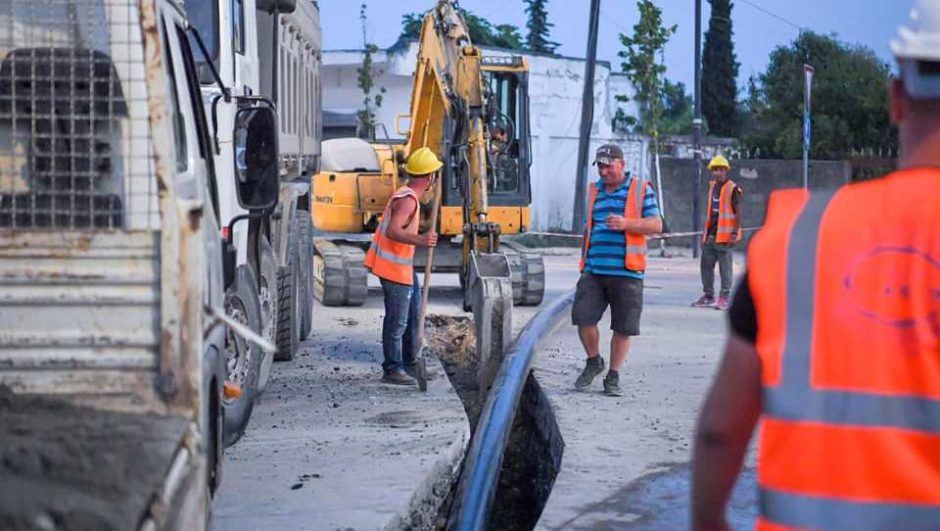
Albania’s Water Infrastructure Investments Surpass €150 Million in 2025

Investments in Albania’s water supply and sewerage sector reached a significant milestone in 2025, exceeding 15.6 billion ALL (approximately €156 million). This surge in funding reflects the government’s intensified efforts to modernize aging infrastructure and meet European Union environmental standards.

According to official data from the Ministry of Infrastructure and Energy, the 2025 budget execution for the Water Supply and Sewerage (WSS) sector underscores a strategic priority to ensure 24-hour water availability and drastically reduce technical and administrative losses.

Strategic Objectives and Financial Allocation

The total investment of 15.6 billion ALL was channeled through several key pillars. The primary focus remains the rehabilitation of distribution networks in major urban centers and the expansion of wastewater treatment capabilitiesa critical requirement for the country’s tourism-driven economy and its EU integration path.

Government officials noted that these investments are part of a broader master plan aimed at making the sector financially self-sufficient. Historically, the Albanian water sector has struggled with high levels of “Non-Revenue Water” (NRW)—water that is produced but “lost” before it reaches the customer through leaks or unauthorized consumption.

Institutional Reform and Aggregation

The 2025 investment peak coincides with the ongoing sector reform, which involves the “aggregation” or merging of municipal water utilities into larger regional entities. This consolidation is designed to improve management efficiency, optimize human resources, and create economies of scale that allow for better maintenance and service delivery.

By centralizing operations, the government aims to reduce the heavy reliance on state subsidies, directing more funds toward capital investments rather than covering the operational deficits of smaller, inefficient utilities.

International Support and Key Projects

A substantial portion of the €150 million investment portfolio is supported by international development partners. High-impact projects are currently being co-financed by:

  • KfW (German Development Bank): Focusing on the modernization of networks in coastal and northern regions.

  • The World Bank: Supporting the National Water Supply and Sanitation Sector Modernization Program.

  • The European Union (IPA Funds): Specifically targeting wastewater treatment plants to protect Albania’s coastline and rivers.

Key projects highlighted in the 2025 report include the ongoing overhaul of the Tirana water network, which seeks to secure a continuous supply for the capital’s growing population, and critical interventions in the Durrës and Vlora regions to support the booming hospitality sector.

Looking Ahead

While the €150 million figure represents a record high, experts suggest that sustained investment will be required over the next decade to fully modernize the national grid. The Ministry of Infrastructure and Energy emphasized that the focus for the remainder of the year will be on monitoring the performance of the newly aggregated regional utilities to ensure that the capital infusion translates into tangible improvements for Albanian citizens and businesses.

March 12, 2026
by AEA in News

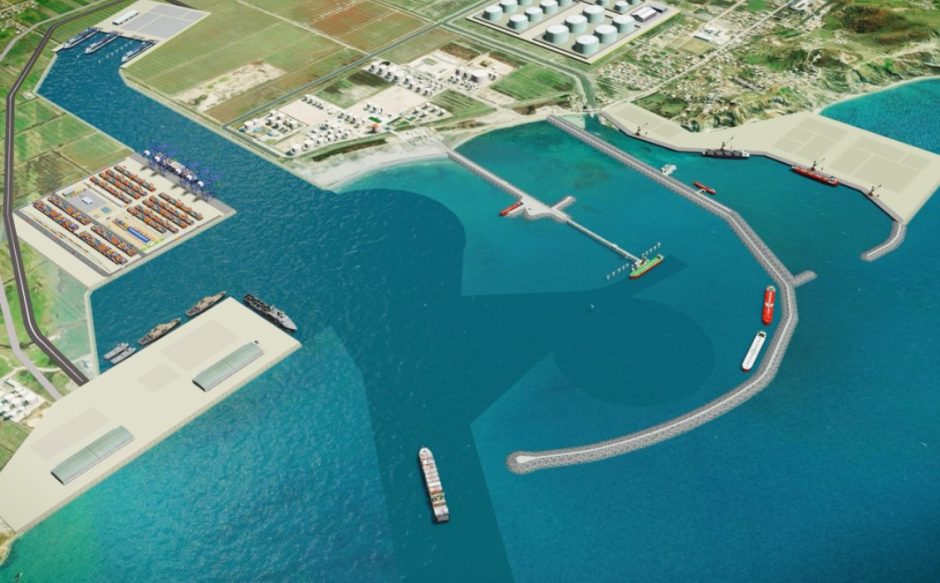
Tender for new Porto Romano terminal fails after sole bidder withdraws

The public tender for the construction of Albania’s new commercial port in Porto Romano has collapsed after the single remaining bidder withdrew from the competition. Minister of Infrastructure and Energy Enea Karakaçi confirmed on Wednesday that the company pulled out of the project, citing escalating economic pressures.

“We are facing the withdrawal of the only bidder left in the race for purely economic reasons linked to rising costs,” Minister Karakaçi stated. “As a result of the current crisis, overall construction expenses have surged, and the bidder has used this to justify their exit. The commission will now proceed according to established protocols.”

Addressing the setback, Karakaçi echoed recent remarks by the Prime Minister, suggesting that external forces have actively sought to undermine the infrastructure initiative. “There are various actors attempting to stall and sabotage this critical national project for diverse reasons, including economic motives,” he noted. Despite the hurdle, he emphasized the government’s resolve: “We will devise an alternative strategy. No actor will be able to stop this project, as it is vital to the country’s economic development.”

The Minister also moved to assuage concerns over potential logistical disruptions, clarifying that the delay in selecting a new contractor will not affect daily operations at the existing Port of Durrës. The transition is inherently tied to the “Durrës Marina” real estate development—which will eventually occupy the current port’s territory under a state agreement—but that project is still only in its preliminary phase.

In the interim, the Albanian government is continuing its collaboration with international engineering consultancy Royal Haskoning to reassess the technical and financial criteria for prospective companies interested in taking over the new port’s development.

A Fraught Bidding Process

The ambitious project, officially titled the “New Integrated Commercial Port of Durrës in Porto Romano – Phase I,” was launched by the Durrës Port Authority in 2024 with an estimated budget limit of 39.3 billion Albanian Lek (ALL). The initial phase of construction was projected to span 1,220 days, or approximately three and a half years.

Porto Romano

However, the procurement process has been marked by strict filters and legal friction. In April 2025, the Bid Evaluation Commission announced that only two entities Archirodon Construction and Van Oord Dredging and Marine Contractors had passed the technical pre-qualification stage. Major industry players, including Webuild and a consortium led by Jan De Nul, were disqualified.

This led to a legal clash when the Jan De Nul consortium filed a formal complaint with the Public Procurement Commission (KPP). The KPP ultimately dismissed the appeal in late April 2025, allowing the contracting authority to move forward.

By September 2025, the competition had narrowed entirely. Open procurement data revealed that only one qualified economic offer remained to proceed to the contract signing a final step that has now been derailed by the company’s sudden withdrawal.

March 12, 2026
by AEA in News

Designing Renewable Energy Auctions for Smart Risk Allocation – IRENA findings

The global energy transition has entered a critical phase of accelerated deployment, yet the financial architecture underpinning this expansion remains profoundly unequal. As governments worldwide race to decarbonize their power grids, competitive procurement mechanisms—specifically renewable energy auctions—have emerged as the undisputed engine of capacity growth. Historically celebrated for driving down the levelized cost of electricity (LCOE) for wind and solar, auctions are now facing intense scrutiny regarding their long-term macroeconomic impacts, particularly in emerging markets.

In its landmark January 2026 report, Renewable Energy Auctions: Design for Risk Allocation, the International Renewable Energy Agency (IRENA), in collaboration with the Sustainable Renewables Risk Mitigation Initiative (SRMI) and major multilateral development banks, delivers a sobering assessment of the current paradigm. The report argues that while contemporary auction models successfully deliver low-cost electrons, they often do so by enforcing a structural asymmetry that disproportionately burdens developing nations. For policymakers, investors, and energy professionals, understanding this shift from a purely price-driven model to a more holistic, risk-equitable framework is absolutely essential for navigating the next decade of global energy finance.

Key Drivers and Context

The imperative to reform auction design is driven by a confluence of economic, geopolitical, and developmental factors. At the core is the staggering disparity in global climate finance. While global energy transition investments reached a record $2.4 trillion in 2024, the distribution of this capital was starkly concentrated. Advanced economies and China captured more than 90% of these funds, leaving the Global South drastically undercapitalized despite possessing some of the world’s most abundant renewable resources.

To bridge this financing gap, developing nations have increasingly relied on competitive auctions to signal market readiness and attract international developers. However, the prevailing geopolitical and economic environment characterized by fluctuating inflation, currency volatility, and rising debt distress has exposed the fragility of these mechanisms. The standard blueprint for renewable energy auctions was largely forged in mature, low-risk markets. Exporting this blueprint to developing economies without tailoring it to local realities has created a systemic bottleneck, hampering the very sustainable development these projects are meant to catalyze.

Market Trends and Data

Over the past decade, auctions have universally replaced fixed feed-in tariffs as the primary tool for renewable energy procurement. Their core strength lies in price discovery and transparency, which has driven solar and wind prices to historic lows. Yet, recent market trends indicate that the era of relentless price declines may be plateauing, giving way to a more complex calculus.

Data from recent procurement cycles reveals a troubling trend: a hyper-focus on securing the absolute lowest bid price has frequently resulted in “underbidding,” where developers submit unviable financial proposals to win contracts, ultimately leading to project delays or outright cancellations. Furthermore, to secure rock-bottom prices from international developers in emerging markets, host countries have been forced into rigid financial concessions. This typically includes Power Purchase Agreements (PPAs) denominated entirely in hard currencies (such as USD or EUR) and sweeping sovereign guarantees. While these terms successfully de-risk projects for private capital and foreign lenders, they inadvertently transfer massive macroeconomic liabilities onto host governments.

Challenges and Risks

The most profound insights from the IRENA report center on the hidden systemic risks embedded in traditional auction architectures. Under current norms, the allocation of risk is highly asymmetrical. Private developers and financiers are heavily shielded by host government guarantees, leaving developing states to shoulder severe macroeconomic vulnerabilities.

First, the reliance on hard-currency PPAs exposes host nations to crippling foreign exchange risks. If the local currency depreciates against the dollar, the cost of servicing the PPA spikes, threatening to deplete national currency reserves and plunging utilities and by extension, governments deeper into debt distress.

Second, traditional auctions overwhelmingly prioritize the lowest tariff, effectively penalizing developers who might otherwise invest in local supply chains. Consequently, projects are frequently constructed using entirely imported equipment and foreign labor. This dynamic transforms the energy transition into an extractive process for developing nations, stripping them of the socio-economic dividends—such as job creation, industrial capacity building, and technology transfer—that should accompany multibillion-dollar infrastructure investments. For investors, this lack of local integration creates a secondary risk: fragile social license to operate, which can lead to regulatory backlash or political instability over the lifespan of a 20-year asset.

Opportunities and Innovation

Recognizing these pitfalls, IRENA and its partners including the World Bank, the European Bank for Reconstruction and Development (EBRD), and transform advocate for a paradigm shift toward “value-centric” auction designs. This evolution presents significant opportunities to restructure global energy finance.

The foremost innovation is the transition to multi-criteria auctions. Rather than awarding contracts based solely on price, forward-thinking governments are beginning to integrate qualitative metrics into their clearing mechanisms. By rewarding bids that commit to local content requirements, community ownership models, and environmental circularity, auctions can serve as powerful levers for green industrialization.

Equally critical is the reimagining of risk allocation. The report provides actionable blueprints for moving away from blanket sovereign guarantees toward more nuanced, targeted risk mitigation instruments. Innovations such as hybrid contract indexation where a PPA is partially pegged to local inflation and partially to foreign exchange rates can help distribute currency risks more equitably between the state and the developer. Furthermore, Multilateral Development Banks (MDBs) have a pivotal role to play in providing credit enhancements, blended finance, and liquidity guarantees that reduce the cost of capital for developers without bankrupting the host country’s treasury.

Future Outlook

Looking ahead to the next 5–10 years, the global energy sector will likely witness the widespread adoption of “Auctions 2.0.” As developing countries become increasingly wary of debt traps, they will demand procurement frameworks that prioritize economic resilience alongside decarbonization. We can expect a surge in tailored auction designs that factor in grid integration costs, energy storage requirements, and strict socio-economic deliverables.

For major international developers and energy companies, this signifies a strategic pivot. Firms that can localize their supply chains, partner effectively with domestic enterprises, and navigate complex, multi-criteria bidding environments will hold a distinct competitive advantage. Meanwhile, the role of international financial institutions will shift from merely funding projects to structurally enabling local markets, offering “auctions-as-a-service” and standardized, equitable PPA templates that protect both investor returns and sovereign balance sheets.

Conclusion

The 2026 IRENA report, Renewable Energy Auctions: Design for Risk Allocation, serves as both a warning and a vital roadmap. While competitive procurement has been instrumental in making renewable energy the cheapest source of bulk electricity globally, its current financial architecture is structurally unsustainable for much of the developing world. By shifting the focus from the lowest possible tariff to equitable risk-sharing and local value creation, policymakers can transform renewable energy auctions from mere procurement exercises into catalysts for holistic economic development. Ultimately, the success of the global energy transition will not be measured solely in gigawatts deployed, but in the financial resilience and industrial equity it brings to the nations powering it.

March 12, 2026
by AEA in News

The Great Atomic Pivot: EU Reclaims Nuclear Power as a Strategic Pillar for Energy Security

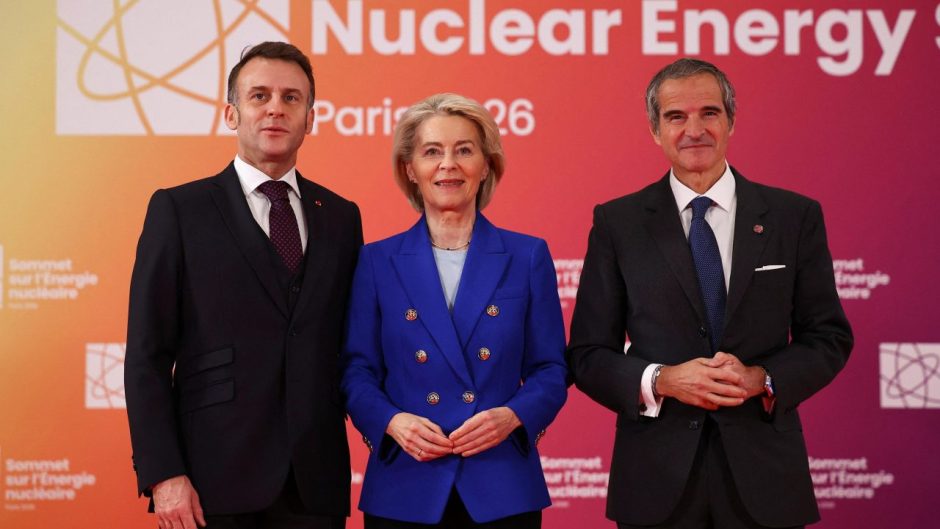
In a significant rhetorical shift for the European Union’s energy policy, Commission President Ursula von der Leyen characterized the continent’s historical move away from nuclear power as a “strategic mistake.” Speaking at the Nuclear Energy Summit in Paris, hosted by the International Atomic Energy Agency (IAEA), von der Leyen argued that turning away from the atom left Europe dangerously exposed to the volatility of global fossil fuel markets.

A Continent Re-evaluating its Baseload

The President noted a stark decline in nuclear’s contribution to the European grid, falling from one-third of total electricity generation in 1990 to approximately 15% today. This retreat, she argued, exacerbated Europe’s dependence on expensive, imported oil and gas—a vulnerability underscored by ongoing instability in the Middle East.

“I believe it was a strategic mistake for Europe to turn its back on a reliable, affordable source of low-emissions power,” von der Leyen stated.

She outlined a vision for a modernized energy system where nuclear works in tandem with renewables, supported by robust storage and smart grids.

The Rise of Small Modular Reactors (SMRs)

The EU’s strategy is increasingly focused on the next generation of nuclear technology. Key initiatives include:

  • Regulatory Reform: Recent changes to state aid rules now allow for expanded support for nuclear fission and fuel cycles.

  • Industrial Alliance: The launch of the world’s first industrial alliance dedicated to Small Modular Reactors (SMRs).

  • Financial Backing: Proposed investments of over €5 billion in fusion research and an additional €200 million in guarantees through 2028 to support the first commercial units of innovative nuclear technologies.

The goal is to have SMRs operational across Europe by the early 2030s to complement existing traditional plants.

Regional Expansion: Greece, Romania, and Serbia

The shift in sentiment at the Commission level is mirrored by renewed interest among member states and neighboring nations:

  • Greece: Prime Minister Kyriakos Mitsotakis echoed von der Leyen’s sentiments, noting that it is time for Greece to explore how SMRs could be integrated into the domestic grid. While Greece remains committed to renewables and gas as a bridge, a new committee will officially study nuclear integration.

  • Romania: Energy Minister Bogdan Ivan announced plans to triple the nation’s nuclear capacity over the next decade. This includes the modernization of the Cernavodă plant and the development of a pioneering SMR project in Doicești.

  • Serbia: Minister of Mining and Energy Dubravka Đedović Handanović signaled Serbia’s intent to join the “nuclear revival.” To support a growing economy and AI infrastructure, Serbia aims to select a technology by 2032, with the goal of bringing a plant online by approximately 2040.

As Europe seeks to reconcile its climate goals with energy security, the message from Paris was clear: the nuclear option is no longer on the sidelines—it is back at the center of the strategy.

March 11, 2026
by AEA in News

Albania Ranks Highest in Europe for Fuel Costs Relative to Purchasing Power, Doubling Regional Averages

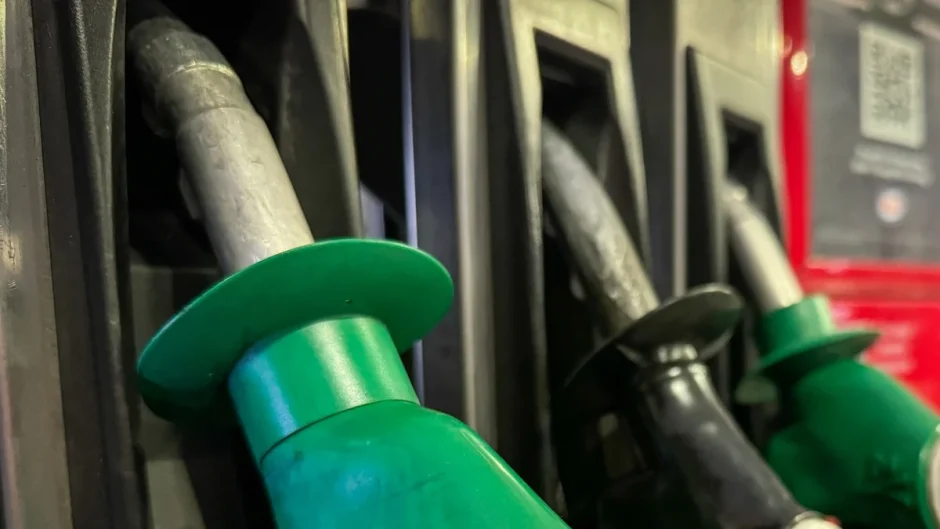
Albania currently has the most expensive automotive fuel in Europe when adjusted for purchasing power and citizen income, imposing a disproportionate economic burden on consumers and businesses alike.

An analysis conducted utilizing 2026 per capita income data from the International Monetary Fund’s (IMF) Global Economic Outlook and current spot prices from Global Petrol Price, reveals a stark disparity between Albanian fuel costs and domestic earning power.

According to the IMF, Albania’s average per capita income for 2026 is projected at $12,000 annually, equating to roughly $33 per day. With domestic retail diesel prices currently hovering around 200 Albanian Lek (ALL) per liter approximately $2.40 at the current exchange rate an average Albanian citizen must allocate a staggering 7.2% of their daily income to purchase a single liter of diesel.

A Stark Regional and European Divide

Data indicates that this 7.2% threshold is the highest financial burden for fuel among all analyzed European nations. When compared to neighboring Balkan states, the economic strain on Albanian consumers is at least twice as high.

For context, purchasing one liter of fuel requires:

  • 3.7% of daily income in Serbia

  • 3.6% in Montenegro

  • 2.8% in Romania

  • 2.5% in Greece (which, despite having one of Europe’s most expensive nominal fuel markets, presents a much lower relative burden due to higher median incomes).

In absolute nominal terms, regional neighbors boast fuel prices averaging 15% to 30% lower than Albania, particularly in Kosovo and North Macedonia.

The contrast is even more pronounced when benchmarked against advanced European economies. In nations like Italy, France, Germany, and Belgium, a liter of fuel typically consumes less than 2% of daily income. Notably, the Netherlands which holds the highest absolute nominal fuel price in Europe requires its citizens to spend only 1.1% of their daily income per liter. This means the relative burden on a Dutch consumer is nearly seven times lower than that of an Albanian.

Even stripping away purchasing power parity, Albania ranks fifth outright in Europe for the highest nominal fuel prices, trailing only the Netherlands, Denmark, Norway, and Switzerland countries where fuel is marginally more expensive by just 10 to 30 cents per liter.

Heavy Taxation and “Rocket and Feather” Pricing Dynamics

Because fuel is a foundational component of transport and logistics, this skewed cost-to-income ratio actively drives up broader commodity prices and exacerbates household expenses. Industry analysts point to two primary domestic drivers for this inflated market: aggressive taxation and asymmetrical price transmission by market operators.

1. The Tax Burden: State levies account for an estimated 60% of the final retail price at the pump. The taxation structure per liter includes:

  • Excise Tax: 37–38 ALL

  • Circulation (Turnover) Tax: 27 ALL

  • Carbon Tax: 3 ALL

  • Value Added Tax (VAT): 20% applied to the final cumulative price.

2. Asymmetrical Market Responses: The Albanian downstream market consistently exhibits the “rocket and feather” effect. Retail prices react rapidly to upward shocks in global crude and refined product benchmarks, yet reductions are passed on to consumers at a noticeably sluggish pace during global downturns.

During periods of falling international prices in 2019 and 2024, fuel importers and distributors capitalized on the lag in price reflection, expanding their profit margins by 0.5 to 1 percentage point. Market operators routinely exploit the delayed localized response to global price drops, structurally padding profit margins at the expense of end-users.

March 11, 2026
by AEA in News

Albania Establishes Joint Task Force to Monitor Hydrocarbon Sector and Prevent Fuel Price hikes.

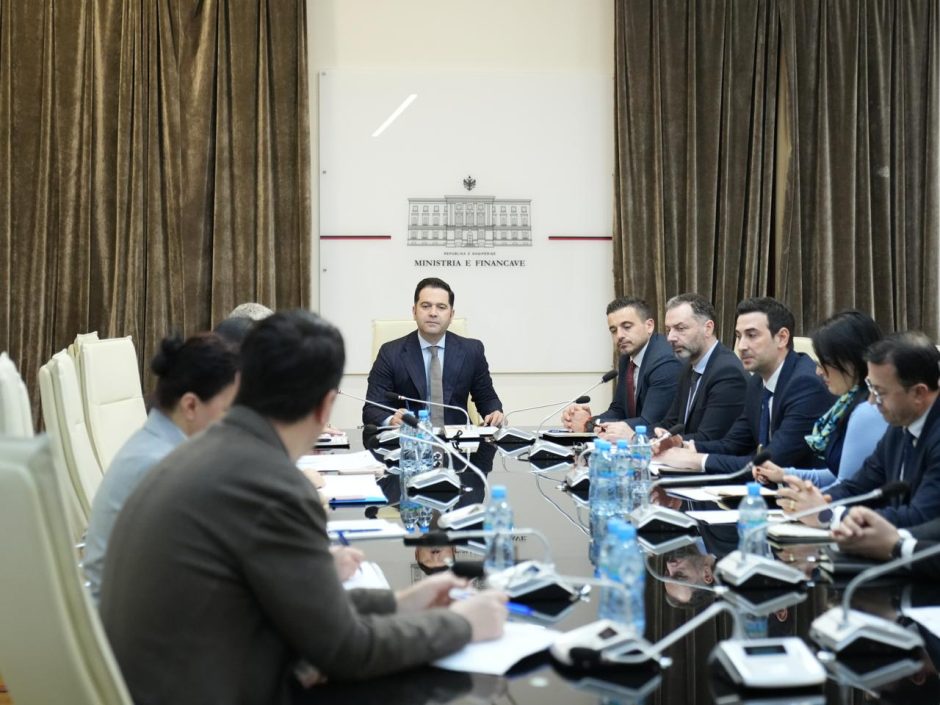
Albania’s General Directorate of Taxation and General Directorate of Customs are establishing a joint Task Force specifically designed to monitor the downstream hydrocarbon sector and prevent abusive fuel price increases.

Minister of Finance Petrit Malaj, during a recent summit with General Director of Taxation Ilir Binaj and General Director of Customs Besmir Beja, finalized an operational roadmap to launch this inter-agency initiative.

The Task Force is mandated to tighten tax and customs oversight and improve enforcement efficiency across both the wholesale and retail hydrocarbon markets. The primary objective is to shield Albanian consumers from unjustified, speculative fuel price hikes. Minister Malaj emphasized that this operational strategy is a direct response to recent geopolitical developments driving volatility in global energy markets.

“We initiated this operational group prompted by the recent conflict involving Iran, the US, and Israel, which has directly impacted global hydrocarbon prices,” Malaj stated. “Both institutions will rigorously monitor pricing to prevent any exploitative hikes within the wholesale and retail trade sectors.”

Key Operational Measures

The agencies have agreed on a comprehensive enforcement framework, which includes:

  • Operator Risk Assessments: Conducting targeted evaluations of market players to identify high-risk entities.

  • Market Intelligence: Gathering field data regarding potential market abuses and speculative pricing.

  • Physical and Desk Audits: Expanding enforcement beyond the routine review of tax and customs documentation to include physical inspections of fuel volumes at wholesale depots and retail stations.

Inter-Agency Coordination and Long-Term Goals

Minister Malaj reiterated the Ministry of Finance’s commitment to robust tax and customs administration in the public interest. Besmir Beja, General Director of Customs, confirmed that the inspections will be executed nationwide, explicitly targeting entities flagged during the risk assessment phase.

According to Beja, joint inspection units will ensure all market activity strictly complies with regulatory frameworks. This includes verifying that every transaction is fiscally recorded and that all distributed fuel satisfies statutory customs and tax obligations.

Ilir Binaj, General Director of Taxation, noted that the respective agencies have fully coordinated the operational plan and commenced preliminary risk analyses. He highlighted that intelligence gathered from previous enforcement operations has been instrumental in pinpointing specific vulnerabilities within the sector. The ultimate objective is to sustain this joint operation over the long term to drive comprehensive market formalization and ensure the orderly functioning of Albania’s domestic hydrocarbon market.

March 11, 2026
by AEA in News

Greece Fast-tracks Strategic Hydrocarbon Agreements with Chevron and HelleniQ Energy

The Hellenic Parliament is set to ratify a series of landmark energy concessions this week, signaling Greece’s most decisive move in decades to unlock the hydrocarbon potential of the Eastern Mediterranean. The legislation authorizes exploration and exploitation contracts for high-prospect offshore blocks located south of Crete and the Peloponnese.

Designated by government officials as a “national priority” for energy security, the bills cleared their final committee review early this week. A plenary vote is scheduled for Thursday, which would formally greenlight a partnership between the Greek state and a powerful consortium led by global major Chevron and national champion HelleniQ Energy.

A Strategic Buffer Against Volatility

During a briefing before the Production and Trade Committee, Minister of Environment and Energy Stavros Papastavrou framed the development of domestic resources as a critical sovereign endeavor. In an era defined by regional energy instability, Papastavrou characterized the initiative as a “national affair” essential for long-term strategic autonomy.

The contractual framework is structured to insulate the Greek taxpayer from financial exposure:

  • Zero Public Risk: Private consortiums will bear 100% of the capital expenditure during the high-risk exploration phase.

  • State Revenue Sharing: If commercially viable deposits are discovered, the state is positioned to retain the vast majority of the economic benefits.

  • Technical Sovereignty: The projects represent the culmination of a 12-year national effort to map and tender Greece’s maritime wealth.

Technical Optimism Meets Industry Caution

Aristophanes Stefatos, CEO of the Hellenic Hydrocarbons Management Company (HEREMA), underscored that the state incurs no expenditure if exploration fails, while Anastasios Vlassopoulos, representing the Chevron-HelleniQ partnership, assured lawmakers that state-of-the-art seismic evaluations would maximize the chances of a successful find.

However, the ambitious timeline has drawn some scrutiny from industry experts. Konstantinos Stambolis, Executive Director of the Institute of Energy for Southeast Europe (IENE), welcomed the legislation but noted a potential regulatory gap. Stambolis raised concerns regarding the absence of mandatory drilling timelines within the current text, suggesting that stricter windows for physical exploration would better ensure rapid development.

Regional Implications

The ratification comes at a pivotal moment for European energy policy. As the continent continues to diversify away from Russian gas, Greece is positioning itself as a vital energy gateway for the Balkan corridor. Success in these offshore blocks could transform Greece from a transit hub into a significant primary producer, fundamentally altering the energy architecture of South East Europe.

March 11, 2026
by AEA in News

OECD Launches Strategic Initiative to Modernize South East Europe’s Aging Power Grids

The Organisation for Economic Co-operation and Development (OECD), in partnership with the Delphi Economic Forum, has unveiled a high-level initiative aimed at overhauling the energy and digital landscape of South East Europe.

The project, titled “Electricity, Digital and Regional Interconnectivity in South East Europe,” was officially launched in Thessaloniki—a city historically positioned as a strategic bridge between Europe and the Balkans. The initiative arrives at a critical juncture as the region grapples with inefficient infrastructure and the urgent need for energy security amid shifting geopolitical realities.

Addressing the 14% Efficiency Gap

Data presented at the launch highlighted a stark disparity between the Western Balkans and the broader European Union. OECD Secretary-General Mathias Cormann noted that outdated power grids in the region suffer from electricity losses of approximately 14%, nearly triple the EU average.

The infrastructure deficit is compounded by a slow transition to green energy. Despite significant natural resources, the Western Balkans currently harness only 4% of their solar potential and 2% of their wind potential. Furthermore, regulatory alignment remains a hurdle, with only 48% of relevant EU energy standards currently implemented across the region.

Greece and Romania Spearheading Integration

The project is designed and funded by Greece, with additional co-financing from Romania. For Athens, the initiative reinforces its growing status as a regional energy hub and a net electricity exporter.

Nikos Tsafos, Greece’s Deputy Energy Minister, emphasized that modern energy security is built on three pillars: affordability, strategic autonomy, and robust interconnectivity. This regional push is also deeply tied to EU enlargement. Giorgos Pagoulatos, Greek Ambassador to the OECD, noted that Western Balkan EU accession has gained new urgency. He signaled that regional integration will be a cornerstone of Greece’s upcoming presidency of the Council of the EU in 2027.

A Roadmap to 2027

To bridge the gap, Secretary-General Cormann outlined four strategic priorities for the Western Balkans:

  • Regulatory Convergence: Full alignment with EU energy frameworks.

  • Corporate Governance: Strengthening competition and oversight within state-owned utilities.

  • Infrastructure Modernization: Replacing aging coal-fired plants and upgrading transmission lines.

  • Digital Transformation: Scaling up smart-meter adoption and renewable energy deployment.

The stakes are high: experts at the event warned that European electricity demand could surge by 60% by 2030. To meet this challenge, the OECD plans to conduct a series of technical workshops across the Balkans, culminating in a comprehensive policy roadmap scheduled for release in 2027.

  • 1
  • …
  • 3
  • 4
  • 5
  • 6
  • 7
  • …
  • 140

AEA – Albania Energy Association is a industry association dedicated to representing the interests of Albanian and West Balkan for energy producers and consumers. AEA works to advance the development and adoption of sustainable energy solutions in Albania and the Western Balkans, supporting the region’s transition toward a cleaner, more secure, and more competitive energy future. AEA is registered by decision of the Court of Tirana, DECISION NO. 3032, (VAT:L11827451K).

[email protected]

Address
Blv Zogu 1
Tirana
1057
ALBANIA

LinkedIn  |  Facebook
Events
May 25, 2022 Connecting Green Hydrogen Europe 2022
May 25, 2022 Energy Week Western Balkans 2022
Copyright © Albania Energy Association