AEA-Albania Energy Association
  • Main
  • About Us
  • Services
  • Sectors
  • News
  • EventsEvents
  • PublicationPublication
  • Contact Us
AEA-Albania Energy Association
  • Main
  • About Us
  • Services
  • Sectors
  • News
  • EventsEvents
  • PublicationPublication
  • Contact Us
AEA-Albania Energy Association
  • Home Page
  • About Us
  • Sectors
  • Our Services
  • News
  • Contact Us
April 11, 2025
by AEA in News

Delta Green launches platform in CEE for households to provide grid balancing

Czech energy startup Delta Green has launched a platform enabling households to provide grid balancing for transmission system operators. The company claims it is the first in Central and Eastern Europe and among the first in Europe to implement such a solution.

Delta Green said it just became the first in the CEE region to launch a platform that lets ordinary households help stabilize the energy grid, arguing it’s never been done before at this scale in the region.

The startup stressed the innovation comes at a critical time when European flexibility needs are projected to more than double, from 220 TWh in 2025 to 530 TWh by 2033, according to the latest projections by ENTSO-E.

Flexibility could bring benefits to consumers, and savings to grid operators, but also reduce electricity prices and grid investments.

The platform transforms ordinary households into active participants in the energy market

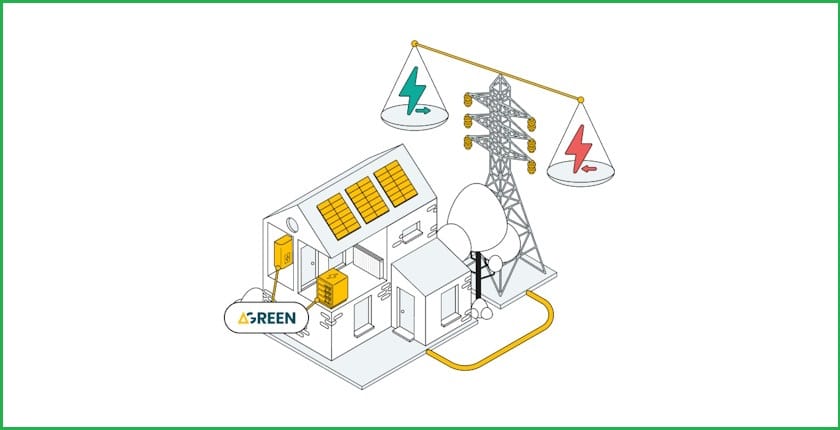
The platform transforms ordinary households into active participants in the energy market, allowing them to adjust electricity consumption or supply power in response to grid demands – a capability that directly addresses Europe’s growing flexibility challenges, the company underlined.

“A standard home solar system with battery storage can save up to EUR 40 per month. In Germany and France, where millions of homes have solar setups, 10% participation could offset the output of several power plants, reducing fossil fuel reliance and boosting grid resilience,” co-owner and Chief Product Officer of Delta Green Jan Hicl said.

Delta Green says its platform is the Airbnb of grid balancing

The company added its tech is already saving consumers money and reducing fossil fuel reliance. One can think of it as the Airbnb of grid balancing, Delta Green said.

The company is now working on expanding its services beyond the Czech Republic to both Western and Eastern Europe, for example the DACH region (Germany, Austria, and Switzerland), Italy, and Romania.

Delta Green was established in 2008 as Nano Green under the Nano Energies group. It rebranded itself last year. The company is jointly owned by David Brožík, Prokop Čech, Lukáš Beneš, and Jan Hicl.

Demand-side flexibility could deliver over EUR 300 billion in benefits for European consumers

A recent study from the Smart Energy Europe Association (smartEn) demonstrates that demand-side flexibility could deliver over EUR 300 billion in benefits for European consumers by 2030. Grid flexibility from available assets, including household systems, could contribute a projected EUR 4 billion in annual savings for European grid operators.

According to the European Agency for the Cooperation of Energy Regulators (ACER), grid expansion and flexibility measures potentially could reduce electricity prices by 11% by 2035 and by 30% in 2040 in a net zero scenario.

The European Union needs EUR 584 billion in grid upgrades by 2030. Flexibility solutions, combined with grid optimization, could lower the much needed grid investments from an anticipated EUR 67 billion to EUR 55 billion annually between 2025 and 2050.
Post Views:41
April 11, 2025
by AEA in News

EUSEW 2025: Registration open for the European Sustainable Energy Week

Registration is now open for participation in the 19th edition of the European Sustainable Energy Week – EUSEW 2025, which will be held from June 10 to 12. Participants can register to attend the event in Brussels or join online.

EUSEW is the largest annual event dedicated to renewable energy and efficient energy use in Europe. It is organized by the European Climate, Infrastructure and Environment Executive Agency (CINEA) in cooperation with the European Commission’s Directorate-General for Energy.

In order to ensure competitiveness and achieve clean energy goals, Europe must take concrete action. The rapid deployment of renewable energy sources and the implementation of energy efficiency measures will be key elements in supporting industry, the European Commission said. It added that Europe would need to respond to the challenges of energy price spikes and market instability, which affect both businesses and citizens.

In line with the challenges, the slogan of this year’s European Sustainable Energy Week is ‘Powering a fair and competitive green transition’.

The number of in-person seats is limited

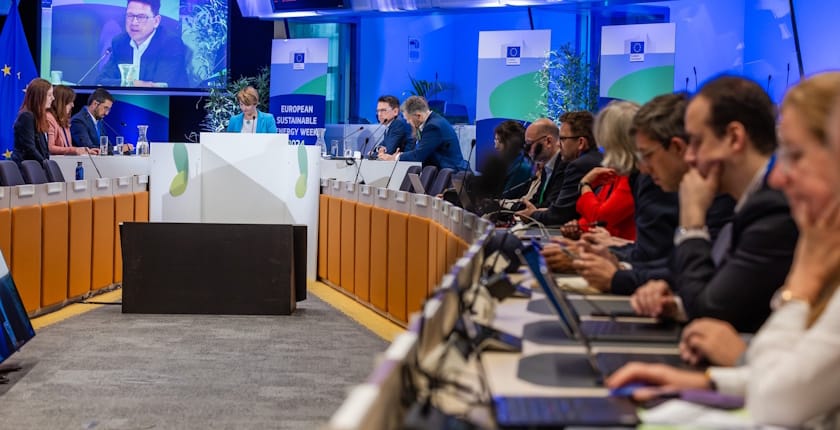
This year, EUSEW will be held in a hybrid format, from June 10 to 12. The gatherings are in the European Commission’s Charlemagne building and the nearby Martin Hotel in Brussels. All sessions will be livestreamed via a dedicated online event platform.

As the number of in-person seats is limited, organizers are encouraging interested participants to register as soon as possible.

Photo: EUSEW

EUSEW 2025 features a variety of events. The high-level conference, with over 60 sessions, will feature prominent speakers exploring five main themes: competitiveness and investments in clean energy, energy affordability, renewables, energy efficiency, decarbonization, and international cooperation. The conference will be officially opened on June 10 by European Commissioner for Energy and Housing Dan Jørgensen.

Following the opening, the EUSEW Awards ceremony will take place. They recognize outstanding individual and collective achievements in the fields of energy efficiency and green energy and are presented in three categories: Innovation, Local Energy Action, and Women in Energy.

EUSEW will also offer opportunities for informal networking during the Energy Fair. Additionally, for the sixth year in a row, the European Youth Energy Day will be held. A group of 30 young energy ambassadors will organize their own sessions and side events, including workshops with energy experts.

Dozens of locally organized Sustainable Energy Days will also be held across the world before and after the main week of the event.

Post Views:36
April 10, 2025
by AEA in News

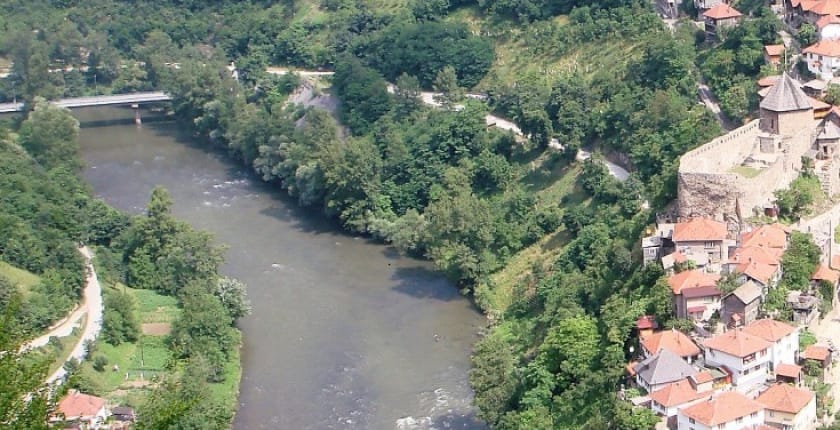
Court annuls environmental permits for EPBiH’s hydro projects Janjići, Vranduk

The Cantonal Court in Sarajevo overturned two decisions of the Federal Ministry of Environment and Tourism regarding the proposed Vranduk and Janjići hydropower plants.

The Janjići and Vranduk hydropower projects, with a total capacity of 36 MW, are being developed by state-owned power company Elektroprivreda BiH. The sites are on the Bosna river near the city of Zenica.

The two decisions were challenged by the Aarhus Centre in Bosnia and Herzegovina.

The Cantonal Court in Sarajevo has ruled that the 16 MW Janjići project requires a new environmental permit to move forward, news website Zenit.ba reported. Namely, the Aarhus Centre in BiH disputed the ministry’s decision in December 2021 that the existing one was valid. According to the court, the explanation was legally unsubstantiated.

The ministry didn’t take into account the ecological sensitivity of the Janjići area

The ministry also failed to acknowledge the complexity of the planned hydropower facility and that, in line with the regulations, a new permit is necessary if the deadline expires, the ruling reads.

According to the court, the ministry didn’t take into account the ecological sensitivity of the Janjići area. The location is a habitat of protected plant and animal species, among which is the otter.

Of note, in January 2022, Germany’s KfW Development Bank said it canceled the plan to finance the Janjići hydropower project with EUR 30 million. Total investment was valued at EUR 55 million.

The loan agreement between KfW and EPBiH was signed in 2014. Environmental organizations opposed the project, arguing it would flood one of the most beautiful areas around the Bosna river.

The Aarhus Convention was violated in the case of HPP Vranduk

The court also annulled the ministry’s 2023 environmental permit for the HPP Vranduk project of 20 MW.

The ministry violated several provisions of an environmental protection law of the Federation of BiH, the court stressed. By issuing the permit, it violated the right of the public to access information and participate in the decision-making process, thereby also violating the Aarhus Convention.

The environmental impact assessment (EIA) was inadequate while the environmental risks determined earlier and comments from experts weren’t taken into account, the ruling reads.

In early 2022, Austria-based Strabag won at the International Court of Arbitration in Brussels in a case against EPBiH. The panel ordered the power utility to pay EUR 16.4 million to the company.

Post Views:64
April 10, 2025
by AEA in News

RWE-PPC partnership starting to build 567 MW of PV capacity

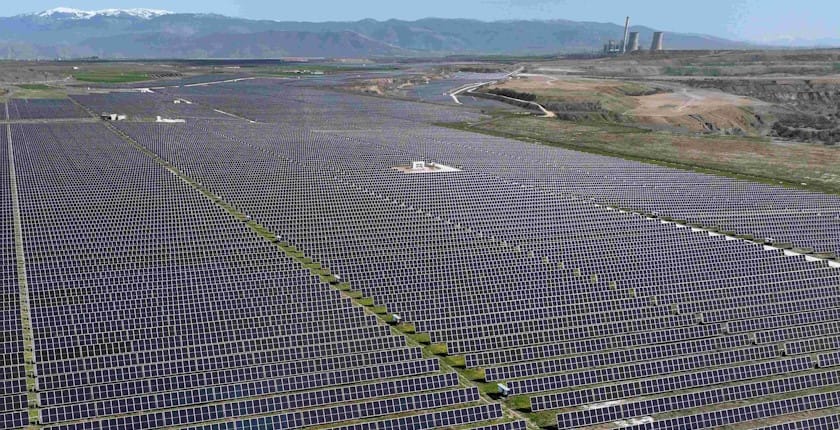
Meton Energy has taken the final investment decision for two photovoltaic projects north of Thessaloniki. Through their joint venture, Germany-based RWE and Greek government-controlled utility PPC are about to start construction of 567 MW in total peak capacity.

Most of the 2 GW solar power portfolio that the top tier German-Greek partnership is developing is now materializing. RWE, holding 51% in the Meton Energy joint venture, and Public Power Corp. (PPC), the other co-owner, agreed to move to the construction phase in an investment worth EUR 418 million.

The endeavor consists of two photovoltaic projects in the Central Macedonia region in north Greece. Solar farms Kotyli and Neo Syrakio would have a total peak capacity of 567 MW, translating to 518 MW in grid connection terms.

Commissioning expected in 2027

Construction is planned to start this spring, with commissioning expected in 2027. The two sites are in the Kilkis regional unit north of Thessaloniki. Estimated annual output is equivalent to the electricity demand of more than 140,000 households.

PPC, or DEI in Greek, formally entered its largest joint venture in 2021 with German energy giant RWE. It took the domestic company less than five years to swing from deep losses to a nearly completed coal phaseout and a regional expansion at full speed. It is building some of the largest renewables and gas facilities in Europe. Moreover, PPC is transforming the two areas in Greece that rely on the solid fossil fuel and lignite-fired power plants.

RWE, PPC won EUR 175 million in EU grants for Kotyli, Neo Syrakio

The partners manage their stakes through PPC Renewables and the RWE Renewables Europe and Australia branch.

As they reached their latest final investment decision, the companies pointed out that they secured EUR 175 million in grants for the twin projects from the European Union’s Recovery and Resilience Facility (RRF) and the National Recovery and Resilience Plan (NRRP) Greece 2.0.

They are financing the rest from own funds and with EUR 169 million from commercial banks, the announcement reads. Meton Energy has signed 10-year bilateral power purchase agreements (PPAs) with PPC and RWE Supply and Trading.

“With our latest investment decision, we underpin once again our strong commitment to the Greek market with now roughly 1.5 GW of solar capacity in deployment. This great achievement is the result of the excellent cooperation between the teams involved at RWE and PPC. Together we are accelerating the energy transition in Greece,” said Chief Executive Officer of RWE Renewables Europe and Australia Katja Wünschel.

Amynteo PV clusters coming online by year end

The two partners have so far energized five solar farms with 210 in total peak capacity. The construction of another PV plant with a peak of 105 MW is complete. Three more, of 625 MW in combined peak capacity, are planned to become operational by the end of 2025.

The nine units in three clusters have 940 MW altogether or 870 MW on the transmission grid, as alternating current. They are in the former Amynteo open cast lignite mine in Western Macedonia in the country’s north.

“We are delivering our solar projects at an impressive pace. The first cluster of the Amynteo portfolio is already energised, construction works for Amynteo clusters 2 and 3 are at an advanced stage and we are looking forward to connecting all projects to the grid this year,” said Costas Papamantellos, CEO of RWE Renewables Hellas and Meton Energy.

Post Views:54
April 9, 2025
by AEA in News

Turkey pushing against rivals for transmission of green electricity to EU

Turkey’s agreement with Azerbaijan, Georgia and Bulgaria on the transmission of renewable electricity could set back the project for an interconnector under the Black Sea between Georgia and Romania. In addition, President Recep Tayyip Erdoğan’s government fiercely opposes the Great Sea Interconnector project, part of the proposed Greece-Cyprus-Israel submarine link. Turkey is also pushing against rival hydrocarbon projects around Cyprus.

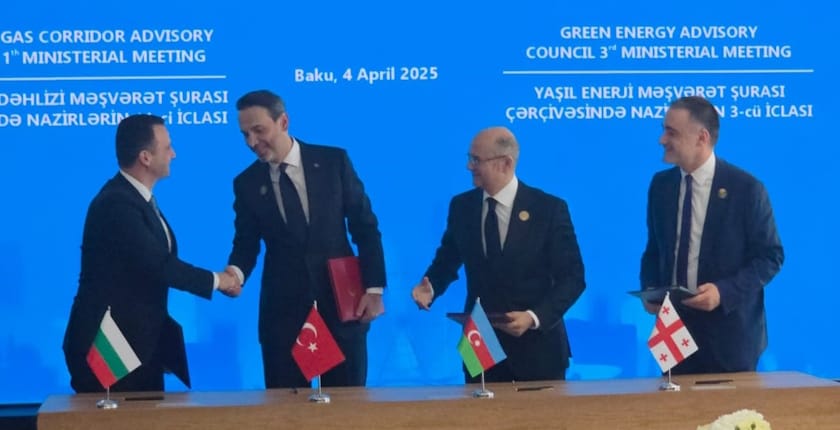
On the margins of the Southern Gas Corridor (SGC) annual meeting, a regional green energy project has come to the fore. Ministers of energy of Turkey, Bulgaria, Georgia and Azerbaijan, the host country, signed a memorandum of understanding on green electricity transmission and trade. The initiative envisages the establishment of a green energy corridor toward Europe.

The proposal for a power interconnections upgrade is an apparent competitor against a project by Romania, Georgia, Azerbaijan and Hungary. They plan to lay a high-voltage direct current (HVDC) cable under the Black Sea. Bulgaria does have a seat at the table, but even after several meetings it still hasn’t become a partner in the GECO submarine link project. The alternative onshore line through Turkey would give it a central role.

Bulgaria, which has been waiting to become a partner in the Black Sea submarine interconnection project, would get a central role in an onshore power transmission corridor that would go through Turkey

President Recep Tayyip Erdoğan’s government is determined to establish the key transmission and production hub for electricity and fossil fuels for the European Union. The new memorandum is another indicator, together with Turkey’s fierce opposition to the Great Sea Interconnector project, which is part of a proposed Greece-Cyprus-Israel submarine power link, and to hydrocarbon drilling around Cyprus.

Turkey also benefits from the TurkStream pipeline, which carries gas from Russia. It was built instead of the abandoned South Stream project, which was supposed to directly connect Russia and Bulgaria.

Studies to be commissioned by June

Turkish Minister of Energy and Natural Resources Alparslan Bayraktar said electricity from Azerbaijan and the region would reach his country via Georgia as well as Azerbaijan’s exclave of Nakhchivan. It means a line would go through Armenia.

The four energy ministers said a working group would complete the technical details and commission feasibility studies already by June.

Azerbaijani President Ilham Aliyev said his country would add 6.5 GW of renewable energy capacity by 2030, compared to the current 8 GW, from all sources. One of the biggest private investors is Abu Dhabi Future Energy Co. (Masdar).

TANAP’s capacity to be doubled

Turkey is diversifying its energy supply, Bayraktar noted. “Our natural gas imports from Turkmenistan, which started on March 1, are an important step towards the goal of securing our own supply while also carrying Central Asian energy to European markets,” he stated.

The minister highlighted the goal to increase the capacity of the Trans Anatolian Natural Gas Pipeline (TANAP), part of the Southern Gas Corridor, to 31 billion cubic meters per year from 16 billion.

Tensions rising as seabed survey for Great Sea Interconnector to resume

The NG Worker vessel is returning to carry out seabed surveys east of Greece’s Kasos-Karpathos island area, Energypress reported. The activity, part of the Great Sea Interconnector, was interrupted again in February after a Turkish corvette approached the ships NG Worker and Ievoli Relume.

After research was completed in the territorial waters of Greece and Cyprus, the last section is in international waters. Türkiye Gazetesi learned from security sources that Turkey wouldn’t allow “such a fait accompli.” The unnamed sources said the seabed survey is a breach of international law.

The power link project has also faced delays due to disputes around financing and it still risks losing a massive EU funding package. Turkey is promoting the idea of a cable connecting Cyprus to its own electricity transmission network instead.

Post Views:82
April 9, 2025
by AEA in News

Energy efficiency: the jack of all trades of EU electrification

By Arianna Vitali, Secretary General at the Coalition for Energy Savings, EUSEW’s partner organisation, highlighting the importance of energy efficiency in EU electrification, including cost savings, better grid flexibility, and protecting consumers.

It is no secret that for the EU to reach climate neutrality, the progressive electrification of our energy system will be essential – and with it, a sound strategy to achieve it in a cost-effective manner. With an Electrification Action Plan on the books for the new European Commission, it is crucial to ensure that the potential of energy efficiency to enable, accelerate, and lower the costs of EU electrification is not overlooked, but rather fully leveraged.

Energy efficiency and electrification: a match made in heaven

Shifting away from fossil fuels and towards renewable energy sources will require accelerating the electrification of both energy production and end-uses. While we all agree that electrification boosts energy efficiency, it is important to remember that this relationship is a two-way street where energy efficiency also has something to offer to the EU electrification process.

Indeed, by reducing overall energy demand, energy efficiency can ease grid congestion, reduce the costs of electrifying the EU energy system, and stabilise the prices paid by consumers. In that vein, the European Commission recently stressed that combined action on electrification and energy efficiency can reduce the EU’s fossil fuel import bill by €32.5 billion every year by 2030 (representing 25% of the total savings that would result from implementing the Action Plan). With the top priorities for this mandate focusing on improving competitiveness and affordability, leveraging the joint potential of energy efficiency and electrification is more relevant than ever.

Flexibility is key

A resilient energy system starts with a flexible energy system. Beyond supporting the EU’s climate neutrality goal, reducing energy demand through demand-side measures eases stress on the grid, allows for more flexible consumption patterns, and ultimately ensures a more adaptable and resilient energy system. The evidence is there: by adopting ambitious demand-side measures (both efficiency and flexibility), peak demand can be reduced by up to 39% in 2030 compared to a scenario without such improvements. This, by extension, lowers the need for additional infrastructure, making the overall electrification process faster and more manageable.

Lowering costs, boosting affordability, and protecting citizens

Energy efficiency’s potential to reduce infrastructure costs, and therefore overall system costs, is significant. For instance, ambitious demand-side measures respectively lower total energy system costs and reduce annual investments in distribution grids by around €40 billion.

These saved costs, which will ultimately not be paid by businesses and citizens, contribute to energy affordability by keeping electricity prices in check, helping European industries decarbonise while improving their competitiveness.

Finally, energy efficiency measures would also cut energy costs for households, helping to protect the most vulnerable. With ambitious demand-side measures, households could save significantly on their annual energy bills. Annual average household energy spending could go down to €900 by 2030, a considerable drop from today’s average of €1,190. This proves particularly useful for heating and road transport, which are expected to increase fossil fuel prices.

Time to put energy efficiency first

The EU transition towards decarbonisation and electrification of the energy system will require careful planning and substantial investment. Luckily, the EU has a jack of all trades on hand. With its wide range of benefits, from reducing infrastructure needs and costs, increasing energy security, cutting energy bills, and supporting both businesses and vulnerable citizens, energy efficiency offers readily available solutions to many of the challenges ahead and must be prioritised.

As stressed in the Action Plan for Affordable Energy, the EU needs a ‘decarbonised energy system, driven by a substantial scale-up of clean energy and electrification, with energy efficiency at its centre’. Prioritising the implementation of energy efficiency solutions on the ground will be key to building an affordable, secure, and competitive energy system for the future.

This opinion editorial is produced in co-operation with the European Sustainable Energy Week 2025. See ec.europa.eu/eusew for more details.

Disclaimer: This article is a contribution from a partner. All rights reserved.

Neither the European Commission nor any person acting on behalf of the Commission is responsible for the use that might be made of the information in the article. The opinions expressed are those of the author(s) only and should not be considered as representative of the European Commission’s official position.

Post Views:92
April 9, 2025
by AEA in News

Romanian town Beiuș to boost geothermal distring heating to 100%

The local authority in Beiuș, a trailblazer in geothermal district heating in Romania, should apply for European funding to cover the entire area, according to a new study. The town already has the cheapest energy in the country.

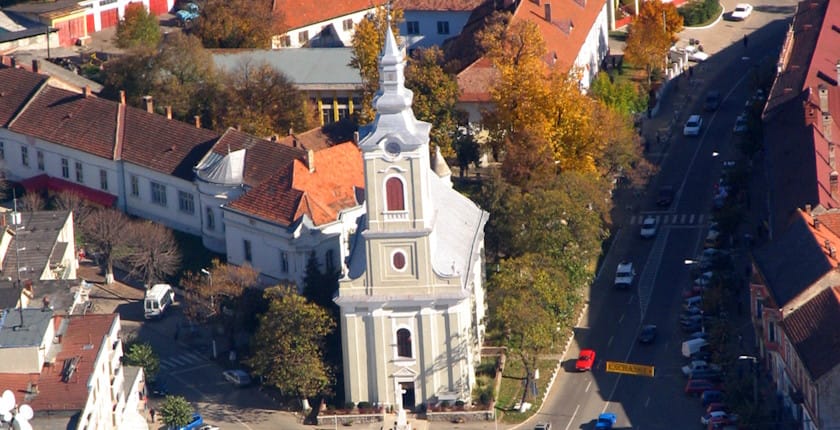
Beiuș is the only town in Romania where geothermal energy accounts for more than 70% of the district heating of homes, institutions and firms. A new technical study is opening the way to a system upgrade by using European grants, state news agency Agerpres reported.

The project was funded by Innovation Norway, a state-owned development bank based in Oslo. Mayor of Beiuș Gabriel Popa said at a presentation marking its completion that his municipality aims to achieve 100% coverage. Iceland managed the endeavor and a company from the island country conducted the study on the geology of the local geothermal water reservoir.

The research covered possibilities to prevent losses in the geothermal district heating system. Beiuș, in Bihor county in northwestern Romania, has just under 10,000 inhabitants.

According to the authors, European development programs are accessible. A new guide is under public consultation.

Dozens of local authorities including capital Bucharest are developing geothermal heating projects.

EEA funding available to get full coverage

The speakers at the conference presented prospects for development using subsidies from the European Economic Area (EEA). The region consists of European Union member states and Iceland, Liechtenstein and Norway.

Engineer Horia Ban said heat pumps could save 30% to 50% of the energy of the water returned from the geothermal district heating system. He is the head of the Oradea-based SRG association, which promotes heat pump solutions for geothermal heating, ventilation and air conditioning (HVAC), and of local renewable energy company Termoline.

The European Commission and European Geothermal Energy Council (EGEC) funded complementary research into air conditioning from geothermal wastewater.

Agriculture can tap water from geothermal district heating system in Beiuș

To lower the losses, the study’s authors recommend insulated PE-Xa pipes and directing the exit flow from the geothermal district heating system to greenhouses, wood dryers and fish farms.

Transgex, based in the county’s capital Oradea, supplies the geothermal water in Beiuș. The reservoir was discovered in 1996 at a depth of 2.6 kilometers. The temperature is 85 degrees Celsius.

The prefeasibility study was funded in 2017 in partnership with Iceland, through EEA Grants. Beiuș is now a town with the cheapest energy in Romania, the article adds.

An EU project worth EUR 33.6 million began a year ago for the construction of an aquapark. It envisages a facility with eight outdoor pools of 6,691 square meters overall in Beiuș. The grant amounts to EUR 12.5 million.

Looking at entire Southeastern Europe, Turkey sticks out as one of the main global players in geothermal energy including power plants, a more complex technology. The potential in Romania and Greece is among the highest in the EU. Bulgaria is also working with EEA funds. Serbia only has small projects for now.

Croatia hosts one geothermal power plant, though is currently offline due to an ownership dispute. Numerous municipal and private projects are underway.

Post Views:72
April 9, 2025
by AEA in News

4 GW of solar, wind projects in pipeline in Montenegro – minister

Montenegro has solar and wind projects in the pipeline with a total capacity of 4,000 MW, according to Admir Šahmanović, Minister of Mining, Oil and Gas and the Coordinator of the Ministry of Energy.

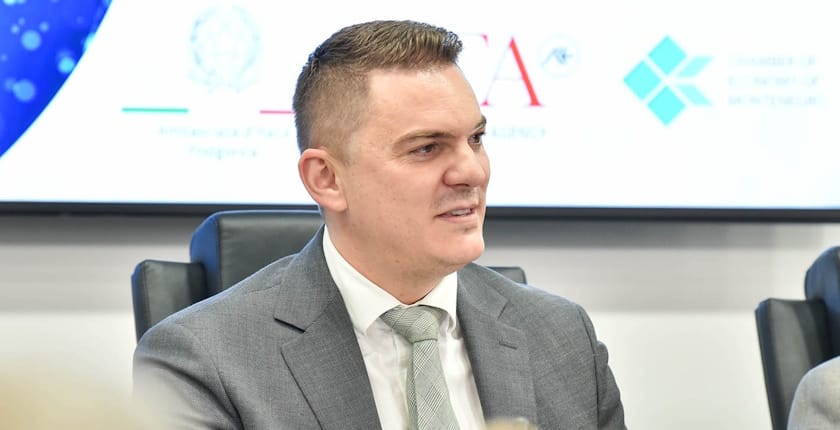
Speaking at the Economic Dialogue Montenegro-Italy round table, minister Admir Šahmanović called for stronger cooperation between the two countries in the energy sector.

Montenegro offers exceptional opportunities for investors, especially in the field of renewable energy sources, Šahmanović added. Of note, he will be one of the key speakers at the Belgrade Energy Forum conference on May 14 and 15.

The planned solar power plants and wind farms would increase the country’s production capacity from the current 1 GW to 5 GW, representing a huge potential for the energy transition and long-term supply stability, he pointed out.

A second line within the underwater power link with Italy would further increase energy security

The minister also stressed the importance of expanding the power interconnection with Italy with a second line of the subsea link. The project would further increase the transmission capacity and ensure even greater energy security, he underlined.

Since 2019, the underwater cable has been enabling stable transmission of electricity between the Balkans and the European Union. In the minister’s words, the second line would further strengthen energy security and increase the use of renewable energy sources in the region.

Photo: Government of Montenegro

In addition to renewables, Šahmanović sees the mining sector as another opportunity for cooperation. A more detailed analysis of existing resources is needed, he said and added that Montenegro has valuable mineral resources that must be used with the implementation of sustainability standards.

The country needs strategic partners to modernize the sector while implementing the highest environmental standards, Šahmanović pointed out.

The round table was organized by the Embassy of Italy and the Italian Trade Agency (ICE), in cooperation with the Chamber of Commerce of Montenegro.

Ambassador of Italy Andreana Marcella said the event was a result of earlier talks between the governments of the two countries. She expects the final B2B and B2G meetings to bring concrete results in the energy, agriculture, and infrastructure sections.

According to ICE manager Antonio Ventresca, the round table marks the beginning of long-term cooperation. The event was also attended by the Montenegrin ministers of ecology and tourism Damjan Ćulafić and Simonida Kordić, respectively.

Post Views:78
April 8, 2025
by AEA in News

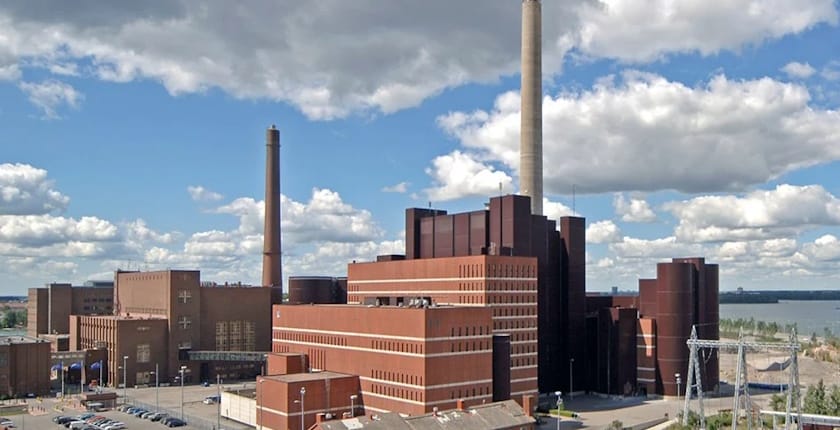
Share of coal power in Finland nearly zero as cogeneration plant shuts down

Helsinki’s municipal energy company Helen closed its last coal facility. Together with the country’s remaining plants that use the solid fossil fuel, Salmisaari accounted for just 0.8% of the electricity mix in 2024. The Government of Finland earlier set May 1, 2029, as the coal exit date.

Two years ago, the Olkiluoto 3 nuclear reactor of 1.6 GW, the strongest in Europe, entered commercial operation. Apparently it helped the energy system of Finland to almost eliminate coal from the board. Helen, controlled by the local authority of the capital Helsinki, closed its Hanasaari B plant in 2023, leaving the Salmisaari combined heat and power (CHP) facility as the only one using coal. This week the company shut it down.

Finland is now using neglectable quantities of coal. Salmisaari has 177 MW in power capacity and 300 MW for heat. Together with the country’s remaining three coal power plants, it accounted for a mere 0.8% of the electricity mix last year, Coal-Free Finland and Beyond Fossil Fuels said.

Moreover, coal amounts to just 30% of fuel in Vaskiluoto 2. The facility mostly uses biomass. The operator of the Martinlaakso coal unit is eliminating fossil fuels from regular operations next year. The third one, Meri-Pori, is in strategic reserve.

Share of coal in Finland is marginal

Finland will retain reserve coal capacity for security of supply purposes, which can be deployed if necessary, Helen said. In addition, some energy companies use small amounts of coal in their energy production for peak, reserve and security of supply reasons, it added. The law forbids using coal in energy production after May 1, 2029.

Wind power output more than doubled in Finland since 2020, reaching a quarter of the total. At the same time, coal-fired generation plummeted 73% while fossil gas is down 82%, according to the report. “Finland has shown what’s possible when clear political signals are matched with rapid investments in renewable power,” said Deputy Campaign Director at Beyond Fossil Fuels Cyrille Cormier. The group called on the authorities to double down on renewables and clean flexibility.

Finnish energy experts can pull off impossible tasks

Helen delayed the closure of Salmisaari by a year. Coal still accounted for 64% of the company’s district heating supply in 2022!

The utility managed to slash its greenhouse gas emissions by more than 80% since 1990. It aims to reach 95% by the end of the decade.

“Helen giving up coal and, at the same time, foreign imported energy with regard to it, will remain a significant part of our country’s industrial history and shows that Finnish energy expertise enables actions that initially seemed impossible,” Chief Executive Officer Olli Sirkka said.

Helen transitioning to clean solutions

Helen is shifting to clean solutions. It enables operating more profitably with lower prices, the CEO pointed out. A range of facilities are under construction.

Heat production is mainly moving to heat pumps – utilizing waste and environmental heat – electric boilers, energy storage and sustainable biofuels. Helen will lean on wind, nuclear energy, hydropower and photovoltaics for electricity.

The new units in Salmisaari will be two electric boilers of a combined 100 MW, in combination with a heat pump of 33 MW in external capacity, as well as a 153 MW plant burning wood pellets. Helen is planning a 200 MW electric boiler facility of four units in Hanasaari, able to store 1 GWh of heat. It would currently be the biggest in Europe.

Helsinki has the ambition to reach climate neutrality by 2030, though including external offsets. It would eliminate them within the following ten years, which means only the city’s carbon sinks are included in the equation. The next step is turning carbon negative.

Market forces are decimating the remaining coal power capacity in Europe as it is expensive because of emissions rights and strict environmental regulations, as well as inflexible. Germany, Poland, Slovenia, the Czech Republic, Serbia, Montenegro, Bosnia and Herzegovina, Kosovo* and Turkey have the largest shares of coal in power production in the European Union and Southeastern Europe. Their phaseout deadlines are all after 2030, but the situation is changing fast.

Post Views:88
* This designation is without prejudice to positions onstatus and is in line with UNSCR 1244/99 and the ICJ Opinion on the Kosovo declaration of independence.
April 7, 2025
by AEA in News

Solar, nuclear lower Europe’s power prices by 30% in March

Electricity generation in solar and nuclear power plants, combined with higher temperatures, lowered the price of electricity in Europe in March by almost 30% on a monthly basis, according to Eurelectric’s data.

Photovoltaics broke the record in power generation in March for the third consecutive month, Eurelectric said, adding that they accounted for more than 10% of Europe’s electricity mix.

The boost in solar power, combined with improved nuclear generation and milder weather, decreased power prices to EUR 90 per MWh from EUR 126 per MWh, registered in February, and EUR 112 per MWh in January.

The organization attributed high prices in the previous two months to low wind generation, increased power demand and the highest gas prices in two years. Ongoing global geopolitical tensions and outages in Norway exerted upward pressure on the cost of gas while limited storage and flexibility sources forced a heavier reliance on gas to supply electricity.

65 GW of solar was added in 2024

Eurelectric said solar rescued Europe with sunnier days and the rise in capacity, with 65 GW added in 2024 alone. As a result, the share of renewables in the power mix was 15 percentage points higher in March compared to February, though one point lower than in March 2024.

Nuclear energy contributed to the decrease in prices with the rise of its share in power production from 24% in March 2024 to last month’s 26% after a few French nuclear reactors came back online, Eurelectric said.

Nevertheless, the average day-ahead electricity price in the first quarter of 2025 was 51% higher than in the first three months of last year. The surge was primarily driven by higher average gas prices, which grew by 33% in the same period, according to the data.

Ruby: Europe remains too vulnerable to fossil fuel price fluctuations

The organization’s Secretary General Kristian Ruby stressed that Europe remains too vulnerable to fossil fuel price fluctuations, especially during periods of high electricity demand. “To counter this, we must speed up the roll-out of demand side response and storage technologies and further incentivise the use of long-term power purchase agreements,” he noted.

Eurelectric sees solutions in capacity mechanisms and flexibility-supporting schemes. Flexibility is also crucial when it comes to balancing negative prices, which are occurring more frequently. As solar generation rose in March, negative prices made a comeback, particularly in Nordic and Western European countries, the organization of the European electricity industry pointed out.

Post Views:68
  • 1
  • …
  • 105
  • 106
  • 107
  • 108
  • 109
  • …
  • 140

AEA – Albania Energy Association is a industry association dedicated to representing the interests of Albanian and West Balkan for energy producers and consumers. AEA works to advance the development and adoption of sustainable energy solutions in Albania and the Western Balkans, supporting the region’s transition toward a cleaner, more secure, and more competitive energy future. AEA is registered by decision of the Court of Tirana, DECISION NO. 3032, (VAT:L11827451K).

[email protected]

Address
Blv Zogu 1
Tirana
1057
ALBANIA

LinkedIn  |  Facebook
Events
May 25, 2022 Connecting Green Hydrogen Europe 2022
May 25, 2022 Energy Week Western Balkans 2022
Copyright © Albania Energy Association