by in News

EPCG Expands Generation and Storage Portfolio with 639 MW of New Projects

Montenegro’s state-owned utility Elektroprivreda Crne Gore (EPCG) is advancing a broad portfolio of solar, wind, battery storage, and hydropower projects with a combined capacity of 639 MW, and an expected annual electricity output of more than 1 TWh, according to Milutin Đukanović, President of EPCG’s Board of Directors.

In an opinion piece, Đukanović said the company has already completed part of a major investment cycle, including rooftop solar projects, the Gvozd 1 wind farm, the ecological reconstruction of the Pljevlja thermal power plant, and part of the modernization works at the Piva and Perućica hydropower plants. He added that new generation capacities, battery storage systems, hydropower upgrades, rooftop solar, wind projects, and strategic partnerships are EPCG’s response to the operational and market challenges it faced in 2025.

EPCG’s direct project pipeline amounts to around 639 MW/MWp, with estimated investments of approximately EUR 646.5 million and an expected annual output of about 1,024 GWh. Đukanović noted that the investment framework also includes reconstruction and upgrade projects that cannot always be expressed in megawatts.

When strategic and potential private partners are included, the company’s total portfolio rises above 4,636 MW/MWp, with a potential annual electricity generation of more than 8,176 GWh. Đukanović said EPCG is positioning itself for a larger role in Montenegro’s energy transition and in the broader regional power market.

The portfolio includes EPCG-owned solar power plants with a combined capacity of 221.1 MW and projected annual production of 299 GWh, rooftop solar systems for prosumers totaling 209.1 MW and 245 GWh in annual generation, the Gvozd 1 and Gvozd 2 wind farms with a combined capacity of 75.6 MW and expected output of 227 GWh, hydropower projects totaling 71.7 MW and 135 GWh annually, and battery energy storage facilities with an operating power of 60 MW.

A battery energy storage system is also planned at EPCG’s steel plant Željezara Nikšić. The project is estimated at around EUR 48 million and is designed as a 60 MW / 240 MWh system, with an expected annual electricity output of about 118.3 GWh, Đukanović said.

Among the completed investments, EPCG has already added 143.66 MW of new generation capacity, corresponding to around 268 GWh of annual electricity production. The value of these completed projects stands at approximately EUR 258.87 million.

These include rooftop solar systems installed under the Solari 3000+ and Solari 500+ programs, with a total peak capacity of 34.34 MW and expected annual generation of 40.18 GWh, as well as the completed portion of the Solari 5000+ project, which has a total peak capacity of 54.72 MW and expected annual output of 64.02 GWh. A further 20 MW of rooftop solar remains to be installed under the same program.

The 54.6 MW Gvozd 1 wind farm has also been completed, with an investment of EUR 82 million and projected annual output of 163.8 GWh. Together with the second phase, Gvozd 2, the project will raise total wind capacity by about 75.6 MW.

Additional completed investments include the ecological reconstruction of the Pljevlja thermal power plant, valued at EUR 75 million, along with the second phase of reconstruction and modernization works at the Piva hydropower plant, worth EUR 10.83 million, and the second phase at the Perućica hydropower plant, worth EUR 33 million.

Đukanović also noted that the Pljevlja coal mine carried out the diversion of the Ćehotina River during the power plant reconstruction, in a project worth EUR 20 million. The intervention was necessary to secure continued coal mining operations, as available reserves were close to exhaustion.

He said the main reasons for EPCG’s EUR 92.1 million loss in 2025 were the eight-month outage at the Pljevlja thermal power plant due to ecological reconstruction, as well as unfavorable hydrological conditions.

According to Đukanović, once production at Pljevlja resumed, EPCG’s energy balance returned to positive territory. The company then posted a profit of EUR 36.47 million in the first quarter of this year.
by in News

Offshore wind turbines create conditions for richer marine ecosystems

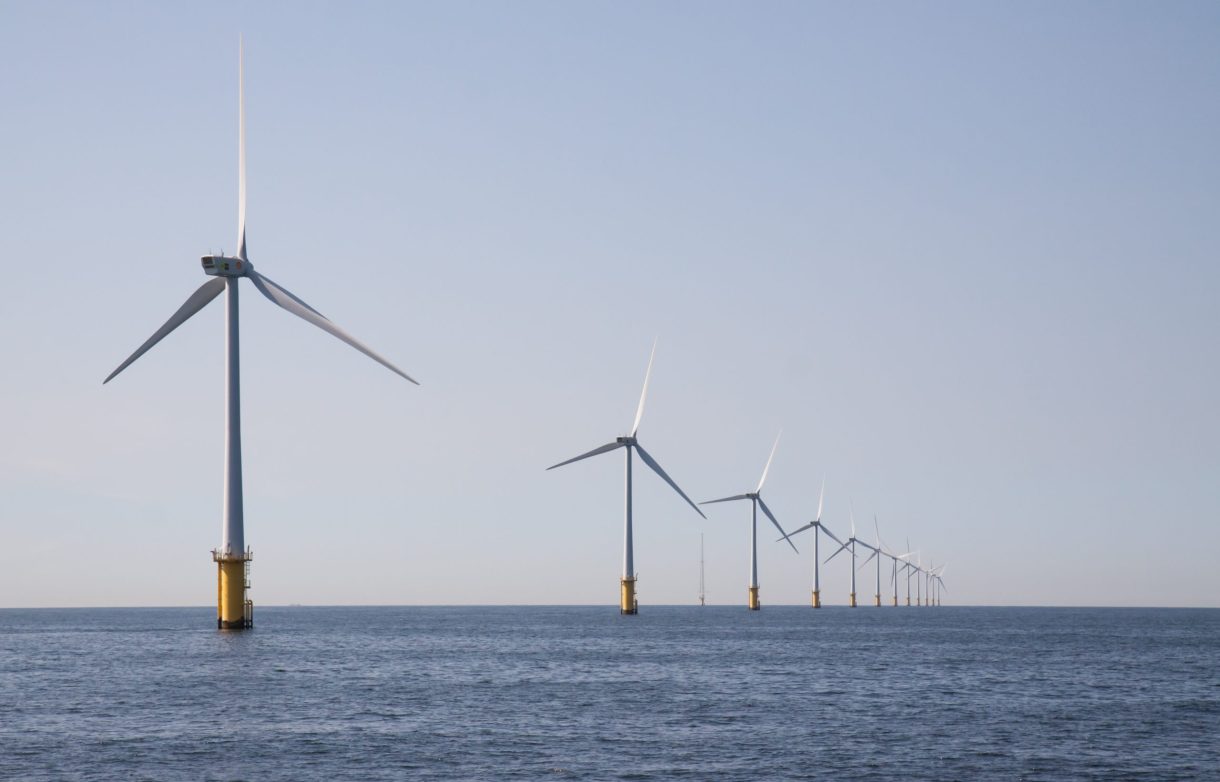
In addition to contributing to the energy transition, offshore wind power plants have a positive impact on marine life. A new study, conducted by researchers from Murdoch University in Australia and Dalian Ocean University in China, shows that offshore wind farms enhance marine ecosystems and contribute to greater diversity in aquatic food chains.

The massive steel towers of offshore wind turbines are new solid and rough surfaces on an otherwise sandy seabed and they function as artificial reefs. Together with submarine cables, they enable the formation of habitats for sessile organisms.

Sessile organisms, such as sponges, corals, sea anemones and shellfish, are permanently attached to a surface and cannot move independently. They feed by filtering particles from the water or by waiting for prey to pass by.

“These organisms act as critical food sources and habitat for other species, and this has flow-on effects for overall ecosystem diversity and health,” explained James Tweedley, one of the researchers.

Scientists from Murdoch University and Dalian Ocean University compared data collected in 2023 and 2024 at the Zhuanghe offshore wind farm in the northern Yellow Sea in China with data from a control area without wind turbines, located about six kilometers to the east.

Built between 2019 and 2021, it is the largest wind farm off the coast of northeastern China, at 1.35 GW. The researchers used the Ecopath with Ecosim software, into which they input biological and environmental data.

The results showed a greater number of functional groups and increased complexity of the marine food web in the wind farm area, particularly among macroinvertebrates and fish.

Fish in wind farm area are up to three times larger

According to the study, published in the journal Global Ecology and Conservation, more than 50% of the total biomass around wind turbine foundations consists of sessile organisms, such as blue mussels (Mytilus edulis) and other filter-feeding invertebrates.

“These benthic-dominated ecosystems are critical for nutrient cycling, diversifying food webs and even storing carbon,” said Neil Loneragan, one of Western Australia’s leading experts on fish and marine biology. According to him, these findings provide a foundation for understanding how offshore wind farms interact with ecosystem energy dynamics and fisheries resources in coastal waters.

Most fish groups exhibited significantly higher biomass in the wind farm area, particularly species that live and feed closer to the seabed. This finding is consistent with the results of other studies suggesting that offshore wind farms act as fish aggregation devices, the paper notes.

Estimates showed that the fish Hexagrammos otakii was up to twice as large in the wind farm area than outside it, while Sebastes schlegelii was more than three times larger, as was the predatory Asian rapa whelk.

While acknowledging the risks associated with exploration and construction, including habitat destruction and disturbance to birds, marine mammals, and fish, the authors pointed out that seabed disturbance can increase food availability as well.

by in News

Offshore wind turbines create conditions for richer marine ecosystems

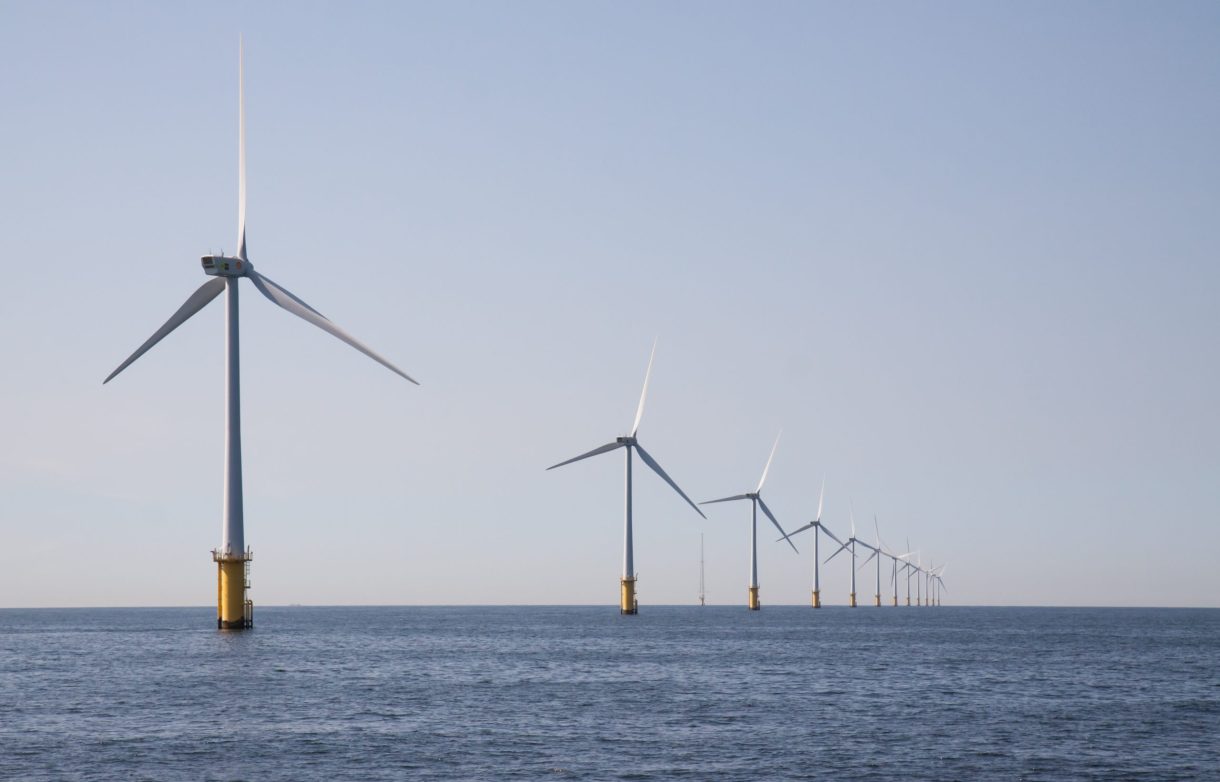
In addition to contributing to the energy transition, offshore wind power plants have a positive impact on marine life. A new study, conducted by researchers from Murdoch University in Australia and Dalian Ocean University in China, shows that offshore wind farms enhance marine ecosystems and contribute to greater diversity in aquatic food chains.

The massive steel towers of offshore wind turbines are new solid and rough surfaces on an otherwise sandy seabed and they function as artificial reefs. Together with submarine cables, they enable the formation of habitats for sessile organisms.

Sessile organisms, such as sponges, corals, sea anemones and shellfish, are permanently attached to a surface and cannot move independently. They feed by filtering particles from the water or by waiting for prey to pass by.

“These organisms act as critical food sources and habitat for other species, and this has flow-on effects for overall ecosystem diversity and health,” explained James Tweedley, one of the researchers.

Scientists from Murdoch University and Dalian Ocean University compared data collected in 2023 and 2024 at the Zhuanghe offshore wind farm in the northern Yellow Sea in China with data from a control area without wind turbines, located about six kilometers to the east.

Built between 2019 and 2021, it is the largest wind farm off the coast of northeastern China, at 1.35 GW. The researchers used the Ecopath with Ecosim software, into which they input biological and environmental data.

The results showed a greater number of functional groups and increased complexity of the marine food web in the wind farm area, particularly among macroinvertebrates and fish.

Fish in wind farm area are up to three times larger

According to the study, published in the journal Global Ecology and Conservation, more than 50% of the total biomass around wind turbine foundations consists of sessile organisms, such as blue mussels (Mytilus edulis) and other filter-feeding invertebrates.

“These benthic-dominated ecosystems are critical for nutrient cycling, diversifying food webs and even storing carbon,” said Neil Loneragan, one of Western Australia’s leading experts on fish and marine biology. According to him, these findings provide a foundation for understanding how offshore wind farms interact with ecosystem energy dynamics and fisheries resources in coastal waters.

Most fish groups exhibited significantly higher biomass in the wind farm area, particularly species that live and feed closer to the seabed. This finding is consistent with the results of other studies suggesting that offshore wind farms act as fish aggregation devices, the paper notes.

Estimates showed that the fish Hexagrammos otakii was up to twice as large in the wind farm area than outside it, while Sebastes schlegelii was more than three times larger, as was the predatory Asian rapa whelk.

While acknowledging the risks associated with exploration and construction, including habitat destruction and disturbance to birds, marine mammals, and fish, the authors pointed out that seabed disturbance can increase food availability as well.

by in News

Wind installations in Greece remain low this year as new applications drop

WindEurope expects Greece to add 300 MW of wind capacity in 2025, after installing 152 MW during the first half of the year.

This is an improvement on the mere 108 MW added in 2024, but still far below previous years. For example, in 2023, the country added 544 MW of new wind farms.

According to the European wind industry association’s latest report, Greece is expected to install more wind farms from now on, with 490 MW in 2026 and 350-450 MW each year until 2030.

Cumulative installed capacity currently stands at 5,506 MW

Cumulative installed capacity currently stands at 5,506 MW and is projected to reach 7,480 MW by the end of this decade. This is not enough to meet the National Energy and Climate Plan’s (NECP) goal, which calls for 8,900 MW.

At the same time, WindEurope expects zero offshore installations, as efforts to develop this sector have been delayed despite a national goal of 1.9 GW by the beginning of the next decade.

The report also highlights that applications for new wind farms dropped 65% this year, from 618 MW to just 214 MW.

Support measures still absent

The Greek government has identified wind energy development as a priority from now on. Currently, the energy mix is dominated by photovoltaics, leading to high curtailments and an anomalous production curve.

The idea is to promote wind investments through regulatory changes, such as a higher priority in the connection queue. Furthermore, Greece must fully apply the European directive for a simpler licensing process. The European Commission recently announced that Greece would face referral to the European Court if it delays any further.

Recently, there have been cases of companies leaving the Greek market, which has raised concerns regarding investment profitability.

Therefore, there is much to be done for the sector in the coming months and years to reverse the course and increase installations.

by in News

New systems protecting birds from wind turbine collisions

Wind power technology is often criticized because birds collide with turbine blades. As the number of wind farms in Southeast Europe grows, bird protection is increasingly important. A solution exists. Croatian environmental consultancy Oikon has become the regional representative for three systems that detect the presence of birds and temporarily halt wind turbines to prevent collisions and reduce the impact on biodiversity.

Wind farms produce clean energy and contribute to the fight against climate change. On the other hand, wind turbines can often harm biodiversity. Birds’ vision has evolved toward finding food and detecting predators—but not for avoiding tall turbine towers with fast-spinning blades. To help prevent bird collisions, so-called shutdown on demand (SDOD) solutions stop turbines when necessary.

SDOD refers to the temporary shutdown of turbines when individuals from protected or sensitive bird species are detected entering a high-risk collision zone.

Oikon is the regional representative for three bird detection and turbine control systems

Bird protection is increasingly important amid the wind energy expansion in Southeast Europe. Croatian environmental consultancy Oikon Ltd. – Institute of Applied Ecology announced that it has become the regional representative for three internationally recognized systems for bird detection and turbine control technologies.

SDOD is rapidly becoming a standard requirement for wind projects operating near sensitive bird habitats, Oikon’s CEO Dalibor Hatić says. “These technologies are already being requested by permitting authorities. We’re helping developers access proven and reliable systems to fulfil those obligations,” he asserted.

One of the systems that Oikon provides to its clients is IdentiFlight from the United States. It is three-dimensional, with artificial intelligence and high-speed cameras to identify birds in real time. Installed on separate towers, it gives optimal coverage of protected areas.

Photo: Identiflight (Ryan Luttrell / Oikon)

Max, developed by Dutch company Robin Radar Systems, uses a 3D radar specifically designed for bird monitoring. It enables the tracking of birds and bats over long distances, both day and night. The technology can simultaneously monitor and log thousands of flights with high precision.

Photo: Dutch company Robin Radar Systems named its solution Max (Oikon)

AVES Wind, the third system in the portfolio, was developed by German company ProTecBird. The device is installed on the turbine itself. It combines pan-tilt-zoom cameras, real-time tracking software and AI to detect and identify bird species, calculate their 3D position, control turbine operations and generate documentation for regulatory compliance.

Photo: AVES Wind system, developed by German company ProTecBird (Oikon)

SDOD reduces bird mortality and energy production losses

Unlike long turbine curtailments or seasonal restrictions, SDOD is activated only when needed – when birds enter a risk zone. The approach reduces both bird mortality and energy production losses.

“Oikon’s role is to make these internationally proven technologies available in Southeast Europe and ensure their integration aligns with local ecological, technical, and regulatory conditions. The company supports developers in meeting the requirements set by the European Union and national nature protection laws, including mitigation measures often mandated by environmental authorities,” the company said.

It pointed out all SDOD systems can be used for research purposes and that they utilize high-quality military-grade resilient components and technology, ensuring their functionality regardless of weather conditions.

by in News

With 152 MW of wind power installed in H1 2025, Greece continues low trajectory

Just 152.2 MW of wind farms were installed in Greece in the first half of 2025, thus continuing the low trajectory of recent years.

According to the Hellenic Wind Energy Association (HWEA or ELETAEN), total wind capacity in the country reached 5,507 MW at the end of June. In the first six months of the year, 37 new wind turbines were installed in Greece, with a capacity of 152.2 MW, representing a total investment of EUR 180 million.

New capacity doubled compared to the same period of 2024, but is not enough to support a more balanced renewable mix, HWEA said. In comparison, photovoltaics consistently add similar capacity in just one month on average.

The association also mentioned that currently there is 1 GW of wind projects under construction, or contracted. The majority are expected to launch operations within the next 18 months. There is another 300 MW selected through auctions for which letters of guarantee were submitted, and it is expected to reach completion. As a result, total capacity is projected to reach 6.5 GW within the period.

HWEA: Red tape is delaying 846 MW of wind projects

HWEA stressed that due to red tape, the construction of over half of the wind power capacity awarded at renewable energy auctions in the period 2018-2022 has been delayed. Namely, 1.592 MW was selected, but just 746 MW is operational today.

“If they had been completed on time, these wind projects, with a total capacity of 846 MW, would have provided more cheap energy and permanent relief to Greek consumers and the national economy,” HWEA pointed out.

Terna Energy and Vestas lead the pack

When it comes to wind energy’s geographical dispersion, Central Greece (Sterea Ellada) leads with 2.427 MW, followed by 709 MW in the Peloponnese and 535 MW in Eastern Thrace.

The top 5 market players are Terna Energy (1,034 MW – 18.8%), owned by Masdar, Motor Oil Hellas’s subsidiary MORE (774 MW – 14.1%), Iberdrola Rokas (409 MW – 7.4%), Principia (368 MW – 6.7%) and PPC Renewables (308 MW – 5.6%), which operates within state-controlled Public Power Corp. or PPC).

The most prominent wind turbine suppliers are Vestas, with 45.1% of the market, followed by Enercon, with 25.7%, and Siemens Gamesa, with 16.4%. They are trailed by Nordex, with 7.6%, GE Renewable Energy (now GE Vernova), with 3.7%, and EWT, Goldwind and Leitwind.

by in News

Global Wind Day 2025: Wind energy creates new jobs

Global Wind Day, celebrated every year on June 15, was first marked in 2007 as a joint initiative of WindEurope and the Global Wind Energy Council (GWEC). The European Union will need more than 200,000 trained workers in the wind energy sector in the future, which is why this year’s focus of Global Wind Day is on the people who work in the industry.

Global Wind Day aims to raise awareness of the importance of wind as a renewable energy source and its role in reshaping energy systems, decarbonizing the economy, and tackling climate change. The event is celebrated through various activities around the world, organized by international organizations, national associations, and companies operating in the wind energy sector.

Wind energy is now one of the most affordable forms of power generation in large parts of the world. In 2023, global wind energy capacity exceeded one terawatt. Last year alone, a record-breaking 127 gigawatts were added. According to the Global Wind Report published by GWEC, the countries with the most newly installed capacity last year were China, the United States, Brazil, India, and Germany.

The use of wind energy dates back to ancient Egypt. The first modern wind turbines were installed around four decades ago, standing 120 metres tall and placed on land. Today, the tallest wind turbine is fixed to the seabed and is 260 metres tall. Innovations in turbine technology have advanced to the point where we now have floating wind turbines, and soon, offshore wind catchers may become a reality.

Wind industry employs 370,000 people in Europe

This year, Global Wind Day shines a light on the people working in the wind industry. Around the world, children and adults alike are exploring how wind energy works, its potential to change the world, and the job opportunities it offers.

Today, wind farms produce around 20% of Europe’s electricity. The EU aims to increase this to 35% by 2030 and over 50% by 2050.

Currently, the wind industry in Europe employs 370,000 people – a number that could reach 600,000 by 2050. However, a major challenge lies ahead: Europe will need to train more than 200,000 workers to meet the growing demand in this field.

Share your experience in wind industry on Instagram and TikTok

Last year, the #WorkingInWind campaign was launched to raise awareness about the wide range of jobs available in the wind sector. This year, the goal is to inspire younger generations to pursue careers in wind energy.

An impressive 91% of Gen Z use Instagram, and 86% are on TikTok. Many turn to these platforms not only for news but also for inspiration and discovery.

WindEurope and GWEC have invited all current professionals in the wind industry to join the campaign by sharing stories about their career paths – how they got started, what they do, why their work matters, and what a typical day on the job looks like.

According to the campaign guidelines, the story should be shared on the mentioned social media platforms in the form of a photo with text or a short video, using the hashtags #GlobalWindDay and #WorkingInWind.

by in News

Interenergo launches its first wind farm in Bosnia and Herzegovina

The Ivan Sedlo wind farm, located on the mountain of the same name in the municipality of Hadžići, is the first power-generating wind facility in Sarajevo Canton. The project was developed by Slovenian company Interenergo, owned by Austria-based energy group Kelag. It is it’s first wind power plant in Bosnia and Herzegovina.

With a total installed capacity of 25 MW, the wind farm is equipped with five Siemens Gamesa 5.0 turbines. According to the company’s update, the wind farm will generate enough green electricity to power approximately 11,000 households in Bosnia and Herzegovina and prevent over 32,000 tons of CO2 emissions annually.

The construction of the Ivan Sedlo wind farm began in late September 2022, following more than six years of preparation. Interenergo acquired the project from the previous investor, Suzlon Energy BH, a company owned by Danish firm Suzlon Wind Energy.

“We’re proud to launch our first wind project in Bosnia and Herzegovina. Despite challenging site conditions, the project was delivered without major delays or compromises in quality. This achievement reflects the strong cooperation we’ve built with the Municipality of Hadžići and the surrounding communities, whose support was vital throughout the development process”, stated David Huber, Director of Interenergo.

According to him, the wind farm is expected to generate over 65 GWh annually, marking a significant milestone in the development of clean energy for Hadžići, Bosnia and Herzegovina, and the wider Balkan region.

Photo: Interenergo

“The importance of the investment for the local community is diverse — from a cleaner environment and new jobs to additional funds for the Municipality of Hadžići’s budget. I believe this is just the beginning, as we have a clear goal: the development of environmentally sustainable, long-term profitable, and socially responsible energy solutions. We also have the potential and the will to continue in that direction,” said Eldar Čomor, Mayor of Hadžići.

Nihad Uk, the prime minister of Sarajevo Canton, emphasized at the inauguration that projects like this are becoming increasingly important because, as he said, it’s not a question of years, but months before the European Union introduces so-called carbon taxes.

Interenergo has been active in the Bosnia and Herzegovina market since 2007.  Today, in addition to the wind park, the company operates eight hydropower plants with a total capacity of 43 MW and an average annual production of over 125 GWh — enough to supply more than 31,000 households and avoid 61,500 tons of CO2 emissions each year.

By 2032, Interenergo plans to develop new renewable energy projects across the region, aiming to add more than 300 MW of new capacity.

by in News

Citizens, activists in Bulgaria oppose wind farm project that would destroy forest

In the municipality of Avren in Bulgaria, citizens and activists will gather on May 18 to express their opposition to a plan to build a wind farm with 29 turbines, which implies the clearing of 30 hectares of forest.

The eastern Bulgarian municipality of Avren is home to valuable forest ecosystems and it lies along one of the most important bird migration routes in Europe – the Via Pontica. A local forest protection initiative, which is organizing a protest on May 18 against a wind farm project, said the decision to change the forest land designation was made without public consultation or an environmental impact assessment, arguing it was against the law.

The said natural resources are of both national and international importance for biodiversity conservation and maintaining the ecological balance of the Black Sea region, protest organizers claim. Although the wind farm project may appear green at first glance, the construction of 29 turbines would require cutting down 30 hectares of forest, they warned. Moreover, the project is located near protected areas within the Natura 2000 network and intersects a key migratory route for birds.

Nearly 9,000 citizens have signed a petition calling for a moratorium on projects affecting forests

Almost 9,000 citizens have signed a petition demanding a moratorium on all projects affecting forests in the area until a comprehensive assessment of cumulative environmental impacts is conducted. They are calling for the suspension of the procedure to amend the general urban development plan and for halting the project, which they deem illegal and harmful to both nature and people.

They are demanding a full and independent environmental impact assessment, including a compatibility evaluation with Natura 2000, the organization of a transparent public debate involving the local community, scientists, and environmentalists, as well as to consider alternative locations outside of sensitive ecological zones.

On the other hand, the company developing the project claims the turbines would be equipped with thermal cameras and sensors to detect approaching birds, and that the wind turbines would automatically shut down if necessary. It added that the minimum distance from residential areas would be between 850 and 1,200 meters, in line with regulations.

The local authority supports the wind farm project. Mayor Emanuel Manolov said about fifty jobs would be created and that the local budget would receive between EUR 1 million and EUR 1.5 million annually.

A protest was also held in Kyustendil against wind and solar projects in nearby mountain areas

Citizens of the Kyustendil municipality have also voiced their opposition to wind turbines. On April 30, a protest was held in Kyustendil against the construction of a wind farm on Osogovo mountain and the expansion of a solar power plant on the Konjavska mountain. The municipal leadership and assembly have supported the citizens’ demands.

Bulgarian citizens have been fighting wind turbines for over a decade

Since 2012, no new wind farms have been put into operation in Bulgaria, mainly due to administrative barriers and legal uncertainty. Late last year, citizens from four districts – Dobrich, Silistra, Shumen, and Varna – protested in Varna, demanding a referendum on the construction of solar and wind power plants on agricultural land.

Earlier, the municipal assembly of Dobrichka (also known as Dobrich-selska – Dobrich rural) voted to ban the conversion of agricultural land into construction land for wind farms. A similar decision was made by the local parliament in General Toshevo. German company wpd plans to install wind turbines in both municipalities.

In 2023, authorities in Vetrino blocked CWP’s massive wind energy project. That same year, a draft law on offshore wind power in Bulgaria sparked opposition from fishermen, the tourism industry, nongovernmental organizations, and local authorities in the coastal city of Varna and its surroundings. It contributed to the fall of the government at the time, and the legislative process didn’t get far.

Citizens in other countries covered by Balkan Green Energy News are also resisting wind power projects. Last year, residents of several villages near Livno in Bosnia and Herzegovina managed to halt the planned construction of the Orlovača wind farm. Around the same time in Serbia, the Ministry of Environmental Protection issued nature protection conditions that prevented the construction of the Čestobrodica wind farm.

by in News

The progress of wind energy

Wind technology has made major progression from the prototypes of just 25 years ago.

Wind energy has come of age, and now constitutes a mainstream power technology that is largely underexploited.


Two decades of technological progress have resulted in today’s wind turbines acting much more like conventional power stations, in addition to being modular and rapid to install.

At a given site, a single modern wind turbine annually produces 180 times more electricity and at less than half the cost per kWh than its equivalent twenty years ago.

The wind power sector includes some of the world’s largest energy companies.

Effective regulatory and policy frameworks have been developed and implemented in many countries, and Europe is the world leader in wind energy.

Whilst progress to date has been proven, it is the tip of the iceberg in terms of the true deployment potential of wind power.

Europe leads the world in developing wind energy as a pollution-free fuel for electricity generation. Over the past decade wind power has proved the most successful of all the new renewable sources.

  • In 1994 there was 1,683 MW of wind energy installed across the EU. By the end of 2005 the fi gure had increased 24 times to 40,504 MW
  • The average annual growth rate in cumulative installation over the past decade (1995-2005) was 32%
  • European companies are world leaders in the manufacturing of wind turbines and their components
  • Seven of the top ten turbine manufacturing companies are based in Europe. In 2004 they accounted for 82% of the global market for wind turbines.

Europe has installed 40,504 MW of wind energy by the end of 2005.


Between 2000 and 2030 total electricity consumption is expected to increase an expected 52% under a business-as-usual scenario.

The percentage contribution wind can make to European power supply is to a large degree infl uenced by the overall electricity consumption. This can be demonstrated by looking at the 965 TWh from wind power generated in 2030. In that year this will provide 22% of future European electricity needs, and is equal to 32% of present European electricity consumption.

The 300 GW would be half on shore and half offshore.