by in News

Climate won’t suffer if Romanian coal power plants keep running – energy minister

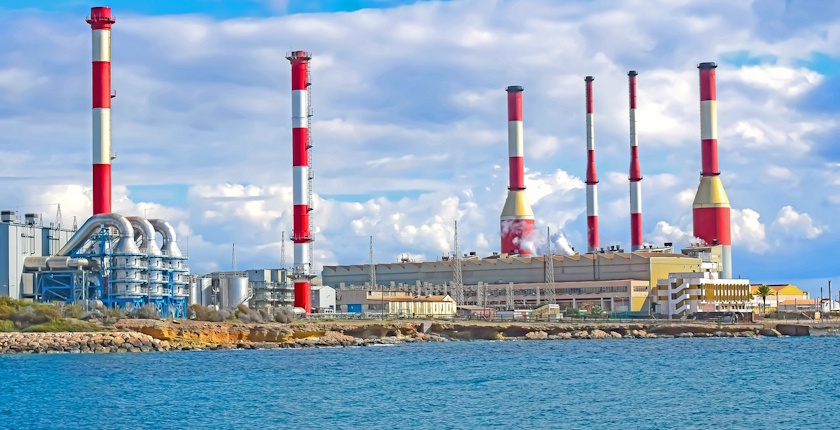
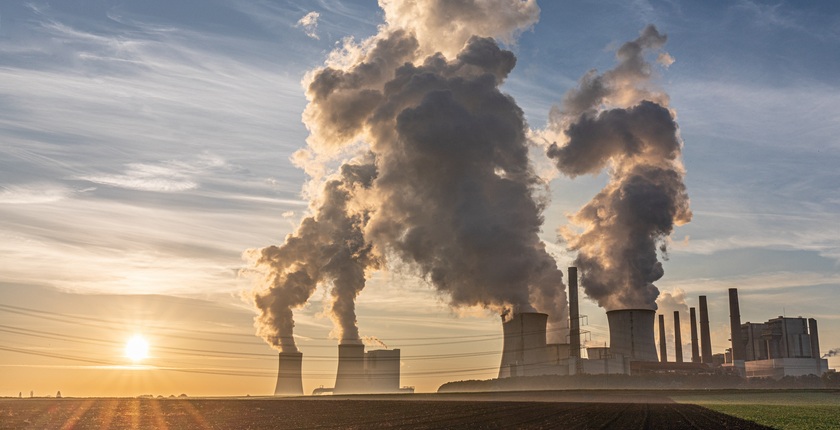
The Romanian government is in talks on postponing the coal power plant closures envisaged under the National Recovery and Resilience Plan (NRRP), according to Energy Minister Bogdan Ivan. The current deadline for decommissioning these plants is the end of 2025, but Romania is hoping to push it back to 2030.

Ivan noted that Romania’s gas and coal power generation has dropped by 56% over the past decade, with around 7,000 MW of capacity closed and only 1,200 MW replaced.

“Now I am convinced that the world’s climate will not suffer so much if Romania continues to keep its coal-fired power plants in the Jiu Valley,” the minister said, according to Profit.ro.

Ivan: Keeping the Jiu Valley coal power plants operational will not hurt the global climate

He also stressed that Romania has pursued the most aggressive decarbonization policy in the European Union, choosing 2025 as a deadline to eliminate coal-fired electricity generation, compared to Poland or Germany, which intend to use coal until 2040–2050.

Ivan explained that wind and solar capacity in Romania has been growing, but that the country needs more battery storage to better utilize its output.

Romania needs more battery storage for the growing wind and solar capacities

Romania’s former energy minister, Sebastian Burduja, said earlier this year that the country intended to extend the operation of coal-fired power plants because there was no other option to ensure energy security and replace existing capacities.

He said in January that the operating period of coal-fired power plants was expected to be extended by three years.

According to earlier reports, Romania intends to stop coal mining by 2032 at the latest, while replacing conventional power plants in the meantime. Romania’s largest producer of coal-based electricity is state-owned power utility CE Oltenia, based in Târgu Jiu. It is also the country’s third-largest producer of electricity.
by in News

Grants for public institutions’ solar projects in Romania top EUR 500 million

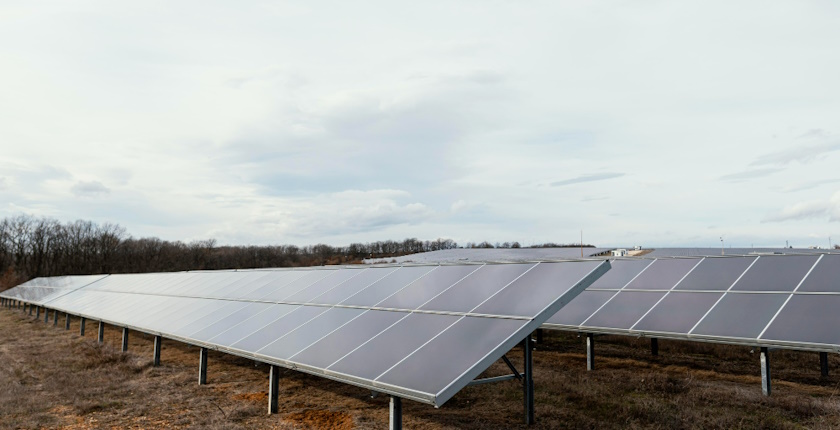
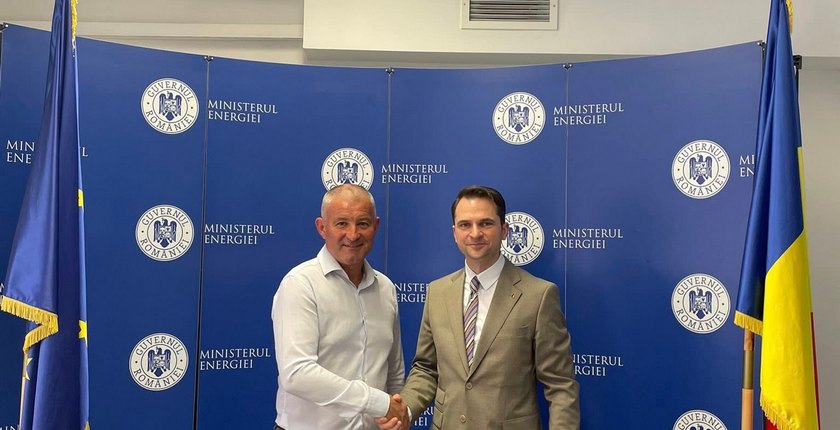
The Romanian Ministry of Energy has signed 29 more grants to public entities for investments in solar power plants for self-consumption, bringing the total number of projects under the program to 1,046. The latest round of grants is worth EUR 11.3 million, putting the total sum approved so far at EUR 502 million.

The 29 grants, financed from the European Union’s Modernisation Fund, will help build solar power plants with a total installed capacity of 9.13 MW at schools, hospitals, city halls, and other institutions across Romania. It brings the total installed capacity supported under the program to over 403 MW, according to a press release from the Ministry of Energy.

The latest batch of projects puts the total planned capacity at over 403 MW

In many cases, installed renewable capacities cover up to 70% of the energy needs of public institutions, the ministry noted.

Romania’s outgoing Minister of Energy Sebastian Burduja hailed the program as a “paradigm shift,” noting that Romania was already in a new energy era, with local communities no longer just consumers, but active participants.

“Over the past two years, the Ministry of Energy has consistently provided support to local public authorities that understood the importance of investing in energy production for their own consumption. We have made funds available, simplified procedures, and worked side by side with beneficiaries so that the projects move forward quickly,” Burduja stated in a Facebook post.

The latest round of contracts covers public entities in 18 counties across the country: Arad, Argeș, Bacău, Brăila, Călărași, Constanța, Dâmbovița, Galați, Brașov, Gorj, Hunedoara, Maramureș, Mehedinți, Olt, Sibiu, Suceava, Teleorman, and Timiș.

The number of contracts has increased from 633 in March

In March, the ministry said it had signed 633 contracts, worth a combined EUR 339 million, of which EUR 294 million was from the Modernisation Fund. Total planned capacity at the time was 237.4 MW.

by in News

Romania to commission offshore wind study, targeting 3 GW by 2035

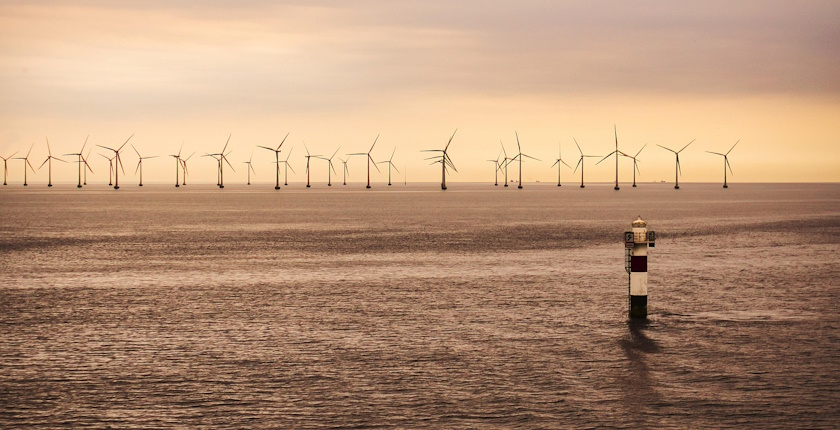
The Ministry of Energy of Romania launched a public call for expressions of interest for a study identifying areas in the Black Sea for concession agreements for offshore wind farms. It encouraged consortia of international and domestic firms and research institutions to apply.

Romania is gradually developing the legal framework for the start of the first offshore wind power projects in domestic waters in the Black Sea. Qualified companies and research institutions can express interest in conducting the necessary Specialized Study for the Delimitation of Offshore Areas that Can Be Concessioned for the Exploration, Construction, and Operation of Offshore Wind Power Plants, the Ministry 0f Energy said.

The country adopted the relevant law last year, followed by a roadmap.

“The study we are preparing will form the basis of strategic decisions on the concession of offshore perimeters and will provide investors with a clear vision, scientifically substantiated and in line with international best practices,” Minister of Energy Sebastian Burduja said. Interested entities can submit their expressions of interest by email by June 10.

Study to determine areas with offshore wind power potential of at least 800 MW each

The ministry said consortia of international and domestic firms are encouraged to apply. The World Bank estimated Romania’s wind power potential in the Black Sea at 76 GW.

The Energy Strategy 2025-2035 with a perspective until 2050 targets the first 3 GW by 2035, the announcement notes. Burduja said a year ago that the first facility could come online already in 2032.

Areas or perimeters will have a potential capacity of at least 800 MW each, according to the call. The study needs to establish the technical and strategic basis for the development of offshore wind farms in Romania’s Black Sea Exclusive Economic Zone.

Best practices, standardized methodology required

The task involves wind potential analysis, geotechnical and seabed studies, biodiversity and marine environment assessment and the connectivity to the national energy system. In the study, the selected contractor must include commercial navigation routes, fishing areas, existing submarine cables and pipelines, oil and gas exploration and production areas, military or national security zones and other
maritime uses and restrictions that may interfere with offshore wind development.

The work should be based on best practices and standardized methodology, the ministry pointed out. It said the offshore wind study implies collection and analysis of available metocean, geological, ecological, infrastructure and other data, use of GIS systems to overlay information layers (wind, depths, habitats and constraints), and modelling and calculations of estimated energy production.

by in News

US interested in pumped storage hydropower projects in Romania, Bulgaria

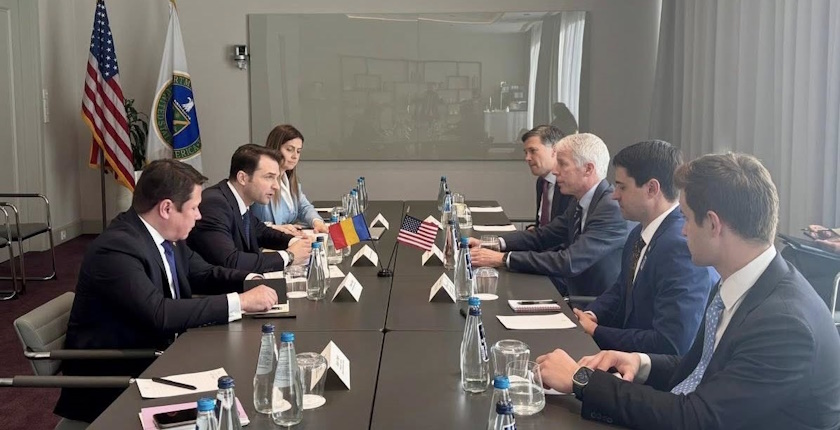
Minister of Energy of Romania Sebastian Burduja and Minister of Energy of Bulgaria Zhecho Stankov both met with United States Secretary of Energy Chris Wright and discussed bilateral cooperation in projects in their countries including for pumped storage hydropower plants and nuclear power plants. Burduja said studies would be conducted with American support for a string of pumped storage hydroelectric facilities throughout the Carpathians.

At the sidelines of the 2025 Three Seas Business Forum in Warsaw, Minister of Energy Sebastian Burduja held a meeting with US Secretary of Energy Chris Wright about ongoing strategic projects in which American companies are involved. He revealed that state-owned power utility Hidroelectrica has signed a memorandum with the National Renewable Energy Laboratory (NREL) of the United States on cooperation in pumped storage hydropower projects.

The initiative will put Romania “at the forefront of Europe” as it will store green energy throughout the Carpathian mountain range, according to Burduja. Prefeasibility and feasibility studies will be developed with American support, he added.

“In this era of energy transition, we need pragmatic and effective solutions that ensure secure, affordable, and clean energy – in that order of priorities. Romania and the United States share a vision for a common energy future, and our collaboration will significantly contribute to achieving this goal,” the minister stated.

Significant involvement of US companies in strategic energy projects in Romania

Burduja highlighted NuScale’s project for small modular reactors (SMRs) in Doicești and the contract signed with Fluor and Sargent and Lundy for units 3 and 4 at the Cernavodă nuclear power plant. Fluor is also participating in a project for a high-voltage direct current interconnector (HVDC), he pointed out.

The lack of interconnections is bolstering energy prices

The minister noted that American partners are involved in a project for mapping and utilizing geothermal sources for district heating in Bucharest, with support from the European Union’s Modernisation Fund. Namely, Electrocentrale Bucharest (ELCEN) has established cooperation with US-based SAGE Geosystems

Burduja recalled that American platform Transocean Barents is drilling for gas in the Neptun Deep project in the Black Sea.

The Romanian ministry said the two officials discussed the rise of energy prices, attributing it to the lack of interconnections and the challenge of closing coal-fired power plants without viable alternatives. They also touched upon the costs of carbon dioxide certificates and how they affect competitiveness, the announcement reads.

Stankov, Wright discuss possibility of building AI ‘gigafactories’

Bulgarian Minister of Energy Zhecho Stankov separately met with US Secretary of Energy Chris Wright. Bulgaria will be the first in Europe to deploy the American AP1000 technology, Stankov claimed.

The country is preparing to build two more units at the Kozloduy nuclear power plant, in a deal with Westinghouse Electric. State-owned Bulgarian Energy Holding is controlling the project.

The two officials discussed the possibility of building “artificial intelligence gigafactories” to complement the nuclear infrastructure and promote innovation and employment, the ministry said. In addition, Stankov and Wright spoke about projects for new pumped storage hydropower and the exploration of oil and natural gas in the Black Sea.

by in News

Romania’s plan to install 2.15 GW of gas power plants isn’t viable

Romania’s plans for new combined cycle gas turbines with a total capacity of 2.15 GW isn’t economically viable and, if constructed, the facilities should be decommissioned by 2035, according to ENTSO-E’s annual assessment of Europe’s security of electricity supply for the ten years ahead.

ENTSO-E’s European Resource Adequacy Assessment 2024 (ERAA 2024) provides an integrated pan-European perspective for the years 2026, 2028, 2030 and 2035.

The document includes comments on individual countries, specific insights provided by transmission system operators (TSOs).

According to the entry about Romania, low adequacy concerns have been identified in ERAA 2024. The findings rely on assumptions from the National Energy and Climate Plan (NECP), in place on the date of the data collection, as well as from investment plans, permits, connection requests, and available inputs from market participants.

NECP’s central reference scenario reflects the coal phase-out process and further plans for the replacement of the decommissioned capacity with, mainly, combined cycle gas turbine (CCGT) power plants, the document reads.

The results of the economic viability assessment show 2.15 GW of CCGT capacity would not be economically viable by the 2035 horizon

The commissioning of envisioned gas CCGTs is, however, highly uncertain, and national analyses reveal that the validity of the adequacy indicators depends on the implementation of generation goals, the update showed.

Uncertainties related to the commissioning date of the new capacities may have an adverse impact on Romania and, potentially, on the region, the document underlines.

Moreover, results of the economic viability assessment (EVA), part of ERAA 2024, demonstrate that the 2.15 GW of envisaged CCGT capacity would not be economically viable by the 2035 horizon and should be decommissioned in target year 2035.

Considering it is not existing capacity, but rather assumed commissioned in the 2026-2030 period, it is most likely the investments will not materialize at all and thus, the correspondent capacity should be excluded from the analysis for the earlier target years, too, not only 2035, with a negative effect on loss-of-load-expectation (LOLE) results, the authors warned.

Goal in NECP is 2.6 GW of CCGT power plants

According to Romania’s NECP, the goal is 2030 to construct at least 2.6 GW of natural gas–powered CCGTs and around 900 MW of natural-gas-fired combined heat and power (CHP) plants.

The CCGT facilities are Iernut (430 MW), Mintia (at least 860 MW, with a possibility of reaching 1.700 MW), and Ișalnița and Turceni, of 1,325 MW in total.

Investments aren’t going as planned. In January, Minister of Energy Sebastian Burduja acknowledged that the addition of gas-fired units expected in line with the restructuring plan for Complexul Energetic Oltenia – CE Oltenia has been delayed.

Burduja: Mintia to be operational next year

Tenders were launched, such as the one for Ișalnița, but not a single offer was submitted, he added. In Burduja’s words, it is one of the reasons why the operation of coal power plants should be extended.

State-owned CE Oltenia is the largest producer of coal power and the third-largest producer of electricity in the country. Its restructuring plan envisages lignite-based electricity production to be replaced with natural gas, in Işalniţa and Turceni, and renewables.

The Mintia project got the construction permit in January. In March, Burduja said it would be commissioned next year, according to Romania Insider.

by in News

Eurowind Energy completes its 60.2 MW solar park in Romania

Eurowind Energy’s 60.2 MW photovoltaic park in Transylvania will be put into operation in late April, Minister of Energy Sebastian Burduja said. The facility is joining the almost 600 MW in new capacity funded from the National Recovery and Resilience Plan. In addition, the ministry prepared a EUR 450 million package of grants for companies for energy efficiency and self-consumption.

After 14 years of doing business in Romania, Denmark-based European Energy is materializing its first major endeavors in the country. Minister of Energy Sebastian Burduja revealed that the company’s solar power plant in Teiuş would be commissioned by the end of the month.

The location is in the Transylvania region. Eurowind Energy received EUR 15 million from the government for the project. It costs EUR 47.2 million in total, or EUR 55 million with value-added tax. Construction began a year ago. The system in Alba county will generate an estimated 104 GWh per year.

Burduja said almost 600 MW of capacity has been commissioned within the projects that Romania funds through the National Recovery and Resilience (NRRP or, in Romanian, PNRR).

Eurowind Energy has major renewables projects lined up in Romania, Bulgaria

Eurowind Energy, based in Hobro, Denmark, is one of the biggest wind and solar power developers in Romania.

The Danish company recently signed a 12-year virtual power purchase agreement (PPA) with Autoliv in Romania, for the supply of electricity from the Pecineaga wind park. Eurowind Energy is preparing to put the facility into operation.

It is also building a 238 MW solar power plant in Yambol in neighboring Bulgaria, with Renalfa IPP. They plan to add wind turbines and batteries.

EUR 450 million available for firms for energy efficiency, self-consumption

At the same event, Burduja said the ministry is launching two calls worth EUR 450 million combined. They are intended for support to the energy-intensive industry.

The package for is for companies. It consists of EUR 150 million for energy efficiency – the replacement of outdated equipment – and more than EUR 300 million for the production of electricity for self-consumption.

The Ministry of Energy has set an extremely ambitious target of 2.5 GW of new capacity to be put into operation this year, Burduja stressed. It is two times more than in 2023. Active energy storage capacity is nearing 400 MWh, he added.

In the energy efficiency call, fims can receive as much as EUR 30 million each from the Modernisation Fund. The self-consumption segment is for the ones with available land and projects for photovoltaic parks or even wind farms and micro hydropower plants.

According to the International Renewable Energy Agency (IRENA), Romania increased its solar power capacity at the end of last year by 57% to 4.7 GW. Most of it is from prosumers. The wind power segment is picking up, but slowly, after a stagnation that began a decade ago.

by in News

Feasibility study complete for Romania’s East-West underground high-voltage line

A project for underground high-voltage power link East-West across Romania entered a new phase with the completion of the feasibility study. It would run alongside existing energy infrastructure.

A year and a half after Minister of Energy Sebastian Burduja declared the project for a high voltage direct current (HVDC) line across Romania “the number one priority,” the feasibility study is complete. Notably, he estimated at the time that it would be done within six months and that the interconnection had to be installed by 2029.

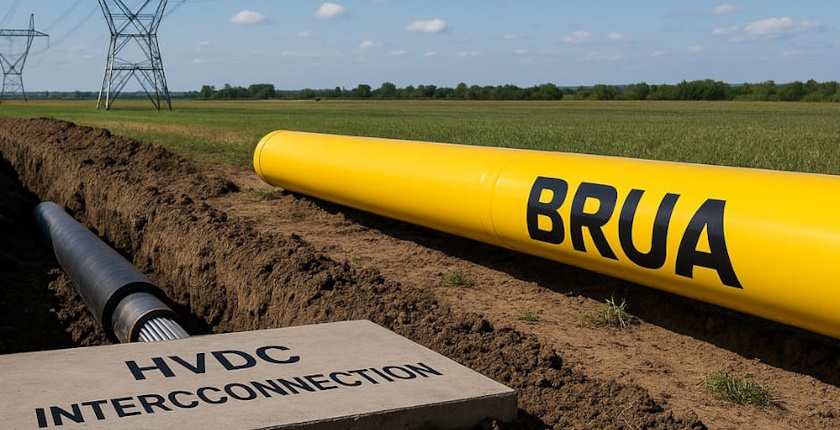
The East-West Interconnector (Est-Vest) project is entering the next phase. It is planned to run underground from the Black Sea coast to the border with Hungary. The endeavor includes utilizing existing infrastructure corridors such as the BRUA and Tuzla-Podișor gas pipelines.

It saves significant time on permits, lowers costs and reduces environmental impact, the ministry pointed out. The project partners are Romania’s transmission system operator Transelectrica, Abu Dhabi National Energy Co. (TAQA) from the United Arab Emirates, the French Meridiam and domestic company E-Infra.

Italian consultancy and engineering services provider CESI conducted the study. It launched the task in May last year.

Burduja: No time to waste in making Romania net exporter of electricity

Minister Sebastian Burduja said it is one of the most ambitious energy infrastructure projects in Central and Eastern Europe. The new study marks an essential stage in Romania’s transformation into a regional energy hub and a strategic actor in Europe’s energy security, he claimed.

“We have no time to waste. We will accelerate all the necessary steps for Romania to become a net exporter of clean energy and a pillar of stability in the region. Moreover, the project is vital for the modernization and balancing of Romania’s electricity transmission network and will ensure the evacuation of significant quantities of electricity that will be generated following the completion of Romania’s strategic investments in units 3 and 4 of the Cernavodă nuclear power plant, as well as in the offshore and onshore wind projects in the Dobruja area,” Burduja stated.

The East-West HVDC will be able to cary electricity from the Cernavodă nuclear power plant as well as from future wind projects in the east

Internationally, the project contributes to strengthening the integration of the regional and European energy market and increasing the security of supply to consumers in the southeastern part of Europe, according to the minister. It contributes to the possibilities for exporting electricity to neighboring countries, he noted.

The project is an integral part of the Green Corridor, which is supposed to connect Azerbaijan, Georgia, Romania and Hungary, as well as other countries in the region. The project includes the proposal for an HVDC cable that would run under the Black Sea.

Energy security comes first

The ministry’s objectives are a secure energy supply, at affordable prices, and for Romanians and the economy, and the energy to be green – all in the same order.

HVDC is currently the prevailing technology for long-distance power transmission. The East-West interconnector is supposed to pass through Bucharest.

The cable would allow the transmission of green energy produced in Romania – including from future offshore wind farms in the Black Sea – to domestic and consumers in other European Union member countries. It will also allow Romania to get green energy from Azerbaijan when there is a deficit in the national power system, the ministry added.