by in News

Zagreb to invest EUR 56 million in waste management, low-emission machinery

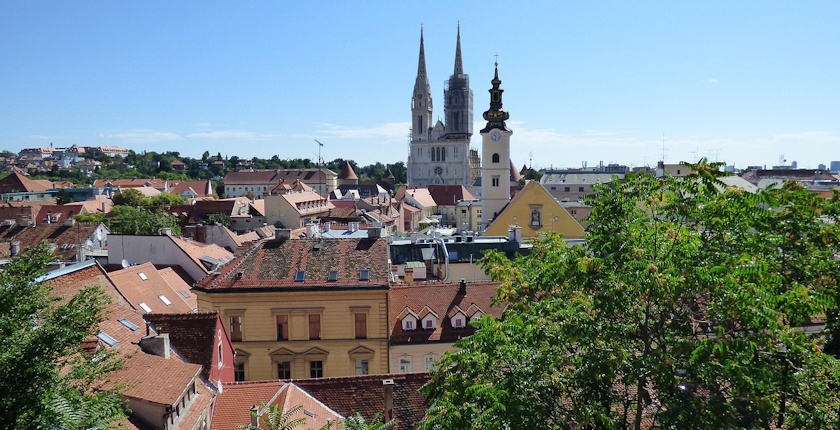
Croatia’s capital, Zagreb, intends to invest EUR 56 million in waste management, green areas, and low-emission machinery. It expects the investment to reduce the environmental footprint of its municipal utilities and their operating costs.

Zagreb Holding (ZGH), the umbrella firm for the city’s utility companies, has requested approval from the authorities for a long-term EUR 56 million green loan agreement.

The Zagreb city assembly will decide on the request on December 16.

The green loan agreement with the International Finance Corporation (IFC) would finance investments aimed at supporting the development of circular waste management by procuring lower-emission vehicles and machinery for separate waste collection, developing green spaces, and maintaining roads.

ZGH to introduce smart waste management technologies

The loan would also be used for primary waste separation infrastructure, bio-waste treatment facilities, as well as information and communication technologies for data-driven smart waste management operations, ZGH said.

The company intends to replace its existing outdated machinery by acquiring municipal vehicles, machines, and equipment, with the aim of increasing operational efficiency and the scope of services provided to citizens.

Additionally, this investment will have a significant environmental impact by reducing greenhouse gas emissions.

NOx and PM emissions will be reduced by up to 80%

According to an analysis by ZGH, the average age of more than 300 vehicles, machines, and pieces of equipment is 14 years, which significantly exceeds the average economic service life of vehicles and machines. More than 70% of the vehicles do not meet current environmental standards (EURO 6), which leads to negative impacts on the environment and rising maintenance costs.

Thanks to the investment in EURO 6 and Stage V compliant vehicles, emissions of nitrogen oxides (NOx) and PM particles would be reduced by up to 80%, the update reads.

ZGH plans to introduce digital systems to increase the operational efficiency of its vehicles and machinery, such as monitoring fuel consumption, technical condition, and mileage.

The loan proceeds will be allocated to the city’s public utilities.

The waste utility Čistoća will receive EUR 22.2 million, road utility Zagrebačke Ceste EUR 14.9 million, green areas utility Zrinjevac EUR 16.4 million, cemetery utility Gradska Groblja EUR 861,000, the ICT Sector EUR 1.5 million, and the customer relations sector EUR 120,000.
by in News

Kragujevac heating plant begins ash removal from disposal site in city center

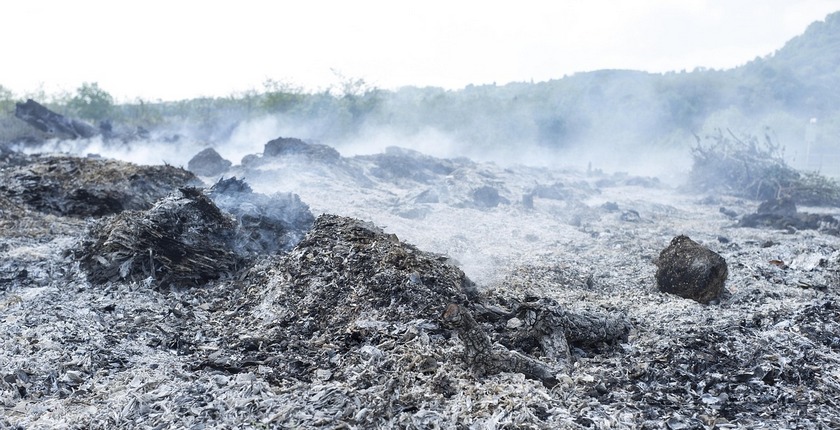
District heating plant Energetika has begun removing coal ash from an uncovered disposal site that has been polluting air and soil for years in the heart of Kragujevac, Serbia’s fourth-largest city. The effort is part of a project financed by an EUR 18 million loan from the European Bank for Reconstruction and Development (EBRD), to decarbonize the local district heating system.

The ash from Kragujevac is transported to cement plants in Kosjerić and Popovac to be used in the production of cement and construction materials, in line with circular economy principles, according to Serbian Minister of Environmental Protection Sara Pavkov.

On the first day, about 75 tons of ash was removed from the site, with plans to transport a total of 60,000 tons over 24 months.

The ash will be used in cement production in Kosjerić and Popovac

Ash removal is the second phase of the district heating decarbonization project in Kragujevac. In the first phase, old boilers were replaced with gas-fired units, significantly reducing air pollution, according to Dejan Ružić, deputy mayor of Kragujevac. This marked the end of coal use in the city’s district heating system.

The EBRD approved the loan for the project in 2021. Of the total amount, EUR 14 million was earmarked for boiler replacement, together with up to EUR 4 million for ash removal.

In the first phase, coal-fired boilers were replaced with gas-fired units

The bank said at the time that gas-fired boilers would have a capacity of 110 MW and that CO2 emissions from district heating would be cut by an estimated 66%, with sulfur dioxide and particulate matter (PM) emissions eliminated.

The Ministry of Environmental Protection has hired Novi Sad-based engineering and consultancy firm AG Institut to monitor the ash disposal services under a EUR 73.900 contract. The works are targeted for completion by July 15, 2027.

Aleksandar Lazović, general manager of the district heating plant, said the works would be carried out in line with the highest environmental standards, in a covered area, to prevent ash from dispersing into the environment.

District heating decarbonization in several Serbian cities

In June this year, Serbia and the EBRD signed a EUR 50 million loan to finance a series of air quality projects in Belgrade, Niš, Valjevo, Zaječar, Novi Pazar, and Smederevo, which had been mapped as cities with the largest excesses of harmful emissions.

The planned projects include replacing outdated boilers running on fuel oil, coal, and other air-polluting fuels with modern and sustainable heat energy sources, such as heat pumps, biomass, and industrial waste heat.