Croatia Confirms Fourth Geothermal Discovery Near Zaprešić, Marking 100% Exploration Success
Geothermal Reservoir Confirmed near Zaprešić; Croatian Hydrocarbon Agency (AZU) Reports Four-for-Four Exploration Success, geothermal, Croatia, district heating, energy independence, exploration
The Croatian Hydrocarbon Agency (AZU) has completed exploration activities at all four sites under the project Preparation and Exploration of Geothermal Potential in the Context of Centralized Heating, confirming substantial geothermal resources near Zaprešić. This site is the fourth positive discovery following successful exploration campaigns in Velika Gorica, Osijek and Vinkovci.
AZU President Marijan Krpan said the agency achieved a 100% success rate at the planned locations, delivering maximum project effectiveness and demonstrating full operational capability. He emphasized that the results validate the agency’s technical expertise and ability to execute complex subsurface exploration and resource assessment, and noted ambitions to export that expertise internationally.
Independent analysis has also pointed to strong national potential: a recent study by think tank Ember outlined significant geothermal prospects across Croatia.
Temperature and geology at Zaprešić
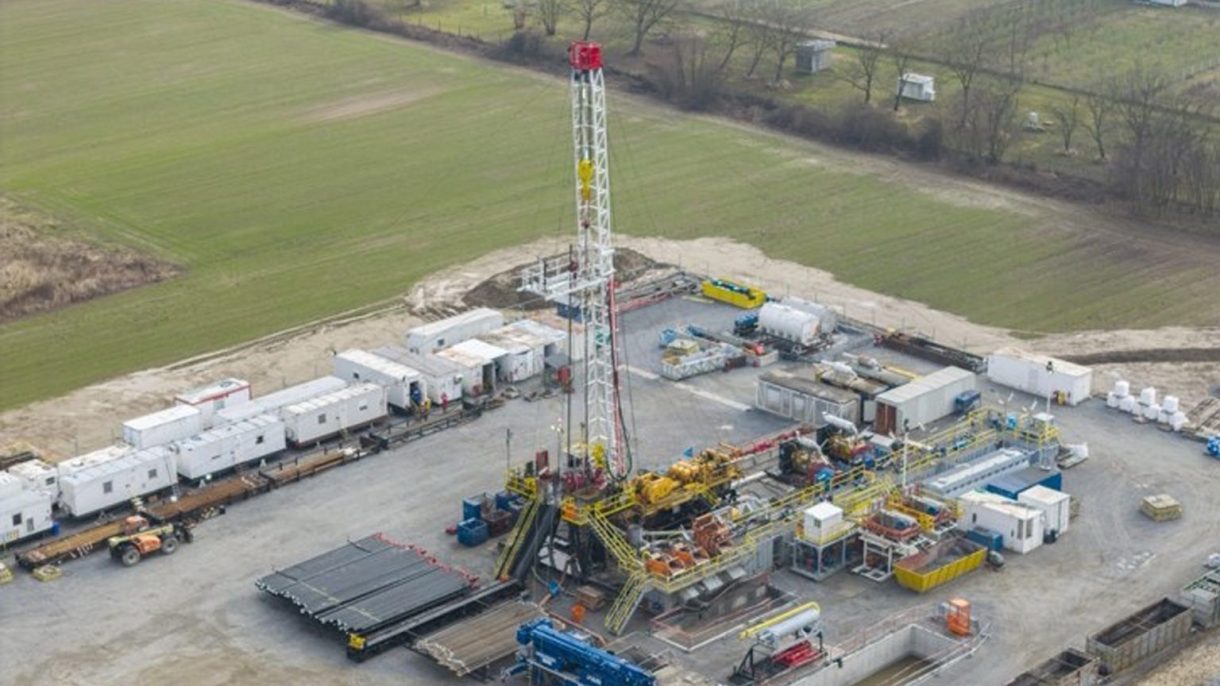
Exploration near Zaprešić — in Zagreb County — confirmed a geothermal reservoir primarily developed in dolomitic formations at depths exceeding 1,600 metres, with measured temperatures above 95 °C. The work in the area included two-dimensional seismic surveys, magnetotelluric measurements and the drilling and testing of an exploratory well; the site had been the least well-documented by prior geophysical and borehole data.
“Just two months ago we announced the start of works on a project of exceptional importance for our citizens and economy. I am pleased that today we can confirm positive results, creating the prerequisites for a step toward sustainable and long-term solutions for our community,” said Mayor Željko Turk.
Historic milestones for national heating capacity
AZU described the cumulative findings in the Pannonian region as historic for Croatia’s energy independence. In June, exploration near Velika Gorica recorded reservoir temperatures exceeding 100 °C; subsequent analyses indicated the source could supply nearly 60% of a local district-heating system’s demand. The investment in that site exceeded EUR 11 million.
In August, a site near Osijek also yielded temperatures above 100 °C with an estimated capacity close to 5 MW; that programme, valued at more than EUR 8 million, has been presented as an opportunity to support local agricultural and broader economic development.
Late last year, exploration in Vinkovci returned a record temperature of 131 °C at a depth of 2,700 metres, a result that AZU described as offering exceptional commercial potential for district heating and industrial applications.
Project funding and implementation
The exploration programme is financed under the National Recovery and Resilience Plan (NRRP), with a total allocation of EUR 50.8 million. Drilling and field operations were carried out by Crosco, a contractor within the INA Group.
Current state of geothermal power in Croatia
Despite the renewed momentum in exploration, Croatia presently has no active geothermal power plants. The Velika 1 facility in Velika 1 plant (Ciglena, near Bjelovar) has been out of operation for three years owing to an ownership dispute, underscoring a gap between resource discovery and commercial generation that authorities and investors will need to address to translate these exploration successes into operational capacity.