by in News

Novi Sad plans to build waste-to-energy cogeneration plant

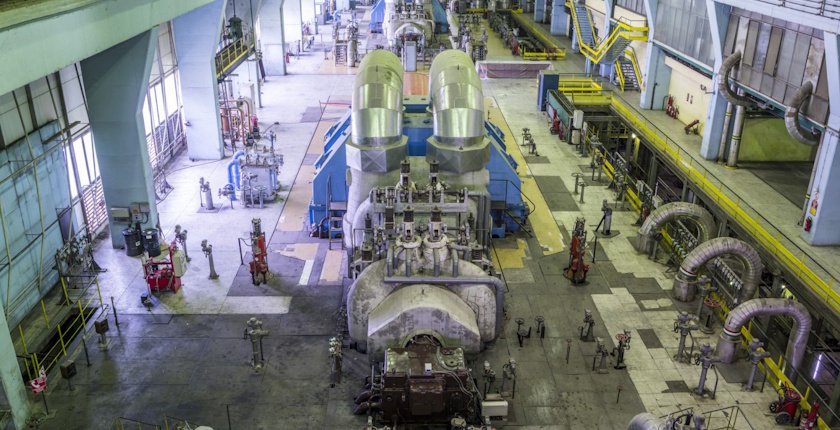
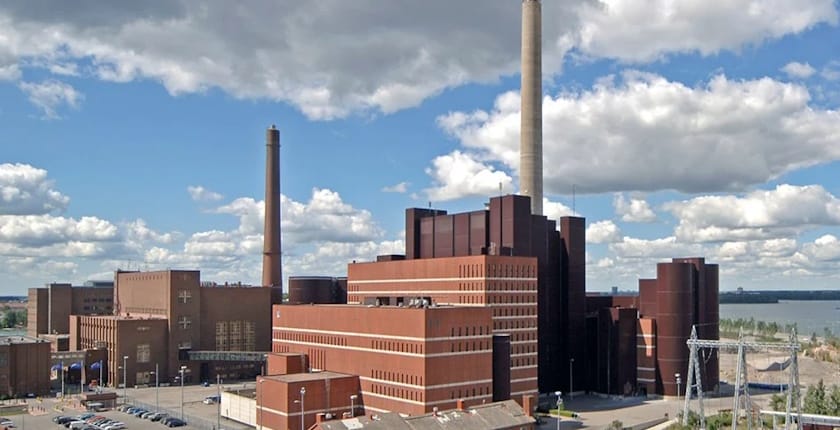
The City of Novi Sad plans to produce electricity and heat from solid municipal waste and has invited bids for a preliminary feasibility study for a cogeneration plant that would burn processed waste from a planned regional waste management center. Surplus energy could be stored within the future solar thermal system.

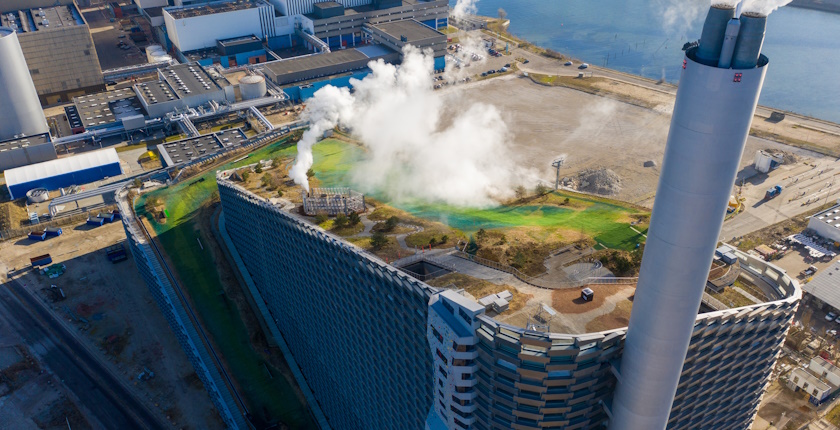
Serbia’s capital, Belgrade, already has a combined heat and power plant (CHP) that uses municipal waste. As such facilities exist all over Europe, Novi Sad’s district heating enterprise Novosadska toplana specified in the public call that the study must include an overview of relevant examples and best practices.

The document is to assess the feasibility of obtaining energy from waste processed into refuse-derived fuel (RDF) and solid recovered fuel (SRF). The fuel would be produced in a mechanical-biological treatment (MBT) plant for biodegradable waste within the future regional waste management center for Novi Sad and the municipalities of Bačka Palanka, Bački Petrovac, Beočin, Žabalj, Srbobran, Temerin, and Vrbas, according to the public call.

The bid submission deadline is December 15, and the study must be completed within 180 days of the contract signing. The job is valued at RSD 22 million.

The purpose of the study is to provide a preliminary assessment of the potential for and benefits of using available solid fuel from waste for high-efficiency cogeneration for the city’s needs, as well as the feasibility of building a CHP plant fueled by RDF and SRF, according to the public call.

The cogeneration plant could burn up to 40,000 tons of solid waste fuel per year

The MBT plant at the regional waste management center is expected to produce between 30,000 and 40,000 tons of solid fuel for cogeneration. The planned location of the plant, along with a fuel storage facility, is adjacent to the existing landfill in Novi Sad, according to the documentation.

The preliminary feasibility study should propose the optimal site for the cogeneration plant, taking into account the infrastructural capacity for connection to Novi Sad’s district heating system and the distance from the fuel storage facility.

The authorities suggest that the site should be in the vicinity of the TE-TO cogeneration plant in Novi Sad, Serbia’s second-largest city, due to its excellent connections to the power grid and the city’s district heating system. In addition, this site will host a planned solar thermal system, whose underground storage facility would be able to store excess energy from the waste-to-energy plant during the summer.

Surplus energy could be stored in the future solar thermal system

The project has secured an EUR 85 million loan from the European Bank for Reconstruction and Development (EBRD) and a grant of EUR 24.7 million from the Western Balkans Investment Fund (WBIF). The system will have a storage capacity of around 870,000 cubic meters, solar collectors with a total capacity of 31 MW, heat pumps with a capacity of 17 MW, and two electric boilers with a combined capacity of 60 MW, according to the EBRD website.

The bank said the launch of the public procurement is expected on November 26.

The proposed location for the cogeneration plant should also take into account Novi Sad’s newly-built heating plant, Majevica, which is expected to become operational by the end of the year.

The study should propose the optimal technology for solid fuel incineration, a preliminary design for the cogeneration plant, as well as systems for flue gas cleaning and ash management, according to the documentation.

Since the City of Novi Sad plans to apply for grants from international institutions and funds for the preparation of technical documentation and further project development, the public call states that the study should be carried out in line with the methodology of international financial institutions such as the World Bank, the German development bank KfW, and the EBRD, including a financial analysis and an assessment of CO₂ emission reductions.
by in News

Race against time to secure EU funding for waste-to-energy plants in Greece

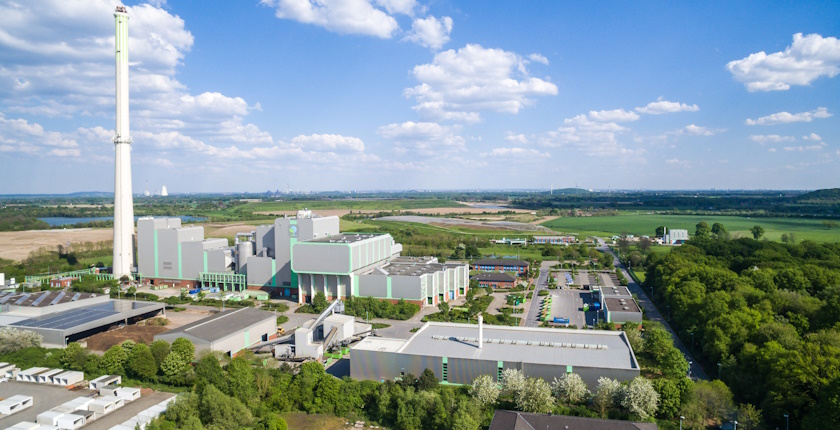
Hostile reactions from citizens and the opposition by municipal authorities threaten to derail Greece’s efforts to build six waste-to-energy plants. Moreover, time is running out to secure EUR 800 million in European funding.

The Ministry of Environment and Energy is expected to publish a call for waste-to-energy projects planned in Attica, Western Macedonia, Rodopi, Peloponnese, Boeotia (Viotia) and Crete. Total investment would amount to EUR 1 billion, for 1.19 million tons in capacity. However, time is running out to secure EUR 800 million in European funding set aside for them and the accompanying recycling plants.

Greece has been warned several times by the European Commission and fined for failing to fulfil its obligations in waste management. The country still relies mostly on landfills to handle municipal waste, instead of modern solutions. Ideally, useful materials should be sorted for recycling before the waste gets burned in incinerators to produce energy.

Two of the proposed units, the ones in Rodopi and Western Macedonia, are expected to provide district heating. The Ptolemaida 5 lignite-fired plant supplies district heating in the coal region of Western Macedonia in the country’s north, but it is scheduled to be decommissioned by 2028 at the latest.

Its owner, Public Power Corporation (PPC or DEI) aims to complete a waste-to-energy plant by then. Other prospective investors include GEK Terna, Metlen, Aktor and Motor Oil Hellas, all big players in the country’s energy market.

High fees and pollution worry municipalities

Many local authorities have expressed their objections to hosting these plants, fearing a rise in municipal fees and pollution. A discussion is underway in numerous municipal councils. They could lodge appeals to the Supreme Court and delay the process.

Amanatidis: Cancel all waste-to-energy plans

The regional council of Western Macedonia recently voted overwhelmingly to reject the plan for PPC’s planned unit from the ministry’s strategic environmental assessment (SEA). Governor Giorgos Amanatidis called on the government to withdraw the study and cancel the project. Municipalities in the same region and other institutions are also against an incinerator.

European funding through the National Strategic Reference Framework (NSRF) ends in 2027. The government and investors have until mid-2026 for implementation, Newmoney reported, adding that waste-to-energy projects take two to three years to complete.

Recently, another initiative, the Apollo program, for investments in renewable energy to lower energy costs for vulnerable consumers, lost EUR 100 million from the EU’s Recovery and Resilience Facility (RRF).

by in News

Montenegro’s capital Podgorica preparing feasibility study for waste incinerator

Municipal waste utility Deponija has made the first step towards building a waste-to-energy facility.

Deponija, the utility in charge of waste management in Montenegro’s capital, launched a public call for the production of a feasibility study for the construction of a municipal waste incinerator within the territory of the city of Podgorica.

The task should be implemented in line with the requirements of sustainable waste management, circular economy, and the European Union’s environmental standards, the call reads.

There is only one waste incinerator in the Western Balkans

Of note, in the Western Balkans region, there is only one waste-to-energy plant, located in Belgrade. Utilizing waste to generate energy is a legitimate component of waste management hierarchy. Incinerators are present all over Europe. Croatia and Slovenia are planning to build such facilities, though some citizens oppose it.

Deponija also listed several motives for preparing the study. They include modernization of the municipal waste management system in Podgorica, reduction of the amount of waste that ends up in the landfill, and the production of renewable energy from waste.

The enterprise also aims to align its operations with the European Union’s waste management directives and gather data for potential partners and investors to assess the project.

The main goal of the study is to establish a sustainable and economically justified system for thermal treatment of municipal waste that will contribute to solving waste management problems in Podgorica, the call reads.

Deponija requested an analysis of different thermal treatment technologies

Deponija said that the study would include technological options or comparative analysis of various waste thermal treatment technologies such as incineration, refuse-derived waste, gasification and pyrolysis.

A key part of the future document is the environmental impact assessment (EIA), which will identify potential impacts on air, water, and land, mitigation measures, and monitoring.

Mayor of Podgorica Saša Mujović supported last year the idea of building a waste-to-energy plant. At that time, he was the minister of energy.

by in News

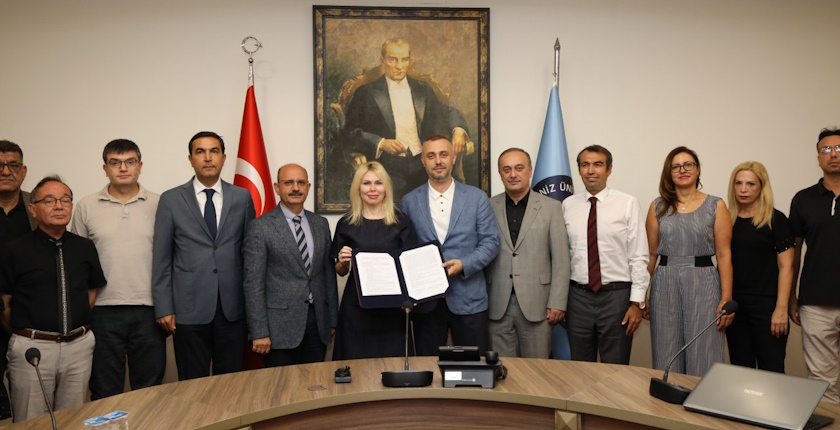
University in Antalya signs deal for 50.4 MW solar power plant

Akdeniz University in Antalya established a partnership with Kopuz Group, which will build and operate a solar power plant of 50.4 MW in peak capacity. The company is completely covering the cost for the facility, which they expect to meet the university’s entire electricity needs.

Municipal authorities in Turkey are emerging as a pillar of the country’s energy transition. They are not only covering public buildings with solar panels, but also investing in larger ground-mounted photovoltaic systems. The trend has also spread to sports venues, particularly football stadiums, alongside educational institutions, infrastructure and transportation including railways, and a range of other social, industrial and commercial activities. Akdeniz University in Antalya particularly stands out with its new deal.

Rector Özlenen Özkan said the aim of the project for a solar power plant of 50.4 MW is to meet the entire electricity demand at the complex home to some 100,000 people. Antalya, located on the Mediterranean coast, was one of the first cities in Turkey that introduced solar power for their own needs.

Akdeniz University to offtake 24% of PV plant’s output

A partnership was launched with Kopuz Group and Kopuz Energy, selected through a tender. The company will build the facility in Yeşiloba in the Korkuteli district. The cooperation works under a build-operate-transfer model, for 25 years.

The private partner bears all the costs of construction and commissioning, estimated at EUR 52.6 million. The company has two years to complete the PV plant, by far the biggest among all universities in Turkey. It is also the largest public-private partnership involving a university, in the solar power segment, Rector Özkan stressed.

The solar power plant will save EUR 2.3 million in electricity costs

In her words, the facility will generate 100 GWh per year, of which Akdeniz University would offtake 24%. The deal will lower its electricity costs by 31%, Özkan added and pointed out that it translates to EUR 2.3 million. The electricity bill of the university hospital in July amounted to almost EUR 650,000, she revealed.

The site for the PV plant is in a mountainous area and on non-agricultural land, Özkan pointed out.

Antalya is in Turkey’s top league in energy transition

As for the Antalya Metropolitan Municipality, it has almost 15 MW in peak capacity in 22 PV units in operation or under construction. They include a 5 MW ground-mounted solar farm.

The facilities cover more than half of the electricity needs of the local authority. Notably, it uses solar power to assist farmers, produce drinking water and treat wastewater.

According to the city government, Antalya is the first in Turkey to generate and store its own electricity. Moreover, it produces energy from waste and biomass.

A major solar cell factory located just outside the city is undergoing expansion and the complex will also make PV panels. Turkey hosts more than 23 GW of solar power capacity.

by in News

BiH’s power utility EPBiH cancels waste co-incineration trial in Tuzla coal plant

Power utility Elektroprivreda Bosne i Hercegovine aborted a waste co-incineration test at its Tuzla coal power plant. It halted the pilot project upon a request from the city authorities.

Elektroprivreda BiH (EPBiH) announced it would comply with the resolutions that the City Council of Tuzla adopted, and halt the development project for trial co-incineration of alternative SRF and RDF fuel with coal at its Tuzla thermal power plant. RDF – refuse-derived fuel, and SRF – solid recovered fuel, are made from waste, and SRF is of higher quality.

The company claimed that, being socially responsible, it bases its operations on consistent compliance with laws, regulations, and local community views, continuous improvement of environmental standards, and a commitment to transparent dialogue and cooperation with all relevant stakeholders.

The plan was to incinerate 100 tons of waste

The trial waste co-incineration was scheduled for yesterday, but the day before, the Tuzla City Council demanded its cancellation at an emergency session.

The first reports about waste incineration at the Tuzla thermal power plant emerged in 2022. EPBiH said at the time that it planned to convert unit 3 of the Tuzla thermal power plant into a cogeneration unit, using wood biomass. However, Bankwatch and the Aarhus Center accused the company of intending to mix waste in, as well.

The idea to incinerate waste in coal power plants has been widely discussed in the region for several years. In 2021, Slovenian state-owned power utility Holding Slovenske Elektrarne (HSE) abandoned a project to burn waste in its Termoelektrarna Šoštanj (TEŠ) facility, citing opposition from local authorities and citizens.

Another BiH power utility, ERS, also plans waste incineration

In May 2023, Elektroprivreda Republike Srpske (ERS), another government-controlled power utility in BiH, revealed a plan for a trial incineration of waste.

Serbia’s Elektroprivreda Srbije (EPS) has such plans, too. The company has initiated several studies and pilot projects to analyze the use of alternative fuels in coal-fired power plants.

Its last move was to ask the Ministry of Environmental Protection to determine the scope and content of the environmental impact assessment study required for the project.

Tuzla City Council: We won’t allow experiments on Tuzla’s citizens

TPP Tuzla (photo: EPBiH)

The day before the planned waste incineration, the Tuzla city parliament adopted several conclusions. Among other things, it demanded urgent action from the Federal Ministry of Environment and Tourism and EPBiH regarding the lack of consultations with local authorities.

The assembly demanded that the management of TPP Tuzla immediately suspend all activities related to the incineration of RDF waste until an urgent public discussion is held with the participation of citizens, experts, and political representatives.

The local council stressed its opposition to all plans for co-incineration and incineration of waste, specifically RDF, until it is assured that the plan complies with legal, environmental, and health requirements.

The City of Tuzla and the City Council clearly and firmly declared that they won’t permit any experiments on Tuzla’s citizens, especially ones with potentially harmful or severe or even fatal consequences for human health, as well as environmental risks, the local parliament said.

Ministry: Everything was done to ensure testing was conducted under controlled and transparent conditions

The Federal Ministry of Environment and Tourism noted that EPBiH has requested permission for a trial co-incineration of a mix of coal and alternative SRF and RDF fuel at TPP Tuzla. However, according to the current Environmental Protection Law, there is no legal obligation to obtain either an environmental permit or an environmental impact assessment for trial co-incineration, it explained.

The ministry said that for the purpose of transparency it has issued an expert opinion to ensure the testing is implemented under controlled and transparent conditions, taking into account the interests of the local community.

EPBiH informed the entity ministry that, following the local assembly’s intervention, a federal environmental protection inspector conducted an inspection at TPP Tuzla on July 7 and confirmed that all the conditions were met for testing.

by in News

Greece plans six waste-to-energy plants, set to meet EU landfilling limits

Large Greek companies, interested in the construction and operation of waste incinerators producing electricity and heat, are waiting for the government to complete the legal framework and launch tenders. Without the six planned facilities and accompanying infrastructure, the country would substantially lag behind the European Union’s targets for lowering the share of landfilled material.

Greece is transforming its waste management sector – dozens of units mechanically treating the material to feed six incinerators, covering all the regions. The Ministry of Environment and Energy is about to complete a strategic environmental assessment (SEA), after which its plan is to adopt a legal framework, before the end of the year.

Following a public consultation process, the general parameters would be determined including the details of a tender for the waste-to-energy plants. They are valued at EUR 1 billion in total. State-controlled Public Power Corp. (PPC or, in Greek, DEI) has expressed interest in entering the sector, alongside the conglomerates GEK Terna and Metlen, construction company Aktor, oil refinery operator Motor Oil and water, wastewater and waste processing operator Mesogeos.

The ministry intends to complete the competitive process in 2026, followed by a three-year construction period. The Greek media learned that public-private partnership is a favorable model for the investments.

At least two of six plants would provide district heating

In the central scenario, an incinerator in the Rhodope area would serve the wider region of East Macedonia and Thrace. One would be in Kozani, a coal region, for Central and Western Macedonia, Epirus, Thessaly and Corfu.

The government envisaged a unit in the Peloponnese to cover Western Greece, the Peloponnese peninsula itself and the Ionian Sea, excluding Corfu. One waste-to-energy plant is planned in Boeotia (Viotia), covering parts of Central Greece and the western part of Attica.

The waste incinerator in Kozani is likely to be built in the vicinity of Ptolemaida 5, Greece’s last coal power plant

In the same peninsula, where Athens is situated, a unit would also get shipments of waste from the north Aegean islands, one section of the Cyclades archipelago and the Dodecanese. An incineration plant in Heraklion (Iraklio) would be for Crete, Santorini, Karpathos and Rhodes.

The combined annual capacity of the six units is projected at 1.19 million tons. The largest ones are the Attica project (356,000 tons) and the Kozani plant (288,000 tons). The latter, which would probably be located near PPC’s Ptolemaida 5 coal power plant, is also seen providing up to 40% of the district heating needs in the area. The investment is valued at EUR 300 million.

Ptolemaida 5 is scheduled to be closed at the end of next year, marking the completion of Greece’s coal phaseout. The waste incinerator in Boeotia would provide district heating as well, the plan reads.

System for energy recovery clings on construction of mechanical treatment units, waste separation

On the logistics side, there are 13 waste treatment units in operation in Greece and 25 are under construction. The ministry expects all units to be complete by 2029, to feed the incinerators.

The capacity amounts to 1.45 million tons per year altogether, of which 651,000 tons of waste would be processed into solid recovered fuel (SRF), which is of higher quality. The energy-intensive industry would absorb 150,000 tons. The development of the treatment system requires substantial infrastructure including the selection of municipal waste selection at the source.

Up to 651,000 tons of SRF is expected to be produced per year in the waste treatment facilities

The estimated electricity production from 1.19 million tons of waste is 1.03 TWh, equivalent to 2% of the country’s total consumption. Notably, 57.5% of the projected output is considered renewable energy, in line with the portion of biodegradable waste.

In the study, the options to deploy pyrolysis or gasification technologies were rejected. The authors argued they are not viable in Europe. It left incineration as the only option to recover energy from waste.

If the incinerators aren’t built, but the energy-intensive industry receives the same amount of SRF, 22.7% of waste would be landfilled in 2030, projections showed. The European Union’s target is 10%. The share of landfilled waste rises to 29.2% in the same scenario.

by in News

Croatia changing law on renewables – new rules for prosumers, decentralized power production

The Government of Croatia has adopted the amendments to the law on renewable energy sources and high-efficiency cogeneration. They change rules for consumers producing electricity for self-consumption, facilitate the establishment of citizen energy communities and regulate decentralized energy production.

The amendments align the Croatian legislation with the European Union’s Renewable Energy Directive and bring benefits to citizens, entrepreneurs, and investors, the Ministry of Economy said.

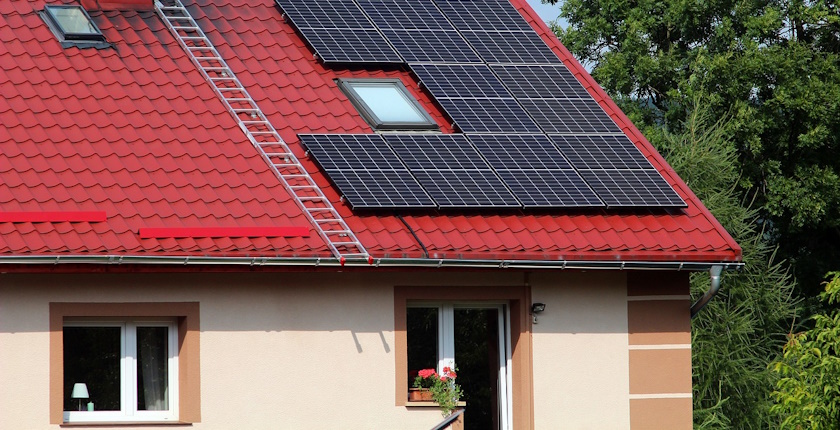
One of important innovations is a new scheme for the production of energy for self-consumption. Instead of the current net metering mechanism, the new law introduces net billing. It values more fairly the surplus electricity that prosumers deliver to the grid, according to the ministry.

The grid costs charged to prosumers will be aligned with the actual amount of electricity that they take from the grid

Consumers – citizens and entrepreneurs that produce energy for their own needs, will pay grid costs matching the amount of electricity they actually take from it, enabling a sustainable and fair system for all users, the ministry added.

Existing prosumers will have ten years for the transition to the new scheme.

The bill enables the production of electricity for self-consumption in remote locations, provided that all metering points are registered with the same consumer. The ministry expects the measure to pave the way for greater investments, flexibility, and decentralized energy production.

Waste separation is a condition for granting incentives for waste incineration

The rules for establishing citizen energy communities have been simplified, to further strengthen their role in the energy transition. The amendments stricten the criteria for the sustainability of biofuels and they prohibit incentivizing the incineration of waste not from a system of separate collection.

The upcoming law sets the basis for a plan for the development of electricity infrastructure and storage capacities. It will create the conditions for greater integration of renewable energy sources into the grid, the ministry stressed.

“With this law we are taking an important step forward in the energy transition, ensuring a balance between the interests of citizens, the economy, and the energy system, and creating the foundations for a sustainable development of the Croatian energy sector in the long term,” Minister Ante Šušnjar stated.

by in News

Share of coal power in Finland nearly zero as cogeneration plant shuts down

Helsinki’s municipal energy company Helen closed its last coal facility. Together with the country’s remaining plants that use the solid fossil fuel, Salmisaari accounted for just 0.8% of the electricity mix in 2024. The Government of Finland earlier set May 1, 2029, as the coal exit date.

Two years ago, the Olkiluoto 3 nuclear reactor of 1.6 GW, the strongest in Europe, entered commercial operation. Apparently it helped the energy system of Finland to almost eliminate coal from the board. Helen, controlled by the local authority of the capital Helsinki, closed its Hanasaari B plant in 2023, leaving the Salmisaari combined heat and power (CHP) facility as the only one using coal. This week the company shut it down.

Finland is now using neglectable quantities of coal. Salmisaari has 177 MW in power capacity and 300 MW for heat. Together with the country’s remaining three coal power plants, it accounted for a mere 0.8% of the electricity mix last year, Coal-Free Finland and Beyond Fossil Fuels said.

Moreover, coal amounts to just 30% of fuel in Vaskiluoto 2. The facility mostly uses biomass. The operator of the Martinlaakso coal unit is eliminating fossil fuels from regular operations next year. The third one, Meri-Pori, is in strategic reserve.

Share of coal in Finland is marginal

Finland will retain reserve coal capacity for security of supply purposes, which can be deployed if necessary, Helen said. In addition, some energy companies use small amounts of coal in their energy production for peak, reserve and security of supply reasons, it added. The law forbids using coal in energy production after May 1, 2029.

Wind power output more than doubled in Finland since 2020, reaching a quarter of the total. At the same time, coal-fired generation plummeted 73% while fossil gas is down 82%, according to the report. “Finland has shown what’s possible when clear political signals are matched with rapid investments in renewable power,” said Deputy Campaign Director at Beyond Fossil Fuels Cyrille Cormier. The group called on the authorities to double down on renewables and clean flexibility.

Finnish energy experts can pull off impossible tasks

Helen delayed the closure of Salmisaari by a year. Coal still accounted for 64% of the company’s district heating supply in 2022!

The utility managed to slash its greenhouse gas emissions by more than 80% since 1990. It aims to reach 95% by the end of the decade.

“Helen giving up coal and, at the same time, foreign imported energy with regard to it, will remain a significant part of our country’s industrial history and shows that Finnish energy expertise enables actions that initially seemed impossible,” Chief Executive Officer Olli Sirkka said.

Helen transitioning to clean solutions

Helen is shifting to clean solutions. It enables operating more profitably with lower prices, the CEO pointed out. A range of facilities are under construction.

Heat production is mainly moving to heat pumps – utilizing waste and environmental heat – electric boilers, energy storage and sustainable biofuels. Helen will lean on wind, nuclear energy, hydropower and photovoltaics for electricity.

The new units in Salmisaari will be two electric boilers of a combined 100 MW, in combination with a heat pump of 33 MW in external capacity, as well as a 153 MW plant burning wood pellets. Helen is planning a 200 MW electric boiler facility of four units in Hanasaari, able to store 1 GWh of heat. It would currently be the biggest in Europe.

Helsinki has the ambition to reach climate neutrality by 2030, though including external offsets. It would eliminate them within the following ten years, which means only the city’s carbon sinks are included in the equation. The next step is turning carbon negative.

Market forces are decimating the remaining coal power capacity in Europe as it is expensive because of emissions rights and strict environmental regulations, as well as inflexible. Germany, Poland, Slovenia, the Czech Republic, Serbia, Montenegro, Bosnia and Herzegovina, Kosovo* and Turkey have the largest shares of coal in power production in the European Union and Southeastern Europe. Their phaseout deadlines are all after 2030, but the situation is changing fast.

* This designation is without prejudice to positions onstatus and is in line with UNSCR 1244/99 and the ICJ Opinion on the Kosovo declaration of independence.