by in News

Siemens Energy, Končar to install electrolyzer, solar power plant for INA

Siemens Energy and Končar will install an electrolyzer and a solar power plant for Croatian oil and gas company INA.

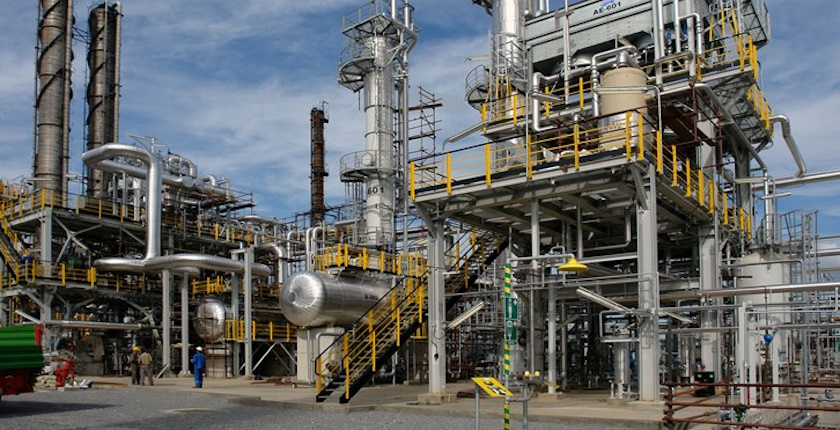
INA said it has signed two important contracts for the implementation of the green hydrogen production project at its Rijeka refinery.

By signing contracts with reputable companies, with a total value of EU 33 million, INA has secured the preconditions for the implementation of the first commercial green hydrogen production plant in Croatia, according to the update.

A contract with Siemens Energy and Končar was signed for the construction of a 10 MW green hydrogen production and distribution plant. The order is estimated at EUR 22.5 million excluding VAT.

INA has already secured the delivery of the electrolyzer

The second contract, worth nearly EUR 11 million excluding VAT, was signed with Končar. It envisages the construction of a 11 MW photovoltaic plant. The facility would supply electricity to the electrolyzer.

As part of the project, INA has already secured the electrolyzer, a key system for water electrolysis and hydrogen production from renewable sources. Its majority owner, Hungarian MOL, inaugurated its first 10 MW electrolyzer in April last year.

Green hydrogen is intended for use in transportation

The green hydrogen that would be produced is intended for the market, primarily for transportation purposes, and it could also be used in the refinery’s production process. The company recalled that, by a decision of the Ministry of Economy, it received a EUR 15 million grant from the National Recovery and Resilience Plan.

The program is for the production and distribution of hydrogen in transportation.

The hydrogen market in Croatia is in an early development phase. INA’s plant could produce about 1,500 tons of green hydrogen annually.

Of note, Croatia adopted a hydrogen strategy in 2022. The government subsidizes the installation of chargers for hydrogen fueled vehicles.

Ortutay: Hydrogen could open new market opportunities for INA

INA CEO Zsuzsanna Ortutay said European and national strategies consider renewable hydrogen a technology of the future.

The renewable hydrogen that INA will produce can open new opportunities for the company in the market, but also improve the sustainability of Rijeka refinery through emission reductions, Ortutay stressed.

According to Končar CEO Gordan Kolak, green hydrogen isn’t only a technology of the future but a key element for decarbonizing industry and transport.

As the main contractor for the construction of this plant, Končar confirmed its role as a reliable partner developing key expertise for the European energy infrastructure in the decades to come, Kolak added.
by in News

Croatia among EU’s top three emitters of methane from oil, gas industry

Croatia is one of the three European Union member countries with the highest methane emissions from the oil and natural gas industry, according to research by Greenpeace Croatia and the Clean Air Task Force (CATF). Greenpeace Croatia noted that methane has 84 times greater global warming potential than carbon dioxide on a 20-year timescale.

Methane emissions from oil and gas infrastructure in Croatia have been comprehensively analyzed for the first time, according to Greenpeace Croatia.

“Methane hunter” Théophile Humann-Guilleminot from the international climate organization Clean Air Task Force (CATF) has examined more than 500 locations all around the world. He also recently visited 27 locations in Croatia, measuring methane emissions at all but one of them.

Greenpeace stressed it is an astonishing 96% of the investigated sites and the highest score by CATF in any EU member state.

Emissions were documented in detail by CATF at each site

The two organizations have visited several locations in Croatia with facilities for the production, transportation, and storage of oil and gas. The infrastructure is owned or operated by INA, Plinacro, and Okoli Underground Storage.

At 26 locations, methane emissions were documented in the form of gas release, venting, and flaring, which could also harm human health, Greenpeace underlined.

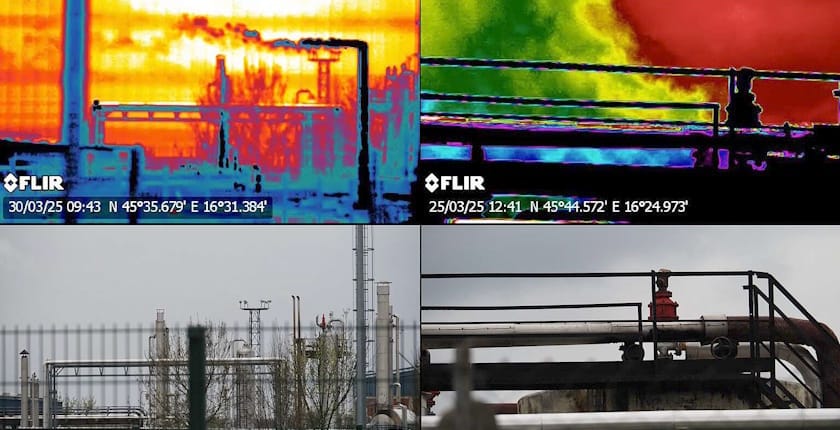
CATF carefully documented emissions at each location using infrared (IR) videos and IR and digital photos. The collected evidence is part of the group’s Cut Methane campaign in Europe and the world.

Humann-Guilleminot: Companies are releasing methane and accelerating climate change, all in pursuit of short-term profits

Théophile Humann-Guilleminot said the research strongly confirmed what scientists have been warning about for years – methane is leaking or being released along the entire oil and gas supply chain.

From the vast gas fields of Texas to Plinacro’s pipelines, companies are releasing methane and accelerating climate change, all in pursuit of short-term profits, he added. In his words, out of all the countries he visited, Croatia ranks amongst the worst three in terms of results.

“The scenes of methane gushing from open, rusted reservoirs in the Ivanić-Grad area, as well as leaks from wells at the Okoli location, are extremely worrying. During the energy crisis, this level of waste demonstrates a clear disregard for the climate and Croatian citizens,” Humann-Guilleminot stated.

Andrić: Greenpeace calls on the government to take seriously the implementation of new regulations on methane

Petra Andrić from Greenpeace Croatia pointed out the researchers could have assumed that methane emissions would be registered in some locations, but that they couldn’t have predicted such shocking results.

“Greenpeace is calling on the Government of the Republic of Croatia to take seriously the implementation of the new regulations on methane. In the long term, it is even more important to phase out fossil gas by 2035 and ban new gas and other fossil projects. The solutions are energy efficiency and renewable energy sources, in which Croatia has enormous potential, especially solar and wind,” she stressed.

Eszter Mátyás from Greenpeace Central and Eastern Europe said the new regulations would be much stricter for the operators in the fossil fuel industry. Therefore they will have to regularly carry out measurements and submit reports to regulatory bodies to prevent the release of methane from their infrastructure, she added.