by in News

Greece, Serbia, North Macedonia and Bulgaria Advance Vertical Gas Corridor Expansion

Energy ministers and senior officials from Serbia, Greece, North Macedonia and Bulgaria met today in Athens to discuss the development of regional natural gas supply routes and cross-border interconnections. During the meeting, Greek Minister of Environment and Energy Stavros Papastavrou announced that the Vertical Corridor initiative would be extended to include North Macedonia and Serbia.

Greece, Bulgaria and Romania have already achieved significant progress in developing the Vertical Corridor, a strategic gas route designed to facilitate supplies toward Ukraine and Moldova. Key milestones include infrastructure upgrades, the construction of new pipelines such as the Interconnector Greece–Bulgaria (IGB), as well as commercial agreements and dedicated capacity auctions. The same approach is now being applied to the western Balkans through the creation of an additional branch of the corridor.

The Athens meeting focused primarily on two major gas interconnection projects: Greece–North Macedonia and North Macedonia–Serbia. The Greece–North Macedonia pipeline is currently under construction and is expected to be completed this year. Once operational, it will allow natural gas to flow northward from Greek LNG terminals at Revithoussa and Alexandroupolis, as well as from pipeline gas sources, including Azerbaijan.

Serbia Plans EUR 1.2 Billion in Gas Infrastructure Investments

The next segment of the regional gas chain, linking North Macedonia with Serbia, is expected to be completed by the end of 2027, according to Serbian Minister of Mining and Energy Dubravka Đedović Handanović. The project is currently in the spatial planning phase and is designed to connect with the southern Serbian city of Vranje. Its planned annual transport capacity is 1.5 billion cubic meters of natural gas.

Minister Đedović Handanović also stated that Serbia intends to invest approximately EUR 1.2 billion in gas infrastructure, including the modernization and expansion of existing pipeline networks.

North Macedonian Minister of Energy, Mining and Mineral Resources Sanja Božinovska emphasized that the regional interconnection would soon become operational.

“By the end of next year, we will be ready and the interconnection between Greece, North Macedonia and Serbia will be operational,” she said.

She also confirmed that the tender procedure for the pipeline connecting North Macedonia and Serbia was launched yesterday.

Greek Minister Papastavrou highlighted the broader strategic importance of the initiative, stressing Greece’s role in shaping the region’s emerging energy architecture.

“Greece plays a leading role in the new European architecture through projects of strategic importance. Infrastructure, interconnections, market coupling and the Vertical Corridor are initiatives that strengthen security of supply, reinforce geopolitical stability and create new development opportunities across the region. Today, we agreed on the expansion of the Vertical Corridor to North Macedonia and Serbia, as well as on institutionalizing cooperation among the four countries,” he stated.

Bulgaria was represented at the meeting by Deputy Minister of Energy Kiril Temelkov.

Further Regional Meetings Planned

The four officials agreed to continue their cooperation through a series of follow-up meetings. The next session is scheduled for September in Belgrade, with subsequent meetings planned in Skopje and Sofia.

The Athens discussions were also attended by representatives of gas and electricity transmission system operators from all four countries, underscoring the technical and strategic importance of the planned regional energy integration.

by in News

Greece Fast-tracks Strategic Hydrocarbon Agreements with Chevron and HelleniQ Energy

The Hellenic Parliament is set to ratify a series of landmark energy concessions this week, signaling Greece’s most decisive move in decades to unlock the hydrocarbon potential of the Eastern Mediterranean. The legislation authorizes exploration and exploitation contracts for high-prospect offshore blocks located south of Crete and the Peloponnese.

Designated by government officials as a “national priority” for energy security, the bills cleared their final committee review early this week. A plenary vote is scheduled for Thursday, which would formally greenlight a partnership between the Greek state and a powerful consortium led by global major Chevron and national champion HelleniQ Energy.

A Strategic Buffer Against Volatility

During a briefing before the Production and Trade Committee, Minister of Environment and Energy Stavros Papastavrou framed the development of domestic resources as a critical sovereign endeavor. In an era defined by regional energy instability, Papastavrou characterized the initiative as a “national affair” essential for long-term strategic autonomy.

The contractual framework is structured to insulate the Greek taxpayer from financial exposure:

  • Zero Public Risk: Private consortiums will bear 100% of the capital expenditure during the high-risk exploration phase.

  • State Revenue Sharing: If commercially viable deposits are discovered, the state is positioned to retain the vast majority of the economic benefits.

  • Technical Sovereignty: The projects represent the culmination of a 12-year national effort to map and tender Greece’s maritime wealth.

Technical Optimism Meets Industry Caution

Aristophanes Stefatos, CEO of the Hellenic Hydrocarbons Management Company (HEREMA), underscored that the state incurs no expenditure if exploration fails, while Anastasios Vlassopoulos, representing the Chevron-HelleniQ partnership, assured lawmakers that state-of-the-art seismic evaluations would maximize the chances of a successful find.

However, the ambitious timeline has drawn some scrutiny from industry experts. Konstantinos Stambolis, Executive Director of the Institute of Energy for Southeast Europe (IENE), welcomed the legislation but noted a potential regulatory gap. Stambolis raised concerns regarding the absence of mandatory drilling timelines within the current text, suggesting that stricter windows for physical exploration would better ensure rapid development.

Regional Implications

The ratification comes at a pivotal moment for European energy policy. As the continent continues to diversify away from Russian gas, Greece is positioning itself as a vital energy gateway for the Balkan corridor. Success in these offshore blocks could transform Greece from a transit hub into a significant primary producer, fundamentally altering the energy architecture of South East Europe.

by in News

OECD Launches Strategic Initiative to Modernize South East Europe’s Aging Power Grids

The Organisation for Economic Co-operation and Development (OECD), in partnership with the Delphi Economic Forum, has unveiled a high-level initiative aimed at overhauling the energy and digital landscape of South East Europe.

The project, titled “Electricity, Digital and Regional Interconnectivity in South East Europe,” was officially launched in Thessaloniki—a city historically positioned as a strategic bridge between Europe and the Balkans. The initiative arrives at a critical juncture as the region grapples with inefficient infrastructure and the urgent need for energy security amid shifting geopolitical realities.

Addressing the 14% Efficiency Gap

Data presented at the launch highlighted a stark disparity between the Western Balkans and the broader European Union. OECD Secretary-General Mathias Cormann noted that outdated power grids in the region suffer from electricity losses of approximately 14%, nearly triple the EU average.

The infrastructure deficit is compounded by a slow transition to green energy. Despite significant natural resources, the Western Balkans currently harness only 4% of their solar potential and 2% of their wind potential. Furthermore, regulatory alignment remains a hurdle, with only 48% of relevant EU energy standards currently implemented across the region.

Greece and Romania Spearheading Integration

The project is designed and funded by Greece, with additional co-financing from Romania. For Athens, the initiative reinforces its growing status as a regional energy hub and a net electricity exporter.

Nikos Tsafos, Greece’s Deputy Energy Minister, emphasized that modern energy security is built on three pillars: affordability, strategic autonomy, and robust interconnectivity. This regional push is also deeply tied to EU enlargement. Giorgos Pagoulatos, Greek Ambassador to the OECD, noted that Western Balkan EU accession has gained new urgency. He signaled that regional integration will be a cornerstone of Greece’s upcoming presidency of the Council of the EU in 2027.

A Roadmap to 2027

To bridge the gap, Secretary-General Cormann outlined four strategic priorities for the Western Balkans:

  • Regulatory Convergence: Full alignment with EU energy frameworks.

  • Corporate Governance: Strengthening competition and oversight within state-owned utilities.

  • Infrastructure Modernization: Replacing aging coal-fired plants and upgrading transmission lines.

  • Digital Transformation: Scaling up smart-meter adoption and renewable energy deployment.

The stakes are high: experts at the event warned that European electricity demand could surge by 60% by 2030. To meet this challenge, the OECD plans to conduct a series of technical workshops across the Balkans, culminating in a comprehensive policy roadmap scheduled for release in 2027.

by in News

Strategic Pivot: Greece Formalizes Offshore Exploration Agreements with Chevron and HELLENiQ Energy

Greece is signaling a decisive shift toward “energy realism” as the Ministry of Environment and Energy formalizes major concession agreements for hydrocarbon exploration. Minister Stavros Papastavrou announced the signing of deals with a consortium led by U.S. major Chevron (70%) and HELLENiQ Energy (30%), covering four offshore blocks.

The move is framed not just as an energy play, but as a pillar of national confidence. Minister Papastavrou emphasized that these agreements bolster Greece’s economic, energetic, and geopolitical standing, effectively positioning the nation as a potential natural gas producer for both domestic and European markets.

Geopolitics and the “New Era” of Energy

The government’s strategy aims to balance sustainable development with the country’s strategic advantages. This includes heavy investment in LNG terminals, cross-border interconnections, renewables, and grid digitalization. Notably, Greece has recently transitioned into a net electricity exporter for the first time in nearly 25 years.

The major pipeline projects in the area are the Trans-Adriatic Pipeline (red), the Trans- Anatolian Pipeline (orange) and the East Med pipeline (red arrows), this last currently under discussion.

The major pipeline projects in the area are the Trans-Adriatic Pipeline (red), the Trans- Anatolian Pipeline (orange) and the East Med pipeline (red arrows), this last currently under discussion.

Beyond the balance sheet, the entry of a global giant like Chevron carries significant geopolitical weight. Minister Papastavrou suggested that the partnership serves as a “de facto” counter-manoeuvre to the controversial maritime memorandum between Turkey and Libya, reinforcing Greece’s sovereignty and role in the Eastern Mediterranean.

Exploration Roadmap: Blocks and Timelines

The four lease agreements, which span a combined 47,000 square kilometers, are slated for parliamentary ratification next month.

  • Target Areas: The concessions include Lot A2 (bordering the South of Peloponnese block) and two blocks south of Crete (South of Crete 1 and 2).

  • Operational Schedule: Preliminary exploration activities are expected to commence in the second half of this year.

  • Deepwater Expertise: While monetizing deepwater resources remains capital-intensive, Chevron’s track record in technically challenging offshore environments is seen as a critical asset for the consortium.

Expanding the Footprint: Block 10 and Beyond

Industry insiders suggest the Chevron-HELLENiQ partnership may soon expand. Reports indicate the two companies are evaluating cooperation for Block 10 in the Gulf of Kyparissia. Currently held solely by HELLENiQ Energy, Block 10 borders Lot A2 and covers 2,400 square kilometers. Exploration drilling there is tentatively scheduled for the second quarter of 2028.

Greece’s offshore blocks

Greece’s offshore blocks

The strategy appears to favor the creation of large, unified exploration zones. By grouping these blocks, the consortium can manage the high costs and logistical complexities of deepwater extraction more efficiently.

Regional Upstream Activity

The broader Greek upstream sector is also gaining momentum:

  • ExxonMobil: Preparing for its first exploratory drilling in over 40 years, targeted for the first half of 2027.

  • Energean: Currently operating the Prinos, Prinos North, and Epsilon fields (Greece’s only active complex), the company is pivoting toward decarbonization. Its subsidiary, EnEarth, is progressing with plans to convert the Prinos field into a permanent carbon dioxide storage reservoir.

by in News

Terna Energy Secures Environmental Approval for Major Pumped Storage Project in Northern Greece

Northern Greece is emerging as a critical hub for large-scale energy storage, with several twin pumped storage hydropower (PSH) systems moving through the regulatory pipeline. In the latest development, the Ministry of Environment and Energy has granted environmental clearance—specifically the Approval of Environmental Terms (AEPO)—for the first phase of the Vrohonera project.

The Vrohonera endeavor is being spearheaded by Terna Energy, a subsidiary of Masdar. This milestone follows closely on the heels of similar approvals granted to the Katselis family for their nearby Flampouro and Trani Vrachi twin PSH projects.

Pumped storage hydropower design

Pumped storage hydropower design

Strategic Location and Technical Specifications

Located southeast of Veria in the Imathia region of Central Macedonia, the Vrohonera complex will utilize the Agia Varvara artificial lake as its lower reservoir. This reservoir is situated on the Haliacmon (Aliakmonas) River, Greece’s longest waterway.

The project has seen significant scaling since its initial “producer certificates” were issued in 2021:

  • Vrohonera 1: The latest AEPO outlines a generation capacity of 450 MW via three turbines and a pumping capacity of 537 MW. This represents a substantial increase from the 2021 proposal of 401 MW and 372 MW, respectively.

  • Vrohonera 2: Initial proposals for the second phase included 131.5 MW in production and 217.8 MW in pumping capacity.

  • Storage & Efficiency: Integrated into the European Network of Transmission System Operators for Electricity (ENTSO-E) development plan, the combined Vrohonera complex is designed to provide 8 GWh of storage with an estimated cycle efficiency of 73% and an operational lifespan of 50 years.

The total investment for the Vrohonera complex is valued at €1.1 billion, with commissioning currently targeted for 2031.

Expanding the PSH Portfolio

Terna Energy’s commitment to Greek energy storage extends beyond Vrohonera. The company is currently executing several other high-stakes projects included in the ENTSO-E list:

  1. Amfilochia: This flagship PSH plant is nearing the finish line, with completion expected within the current year.

  2. Ladonas: A joint venture with the Public Power Corp. (PPC Group), this 220 MW generation (231 MW pumping) facility is slated for completion in 2032 and will provide 2 GWh of storage capacity.

  3. Amari: Located on Crete, this project represents a sophisticated hybrid PSH and wind power solution, further diversifying Greece’s largest island’s energy mix.

By advancing these projects, Terna Energy and Masdar are positioning themselves as primary architects of Greece’s energy transition, providing the long-duration storage essential for a renewables-heavy grid.

by in News

DAPEEP Study Signals Strong Revenue Prospects for Greece’s First Standalone Battery Projects

Standalone battery projects in Greece poised for strong revenues, says Operator of Renewable Energy Sources & Guarantees of Origin (DAPEEP), Greece, battery storage, DAPEEP, energy storage, balancing market, wholesale market, grid services, auctions, investors, 700 MW, 4.7 GW

Greece’s first standalone battery storage installations are projected to generate substantial revenues when they enter commercial operation, according to a new study by DAPEEP.

The study modelled several scenarios; its principal case assumes revenues 75% above the baseline. Under that scenario, two-hour systems running for the full year of 2026 could earn about EUR 157,057 per MW annually. Four-hour systems are estimated to yield EUR 100,885 per MW per year, although those units are expected to commence operations in the second half of 2026.

Although the projected figures assume continuous operation through 2026, the report notes they are theoretical: the earliest standalone batteries are expected to reach commercial operation from late spring. A number of installations have already been built and are awaiting final regulatory clearance. Investors have expressed frustration at delays, warning that prolonged idle time can degrade battery performance and reduce capacity.

The initial tranche from the country’s three auctions will deliver roughly 700 MW by late in the first half of 2026, DAPEEP says, followed in subsequent years by an additional 4.7 GW of unsubsidised capacity.

DAPEEP highlights a dual revenue model for standalone storage. Operating income will be derived partly from the wholesale electricity market and partly from the balancing market. The difference between minimum and maximum hourly prices in the wholesale market is identified as the principal profit driver, while balancing services provide a complementary revenue stream and system-stabilising value.

In the early phase, day-ahead and intraday trading are expected to account for roughly 65% of revenues; that share is forecast to decline to about 40% later in the year as market dynamics evolve. DAPEEP anticipates that wholesale revenues will be resilient to the initial influx of projects, but cautions that the balancing market will be more sensitive to the additional standalone storage capacity.

The study’s findings underline the commercial potential of battery storage in Greece while also highlighting operational and market-integration challenges that policymakers, regulators and investors will need to resolve to realise that potential.

by in News

EU Greenlights Key Step for Greece’s Prinos CO₂ Storage Project

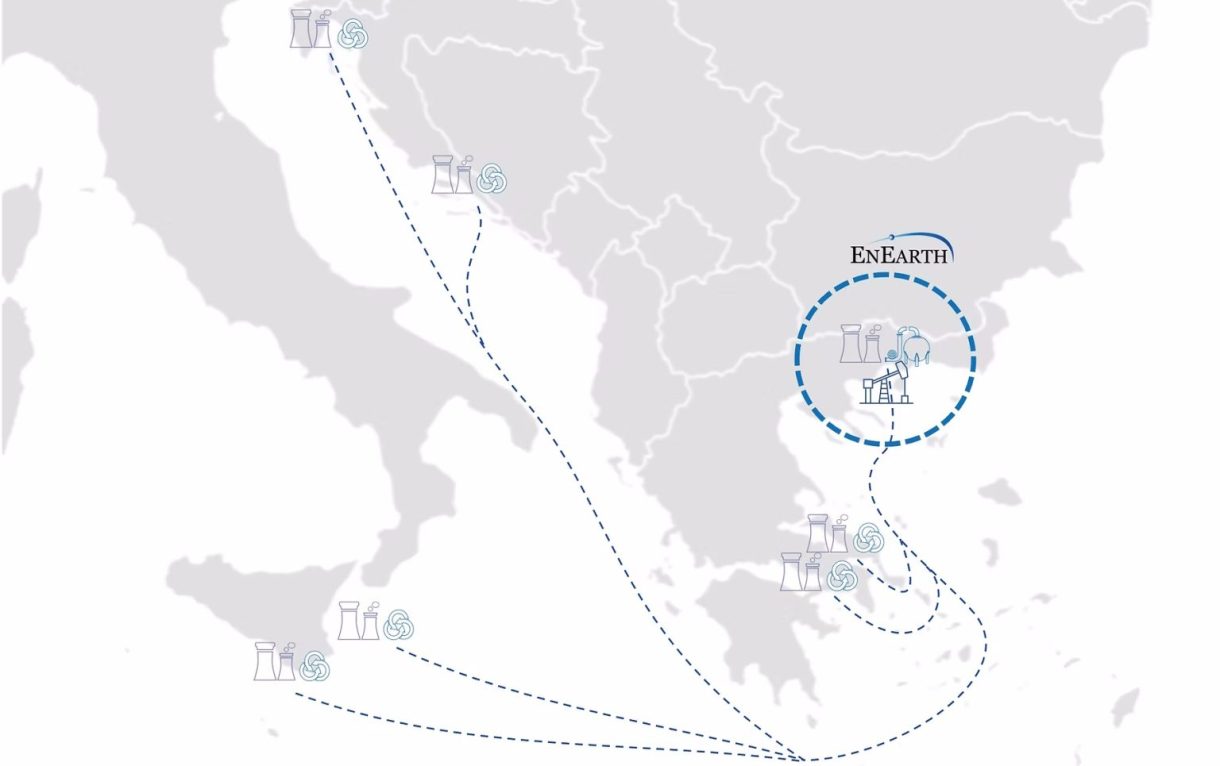
EnEarth is advancing plans to develop a carbon dioxide storage hub in depleted offshore oil reservoirs beneath the Aegean Sea, near the northern Greek city of Kavala, after receiving a favorable opinion from the European Commission on its storage permit application submitted around a year and a half ago. Including related infrastructure, the project’s total value could reach up to EUR 1.2 billion.

The European Commission’s Directorate-General for Climate Action (DG CLIMA) issued the positive opinion following its review of EnEarth’s proposal to store CO₂ in the Prinos reservoir. According to the company, the technical documentation submitted meets EU requirements and demonstrates that the site is suitable for safe, long-term storage. EnEarth added that the assessment highlights the strength of its geological and technical studies, supporting the company’s approach to understanding reservoir dynamics and establishing systematic monitoring procedures.

Prinos lies beneath the Aegean Sea in the Kavala Gulf area. EnEarth is a subsidiary of Energean, headquartered in the United Kingdom.

“It confirms what we already know – that Prinos is a safe storage site and a vital player in decarbonising hard-to-abate industry in Europe and Greece, and helping our country meet its goal of reducing emissions by 80 per cent by 2040,” EnEarth Managing Director Nikolas Rigas said.

Permitting decision rests with Greece’s licensing authority HEREMA

EnEarth stressed that the Commission’s opinion is not legally binding, but described it as a significant milestone that strengthens the ongoing evaluation by Greece’s licensing authority, the Hellenic Hydrocarbon and Energy Resources Management Co. (HEREMA), which will make the final decision on issuing the storage permit. EnEarth filed its application with HEREMA in July 2024.

EU funding totals EUR 270 million; EBRD backs equity investment

EnEarth said it has secured EUR 270 million in European Union support for the Prinos project, including EUR 150 million via the Recovery and Resilience Facility and National Recovery and Resilience Plan 2.0, and EUR 120 million through the Connecting Europe Facility.

The European Bank for Reconstruction and Development (EBRD) approved an equity investment in EnEarth last year of up to EUR 75 million. The lender said at the time that the project value was estimated at EUR 918 million, and noted it would be EBRD’s first carbon storage project.

Injection rates: up to 1 Mt over 20 years in phase 1, rising later

Under phase 1—covered by the current permit application—EnEarth plans an injection rate of up to one million tons over a 20-year period. The company said capacity could later be increased to as much as three million tons per year.

Photo: EnEarth

Photo: EnEarth

The European Union has also included the Kavala Gulf initiative among its projects of common interest (PCIs), an EU designation intended to facilitate strategic cross-border energy infrastructure.

Timeline: market test framework pending; pilot drilling planned; start targeted for 2030

EnEarth said it is awaiting completion of the legal framework needed to conduct a market test, starting with non-binding bids and moving to binding offers. The company then aims to begin pilot drilling in the summer and may take a final investment decision later this year. Based on current planning, the targeted start date is the first quarter of 2030.

In Greece, the most advanced carbon capture initiatives are being pursued by oil refiners Motor Oil and Hellenic Energy, and cement producers Titan and Heracles. EnEarth said it intends to provide CO₂ storage services not only domestically but also to emitters in neighboring and regional markets such as Bulgaria, Cyprus, Croatia, Italy and Slovenia. Still, it acknowledged that Prinos’s capacity is constrained relative to projected emissions and expected demand.

Separately, Greece signed a memorandum of understanding about a year ago with Egypt on carbon capture, utilization and storage (CCUS). Some estimates place Greece’s total CO₂ storage potential as high as 580 million tons.

by in News

Greece achieves record renewables output but also curtailments in 2025

Renewable electricity production reached a new high last year in Greece, amidst increased curtailments and a low lignite share.

According to official data and the Green Tank’s analysis, renewable energy accounted for 46.7% (26,381 GWh) of output. Lignite fell to a historic low, 4.8% or 2,723 GWh, and natural gas contributed 41.3% (23,338 GWh), the most so far.

Notably, Greece expanded its net exports in 2025. The result spiked tenfold to over 3 TWh, with strong demand from neighboring countries, such as Albania, North Macedonia and Bulgaria. This was the result of low hydroelectric reserves elsewhere in the Balkan region, as well as Ukraine’s increased import needs.

Curtailments plagued the renewables sector, reaching 6.6% of total green electricity generated, or 1,867 GWh. In fact, they doubled from the 968 GWh of 2024, with negative price hours also becoming more frequent in the day-ahead market (DAM).

A jump in curtailments is expected during the spring season. Last year, 2.5 GW to 3 GW in new renewable projects have been connected to the grid, according to estimations, with final official data not yet available. At the same time, the first battery storage units are expected to come online gradually by the middle of 2026. Therefore, storage will not be able to provide substantial relief in time for renewables.

Carbon intensity falls to new low

These developments affected the country’s carbon intensity and overall emissions. Lignite plants fell to a historic low (3.68 million tons), though gas plants reached a historic high, 8.8 million tons.

For 2025, the carbon intensity of electricity production stood at 264.7 grams of CO2 per kWh, the lowest ever recorded, Green Tank noted. However, the decrease from 2024 was only 2.2%, a significantly smaller improvement than in the previous two years, when carbon intensity recorded an average annual reduction of 14.5%.

by in News

PPC receives funds for stalled Mesochora hydropower project 

Public Power Corporation has received funds to speed up its Mesochora hydropower project, stalled for 24 years.

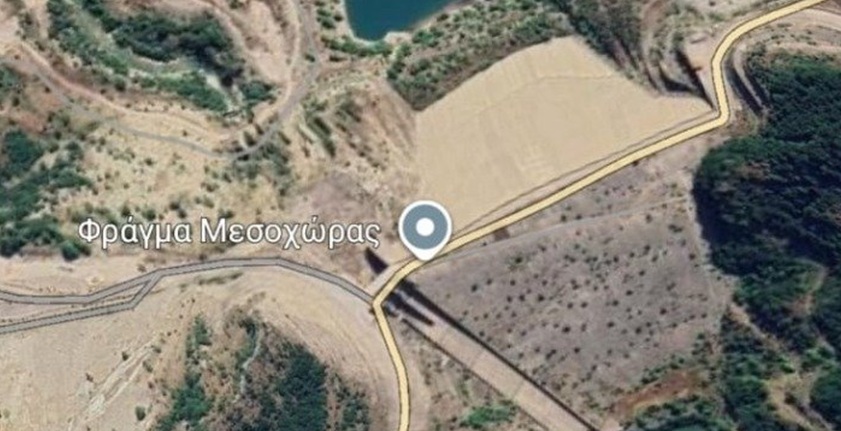
The Greek Ministry of Environment and Energy announced that the procedures to complete the Mesochora hydropower plant (HPP) in Trikala would be significantly accelerated, ending a 24-year period of judicial deadlock and construction suspension.

Of note, the project was revived in 2021–2022.

The ministry said it signed an agreement with government-controlled Public Power Corporation (PPC or DEI), the project’s developer and operator, on the necessary studies required to finalize the 161.6 MW facility.

PPC is now responsible for commissioning the necessary relocation studies

The deal directly addresses the most sensitive issue: the relocation of residents from the affected settlement of Mesochora, the announcement revealed.

PPC is now responsible for commissioning the necessary relocation studies, with a budget of EUR 1,313,160.00, the update reads.

The ministry claimed that the government is committed to ensuring the safe relocation of the population with full compensation for property owners.

It recalled that the construction of the Mesochora HPP, located on the upper Acheloos River, started in 1986 and that the dam structure was largely finished by 2001. However, its operation was halted due to repeated appeals and long-standing legal battles at the Council of State, the country’s supreme administrative court, initiated by environmental groups and affected local communities.

Over EUR 300 million has already been invested in the project

Now a task force has been established to push forward the project and start the final construction activities by the end of 2026. The expropriation process for all necessary areas will also begin to ensure the safe and efficient functioning of the dam, the ministry underlined.

Of note, over EUR 300 million has already been invested in the project or EUR 500 million in current value.

Once operational, the plant is expected to generate approximately 360 GWh of renewable energy annually, contributing substantially to the country’s energy mix and the targets set by the revised National Energy and Climate Plan (NECP), according to the ministry.

The HPP would also provide balancing for renewable energy generation.

The meeting was attended by Minister of Environment and Energy Stavros Papastavrou, Minister of Digital Governance Dimitris Papastergiou, Mayor of Pyli Konstantinos Maravas, members of Parliament representing Trikala – Konstantinos Skrekas, Thanasis Lioutas and Katerina Papakosta-Palioura, the ministry’s General Secretary of Spatial Planning and Urban Environment Efthimios Bakogiannis and the PPC’s President and CEO Georgios Stassis and Deputy CEO Alexios Paizis.

greece Mesochora hydropower ppc relocation study
Photo: Ministry of Environment and Energy
by in Events

The Global Oil&Gas 2016 – Exhibition South East Europe and Mediterranean

ScreenHunter_135 Aug. 09 11.22

The Global Oil&Gas Exhibition provides an important platform for stakeholders in the region to showcase their products and services. Meeting existing and future customers face-to-face is now more important than ever. The exhibition will give you the opportunity to strengthen existing relationships and create new ones, see new technological developments and innovations, discuss future business and learn more about the market.

Exhibiting offers your company the opportunity to strengthen current investments, demonstrate advanced technologies and expertise, and increase your brand awareness with a highly focused audience from around the region and beyond.

Opening hours

28- 29 September: 10.00‐17.30
Metropolitan Expo
Athens, Greece

For further information and a floor plan please contact:

Johnson Obembe
ITE Group plc
Τηλ.: +44 (0)20 75967 5004
E-mail: [email protected]

  • 1
  • 2