by in News

Gramos Hashani appointed as permanent head of KEK in Kosovo

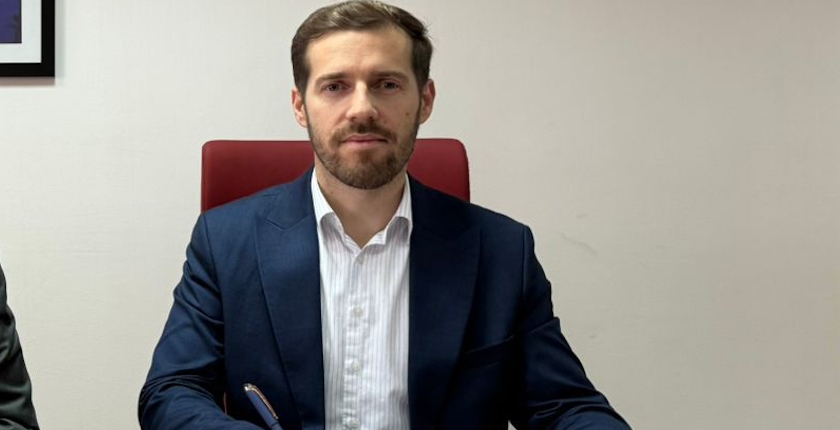
Kosovo Energy Corp. (KEK) has officially appointed Gramos Hashani as its Chief Executive Officer, following a fourteen-month period during which he served as interim head of the state-owned power utility. The decision was confirmed by the company’s Board of Directors after the completion of what it described as an open, transparent, and competitive selection process.

According to the board, the appointment procedure was conducted in full compliance with Kosovo’s Law on Public Enterprises and included the evaluation and interviewing of all candidates who satisfied the requirements outlined in the public vacancy announcement.

Hashani initially assumed the role of interim CEO in February last year, at a time when KEK was facing increasing pressure to improve operational efficiency, strengthen corporate governance, and accelerate modernization efforts within Kosovo’s electricity sector.

His permanent appointment is viewed as a move aimed at ensuring management continuity at one of the country’s most strategically important energy companies, particularly as Kosovo advances energy transition policies, regional market integration, and investment planning for generation and infrastructure upgrades.

Hashani graduated from the Faculty of Economics at the University of Prishtina – Hasan Prishtina and completed his master’s studies at the University of the Incarnate Word in San Antonio, Texas, in the United States.

His professional credentials include certification as an accountant and internal auditor through the Society of Certified Accountants and Auditors of Kosovo (SCAAK), while he is also a member of the United Kingdom-based Association of Chartered Certified Accountants (ACCA).

According to KEK’s Board of Directors, Hashani brings extensive expertise in strategic financial management, corporate governance, energy transition investments, and the implementation of international accounting standards, including IFRS and US GAAP.

The board also highlighted his professional experience across both the energy and financial sectors in Kosovo and the United States, where he has held senior management positions in international and domestic companies.

The appointment comes at a critical period for KEK and Kosovo’s broader energy sector, as authorities seek to modernize aging lignite-based generation assets, strengthen energy security, improve environmental performance, and attract investment into renewable energy and transmission infrastructure.

As Kosovo continues aligning its energy market framework with regional and European standards, KEK is expected to play a central role in balancing legacy thermal generation with the country’s long-term decarbonization and market reform objectives.

by in News

Albania’s Energy Market Entities Face €4 Million in Regulatory Fees for 2026

Albania’s Energy Regulatory Entity (ERE) has announced that energy market participants across the entire value chain are required to pay a total of 400 million ALL (approximately €4 million) in regulatory fees for the 2026 fiscal year.

The regulator recently published the comprehensive list of obligations for each licensed entity. These fees are calculated based on the previous year’s turnover, adhering to a formula established within the national legal framework for the energy and gas sectors.

Regulatory Compliance and Deadlines

In its official statement, ERE emphasized that any discrepancies identified in the audited financial statements for 2025 will be reconciled in the calculation of regulatory fees for the subsequent period.

Licensed entities subject to this decision are mandated to complete their payments to ERE no later than 30 days following the publication of the decision in the Official Gazette. Failure to meet this deadline will trigger administrative penalties as prescribed by the current legislation governing the energy and natural gas markets.

Exemptions and Fixed-Fee Structures

The regulator also clarified specific conditions under which the standard fee application may vary:

  • Suspensions: Regulatory fees for 2026 have been suspended for a number of entities. This applies to those licensed under specific operating conditions, those currently with a “suspended” status, or entities undergoing liquidation, making active operations or fee collection objectively impossible.

  • Inactive Entities: For licensees that have not yet commenced operations or remained inactive during the prior period, a standard fixed fee of 100,000 ALL has been applied.

  • Consolidated Reporting: A similar fixed fee of 100,000 ALL is levied on companies holding multiple licenses that failed to submit separate financial statements for each activity. In cases where consolidated accounts were provided, the regulatory fee was calculated for one primary activity based on its specific weight, while the fixed fee was applied to the others.

Sector Outlook

The collection of these regulatory fees is a standard procedure designed to fund the operations of the regulatory body, ensuring independent oversight of Albania’s evolving energy market. As the country continues to align its energy sector with European standards, the transparent application of these fees remains a critical component of institutional stability and market fairness.

by in News

Albania Establishes Joint Task Force to Monitor Hydrocarbon Sector and Prevent Fuel Price hikes.

Albania’s General Directorate of Taxation and General Directorate of Customs are establishing a joint Task Force specifically designed to monitor the downstream hydrocarbon sector and prevent abusive fuel price increases.

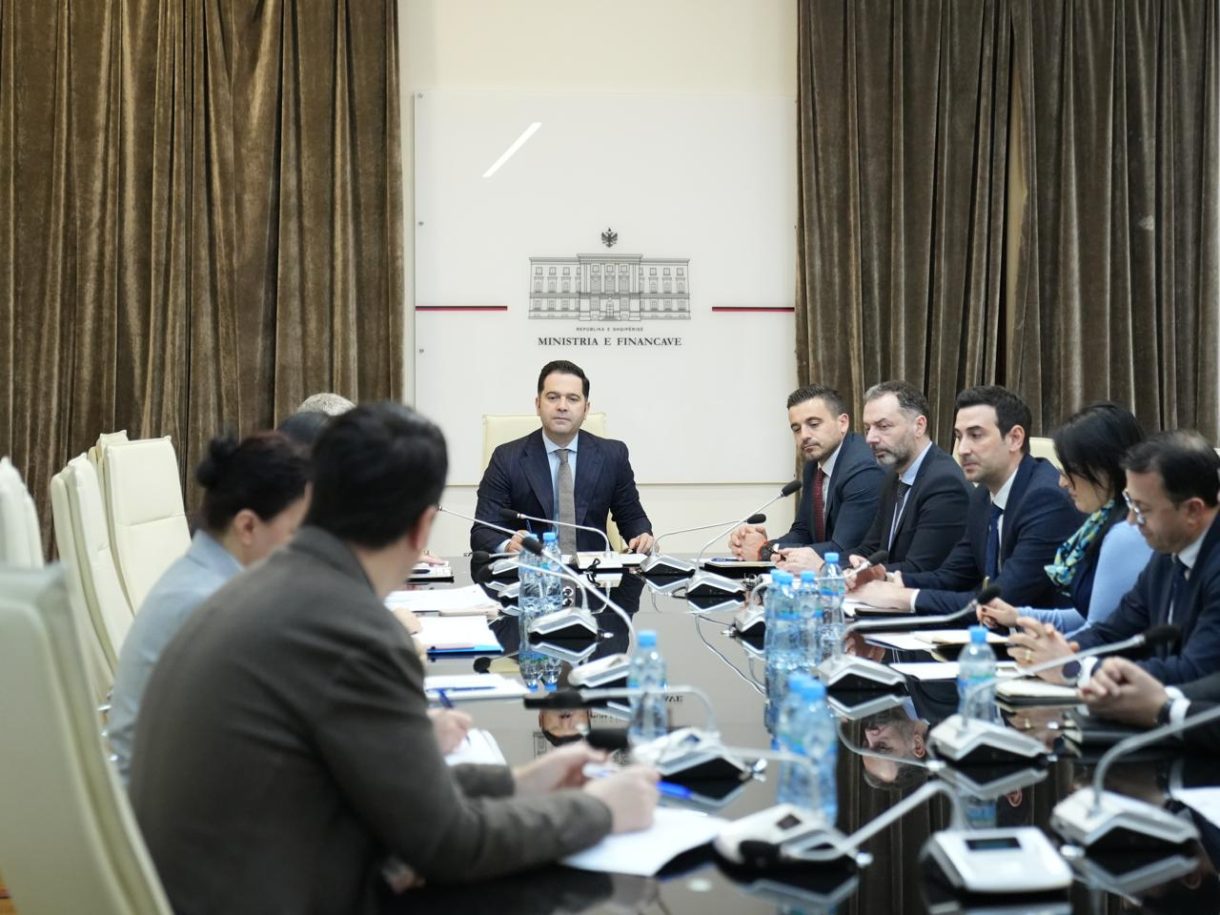
Minister of Finance Petrit Malaj, during a recent summit with General Director of Taxation Ilir Binaj and General Director of Customs Besmir Beja, finalized an operational roadmap to launch this inter-agency initiative.

The Task Force is mandated to tighten tax and customs oversight and improve enforcement efficiency across both the wholesale and retail hydrocarbon markets. The primary objective is to shield Albanian consumers from unjustified, speculative fuel price hikes. Minister Malaj emphasized that this operational strategy is a direct response to recent geopolitical developments driving volatility in global energy markets.

“We initiated this operational group prompted by the recent conflict involving Iran, the US, and Israel, which has directly impacted global hydrocarbon prices,” Malaj stated. “Both institutions will rigorously monitor pricing to prevent any exploitative hikes within the wholesale and retail trade sectors.”

Key Operational Measures

The agencies have agreed on a comprehensive enforcement framework, which includes:

  • Operator Risk Assessments: Conducting targeted evaluations of market players to identify high-risk entities.

  • Market Intelligence: Gathering field data regarding potential market abuses and speculative pricing.

  • Physical and Desk Audits: Expanding enforcement beyond the routine review of tax and customs documentation to include physical inspections of fuel volumes at wholesale depots and retail stations.

Inter-Agency Coordination and Long-Term Goals

Minister Malaj reiterated the Ministry of Finance’s commitment to robust tax and customs administration in the public interest. Besmir Beja, General Director of Customs, confirmed that the inspections will be executed nationwide, explicitly targeting entities flagged during the risk assessment phase.

According to Beja, joint inspection units will ensure all market activity strictly complies with regulatory frameworks. This includes verifying that every transaction is fiscally recorded and that all distributed fuel satisfies statutory customs and tax obligations.

Ilir Binaj, General Director of Taxation, noted that the respective agencies have fully coordinated the operational plan and commenced preliminary risk analyses. He highlighted that intelligence gathered from previous enforcement operations has been instrumental in pinpointing specific vulnerabilities within the sector. The ultimate objective is to sustain this joint operation over the long term to drive comprehensive market formalization and ensure the orderly functioning of Albania’s domestic hydrocarbon market.

by in News

Workplace Safety Under Scrutiny After Years of Fatal Accidents in Albania’s Energy Sector

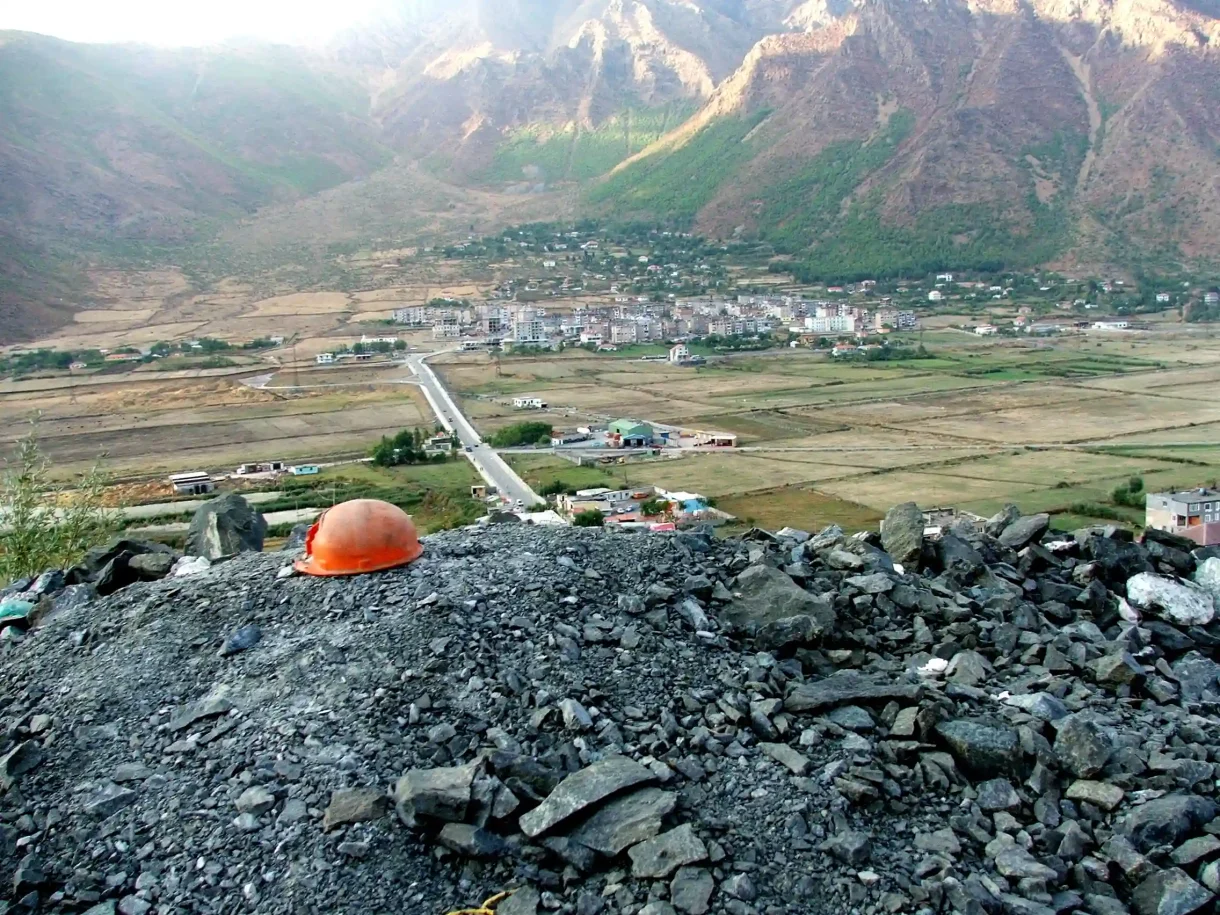
A spate of workplace accidents over the past decade has claimed dozens of lives in Albania’s energy and natural resources industries, highlighting persistent safety shortcomings. From high-voltage electrical lines to deep chrome mines, workers have faced deadly hazards with distressing regularity. Recent incidents – including a landslide that killed two hydropower construction workers in May 2025 and a string of mining accidents in Bulqizë – underscore the ongoing risks and have prompted calls for stronger safety enforcement.

In the chrome mining hub of Bulqizë, northeastern Albania, fatal accidents have become tragically routine. Miners working in unstable underground galleries have been victims of rock falls and gas explosions. In one concession alone, six miners died within a seven-month period (2017–2018) due to collapsing rock or asphyxiating blast. More recently, in September 2025, a 38-year-old miner was killed in Bulqizë’s Zone D galleries while working for a private chrome company. Such incidents illustrate what union leaders call chronic neglect of safety standards in the mining sector. Although police often arrest lower-level supervisors after deadly incidents, higher-level accountability is rare – no mine owners were prosecuted in the last three years despite numerous deaths.

The energy sector has seen its own share of tragedy. HV line workers with Albania’s public power company (OSHEE) regularly perform perilous maintenance on the country’s aging electrical grid. In one case, a 23-year-old electrician fell to his death from a power pole in 2016. During 2024 another foreign Egyptian worker, working for DOKO shpk died during construction of 400kV transmission line Fier-Elbasan-Qafe Thane.  During half of 2021 six electrical workers died during their work where two OST workers died in Roskovec HV tower demolition, and in April–May 2025, two OSHEE technicians were fatally electrocuted in separate incidents (in Mirditë and Divjakë) while attempting to restore electricity. Two other crew members were injured in the Mirditë accident, which occurred as they worked on a high-voltage line to supply a voting center. Investigations blamed lapses in safety protocols and protective equipment, pointing to the need for better training and oversight for electrical workers. OSHEE currently tops the list for workplace accidents among Albanian companies, according to official data.

Industrial projects backed by foreign investors have not been immune either. In 2014, three workers (two Albanians and an Italian) died when a rockslide struck the Moglicë hydropower project site in southern Albania. The project’s Norwegian developer, Statkraft, halted work to review safety after the incidents. Likewise, at the Ballsh oil refinery  a major energy installation a massive explosion in November 2016 killed one operator and badly burned five others.  Authorities suspect that inadequate maintenance and a failure to observe safety rules led to the blast in a fuel processing unit. These disasters highlight that even large-scale energy operations, which are expected to follow international standards, can falter on safety measures in Albania.

Despite each tragedy, systemic improvements have lagged. Over the five years alone (2016–2021), 133 people lost their lives to workplace accidents in Albania,  roughly half of them in construction, mining, or energy jobs. Government inspectors have handed out fines to companies for more than 600 penalties in that period and in some cases police have detained site managers after fatal accidents. Yet enforcement is widely seen as ineffective. Observers point to political connections and economic pressures that lead to corners being cut. For example, a 2019 accident in which an 18-year-old off-the-books worker was electrocuted at a small hydropower plant in Tamara was initially covered up as a “natural death”, allegedly to protect the concession owner. Such cases fuel public skepticism about regulators’ commitment to worker safety.

An electrical lineman in Albania working on power lines. OSHEE and OST field workers face high risks from falls and electrocution if safety protocols are not strictly followed.

Officials acknowledge the problem: The State Labour Inspectorate cites poor safety culture and lack of training as major issues, and only specific high-risk professions (miners, oil drillers) are required by law to carry life insurance. In response to recent accidents, the Ministry of Energy and infrastructure companies have promised new measures ranging from better protective gear for workers at height, to stricter monitoring of mining operations. There are some signs of progress: major foreign-led projects like the Trans-Adriatic Gas Pipeline were completed in 2020 without publicized fatalities, and Albania’s onshore oilfields have ramped up safety drills after the 2016 refinery blast.

However, critics say these efforts remain piecemeal.

Worker advocates and unions are urging a comprehensive overhaul of workplace safety enforcement. They want more surprise inspections, tougher fines and legal consequences for negligent executives, and greater empowerment of workers to refuse unsafe work. “Every Albanian who leaves for work in the morning deserves to come home safely,” one miners’ representative said at a recent vigil in Bulqizë. As Albania continues to develop its energy and mining resources  building roads, dams, power lines, and extracting minerals  the stakes are high. The country’s ambitious economic plans depend on these sectors, but each incident erodes public trust and devastates families.

For now, the rash of accidents has cast a spotlight on an uncomfortable reality: economic growth in Albania has been built on risky, sometimes deadly labor. The challenge ahead is translating the lessons of each tragedy into preventive action. Observers note that 2025, marked by multiple high-profile accidents, could be a turning point. The government has pledged to bolster the Work Inspectorate and update safety regulations in line with EU standards. Albania’s workforce, meanwhile, is watching closely to see if those promises result in safer conditions on the ground  in the mines, on the power lines, and at all hazardous job sites  so that such workplace tragedies become a thing of the past.

by in News

Bulgaria seeks to attract Azerbaijani investment in energy sector.

emil_karimov_ambassadorBulgaria intends to attract Azerbaijani investment in its energy sector. The Bulgarian government has delivered a package of energy cooperation projects to Azerbaijan, Emil Karimov said.

The Azerbaijani ambassador to Bulgaria told Trend on August 26 that the Azerbaijani side was offered to participate in the construction of filling stations, to invest in the construction of oil and gas storage facilities, and refineries.

“Currently, the Azerbaijani side is examining these projects and their profitability,” he said.

The ambassador went on to add that the energy cooperation is one of important areas of cooperation between Bulgaria and Azerbaijan.

“Bulgaria is interested in purchasing Azerbaijani gas. The government plans to purchase gas in the volume of one billion cubic meters a year. In the future, these volumes can be increased,” he said.

Currently, the negotiations on the Azerbaijani gas supply through the Greece-Bulgaria Interconnector are underway.

“Bulgaria intends to build a pipeline, which will be connected with the Trans-Adriatic Pipeline) in the future,” he said. “Azerbaijani gas will be delivered to Europe via this pipeline. Thus, Bulgaria will be able to receive gas from Azerbaijan.”

The Greece-Bulgaria Interconnector is a gas pipeline that will allow Bulgaria to receive Azerbaijani gas, mostly from the second stage of development of Azerbaijan’s Shah Deniz gas and condensate field.

The IGB will connect to the Trans-Adriatic pipeline, providing a steady flow of natural gas from Shah Deniz in the Caspian to European markets.

In January 2014, TAP and the Interconnector Greece-Bulgaria Company – which is in charge of the development, financing, and construction of the IGB – signed a memorandum of understanding and cooperation.

The MoU will allow cooperation between the two companies who will work together on finding a possible connection point in the vicinity of Komotini, Greece. This will enable new gas supplies to flow into the Bulgarian gas network and further into South Eastern Europe.

The TAP project is a part of the Southern Gas Corridor that allows Europe to diversify its hydrocarbon supply sources and strengthen energy security.

TAP will transport natural gas from the giant Shah Deniz II field in Azerbaijan to Europe. The approximately 870 km-long pipeline will connect to the Trans-Anatolian Pipeline at the Turkish-Greek border in the city of Kipoi, cross Greece, Albania, and the Adriatic Sea, before coming ashore in Southern Italy.

Azerbaijan and Bulgaria have developed friendly relations after Bulgaria recognized the independence of Azerbaijan in January 1992.

Diplomatic relations between the two countries were established in June 1992 and the Embassy of Bulgaria in Azerbaijan was opened in December 1999.

Bulgaria and Azerbaijan have the potential for a much greater trade turnover than current figures show. In 2014, the Azerbaijan State Statistics Committee reported that trade between the two countries amounted to $124.596 million.

By Aynur Karimova