Greece Fast-tracks Strategic Hydrocarbon Agreements with Chevron and HelleniQ Energy
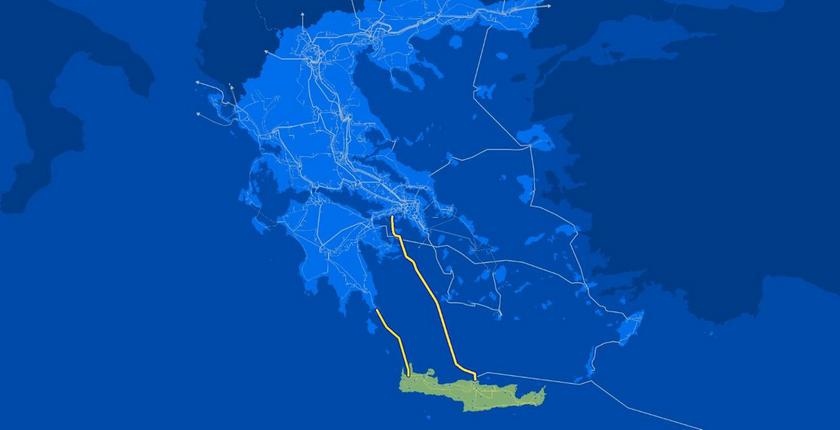
The Hellenic Parliament is set to ratify a series of landmark energy concessions this week, signaling Greece’s most decisive move in decades to unlock the hydrocarbon potential of the Eastern Mediterranean. The legislation authorizes exploration and exploitation contracts for high-prospect offshore blocks located south of Crete and the Peloponnese.
Designated by government officials as a “national priority” for energy security, the bills cleared their final committee review early this week. A plenary vote is scheduled for Thursday, which would formally greenlight a partnership between the Greek state and a powerful consortium led by global major Chevron and national champion HelleniQ Energy.
A Strategic Buffer Against Volatility
During a briefing before the Production and Trade Committee, Minister of Environment and Energy Stavros Papastavrou framed the development of domestic resources as a critical sovereign endeavor. In an era defined by regional energy instability, Papastavrou characterized the initiative as a “national affair” essential for long-term strategic autonomy.
The contractual framework is structured to insulate the Greek taxpayer from financial exposure:
-
Zero Public Risk: Private consortiums will bear 100% of the capital expenditure during the high-risk exploration phase.
-
State Revenue Sharing: If commercially viable deposits are discovered, the state is positioned to retain the vast majority of the economic benefits.
-
Technical Sovereignty: The projects represent the culmination of a 12-year national effort to map and tender Greece’s maritime wealth.
Technical Optimism Meets Industry Caution
Aristophanes Stefatos, CEO of the Hellenic Hydrocarbons Management Company (HEREMA), underscored that the state incurs no expenditure if exploration fails, while Anastasios Vlassopoulos, representing the Chevron-HelleniQ partnership, assured lawmakers that state-of-the-art seismic evaluations would maximize the chances of a successful find.
However, the ambitious timeline has drawn some scrutiny from industry experts. Konstantinos Stambolis, Executive Director of the Institute of Energy for Southeast Europe (IENE), welcomed the legislation but noted a potential regulatory gap. Stambolis raised concerns regarding the absence of mandatory drilling timelines within the current text, suggesting that stricter windows for physical exploration would better ensure rapid development.
Regional Implications
The ratification comes at a pivotal moment for European energy policy. As the continent continues to diversify away from Russian gas, Greece is positioning itself as a vital energy gateway for the Balkan corridor. Success in these offshore blocks could transform Greece from a transit hub into a significant primary producer, fundamentally altering the energy architecture of South East Europe.