by in News

Montenegro to produce coal until 2050

The Pljevlja coal mine has been granted a concession for coal production for 24.5 years, extending the extraction of the solid fossil fuel until 2050.

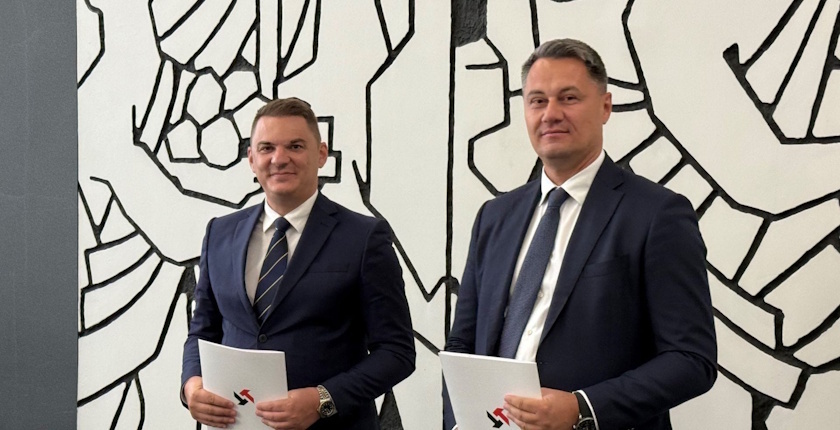
Admir Šahmanović, Minister of Energy and Mining, and Nemanja Laković, CEO of coal mine operator Rudnik uglja Pljevlja (RUP), exchanged concession agreements for the period up to 2050.

They spoke at a ceremony in Pljevlja marking Miner’s Day, September 24, and the 73rd anniversary of the mine’s operation.

The signing of the concession agreement enables the long-term use of significant coal reserves in the Pljevlja municipality, which is one of the key steps in further valorizing the mining potential of northern Montenegro, according to the Ministry of Mining and Energy.

The coal extraction concession is granted for 24.5 years

“Our joint mission is for mining in Montenegro to continue developing responsibly, and in line with the highest standards. Our special focus will be on the development and future of this sector, having in mind the changes introduced by a just transition,” Šahmanović stated.

In late June, the Government of Montenegro decided to grant the concession to the mine for the excavation of lignite deposits at the sites Potrlica, Kalušići, Grevo, and Rabitlje in the Pljevlja coal basin.

The duration of the contract is 24.5 years, the government said. The mine is obliged to produce at least 1.65 million tons of lignite annually.

The Pljevlja coal power plant is planned for closing in 2041

The concession fee amounts to 4% of the market value of the excavation reserves.

Of note, almost the entire production of the mine is for the Pljevlja thermal power plant – the country’s only coal plant and the largest electricity producer.

The draft National Energy and Climate Plan (NECP) of Montenegro proposes 2041 as the provisional date for closing the Pljevlja coal plant.

The timeline primarily depends on the success of the just transition process and maintaining the security of the electricity supply, the document reads.
by in News

Slovenia’s sole coal-fired power plant Šoštanj to keep main unit offline until fall

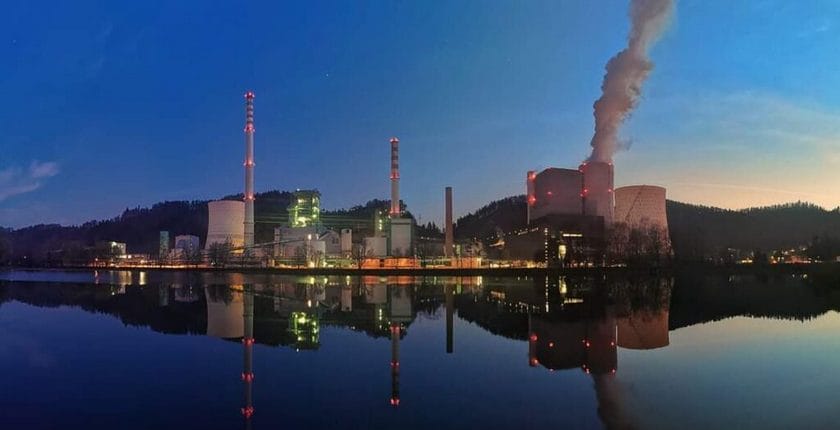
As of this year, Slovenia’s only coal-fired power plant, Termoelektrarna Šoštanj (TEŠ), has shifted its primary focus to supplying heat, with electricity now sold as a byproduct. The ongoing overhaul of its unit 6 is expected to be completed in the coming days, but the 600 MW block will not be restarted until the end of September, when demand for heat is set to rise.

As part of the coal-phaseout process, targeted for completion in 2033, the Government of Slovenia decided last year to set aside EUR 403 million to save TEŠ and coal mine Velenje from bankruptcy and take over both from state-owned power utility Holding Slovenske Elektrarne (HSE).

TEŠ hopes the fall months will drive revenues

TEŠ hopes that the fall months will enable it to meet this year’s revenue target, as the operation of unit 6 is unprofitable in the summer due to low market prices for electricity and reduced demand for heat. This year, the power plant aims to earn EUR 400 million from the sale of heat and electricity.

Apart from unit 6, TEŠ operates only one other coal-fired generator, unit 5, with a capacity of 345 MW, while its first four blocks have been shut down.

The changed circumstances have been challenging for TEŠ, according to its CEO, Branko Debeljak. As HSE no longer sells TEŠ’s electricity, the plant had to set up its own sales department and seek customers on the market. Even so, the first four months of 2025 were quite successful when it comes to electricity sales, says Debeljak. The plant sold 1,045 GWh of electricity, generating revenues of EUR 138 million, or EUR 29 million more than initially planned, according to him.

The overhaul of unit 6 began in April

The overhaul of unit 6 began on April 22 and was expected to be completed by June 20. However, due to delays in the delivery of components, it had to be extended until early July. The completion of the overhaul will be followed by a short trial run, and a restart is planned at the end of September when the need for heat supply is set to rise again.

Slovenia aims at a 55% drop in emissions by 2033, and an early closure of its only coal-fired plant could help achieve that target. It seems likely that TEŠ will be shut down within a few years or operate at minimum capacity.

In June, Ireland’s Moneypoint power plant stopped burning coal, marking the end of coal use in the country. Slovakia and Spain officially intend to exit coal in 2025, followed by Greece (2026), France and Hungary (2027), and Denmark and Italy (2028). However, the dates could be pushed forward, and more countries could join the group in the meantime.

by in News

Coal power plant Maritsa East 3 plans to build solar plant, 200 MW battery system

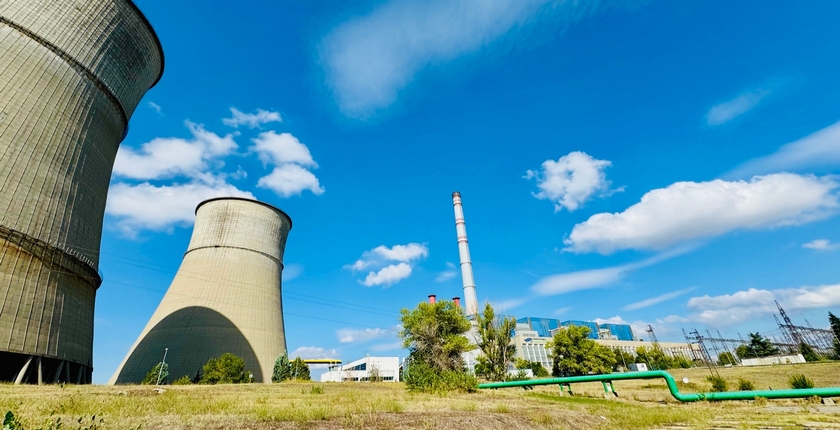
Coal-fired power plant ContourGlobal Maritsa East 3, which operates only sporadically to ensure the stability of supply for Bulgaria’s power system, plans to repurpose the grid infrastructure of its units 1 and 2 for solar and battery storage capacities. Units 3 and 4 will remain on standby to generate electricity during peak demand periods in the summer and winter months, but the plant will need state support to cover maintenance and workforce costs.

Maritsa East 3 (Maritsa iztok 3), majority owned by the US-based ContourGlobal, plans to use the existing grid infrastructure, including transformers and switchgear, to speed up the green energy project within the complex, according to Vassil Shtonov, Executive Director of ContourGlobal Bulgaria.

The central element is a 200 MW standalone battery energy storage system (BESS), the largest of its kind in Bulgaria, which would improve the flexibility and stability of the national power system, Shtonov explained in an interview with Capital.bg.

The project involves a 200 MW standalone battery system and a solar power plant

The planned battery system at Maritsa East 3 was among 82 projects selected to receive a total of EUR 587 million in subsidies from Bulgaria’s Ministry of Energy in April this year.

“In parallel, we are considering the development of an additional hybrid solar park with a battery at the same site,” he said. This will allow for faster deployment of new clean energy capacity, while preserving all options for future use of the coal-fired plant and its original infrastructure, Shtonov added.

ContourGlobal plans to build 400MW to 500 MW of renewable energy capacity combined with batteries

ContourGlobal plans to invest hundreds of millions of euros to develop 400 MW to 500 MW of renewable energy capacity combined with storage systems, he said, adding that nearly half of this target is under construction or final approval. The company’s goal is to phase out coal by 2027 and achieve carbon neutrality by 2040, he stressed, recalling that Bulgaria’s targeted coal phaseout date is 2038.

Keeping coal plants on standby requires state support

Bulgaria’s state-owned National Electricity Co. (NEK) holds a minority stake in Maritsa East 3. After the plant’s 15-year power purchase contract with NEK expired in February 2024, it has only been able to operate on the free market for a few months a year. This year, units 3 and 4 were online from January to the end of March to maintain energy security.

Shtonov: Key coal-fired power plants should get a fixed amount from the state

However, to be on standby for system security, the plant needs to keep workers on the payroll even when it is not operating. For this reason, strategically important coal-fired power plants should receive a fixed amount from the state to cover ongoing personnel and maintenance costs, and then be switched on when necessary to protect consumers from sharp increases in electricity prices, as happened last year in July and November, according to Shtonov.