Serbia drafts just transition action plan
Serbia plans to invest EUR 88.8 million by 2030, through its just transition action plan, in activities aimed at mitigating the impacts of the planned reduction in coal-based energy production, and ensuring a just transition.
The Ministry of Mining and Energy has published a draft just transition action plan and launched a public debate. Within the process, it scheduled a meeting for June 9 in the Chamber of Commerce and Industry (PKS) in Belgrade.
A decarbonization plan will be subsequently defined, including for the shutdown of coal power plants and the transition of underground mines run by state-owned firm JP PEU Resavica, the document reads.
The draft includes an analysis of the planned closure of two coal power plants
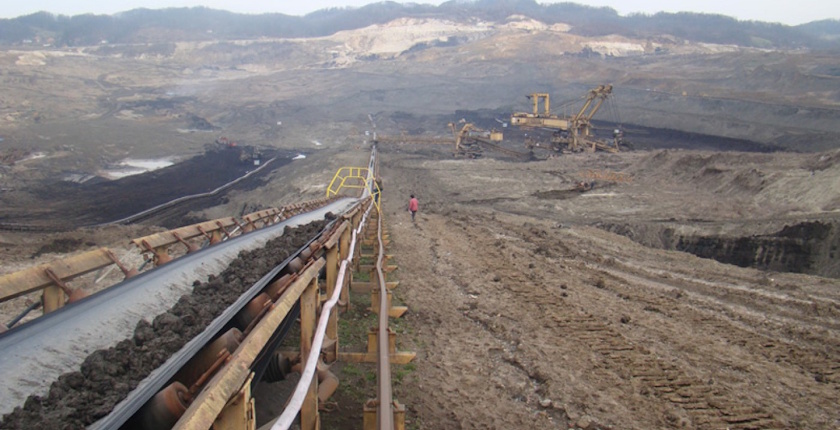
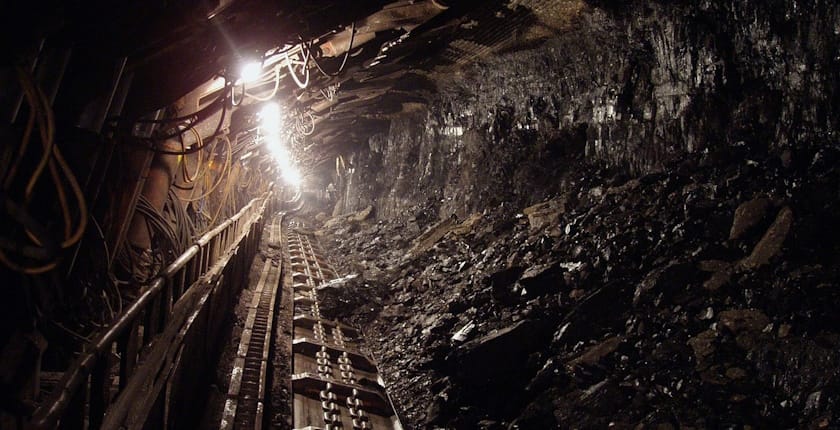
The draft contains an analysis of the planned closure of coal-fired thermal power plants Kolubara A and Morava, the oldest in the country. State-owned power utility Elektroprivreda Srbije (EPS) operates them, alongside four other such facilities and open pit mining complexes Kolubara and Kostolac, while Resavica comprises nine mines.
Of note, EPS presented a preliminary plan in 2023 for shutting down its coal power plants.
A significant workforce reduction in lignite production is expected after 2030
The total number of employees in coal power plants and coal mines in Serbia is 25,288. About 20,000 are in the mines.
If the Kolubara and Morava plants were closed, about 472 jobs in the Kolubara region could be indirectly affected, mainly within subcontractors and firms in EPS’s value chain. The draft’s authors estimated that at Rembas, the largest mine within JP PEU Resavica, a total of 930 jobs could be directly affected by 2030, with an additional 958 to 1,367 jobs in indirect risk, primarily in mining subcontractors.
New jobs in the renewable energy sector
Citing Serbia’s Integrated National Energy and Climate Plan, the document adds the thermal power plants are expected to operate at reduced capacity after 2030, but that an accelerated closure is not foreseen. It would result in significant job cuts in lignite production, the draft reads.
The draft’s authors expect the transition to a green economy to create full-time jobs by 2030 and beyond, nationwide, in the construction, management, and maintenance of new renewable energy capacities.
The renewable energy industry in Serbia is projected to create up to 6,105 jobs across the country by 2030, of which 4,397 in the solar energy sector.
EUR 60 million allocated for industrial parks
Out of the planned EUR 88.6 million, the largest portion – EUR 60 million, would be allocated for the improvement of economic infrastructure in existing industrial parks. Local authorities would get grants to upgrade them, amounting to EUR 12 million.
The measure is expected to diversify local economies and attract new investments within industrial parks in affected areas.
The second-largest allocation in the draft would be EUR 12 million for an entrepreneurship and self-employment support program. It includes grants and tax incentives for starting new businesses, with investments of at least EUR 50,000 for small and medium-sized enterprises and EUR 10,000 for self-employed individuals.
Again, the initiative is expected to facilitate the creation of at least 200 businesses and support 200 self-employed individuals.
The draft is the result of a project financed by the European Bank for Reconstruction and Development (EBRD). It began in October 2021.