by in News

Air under pressure: new report monitoring finds pockets of hazardous air and chronic noise across Tirana

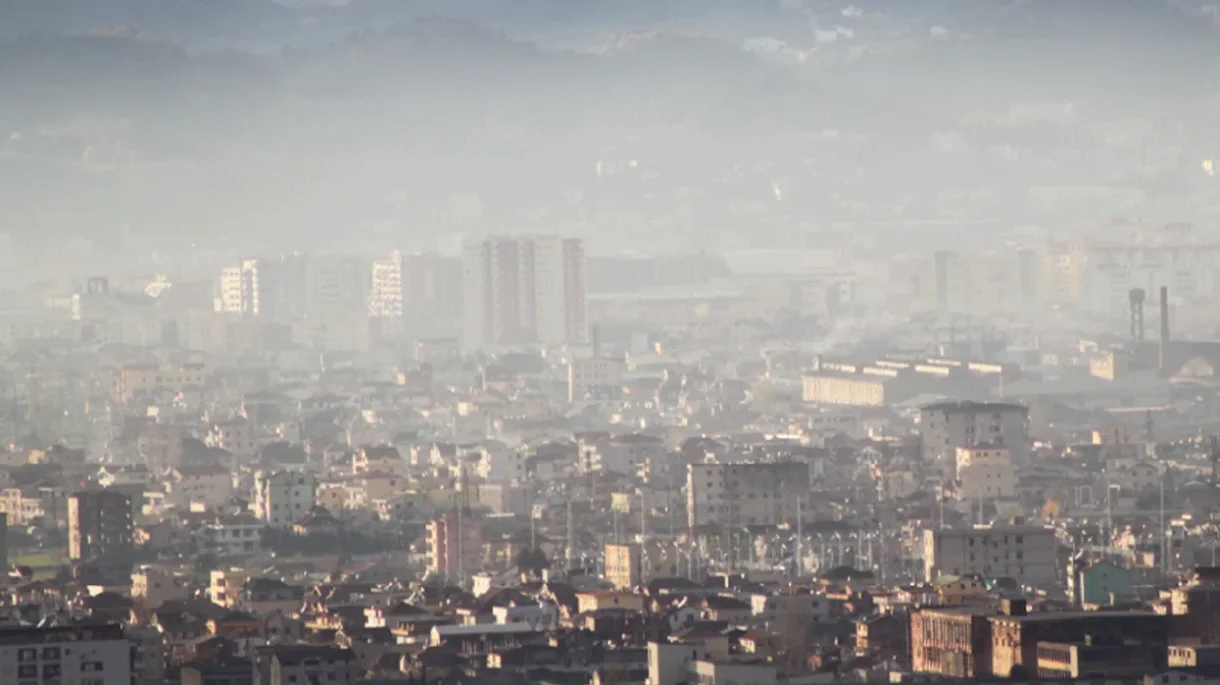
A new annual monitoring report produced by Co-PLAN under the GreenAL project paints a stark picture: parts of Tirana regularly record pollutant concentrations and noise levels that pose real risks to public health. The study, based on an “alternative” (low-cost, widely distributed) monitoring network, identifies clear hotspots tied to traffic, construction and dense urban activity and lays out a rapid expansion plan to scale monitoring across six municipalities.

What the data show

Distribution of CO₂ pollution in the first (left) and second (right) rounds of monitoring.

Distribution of CO₂ pollution in the first (left) and second (right) rounds of monitoring.

  • CO₂ and urban emissions remain problematic. The report notes stations where CO₂ is “above acceptable limits,” especially along major boulevards and compact urban corridors where vehicle combustion and lack of green space concentrate emissions. The authors link persistent high CO₂ to heavy traffic and limited vegetation for removal.

  • Fine and coarse particulates (PM₂.₅ and PM₁₀) exceed health guidelines in many locations. The monitoring finds repeated exceedances at arterial roads such as Rruga e Kavajës and at zones named “Zogu i Zi” and “Kryqëzimi i 21 Dhjetorit” — areas with intense traffic and construction activity. The report compares measured values against national, EU, US and WHO limits (Table 1).

  • Nitrogen dioxide (NO₂) spikes in traffic hotspots. High NO₂ concentrations were recorded near the Kryqëzimi i 21 Dhjetorit and Pazari i Ri intersections — locations directly tied to combustion emissions from vehicles and some industrial sources. The report flags chronic NO₂ exposure as linked to rising asthma and other respiratory illnesses.

  • Noise pollution is widespread and sometimes severe. Acoustic monitoring reveals daytime peaks and persistent high levels in market and major-road areas. Sheshi Italia registered the highest single measurement in round 1 (72.2 dB); Rruga e Kavajës and Shkolla M. Grameno recorded ~70–71 dB. Quieter residential spots such as Zogu i Zi measured ~61 dB. The report stresses that sustained exposure at these levels is linked to stress, sleep disruption and cardiovascular effects.

Context and method

GreenAL’s monitoring uses an “alternative” methodology of many low-cost sensors and mobile/portable stations to map pollution spatially and temporally across the city (the project builds on the Green Lungs initiative and is funded by Sida). The approach produces high-resolution snapshots across dozens to hundreds of points — useful for revealing local hotspots that fixed, sparse regulatory stations can miss. The report explicitly frames these data as complementary to official monitoring and as a basis for targeted interventions.

Notable numbers and comparisons

The report reproduces a comparative table of limit values used for reference: for example, Albania’s annual PM₂.₅ limit is listed as 20 µg/m³, while the EU reference is 10 µg/m³ and the WHO guideline 5 µg/m³ (the report uses these benchmarks when judging exceedances). It also notes earlier monitoring rounds where NO₂ reached roughly EU normative levels and CO₂ was reported as multiple times higher than benchmark values.

Hotspots and likely causes

The spatial maps and station lists in the report consistently point to the same drivers:

  • Traffic corridors (commuter boulevards, intersections) — engines and stop-and-go flow concentrate NO₂ and particulates.

  • Construction and material burning near roads — elevate PM₁₀/PM₂.₅ locally.

  • Dense urban fabric with little greenery — increases CO₂ retention and amplifies urban heat/island effects, which in turn can worsen pollutant chemistry and human exposure.

Stations with the highest PM₂.₅ and PM₁₀ pollution during the monitoring period

Public-health implications

GreenAL frames the findings in public-health terms: repeated exceedances of PM₂.₅/PM₁₀ and elevated NO₂ are associated with acute and chronic respiratory disease, cardiovascular risk and — for noise — sleep disturbance, cognitive impacts on children and increased stress. The most exposed populations are people living and working along the identified corridors, market workers, schoolchildren near busy roads, and residents adjacent to construction sites.

The report’s response plan 

Përmbledhje e shpërndarjes së ndotjes akustike gjatë periudhës së monitorimit

Përmbledhje e shpërndarjes së ndotjes akustike gjatë periudhës së monitorimit

GreenAL commits to scaling monitoring from the current network to ~800 monitoring points distributed across six municipalities (Tiranë 300; Shkodër, Elbasan, Korçë, Durrës and Fier  each 100). The plan emphasizes low-cost sensor deployment, community engagement, and an open Green-Lungs web/GIS platform for publishing data and increasing transparency. These steps should improve spatial coverage and public access to data — but the report also acknowledges that data alone do not reduce emissions without accompanying policy measures.

What the data imply for policy — investigative analysis

  1. Targeted traffic management now, structural change next. The strong concentration of pollution on boulevards and intersections implies that immediate gains could come from congestion-reduction (low-emission zones, targeted traffic calming, improving public transport frequency and reliability) while planning for structural shifts (modal shift to public and active transport).

  2. Construction controls and road dust mitigation. Frequent exceedances near construction sites point to a need for stricter dust control (water suppression, covered loads, restricted working hours) and enforcement of construction permits tied to pollution mitigation.

  3. Protect sensitive sites (schools, markets) quickly. Relocating high-exposure activities, installing protective vegetation buffers, or limiting heavy traffic during school hours can reduce exposure for vulnerable groups.

  4. Pair expanded monitoring with clear regulatory thresholds and action triggers. Low-cost networks are valuable for detection — but they must be tied to predefined response actions (e.g., temporary traffic restrictions, emissions inspections) so data lead to measurable reductions.

  5. Use open data to empower citizens and accountability. The planned Green-Lungs platform can increase transparency; civil society and local media should use these data to press municipal authorities for time-bound measures.

Caveats and further scrutiny

GreenAL’s methodology is explicitly described as “alternative” and complementary; low-cost sensors can have inter-sensor variability and need calibration against reference instruments for regulatory decisions. The report notes meteorology, diurnal variability and episodic activities (e.g., construction) as factors that affect readings  so trend assessments and seasonally robust datasets will be essential before assuming long-term averages. The authors plan deeper methodological analysis in subsequent reports.
by in News

Serbia to put mining strategy to parliament vote

The government passed the draft Strategy for the Management of Mineral and Other Geological Resources of the Republic of Serbia for the period from 2025 to 2040, with projections until 2050, so the National Assembly is required to put it to vote. With full appreciation of economic, environmental and social aspects, the implementation needs to contribute to improving the legal framework, establishing a balance between economic growth and environmental protection, remediation of abandoned mining facilities and securing a stable supply of critical and strategic raw materials, Minister of Mining and Energy Dubravka Đedović Handanović stressed.

After a turbulent public discussion process, the Government of Serbia adopted the draft Strategy for the Management of Mineral and Other Geological Resources of the Republic of Serbia for the period from 2025 to 2040, with projections until 2050. Several dozen objections and suggestions were accepted or partly accepted. However, the text of the strategy that will be passed on to the National Assembly for a vote hasn’t been published yet.

A special emphasis is on the development of risk management mechanisms, climate neutrality and the application of energy-efficient and low-carbon technologies, the government pointed out.

The strategy is based on the principles of sustainable utilization of natural wealth, biodiversity protection, climate resilience and the reduction of negative effects of mining activities, the announcement reads.

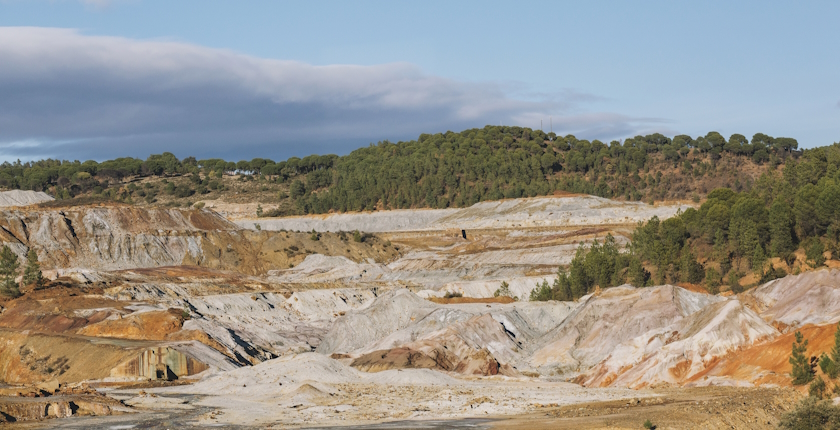
According to the report on the environmental impact of the strategy’s implementation, Serbia hosts many deposits of metallic, non-metallic and energy raw materials, groundwaters and geothermal energy. The authors of the accompanying document acknowledged that the exploitation of mineral raw materials in Serbia caused air, water and land pollution. Metals mining hub of Bor and Majdanpek and the Kolubara and Kostolac lignite basins are the most affected.

Another challenge highlighted in the environmental impact report are the abandoned mines, tailings dumps and mining facilities that require remediation and rehabilitation.

Strengthening state’s role in planning, oversight

The document sets a long-term framework for the responsible management of mineral resources and the strengthening the role of the state in planning, oversight and the improvement of the sector of mining and geology, in the interest of citizens and a sustainable development of local communities, the Ministry of Mining and Energy said.

A special emphasis is on critical and strategic raw materials, geothermal energy and rational utilization of natural resources

Minister Dubravka Đedović Handanović said the strategy defines programs and measures directed toward a secure supply of domestic companies and the energy system with mineral raw materials, job creation and a greater participation of the domestic industry in the value chain, as well as for reducing import dependency and strengthening the country’s economic stability.

She explained that the focus is particularly on critical and strategic raw materials, geothermal energy and rational utilization of natural resources, alongside the implementation of high environmental and security standards. This is the way, in her words, to protect the environment, improve work safeety and lower the risks for people’s health and the quality of life in local communities.

Treating protected areas responsibly

Dubravka Đedović Handanović added that the strategy clearly defines a responsible treatment of protected areas and the spaces of special natural value, through a principle of prevention and respect toward the protection regime, as well as the transparency in the processes of planning and decision making, so that the citizens would be informed timely and included in dialogue.

With full appreciation of economic, environmental and social aspects, the implementation needs to contribute to improving the legal framework, establishing a balance between economic growth and environmental protection, remediation of abandoned mining facilities and securing a stable supply of critical and strategic raw materials, the minister underscored. She said that in the long term it meant greater safety, a better quality of life and responsible development.

by in News

Serbia to put mining strategy to parliament vote

The government passed the draft Strategy for the Management of Mineral and Other Geological Resources of the Republic of Serbia for the period from 2025 to 2040, with projections until 2050, so the National Assembly is required to put it to vote. With full appreciation of economic, environmental and social aspects, the implementation needs to contribute to improving the legal framework, establishing a balance between economic growth and environmental protection, remediation of abandoned mining facilities and securing a stable supply of critical and strategic raw materials, Minister of Mining and Energy Dubravka Đedović Handanović stressed.

After a turbulent public discussion process, the Government of Serbia adopted the draft Strategy for the Management of Mineral and Other Geological Resources of the Republic of Serbia for the period from 2025 to 2040, with projections until 2050. Several dozen objections and suggestions were accepted or partly accepted. However, the text of the strategy that will be passed on to the National Assembly for a vote hasn’t been published yet.

A special emphasis is on the development of risk management mechanisms, climate neutrality and the application of energy-efficient and low-carbon technologies, the government pointed out.

The strategy is based on the principles of sustainable utilization of natural wealth, biodiversity protection, climate resilience and the reduction of negative effects of mining activities, the announcement reads.

According to the report on the environmental impact of the strategy’s implementation, Serbia hosts many deposits of metallic, non-metallic and energy raw materials, groundwaters and geothermal energy. The authors of the accompanying document acknowledged that the exploitation of mineral raw materials in Serbia caused air, water and land pollution. Metals mining hub of Bor and Majdanpek and the Kolubara and Kostolac lignite basins are the most affected.

Another challenge highlighted in the environmental impact report are the abandoned mines, tailings dumps and mining facilities that require remediation and rehabilitation.

Strengthening state’s role in planning, oversight

The document sets a long-term framework for the responsible management of mineral resources and the strengthening the role of the state in planning, oversight and the improvement of the sector of mining and geology, in the interest of citizens and a sustainable development of local communities, the Ministry of Mining and Energy said.

A special emphasis is on critical and strategic raw materials, geothermal energy and rational utilization of natural resources

Minister Dubravka Đedović Handanović said the strategy defines programs and measures directed toward a secure supply of domestic companies and the energy system with mineral raw materials, job creation and a greater participation of the domestic industry in the value chain, as well as for reducing import dependency and strengthening the country’s economic stability.

She explained that the focus is particularly on critical and strategic raw materials, geothermal energy and rational utilization of natural resources, alongside the implementation of high environmental and security standards. This is the way, in her words, to protect the environment, improve work safeety and lower the risks for people’s health and the quality of life in local communities.

Treating protected areas responsibly

Dubravka Đedović Handanović added that the strategy clearly defines a responsible treatment of protected areas and the spaces of special natural value, through a principle of prevention and respect toward the protection regime, as well as the transparency in the processes of planning and decision making, so that the citizens would be informed timely and included in dialogue.

With full appreciation of economic, environmental and social aspects, the implementation needs to contribute to improving the legal framework, establishing a balance between economic growth and environmental protection, remediation of abandoned mining facilities and securing a stable supply of critical and strategic raw materials, the minister underscored. She said that in the long term it meant greater safety, a better quality of life and responsible development.

by in News

Major industrial polluters in Serbia continue to pollute air, soil, water without control

Around 150 companies in Serbia, potentially major polluters of water, air, and soil, have not obtained their integrated pollution prevention and control permits by December 31, 2024. It means they are violating the Law on Integrated Pollution Prevention and Control and, more importantly, that no one controls how much they pollute the environment, according to the analysis of the basic premises of the Draft Law on Integrated Pollution Prevention and Control, produced by the Renewables and Environmental Regulatory Institute (RERI).

About 220 operators are required to own an integrated pollution prevention and control (IPPC) permit for their industrial and intensive agricultural facilities, such as power plants, oil refineries, large chemical and metal facilities, as well as farms.

Ones that haven’t fulfilled their legal obligation include large and profitable companies such as power utility Elektroprivreda Srbije (EPS) and Serbia Zijin Copper.

The Law on Integrated Pollution Prevention and Control has been in force since 2004. Its aim was to introduce integrated pollution prevention and control, as well as to transpose the European Union’s Industrial Emissions Directive (IED).

The draft of the new law was recently published

The deadline for obtaining IPPC permits was initially the end of 2020, but it was then postponed to the end of 2024. The basic premises for the new law were published in February. The draft law, recently published as well, is in the public consultation phase.

Programme Director of RERI Mirko Popović stressed that citizens should be aware that there are major polluters and that they are the most profitable and wealthiest companies in Serbia. In his view, they are exempted from the application of the law, to the detriment of the citizens, because they pollute the environment – air, water, soil.

Popović: We want to protect people’s health, property, and rights

Citizens should be aware that when EPS emits 300,000 tons of sulfur dioxide (SO2), it goes into the atmosphere and partially turns into fine particulate matter that pollutes the air and enters the lungs, Popović noted. Some of it becomes acid rain that falls on the soil, making agricultural land less fertile, he added.

“Citizens are obliged to pay taxes, to obey the law, but these polluters aren’t,” Popović pointed out.

According to RERI’s programme director, citizens should know that RERI, an NGO dealing with these problems, doesn’t want to eliminate jobs, close factories, or hinder development.

“We want to protect the health, property, and rights of people,” Popović underscored.

Minić: Pollution reduces economic growth in the long term

serbia ippc permits reri report law
Photo: RERI

When a company has an IPPC permit, it means that it is obliged to implement best available techniques (BAT) while its operations are monitored for comprehensive reduction of air, water, and soil pollution and for compliance with strict emission limit values.

When a company doesn’t have one, the environment is exposed to greater, uncontrolled pollution, since the law doesn’t apply to it.
The legislation stipulates strict emission limit values, defined maximum levels of pollutants, including heavy metals, SO2 and nitrogen oxides (NOx) that a facility is allowed to emit into the air, water, or soil.

Pollution has a negative impact on GDP

According to Slobodan Minić, Senior Economist at Fiscal Council, everything regarding the IPPC law is based on the paradigm that investing in BAT, or technologies that minimize harm to the environment and human health, increases costs and slows growth.

“However, it has been overcome in the world at least a decade ago, because as data on air and environmental pollution became available, more and more research has been conducted on how it affects health. The public in Serbia now knows well what the impact is, between 10,000 and 15,000 premature deaths annually. According to economic literature, pollution also adversely affects GDP,” he stated.

We must think of this not as a cost, but as an investment

He recalled that an OECD study showed that an increase in the average concentration of PM2.5 by one microgram reduces GDP by 0.98%.

“If we want to break out of this vicious circle, we must think of this not as a cost, but as an investment. Not just in the production facility, but in human capital, because it contributes to economic growth, instead of hindering it. Otherwise, in the long term, society and the economy will suffer,” Minić concluded.

Vojvodić: The initial principles do not promise changes in the new law

serbia ippc permits reri report law popovic vojvodic minic
Slobodan Minić, Mirko Popović and Hristina Vojvodić (photo: RERI)

Public consultations on the draft law, which began on November 27, last until December 15.

Hristina Vojvodić, legal advisor in RERI, pointed out that core problems aren’t addressed.

The basic premises of the draft law should have identified the shortcomings of the existing law, based on the 20 years of its implementation, in her view. It isn’t good that these premises were defined without the participation of the members of the working group for the draft law, she explained.

This is a signal to the public, experts, members of the working group that the problems that have been identified were sidelined, Vojvodić asserted.

Of note, RERI produces reports on the implementation of IPPC law to help reduce pollution originating from industry. The organization also defines recommendations for improving the enforcement of regulations and sanctions for polluters.

According to RERI, the research for the latest analysis went beyond the scope of the basic premises. It decided to expand the report to include the issues in the implementation of the law and offer fact-based solutions.

by in News

More than 330,000 Europeans died due to air pollution in 2023

Air pollution remains one of the greatest threats to the health of Europeans. According to the latest report by the European Environment Agency (EEA), 333,000 cases of premature death in 2023 were linked to exposure to particulate matter, ozone, and nitrogen dioxide. The Western Balkans are among the most affected regions, with more than 22,000 premature deaths caused by air pollution, despite an average 50% decrease in PM2.5-related mortality between 2005 and 2023.

The European Environment Agency has published the report Harm to human health from air pollution in Europe: burden of disease status, 2025.

The report analyses three pollutants—particulate matter (PM2.5), nitrogen dioxide (NO2), and ozone (O3)—and their contribution to premature mortality and health impacts in 41 European countries.

In 2023, Europeans were exposed to concentrations of these pollutants far exceeding the levels recommended by the World Health Organization (WHO). Recommended maximum concentrations are 5 micrograms of PM2.5 per cubic metre of outdoor air, 60 micrograms for O3, and 10 micrograms per cubic metre for NO2.

The number of premature deaths in the EU linked to fine particulate matter decreased by 57% between 2005 and 2023

The number of premature deaths associated with fine particulate matter in the EU fell by 57% between 2005 and 2023, surpassing the EU Zero Pollution Action Plan target for 2030, set at 55%. The revised Ambient Air Quality Directive (AAQD), which entered into force last year, brings the EU’s limit values more in line with WHO recommendations.

Still, 95% of residents in European cities remain exposed to levels above these guidelines.

At the EU level alone, compliance with WHO guidelines in 2023 would have prevented 182,000 deaths linked to PM2.5, another 63,000 caused by ozone, and 34,000 resulting from NO2 exposure.

Across the 40 countries covered by the report, 206,000 deaths were attributed to PM2.5 concentrations above recommended levels. Turkey was excluded because the number of monitoring stations with available data was too low to create concentration maps. O3 exposure caused 71,000 deaths, and nitrogen dioxide caused 56,000.

Across the whole of Europe, a total of 333,000 people died prematurely.

People in Southeastern Europe suffer the greatest health impacts due to high pollution levels

Across all 40 countries, the highest number of PM2.5-related deaths in 2023 occurred in Italy, Poland, and Germany. However, the highest relative impact—measured in years of life lost per 100,000 inhabitants over 30 years—was recorded in Southeastern Europe. Years of life lost represent the estimated average number of additional years people would statistically live if they did not die before reaching life expectancy.

Residents of North Macedonia, Bosnia and Herzegovina, and Albania lost the most years of life. Among EU member states, Bulgaria ranked first, followed by Greece and Romania.

The highest absolute number of NO2-related deaths in 2023 was recorded in Turkey, Italy, and Germany. In terms of years of life lost, the greatest burden fell on populations in Turkey, Cyprus, Greece, Serbia, and Italy.

Germany, Italy, and France recorded the highest number of deaths linked to O3 emissions. The highest number of years of life lost per 100,000 inhabitants over 25 years occurred in Bosnia and Herzegovina, Montenegro, Albania, Croatia, and Hungary.

In the Western Balkans, particulate matter caused 22,426 premature deaths

In the Western Balkans, exposure to particulate matter caused 22,426 premature deaths. The highest number was recorded in Serbia (8,735), followed by Bosnia and Herzegovina (4,783), Albania (3,551), North Macedonia (2,667), Kosovo* (2,135), and Montenegro (555).

However, significant progress has been recorded since 2005. Mortality linked to PM2.5 fell the most in North Macedonia (57.2%), followed by Kosovo* (55.3%), Montenegro (53.6%), Albania (53.2%), and Serbia (50.2%). The smallest improvement was observed in Bosnia and Herzegovina (34.8%). On average, across all six Western Balkan countries, mortality associated with PM2.5 decreased by 50.72% during this period.

Air pollution can cause dementia

In addition to premature mortality, the report analyses diseases linked to air pollution and their impact on quality and length of life.

According to the findings, PM2.5 contributes the most to the burden of ischaemic heart disease, stroke, diabetes, lung cancer, chronic obstructive pulmonary disease (COPD), and childhood asthma. For NO2, the greatest health impacts occur in diabetes, followed by stroke, COPD, and asthma in both children and adults. Ozone exposure is linked to 7,000 deaths from COPD—the only disease included in the analysis for this pollutant.

Each additional 10 micrograms of PM2.5 per cubic metre increases the risk of dementia by 17%

For diseases caused or worsened by pollution, such as asthma, the primary impact is reduced health and well-being. For others, such as ischaemic heart disease and lung cancer, the result is premature death.

New evidence shows that air pollution may also cause dementia, whose burden is estimated to be greater than that of other relevant diseases. Research conducted this year by scientists at the University of Cambridge found that the risk of dementia increases by 17% for every additional 10 micrograms of PM2.5 per cubic metre of air.

* This designation is without prejudice to positions onstatus and is in line with UNSCR 1244/99 and the ICJ Opinion on the Kosovo declaration of independence.
by in News

Major industrial polluters in Serbia continue to pollute air, soil, water without control

Around 150 companies in Serbia, potentially major polluters of water, air, and soil, have not obtained their integrated pollution prevention and control permits by December 31, 2024. It means they are violating the Law on Integrated Pollution Prevention and Control and, more importantly, that no one controls how much they pollute the environment, according to the analysis of the basic premises of the Draft Law on Integrated Pollution Prevention and Control, produced by the Renewables and Environmental Regulatory Institute (RERI).

About 220 operators are required to own an integrated pollution prevention and control (IPPC) permit for their industrial and intensive agricultural facilities, such as power plants, oil refineries, large chemical and metal facilities, as well as farms.

Ones that haven’t fulfilled their legal obligation include large and profitable companies such as power utility Elektroprivreda Srbije (EPS) and Serbia Zijin Copper.

The Law on Integrated Pollution Prevention and Control has been in force since 2004. Its aim was to introduce integrated pollution prevention and control, as well as to transpose the European Union’s Industrial Emissions Directive (IED).

The draft of the new law was recently published

The deadline for obtaining IPPC permits was initially the end of 2020, but it was then postponed to the end of 2024. The basic premises for the new law were published in February. The draft law, recently published as well, is in the public consultation phase.

Programme Director of RERI Mirko Popović stressed that citizens should be aware that there are major polluters and that they are the most profitable and wealthiest companies in Serbia. In his view, they are exempted from the application of the law, to the detriment of the citizens, because they pollute the environment – air, water, soil.

Popović: We want to protect people’s health, property, and rights

Citizens should be aware that when EPS emits 300,000 tons of sulfur dioxide (SO2), it goes into the atmosphere and partially turns into fine particulate matter that pollutes the air and enters the lungs, Popović noted. Some of it becomes acid rain that falls on the soil, making agricultural land less fertile, he added.

“Citizens are obliged to pay taxes, to obey the law, but these polluters aren’t,” Popović pointed out.

According to RERI’s programme director, citizens should know that RERI, an NGO dealing with these problems, doesn’t want to eliminate jobs, close factories, or hinder development.

“We want to protect the health, property, and rights of people,” Popović underscored.

Minić: Pollution reduces economic growth in the long term

serbia ippc permits reri report law
Photo: RERI

When a company has an IPPC permit, it means that it is obliged to implement best available techniques (BAT) while its operations are monitored for comprehensive reduction of air, water, and soil pollution and for compliance with strict emission limit values.

When a company doesn’t have one, the environment is exposed to greater, uncontrolled pollution, since the law doesn’t apply to it.
The legislation stipulates strict emission limit values, defined maximum levels of pollutants, including heavy metals, SO2 and nitrogen oxides (NOx) that a facility is allowed to emit into the air, water, or soil.

Pollution has a negative impact on GDP

According to Slobodan Minić, Senior Economist at Fiscal Council, everything regarding the IPPC law is based on the paradigm that investing in BAT, or technologies that minimize harm to the environment and human health, increases costs and slows growth.

“However, it has been overcome in the world at least a decade ago, because as data on air and environmental pollution became available, more and more research has been conducted on how it affects health. The public in Serbia now knows well what the impact is, between 10,000 and 15,000 premature deaths annually. According to economic literature, pollution also adversely affects GDP,” he stated.

We must think of this not as a cost, but as an investment

He recalled that an OECD study showed that an increase in the average concentration of PM2.5 by one microgram reduces GDP by 0.98%.

“If we want to break out of this vicious circle, we must think of this not as a cost, but as an investment. Not just in the production facility, but in human capital, because it contributes to economic growth, instead of hindering it. Otherwise, in the long term, society and the economy will suffer,” Minić concluded.

Vojvodić: The initial principles do not promise changes in the new law

serbia ippc permits reri report law popovic vojvodic minic
Slobodan Minić, Mirko Popović and Hristina Vojvodić (photo: RERI)

Public consultations on the draft law, which began on November 27, last until December 15.

Hristina Vojvodić, legal advisor in RERI, pointed out that core problems aren’t addressed.

The basic premises of the draft law should have identified the shortcomings of the existing law, based on the 20 years of its implementation, in her view. It isn’t good that these premises were defined without the participation of the members of the working group for the draft law, she explained.

This is a signal to the public, experts, members of the working group that the problems that have been identified were sidelined, Vojvodić asserted.

Of note, RERI produces reports on the implementation of IPPC law to help reduce pollution originating from industry. The organization also defines recommendations for improving the enforcement of regulations and sanctions for polluters.

According to RERI, the research for the latest analysis went beyond the scope of the basic premises. It decided to expand the report to include the issues in the implementation of the law and offer fact-based solutions.

by in News

More than 330,000 Europeans died due to air pollution in 2023

Air pollution remains one of the greatest threats to the health of Europeans. According to the latest report by the European Environment Agency (EEA), 333,000 cases of premature death in 2023 were linked to exposure to particulate matter, ozone, and nitrogen dioxide. The Western Balkans are among the most affected regions, with more than 22,000 premature deaths caused by air pollution, despite an average 50% decrease in PM2.5-related mortality between 2005 and 2023.

The European Environment Agency has published the report Harm to human health from air pollution in Europe: burden of disease status, 2025.

The report analyses three pollutants—particulate matter (PM2.5), nitrogen dioxide (NO2), and ozone (O3)—and their contribution to premature mortality and health impacts in 41 European countries.

In 2023, Europeans were exposed to concentrations of these pollutants far exceeding the levels recommended by the World Health Organization (WHO). Recommended maximum concentrations are 5 micrograms of PM2.5 per cubic metre of outdoor air, 60 micrograms for O3, and 10 micrograms per cubic metre for NO2.

The number of premature deaths in the EU linked to fine particulate matter decreased by 57% between 2005 and 2023

The number of premature deaths associated with fine particulate matter in the EU fell by 57% between 2005 and 2023, surpassing the EU Zero Pollution Action Plan target for 2030, set at 55%. The revised Ambient Air Quality Directive (AAQD), which entered into force last year, brings the EU’s limit values more in line with WHO recommendations.

Still, 95% of residents in European cities remain exposed to levels above these guidelines.

At the EU level alone, compliance with WHO guidelines in 2023 would have prevented 182,000 deaths linked to PM2.5, another 63,000 caused by ozone, and 34,000 resulting from NO2 exposure.

Across the 40 countries covered by the report, 206,000 deaths were attributed to PM2.5 concentrations above recommended levels. Turkey was excluded because the number of monitoring stations with available data was too low to create concentration maps. O3 exposure caused 71,000 deaths, and nitrogen dioxide caused 56,000.

Across the whole of Europe, a total of 333,000 people died prematurely.

People in Southeastern Europe suffer the greatest health impacts due to high pollution levels

Across all 40 countries, the highest number of PM2.5-related deaths in 2023 occurred in Italy, Poland, and Germany. However, the highest relative impact—measured in years of life lost per 100,000 inhabitants over 30 years—was recorded in Southeastern Europe. Years of life lost represent the estimated average number of additional years people would statistically live if they did not die before reaching life expectancy.

Residents of North Macedonia, Bosnia and Herzegovina, and Albania lost the most years of life. Among EU member states, Bulgaria ranked first, followed by Greece and Romania.

The highest absolute number of NO2-related deaths in 2023 was recorded in Turkey, Italy, and Germany. In terms of years of life lost, the greatest burden fell on populations in Turkey, Cyprus, Greece, Serbia, and Italy.

Germany, Italy, and France recorded the highest number of deaths linked to O3 emissions. The highest number of years of life lost per 100,000 inhabitants over 25 years occurred in Bosnia and Herzegovina, Montenegro, Albania, Croatia, and Hungary.

In the Western Balkans, particulate matter caused 22,426 premature deaths

In the Western Balkans, exposure to particulate matter caused 22,426 premature deaths. The highest number was recorded in Serbia (8,735), followed by Bosnia and Herzegovina (4,783), Albania (3,551), North Macedonia (2,667), Kosovo* (2,135), and Montenegro (555).

However, significant progress has been recorded since 2005. Mortality linked to PM2.5 fell the most in North Macedonia (57.2%), followed by Kosovo* (55.3%), Montenegro (53.6%), Albania (53.2%), and Serbia (50.2%). The smallest improvement was observed in Bosnia and Herzegovina (34.8%). On average, across all six Western Balkan countries, mortality associated with PM2.5 decreased by 50.72% during this period.

Air pollution can cause dementia

In addition to premature mortality, the report analyses diseases linked to air pollution and their impact on quality and length of life.

According to the findings, PM2.5 contributes the most to the burden of ischaemic heart disease, stroke, diabetes, lung cancer, chronic obstructive pulmonary disease (COPD), and childhood asthma. For NO2, the greatest health impacts occur in diabetes, followed by stroke, COPD, and asthma in both children and adults. Ozone exposure is linked to 7,000 deaths from COPD—the only disease included in the analysis for this pollutant.

Each additional 10 micrograms of PM2.5 per cubic metre increases the risk of dementia by 17%

For diseases caused or worsened by pollution, such as asthma, the primary impact is reduced health and well-being. For others, such as ischaemic heart disease and lung cancer, the result is premature death.

New evidence shows that air pollution may also cause dementia, whose burden is estimated to be greater than that of other relevant diseases. Research conducted this year by scientists at the University of Cambridge found that the risk of dementia increases by 17% for every additional 10 micrograms of PM2.5 per cubic metre of air.

* This designation is without prejudice to positions onstatus and is in line with UNSCR 1244/99 and the ICJ Opinion on the Kosovo declaration of independence.
by in News

Coal plant Kakanj in BiH halts electricity production amid record air pollution

Due to record air pollution levels in recent days, the Municipality of Kakanj requested that the local coal-fired power plant’s activity be reduced to supplying thermal energy for district heating only. The thermal power plant says it has already done so.

After “unprecedented” amounts of pollutants were measured in Kakanj, Mayor Mirnes Bajtarević asked the management of the Kakanj thermal power plant and state power utility Elektroprivreda Bosne i Hercegovine (EPBiH), as well as Federation of BiH Minister of Environment and Tourism Nasiha Pozder, to ensure that the operation of the power plant is urgently reduced to a minimum, only for the needs of the district heating system in Kakanj.

The power plant said that since Sunday, the only block in operation has been Unit 6, which supplies thermal energy for district heating in Kakanj, news portal Akta reported.

Kakanj, the second-largest electricity producer in the EPBiH portfolio, has three operational units with a total capacity of 450 MW. Unit 6 has a capacity of 110 MW.

The municipal authorities said in the statement that, if necessary, it would invite residents to protest in front of the thermal power plant, which is seen as the main culprit for the alarming air pollution levels in recent months.

The local cement plant is urged to stop using alternative fuels

According to BiH media reports, recent sulfur dioxide (SO₂) levels in Kakanj have exceeded all permitted limits, posing an immediate threat to public health.

The municipality also issued a fresh request to the FBiH inspection body to inspect the operation of the thermal power plant, as well as Heidelberg Materials Cement, which has been asked to stop using alternative fuels.

The municipality will also demand a report on the desulfurization project at Kakanj

The municipality said it would demand that the thermal power plant provide a report on the progress and timeline of works on the ongoing desulfurization project, including the expected completion date.

EPBiH is implementing the desulfurization project at units 6 and 7 at Kakanj, hoping to reduce SO2 emissions by about 98.5%. SO2 emissions will be reduced to below 150 mg/Nm3, or nearly 60 times lower than current levels, EPBiH said in October.

Last year, the company was the largest power producer in BiH. Kakanj generated 1,431 GWh or 27% of EPBiH’s output.

One of the largest SO2 emitters in the region

Three years ago, the Energy Community Secretariat opened a case against Bosnia and Herzegovina for failing to shut down two units at the Kakanj and Tuzla thermal power plants despite the expiry of the 20,000 operating hours permitted after January 1, 2018, under the opt-out mechanism.

Kakanj was also mentioned in Bankwatch’s annual Comply or Close report, published in June this year.

According to the report, six power generation units in the Western Balkans exceeded their individual ceilings for SO2 emissions by more than ten times – Ugljevik, Gacko, Tuzla 6 and Kakanj 7 in Bosnia and Herzegovina; Kostolac A2 in Serbia; and Bitola B1 and B2 in North Macedonia.

by in News

Air pollution spikes throughout Croatia

The Croatian Ministry of the Environment and Green Transition has warned of air pollution across most of the country in previous days. It expects improvement over the weekend.

“In recent days, with the arrival of colder weather and the start of the heating season, a significant increase in the concentrations of air pollutants has been recorded, especially particulate matter (PM10 and PM2.5) across most of Croatia,” the Ministry of Environmental Protection and Green Transition said.

Measuring stations of the State Network for Continuous Monitoring of Air Quality, as well as local stations in most of Croatia’s mainland, are recording a significant increase in the concentrations of air pollutants, including PM10 and PM2.5 particles.

Especially in Zagreb, Sisak, Kutina, Koprivnica, Bjelovar, and Slavonski Brod, monitoring stations registered levels as high as 100 micrograms per cubic meter at times. It is several times above the limit defined by the regulations, the update reads.

The increase in concentrations is primarily driven by emissions from household heating

Two to three times higher values than usual were also recorded at the station in the village of Desinić, on the border with Slovenia. It demonstrates that PM particulate air pollution in Croatia is not exclusively a local or urban issue, but a regional challenge, the ministry stressed.

The cause of the increase in concentrations are primarily emissions from household heating, particularly fueled by solid fuels: wood and coal, the update underlines. The situation is further aggravated by stable weather conditions, the lack of wind, and the occurrence of a temperature inversion.

An additional contribution to air pollution comes from traffic

In urban areas, especially in Zagreb, transportation enhances air pollution. Its impact has intensified in recent years due to the constant growth in the number of vehicles, according to the ministry.

Although wood heating remains the most significant source of PM, all emission sources, including traffic and industry, are amplified in such stable meteorological conditions, the ministry added.

Wind and warmer weather are expected to improve air quality

The ministry claims that current concentrations aren’t causing acute health problems. However, long-term exposure to excessive concentrations of PM increases the risk of respiratory and cardiovascular diseases and shortens life expectancy.

Particularly vulnerable are sensitive population groups such as the elderly, children, adolescents, pregnant women, and people suffering from respiratory and cardiovascular diseases.

The ministry advised citizens to monitor the air quality forecasts of the Croatian Meteorological and Hydrological Service (DHMZ) and the information on the Air Quality Portal. The portal offers an overview of the current air quality situation in the country with real-time data.

The ministry also recommended that citizens, particularly people with chronic illnesses, the elderly, and children, reduce outdoor activities during periods of such excessive concentrations.

In cooperation with the state institutions and local authorities, the ministry is implementing measures defined in air quality action plans to reduce emissions. DHMZ is currently implementing several projects on air protection and is preparing new ones.

An improvement in air quality is expected over the weekend, when temperatures will rise and the southwesterly wind will strengthen, the ministry said.

by in News

Federation of BiH to upgrade air quality monitoring with EUR 1.1 million

The Federation of Bosnia and Herzegovina is investing BAM 2.2 million to upgrade the air quality monitoring system.

Federal Minister of Environment and Tourism Nasiha Pozder has signed contracts worth BAM 2.19 million (EUR 1.1 million) for the procurement of up-to-date equipment to upgrade the measurement program of the stations in the Federal Air Quality Monitoring Network.

The units are managed by the Federal Hydrometeorological Institute (FHMZ).

The procurement of the equipment is financed by a loan from the International Bank for Reconstruction and Development (IBRD), as part of the Air Quality Improvement Project in Bosnia and Herzegovina. It is being implemented with the support of the World Bank.

The equipment will be supplied by two firms

The contracts envisage the purchase of air quality equipment worth BAM 1.8 million KM (about EUR 920,000) to be supplied by Sarajevo-based firm E3, and laboratory equipment worth BAM 142.422 KM (about EUR 73,000), to be delivered by Altium International, registered in Sarajevo. The third one – worth BAM 218,040 KM (EUR 111,500) – is for spare parts, and the supplier is also E3.

The equipment will enable the full implementation of the measurement program at all stations of the federal network, including all key parameters for assessing air quality, according to the Ministry of Environment and Tourism.

Mostar and Tuzla will get two stations

The system has been further expanded with the installation of two fixed stations in Mostar and Tuzla. FHMZ also received one mobile station for emergency field measurements in case of accidents.

The FHMZ laboratory has also been improved. Now it has the capacity to conduct analyses of polycyclic aromatic hydrocarbons (PAHs), important indicators of pollution and health risks to the population.

The equipment represents a significant step toward a more comprehensive, reliable, and modern air quality monitoring system in FBiH, the ministry underlined.

Pozder: Faster response to increases in air pollution

Minister Pozder stressed it is one of the most concrete steps toward strengthening the infrastructure for air quality monitoring.

She recalled that the public has the right to accurate information about the air it breathes and that institutions are obligated to provide reliable data and modern systems.

“Today, we are entering a new phase of modernization that will enable better planning and faster responses to increased air pollution,” Pozder said.

Almir Bijedić, director of FHMZ, pointed out that the new equipment and information system would significantly improve the accuracy and reliability of the institution’s work. It is the largest investment to date, he added.

Bijedić: It is very important that now we have the ability to analyze the concentration of PAHs

“FHMZ will be able to provide higher quality and faster information to citizens and institutions. It is very important that the new system enables the analysis of PAHs, allowing us for the first time to fully monitor the parameters critical for assessing health risks. This is a major step forward for the institute and the Federation of BiH,” Bijedić said.

The ministry noted it is completing the procurement of a new air quality information system, estimated at BAM 150,000 (EUR 77,000). It will significantly improve the digital capabilities of the monitoring system.

The new software will enable faster and more reliable validation and verification of data, real-time data display, centralized management, and more secure data storage, as well as more detailed trend analyses and automated reporting to the European Environment Agency (EEA), the Ministry of Environment and Tourism explained.